
The Gilgit Manuscripts
The Gilgit Manuscripts discovered in the early 1900s in Gilgit are one of the oldest Buddhist Manuscripts discovered in India. Believed to be one of the most revered Buddhist scriptures, it represents the discourse delivered by Buddha towards the end of his life.

A leaf from the Gilgit Manuscript
The Gilgit Manuscripts : A Treasure Forgotten
A couple of cattle grazers in 1931, in a village Naurpur near Gilgit once came upon a wooden box in a circular chamber in side a Buddhist stupa which contained a large number old Manuscripts pertaining to Buddhism. Little did they know that they had stumbled upon one of the most important finds of the century. The Gilgit Manuscripts are the oldest surviving religious Manuscripts from the sub-continent and of the oldest ones in Buddhism.
The cattle grazers took the collection to the Wazir of Gilgit who in turn turned it over to the Maharaja of Jammu and Kashmir and the news of the discovery of this Great Treasure spread world wide. Opinions vary about the date of this manuscript. One branch of scholars says it was written in the second century AD., while another puts the date at somewhere between the sixth and seventh centuries.
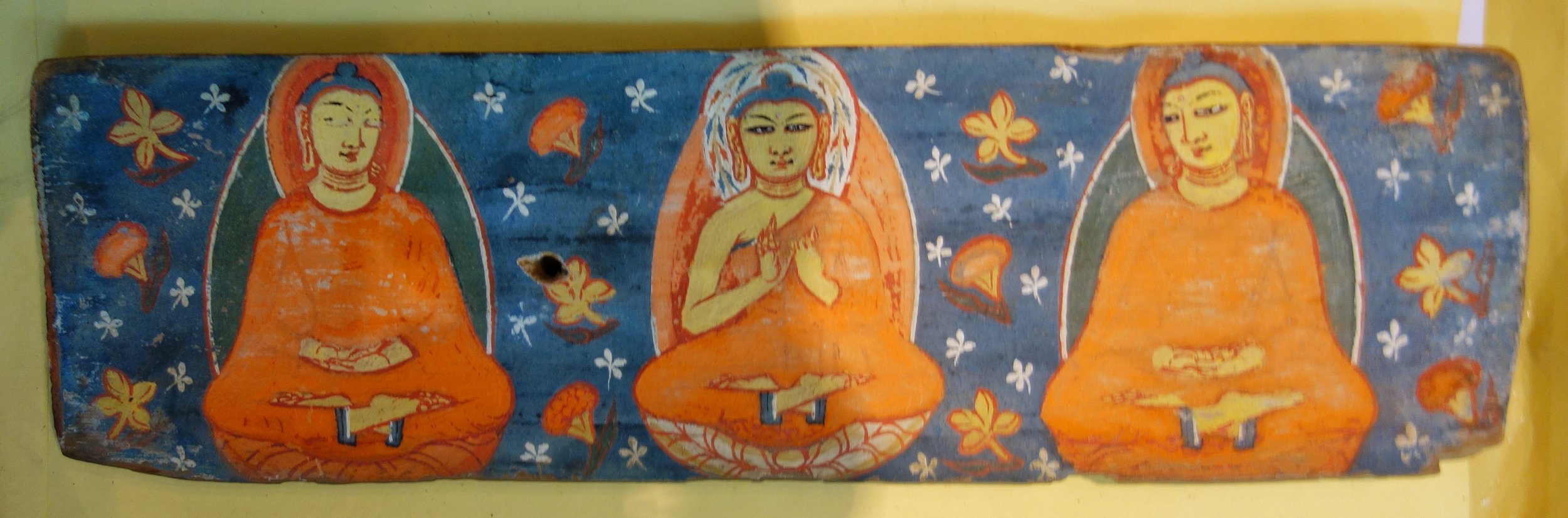
The Hand Painted Covers in which the Manuscripts were kept
Gilgit was at that time at the cross roads where South Asia, Central Asia and Eastern Asia met and it was an important stop on the Silk Road. Many monks from India carried the message of the Buddha from here to Tibet, China, Korea and even as far as Japan. It was along the Silk Road that Buddhism spread eastwards towards the rest of Asia. Gilgit hence played an important part in the spread of Buddhism and hence this find.
The almost seventeen centuries old Gilgit Manuscript has been giving historians a hard time, as no one has yet been able to fully decipher it. The lamination of the manuscript by the National Archives of India sometime ago has once again put the limelight back on this all-important literature concerning India, Tibet, China, Japan and other neighbouring countries.

Another leaf from the Gilgit Manuscipt
In fact in 1897 - 34 years before it was discovered - the Buddhist Text Society of Calcutta had published references to the Gilgit Manuscript saying that if it were ever to be found it would unravel the ancient history of several communities as it is considered to be the oldest Buddhist manuscript.
A corpus of many Buddhist texts such as the Four Sutras from the Buddhist canon, including the famous Lotus Sutra, the Manuscripts survived because they were written on the bark of the Bhoj (Birch) Tree which does not decay and obviously helped by the sub zero temperatures in Gilgit. They were written in the Buddhist form of Sanskrit in the Sarada or the Sharda Script. The Gilgit Manuscripts deciphered thus far cover a wide range of subjects such as religion, religious rituals, philosophy, iconometry, monastic discipline, folk tales, medicine and culinary art.
The most famous of the Gilgit manuscripts, the Gilgit Lotus Sutra is preserved in the National Archives of India in Delhi. Known as the Saddharma Pundarika Sutra – or the teachings of the white lotus and sun – the sutra is the basis of the Tiantai and Nichiren schools of Buddhism. In 2012 a facsimile edition of it was published by by the National Archives jointly with the Institute of Oriental Philosophy and Soka Gakkai, a Japan-based non-governmental organization.

Another cover for the Gilgit Manuscript
"In August 1938, seven years after the discovery of the texts, the archaeologist Madhusudan Kaul Shastri led a systematic excavation of the Naupur site and discovered another larger chamber at the base of the structure. The chamber contained another set of the Gilgit Manuscripts along with votive objects and probably Buddhist cult bronzes.
"According to renowned scholar Karl Jettmar, inscriptions on these bronzes “reveal that they were produced and dedicated due to the generosity and the religious zeal of a Patola Shahi”. The Patola Shahis, also known as Palola Shahis, were the rulers of Gilgit and Baltistan from the late sixth to the early eighth centuries AD.
"Shortly after, Kaul Shastri and his team outlined the specifications of the second group of manuscripts and other finds from the site including the hand painted covers of two manuscripts.
"In the third phase, the well-known Italian scholar Giuseppe Tucci secured another small group of the manuscripts in 1956. Obtaining them from a street vendor in Rawalpindi, he presented them to the Karachi museum.
"Roughly 60 manuscripts and 17 Avadnas emerging from Naupur are of unmatched significance in Buddhist studies. These are the oldest surviving collection of religious texts in the subcontinent. Based on the paleographical evidence, scholars agree that local Buddhist devotees compiled these texts between the fifth and sixth century AD. With the exception of only a few scripts, all the manuscripts were written on birch bark in Buddhist hybrid Sanskrit language in the Gupta Brahmi and post-Gupta Brahmi script.

More leaves from the Gilgit Manuscript
"The manuscripts contain sutras from the Buddhist canon, the Samghata Sutra, Samadhiraja Sutra, Saddharma Pundarika Sutra, and Bhaisajyaguru Sutra.The Samadhiraja Sutra is one of the important Mahayana canonical texts, which are collectively called Navadharma. The Saddharma Pundarika Sutra, popularly known as Lotus Sutra, figures prominently in the Gilgit Manuscripts and scholars agree it was the most venerated sutra of the Buddhists from the Gilgit area"
Though the grammatical and literature aspects of the text are gradually becoming more of historical interest in the contemporary world, what is of interest is the social relevance of some of the sutras mentioned in the manuscript. Experts feel that when the full text is deciphered a common thread will be found in the language and people of countries like India China, Japan, Thailand, Tibet and Korea which would have the potential of altering the very geo-political map of the region.
At present the main collection is with the National Archives in New Delhi and some parts with the British Museum in London and at the Karachi Museum. Apparently Nehru had the many body of the Manuscripts bought by a special Plane from Srinagar in 1948 after the Tribal Invasion. However a small part of the manu scripts still lie at the Shri Partap Museum in Srinagar though not on display.
The importance of the Gilgit Manuscripts can be guaged from this Report in the BBC :
http://www.bbc.com/news/world-asia-india-17935041
As luck would have it I managed to have a look and some parts of this Great Treasure at the Sri Partap Singh Museum yesterday and was even allowed to take pics. :)

Some more leaves
To come face to face with such a great treasure is truly a humbling experience and I could not help but tremble with excitement as the significance of what I was going to see. This is the Holy Grail of Buddhist Learning.
NOTE : Compiled from nformation on the Gilgit Manuscripts from various references on the Net.
PS : The Museum plans to put this on Display as it is shifting to a new Building and some Galleries are already open for Public viewing. The Museum has a great collection and is a must see when you visit Srinagar. I will try and share more treasures from the Museum here.
Kishtwar : At the Himalayan Crossroads
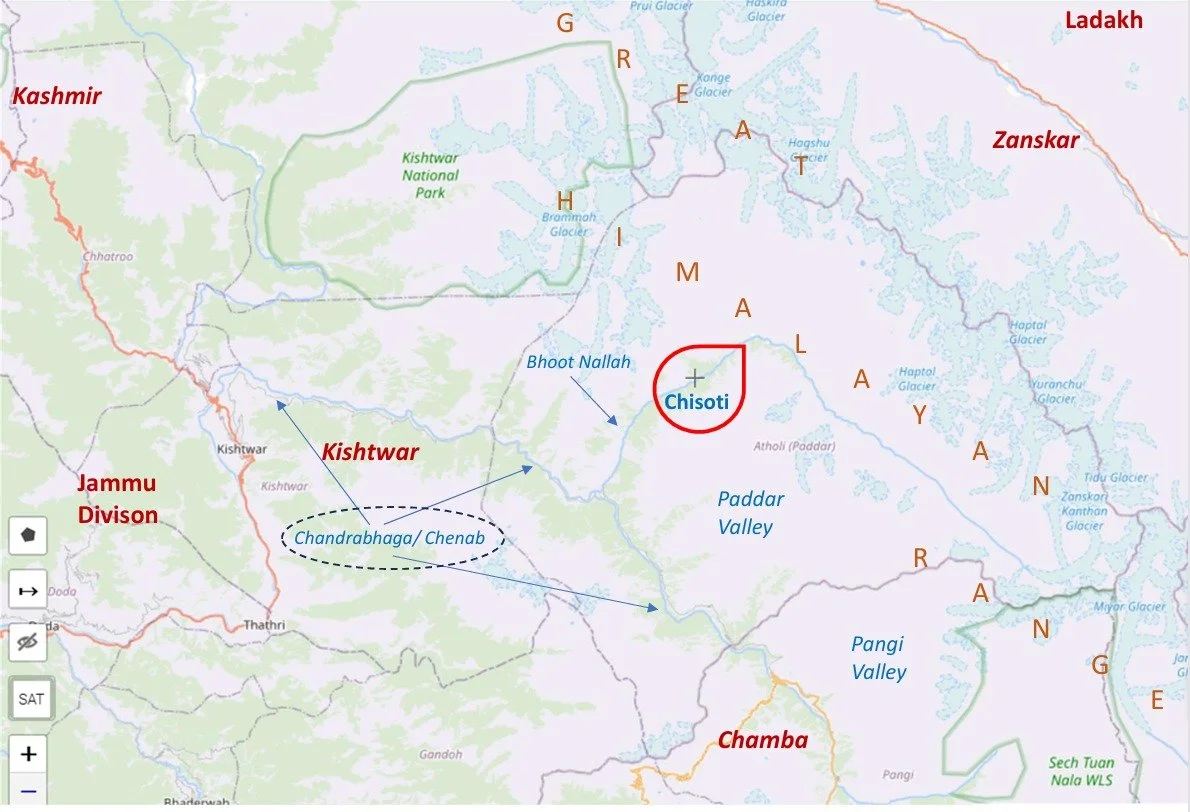
Kishtwar is a region in the Jammu division of the state of Jammu and Kashmir. Due to its unique location just under the shadow of the Great Himalayas and at the place where the religions and cultures of the Himalayas meet. They give Kishtwar a unique flavor which remains largely unexplored.
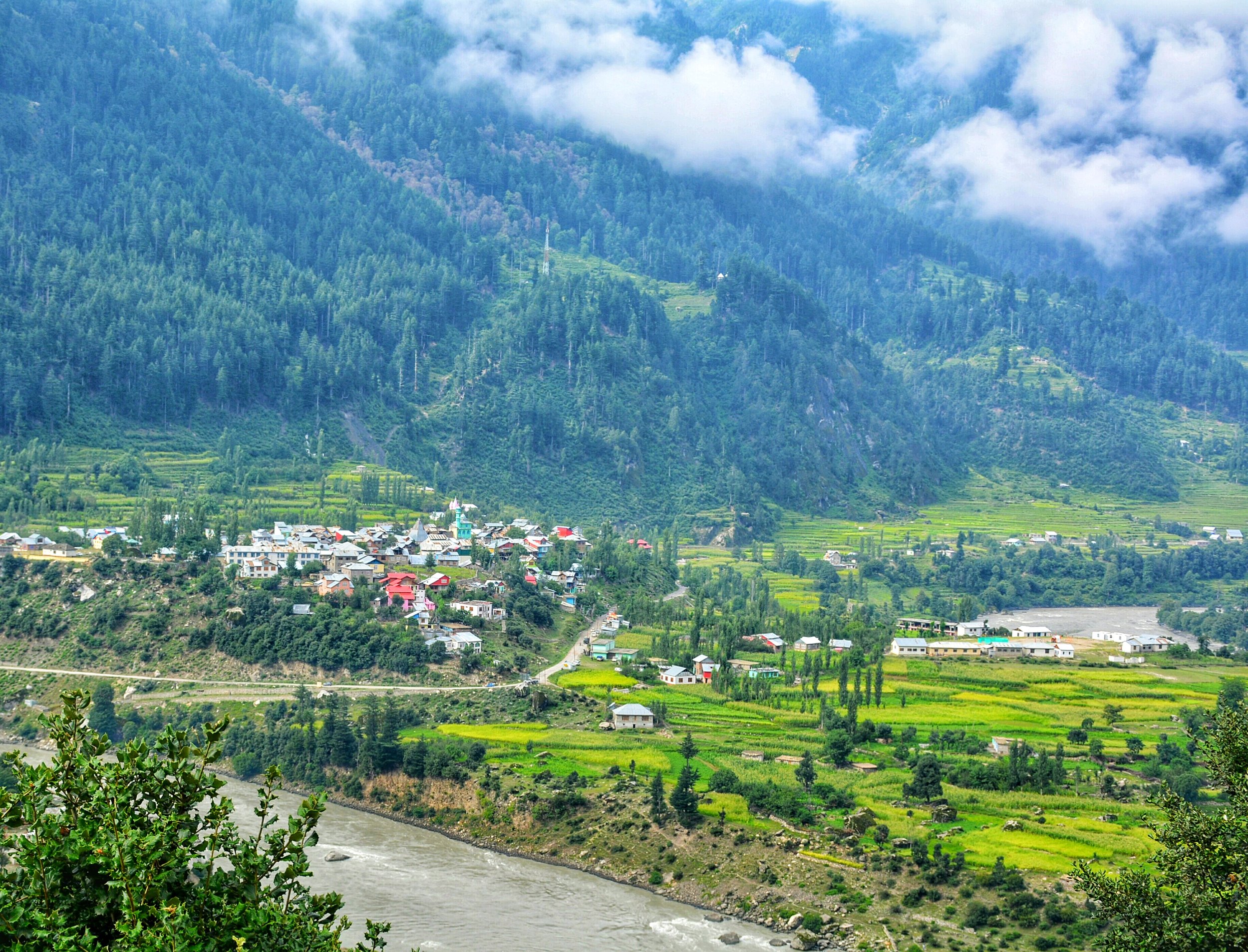
Kishtwar : At The Himalayan Crossroads
Kishtwar today is just a district in the Jammu Division of the state of Jammu and Kashmir. It borders the Kashmir Valley on one side, Doda on the other, Zanskar in the North, Chamba in the South. It has been noticed by some hard core mainly foreign Monatineers in the past and even recently for the great climbing opportunities it offers in the Kishtwar Himalayas.
Ok coming to what I wanted to write about. The Great Himalayan Range and its related Ranges stretch from the Pamir Knot down to the Hengduan Mountains in North Western Kunming. Besides all the ethnic and cultural variety there are also a variety of Religions practiced in these Mountains. Since Religion is a hot topic of debate and discussion and even derision on the Himalayan Club I decided to write on a subject related to it. To me the Religion of a place carries as much value as the ethnicity or the culture or the language does.
In the Himalayas there is the basic presence of three of our great religions. In the Western and Northern part of the Western Himalayas it is Islam which dominates. However beyond the Himalayas in the North its Buddhism. Towards the Eastern and Southern Part of the Western Himalayas it is Hinduism. And of course Buddhism in the Trans Himalayan reaches. The Central Himalayas are a stronghold of Hinduism stretching all the way across to Sikkim. But again as a feature seen earlier its Buddhism which dominates the higher Himalayas and the Trans Himalayas. Beyond Sikkim its predominantly Buddhism which is the majority religion.
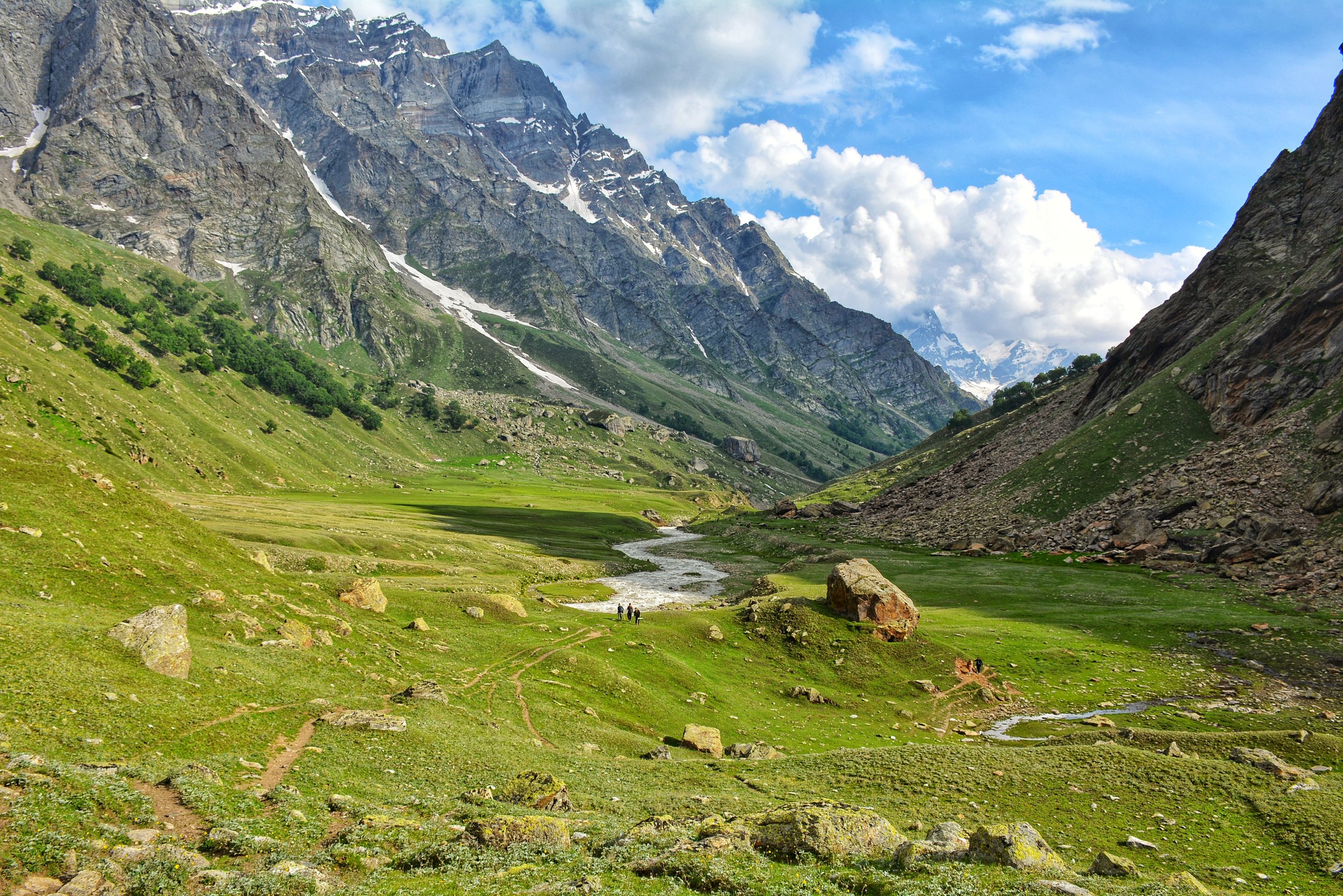
Its in Kishtwar that the three belief systems merge and hence it gives unique place in the Himalayas. The majority population follows Islam, a large minority follows Hinduism and a very small minority of Buddhists also exist in Kishtwar. Its in the upper reaches of Padar (which used to be called Paldar by the Ladakhis / Tibetans) that there are exist Buddhist villages which follow the same Tibetan Buddhist traditions that are followed across the Great Himalayan divide in Zanskar. Infact in some of these Villages in Kishtwar there still exists an animal which is associated more with Ladakh or Tibet ie the Yak. In the Padar Region in the upper reaches along the Machail River there are the twin hamlets of Halo and Hango on the left side of the Machail River and the Villages of Lossaini, Dangali, Scham and Jashari which are all Buddhist Villages.
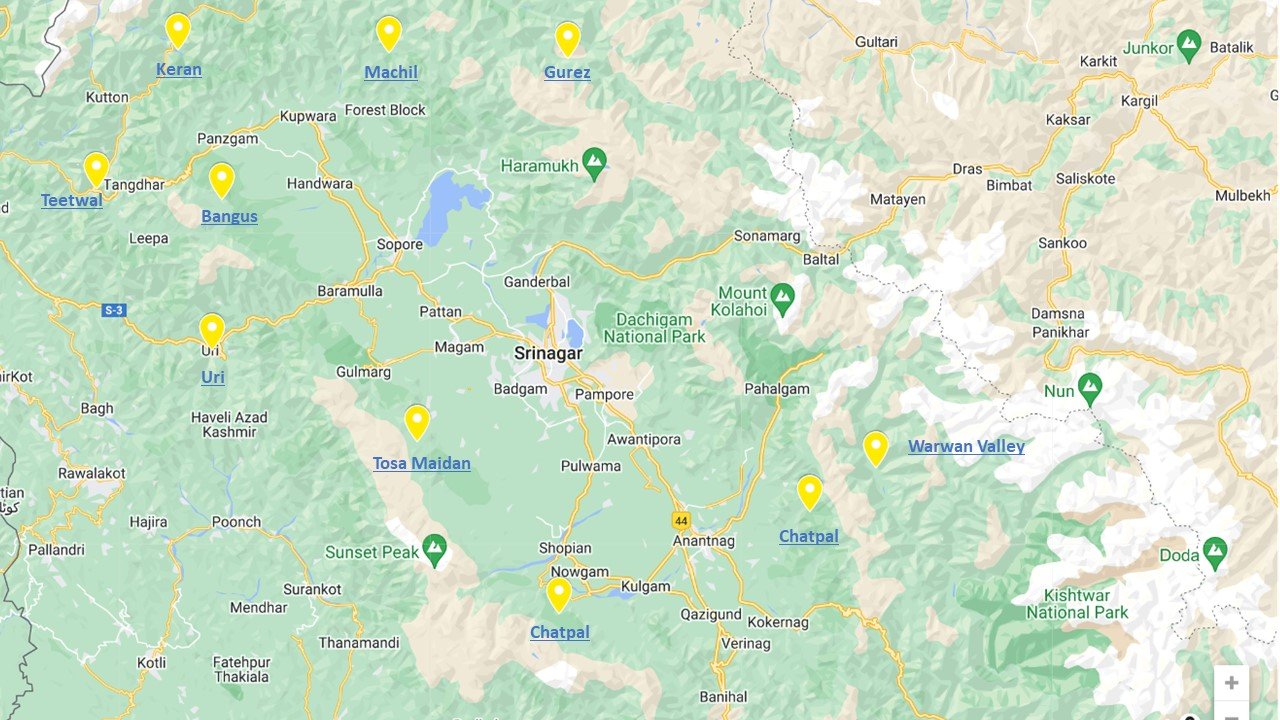
Towards the south bordering Doda and Chamba are a majority of Hindus contiguous with the populations to the South. The main Kishtwar town and to the North of it are majority Muslim population many of whom have actually come in from adjoining areas in Kashmir. In Fact the Kashmiri spoken by the people in the Warwan Valley, which is a part of Kishtwar, is supposed to be the purest form of Kashmiri as it was spoken in the olden days. The Warwan Valley runs parallel to the Suru Valley in Ladakh separated by the Great Himalayan Range itself.
Kishtwar is first referred to in the Rajatarangini by the ancient name Kashthavata, during the reign of Raja Kalsa of Kashmir (1063–1089), when "Uttamaraja", the ruler of Kashthavata visited the court of the Kashmir King in company with several other hill chiefs to pay their respects to the Raja.
It was more or less an independent Hill Kingdom ruled by Rajput Hill Rajas as was the norm in the region. The Royal family had supposedly descended from the Royal family of Suket.
However subsequently a part of it also became a part of the Western Tibetan Kingdom and the one of the Kings divided his Kingdom between his sons and they got Zanskar, Purig and Kishtwar as separate Kingdoms. However in the absence of any written historical records of history of the Region the timelines are just approximate guesses and due to the Geography of the region it is well possible that a part of Kishtwar was under the Rajput Hindu Rajas and the more higher and remote areas like Padar was under the rule of Ladakhi/ Tibetan Rajas.
In the 17th Century the Rajas of Kishtwar converted to Islam so did a large part of the population. But in an odd adaption the Rajas, though Muslims by religion, had Hindu Rajput names and this continued till the 1820 when it was captured by Raja Gulab Singh, a vassal of Maharaja Ranjit Singh. The name of the last ruling was Raja Muhammed Teg Singh s/o Raja Inayatullah Singh. The campaign for the capture of the Kingdoms of Kishtwar, Reasi and Arnos was carried on by none other than General Zorawar Singh who subsequently became the Governor of these erstwhile Kingdoms and it was from here that he planned his invasions of Ladakh, Baltistan and Tibet. And one of his main Officers, Col Mehta Basti Ram, of the well known Mehta clan of Kishtwar, who campaigned fearlessly with General Zorawar Singh in all his Campaigns. After the death of General Zorawar Singh and the subsequent signing of the Treaty of Chusul, it was Col Mehta Basti Ram who became the first Governor of Ladakh.
As of today this most beautiful part (arguably) of Himalayas lies mostly unknown to outsiders except a few adventure seekers. Lying in the shadow of Kashmir and Ladakh but a part of Jammu that can give both these places more than a run for their money just with its amazing Geographical and Cultural diversity.
Kashmir and Tibet : The Forgotten Past
Kashmir has over the ages has had a great influence on Tibet in the area of Religion and allied Religious Iconry. Infact Mahayana Buddhism traveled to Tibet from Kashmir via Central Asia after the Fourth Buddhist Council in Kashmir. A large number of artisans and craftsmen were taken from Kashmir to Tibet to decorate the Monasteries as well.

Kashmiri Cultural Influence on Tibet
Last year the Himalayan Club sent a request to His Holiness The Dalai Lama asking him for a private audience for the members of the Himalayan Club. And His Holiness decided to give a private audience last year in April. A Group of members of the Himalayan Club along with family members went for the same to McLeodganj. I alongwith my wife and little baby daughter also went along the delegation.
We had the audience, and though I am not a religious person, I really like listening to His Holiness as what he speaks makes sense to me. And hearing him in person at his residence was quite an experience. After His Holiness finished his talk we all went to get blessings from him and a photo op. I wanted him to bless my daughter and I had a brief exchange with him wherein I told him that I am from Kashmir. He smiled and told me that many Tibetan monks used to go to Kashmir to gain knowledge and there is an old relationship between Kashmir and Tibet.

A Crowned Buddha from Kashmir
Of course I have been trying to dig up some of the relics of Kashmir’s Buddhist past which included the Monastery at Harwan, where the 4th Buddhist Council was held in the first Century as well as the Gilgit Manuscripts, which is the oldest manuscript found in the Indian sub-continent and one of the most sacred Buddhist scripture ever discovered (I have covered both of these in previous Posts).
But as my search continued that it wasn’t just Buddhism that went to Tibet from Kashmir. It went much further than that. A whole bunch of scholars and craftsmen from Kashmir went to Tibet as a part of this cultural exchange. This included the best craftsmen and sculptors. There is a great similarity between all the Buddhist iconography in Stone and Bronze made in Tibet with all such iconography found in Kashmir from the Buddhist era in Kashmir which started around the time of the Great Kushan Emperor, Kanishka in the first century till the time of Lalitaditya in the 8th century wherein slowly Buddhism started disappearing from Kashmir till it disappeared in the 12th century. The sculptors and craftsmen in Kashmir shifted to Hindu iconography and making statutes of Vishnu and his Avatars. But their Buddhist tradition continued to thrive and evolve in distant Tibet. As an example I present to you two Bronze statues of the Tara. The one on the left is a 9th century Tara from Kashmir and the one on the right is a White Tara from the 17th century from Tibet. In Spite of the geographical distance and a difference of almost 800 years the similarities are still quite uncanny.

A Reliquary Showing scenes from Buddha's life from Kashmir
There are records of Kashmiri craftsmen going to the ancient Kingdom of Guge in Central Tibet to decorate the Buddhist monasteries being built there. Tibetan Chronicles also mention that the great Tibetan scholar Rinchan Sangpo visited Kashmir thrice in order to take Kashmiri craftsmen to Tibet to re-organise Buddhist arts in Tibet. It is said that Rinchen built a Hundred and Fifty Temples in Tibet with the help of 75 Kashmiri craftsmen. The 16th century monk, Lama Taranath also records the great contribution of Kashmiri craftsmen to Tibetan painting and metal casting.
Kashmir being historically at the crossroads of great civilizations constituted a great melting pot with cultural influences from all over. Before its emergence as a strong Kingdom in the 8th century Kashmir was a part of the belt ranging from Southern Iran to Gandhara to Bacteria to Kashmir were a part of the great belt of Buddhism and such similar sculptures have been found all over Central Asia, Afghanistan, Pakistan, Kashmir and onwards to Tibet.But of course over a period of time Buddhism disappeared from all these areas and all the cultural traditions and Buddhist arts and crafts shifted to Tibet and a part of it to Mongolia as well.

Tara from Kashmir
Of course Buddhism in Tibet has evolved into its present form of Tibetan Buddhism over the age. But scratch and look under the surface and its a reflection of the tradition and culture that was followed by populations all over the Himalayas, the Karakoram and the Hindu Kush and further into Afghanistan and Southern Iran. Buddhist art in Tibet is a legacy from the past of all these regions and especially Kashmir. Looking at Tibetan Buddhist art now I see it as a mirror into the past showing the arts and crafts of our ancestors long forgotten in the land of their origin but still thriving in Tibet. Much like Buddhism itself.
As of today “Himalayan Art” as its called is considered Religious iconry art representing Hindu, Buddhist and Bon and the three main categories it is divided in are Tibet, Kashmir and Nepal. This is the wide classification of Himalayan Art and it wouldn’t surprise me if a link is found as to how Nepalese Art was also influenced by Kashmiri art coming in from Tibet.

Vajrasattva from Kashmir
Pic of Tara, also known as Arya Tara and Jetsun Dolma in Tibetan Buddhism, is a female Bodhisattva in Mahayana Buddhism who appears as a female Buddha in Vajrayana Buddhism. She is known as the Mother of Liberation and represents the virtues of success in works and achievements. She is originally supposed to have originated as a form of Goddess Durga and entered the Buddhist deity fold over a period of time.
Kashmir Tara pic from Shri Pratap Singh Museum, Srinagar and the Tibet Tara from the Shanghai Museum, Shanghai. Both pics from October 2017.
Harwan Buddhist Monastery Ruins
Exploring the remains of the Harwan Buddhist Monastery in Kashmir where the 4 th Buddhist Council was supposed to have been held in the First Century. It was Emperor Kanishka of the Kushan under whose aegis the Council took place and it was after this Council that hundreds of Buddhist Monks went to Central Asia, China, Korea, Japan and Tibet to propagate Mahayana Buddhism.
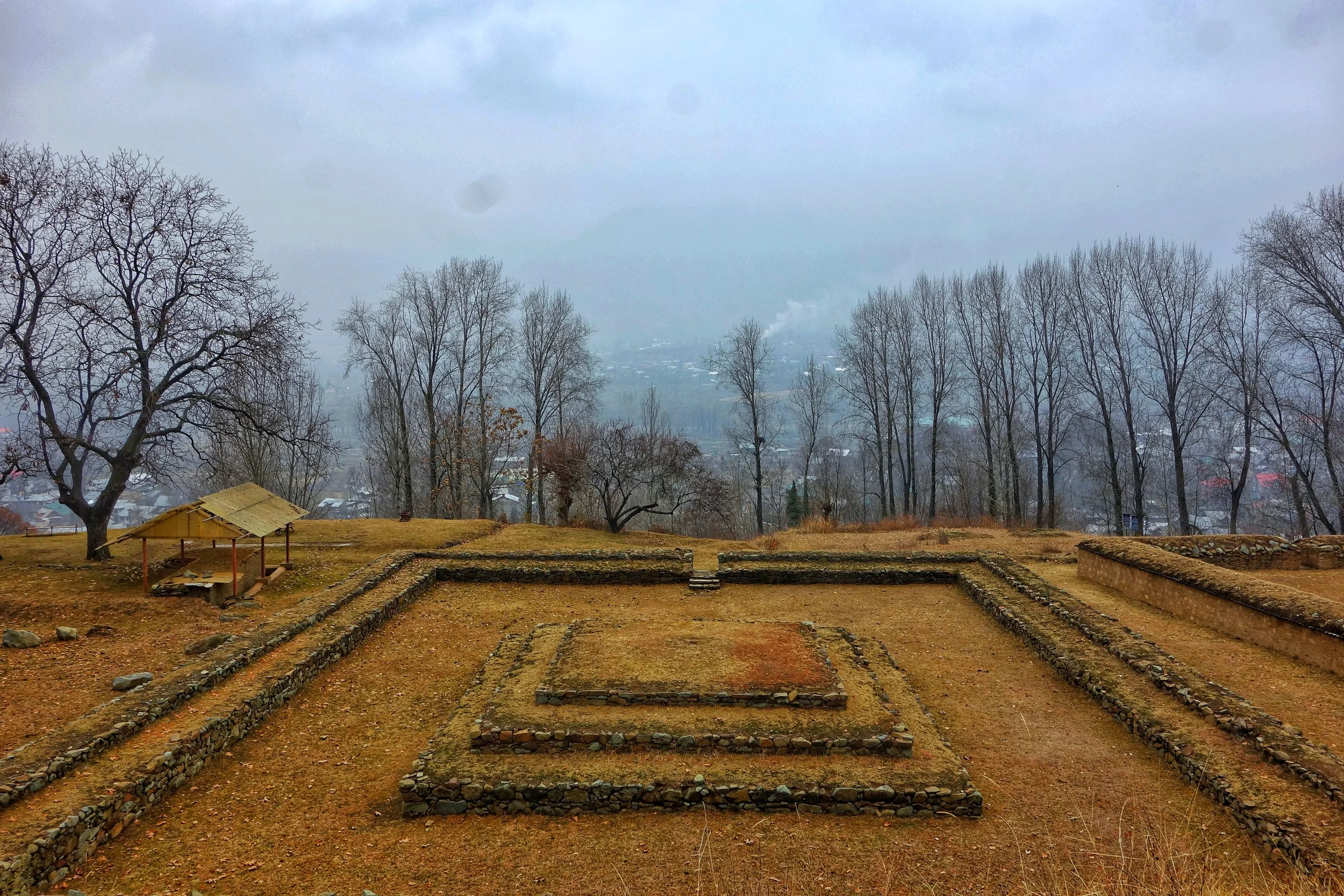
The Two Thousand Year Old Buddhist Monastery Ruins
Today was the first day of the Chillai Kalan and it was a nice and pleasent 4 degree C I decide to look again for something i had looked for before but was unable to locate the exact place. It was the excavated site of an almost 2000 year old Buddhist Monastery on the outskirts of Srinagar and I had seen terracota Tiles from the same site at the SPS Museum and they showed a very high level of craftsmanship.
I drove to the point where the car would go and walked up the hill through a village as pointed out by a Government board which showed an arrow towards the location.I had followed this twice before but had just reached a place which looked ancient but couldn’t really make out anything. Same thing happened today, the board says Harwan Ancient Buddhist ruins but all i could see were rocks and a water treatment plant. I Googled and got some images which looked totally different from where I was but I could make out that it was the same hills in the background. So i looked around again and again.
An old man sitting watching his sheep noticed and after 10 minutes asked me what I was looking for. I told him and he pointed upwards to a spur where I could see a couple of Chinars. He said go there as that is where its at. He also told me that the board is at a wrong place and the very few people who come cant find it. He asked me which Government Department I was from. I smiled and said I dont belong to the Government. He asked why I wanted to go there then ? I said I wanted to click some pics. He stared at me for a couple of seconds and then just nodded his head and pointed his stick towards the track that would lead me up.
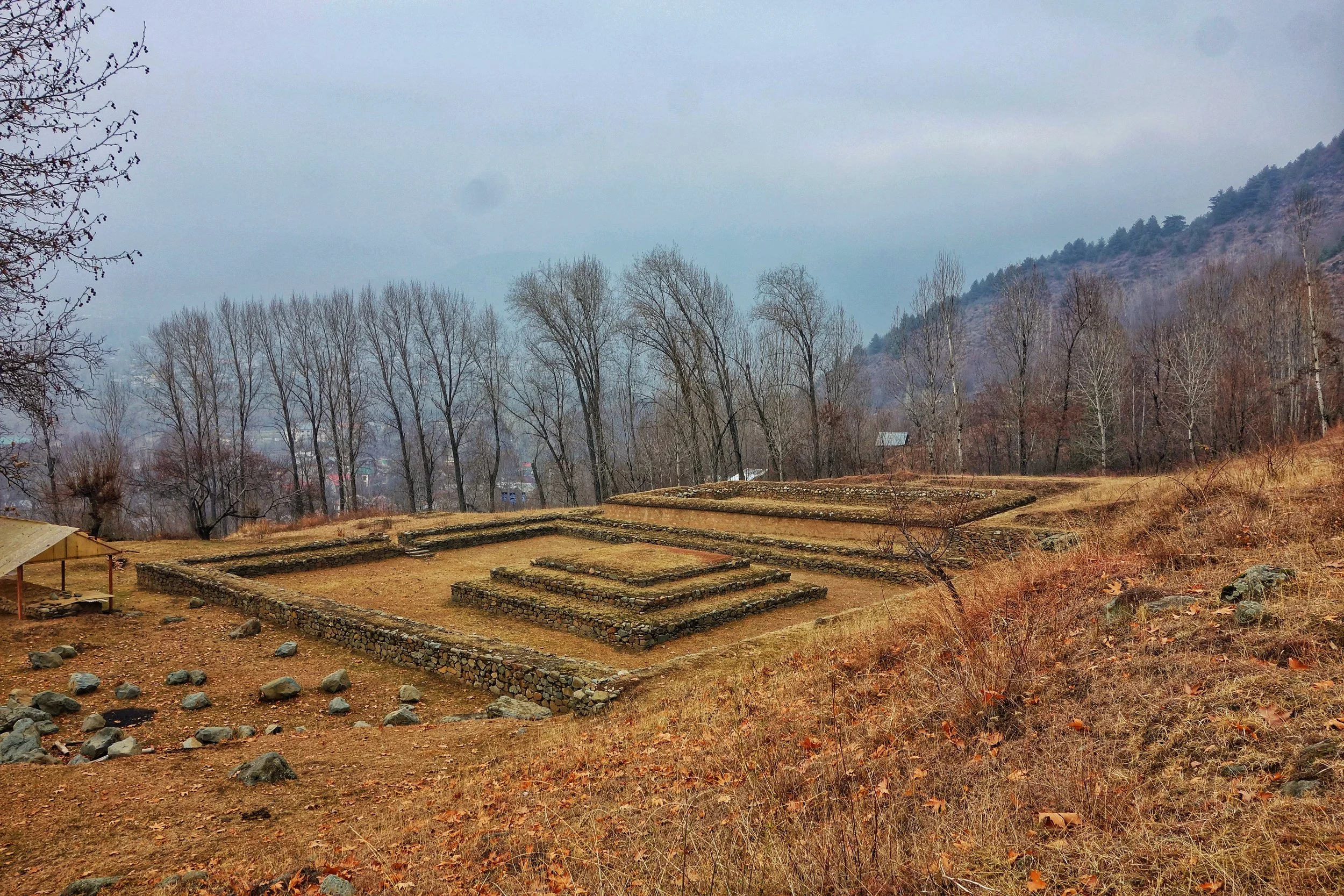
I started walking up. It was kinda cold and dreary. Just grey and brown. And then first I stumble on the ASI Boards saying its a Protected Monument and another one describing the significance of the site (which I will come to later). There wasnt a sole in sight and in the background the hills of the Zabarwan were covered in scanty snow. And then i came upon the site.
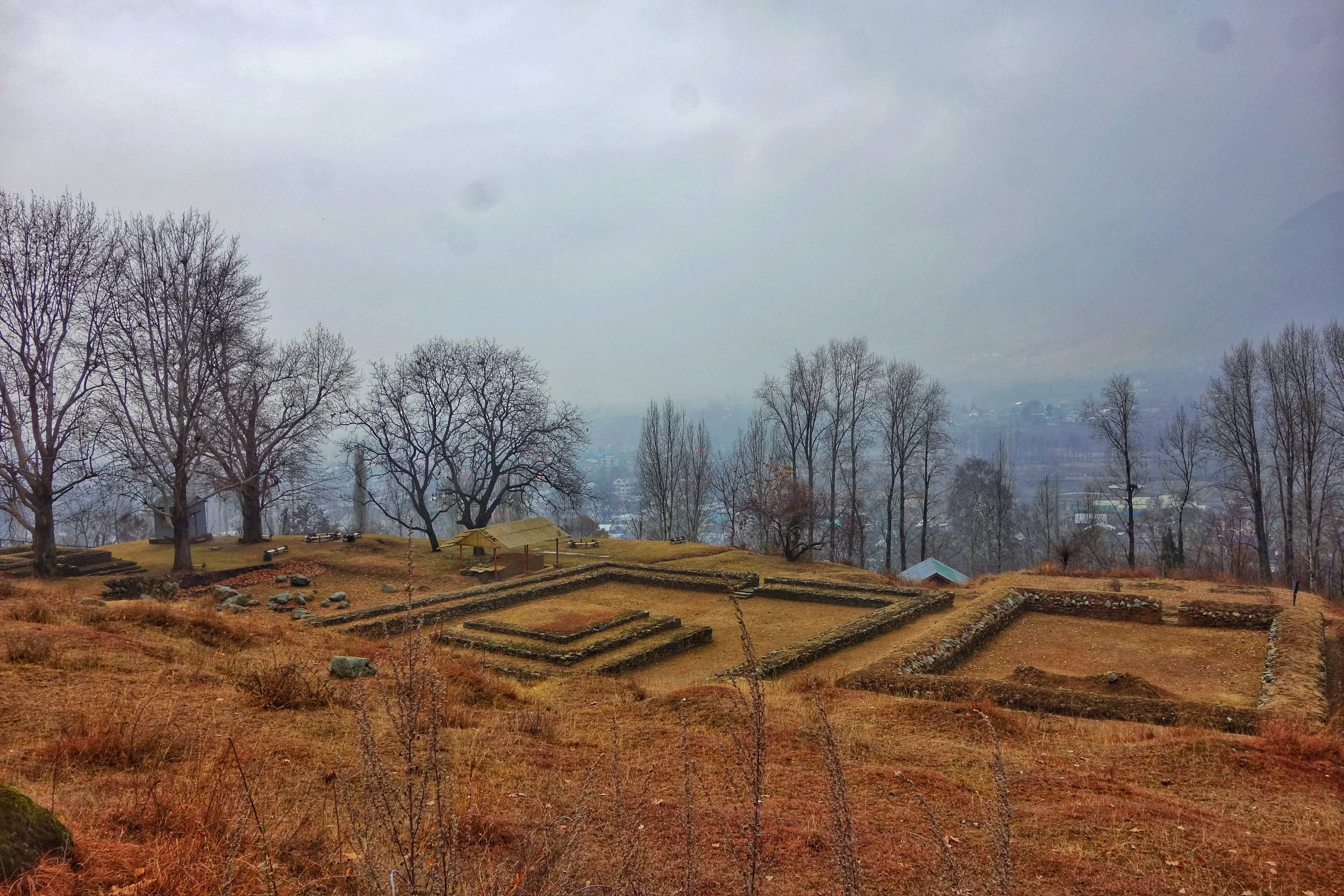
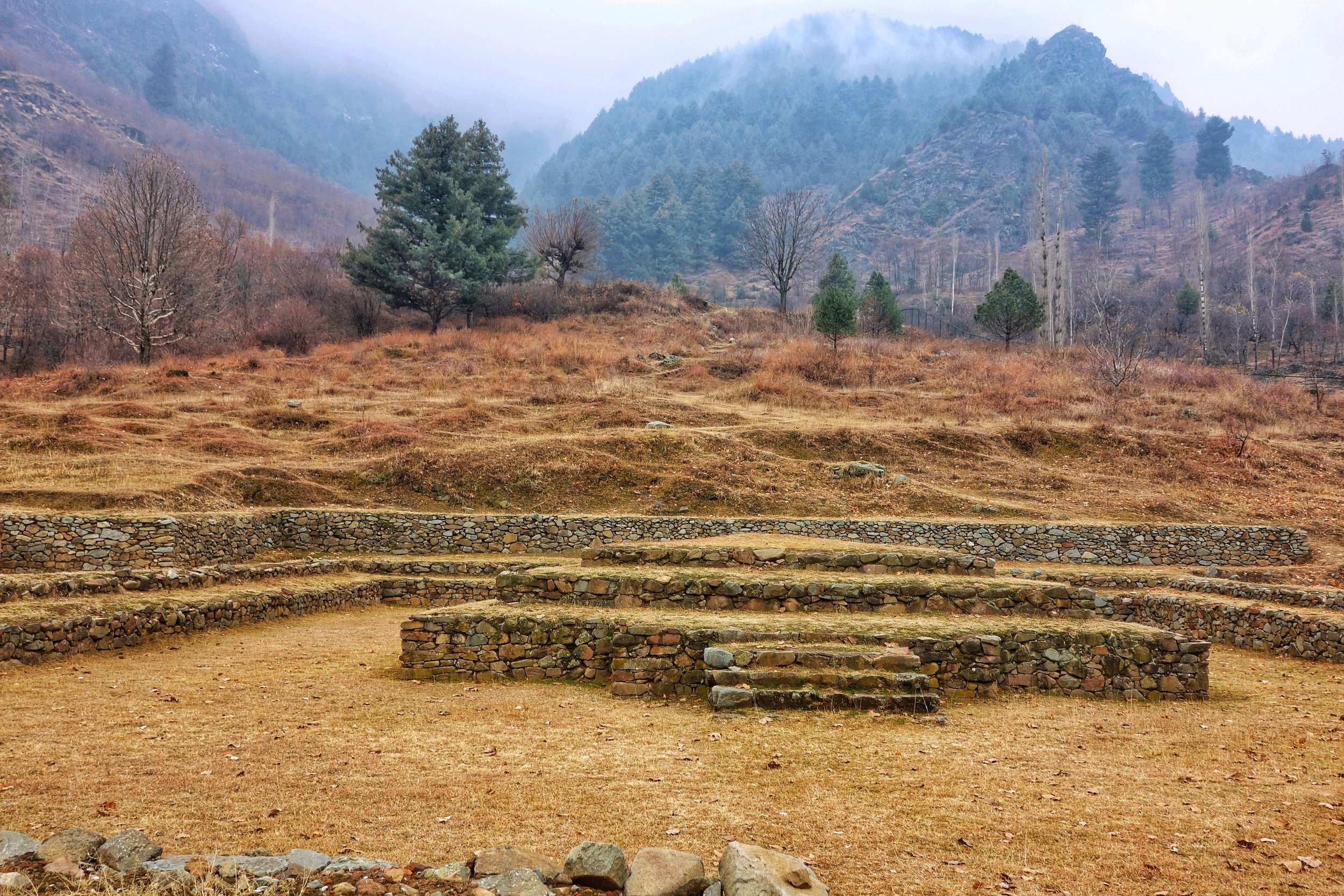
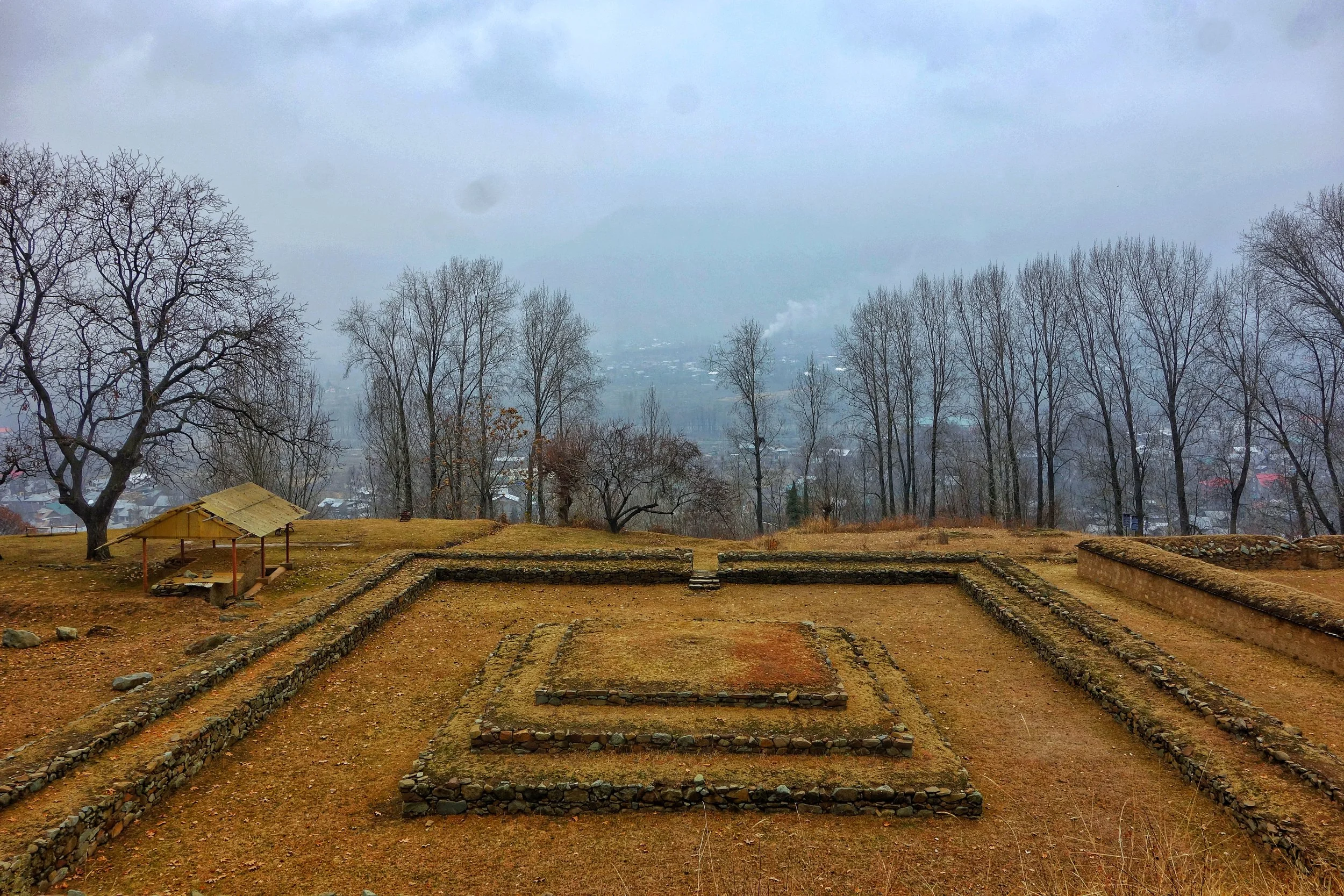
It was surreal. A well laid out platform of a Monastery and a Stupa base at the center. This was the first tier. There were I assume multiple tiers as was the norm that time for Buddhist Monasteries in Kashmir. The much visited Pari Mahal was also built on the ruins of one such Buddhist monastery. Kashmir used to be a stronghold of Buddhism till it declined and all the Buddhist monasteries and structures just wasted away.
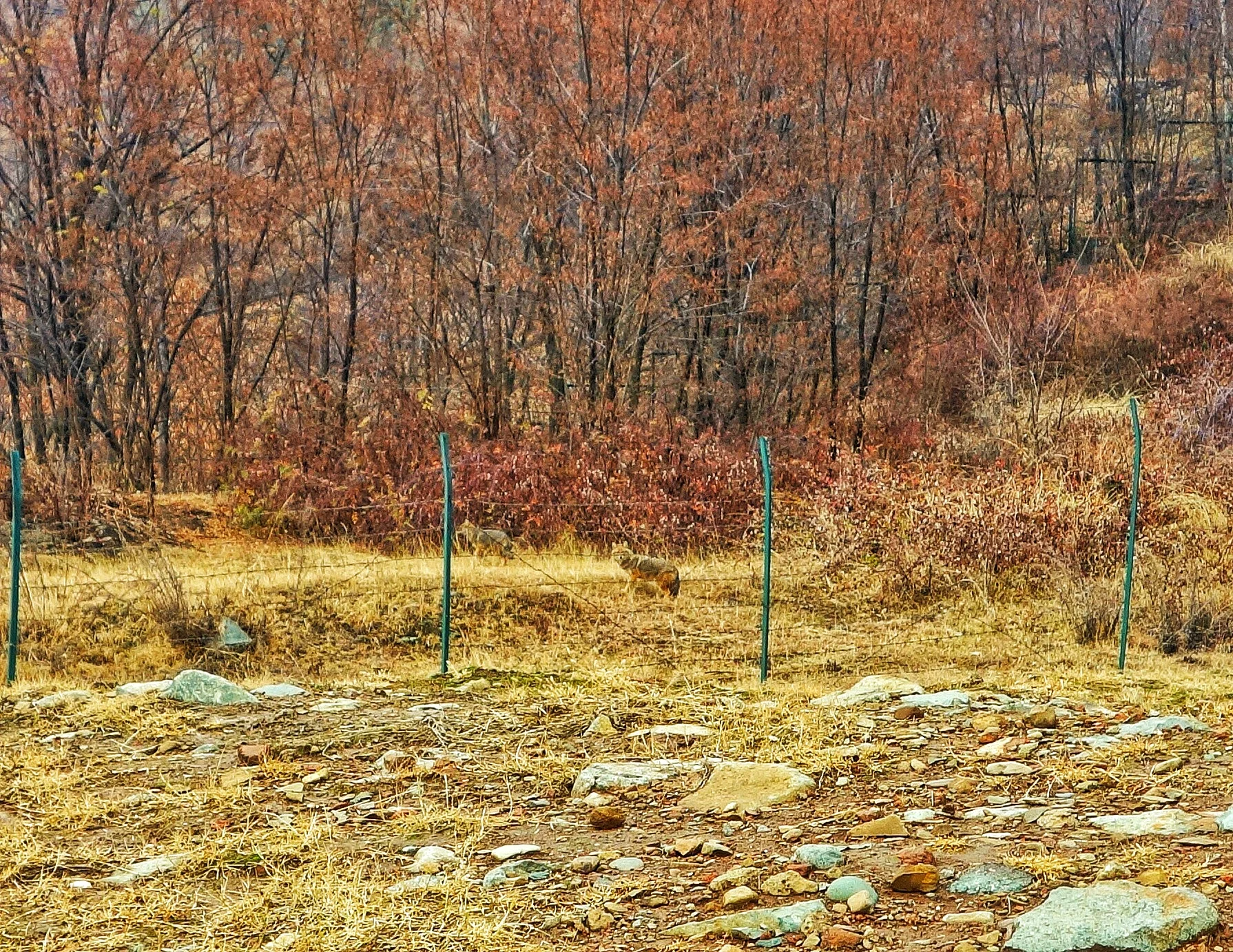
After this I climbed up to the what was the Upper tier. As soon as I got there I realized that I had company. Not humans but three Jackals doing their Jackal things on the Upper Tier. They were as surprised to see me as I was to see them. I think hardly anyone ever visits so the Jackals felt at home and this is actually almost in Dachigam so I was relieved it was Jackals and not Bears. Anyway they ran away once they saw me.
The Upper Tier also had a Temple type round structure and a courtyard which was covered with the same Terrocota Tiles I had seen at the the Museum. To cut it short this also looked quite exquisite for something supposedly 2 thousand years old. On the back towards the Mountain were other remains of tiers and one can only imagine how big this whole place used to be once upon a time.
Now the significance. It is said the Fourth Buddhist Council was held in Harwan around somewhere here and this weel could be the site. It was convened by the Great Kushan King Kanishka and it is said that it was in this council Buddhism was divided into the two sects, Mahayana and Hinyana. There was also a Fourth Buddhist Council held earlier in Sri Lanka and consequently the completed Cannon was taken as manuscripts to Laos, Cambodia, Burma and Thailand and hence Hinyana or Thervada as it later developed into was/is prevelant there.
At the Kashmir Council convened by Kanishka apparently 500 monks assembled and these includedthe Master Nagarjuna who apparently resided at this very place. After the Council her the Monks went North to Tibet, China, Central Asia and Mongolia. And subsequently it spread the Mahayana school of thought to these countries. This shows what an important place Kashmir was in the spread of Buddhism and more so this exact location which I stood at with some reluctant Jackals for company. The next Buddhist Council was held 1900 years later but this was the last Council of the ancient times.
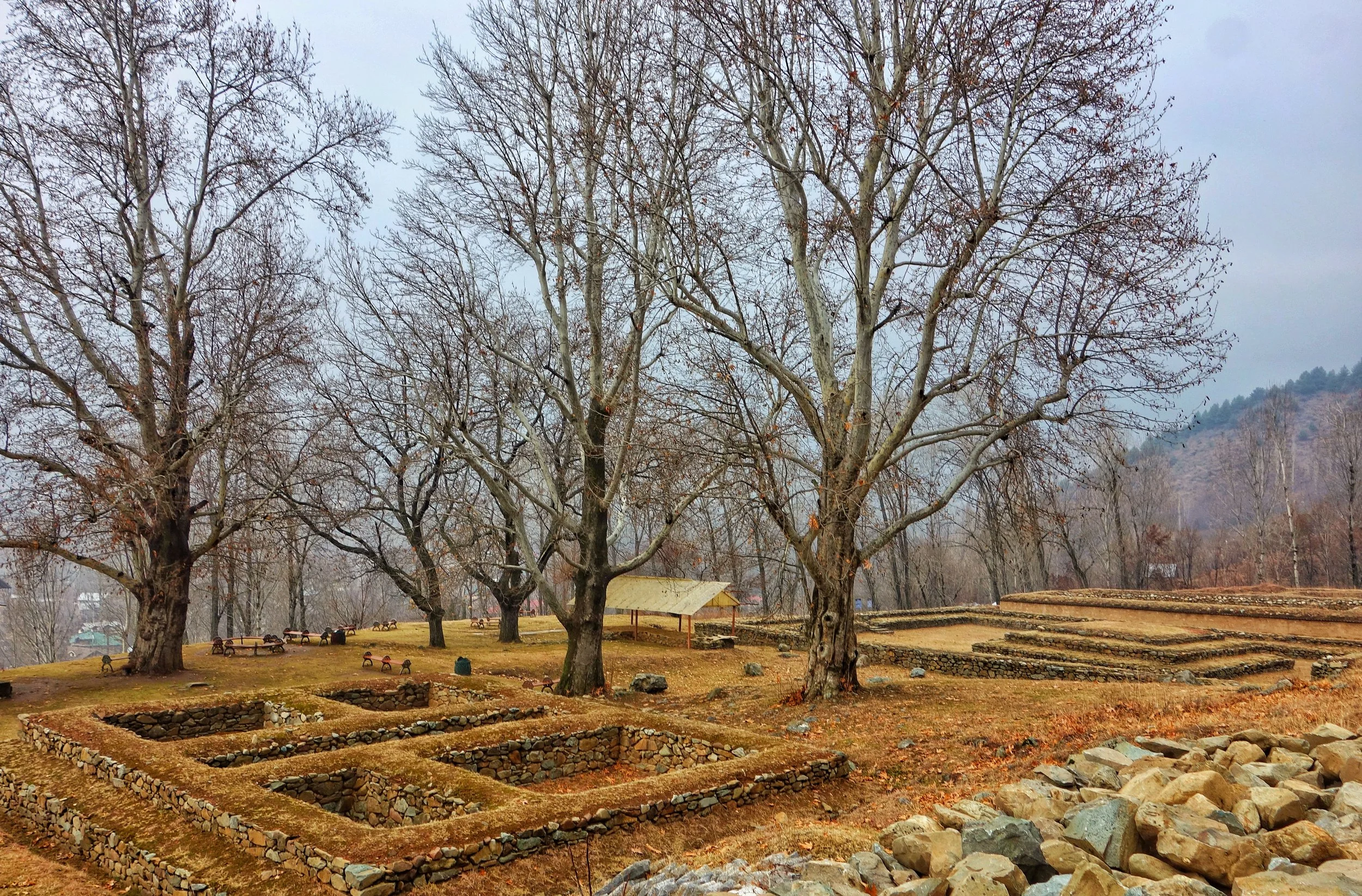
If all that I have conjunctured is true this should be one of the most important Buddhist sites in the whole world. It just cant be anything less. That sadly very few know about this place and even fewer visit is even more bizarre. I got the same feeling when I saw the Gilgit manuscripts (I made a post about the Gilgit Manuscripts. Link given below)but it was stronger. This is an absolute gem of Kashmir and its ancient civilization but sadly today (or maybe not that sadly) its the playground of Jackals.
I hung around, got a few fleeting shots of the Jackals, got pics of the place, shot a video and after an hour I noticed that the Jackals were watching me anxiously. I just blew a kiss towards them and left.
Pic from today. Srinagar, Kashmir
Advertisements
Occasionally, some of your visitors ma
Kiki’s Blog
Stories from the Himalayas
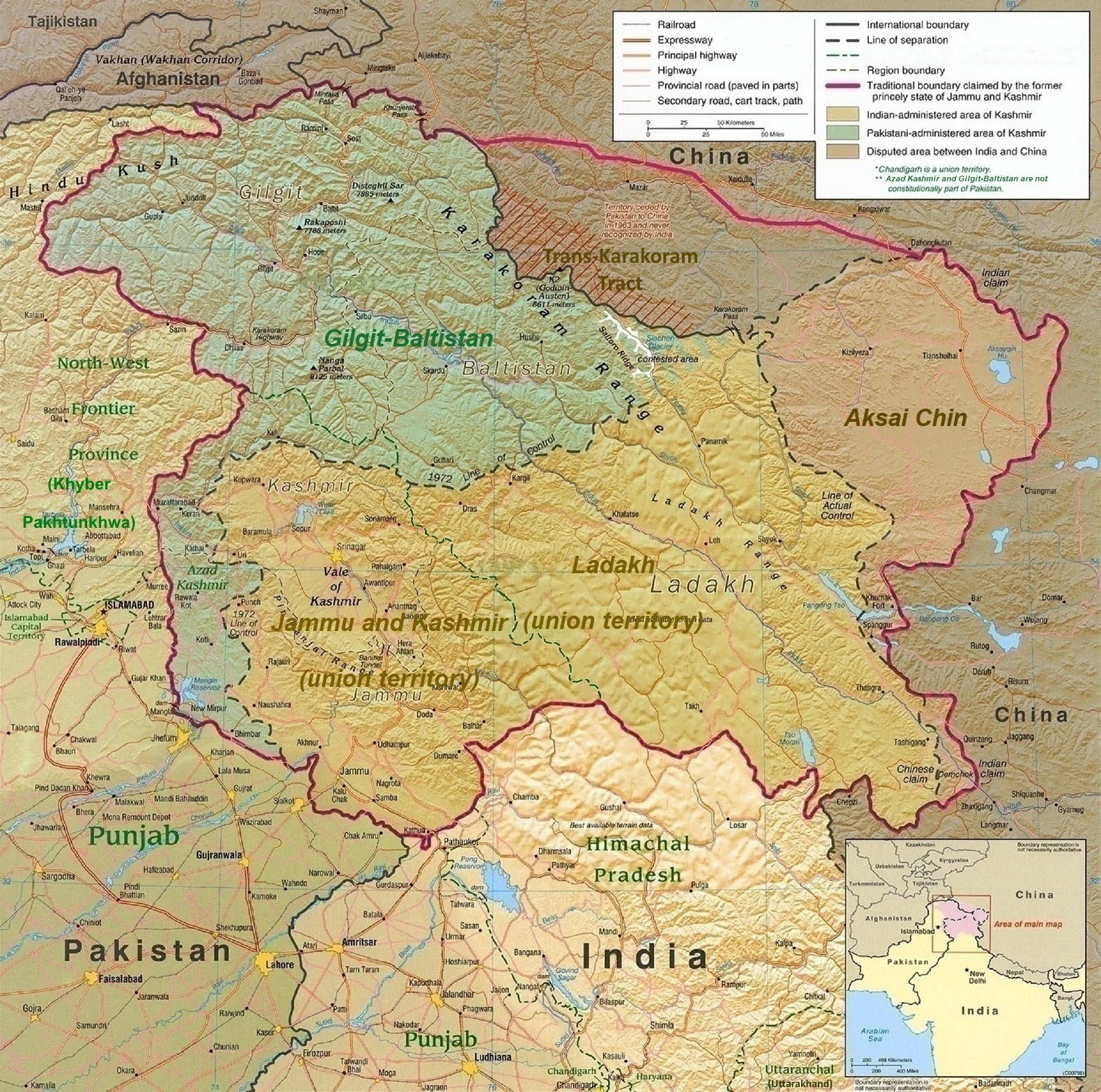



Five years ago the Galwan Valley was in the News for the wrong reasons after a deadly clash between the Indian and Chinese Armies in the Valley located in Ladakh lead to many deaths on the contentious Border between the two countries in wake of continued Chinese intrusions into Indian territory.
This area along the Shyok River, of which the Galwan Nallah or the Galwan River which forms the Galwan Valley has been off limits to Civilians since long but now the Indian Government has decided to open up the area for Civilians and we were amongst the First Civilians to venture into this beautifully desolate part of the Eastern Karakorams in Ladakh. Earlier Civilians could only venture upto the Village of Shyok from where the Shyok River takes a U turn and flows in a Northerly direction.