

Wazir Lakhpat Rai Padari of Padar, Kishtwar
Well it starts with the Raja of Kishtwar called, very interestingly, Raja Mohammed Teg Singh also known as Saifullah Khan. Though the Rajas of Kishtwar had converted to Islam they kept a mix of Muslim Hindu names and followed many Hindu costums and this Raja was no different. He was a vassal of the Afhna Governor of Kashmir who fell out with the Rulers in Kabul. A force was sent to Kashmir from Kabul but the Governor stood up to it and was assisted in the same by forces from Kishtwar. And by this time Raja Mohammed Tegh Singh had got into a service a new Minister called Wazir Lakhpat Rai Padari, who as the name suggests was from Padar.

People familiar with Kashmir and Srinagar with particular must have seen it one time or the other though most of the time one misses it. Situated right on the Maulana Azad Road is the Smamadhi and accompanying it a small Temple which says Wazir Lakhpat Rai Trust from what I re-collect. It is the Samadhi of Wazir Lakhpat Rai Padiar, a Wazir and a Warrior who took part in many Battles and Intrigues in the first half of the 19th Century in the Western Himalayas. He is not to be confused with his namesake Lakhpat Rai, the Wazir under the Durranis in the 18th Century.
Well it starts with the Raja of Kishtwar called, very interestingly, Raja Mohammed Teg Singh also known as Saifullah Khan. Though the Rajas of Kishtwar had converted to Islam they kept a mix of Muslim Hindu names and followed many Hindu costums and this Raja was no different. He was a vassal of the Afhna Governor of Kashmir who fell out with the Rulers in Kabul. A force was sent to Kashmir from Kabul but the Governor stood up to it and was assisted in the same by forces from Kishtwar. And by this time Raja Mohammed Tegh Singh had got into a service a new Minister called Wazir Lakhpat Rai Padari, who as the name suggests was from Padar.
This done Raja Tegh Mohammed Singh set his sights on Bhaderwah which was under the suzerainty of Chamba, though it had its own Raja, and for the same he asked the Afghan Governor of Kashmir for assistance and soon his forces arrived in Kishtwar led by General Khuda Dost. Wazir Lakhpat led the Kishtwari forces and they advanced on Bhaderwah. A force was dispatched from Chamba under Wazir Nathu but they were defeated at Basnota and Gallugarh and the town of Bhaderwah was burnt. The Raja of Kishtwar was all praises for Wazir Lakhpat and a Jgir was bestowed upon him in Bonjwah, where his descendants still live. Later the Raja under the influence of his Hindu Purohit decided to revoke his alliance with Kashmir and decided to ally with Chamba and as a consequence an Army of from Kashmir landed in Kishtwar defeated the local forces and took away what it could and returned to Kashmir. But the Raja was still left in Power.
After that the Afghans in Kashmir were focused on the Sikhs and because of its location Kishtwar was pretty independent and not bothered by the intrigues going on in the Punjab Plains between the British, Sikhs and the Afghans. As it so happened the on the run Afghan King Shah Shuja landed in the custody of Maharaja Ranjit Singh (thats a separate story which includes the Koh I Noor). After enjoying his “hospitality” for sometime in 1815 Shah Shuja escaped from his custody and after swimming the Ravi and passing through Sialkot and Jammu landed up in Kishtwar. The reason he came to Kishtwar was obvious, as he assumed that the King being a Muslim would receive him well. And he was correct. Not only was he welcomed but also allowed to raise an Army to invade Kashmir. Shah Shuja went ahead with the invasion through the Marbal Pass but his Army was defeated and he had to return to Kishtwar defeated and his Army in tatters.

In the meanwhile the news of Shah Shuja being in Kishtwar reached Maharaja Ranjit Singh and at once a demand was raised upon Raja Mohammed Tegh Singh to hand over Shah Shuja. But Raja Mohammed Tegh Singh refused and this would have very grave consequences for him. Shah Shuja in the meanwhile escaped to Warwan Valley and from there on to Suru Valley. From there he went to Zanskar and then Lahaul and the Kulu Valley to finally land up in Ludhiana where he went to the British. Of course this greatly annoyed the Sher- E - Punjab and he deputed Gulab Singh of Jammu to take care of Kishtwar. And so Gulab Singh went about with a plan which would finally throw Kishtwar into his lap without any Military campaign.
Gulab Singh got in touch with Raja Mohammed Tegh Singh and told him that some of his own men were conspiring against him, their leader being none other than his faithful Wazir Lakhpat. He forged letters that were said to have been sent by the Wazir to Ranjit Singh inviting him to invade and take Kishtwar. The Kishtwar Raja was convinced and he planned to have the Wazir murdered in open Court. The eventful day two of his men fell over the Wazir who was grievously injured but survived. The Wazir also came to know that the plan was sanctioned by the Raja so on the purpose of getting back to health he asked the Kings leave to go back to his native Village. The King agreed but instead of going to his native Village he landed up with Gulab Singh and took up service with him and also pointed out how Kishtwar could be taken.
So Gulab Singh messaged the Kishtwar Raja to come and make a personal appearance in the Court of Ranjit Singh to mend fences with him. The reluctant Raja agreed but as soon as he reached Doda he was arrested and put into prison. Gulab Singh and Wazir Lakhpat Rai now took possession of Kishtwar without any resistance. And the person put in charge of Kishtwar was a gentleman Zorawar Singh. Of course assisted by the very able Wazir Lakhpat Rai.
Wazir Lakhpat Rai was also a part of Zorarwar’s Expeditions into Ladakh. During the the first Expedition he was instructed to take Zanskar while the main body of Zorarwar’s troops were engaged in Purik and further towards Leh. Wazir Lakhpat Rai marched to Zanksar and having subjugated it decided to return back via the Umasi La Pass which connected Zanskar directly with Padar and the Wazir being a Padari knew of it. Just the small thing that Padar at that time was under the Rule of Chamba. So whence the Wazir marched in there was some resistance which was taken care of by the Wazir’s troops. Also a small Group of Dogra soldiers were stationed in Padar as well which was again not taken kindly by Chamba. Wazir Lakhpat had an old History with Chamba and Wazir Ratanu, the Chamba Officer in charge of the Region was well too aware of it.

In the subsequent year there was again news of an uprising in Ladakh and in particular in Zanskar and the Dogra Garrison there was put to the sword. The news of the same drifted across the Great Himalayan Range and reached Padar and Wazir Ratanu. Emboldened, he decided to get rid of the Dogra soldiers stationed there and attacked them. A few were killed and many were taken as prisoners to Chamba. Of course this had extremely grave consequences as Zorawar Singh returned and had his vengeance. The whole Town of Chattargarh was burnt down and renamed Gulbagarh. To absolve himself of the blame the Raja of Chamba handed over Wazir Ratanu to Raja Gulab Singh.
In the aftermath of the death of Zorawar Singh there was again an uprising in Ladakh and Baltistan and the Dogra Garrison was under siege in Leh. Raja Gulab Singh who was engaged on the Afghan Frontier at that despatched Troops to quell the uprisings as well as to carry punitive actions against the Tibetans who had now occupied Ladakh. One body of Troops under Wazir Lakhpat Rai was assigned to go to Baltistan to take the situation in control over there. And thence he marched to Baltistan to do the needful and he relieved the Garrison in Skardu and got things under control. After that he teamed up with the other force which was assigned to Leh and they started fighting the Tibetans and driving them back. One of the Commanders of the Force sent to Leh was none other than the Wazir’s old friend, Wazi Ratanu of Chamba who had been handed over to Jammu. The Tibetans held up the the fortifications in Drangtse which were flooded by the Dogras. And finally they gave in and fled back beyond Chushul when finally Peace was made and the Treaty of Chushul which demarcated the boundary between Ladakh and Tibet which even stands today.
Even after that the Wazir wasnt quite done yet. In 1846 in the aftermath of the signing of Treaty of Amritsar, Kashmir was passed onto Raja Gulab Singh who paid the War indemnity on behalf of the Sikhs. It is pertinent to note that Jammu and neighbouring Regions, Ladakh and Baltistan were firmly in the possession of Raja Gulab Singh at that time due to actions carried by men like Wazir Lakhpat Rai who had seen action on all the fronts. A small Dogra Force led by none other than Wazir Lakhpat Rai, who was now the designated Governor of Kashmir, went to Kashmir in order to take possession of the territory from the Sikh Governor Shiekh Imam Ud Din. Its said that he was under instructions from General Lal Singh not to hand over possession without a fight and that's what he did. Unknowingly Wazir Lakhpat Rai turned up with his small Force asking for possession which was denied and a confrontation started. And it was in this confrontation that Wazir Lakhpat Rai lost his life. He was destined to be the first Governor of Kashmir but fate had other plans for him. Of course a Memorial was built for him on the M A Road in Srinagar probably close to the place he fell. The man though little known in contemporary History still left his mark in the different Regions of what came to be the Riyasat E Jammu Kashmir.
Old Soldiers Never Die, They Just Fade Away as they Say.
His descendants still continue to live in a place called Sarol Bagh near Bhaderwah and I am attaching some pics of the Heritage buildings over there some of them being built during the Wazir’s time. Photos by Shri D K Dogra.
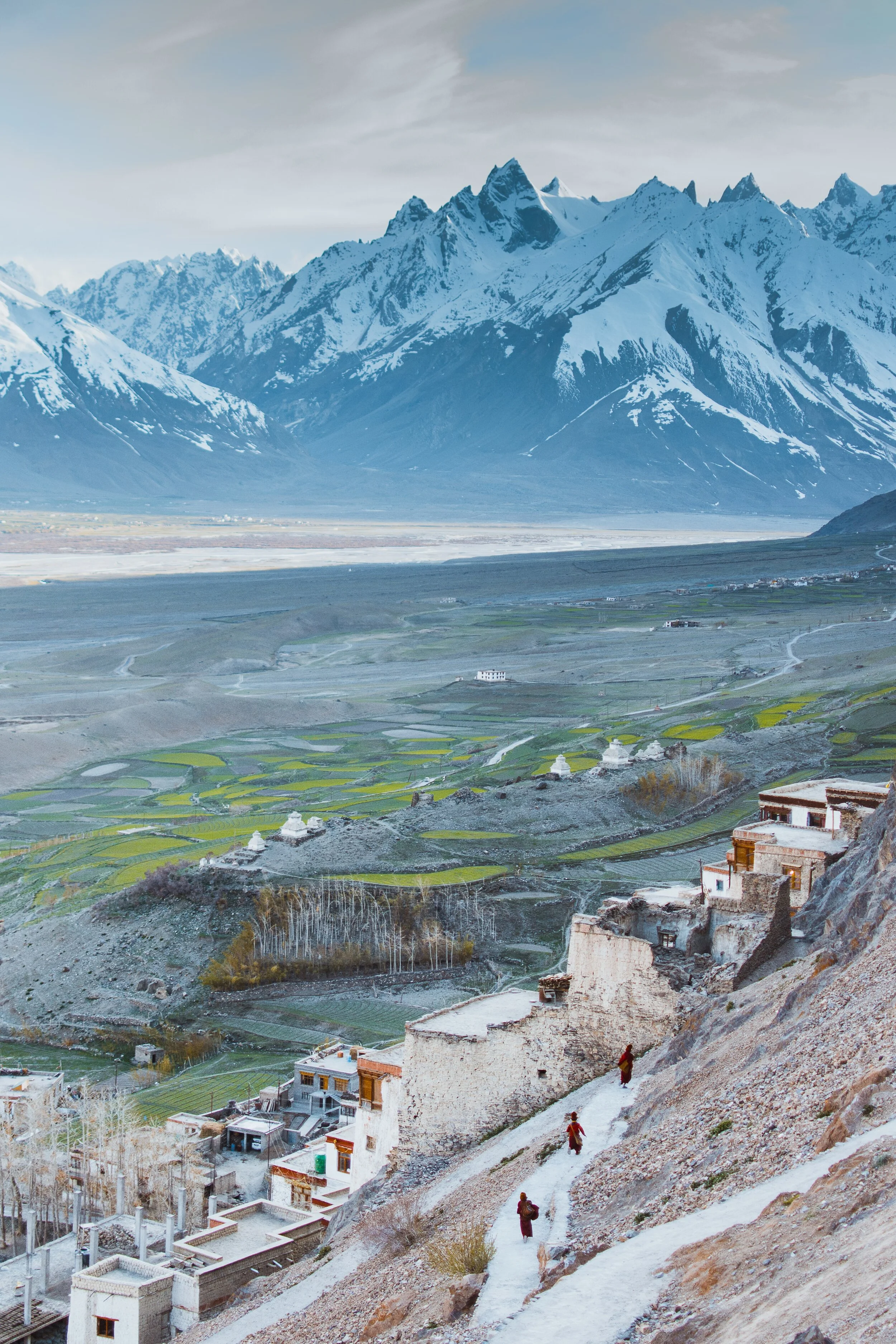
Pangi to Zanskar
The Ancient Routes which connected Pangi Valley in Chamba with Zanskar in Ladakh : Excerpts from Guide to Dalhousie Chamba and the Inner Mountains Between Shimla and Kashmir (1923)

The Village of Palamo on the Route connecting Lahaul with Zanskar via the Shinku La
Pangi to Zanskar
Excerpts from Guide to Dalhousie Chamba and the Inner Mountains Between Shimla and Kashmir (1923)
One of the most interesting readings of the recent times for me is this little Book. It was written by J Hucthison LRCP & SE, Chamba. It was printed at the Civil and Military Gazette Press in 1923 in Lahore and it was on sale for Rs.2.
Since at those times Motorable Roads / Motors were rare they hardly existed in the Himalayas. So a lot of stuff was written about different Routes which connected one Valley to another. And in today’s context we are sometimes surprised as the Routes were described between two areas which we don't really realise are close enough to be connected directly.
One such series is the section on the Routes which connected Pangi Valley to Zanskar. Yes you heard it right. These two were actually connected and still are though I doubt anyone uses these Routes anymore. We also need to remember that Pangi Valley in its higher reaches has Villages called Bhatoris which are Villages inhabited by “Bhots” as people of Tibetan/ Ladakhi origin were referred to. Just like in the neighbouring Paddar Valley of Kishtwar these “Bhots” are believed to have originally come over from Zanskar. Also worth remembering is the fact that Zanskar was at a point of time under Chamba Rule.

The Pangi Valley near the Killar Town
As per the Book, its says that in the earlier times a certain part of Trade to Central Asia was conducted from this Route while it was conducted from the Paddar and Umasi La Route as well. The Goods came to Pangi from Pathankot and Nurpur over the Sach and the Cheni Passes to Pangi. So what exactly does it say about the connecting Routes between Pangi and Zanskar. It mentions Six Routes which can be taken from Pangi to Zanskar and all these involve crossing the Great Himalaya itself. These are taken as stated in the Book.
1. From Darwas a branch ascends the Sural Nala and crosses the Sarsank Pass (16,200 feet), into the Danlong Nallah.
2. A similar branch from Kilar runs up the Hunan Nala and crosses the Shinkil Pass (16,300 feet).
3. From Sach a branch ascends the Saichu Nala to Saichu (10 miles), and Tuan (8 miles) and crosses the Mun La (16,500 feet), and unites with the two roads from Darwas and Kilar; the combined road then crosses the Poat La (17,500 feet) to Burdan Gompa in Zanskar. The roads from .Kilar and Tuan are seldom used. That from Darwas takes five days to Burda8n Gompa,. The stages are : Kansar, 8 miles ; Atyud, 1.0 miles ; Gokhun (over Sarsank Pass) 16 miles ; Sangati (Danlong N46), 6 miles ; Punchi (over Poat La) 12 miles ; Burdan Gompa, 6 miles. Large glaciers on both passes.

On the Road from Pangi to Lahaul along the Chandrabhaga
4. In the Saichu Nala an upper road runs from Kutal near Sach to Shun and rejoins the other road at Hillu, but it is rough and in places dangerous. From Saichu a Branch runs up the Chasag Nala to Bhotaur (10 miles) and crosses the Gurdhar Pass (16,791 feet), to Miyar (20 miles) in the Miyar Nala. This pass is so called owing to its being passable for ponies, which are brought from Lahul by this route to Pangi and over the Sach Pass to Chamba. Two men are needed to render help at difficult parts of the road.
5. At Udaipur a branch runs up the Miyar Nila and is narrow and difficult for four miles. From Chimrat (12 miles) the valley is open and the road good, up to the head of the Valley where it crosses the Kang La, 17,500 feet, in the Western Himalaya to Burdan Gompa. The journey from Kanjer, the last village, occupies five days. The stages are : Gompa, 8 miles ; Kesaryuncha, 7 miles ; Dutombn, 8 miles : Chural-pachan, (over Kang La), 12 miles : Bardan Gompa, 6 miles.

The Karsha Monastery in Zanskar. Pic by Klara Avsenik
6. Beyond Kanjer a branch ascends a side nala to croes the Tharang La, 17,133 feet, to the head of the Kado Tokpo stream in British Lahul. The journey from Kanjer to Darcha takes four days ; large glacier, but road fairly good ; no village till near Darcha.
Its amazing that most of these Passes and Routes are not in use and only the most hardened Trekkers venture into these most Inner parts of the Himalayas. This is where the opportunity lies for “Explorers” in the actual sense of the word to venture into see the beauty of the Inner Himalayas. As in the “wild” country which lies between “Shimla and Kashmir” as this hand Book called them.
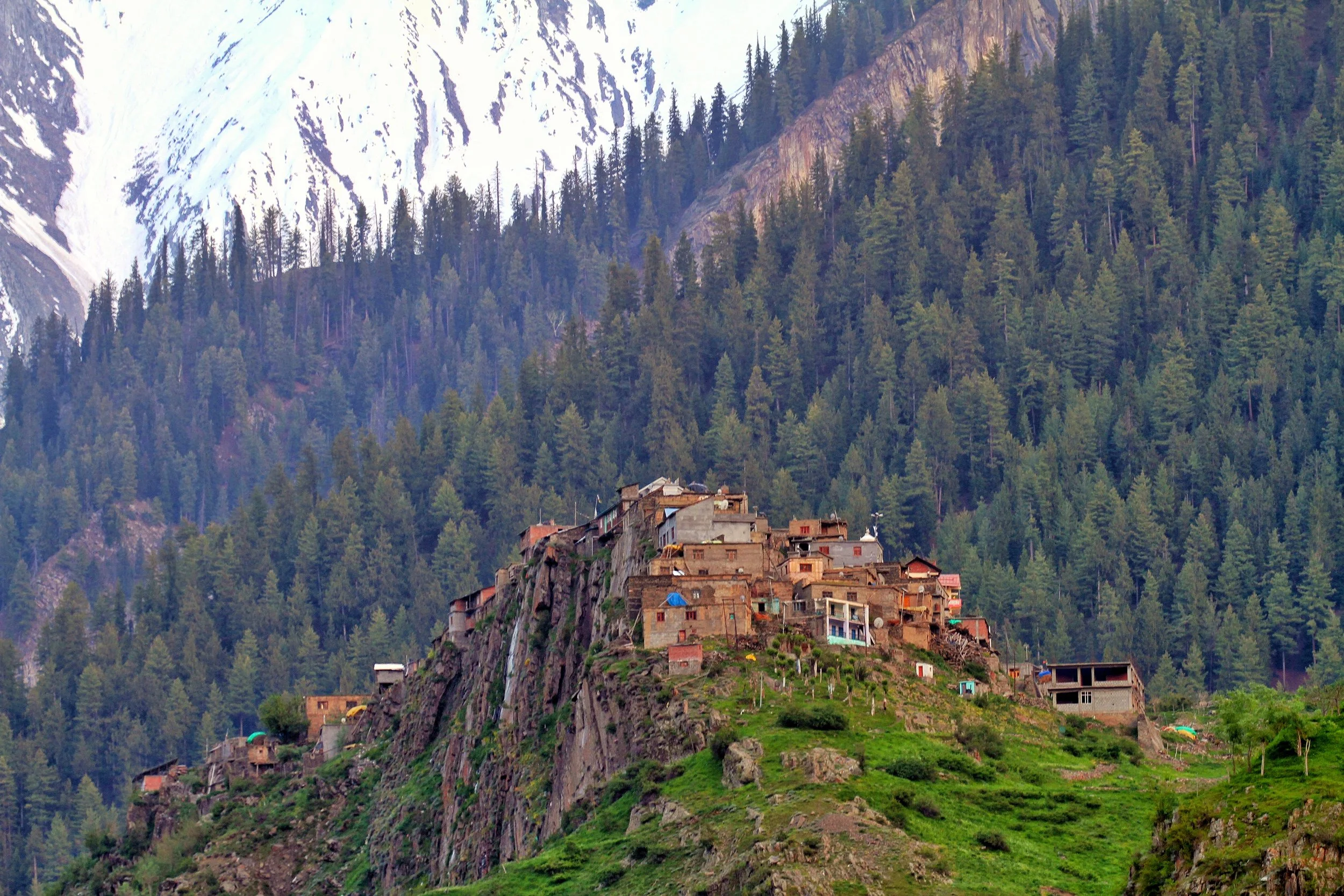
The Chamba Lahaul and the British Lahaul Story
Lahaul and Spiti have had a checkered fascinating history and lying on the Himalayan borderlines they have always been the bone of contention for various powers in the Region from the states of Kashmir, Chamba, Kullu, Bushahr, Ladakh, Guge, Tibet, the Chinese and even the Mongols, Baltis and Yarkandis. However little is known of the exact circumstances and the chain of events of History that followed as there are no written records. All the above powerful states / people left some mark or influence on these two adjoining Regions. This is an attempt to piece together their History though for most of the time the History followed its separate course in Lahaul and its own course in Spiti.
The Chamba Lahaul and the British Lahaul Story
The Himalayan / Trans Himalayan Region of Lahaul Spiti today stands as a district in the state of Himachal Pradesh. Both these Regions which were once and still are mostly Himalayan backwaters are now seeing rapid changes coming. The opening of the Rohtang Tunnel for public will open Lahaul at least to outside world like never before. And from a Tourist point of view it will grow more than a one night stop over on the way to Ladakh. Spiti will also be affected though it manages all year round connectivity from the other side. And Spiti has recently seen the influx of Tourists especially the younger generation like never before. Its like Spiti is like the new Ladakh and we see stuff on Spiti all the time.

Wife of Thakur Amar Chand of Lahaul as taken by Ralph Stewart 1913
Lahaul and Spiti have had a checkered fascinating history and lying on the Himalayan borderlines they have always been the bone of contention for various powers in the Region from the states of Kashmir, Chamba, Kullu, Bushahr, Ladakh, Guge, Tibet, the Chinese and even the Mongols, Baltis and Yarkandis. However little is known of the exact circumstances and the chain of events of History that followed as there are no written records. All the above powerful states / people left some mark or influence on these two adjoining Regions. This is an attempt to piece together their History though for most of the time the History followed its separate course in Lahaul and its own course in Spiti. Thats only fair as physically there is a contrast between the verticality of the Cis-Himalayan Lahaul Valley and the seeming Horizontality of the Trans-Himalayan Spiti Valley.

Lahual from somewhere near Keylong
The culture of Lahaul is also a curious mix of many influences mostly Hindu and Buddhist but also of the aboriginal Religion which was referred to as Loong Pai Chos which shared some similarity with the old Tibetan Bon traditions. This has resulted in a syncretic Religion in most of Lahaul and the Lahaulis like to mostly refer to themselves as Hindu-Bodh, which to me is a perfect example of peaceful co-existence of two major Religions. Spiti on the other hand has always been under great influence of Tibet and Ladakh and hence it has developed a strong tradition of Tibetan Buddhism as practiced in Tibet and Ladakh. And of course there are many Cultural similarities with the same Regions as well.

Somewhere in Lahaul by Ralph Stewart 1913
The origin of the name “Lahaul” is kinda not clear. The Ladakhis / Tibetans referred to Lahaul as Garzha or Garsa or vDvarska though some say the present name is derived from the Tibetan word Loh-Yul or the Land of the South. From the earliest records it is said that Lahaul was a part of the Kingdom of Chamba under Ajy Verman who became a Vassal of Kashmir sometime around the 8th Century. Thus Lahaul became a part of the Kashmir Kingdom and the influence of the most powerful King of Kashmir, Lalitaditya can be seen in Maylang and even in some early Temples in Kullu. But with time Kashmir lost its influence and it was Chamba Kingdom which prevailed over Lahaul it seems.

A Village near Darcha towards Zanskar.
Later it seems Lahaul became a part of the vast Kingdom of Guge in Western Tibet which included besides Lahaul, Spiti, Zanskar, Ladakh and even parts of Kashtwar and Paldar (as Kishtwar and Paddar were referred to by the Tibetans). At that time it is said that Lahaul was much bigger and included parts of Pangi and Paddar as they exist today. Since these Valleys are contiguous along the Chandrabhaga/ Chenab it is quite possible that the Guge influence was there as well. But after the fall of the Guge Kingdom, Lahaul was eyed upon by the neighbouring Kingdoms and it became somewhat of a bone of contention between the Chamba, the Kullu and the Bushahr Kingdoms. And it was during the Guge rule that Buddhism spread rapidly all over Lahaul and became the dominant Religious order. It was in the 16th Century that Raja Bahadur Singh of Kullu made certain incursions into Lahaul and loosened the grip of the Guge rule in the areas of Lahaul adjoining Kullu. The Kullu Rajas appointed local Chieftains who were mostly Buddhists. Their allegiance also varied between Kullu, Guge and even Ladakh depending on where the wind blew. This helped keep things mostly peaceful in Lahaul during these periods.
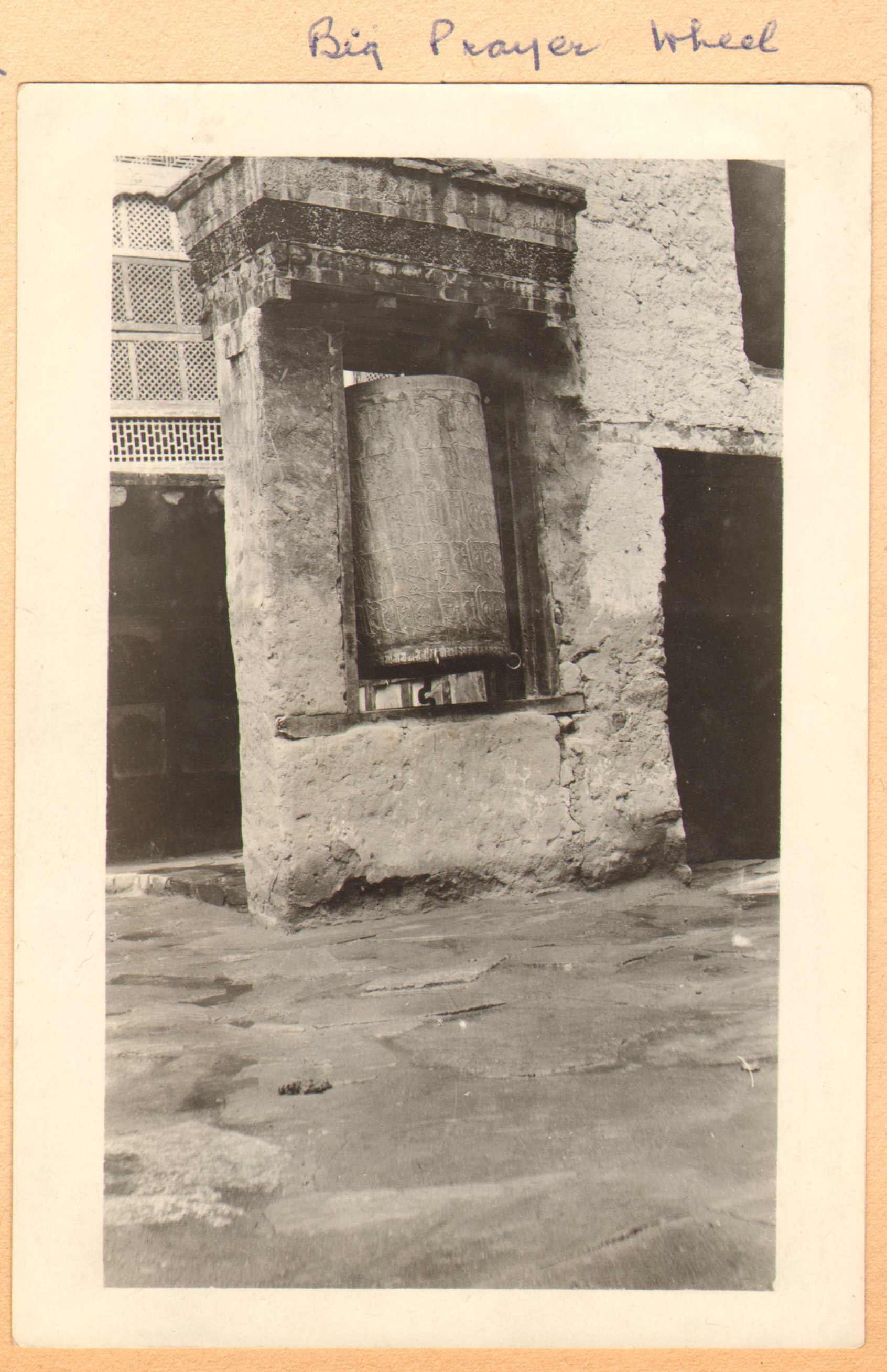
A Prayer Wheel in Lahaul by Ralph Stewart 1913
And Chamba Kingdom also started to take the lead and as the hold of the Guge weakened the Chamba Rajas began to assert their authority and advanced into areas which were associated with Western Lahaul rather than Chamba. They had advanced well into Pangi and Trilokinath which was the most important religious Center in Lahaul. The Chamba Rajas drew a nominal tribute from Lahaul, which the Lahaulis though still under the Gue Kingdom had no choice but to pay and one of the main items of tribute were 12 large dogs. I assume Lahauli Dogs for some reason held great value for the Chambyalis as I imagine these were Tibetan Mastiffs and they were good Dogs. Of course all these activities did not go unnoticed by the Rajas of Kullu and Bushahr. And the Kullu Raja decided to do something about it.Of course before also Kullu Rajas had made advances on the other side of the Rohtang. And there was a continuous power struggle between the Kullu Rajas with the Chambyalis on one side for Lahaul and with the Bushahris for Spiti on the other side. But nominally both Lahaul and Spiti were under Tibetan / Ladakhi Rule who were facing their own sets of problems with other neighbours mostly of Mongol origins.
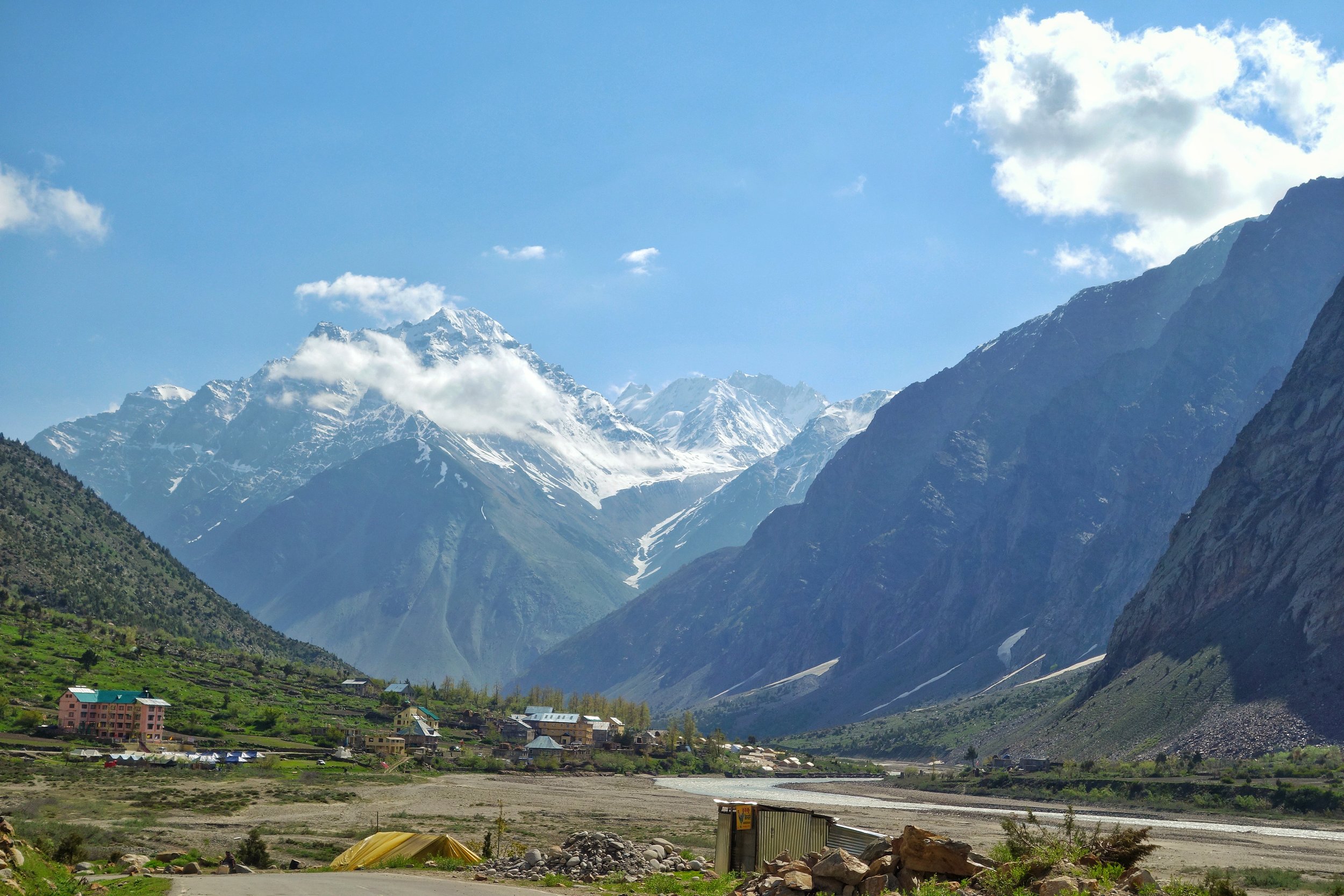
Jispa, Lahaul
And then in 1671 a Mongol Army attacked Lahaul and as usual they were in control for a few years. The Mongols probably wanted to assert the authority of the Central Tibetan Kingdom headed by the Dalai Lama and a claimant to all the territories of the Guge Kingdom. Interestingly there have been found graves and tombs in Lahaul of unknown people as both the Hindus and the Budhhists have never ritually buried the dead. They are supposed to be the remnants of people or perhaps a small force which came from Yarkand. But as usual the Mongols didnt stay put for long and left leaving Lahaul mostly to itself though still under Tibetan Rule.
Once they had left the Raja of Kullu decided to assert himself in a special way. The Kullu Raja married a Princess of Kishtwar for the same purpose.. And decided to go himself to Kishtwar to get his Bride. Of course the way he decided to assert to the Lahauli’s s that they should get rid of the Guge Rulers and be a part of Kullu. Thus his whole entourage was a show of strength of the Kullu Kingdom not only put on show for the Lahauli’s but for their friendly neighbourhood Chambyalis as well. And it seems the ploy worked but by then the Guge Kingdom was as good as collapsed. Lahaul was now firmly in Kullu’s grip except that the powerful Raja Chattar Singh of Chamba decided to re-assert his authority and again took Pangi and Trilokinath under strong Chamba control. And further Raja Chattar Singh’s son Raja Udai Singh further continued this Policy and even named the main Village where the Trilokinath Temple was situated as Udaipur, a name which still stands today. And the Kullu Rajas were firmly in the seat in other parts of Lahaul.

Above Keylong by Ralph Stewart 1913
But in the meantime things dramatically changed in Northern India and the British and the Sikhs under the Sher e Punjab Ranjit Singh were vying for power and the Western Himalayas came under the control of the Sikhs. Kullu and Chamba both became a part of the Sikh Kingdom and so did Lahaul. And it remained hence and this was enhanced when in 1840 the Sikh forces moved into Kullu and came down to Lahaul as well. And finally when the British defeated the Sikhs it passed onto the Brirtish. And as a result of the machinations which followed the formation of the state of Jammu and Kashmir, Chamba got to keep its part of Lahaul which was henceforth called as the Chamba Lahaul while Kullu was taken over by the British and the Kullu part of Lahaul was now called British Lahaul. Interestingly even Spiti had gone over to Raja Gulab Singh as it was a part of Ladakh but the British thought it prudent to have direct access to the Pashmina rich Region of Changthang and this could do this only if they kept Spiti.

Looking towards “British Lahaul” from outside Udaipur
And so it was till the British left and both Chamba and Kullu became a part of Himachal Pradesh and once again Chamba Lahaul and British Lahaul were merged to form Lahaul as we know it today.
Source : Various sources including Harcourt’s Himalayan Districts of Koloo, Lahoul and Spiti, 1874. Also History of Lahaul and Spiti by Sanjay Kumar. And of course a number of conjectures of my own. Please feel free to point out if you notice any discrepancy.
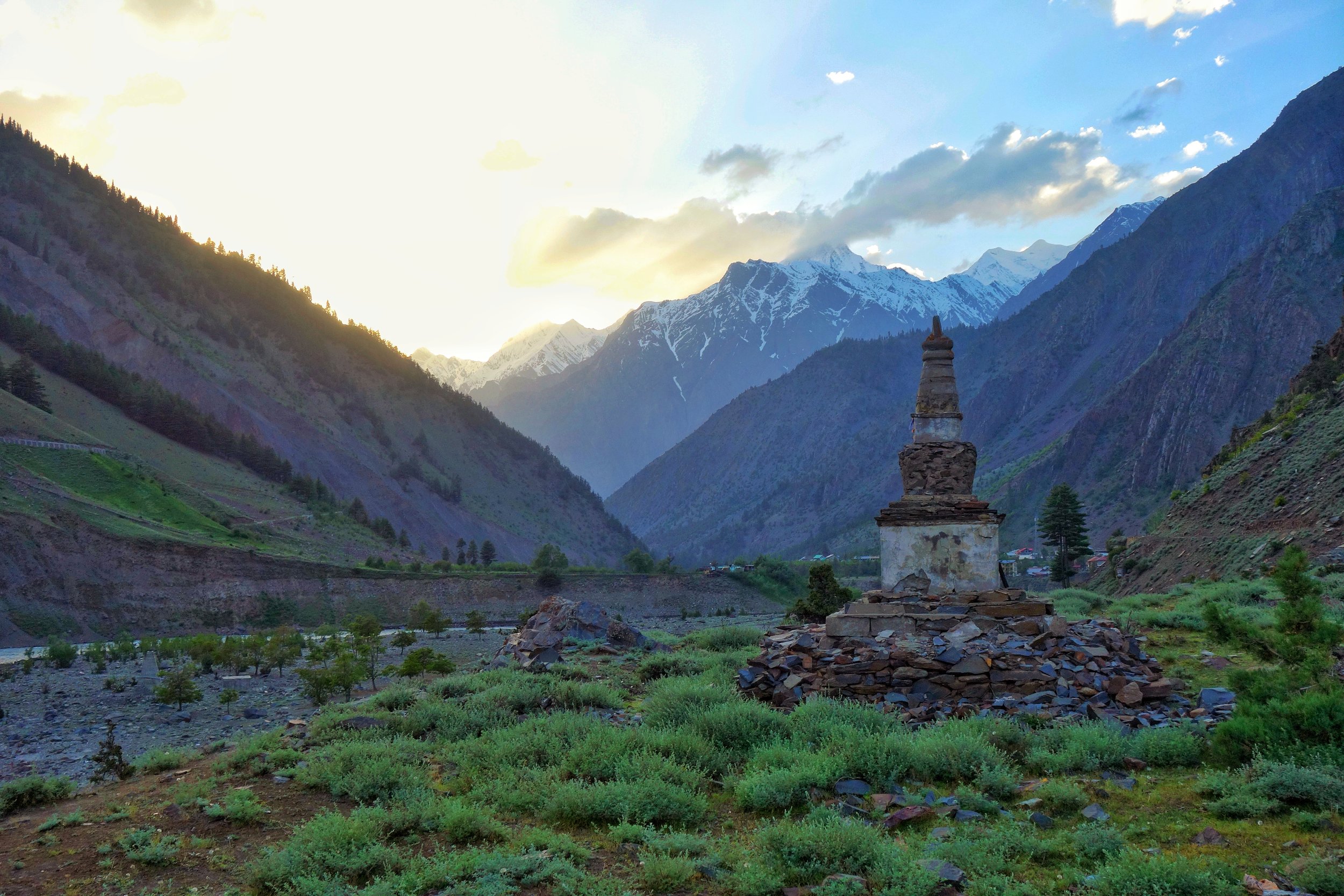
Pic: The Sun sets over what used to be Chamba Lahaul just outside the Village of Udaipur as the Chandrabhaga flows by. The Chorten was amongst the first reminder of the Cultural change in the Region as one comes in from the Pangi Valley side in Chamba.
Pic from June 2019. Near Udaipur, Lahaul, Himachal Pradesh.
The Enchanting Padri Gali
The enchanting Padri Pass or Padri Galli or Padri Top which connects Chamba in Himachal Pradesh with Bhaderwah in the Jammu Division of Jammu and Kashmir at around 10,400 feet amsl. It is located around 110 kms from Chamba Town and around 40 kms from Bhaderwah and is the highest point of the Chamba Bhaderwah Highway. This is one of the important Passes which connects J and K with Himachal. In older times Bhaderwah was a part of the powerful Chamba Kingdom which held Kishtwar as well and even Zanskar.

The Enchanting Padri
The enchanting Padri Pass or Padri Galli or Padri Top which connects Chamba in Himachal Pradesh with Bhaderwah in the Jammu Division of Jammu and Kashmir at around 10,400 feet amsl. It is located around 110 kms from Chamba Town and around 40 kms from Bhaderwah and is the highest point of the Chamba Bhaderwah Highway.
This is one of the important Passes which connects J and K with Himachal. In older times Bhaderwah was a part of the powerful Chamba Kingdom which held Kishtwar as well and even Zanskar. For many years Bhaderwah was the bone of contention between the Jammu Kingdom and the Chamba Kingdom until in the mid 1800’s it was taken over by Raja Gulab Singh of Jammu as terms of settlement of the Territorial boundary with the Chamba Kingdom after he acquired Kashmir as per the Treaty of Amritsar.

Bhaderwah today is a part of the Doda district and lies in the lap of the Pir Panjals. The Town of Bhaderwah itself was an important one and the Bhaderwah Fort stands watch over Town. Bhaderwah has a mixed population of Hindus and Muslims and the languages spoken include Bhaderwahi and Kashmiri.
There are many beautiful places in Bhaderwah which have for long been away from the Tourist lime light. Some of them are described below (Taken from JK Tourism Catalog) :
Kailash Kund : The Kailash Mountain overlooking the Bhaderwah Valley is supposed to be the abode of Shri Vasuki Nag. At 13067 ft the Kailash Kund is the source of the River Neeru which drains the Bhaderwah Valley. The Yatra follows Mani Mahesh Yatra and starts with the Chari Mubarak from the Village of Gatha in Bhaderwah and then goes to Vasuki Nag Temple in the heart of the Town. At Ramkund one halts for the night and there on to Kailash Kund. The annual Kailash Yatra takes place in the month of August.
Seoj Meadows : The Meadow of Seoj is flanked by a gushing River on its West which emanates from the Hills surrounding the Kailash Kund. The Landscape across the River is a replica of Pahalgam whereas on the Eastern side there are long stretches of Grasslands. On the Western side the Meadows take a descent along the crystalline water of the Seoj Rivulet and roll towards Ramnagar area of Udhampur District.
Chinta Valley : Situated at a height of 6500 ft Chinta Valley is a beautiful Valley with thick Coniferous Forests on all sides and the Chinta Nallah flowing through it. A grassy Meadow called Bagan on one side of the Village is favoured by picnickers.
Jai Valley : Ten kilometers from the Chinta Valley is the picturesque longitudinal Jai Valley at a height of around 7000 ft. Located around 32 kms from Bhaderwah it is an extremely beautiful Region spread over 6 kms. The Valley is surrounded by thick Deodar forests on steep slopes with a sprawling Meadow in the middle.
Khellani : Khellani, overlooking the Kellar Valley is a Deodar clad Plateau 15 kms from Bhaderwah. Drained by the Bankut Nallah it is an ideal leisure spot. From late Summer to Autumn the Valley provides a bounty of fruits like Apricots, Peaches, Plums and Apples. While at Khellani one can walk through Khellani Pass amidst various Villages connected at Maulote and take the Road back to Khellani.
Pic from March end, 2018
Kishtwar : At the Himalayan Crossroads
Kishtwar is a region in the Jammu division of the state of Jammu and Kashmir. Due to its unique location just under the shadow of the Great Himalayas and at the place where the religions and cultures of the Himalayas meet. They give Kishtwar a unique flavor which remains largely unexplored.
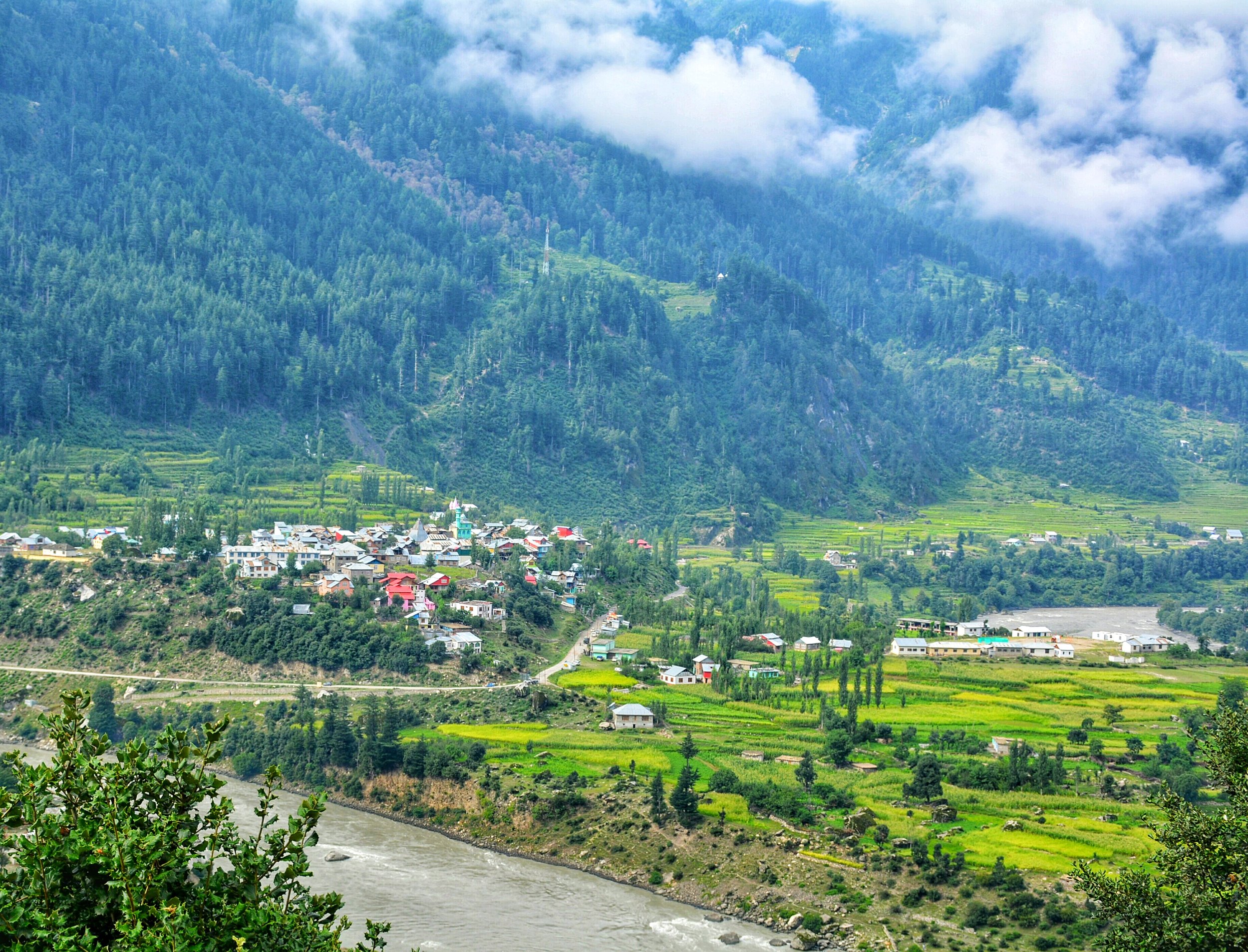
Kishtwar : At The Himalayan Crossroads
Kishtwar today is just a district in the Jammu Division of the state of Jammu and Kashmir. It borders the Kashmir Valley on one side, Doda on the other, Zanskar in the North, Chamba in the South. It has been noticed by some hard core mainly foreign Monatineers in the past and even recently for the great climbing opportunities it offers in the Kishtwar Himalayas.
Ok coming to what I wanted to write about. The Great Himalayan Range and its related Ranges stretch from the Pamir Knot down to the Hengduan Mountains in North Western Kunming. Besides all the ethnic and cultural variety there are also a variety of Religions practiced in these Mountains. Since Religion is a hot topic of debate and discussion and even derision on the Himalayan Club I decided to write on a subject related to it. To me the Religion of a place carries as much value as the ethnicity or the culture or the language does.
In the Himalayas there is the basic presence of three of our great religions. In the Western and Northern part of the Western Himalayas it is Islam which dominates. However beyond the Himalayas in the North its Buddhism. Towards the Eastern and Southern Part of the Western Himalayas it is Hinduism. And of course Buddhism in the Trans Himalayan reaches. The Central Himalayas are a stronghold of Hinduism stretching all the way across to Sikkim. But again as a feature seen earlier its Buddhism which dominates the higher Himalayas and the Trans Himalayas. Beyond Sikkim its predominantly Buddhism which is the majority religion.
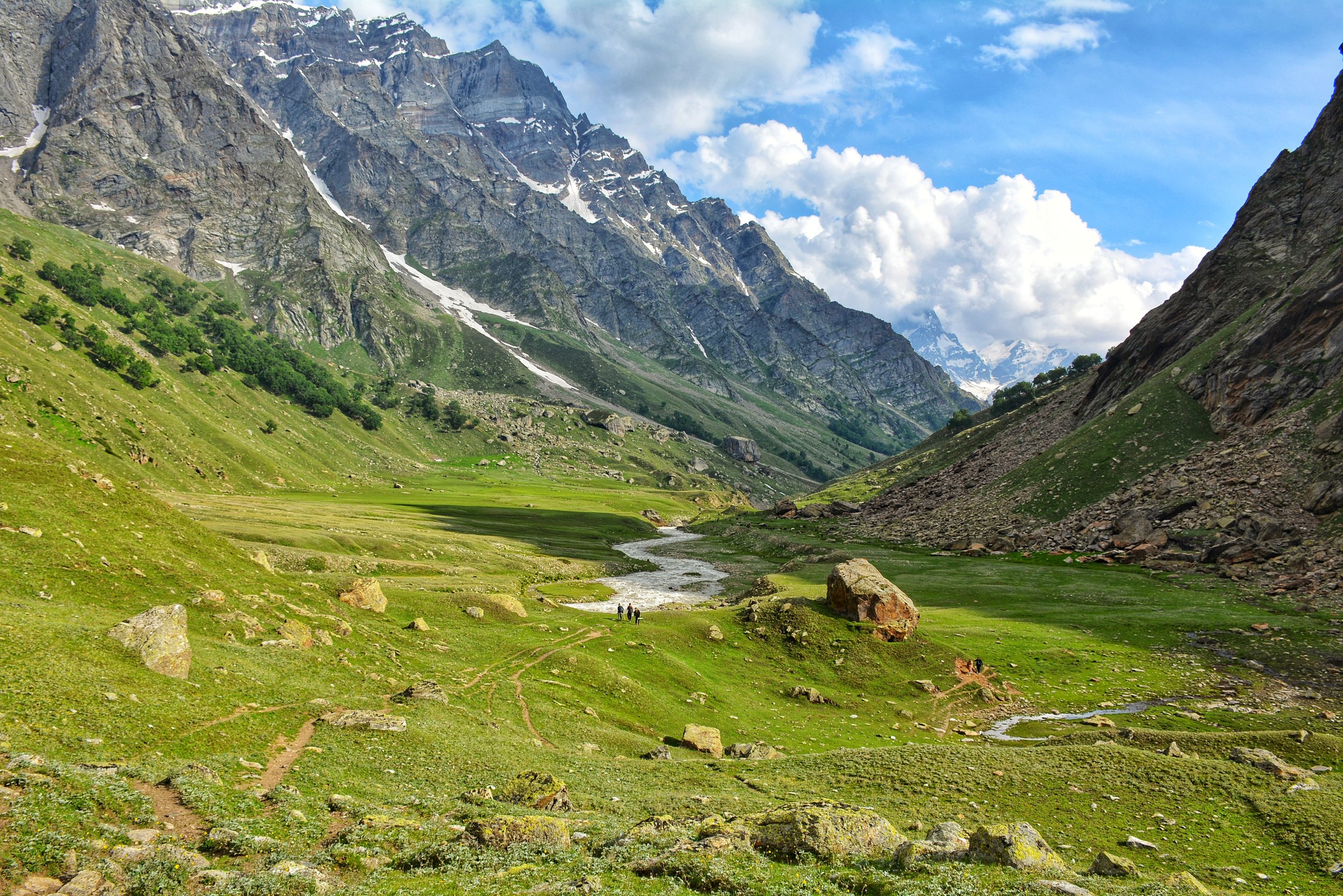
Its in Kishtwar that the three belief systems merge and hence it gives unique place in the Himalayas. The majority population follows Islam, a large minority follows Hinduism and a very small minority of Buddhists also exist in Kishtwar. Its in the upper reaches of Padar (which used to be called Paldar by the Ladakhis / Tibetans) that there are exist Buddhist villages which follow the same Tibetan Buddhist traditions that are followed across the Great Himalayan divide in Zanskar. Infact in some of these Villages in Kishtwar there still exists an animal which is associated more with Ladakh or Tibet ie the Yak. In the Padar Region in the upper reaches along the Machail River there are the twin hamlets of Halo and Hango on the left side of the Machail River and the Villages of Lossaini, Dangali, Scham and Jashari which are all Buddhist Villages.
Towards the south bordering Doda and Chamba are a majority of Hindus contiguous with the populations to the South. The main Kishtwar town and to the North of it are majority Muslim population many of whom have actually come in from adjoining areas in Kashmir. In Fact the Kashmiri spoken by the people in the Warwan Valley, which is a part of Kishtwar, is supposed to be the purest form of Kashmiri as it was spoken in the olden days. The Warwan Valley runs parallel to the Suru Valley in Ladakh separated by the Great Himalayan Range itself.
Kishtwar is first referred to in the Rajatarangini by the ancient name Kashthavata, during the reign of Raja Kalsa of Kashmir (1063–1089), when "Uttamaraja", the ruler of Kashthavata visited the court of the Kashmir King in company with several other hill chiefs to pay their respects to the Raja.
It was more or less an independent Hill Kingdom ruled by Rajput Hill Rajas as was the norm in the region. The Royal family had supposedly descended from the Royal family of Suket.
However subsequently a part of it also became a part of the Western Tibetan Kingdom and the one of the Kings divided his Kingdom between his sons and they got Zanskar, Purig and Kishtwar as separate Kingdoms. However in the absence of any written historical records of history of the Region the timelines are just approximate guesses and due to the Geography of the region it is well possible that a part of Kishtwar was under the Rajput Hindu Rajas and the more higher and remote areas like Padar was under the rule of Ladakhi/ Tibetan Rajas.
In the 17th Century the Rajas of Kishtwar converted to Islam so did a large part of the population. But in an odd adaption the Rajas, though Muslims by religion, had Hindu Rajput names and this continued till the 1820 when it was captured by Raja Gulab Singh, a vassal of Maharaja Ranjit Singh. The name of the last ruling was Raja Muhammed Teg Singh s/o Raja Inayatullah Singh. The campaign for the capture of the Kingdoms of Kishtwar, Reasi and Arnos was carried on by none other than General Zorawar Singh who subsequently became the Governor of these erstwhile Kingdoms and it was from here that he planned his invasions of Ladakh, Baltistan and Tibet. And one of his main Officers, Col Mehta Basti Ram, of the well known Mehta clan of Kishtwar, who campaigned fearlessly with General Zorawar Singh in all his Campaigns. After the death of General Zorawar Singh and the subsequent signing of the Treaty of Chusul, it was Col Mehta Basti Ram who became the first Governor of Ladakh.
As of today this most beautiful part (arguably) of Himalayas lies mostly unknown to outsiders except a few adventure seekers. Lying in the shadow of Kashmir and Ladakh but a part of Jammu that can give both these places more than a run for their money just with its amazing Geographical and Cultural diversity.
The Chamba Story
The state of Chamba as it used to be was once a powerful Hill Kingdom which held sway from Kishtwar to Zanskar and Lahaul and Spiti. Notes on this small Kingdom with a big heart.
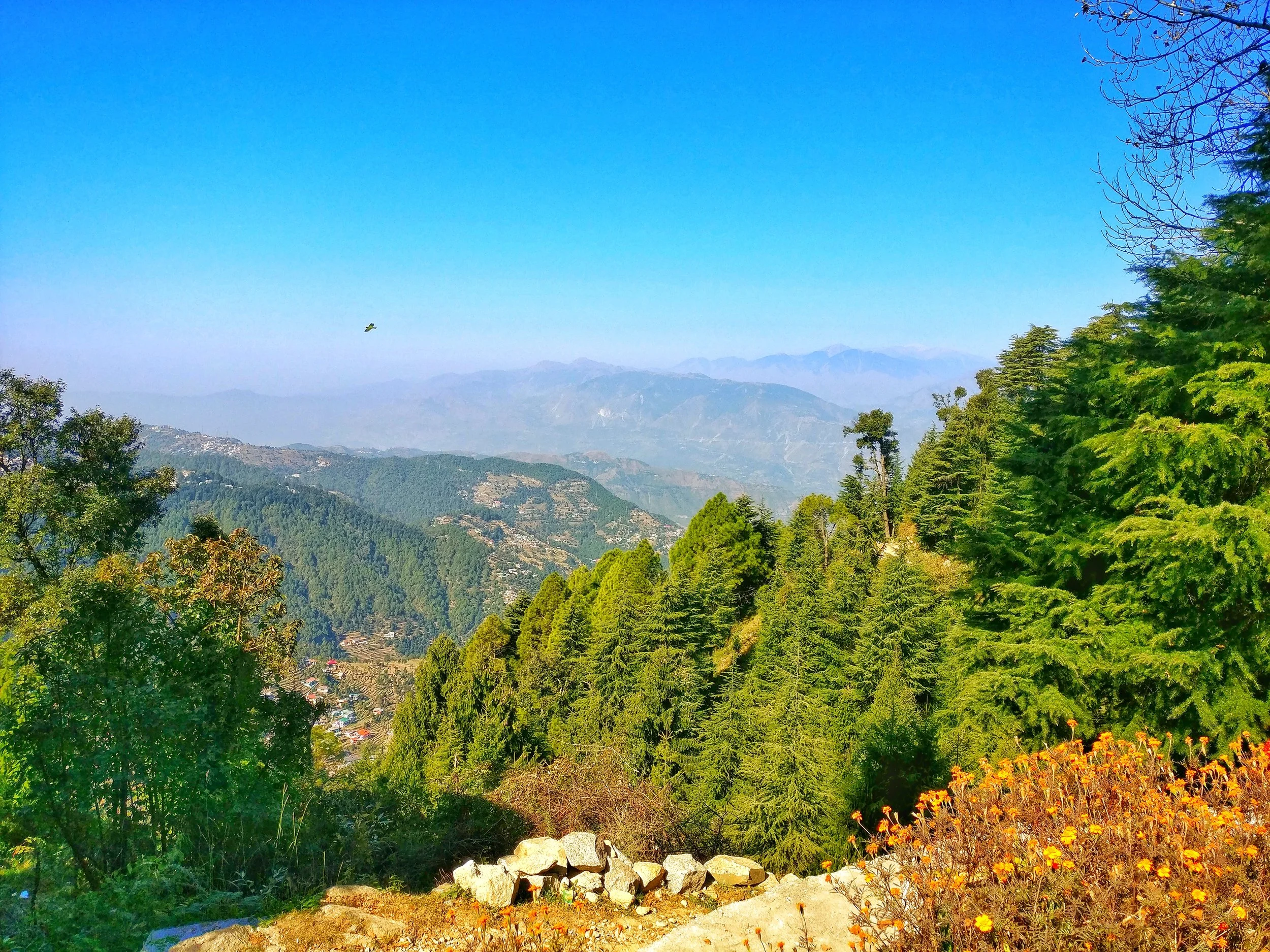
The Chamba Story
Chamba today is a quaint little district of Himachal Pradesh known more for its Hill Station of Dalhousie than anything else.
However the Kingdom of Chamba in its time was a powerful Kingdom which held sway in large part of one of the most unvisited and unexplored parts of the Western Himalayas including Lahaul, Bahderwah, Padder and Zanskar. All these regions are still largely unexplored and the Chambyalis were the Masters of all these regions at a point in history.
For Lahaul they were always in a power struggle with the Kulu State and they even met at Battle right on the Rohtang Pass as well. Rohtang kinda was the point where Kullu met Lahoul and kinda touched Chamba as well. Both Chamba and Kulu were in a constant state of rivalry over Lahaul. Though it was mostly the Kulu state which held onto Lahaul after the disintegration of the Ladakhi Kingdom.
The King Chattar Singh of Chamba attacked Padder in the middle of the 18th century and established Chamba Rule over the Padder region in Kishtwar. After being victorious Chattar Singh established a Fort there known as Chattar Garh. Padder continued to be under the control of Chamba till 1836.
In the early 1800’s Ratnu Thakur, the top official of the Chamba King, undertook an expedition to Zanskar and made it a tributary of Chamba as well. The King of Zanskar agreed to pay an annual tribute to Kingdom of Chamba.
It was around this time that my favorite historical character, the Sher e Punjab was on the rise and all the Hill Rajas including the Rajas of Chamba had no option but to accept the Sikh Emperor as their overlord. The Emperor deposed most of the Hill Rajas but he had a soft corner for Chamba as the main Wazir, Wazir Nathu, had played a positive role in the negotiations with Raja Sansar Chand of Kangra in 1809 and had as per some reports saved the life of the Emperor himself by providing him a horse in the 1817 Campaign in Kashmir.
Around the same time happened the invasion of Ladakh by the indomitable General Zorarwar Singh. While on his back from the first campaign in Ladakh on reaching Kishtwar, the General heard of an uprising in Ladakh. He rushed back to Ladakh, but this time taking the shortest route through Paddar via Umasi La Pass into Zanskar and onto Leh to put down the uprising.
A detachment of his Army under Wazir Lakhpat Rai and Col. Mehta Basti Ram was sent to subdue the Zanskaris which they did and stationed some Dogra soldiers there as well. And thence they returned to Jammu via Paddar but stationed a few Dogra troops in Paddar as well.
As General Zorarwar Singh was tending the affairs in Ladakh and Baltistan the Zanskaris rose up in revolt and put the Dogra garisson to the sword. The news of this reached Paddar and the overzelaous Ratnu Thakur decided to use this oppurtunity to attack the Dogra soldiers stationed in Paddar. Some were killed and others were taken as prisoners to Chamba.
The General got the news in Ladakh and was visibly incensed at this attack on his soldiers in what he considered friendly territory. Well those of you are aware of the kind of man General Zorawar Singh Kahluria was know what was coming next.
The General with a detachment of his Army invaded Paddar vis the Bhot Nullah from Zanskar. The whole Fort and town of Chattar Garh was destroyed and it was renamed Gulabgarh in the name of Raja Gulab Singh. Meanwhile on hearing the news of Zorawar’s approach Ratnu Thakur fled to Chamba. After claiming Padder Zorarwar Singh decided to make a push for Chamba
itself.
The Chamba Rajas knew that facing the battle hardened Dogras of the General would be quite a task made a representation to Raja Gulab Singh denying any involvement in the unfortunate incidents that took place in Padder and put the blame squarely on Ratnu Thakur. Consequently Ratnu Thakur was despatched to Jammu by the Chamba Rajas where he was imprisoned by Raja Gulab Singh. But this was not the last of Ratnu Thakur. After a few years news came to Raja Gulab Singh that Ratnu Thakur in the prison had shaved his head and his beard. Raja Gulab Singh sent for Ratnu Thakur and asked him why he did so ? My King has died and I as a loyal subject owe him this, Ratnu answered. The King of Chamba, Chattar Singh had passed away a few days back. Raja Gulab Singh was impressed with his sense of loyalty and decided to free him and even bestowed upon him a Jagir in Kishtwar.
However by 1841 the Sher-e-Punjab, indomitable General and the Wazir had passed away and the Sikh kingdom was in dissaray. The Chamba Rajas were now without a protector and the field was now open. However the Sikh Armies finally met the British Army in 1845 and in the consequence of their defeat Chamba was now ceded to the British. In the meantime Raja Gulab Singh had already taken Badarwah in the meanwhile and installed Raja Prakram Singh (who incidentaly was the son of Raja Zorwar Singh who was the nominal Raja of Badarwah being made so by his brother Raja Chattar Singh, the Ruler of Chamba). However Chamba still mantained its claim over Badarwah.
In the after math the British signed a treaty with the Raja of Gulab Singh under which all the territory to the North of the Ravi to the the Indus and beyond was given to Raja Gulab in lieu of Rupees Seventy Five Lakhs he paid as war indemnity on part of the defeated Sikh armies.
Thus even most of Chamba, which lay beyond the Ravi became a part of the new state of Jammu and Kashmir with Gulab Singh as its Maharaja. But then the Wazir Bhaga, another able Wazir from the family of Wazir Nathu, intervened and asked the British to take them under their wings instead of becoming a part of Jammu and Kashmir. Chamba Kingdom had to give up its claim on Badarwah and all other territories beyond it which became a part of Jammu and Kashmir. And the Chamba Kingdom promised to pay a tribute of Rs.12,000 per annum to the British plus Dalhousie was leased out to the British in perpetuaty as a Hill Station where the troops could get some R&R.
Subsequently in 1947 Chamba State became a part of Punjab Hill States and later an important part of Himachal Pradesh.
Coming back to where we started, Dalhousie, the most well known place in Chamba nowadays, the tales bravery, conquest and subterfuge all but forgotten.
A view of the Pir Panjals looking out of Dalhousie.
If only these Mountains could speak, the tales they would tell would truly be extra-ordinary.
Pic from October 2016, Dalhousie, Himachal Pradesh
Kiki’s Blog
Stories from the Himalayas
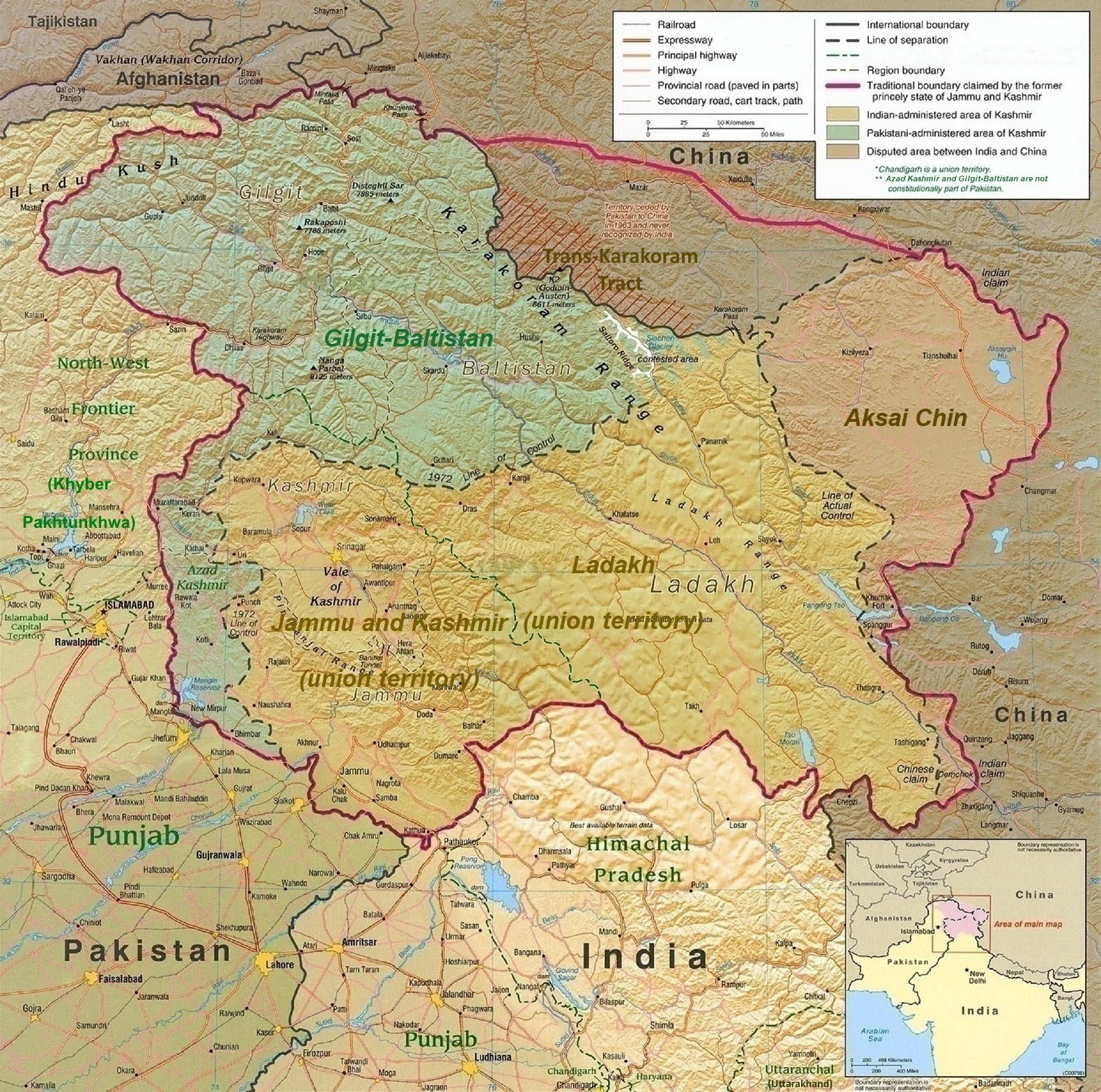
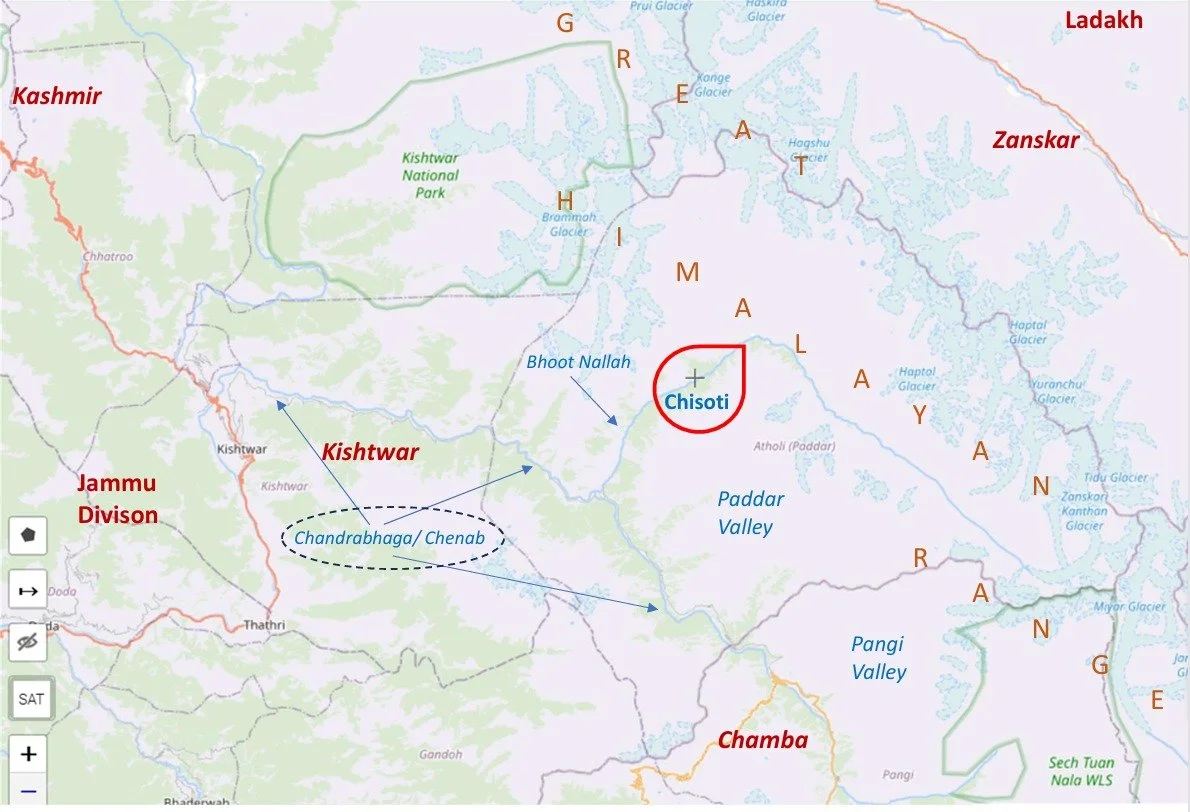
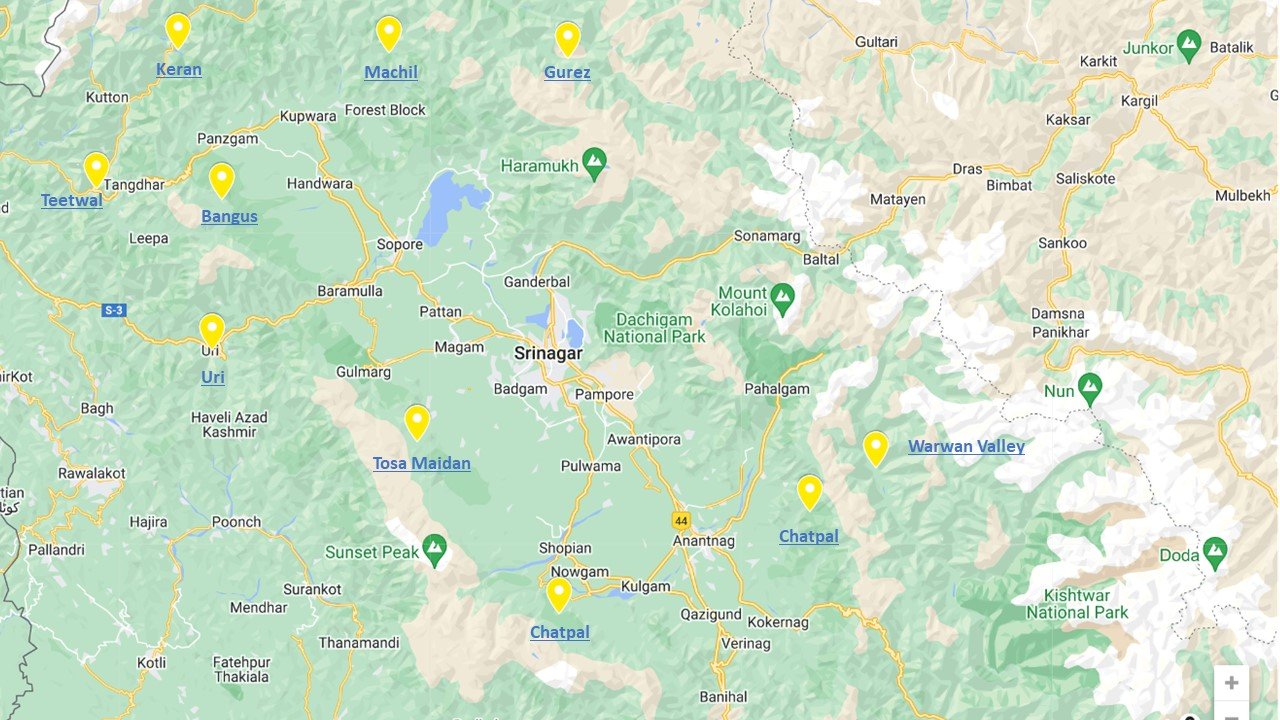


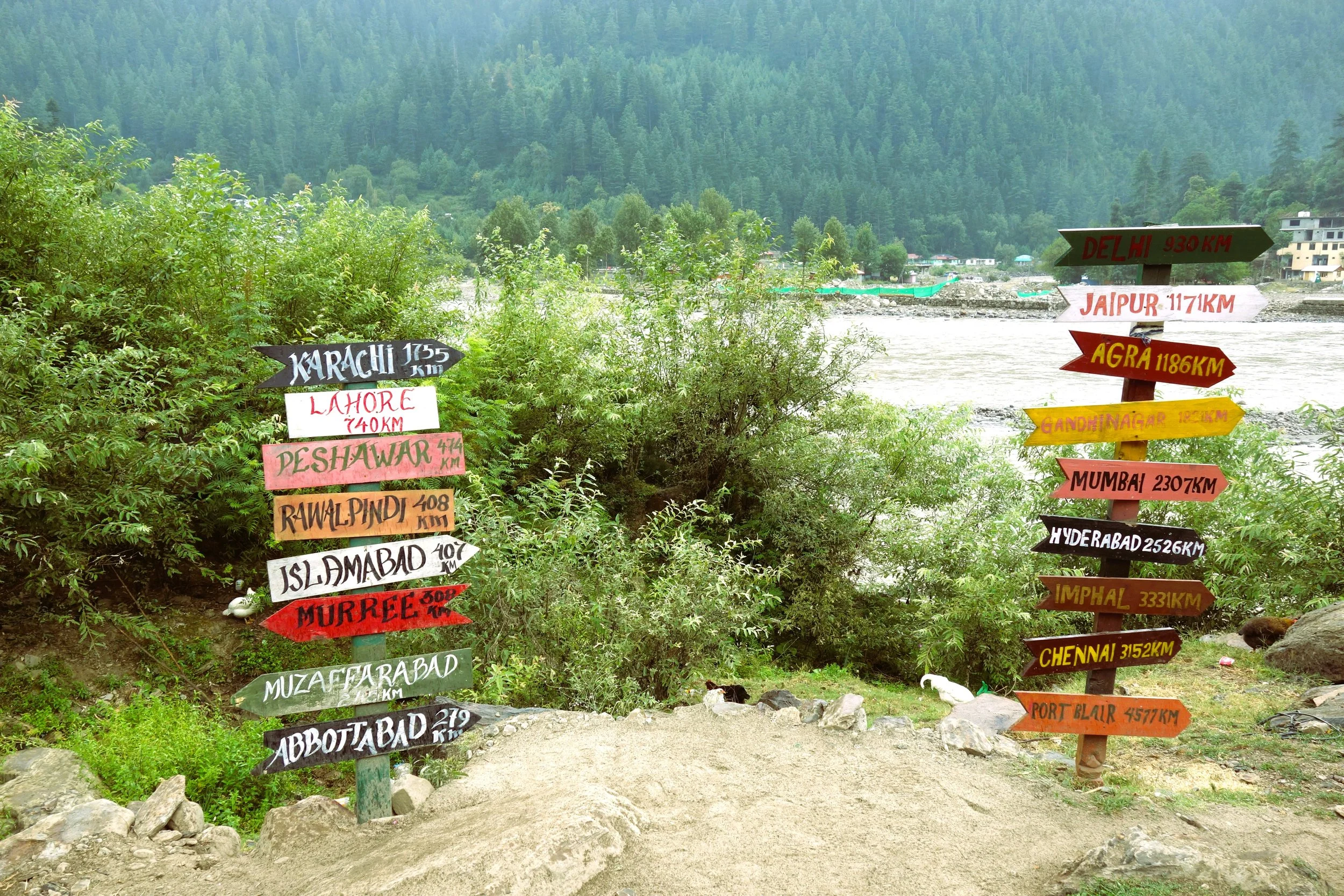

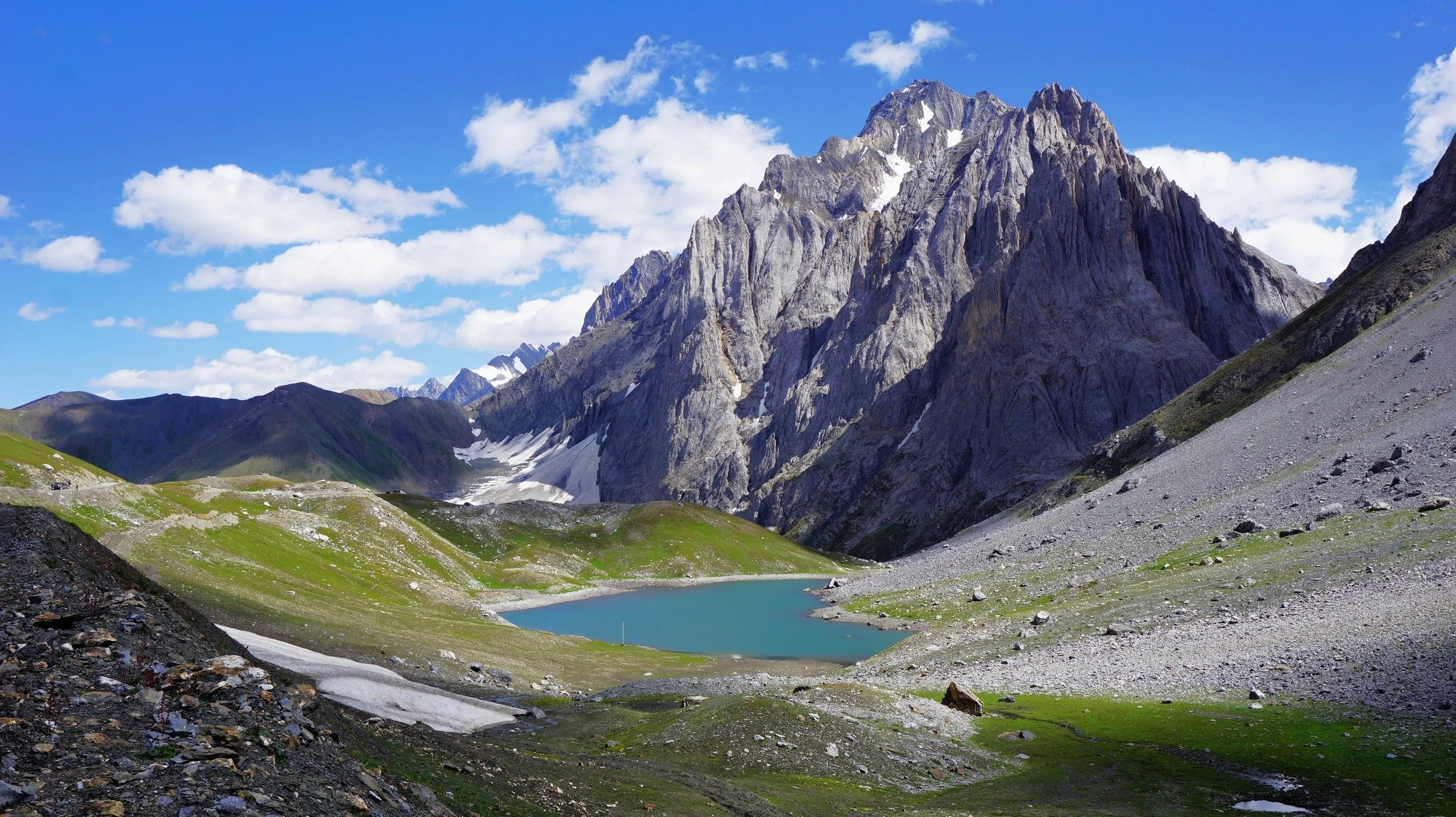
Five years ago the Galwan Valley was in the News for the wrong reasons after a deadly clash between the Indian and Chinese Armies in the Valley located in Ladakh lead to many deaths on the contentious Border between the two countries in wake of continued Chinese intrusions into Indian territory.
This area along the Shyok River, of which the Galwan Nallah or the Galwan River which forms the Galwan Valley has been off limits to Civilians since long but now the Indian Government has decided to open up the area for Civilians and we were amongst the First Civilians to venture into this beautifully desolate part of the Eastern Karakorams in Ladakh. Earlier Civilians could only venture upto the Village of Shyok from where the Shyok River takes a U turn and flows in a Northerly direction.