
The Dhankar Buddha of Spiti
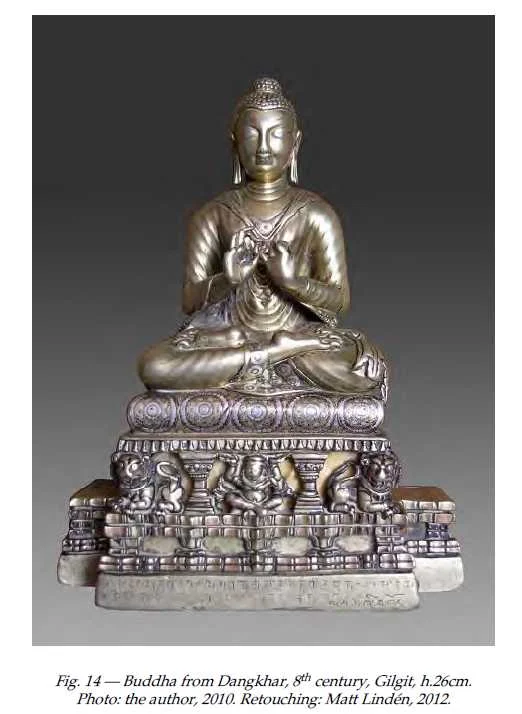
The Dhankar Gompa in Spiti as among st its posessions a metal Statue of the Buddha which was off limits to outsiders. A few people had ever seen and it was first photographed for open sources only in 2010. This is the story of the Buddha which came all the way from Gilgit

The Dhankar Buddha
Spiti or Piti as it was also called is probably as remote as any Trans Himalayan region and has for years lived in a time capsule but of course now things are changing. But like all the Lands Himalayan it holds its mysteries and secrets close to its chest. Just like neighbouring Lahaul and its ‘cultural / spiritual” big brother it was for most part of traceable history a part of the Guge Kingdom and subsequently the Central Tibetan Kingdom. Later on it became a part of Ladakh as the Kingdom grew powerful. It also became a bone of contention between Raja of Bushahr and the Ladakh Kingdom as the Bushahr Kingdom claimed Spiti as its own. Of course this led to the Raja of Bushahr to support the Central Tibetans and their Mongol allies when they decided to invade Ladakh over a religious dispute between the Dalai Lama and the King of Bhutan but that's a separate story.
Spiti because of its remoteness and isolation has preserved its culture and traditions, unlike many other such places. In the traditions of Tibetan Buddhism the Monastery is the center of life and the Monasteries are the keepers of ancient Manuscripts and Religious Iconry and these treasures have been very strictly guarded by generations of Monks who have lived in these Monasteries going back to thousands of years. The Monasteries of Spiti have survived plunder and ravage mostly through History except for a brief period when General Zorawar Singh took over Ladakh and Spiti was a part of Ladakh so he received Spiti as well.

The Dhankar Village and Gompa. Pic Courtesy : wikipedia Commons
Though Zorawar never came to Ladakh he appointed a certain zealous Officer in charge of Spiti. Now this Officer wasn't very fond of the local culture and tradition and went onto plunder many of the Monasteries and he was much despised for it. It should be pertinent to mention that the same Officer was a part of Zorawar’s Army which lost to the Tibetan / Chinese Army in the engagement in which the General was killed. But the said Officer was captured alive by the Tibetans and identified as the person responsible for the desecration of the Monasteries in Spiti and elsewhere. Suffice to say that he met a slow painful death as he was put in a cauldron of oil which was slowly heated.
Ok coming to the Topic of the Dhankar Monastery. It was one of the most important Monasteries in Spiti standing as it was above the confluence of the Spiti and the Pin Rivers. Dhankar had always been the traditional Capital of Spiti and the seat of the early “Local Rulers” of area called the Nonos. And of course the Dhankar Monastery had its own collection of Ancient Relics and Treasures though its is said that it was also plundered and ravaged during the Dogra Rule. And there was a certain Buddha statue highly revered and venerated but as closely guarded as well. It was called the Dhankar Buddha.
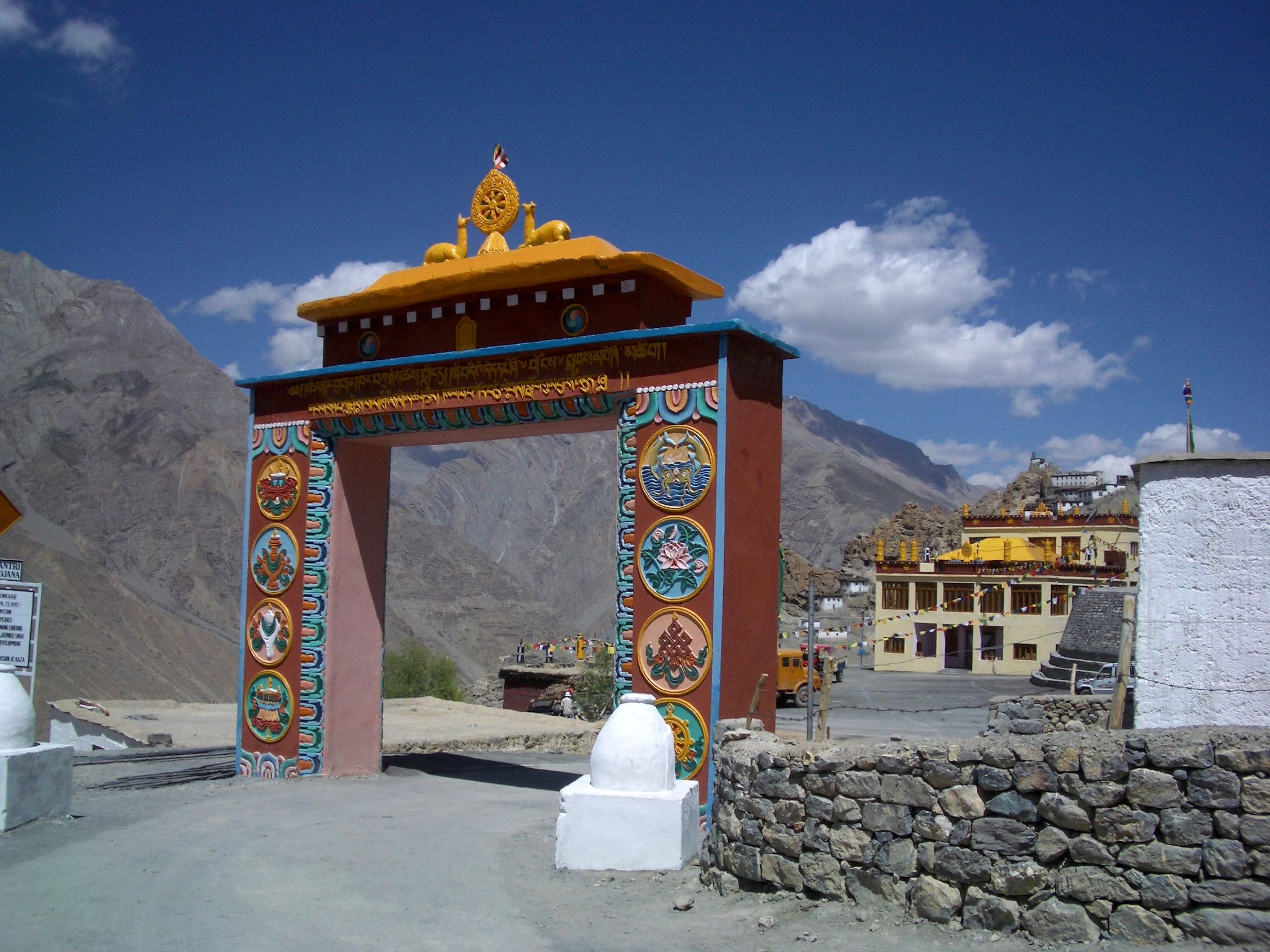
The Main Gate of the Dhankar Gompa. Pic Courtesy Wikipedia Commons.
Henry Lee Shutterworth was an Officer of the Raj who was posted in Kulu which was a British dominion. He also spent time in the most remote part of his jurisdiction in Lahaul and Spiti. With time he developed an interest in the local culture and tradition and began to record local Buddhist history and records. And this involved visiting various Monasteries in the area and trying to convince the Monks to show him some of the Treasures that the Monasteries so secretly guarded. And he had heard about the Dhankar Buddha and in time he was able to convince the Monks to show him the Dhankar Buddha. And he was totally taken aback when he saw the fine piece of Art and the quality of the Brass work. He wasnt allowed to take a Photo but was allowed to take a rub of the inscription at the bottom. Taking a Rub is akin to something we used to do as kids. Cover a coin with paper and then run a pencil over it so that the inscription on the coin is copied over the paper.
What he had stumbled upon was described by a Scholar of the subject as such “The Buddha from Dangkhar is in many ways one of the finest discoveries made in the field of Buddhist art and epigraphy for the cultural areas of Western Tibet and Greater Kashmir. We now know that the two inscriptions engraved on the lower part of the pedestal attest to the incredible journey of this image; produced in Gilgit in northern Pakistan in the eighth century, the statue was bestowed upon the royal monk from Guge, Lha lama Zhiwa Ö (lha bla ma zhi ba ’od) (1016–1111), about three hundred and fifty years later. Things were quite different then when Shuttleworth worked on the manuscript of his History of Spiti in the early 1930s. If the name of the Tibetan translator of royal descent had been easily identified, the main dedicatory inscription resisted easy decipherment.”

Another view of the Dhankar Gompa
That itself establishes the fact that Buddhism came to Tibet via what is now the Gilgit but via Central Asia. The fact that this sculpture made probably during the Rule of the Patola Shahis in Gilgit is an indicator enough. And from there it traveled all the way to the Kingdom of Guge in Western Tibet. And it was after 300 years of getting there that it was gifted to the Monastery in Spiti. And there it stayed, a mystery which was only solved by Shutterworth’s rubbing but Scholars yearned to have a look at it. The first time the Dhakar Buddha was photographed was in 1993 by a Government agency documenting India’s Arts under a Government legislation. It took a law for the Monks to reveal this Treasure and allow its Photography.
“In 2006, art historian Robert Linrothe took a glimpse at the metal sculpture but was not authorized to reproduce it. It is only in 2010 that the present author was entrusted by the monks from Dangkhar with the study of their sacred image, a request completed two years later.” These are the words of Yannick Laurent, a scholar at Oxford who was finally able to Photograph this much revered treasure. And for now the whole world can see it. It has a striking similarity to other Buddhas made during the Patola Shahi rule in Gilgit. That truly was a Golden Age of Buddhism in Gilgit and even the Gilgit Manuscripts, the most ancient and sacred of all Buddhist manuscripts are a testament to that.
So try your luck at the Dhankar Monastery next time. Maybe the Dhankar Buddha would give you an audience.
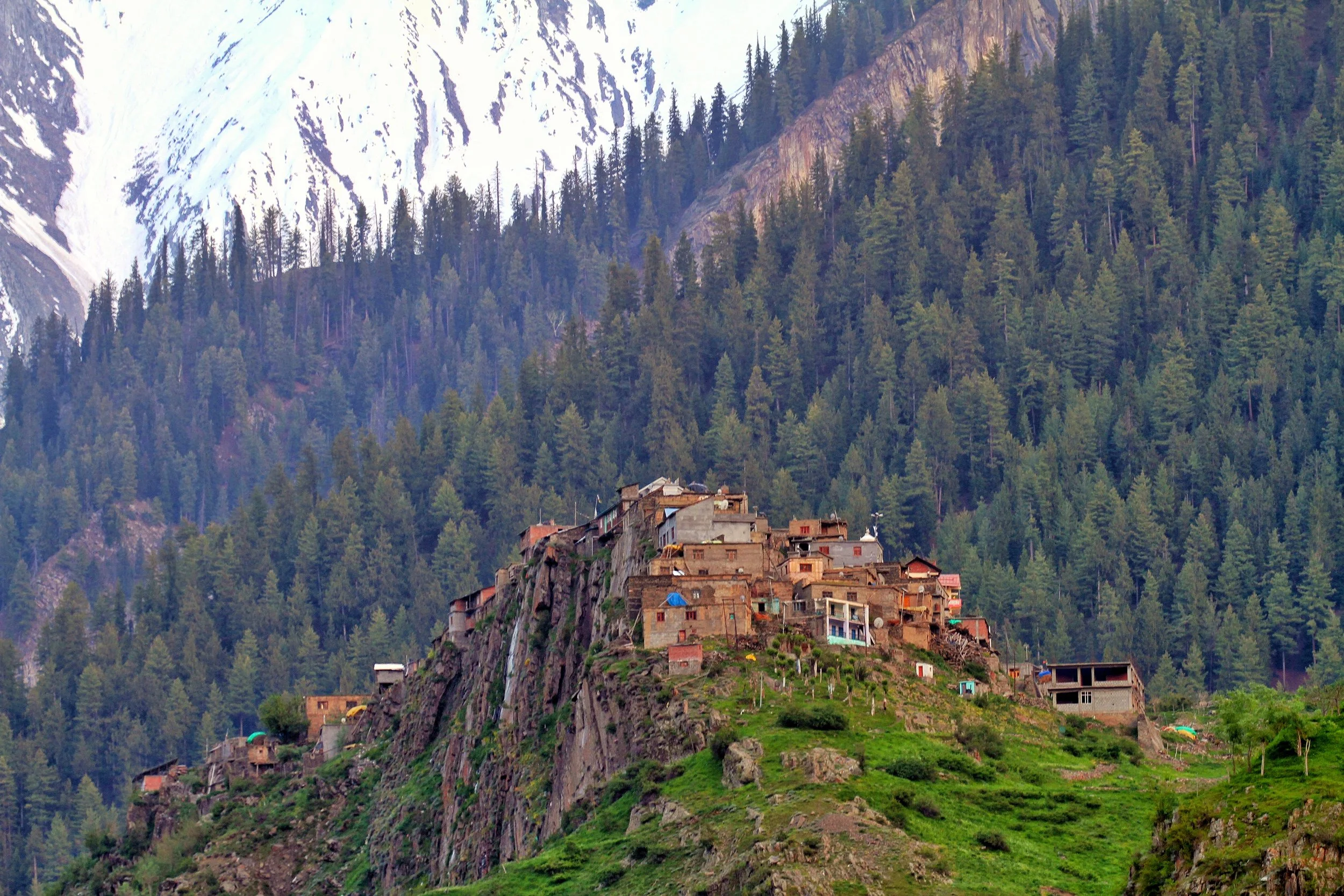
The Chamba Lahaul and the British Lahaul Story
Lahaul and Spiti have had a checkered fascinating history and lying on the Himalayan borderlines they have always been the bone of contention for various powers in the Region from the states of Kashmir, Chamba, Kullu, Bushahr, Ladakh, Guge, Tibet, the Chinese and even the Mongols, Baltis and Yarkandis. However little is known of the exact circumstances and the chain of events of History that followed as there are no written records. All the above powerful states / people left some mark or influence on these two adjoining Regions. This is an attempt to piece together their History though for most of the time the History followed its separate course in Lahaul and its own course in Spiti.
The Chamba Lahaul and the British Lahaul Story
The Himalayan / Trans Himalayan Region of Lahaul Spiti today stands as a district in the state of Himachal Pradesh. Both these Regions which were once and still are mostly Himalayan backwaters are now seeing rapid changes coming. The opening of the Rohtang Tunnel for public will open Lahaul at least to outside world like never before. And from a Tourist point of view it will grow more than a one night stop over on the way to Ladakh. Spiti will also be affected though it manages all year round connectivity from the other side. And Spiti has recently seen the influx of Tourists especially the younger generation like never before. Its like Spiti is like the new Ladakh and we see stuff on Spiti all the time.

Wife of Thakur Amar Chand of Lahaul as taken by Ralph Stewart 1913
Lahaul and Spiti have had a checkered fascinating history and lying on the Himalayan borderlines they have always been the bone of contention for various powers in the Region from the states of Kashmir, Chamba, Kullu, Bushahr, Ladakh, Guge, Tibet, the Chinese and even the Mongols, Baltis and Yarkandis. However little is known of the exact circumstances and the chain of events of History that followed as there are no written records. All the above powerful states / people left some mark or influence on these two adjoining Regions. This is an attempt to piece together their History though for most of the time the History followed its separate course in Lahaul and its own course in Spiti. Thats only fair as physically there is a contrast between the verticality of the Cis-Himalayan Lahaul Valley and the seeming Horizontality of the Trans-Himalayan Spiti Valley.

Lahual from somewhere near Keylong
The culture of Lahaul is also a curious mix of many influences mostly Hindu and Buddhist but also of the aboriginal Religion which was referred to as Loong Pai Chos which shared some similarity with the old Tibetan Bon traditions. This has resulted in a syncretic Religion in most of Lahaul and the Lahaulis like to mostly refer to themselves as Hindu-Bodh, which to me is a perfect example of peaceful co-existence of two major Religions. Spiti on the other hand has always been under great influence of Tibet and Ladakh and hence it has developed a strong tradition of Tibetan Buddhism as practiced in Tibet and Ladakh. And of course there are many Cultural similarities with the same Regions as well.

Somewhere in Lahaul by Ralph Stewart 1913
The origin of the name “Lahaul” is kinda not clear. The Ladakhis / Tibetans referred to Lahaul as Garzha or Garsa or vDvarska though some say the present name is derived from the Tibetan word Loh-Yul or the Land of the South. From the earliest records it is said that Lahaul was a part of the Kingdom of Chamba under Ajy Verman who became a Vassal of Kashmir sometime around the 8th Century. Thus Lahaul became a part of the Kashmir Kingdom and the influence of the most powerful King of Kashmir, Lalitaditya can be seen in Maylang and even in some early Temples in Kullu. But with time Kashmir lost its influence and it was Chamba Kingdom which prevailed over Lahaul it seems.

A Village near Darcha towards Zanskar.
Later it seems Lahaul became a part of the vast Kingdom of Guge in Western Tibet which included besides Lahaul, Spiti, Zanskar, Ladakh and even parts of Kashtwar and Paldar (as Kishtwar and Paddar were referred to by the Tibetans). At that time it is said that Lahaul was much bigger and included parts of Pangi and Paddar as they exist today. Since these Valleys are contiguous along the Chandrabhaga/ Chenab it is quite possible that the Guge influence was there as well. But after the fall of the Guge Kingdom, Lahaul was eyed upon by the neighbouring Kingdoms and it became somewhat of a bone of contention between the Chamba, the Kullu and the Bushahr Kingdoms. And it was during the Guge rule that Buddhism spread rapidly all over Lahaul and became the dominant Religious order. It was in the 16th Century that Raja Bahadur Singh of Kullu made certain incursions into Lahaul and loosened the grip of the Guge rule in the areas of Lahaul adjoining Kullu. The Kullu Rajas appointed local Chieftains who were mostly Buddhists. Their allegiance also varied between Kullu, Guge and even Ladakh depending on where the wind blew. This helped keep things mostly peaceful in Lahaul during these periods.
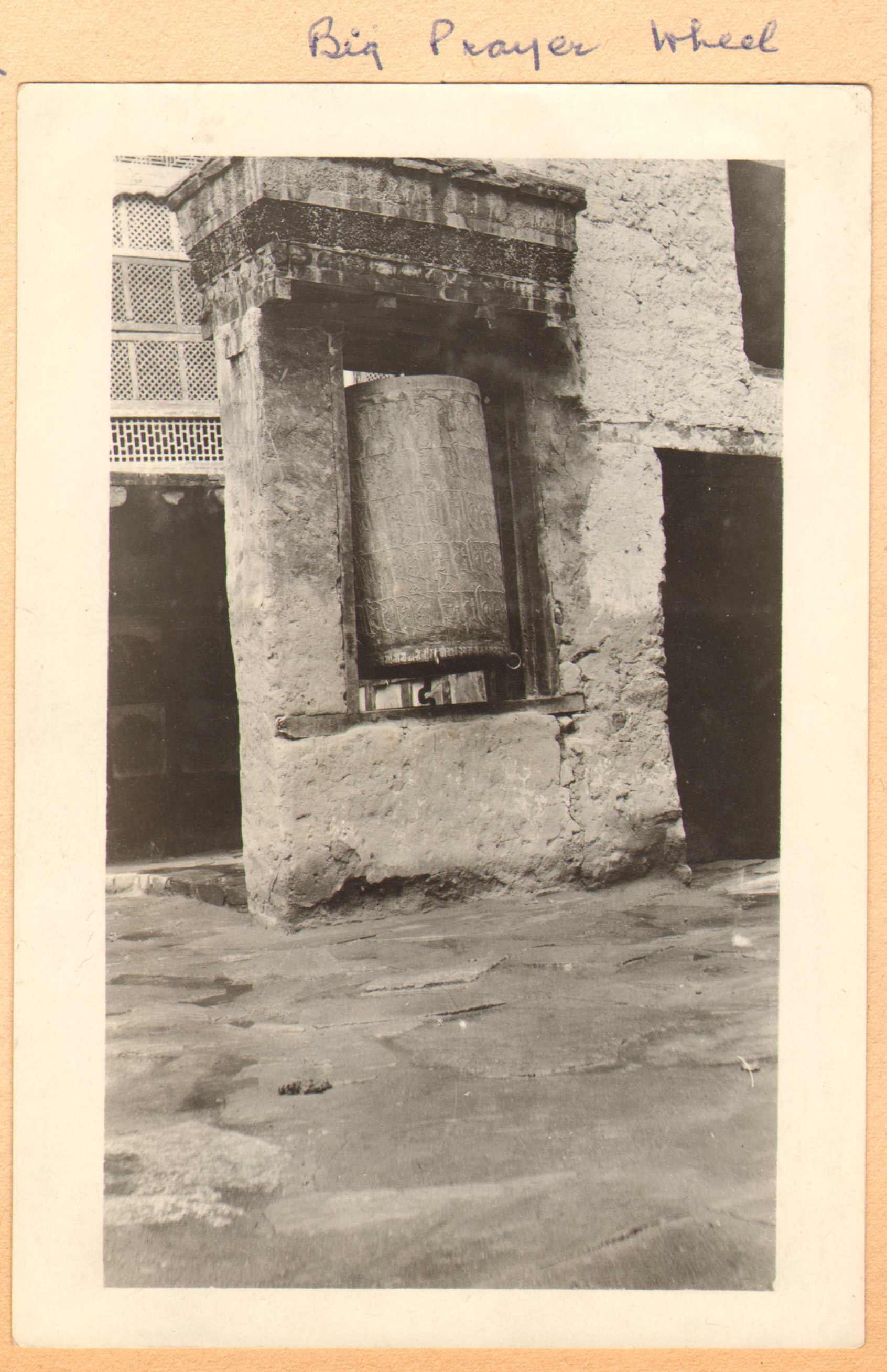
A Prayer Wheel in Lahaul by Ralph Stewart 1913
And Chamba Kingdom also started to take the lead and as the hold of the Guge weakened the Chamba Rajas began to assert their authority and advanced into areas which were associated with Western Lahaul rather than Chamba. They had advanced well into Pangi and Trilokinath which was the most important religious Center in Lahaul. The Chamba Rajas drew a nominal tribute from Lahaul, which the Lahaulis though still under the Gue Kingdom had no choice but to pay and one of the main items of tribute were 12 large dogs. I assume Lahauli Dogs for some reason held great value for the Chambyalis as I imagine these were Tibetan Mastiffs and they were good Dogs. Of course all these activities did not go unnoticed by the Rajas of Kullu and Bushahr. And the Kullu Raja decided to do something about it.Of course before also Kullu Rajas had made advances on the other side of the Rohtang. And there was a continuous power struggle between the Kullu Rajas with the Chambyalis on one side for Lahaul and with the Bushahris for Spiti on the other side. But nominally both Lahaul and Spiti were under Tibetan / Ladakhi Rule who were facing their own sets of problems with other neighbours mostly of Mongol origins.
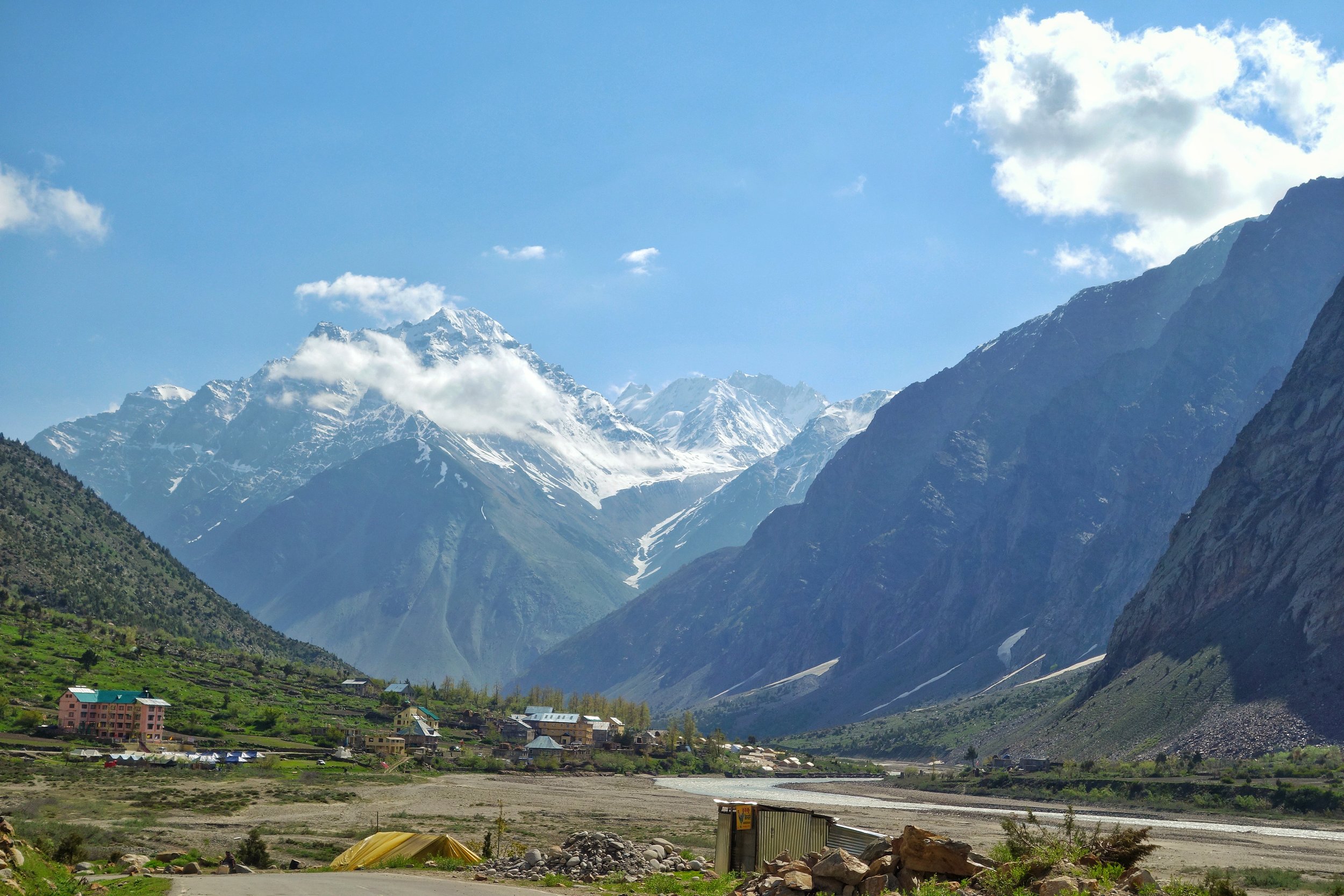
Jispa, Lahaul
And then in 1671 a Mongol Army attacked Lahaul and as usual they were in control for a few years. The Mongols probably wanted to assert the authority of the Central Tibetan Kingdom headed by the Dalai Lama and a claimant to all the territories of the Guge Kingdom. Interestingly there have been found graves and tombs in Lahaul of unknown people as both the Hindus and the Budhhists have never ritually buried the dead. They are supposed to be the remnants of people or perhaps a small force which came from Yarkand. But as usual the Mongols didnt stay put for long and left leaving Lahaul mostly to itself though still under Tibetan Rule.
Once they had left the Raja of Kullu decided to assert himself in a special way. The Kullu Raja married a Princess of Kishtwar for the same purpose.. And decided to go himself to Kishtwar to get his Bride. Of course the way he decided to assert to the Lahauli’s s that they should get rid of the Guge Rulers and be a part of Kullu. Thus his whole entourage was a show of strength of the Kullu Kingdom not only put on show for the Lahauli’s but for their friendly neighbourhood Chambyalis as well. And it seems the ploy worked but by then the Guge Kingdom was as good as collapsed. Lahaul was now firmly in Kullu’s grip except that the powerful Raja Chattar Singh of Chamba decided to re-assert his authority and again took Pangi and Trilokinath under strong Chamba control. And further Raja Chattar Singh’s son Raja Udai Singh further continued this Policy and even named the main Village where the Trilokinath Temple was situated as Udaipur, a name which still stands today. And the Kullu Rajas were firmly in the seat in other parts of Lahaul.

Above Keylong by Ralph Stewart 1913
But in the meantime things dramatically changed in Northern India and the British and the Sikhs under the Sher e Punjab Ranjit Singh were vying for power and the Western Himalayas came under the control of the Sikhs. Kullu and Chamba both became a part of the Sikh Kingdom and so did Lahaul. And it remained hence and this was enhanced when in 1840 the Sikh forces moved into Kullu and came down to Lahaul as well. And finally when the British defeated the Sikhs it passed onto the Brirtish. And as a result of the machinations which followed the formation of the state of Jammu and Kashmir, Chamba got to keep its part of Lahaul which was henceforth called as the Chamba Lahaul while Kullu was taken over by the British and the Kullu part of Lahaul was now called British Lahaul. Interestingly even Spiti had gone over to Raja Gulab Singh as it was a part of Ladakh but the British thought it prudent to have direct access to the Pashmina rich Region of Changthang and this could do this only if they kept Spiti.

Looking towards “British Lahaul” from outside Udaipur
And so it was till the British left and both Chamba and Kullu became a part of Himachal Pradesh and once again Chamba Lahaul and British Lahaul were merged to form Lahaul as we know it today.
Source : Various sources including Harcourt’s Himalayan Districts of Koloo, Lahoul and Spiti, 1874. Also History of Lahaul and Spiti by Sanjay Kumar. And of course a number of conjectures of my own. Please feel free to point out if you notice any discrepancy.
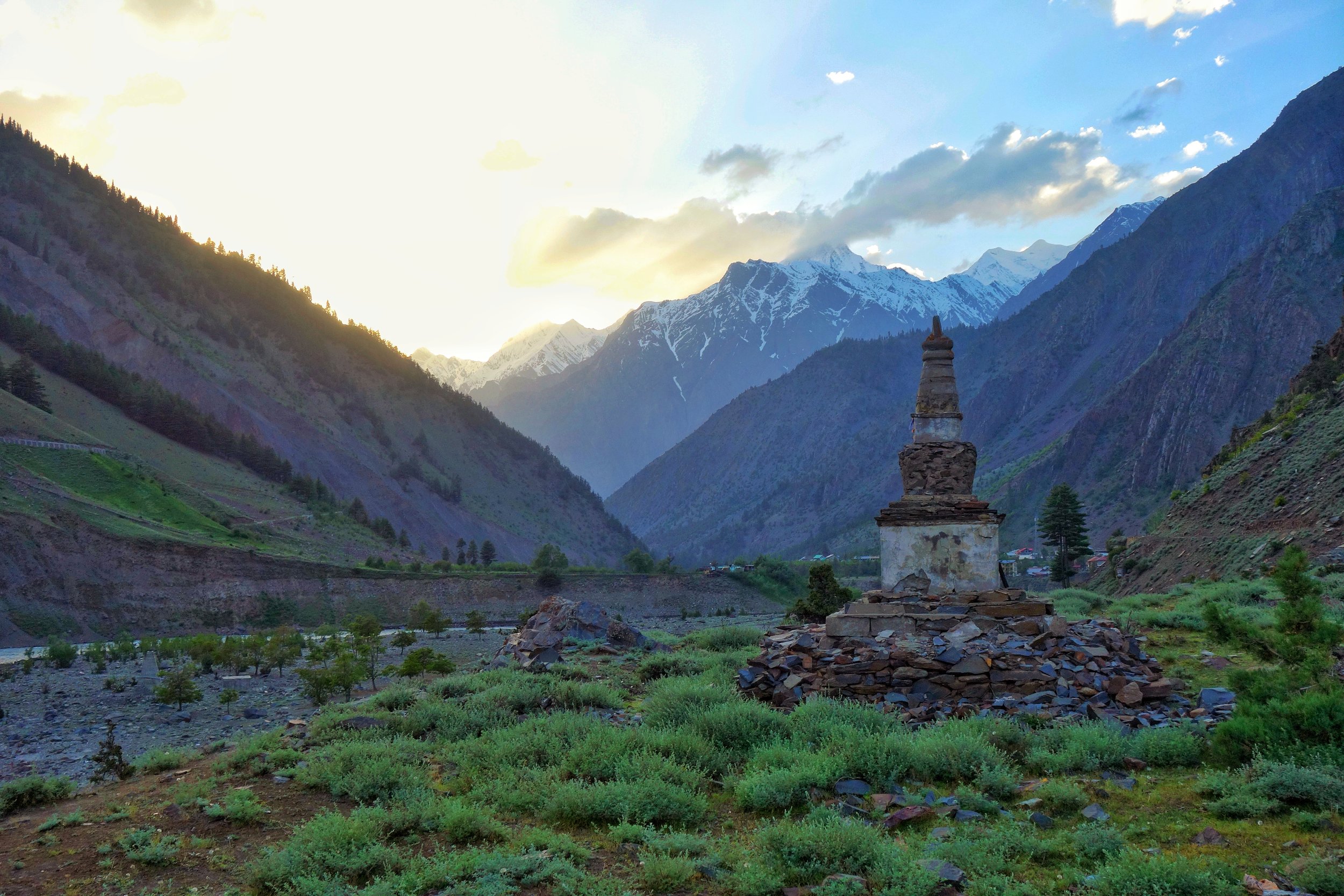
Pic: The Sun sets over what used to be Chamba Lahaul just outside the Village of Udaipur as the Chandrabhaga flows by. The Chorten was amongst the first reminder of the Cultural change in the Region as one comes in from the Pangi Valley side in Chamba.
Pic from June 2019. Near Udaipur, Lahaul, Himachal Pradesh.
Kishtwar : At the Himalayan Crossroads
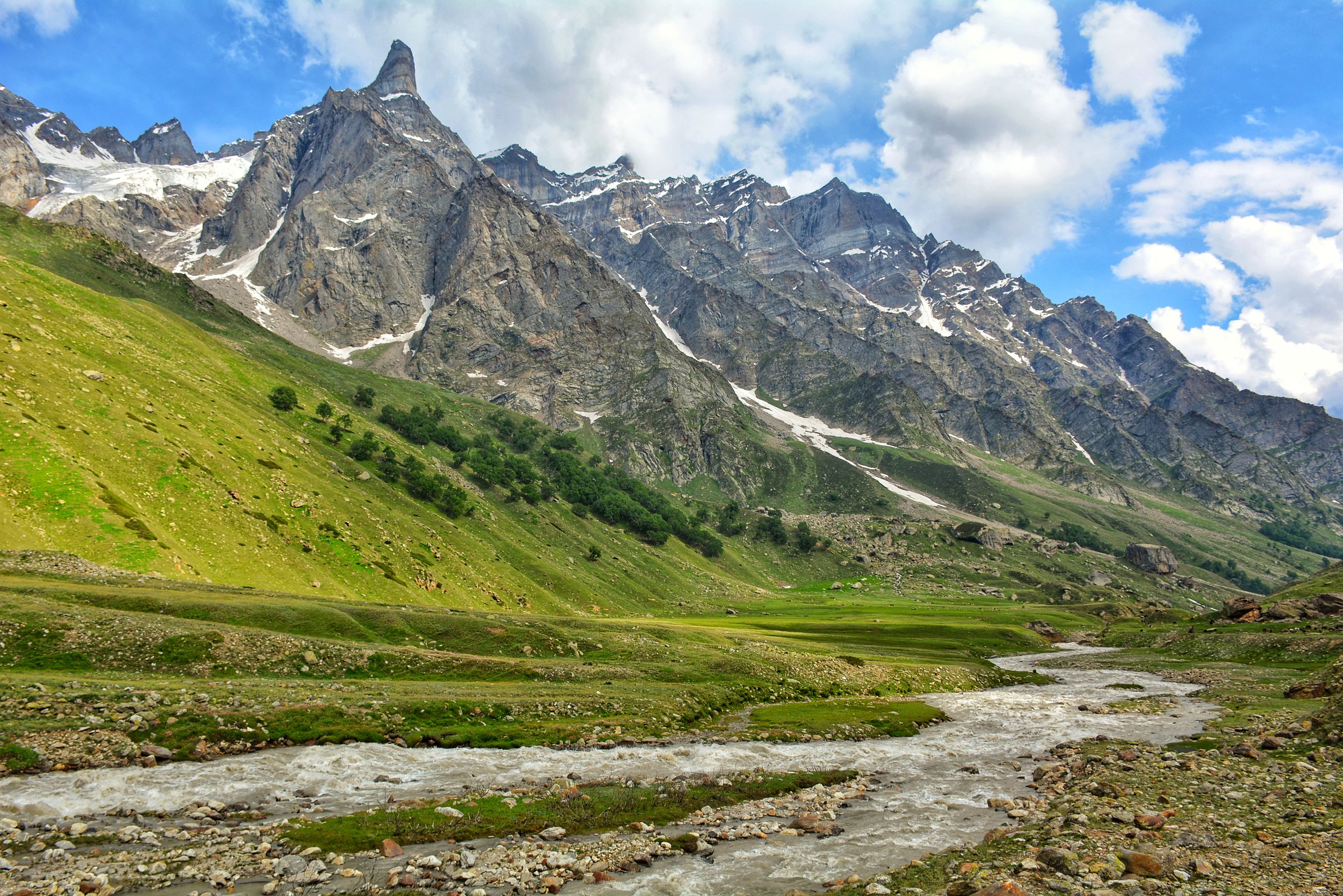
Kishtwar is a region in the Jammu division of the state of Jammu and Kashmir. Due to its unique location just under the shadow of the Great Himalayas and at the place where the religions and cultures of the Himalayas meet. They give Kishtwar a unique flavor which remains largely unexplored.
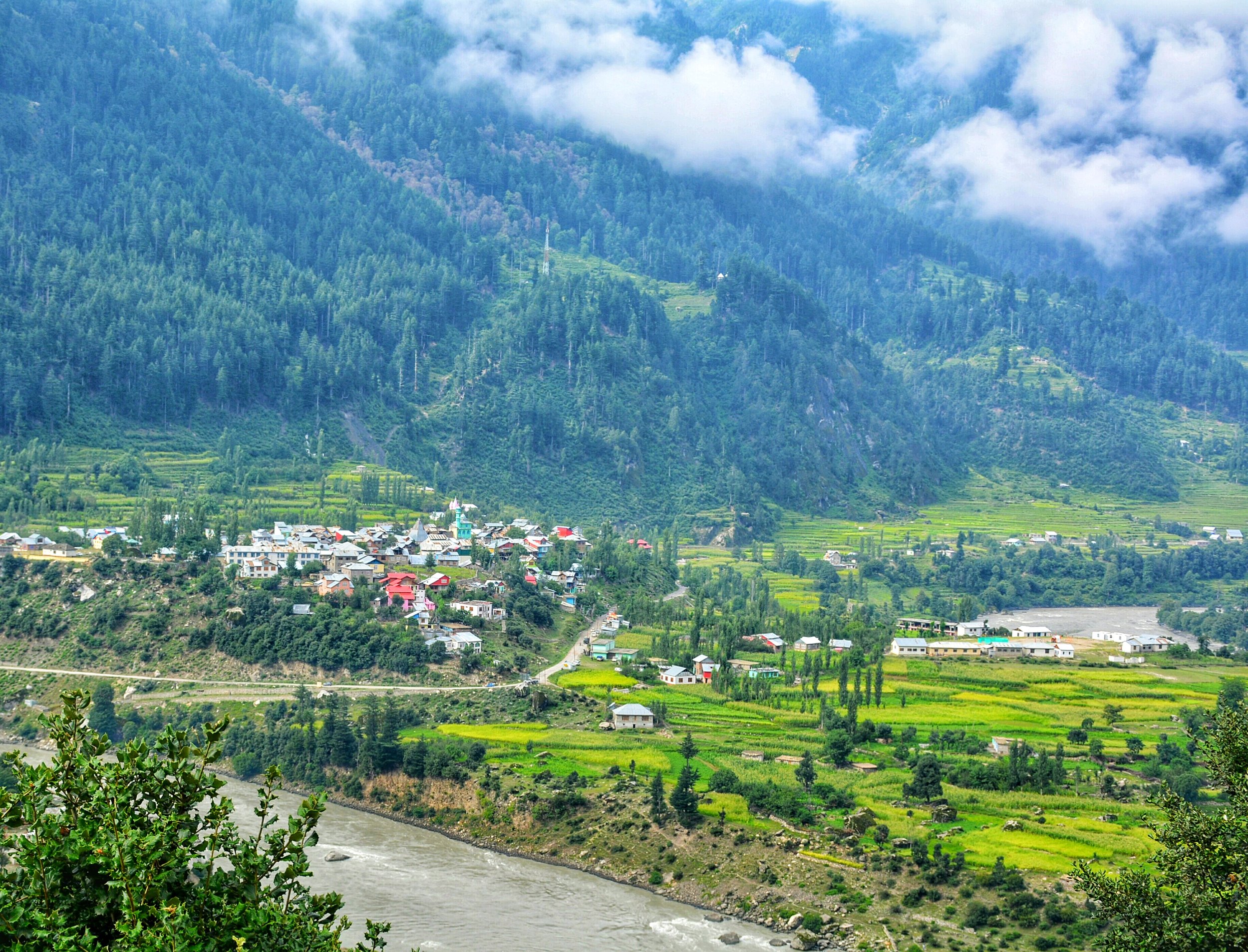
Kishtwar : At The Himalayan Crossroads
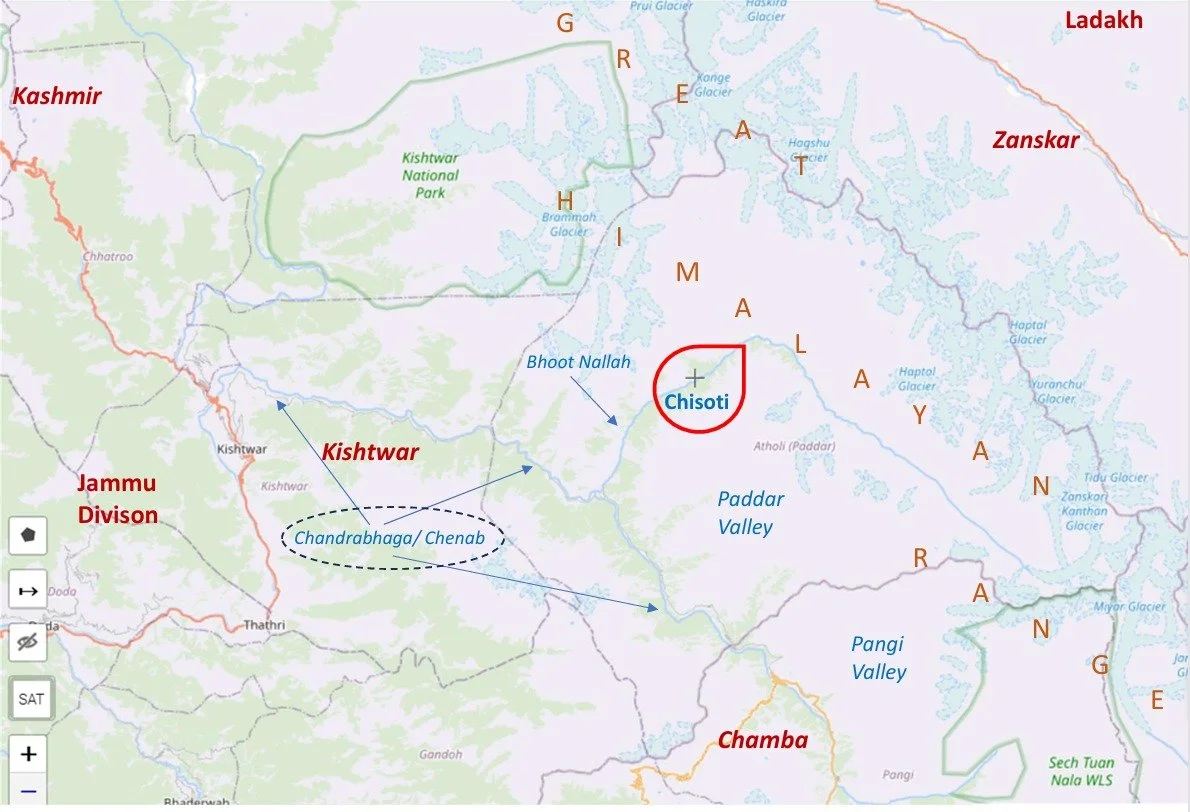
Kishtwar today is just a district in the Jammu Division of the state of Jammu and Kashmir. It borders the Kashmir Valley on one side, Doda on the other, Zanskar in the North, Chamba in the South. It has been noticed by some hard core mainly foreign Monatineers in the past and even recently for the great climbing opportunities it offers in the Kishtwar Himalayas.
Ok coming to what I wanted to write about. The Great Himalayan Range and its related Ranges stretch from the Pamir Knot down to the Hengduan Mountains in North Western Kunming. Besides all the ethnic and cultural variety there are also a variety of Religions practiced in these Mountains. Since Religion is a hot topic of debate and discussion and even derision on the Himalayan Club I decided to write on a subject related to it. To me the Religion of a place carries as much value as the ethnicity or the culture or the language does.
In the Himalayas there is the basic presence of three of our great religions. In the Western and Northern part of the Western Himalayas it is Islam which dominates. However beyond the Himalayas in the North its Buddhism. Towards the Eastern and Southern Part of the Western Himalayas it is Hinduism. And of course Buddhism in the Trans Himalayan reaches. The Central Himalayas are a stronghold of Hinduism stretching all the way across to Sikkim. But again as a feature seen earlier its Buddhism which dominates the higher Himalayas and the Trans Himalayas. Beyond Sikkim its predominantly Buddhism which is the majority religion.
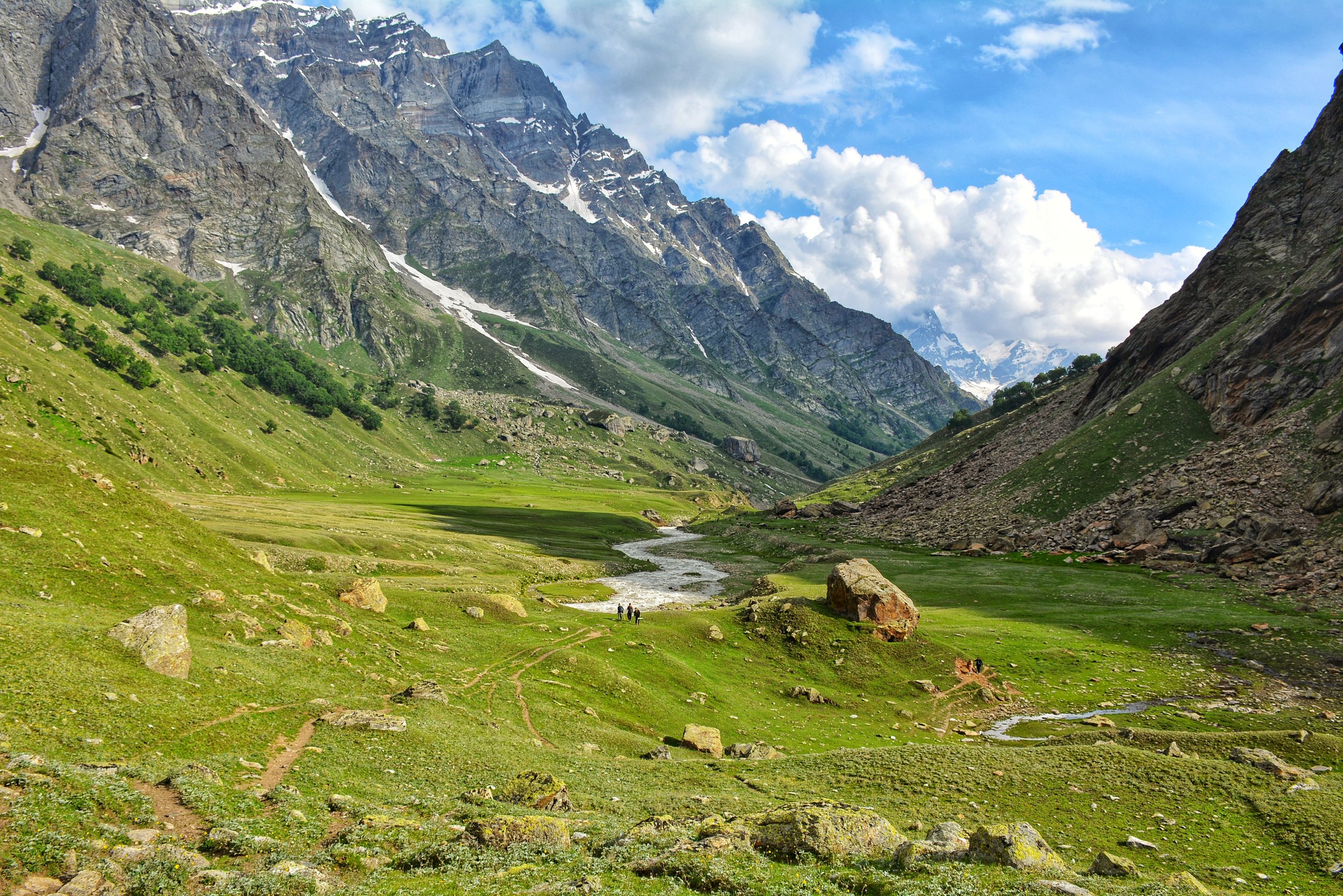
Its in Kishtwar that the three belief systems merge and hence it gives unique place in the Himalayas. The majority population follows Islam, a large minority follows Hinduism and a very small minority of Buddhists also exist in Kishtwar. Its in the upper reaches of Padar (which used to be called Paldar by the Ladakhis / Tibetans) that there are exist Buddhist villages which follow the same Tibetan Buddhist traditions that are followed across the Great Himalayan divide in Zanskar. Infact in some of these Villages in Kishtwar there still exists an animal which is associated more with Ladakh or Tibet ie the Yak. In the Padar Region in the upper reaches along the Machail River there are the twin hamlets of Halo and Hango on the left side of the Machail River and the Villages of Lossaini, Dangali, Scham and Jashari which are all Buddhist Villages.
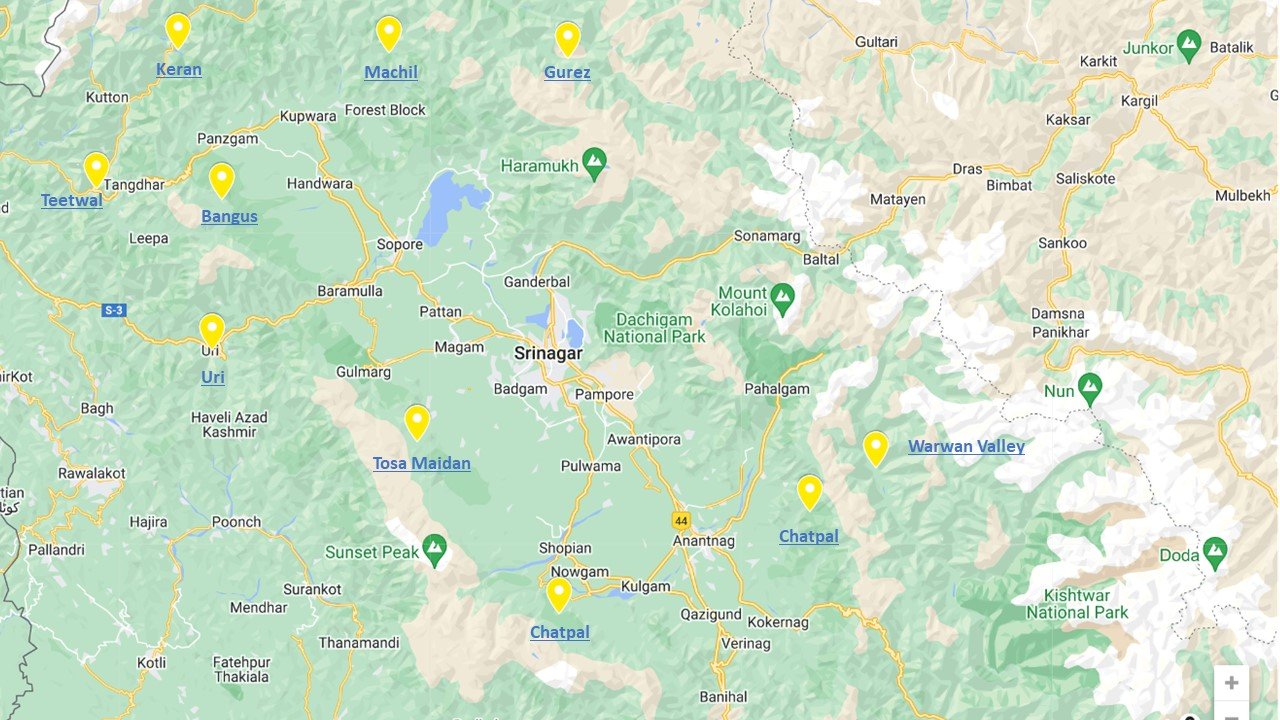
Towards the south bordering Doda and Chamba are a majority of Hindus contiguous with the populations to the South. The main Kishtwar town and to the North of it are majority Muslim population many of whom have actually come in from adjoining areas in Kashmir. In Fact the Kashmiri spoken by the people in the Warwan Valley, which is a part of Kishtwar, is supposed to be the purest form of Kashmiri as it was spoken in the olden days. The Warwan Valley runs parallel to the Suru Valley in Ladakh separated by the Great Himalayan Range itself.
Kishtwar is first referred to in the Rajatarangini by the ancient name Kashthavata, during the reign of Raja Kalsa of Kashmir (1063–1089), when "Uttamaraja", the ruler of Kashthavata visited the court of the Kashmir King in company with several other hill chiefs to pay their respects to the Raja.
It was more or less an independent Hill Kingdom ruled by Rajput Hill Rajas as was the norm in the region. The Royal family had supposedly descended from the Royal family of Suket.
However subsequently a part of it also became a part of the Western Tibetan Kingdom and the one of the Kings divided his Kingdom between his sons and they got Zanskar, Purig and Kishtwar as separate Kingdoms. However in the absence of any written historical records of history of the Region the timelines are just approximate guesses and due to the Geography of the region it is well possible that a part of Kishtwar was under the Rajput Hindu Rajas and the more higher and remote areas like Padar was under the rule of Ladakhi/ Tibetan Rajas.
In the 17th Century the Rajas of Kishtwar converted to Islam so did a large part of the population. But in an odd adaption the Rajas, though Muslims by religion, had Hindu Rajput names and this continued till the 1820 when it was captured by Raja Gulab Singh, a vassal of Maharaja Ranjit Singh. The name of the last ruling was Raja Muhammed Teg Singh s/o Raja Inayatullah Singh. The campaign for the capture of the Kingdoms of Kishtwar, Reasi and Arnos was carried on by none other than General Zorawar Singh who subsequently became the Governor of these erstwhile Kingdoms and it was from here that he planned his invasions of Ladakh, Baltistan and Tibet. And one of his main Officers, Col Mehta Basti Ram, of the well known Mehta clan of Kishtwar, who campaigned fearlessly with General Zorawar Singh in all his Campaigns. After the death of General Zorawar Singh and the subsequent signing of the Treaty of Chusul, it was Col Mehta Basti Ram who became the first Governor of Ladakh.
As of today this most beautiful part (arguably) of Himalayas lies mostly unknown to outsiders except a few adventure seekers. Lying in the shadow of Kashmir and Ladakh but a part of Jammu that can give both these places more than a run for their money just with its amazing Geographical and Cultural diversity.
Kiki’s Blog
Stories from the Himalayas
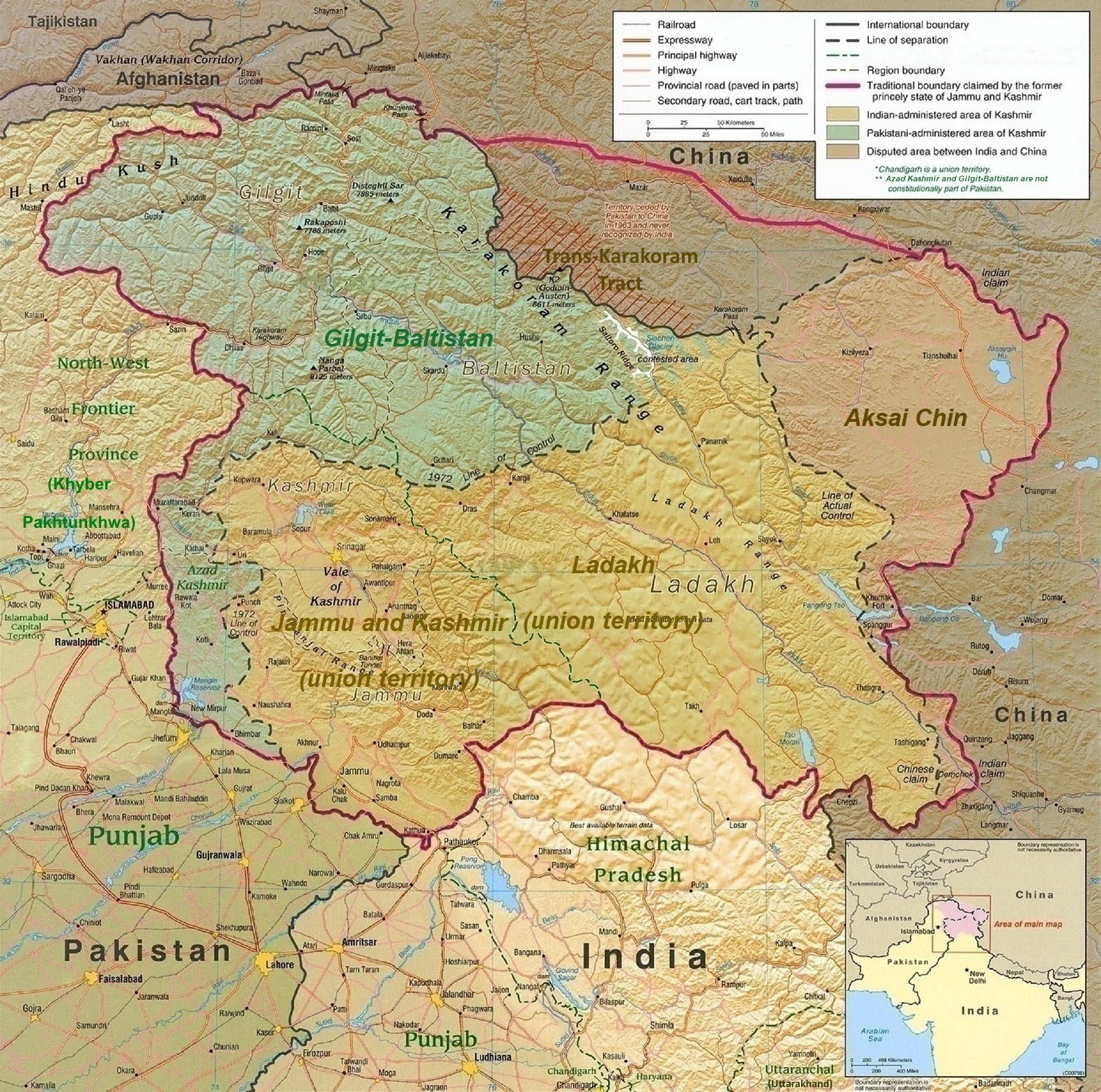


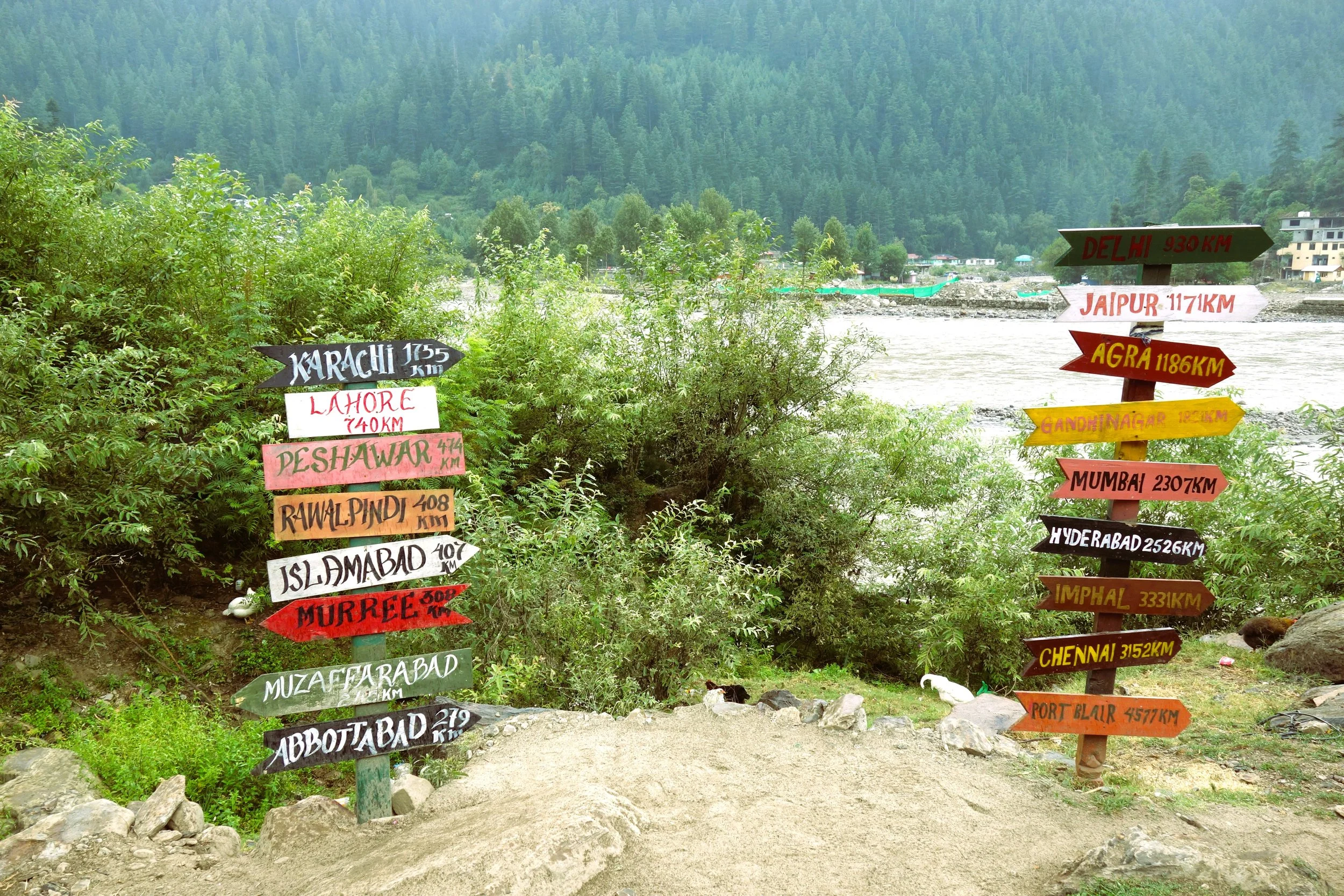

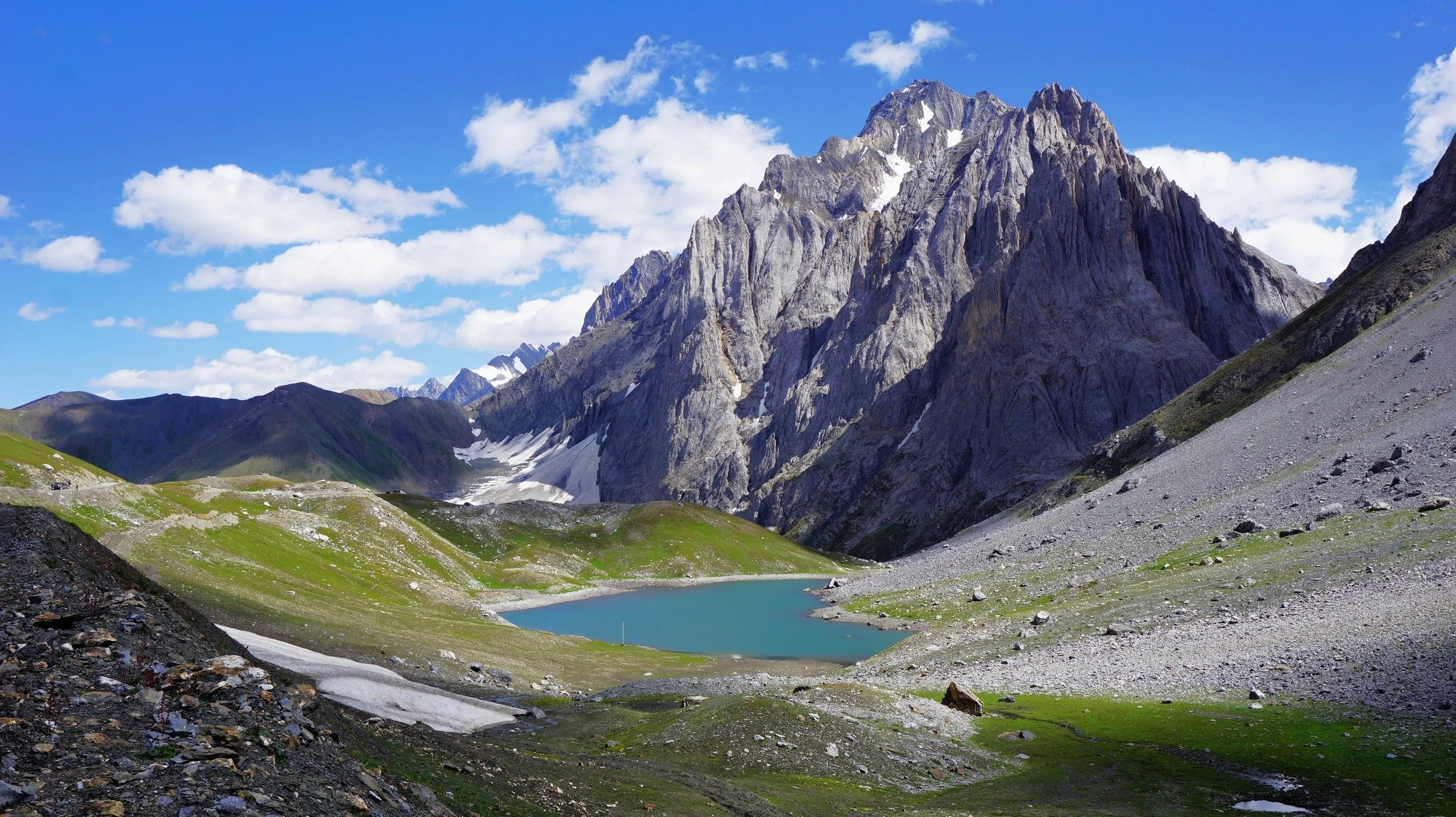
Five years ago the Galwan Valley was in the News for the wrong reasons after a deadly clash between the Indian and Chinese Armies in the Valley located in Ladakh lead to many deaths on the contentious Border between the two countries in wake of continued Chinese intrusions into Indian territory.
This area along the Shyok River, of which the Galwan Nallah or the Galwan River which forms the Galwan Valley has been off limits to Civilians since long but now the Indian Government has decided to open up the area for Civilians and we were amongst the First Civilians to venture into this beautifully desolate part of the Eastern Karakorams in Ladakh. Earlier Civilians could only venture upto the Village of Shyok from where the Shyok River takes a U turn and flows in a Northerly direction.