
The Keeper of Buddha's Bones
The story of the Kanishka’s Casket which was said to contain the Bone Relics of the Buddha himself. The Role Kanishka played in the spread of Buddhism. And how it was discovered in the early 1900s and how its “lost” again.

The Keeper of Buddha’s Bones
The Great Himalayan Complex as most must be aware includes the greatest Mountain Ranges which radiate from some point in Central Asia / Northern India. Looking at the historical context there have been few Rulers, infact not more than handful who have exercised control over this wildest of the wildernesses on the Planet.
One name which comes to mind is that of the Great Kushan Emperor Kanishka whose Empire ranged from Turfan in the Tarim Basin to beyond Bactria to Sodania. From Gandhara to Kashmir to Mathura to Patliputra and all the way to Gujarat. It was a massive enterprise with vast array of different people under their Rule. The Kushans actually originated from the Tarim Basin and were Central Asian nomads before they united and swept South and Westwards. They were said to have originated from the Yuezhi people who were nomadic pastoralists.
Emperor Kanishka is widely believed to be the most powerful of the Kushan kings who left impressive historical records which are being discovered even to this day. The famous Rabatak Inscription talks of the great lineage of the Kushana Rulers as well as talks of their conquests.
One of the most enduring legacy left behind by the Kushanas were their coinage and notably that of Kanishka. The Kushans created a syncretic culture and had elements from all the Cultures around them. Kanishka was based in Gandhara, the region around Peshawar and Peshawar was the Capital of the Kushan Empire. The Empire stood at the crossroads of where Greek culture and its influenced Bactrian and Gandhara culture met Indian culture. It was here in the foothills of the Hindu Kush and the Himalayas that great monuments were built in Gandhara as well as Kashmir which was at that time a part of Gandhara as well the Swat Valley.
Kanishka himself became an adherent of Buddhism but his coinage reflected the multi-cultural aspect of the people they ruled over. The coinage had Hellenic (Greek), Mesopotamian deities, Iranian/ Avestan (Zoroastrian) deities, Buddha and last but not the least Osheo which is said to represent Shiva. This Kushan coinage has been unearthed at various sites all over the realm of the Kushanas giving historians a true sense of the size of their Empire.
Kanishka has been credited with the spread of Buddhism to Central Asia and Gandhara itself became the center of the Buddhist world. It was under Kanishka’s rule that the Fourth Buddhist Council was held in Kashmir and 500 Monks went all over Central Asia to spread the message of what came to be the Mahayana school of Buddhist tradition. He also favoured the Gandhara School of Buddhist Art as well the Mathura School of Hindu Art just like he believed in Buddha but in certain Avestan deities as well.
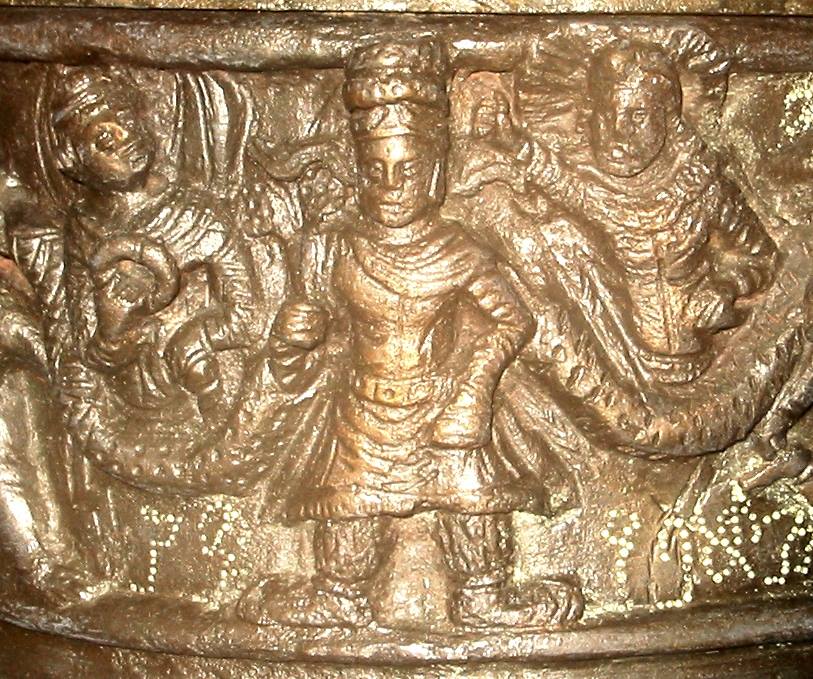
Well coming back to the Bones of Buddha part now. In 1908 - 1909 Archaeologists while working on excavations at the Kanishka Stupa, which at one point of time was the tallest Stupa in the entire subcontinent came upon a Chamber. This was at a place called Shah-Ji-Deri near Peshawar under the shadows of the Hindu Kush in the Peshawar Valley. The excavators chanced upon a Gilded Copper Casket, a reliquary of sorts and this priceless find was named as the Kanishka Casket and it was dated to the Second century AD. The Interesting part was the depictions on the Casket which point out that this was the place where different cultures met and infused and also the part that the Kushans in general and Kanishka in particular played in the same process.
The lid of the casket shows the Buddha on a Lotus Pedestal and Indra and Brahma on either side will folded hands in reverence. The edge of the lid is decorated by a frieze of flying geese, or hamsa, symbolizing the travel of departing souls and the removal from samsara. Some of the geese have a wreath of victory in their beak.
The body of the casket represents a Kushan monarch, which is unmistakingly Kanishka as we are familiar with his likelihood and especially his big boots, with the Iranian Sun god and Moon god at his side. On the sides are two images of a seated Buddha, worshiped a royal figures, possibly a Bodhisattva.
A garland, supported by cherubs goes around the scene in typical Hellenistic style.
There are also inscriptions in Kharosthi which underline these facts.
And now the most interesting part. Inside the Casket were found 3 Bone fragments which are said to be of the Buddha himself. They were concealed in a Crystal which was hollowed from one side and then sealed up after the fragments were placed there. And it had the Emperor’s seal on it. There had been another case of discovery of Buddha’s similar bone relics in the Terai foothills of Nepal much closer to where the Buddha was born. So what about these ? Well we all know that Kanishka was a great proponent of Buddhism. And as per certain Buddhist literature after the cremation of Buddha his remains were divided into 8 parts to be buried under Great Stupas to be built at various places. It is entirely possible that Kanishka got hold of some of the relics in his time and took them to his capital Purushapura as Peshawar was called at that time and had them enshrined under a great Stupa. The Chinese pilgrim Huen Tsang remarked in his journey that this place indeed held the relics of Buddha and he described the Kanishka Stupa as 170 m tall.
Ok the Bone Relics of the Buddha were sent were sent to Burma by the British where they are supposedly kept somewhere in Mandalay. As for the original casket it was sent to England. And in England a number of copies of the same were made of the original. The real one was then apparently sent back to Peshawar. One copy of the same is on display at the British Museum. Another copy is supposed to be in Oxford. The one on display in Peshawar is also supposedly a copy of the original. At the time of the partition there was a tussle between India and Pakistan over certain treasures but mostly the Indus ones as no one really cared much about Gandhara as the mainstream narrative in India never took on the Kushans as their own and were looked upon as outsiders.
As a result as of today no one is really aware where the actual Casket is. Some say it was taken to Karachi. Out of all the Scholars engaged in work on the Gandhara / Kushanas none has seen the original and no one has any clue to where it is.
One of our most priceless Treasures is now nowhere to be found.
First Lord Shiva on an Indic Coin
The Kushanas issued several other different versions of the Coins featuring Lord Shiva as well including him holding a damru and a Trident. And with Nandi Bull in the background. The whole irony of the whole situation is the fact that the first coin featuring the most revered Hindu God was coined in Bagram in Afghanistan (more Central Asian than Indic) on the foothills of the Hindu Kush and by an Emperor whose origin was Central Asian and not Indic.

First Lord Shiva on an Indic Coin
Lord Shiva is probably the most revered and well known Gods of the Hindu trinity and in my view the maximum numbers of Temples in India are dedicated to Lord Shiva and his various Avatars and incarnations.
In the Himalayan context, its Shiva again considered the Lord of the Mountains. The Abode of Snow as the term Himalaya means in Sanskrit were also considered to be the Abode of Lord Shiva himself. The much revered Mount Kailash, the mythical abode of the Lord himself was located in the Trans Himalaya.
Besides Mount Kailash there are a number of different Mountains / Peaks in the whole Range that were connected with Lord Shiva. These include the Adi Kailash in the Kumaon Himalayas, the Kinnaur Kailash in the Kinnaur region of Himachal, the Shrikhand Mahadev in Himachal and the Chamba Kailash in Bharmour. Besides these there is the Mt.Haramukh in Kashmir considered the abode of Shiva as per the local beliefs.
But where is actually the oldest Hindu Temple and where is the oldest Shiva Temple ? I tried to find the answers but it was rather inconclusive with no firm answers. But one of the possible locations pointed out was a place called Surkh Kotal, a historical site related to the Kushans and the Great Emperor Kanishka himself, located near Pul E Khomri in the Baghlan Province in Northern Afghanistan in the foothills of the Hindu Kush Mountains. This region in the older times was called as Bactria, which was a great center of amalgamation of Greek, Iranian and Indian cultures and religious practices.
Of course for those of you in the know, the Kushanas were from Central Asia and had a large Empire and Kanishka was the Greatest King of the Kushanas who ruled a large Empire stretched from Central Asia to the Tarim Basin to Northern India and even Eastern India uptil Patliputra. Kanishka and the Kushana Empire was one of the most syncretic Empire ever seen and the most outstanding feature was their coinage which featured a large Pantheon of Gods from the Greeks, the Mesopotamian, the Avestan and Indic figures like Shiva and Buddha.
And the best part is that unlike most of the structures built by the Kushanas and Kanishka in particular are now in ruins but their spectacular achievements and history still survives in their Coinage. And a lot of them exist to even this date found all over the vast Region that the Kushanas had spread their Empire over. The thing about Coins is that they are virtually indestructible until someone decides to melt them.
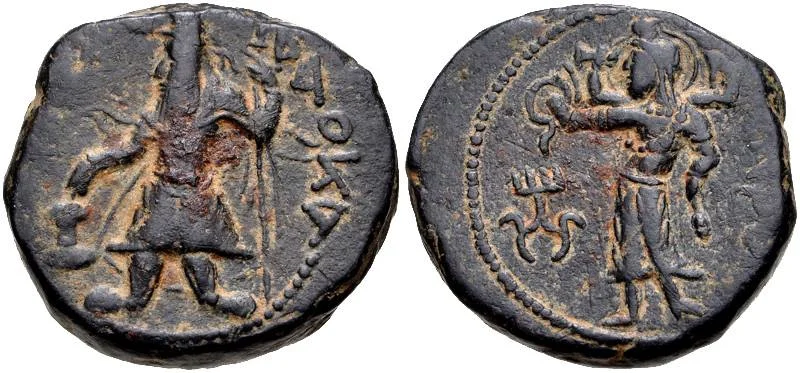
And it was Kanishka himself who issued the first coins which featured Shiva or Osheo as he was also referred to. As per the auction site I got this image from this is probably the first time that Shiva was featured on Indic coins :
Kushan Empire. Kanishka I. Circa AD 127/8-152. Æ Tetradrachm (25mm, 16.72 g, 12h). Main mint in Kapisha (Begram?). Middle phase. Kanishka standing left, holding goad and standard, sacrificing over altar; flame at shoulder / Siva standing left, holding thunderbolt, diadem, trident, and flask; tamgha to left. MK 781; ANS Kushan 553-60; Donum Burns 164; W. Pieper, “The earliest Saivite images on ancient Indian coins,”.
The Kushanas issued several other different versions of the Coins featuring Lord Shiva as well including him holding a damru and a Trident. And with Nandi Bull in the background. The one I found most intriguing is the one in which Lord Shiva is shown with an erection, probably pointing out to the Phallic symbol that is worshipped in many Temples as the Shiv Linga. More on that later once I know enough.
The whole irony of the whole situation is the fact that the first coin featuring the most revered Hindu God was coined in Bagram in Afghanistan (more Central Asian than Indic) on the foothills of the Hindu Kush and by an Emperor whose origin was Central Asian and not Indic. And the biggest irony that this all happened under the shadows of the Great Mountains of the Hindu Kush instead of the Himalayas.
Harwan Buddhist Monastery Ruins
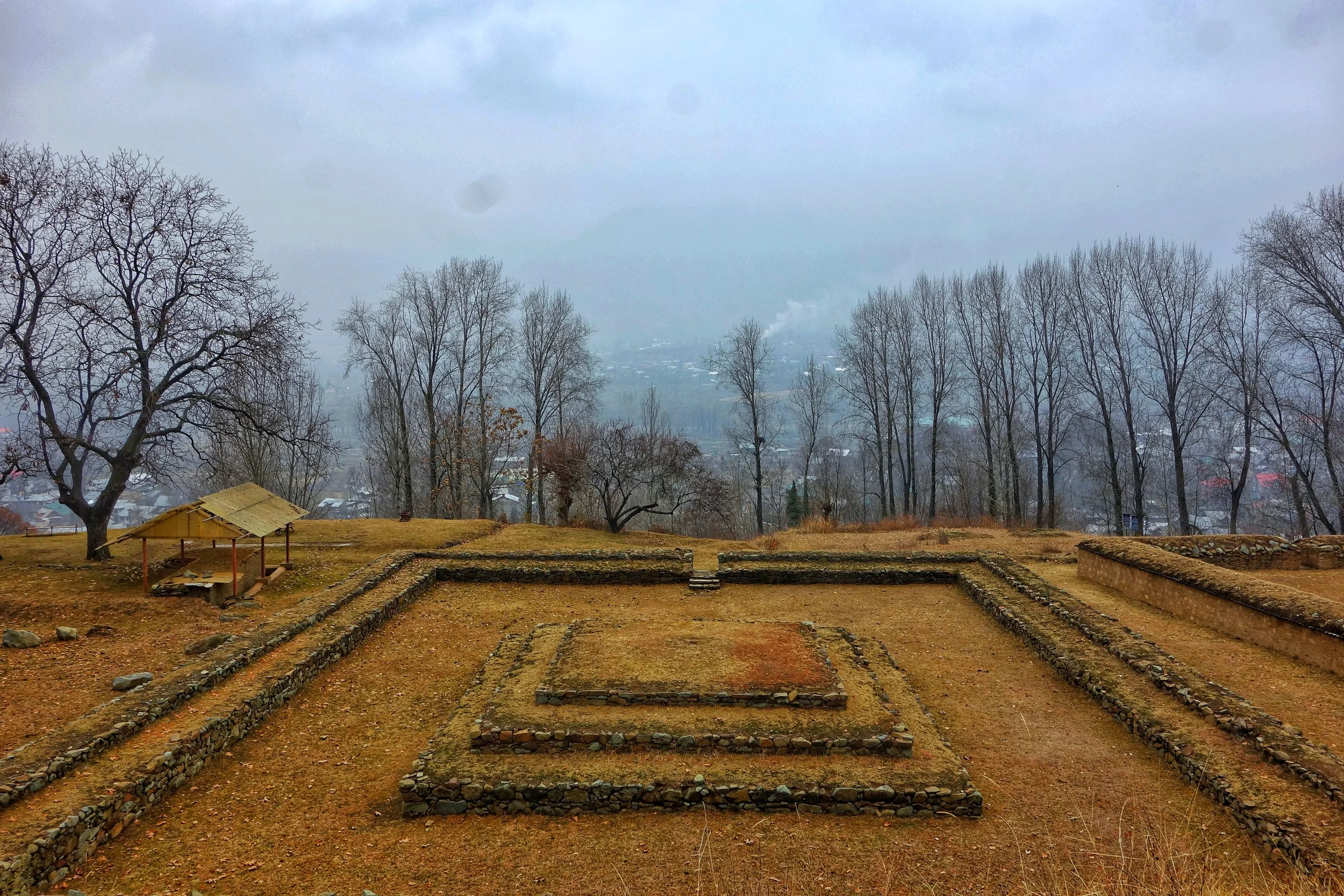
Exploring the remains of the Harwan Buddhist Monastery in Kashmir where the 4 th Buddhist Council was supposed to have been held in the First Century. It was Emperor Kanishka of the Kushan under whose aegis the Council took place and it was after this Council that hundreds of Buddhist Monks went to Central Asia, China, Korea, Japan and Tibet to propagate Mahayana Buddhism.
The Two Thousand Year Old Buddhist Monastery Ruins
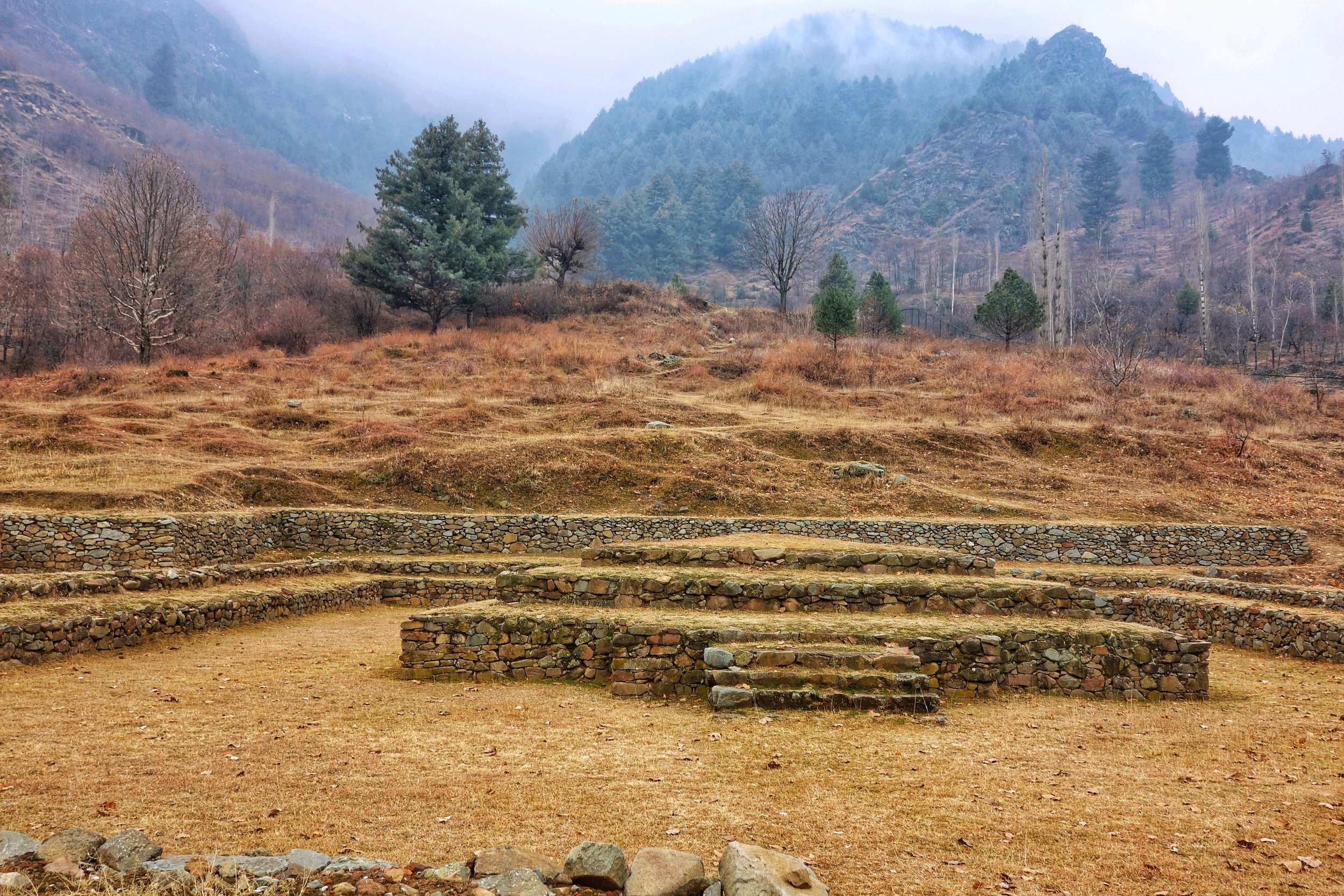
Today was the first day of the Chillai Kalan and it was a nice and pleasent 4 degree C I decide to look again for something i had looked for before but was unable to locate the exact place. It was the excavated site of an almost 2000 year old Buddhist Monastery on the outskirts of Srinagar and I had seen terracota Tiles from the same site at the SPS Museum and they showed a very high level of craftsmanship.
I drove to the point where the car would go and walked up the hill through a village as pointed out by a Government board which showed an arrow towards the location.I had followed this twice before but had just reached a place which looked ancient but couldn’t really make out anything. Same thing happened today, the board says Harwan Ancient Buddhist ruins but all i could see were rocks and a water treatment plant. I Googled and got some images which looked totally different from where I was but I could make out that it was the same hills in the background. So i looked around again and again.
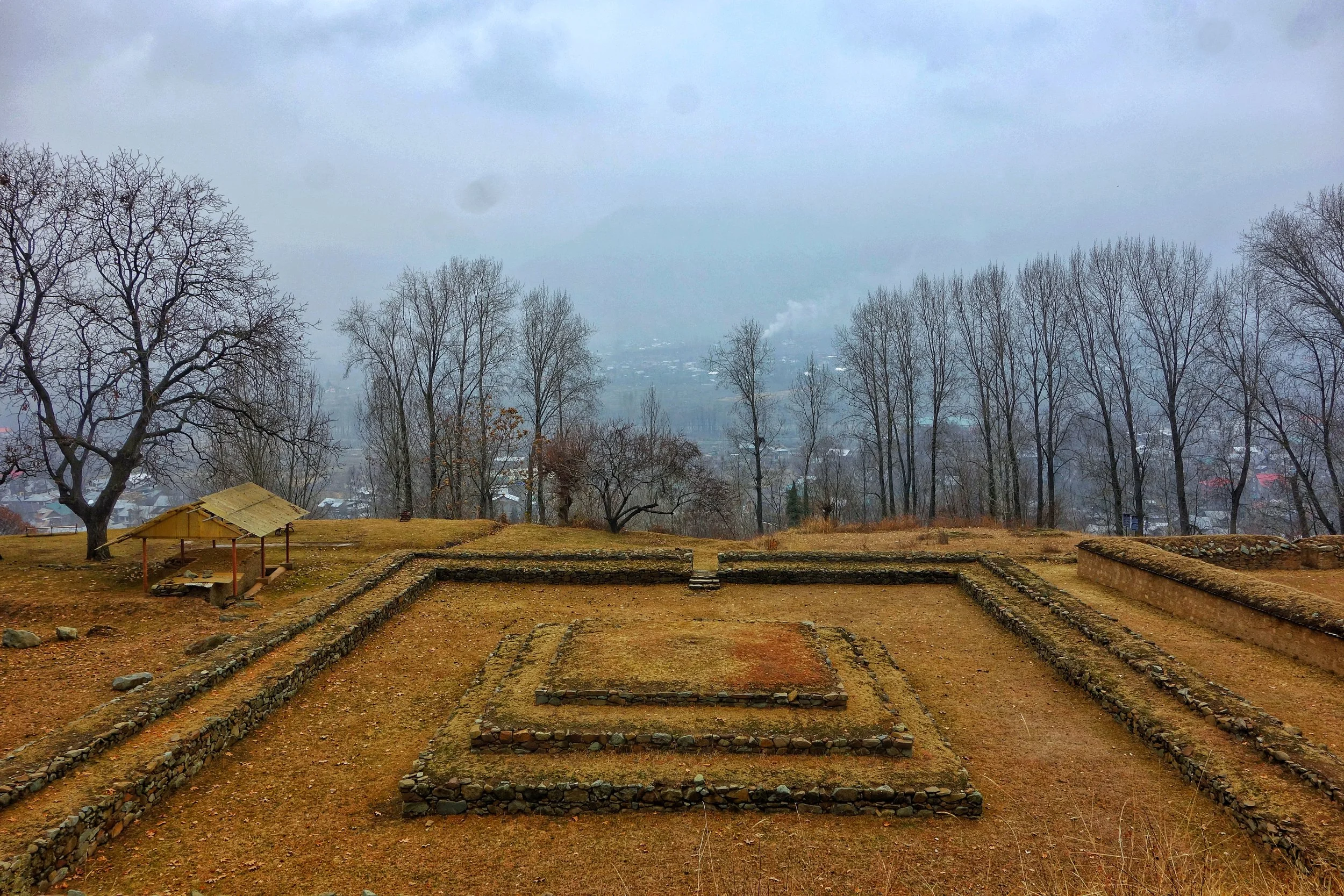
An old man sitting watching his sheep noticed and after 10 minutes asked me what I was looking for. I told him and he pointed upwards to a spur where I could see a couple of Chinars. He said go there as that is where its at. He also told me that the board is at a wrong place and the very few people who come cant find it. He asked me which Government Department I was from. I smiled and said I dont belong to the Government. He asked why I wanted to go there then ? I said I wanted to click some pics. He stared at me for a couple of seconds and then just nodded his head and pointed his stick towards the track that would lead me up.
I started walking up. It was kinda cold and dreary. Just grey and brown. And then first I stumble on the ASI Boards saying its a Protected Monument and another one describing the significance of the site (which I will come to later). There wasnt a sole in sight and in the background the hills of the Zabarwan were covered in scanty snow. And then i came upon the site.
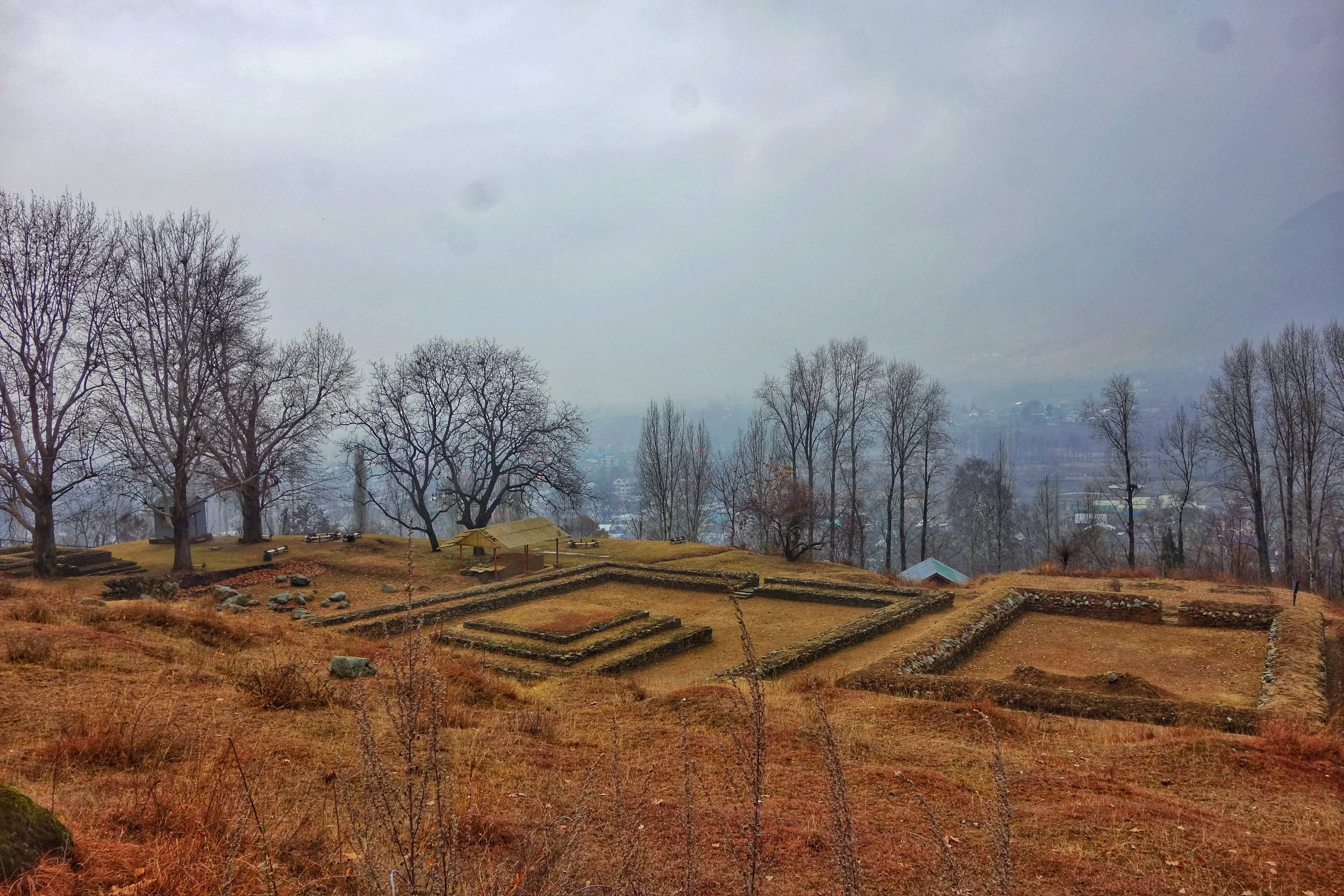
It was surreal. A well laid out platform of a Monastery and a Stupa base at the center. This was the first tier. There were I assume multiple tiers as was the norm that time for Buddhist Monasteries in Kashmir. The much visited Pari Mahal was also built on the ruins of one such Buddhist monastery. Kashmir used to be a stronghold of Buddhism till it declined and all the Buddhist monasteries and structures just wasted away.
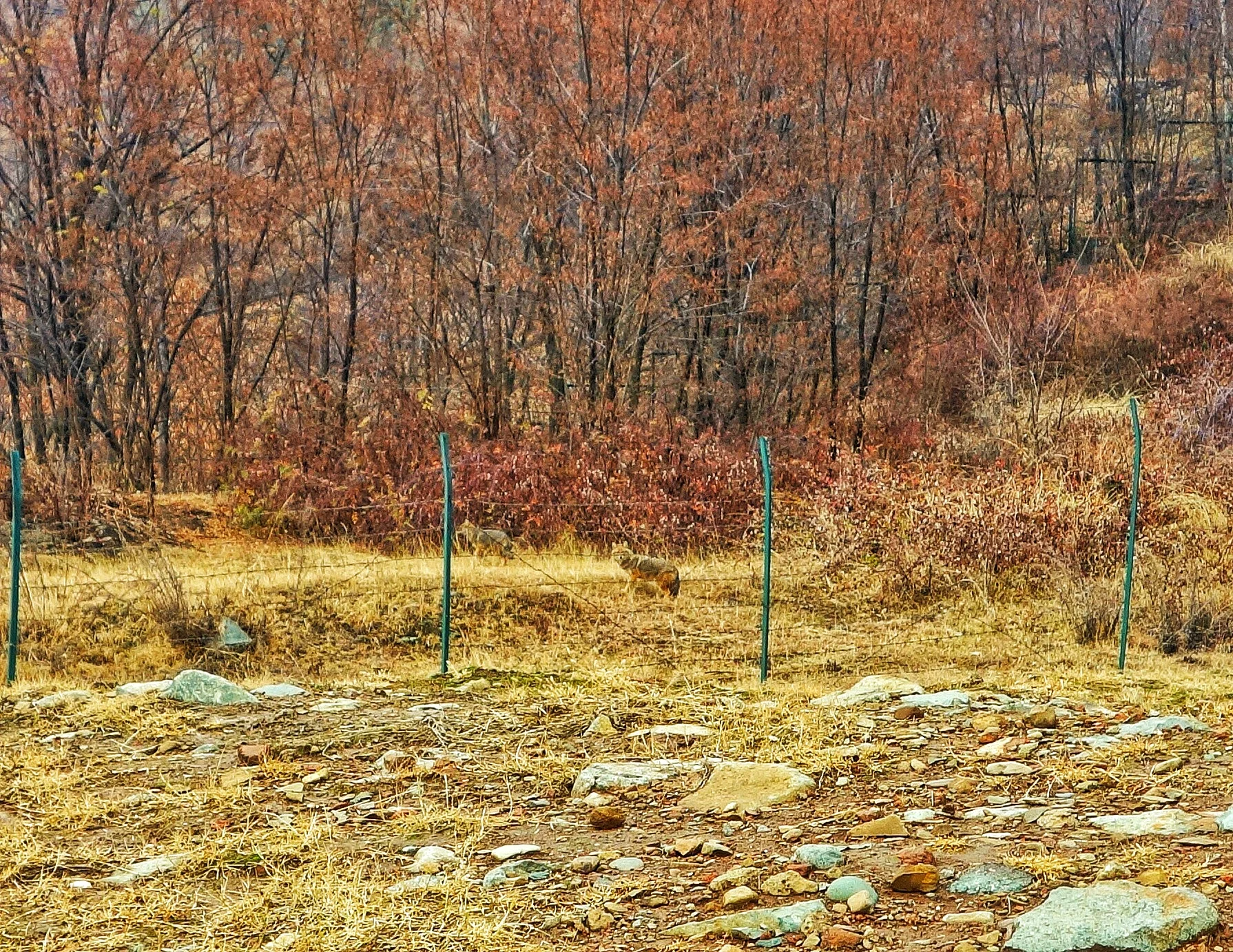
After this I climbed up to the what was the Upper tier. As soon as I got there I realized that I had company. Not humans but three Jackals doing their Jackal things on the Upper Tier. They were as surprised to see me as I was to see them. I think hardly anyone ever visits so the Jackals felt at home and this is actually almost in Dachigam so I was relieved it was Jackals and not Bears. Anyway they ran away once they saw me.
The Upper Tier also had a Temple type round structure and a courtyard which was covered with the same Terrocota Tiles I had seen at the the Museum. To cut it short this also looked quite exquisite for something supposedly 2 thousand years old. On the back towards the Mountain were other remains of tiers and one can only imagine how big this whole place used to be once upon a time.
Now the significance. It is said the Fourth Buddhist Council was held in Harwan around somewhere here and this weel could be the site. It was convened by the Great Kushan King Kanishka and it is said that it was in this council Buddhism was divided into the two sects, Mahayana and Hinyana. There was also a Fourth Buddhist Council held earlier in Sri Lanka and consequently the completed Cannon was taken as manuscripts to Laos, Cambodia, Burma and Thailand and hence Hinyana or Thervada as it later developed into was/is prevelant there.
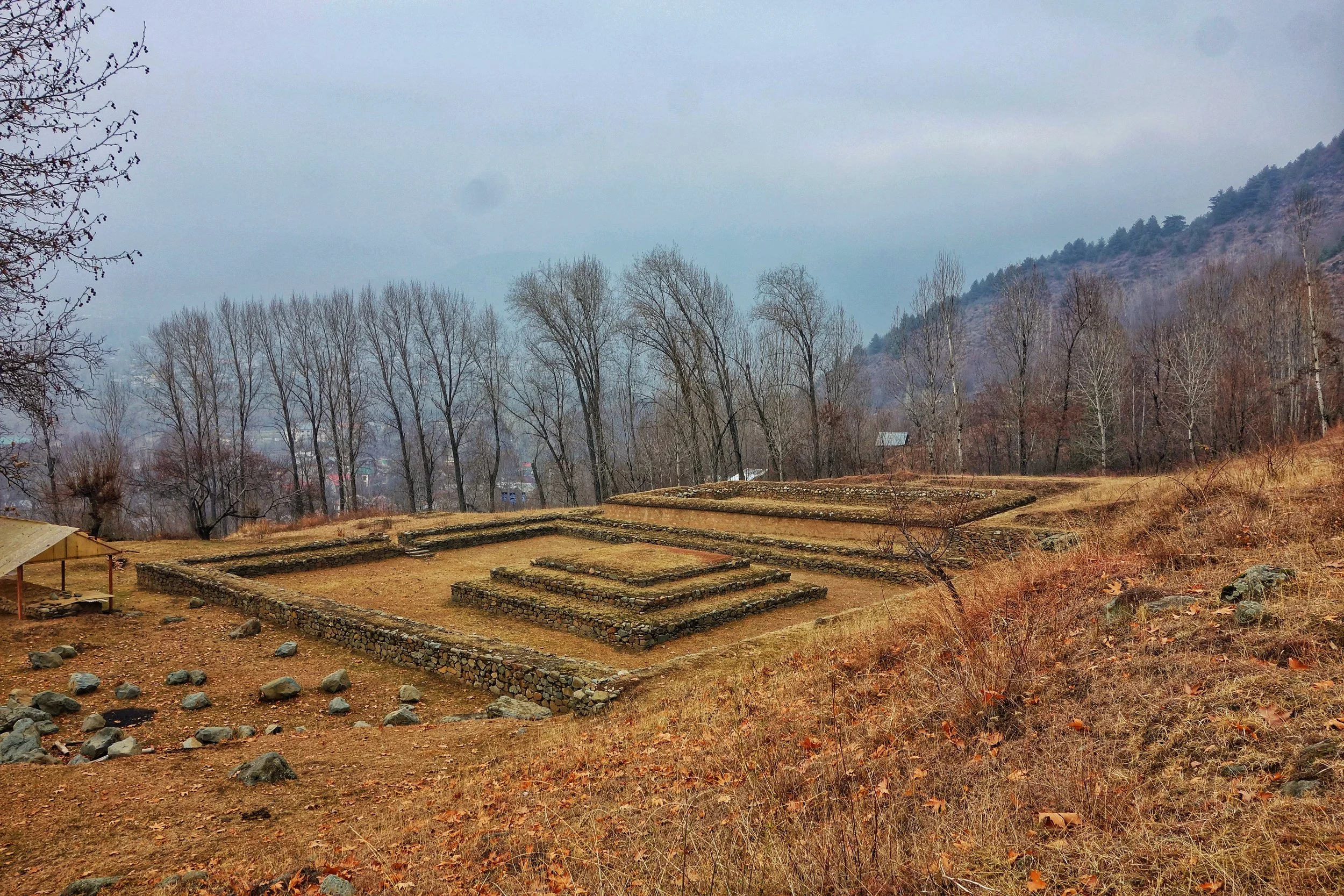
At the Kashmir Council convened by Kanishka apparently 500 monks assembled and these includedthe Master Nagarjuna who apparently resided at this very place. After the Council her the Monks went North to Tibet, China, Central Asia and Mongolia. And subsequently it spread the Mahayana school of thought to these countries. This shows what an important place Kashmir was in the spread of Buddhism and more so this exact location which I stood at with some reluctant Jackals for company. The next Buddhist Council was held 1900 years later but this was the last Council of the ancient times.
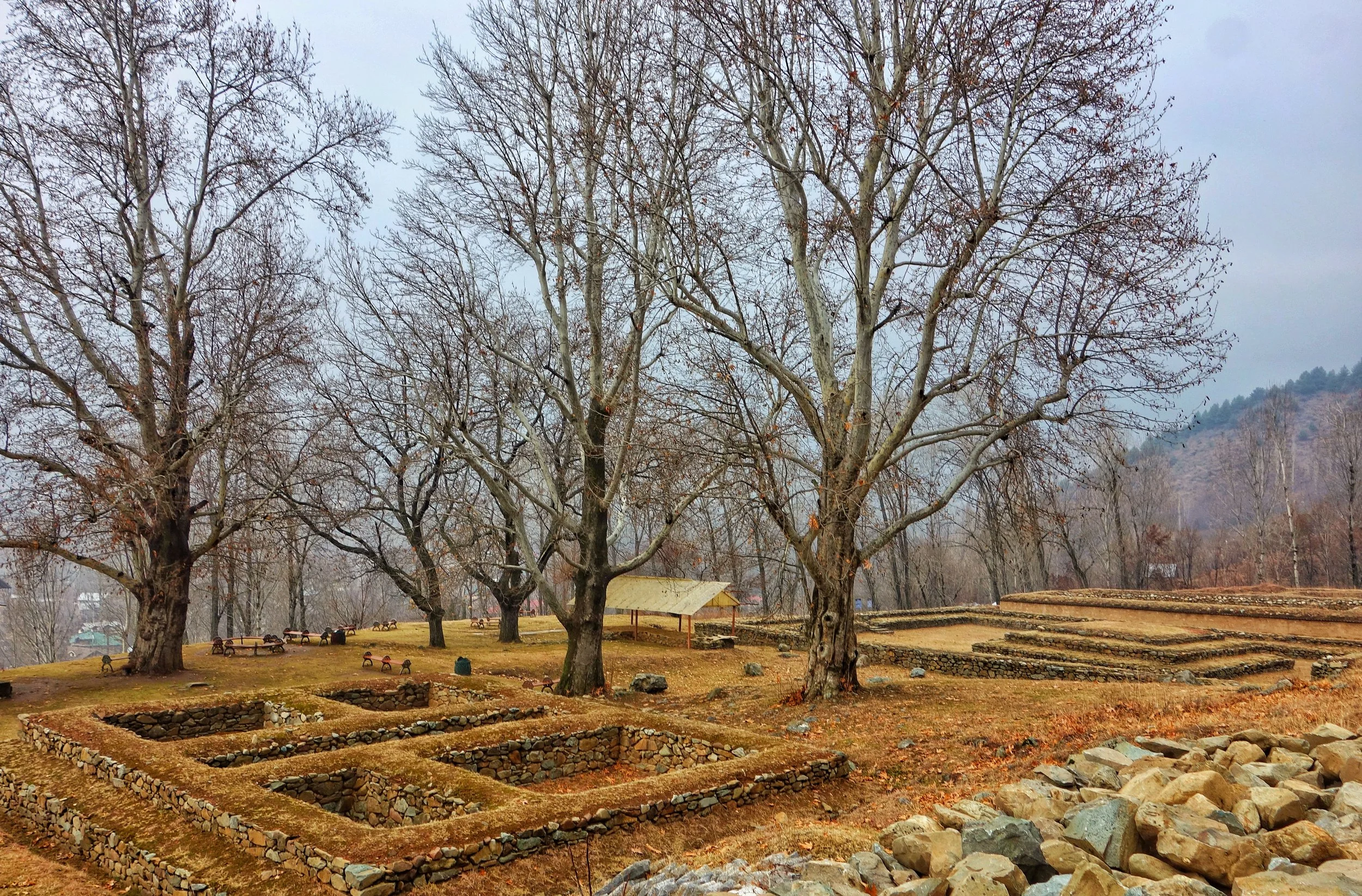
If all that I have conjunctured is true this should be one of the most important Buddhist sites in the whole world. It just cant be anything less. That sadly very few know about this place and even fewer visit is even more bizarre. I got the same feeling when I saw the Gilgit manuscripts (I made a post about the Gilgit Manuscripts. Link given below)but it was stronger. This is an absolute gem of Kashmir and its ancient civilization but sadly today (or maybe not that sadly) its the playground of Jackals.
I hung around, got a few fleeting shots of the Jackals, got pics of the place, shot a video and after an hour I noticed that the Jackals were watching me anxiously. I just blew a kiss towards them and left.
Pic from today. Srinagar, Kashmir
Advertisements
Occasionally, some of your visitors ma
Kiki’s Blog
Stories from the Himalayas
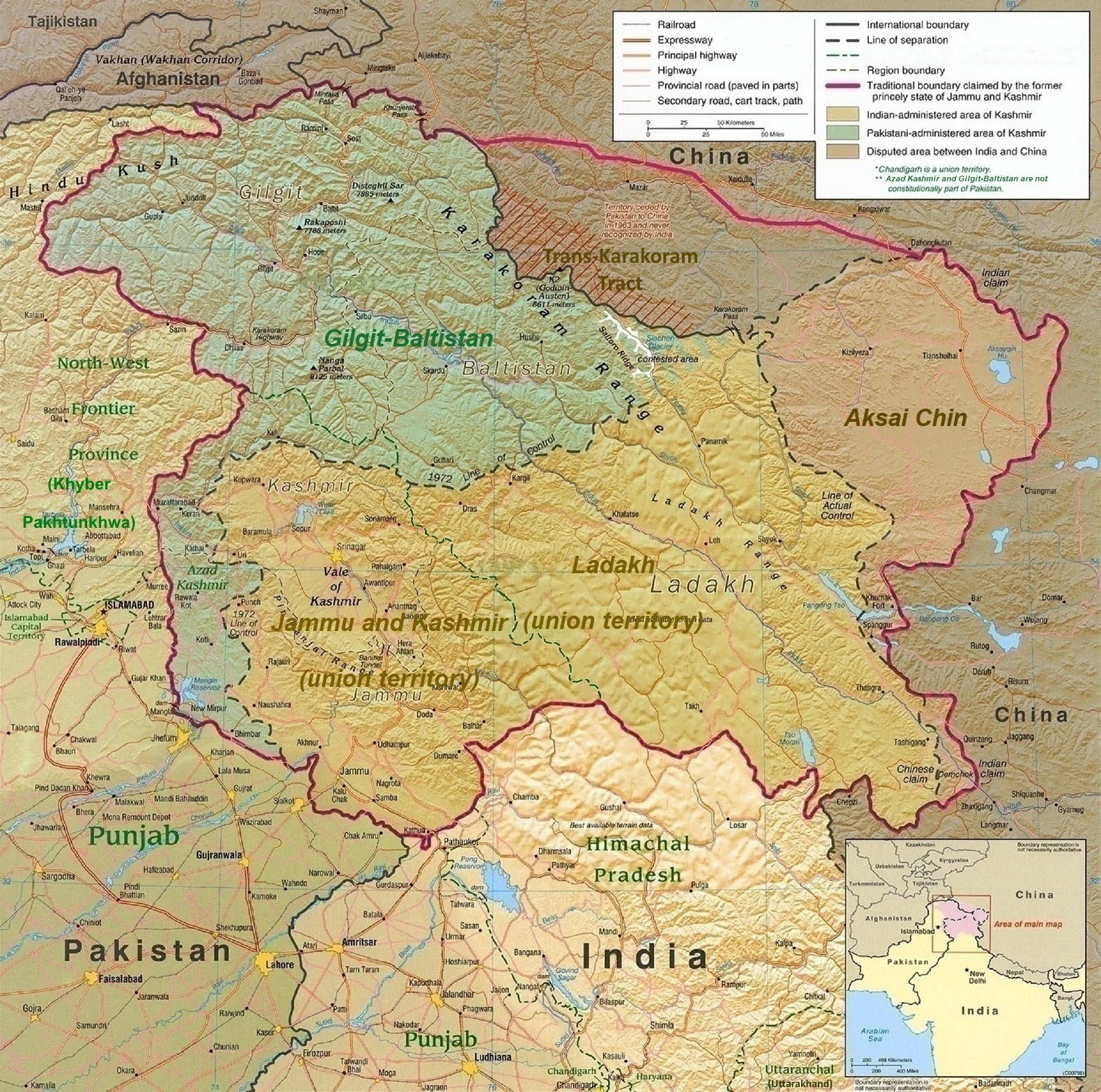



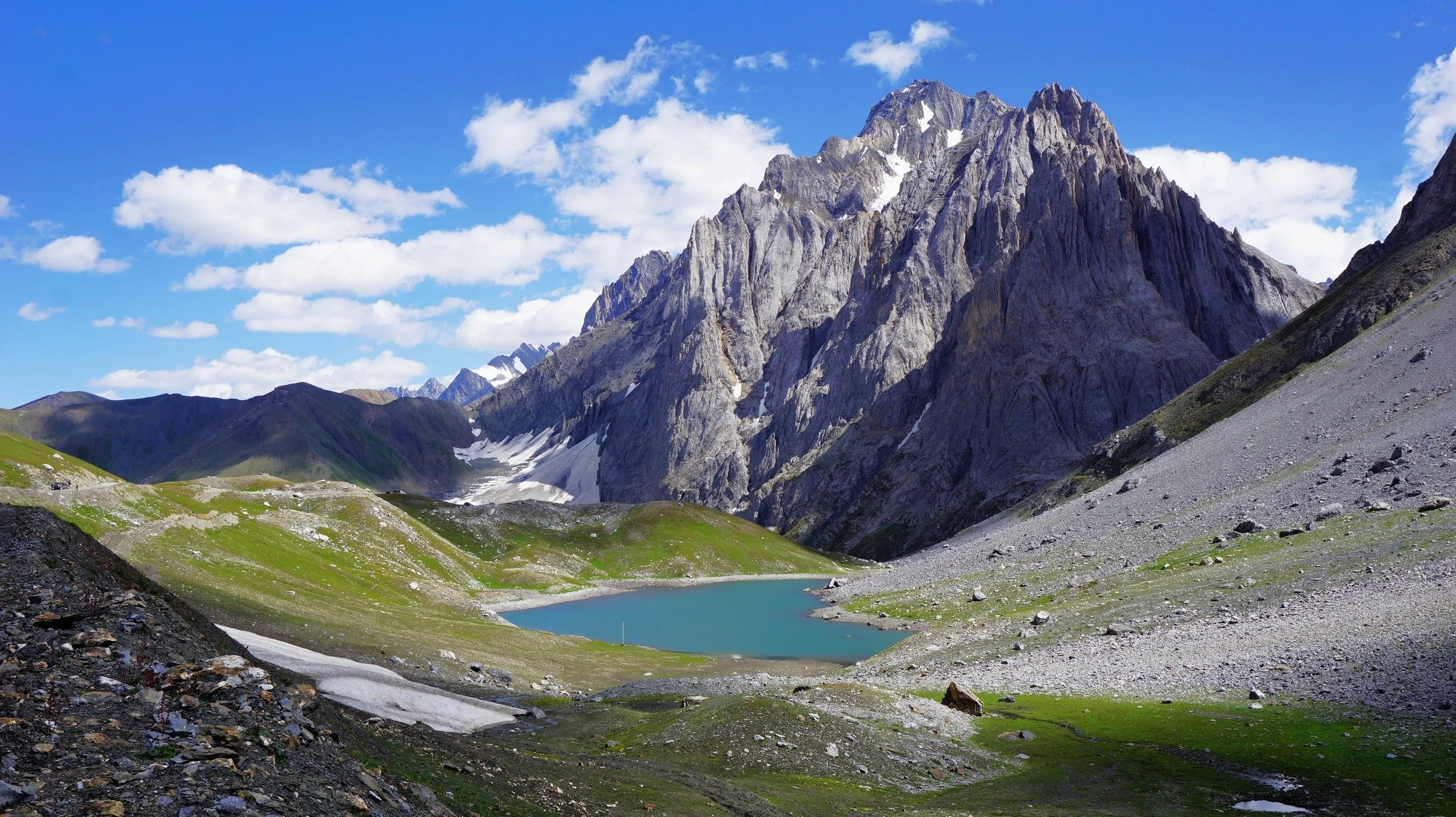
Five years ago the Galwan Valley was in the News for the wrong reasons after a deadly clash between the Indian and Chinese Armies in the Valley located in Ladakh lead to many deaths on the contentious Border between the two countries in wake of continued Chinese intrusions into Indian territory.
This area along the Shyok River, of which the Galwan Nallah or the Galwan River which forms the Galwan Valley has been off limits to Civilians since long but now the Indian Government has decided to open up the area for Civilians and we were amongst the First Civilians to venture into this beautifully desolate part of the Eastern Karakorams in Ladakh. Earlier Civilians could only venture upto the Village of Shyok from where the Shyok River takes a U turn and flows in a Northerly direction.