
British Museum Kashmir Collection Part II
The Britsih Musuem has a fine Collection of Kashmir Art on display. Some glimpses of the Kashmir Art held in the archives of the British Museum. This is Part II.

Kashmir Collection at the British Museum Part II
Second Part of of the Kashmir Art and Antiquities on display at the British Museum. All pics and descriptions are from the British Museum website.

A figure of the Buddha seated in padmāsana, his hands folded on his lap in dhyānamudrā; cast in bronze with copper and silver inlay. 8th C
Despite its modest size this bronze has a monumental aspect with a fullness of face and body due to the influence of Gupta modelling absorbed by the art of Kashmir. While it resembles seated Buddhas in central and even eastern India on account of this common influence, its distinctively regional features appear in the shape of the head, the hairline and the upward tilt of the eyes. The copper inlay of the lips and silver in the eyes, like the flap of the robe hanging from the left shoulder, are Indian medieval characteristics; inlay became progressively commoner. The damage on the image may be due to casting faults.
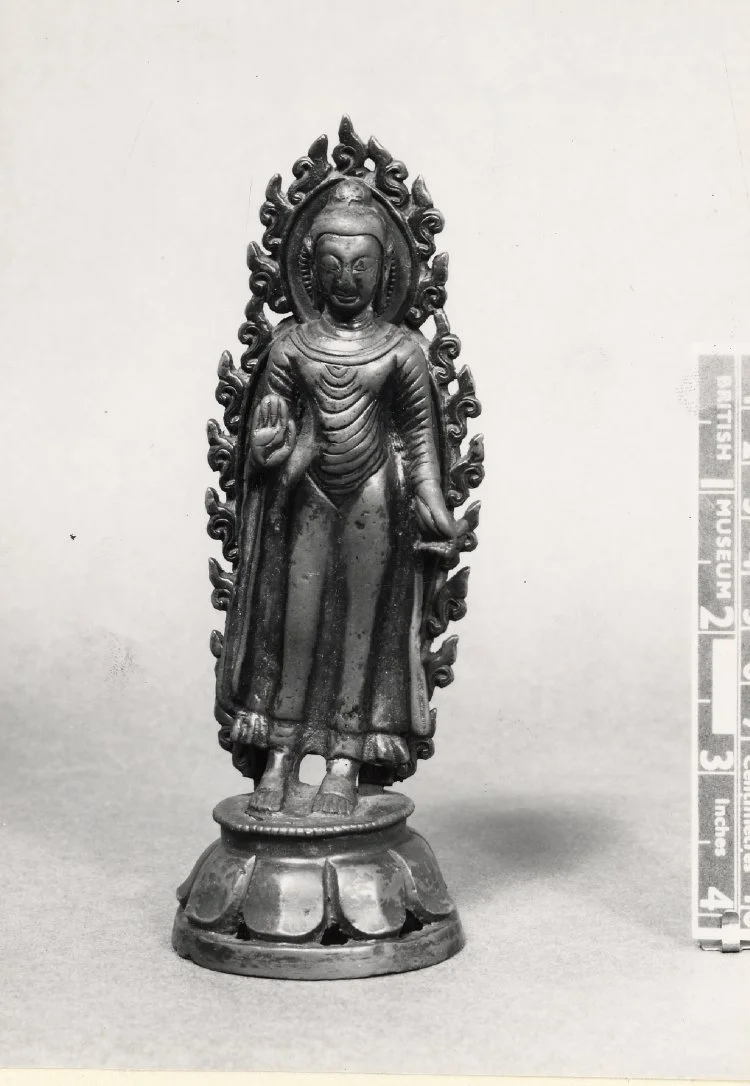
Figure (Buddha). Standing on lotus. Made of bronze. 10th C - 11th C
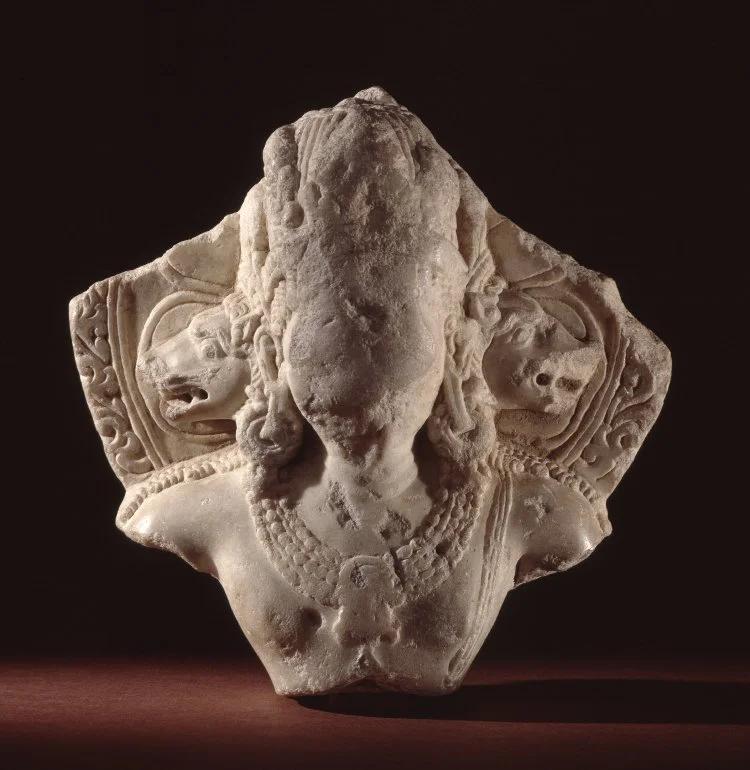
Figure (Viṣṇu.fragment). With boar heads on shoulders,earring and necklace,worn. Made of marble (white). 9thC-10thC
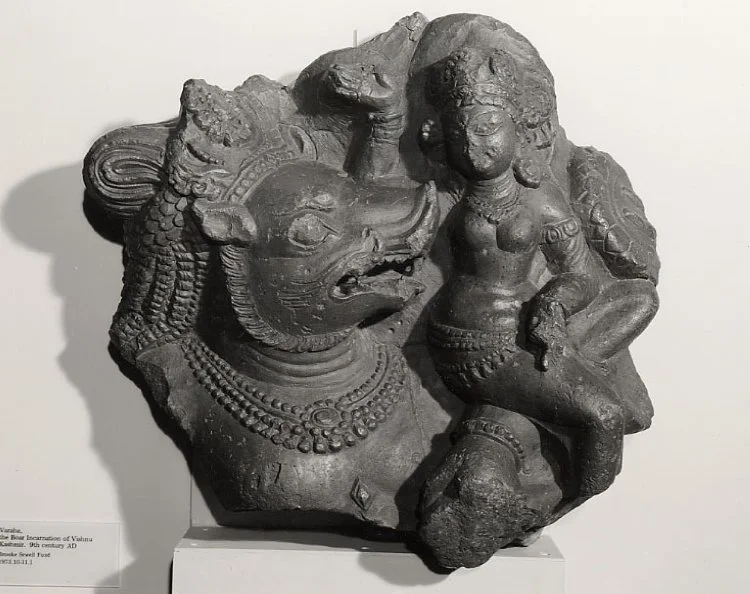
Figure (Viṣṇu as Varaha). Made of stone (schist). 9th C
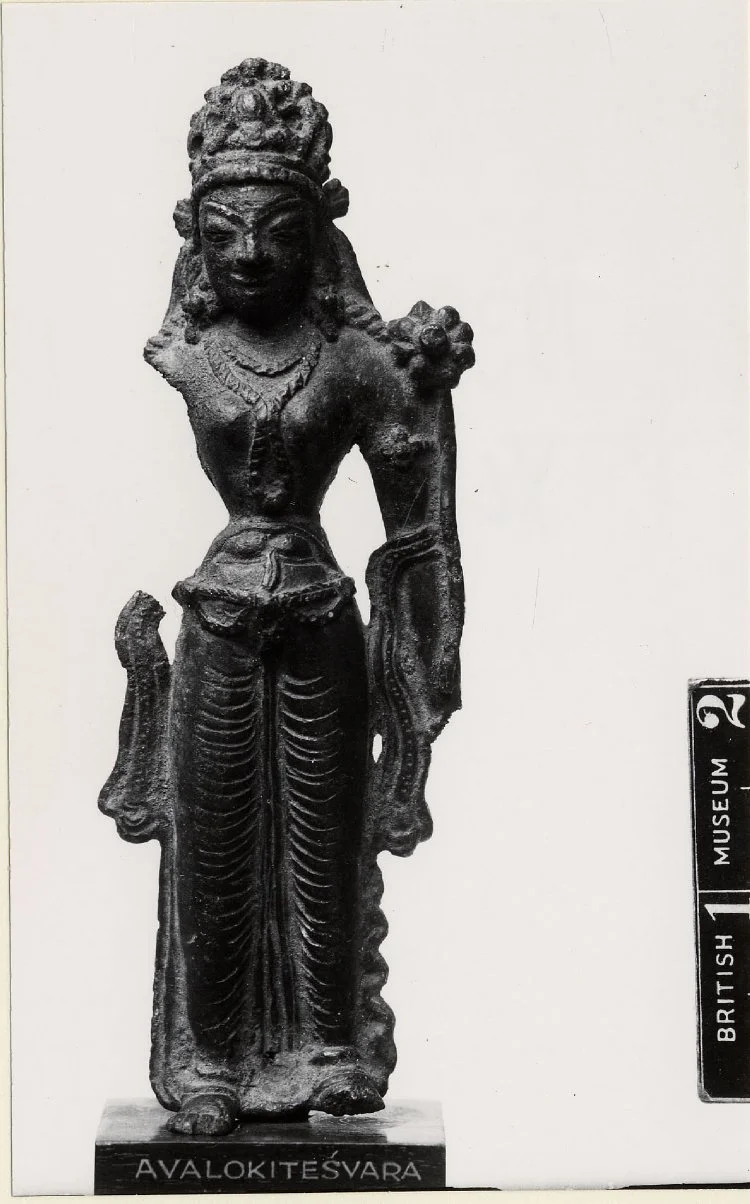
A bronze standing figure of Tara, missing proper right arm. 11th C - 13th C
A bronze standing figure of Tara, missing proper right arm. 11th C - 13th C
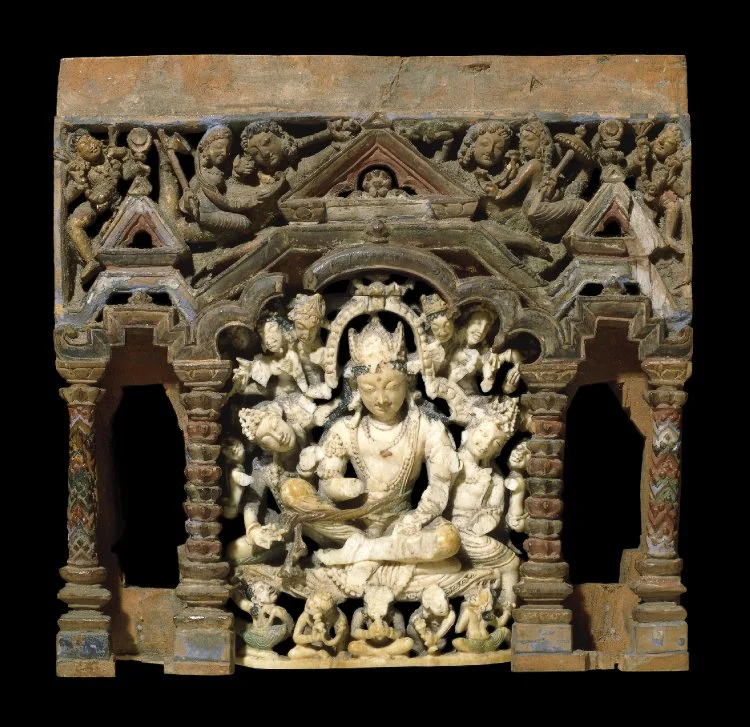
Part of a carved wooden Buddhist shrine (portable) with three niches: the central contains a figure of an ivory seated Bodhisattva flanked by many attendants. The left and right niches are are empty but probably contained standing figures of female attendants. 8th C
The empty niches on either side of the main figure held a pair of carved ivory female attendants now in the Cleveland Museum of Art.Zwalf 1985
This wooden panel, with one surviving seated Bodhisattva, probably belonged to a shrine imitating a Kashmiri temple which, even with a proportionately high superstructure, would have been readily portable. The Bodhisattva's crown, where a 'parent' Buddha might have been, is damaged and there is no other evidence to identify him. The flanking niches must also have contained acolytes. This form of Buddhist devotional object was a characteristic product of the Kashmir region.
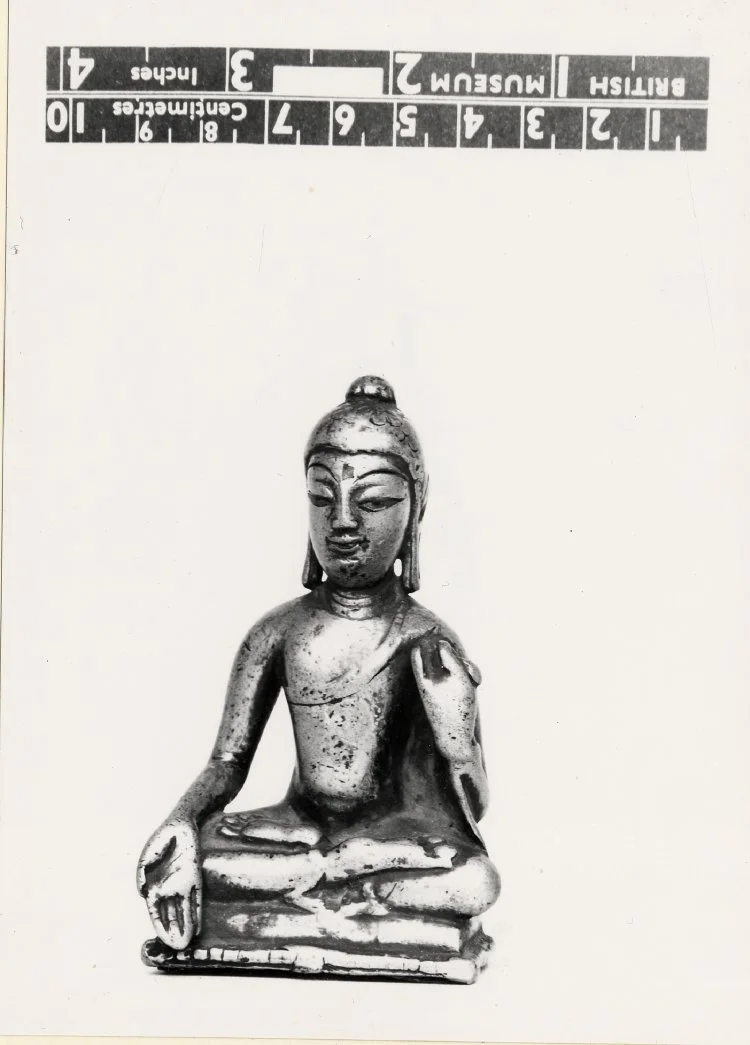
Seated figure of the Buddha, with right hand in varadamudrā and left raised by the shoulder holding his garment end; cast in a copper alloy with silver inlay. Thin copper base plate; inscribed on the rear. 9th C - 11 th C

Standing figure of Vajrasattva, cast in a copper alloy, with a pointed halo, broken and repaired with straps and rivets. 15th C. Found in Tibet
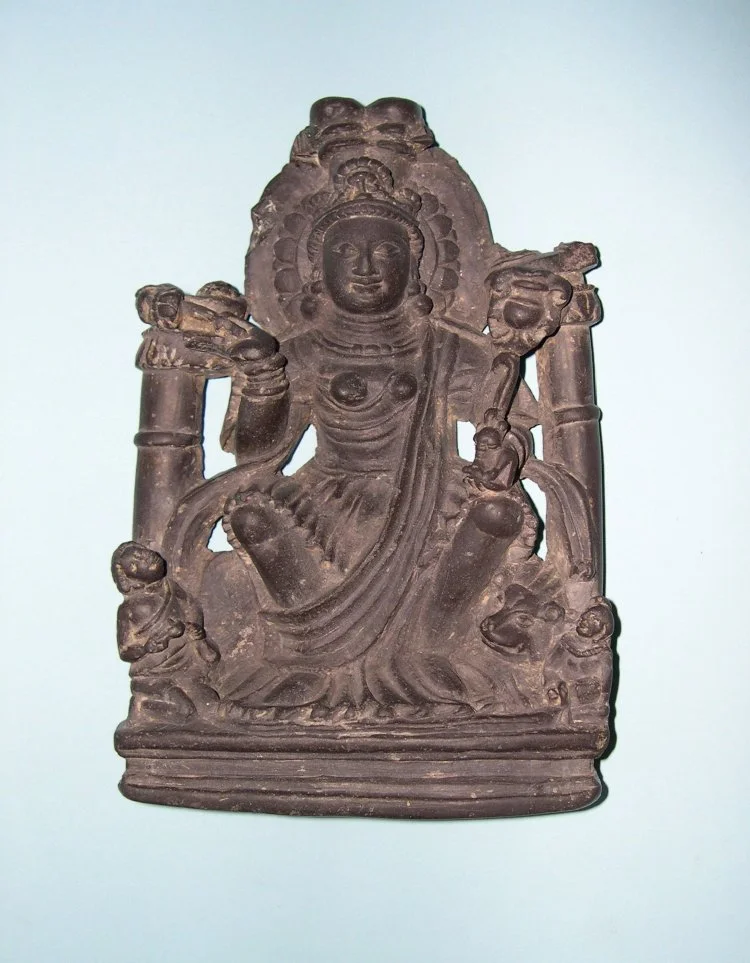
Figure. Steatite stone figure of Gaja-Lakṣmī, seated on a lion. 7th C

Figure (Kārttikeya). Figure on a peacock holding a parrot. Made of carved and gilded agalmatolite. 8th C. Found in Khotan/ Yoktan

Part of an oval lid showing a women with a cup being held to her lips; carved in a grey steatite; broken. Hepthatilite 6th C
Originally labelled as possibly 8th-9th century, Ghose suggests an early 6th century date for this as part of a group of similar items in different collections
Antiquities from Ladakh at the British Museum
The Collection of Antiquities and everyday use Items from Ladakh at the British Museum Collection.

Antiquities from Ladakh at the British Museum
Some antiquities and interesting everyday articles from Ladakh at the British Museum Collection. All pics and accompanying text is from the British Museum Website.
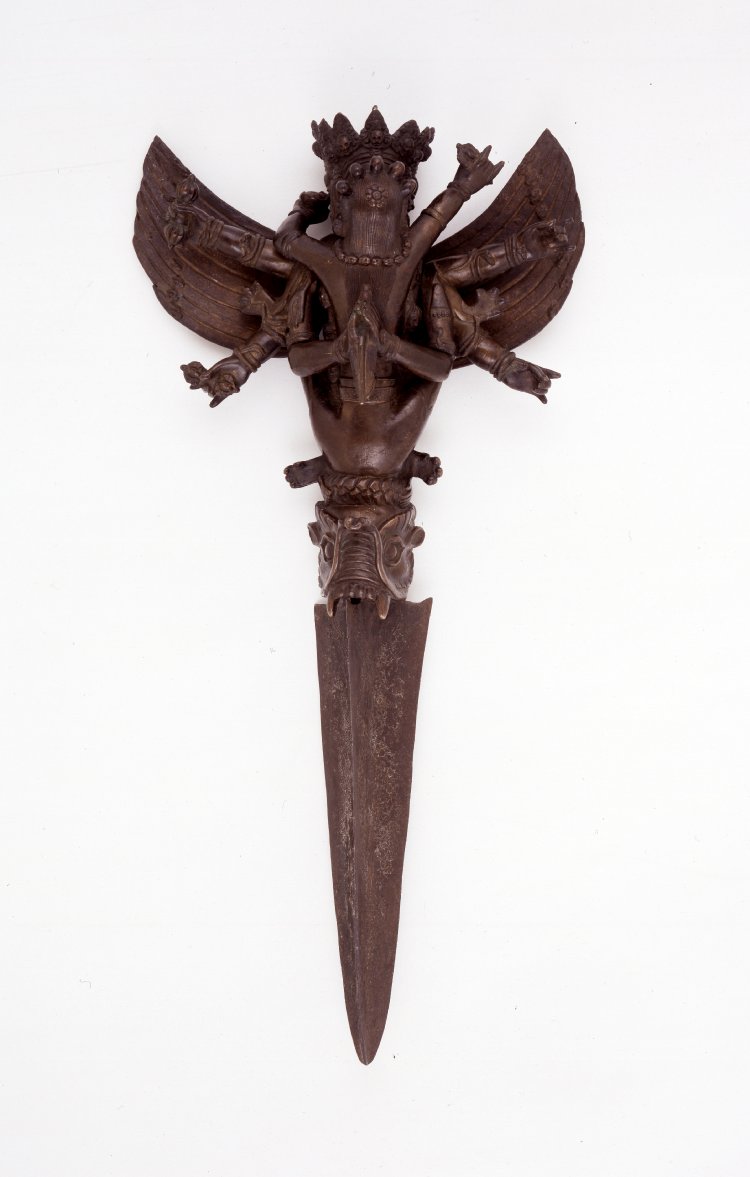
Phur-bu (part of), dagger (ceremonial). Snake design. Made of gilded bronze; also engraved iron

Phur Bu (part of), dagger (ceremonial). Snake design. Made of gilded bronze; also engraved iron. Finial (Phur Bu?). Figure of Hayagriva with 4 heads and 6 arms mounted on do-rje. Made of bronze.

A circular amulet-box (gau) with a pair of cylindrical loops for suspension attached to the sides, made of silver with copper alloy and silver filigree decoration; inside the box and behind a circular window is a painted clay plaque (tsa-tsa) depicting a seated Buddha flanked by bodhisattvas; below the opening, a pear-shaped fragment of turquoise is set into the filigree.
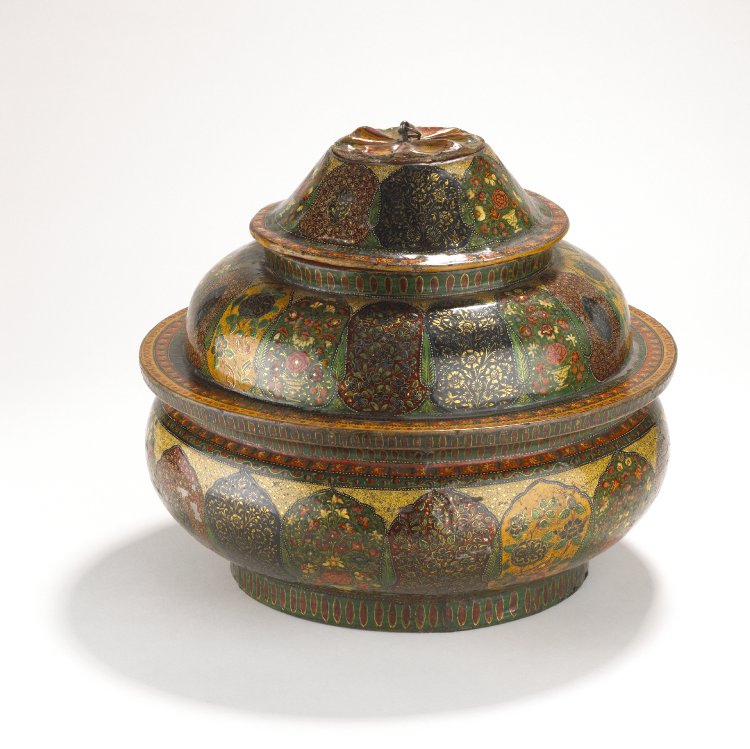
Food container in four parts. Made of lacquered wood and papier mâché. Decorated externally with Kashmiri floral designs and internally with fish. The base is also decorated with fish.

Lock and Key

Bell made of metal
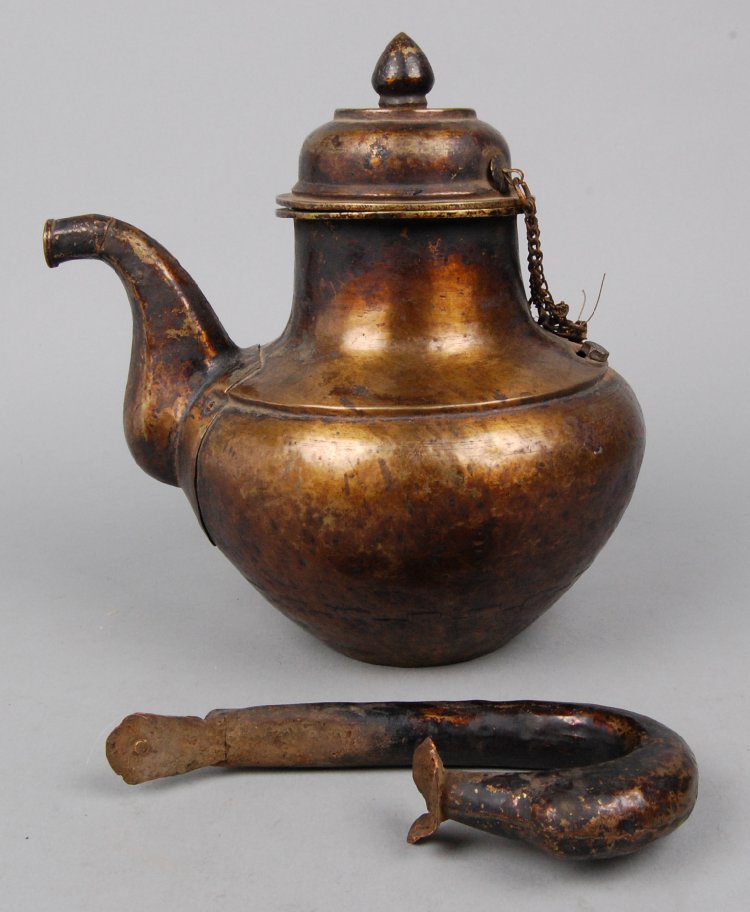
Lid made of metal with onion-shaped knob on top and chain at one side

Bell (for horse) made of metal, wood.

Bell (for horse) made of metal, wood.

Case (for charm) made of metal, stone, textile

Perak : Woman's head-dress made of cloth, cloth (canvas), coral, beads (lead), brass, pearls, turquoise

Pendant (one of a pair). Made of cloth, stones (semi-precious), turquoise, coral, bronze
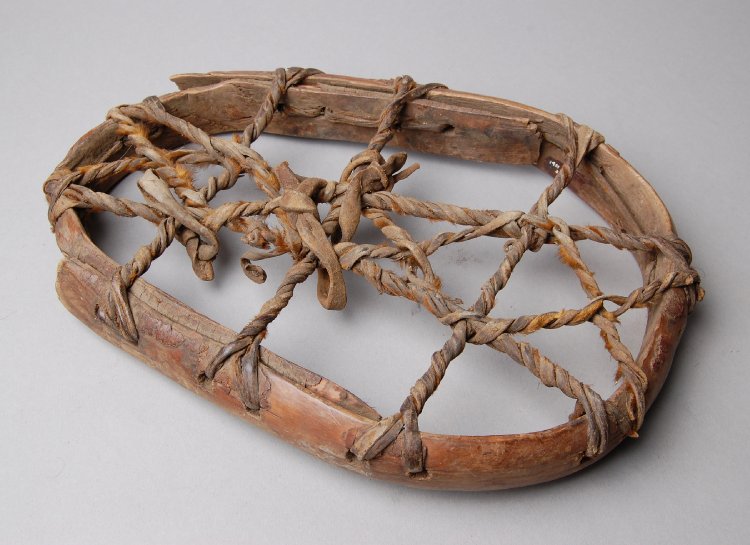
Snow-shoe (one of a pair) made of wood, hide.

A Crampon made of Wood and Hide.

Reverse side of the Crampon

Pack Saddle Wooden for Horse / Mule

Loom (part of) made of wood, textile
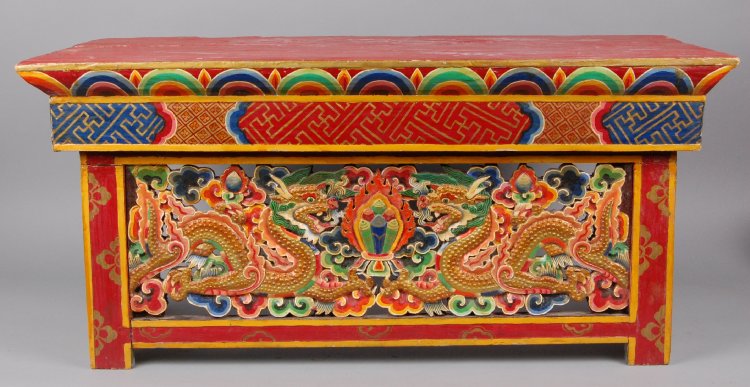
Wooden folding table intricately carved with traditional dragon, lion, cloud, geometric and floral motifs and laquered and painted red, yellow, orange, green, blue and gold. Red flat-top with multi-coloured semi-circles immediately below; underneath this, panel with Greek key style geometric design. Front panel with two dragons facing one another with group of six (scrolls?) surrounded by flames at centre; cloud designs all around. Front table legs painted red with yellow edges and gold floral motifs. Side folding legs similarly painted but central panels carved with lion design surrounded with clouds. Top and back sides of table roughly painted blue.

Another view of the Wooden Folding Table.
Kashmir Musings I
Random musings from Journeys in my Homeland of Kashmir. In this one we talk about the exquisite Wooden Ceiling Patterns created by the Kashmiri art of Khatamband. We also talk about the regal Residency Building in Kashmir which was once housed the British resident in the State of Jammu and Kashmir and which now serves as a Government Arts Emporium.

The first is the traditional Khatamband wooden ceiling which is made of small geometric pieces of Walnut or Deodar wood as seen in the pic below. This originated in Persia and made it down to Kashmir. These are traditionally made without any nails or glue and are just fitted together using joints in wood. These intricate pieces of art serve as a heat insulator as well. However it is a time taking task and expensive as such. Also with wood getting expensive this art form is slowly disappearing from Kashmiri homes. We are still lucky to have this ceiling in some parts of the house which was done more than 40 years ago and it even survived the floods.
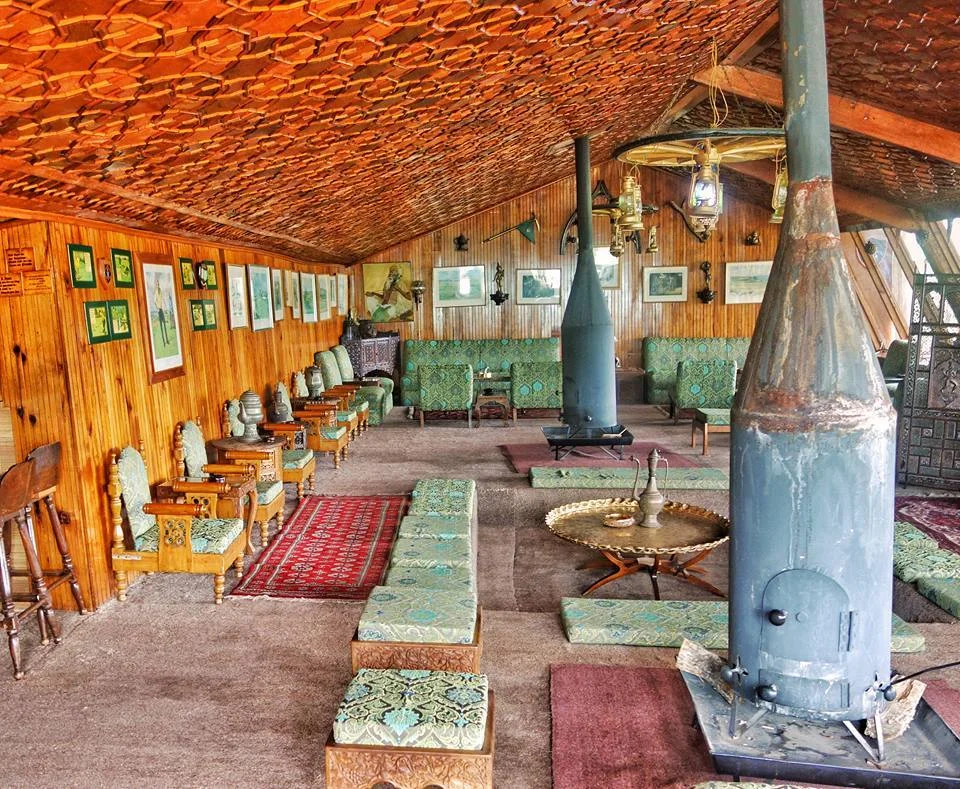
The second which most of you must be familiar with is the Bukhari, which as the name suggests came from Bukhara in Central Asia. Traditionally we had three kinds of Bukharis: Wood burning, such was the original type, then the Coal burning and finally the Saw Dust burning. The Coal one was the hottest but it came with the danger of asphyxiation. The Wood one was the second hottest but it need a constant supply of wood but never the less was the most popular one. In our house we had the Saw Dust one as it was most convenient though heat generation was less compared to the other two. However Saw Dust as a waste product was easily available in those times. Nowadays these are being replaced by Gas, Kerosene and Electrical heaters. And slowly the Bukhari would only be found at places like this. The Bukharis in the pic below are the extra large variety types and wood burning.

The Residency, which lends its name to Srinagar's stylish (once upon a time) Residency Road, after the light snowfall day before yesterday.
This served as the Residence of the Resident of the British Indian Government to the Court of the Maharaja of Jammu and Kashmir.
Set amidst vast lawns and surrounded by numerous Chinars hundreds of years old it sits right opposite to what used to be the Polo Ground. The building now serves as a Handicrafts Emporium showcasing arts and crafts from the Valley.
Unlike other Hill Stations which were a part of the British dominion, Kashmir wasn't and the Maharaja explicitly forbade any foreigner from owning any land in the Valley (it still holds true in another manifestation which is now a Political issue). So all the British used to stay in Houseboats as they were allowed to stay on these and even own them.
The Residency building is a beautiful heritage building with two magnificent gates on either side. One gate led towards the Lal Chowk area while the other opened towards the exclusive, white only, Srinagar Club.
Kashmir Stone and Bronze Sculptures from Antiquity (SPS Museum)
The Sri Partap Singh Museum in Srinagar, Kashmir holds an exquisite collection of Kashmiri Stone and Metal work from the ancient times. We take a look at some of these great works of Art.
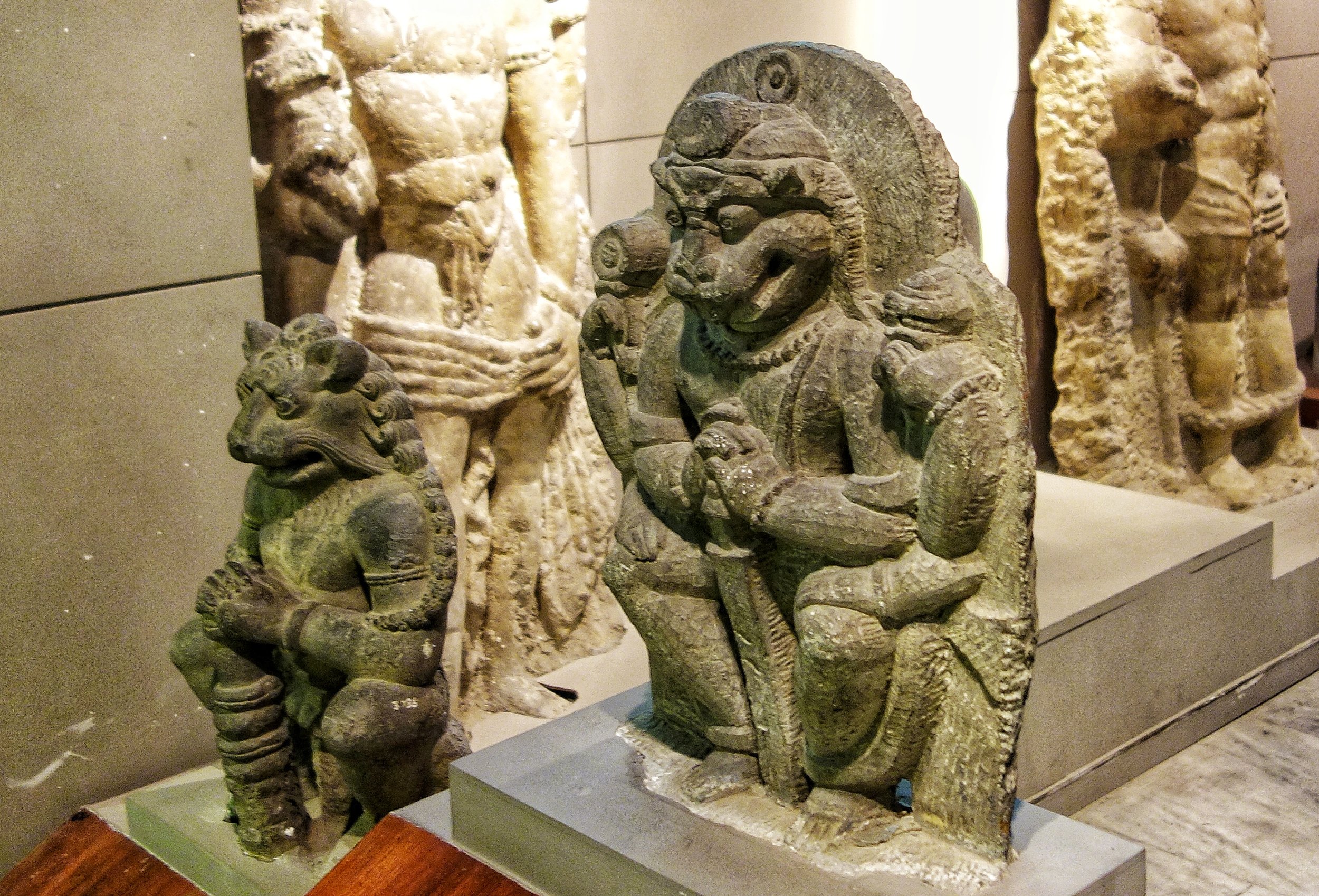
The Kashmir Stone and Bronze Collection at SPS Museum
The Shri Pratap Singh (SPS) Museum was set up around 1898 AD when a memorandum was submitted to the then Dogra ruler of the Jammu & Kashmir State, Maharaja Pratap Singh, by his younger brother, General Raja Sir Amar Singh, and a European scholar, Captain S.H. Godmerry, proposing the establishment of a museum in Srinagar to house exhibits and artifacts covering the region of Jammu, Kashmir, Baltistan and Gilgit. The museum was set up in a building belonging to the state at Lal Mandi, Srinagar, on the left bank of the river Jhelum.
The establishment of the museum was supervised by Sir John Marshal, the Director General of the Archaeological Survey of India. The Accountant General of the state, Mr. Blerjee, served as the first head of the institution. Mr. Blerjee was responsible for preparing a catalogue of the various coins kept in the museum.
The museum collection initially comprised displays of shawls and armory that were obtained from the Tosh Khana. After the reorganization of the Archaeological Department in 1913 under Rai Bhadur Daya Ram Sahni, artifacts excavated at Panderenthan, Parihaspora and Avantipura were first exhibited in the museum. This rich endowment formed one of the major additions to the museum’s collection. Subsequently, a number of objects, mostly decorative household items, were acquired by the museum from private owners. The museum’s various artifacts have been tentatively dated on the basis of style, period and material, etc.
Here is a pre-view of the great collection of Kashmiri Stone and Metal Art from the the 7th Century to the 12th Century. One of the finest collections of Kashmiri Art including the Tengpora Durga.
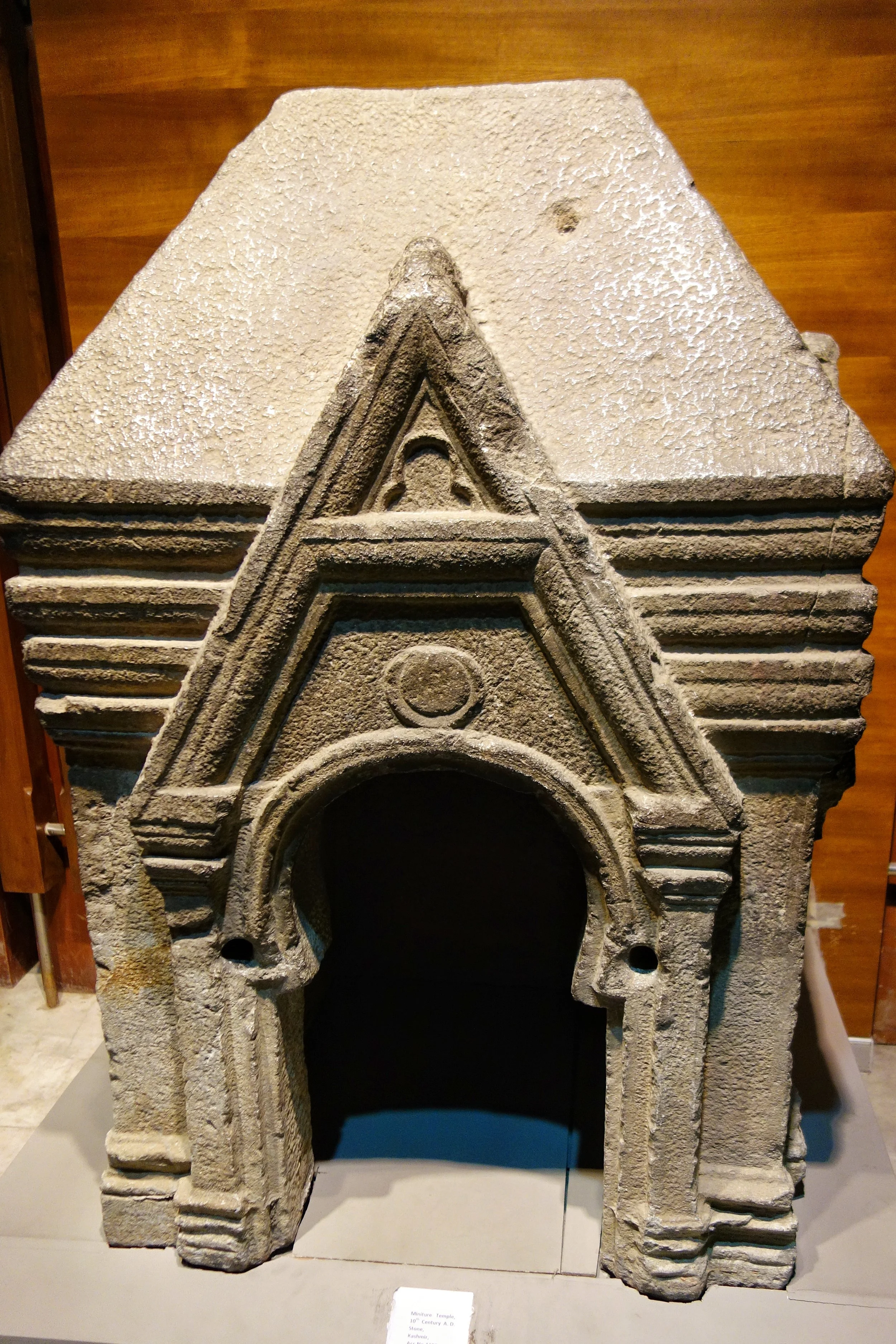
Miniature Temple : 10 th Century, Stone
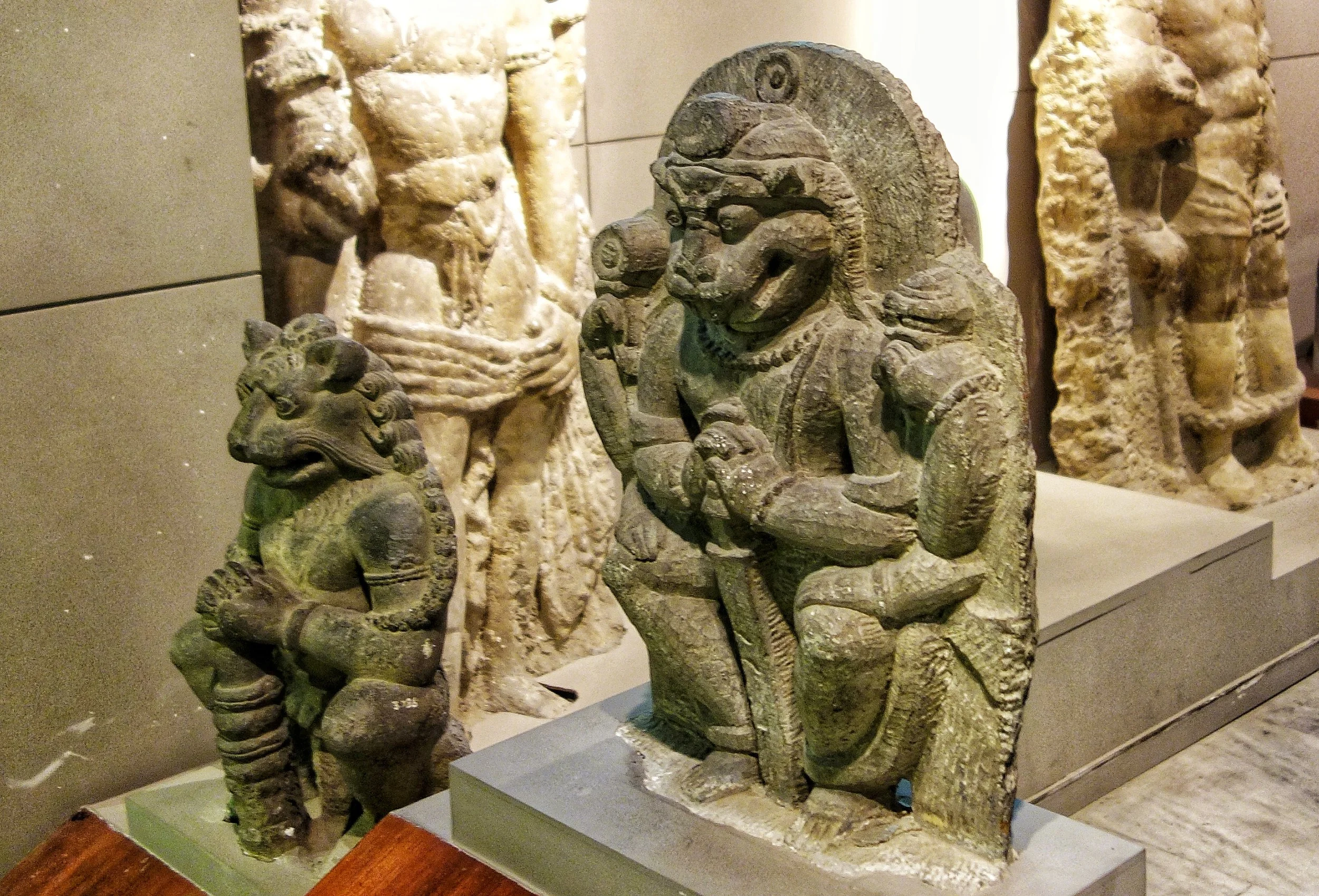
Narsimha : 10th Century, Stone
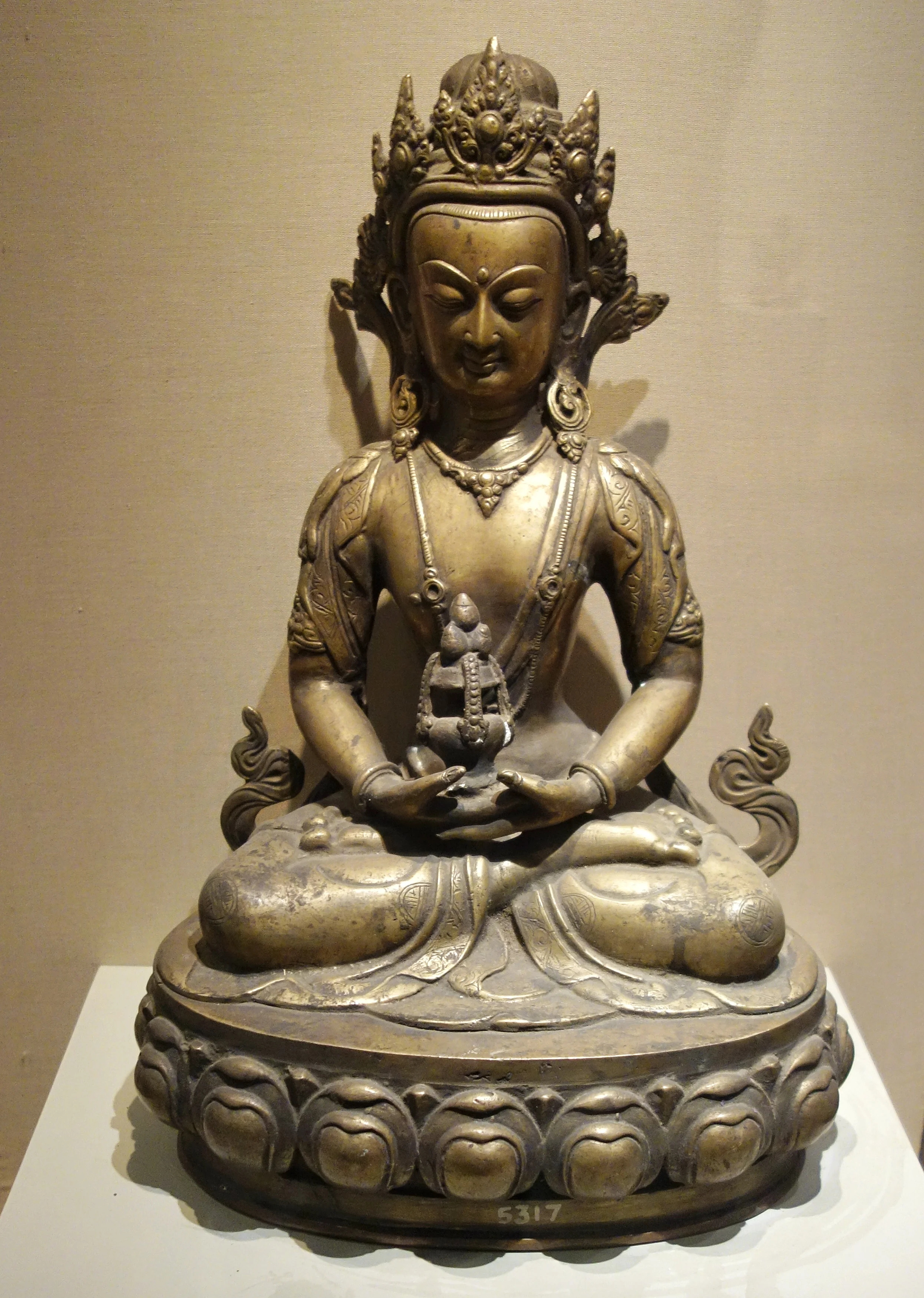
Image of a Crowned Deity : 9th Century, Bronze
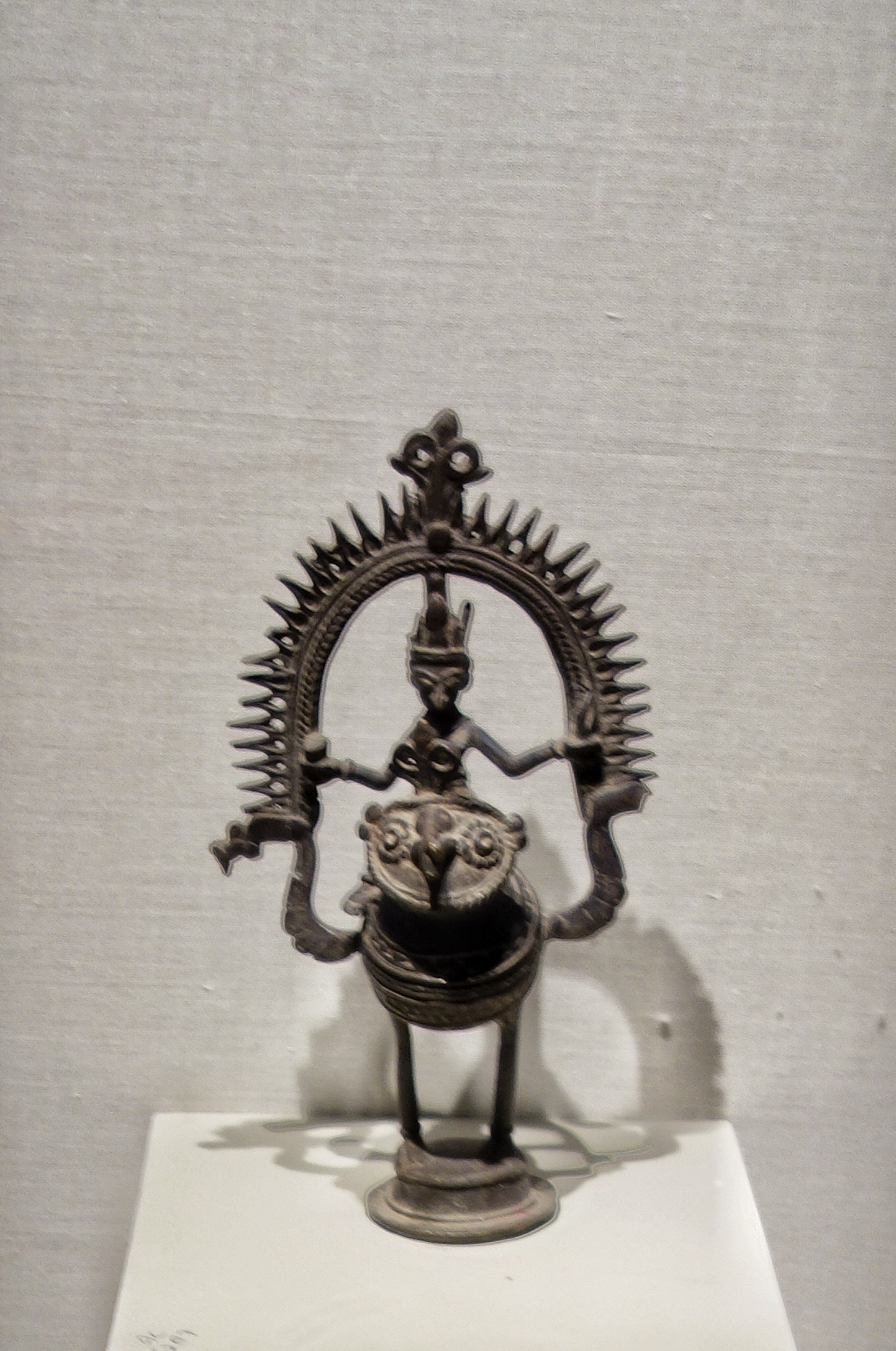
Tribal Deity on a Peacock : 9th Century, Bronze
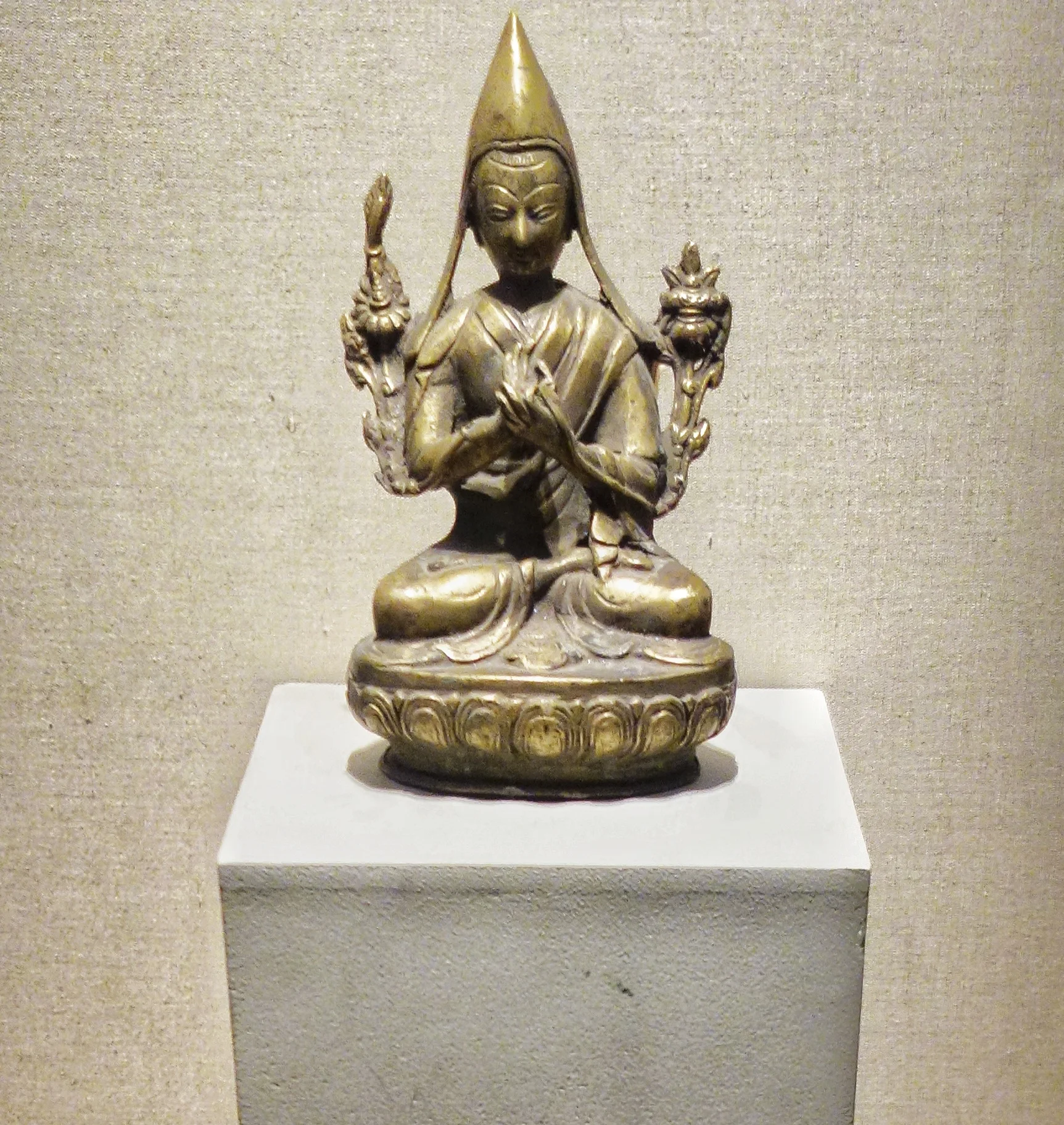
Seated Figure on Lotus : 9th Century

Head Lama : 9th Century, Bronze
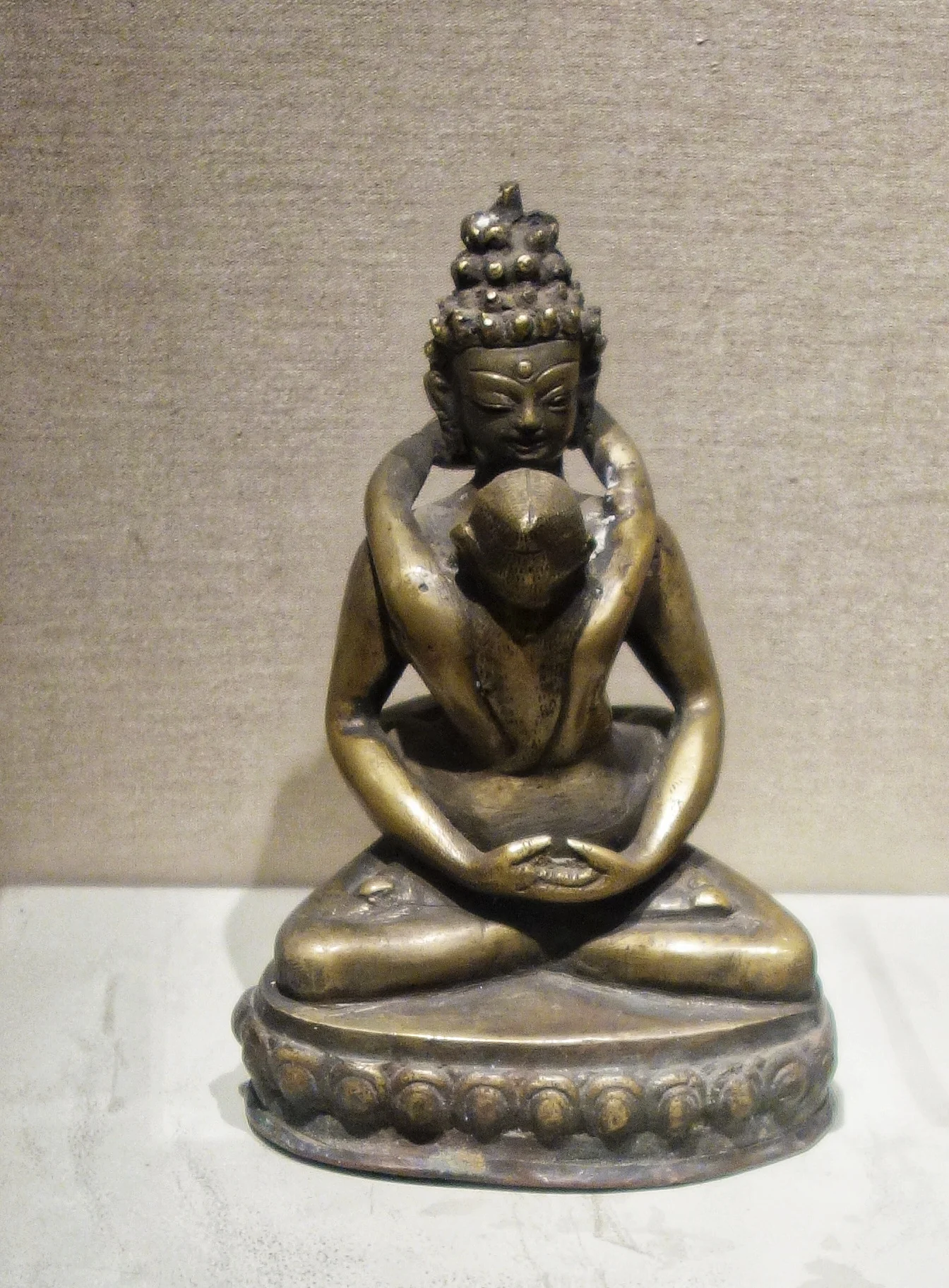
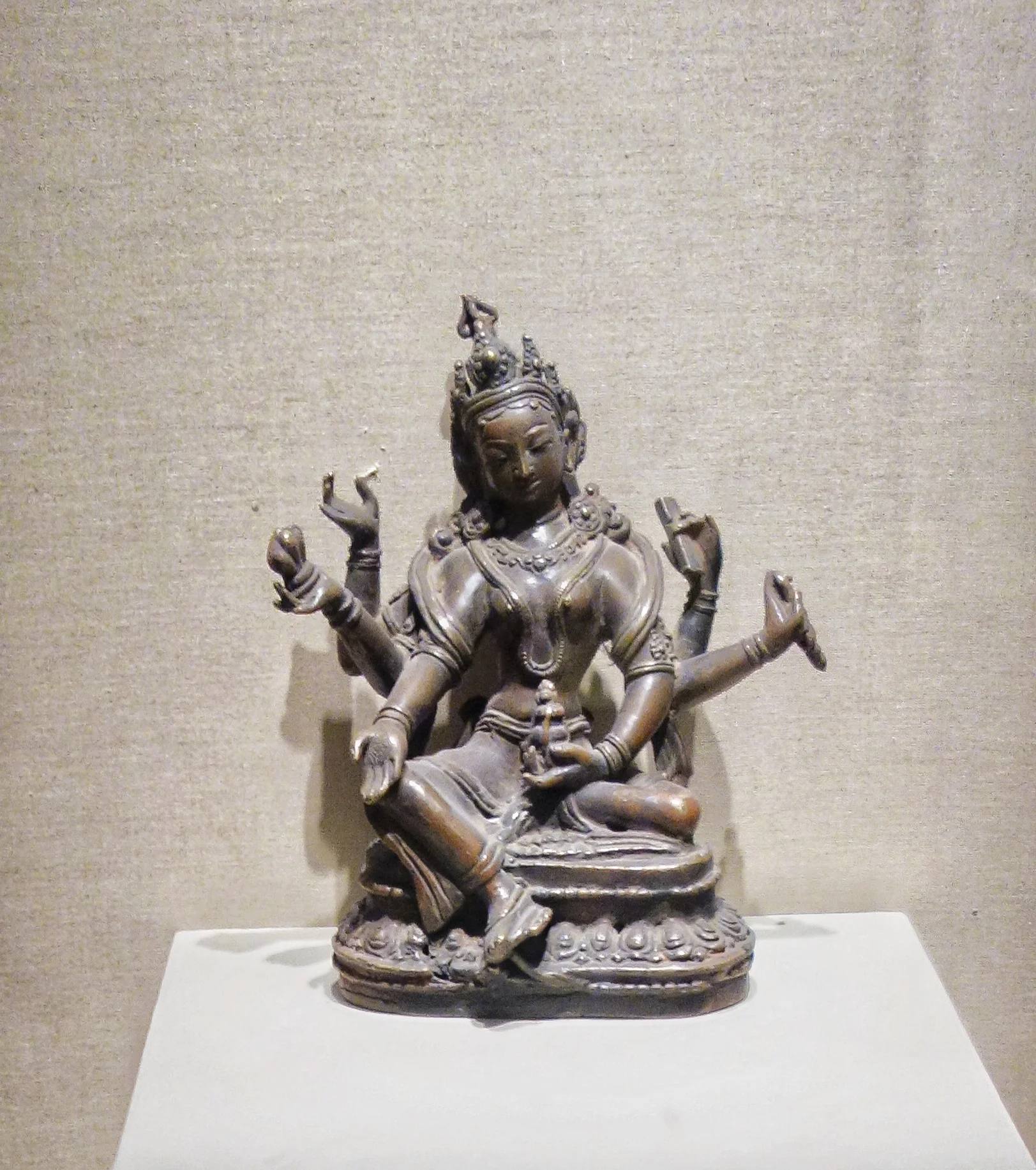
Tara : 9th Century, Bronze
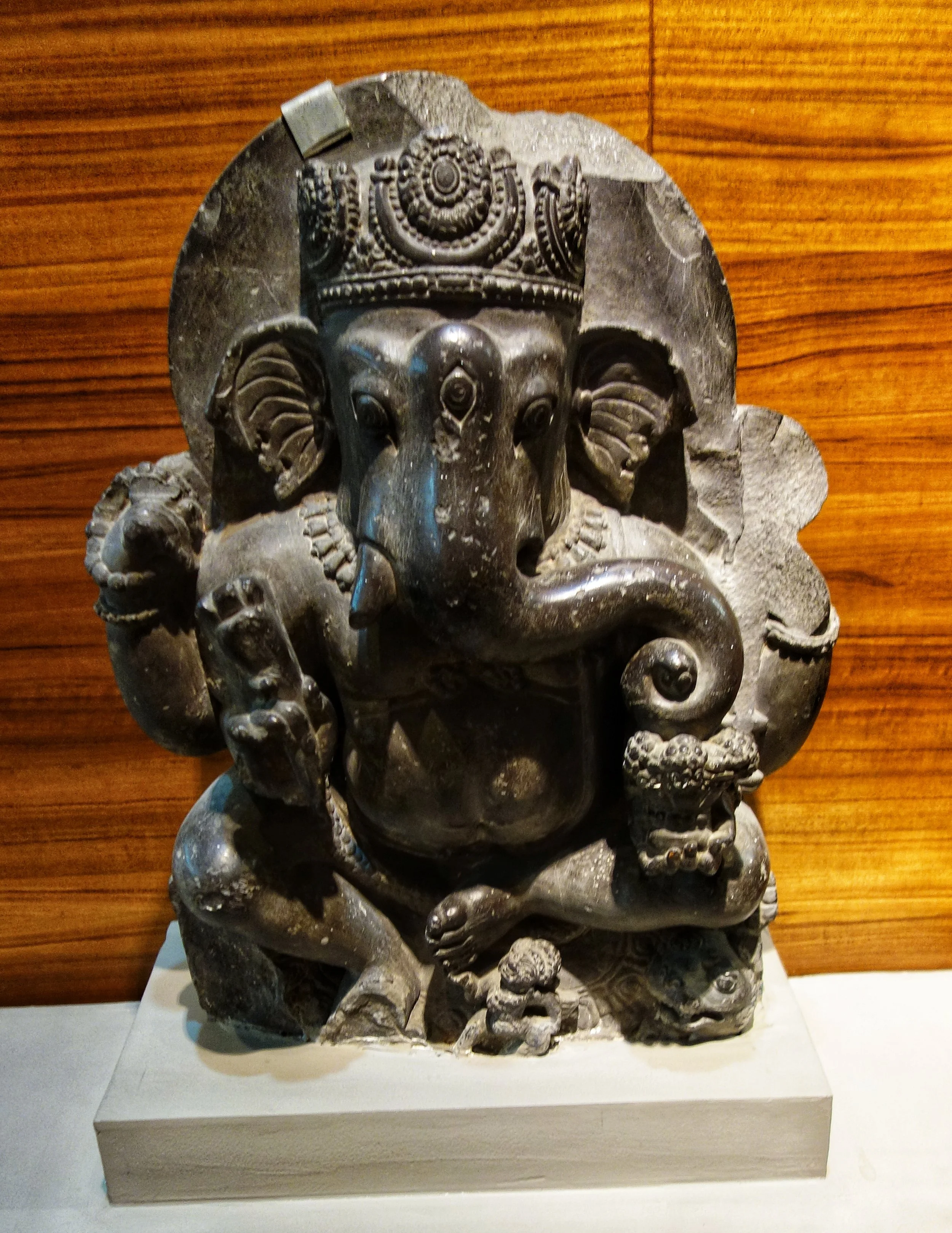
Ganesh : 8th Century, Stone
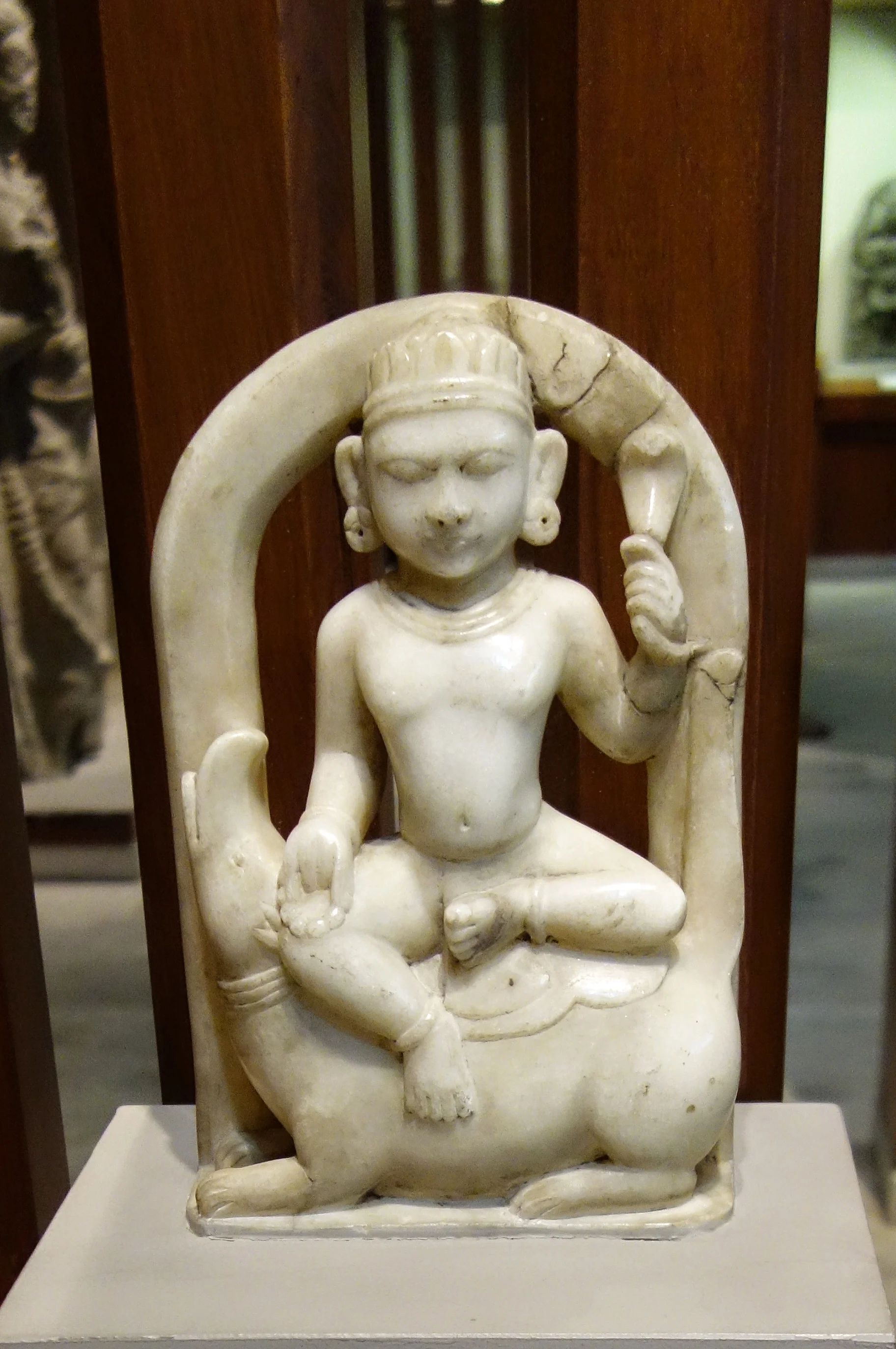
Varuna : 9th Century, Stone
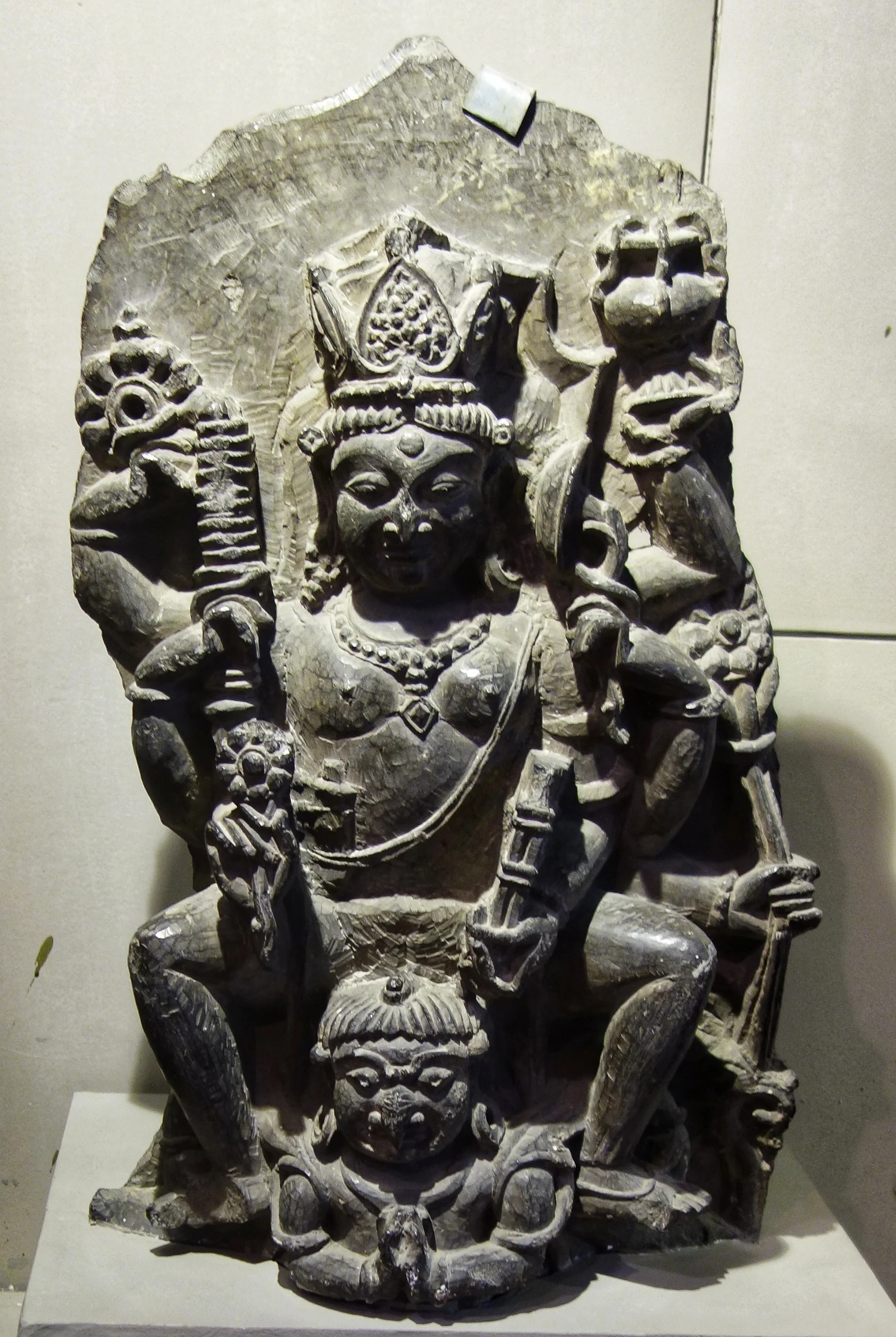
Vishnu : 10th Century, Stone
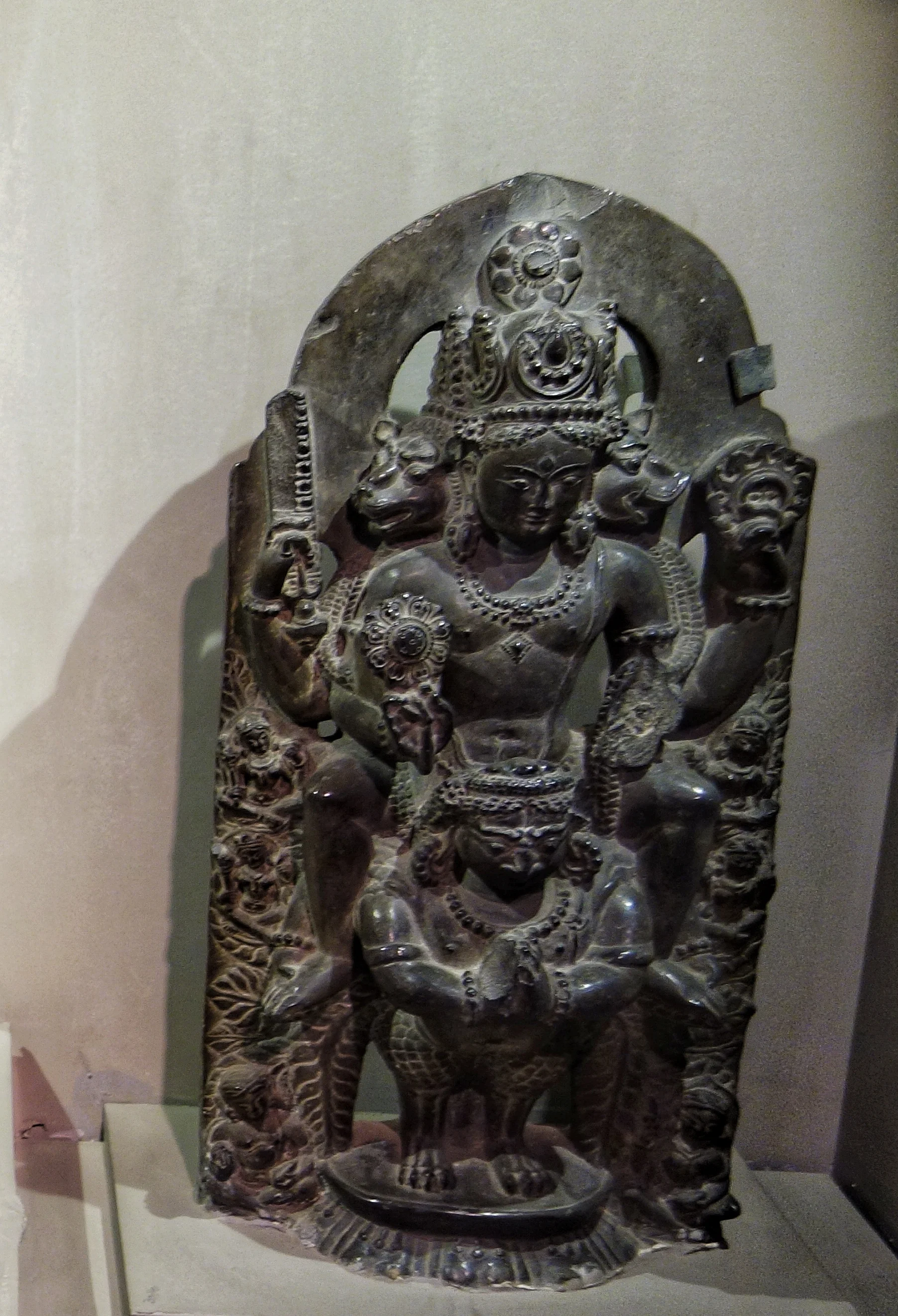
Vishnu : 10th Century, Stone
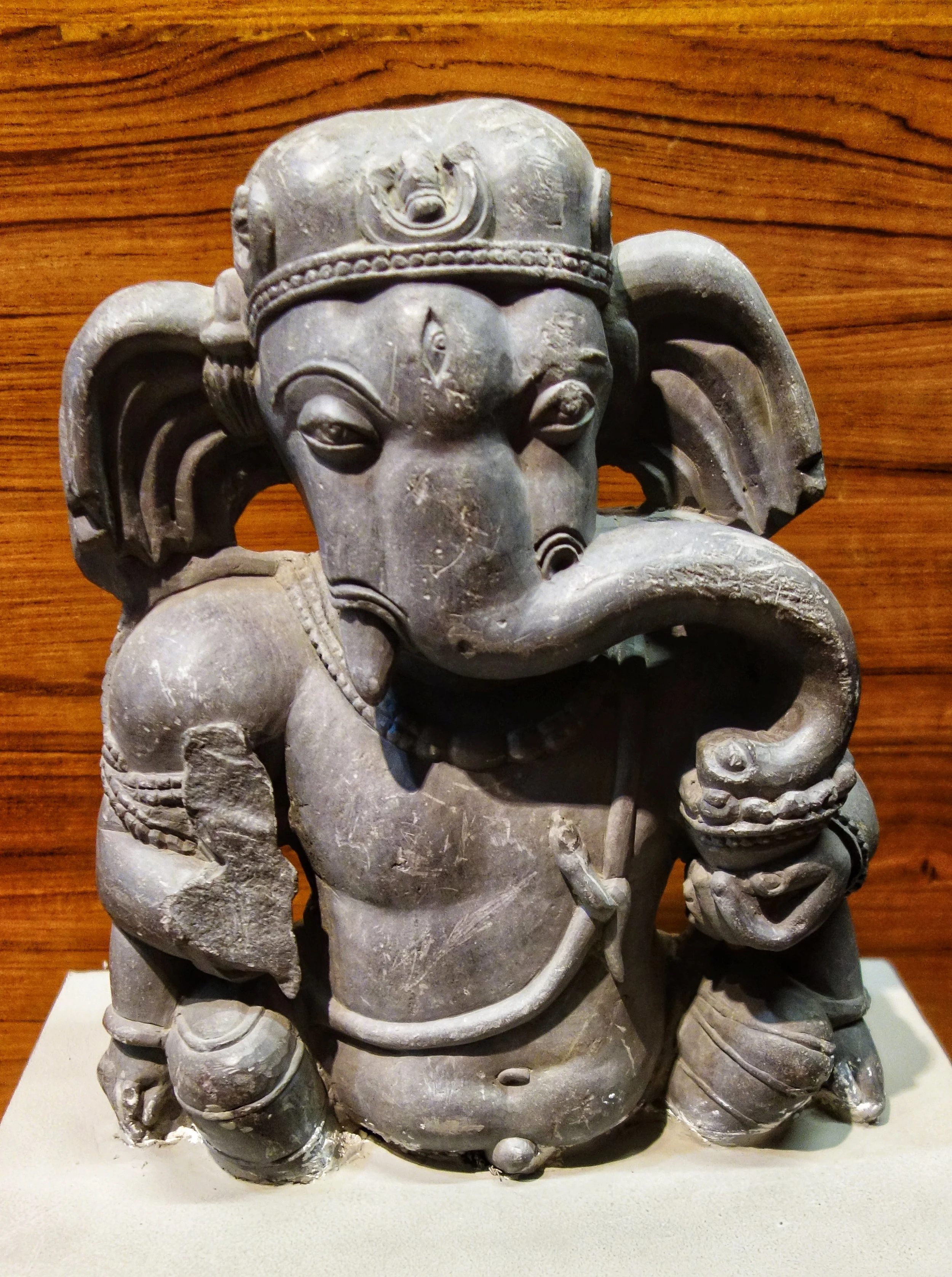
Ganesha : 9th Century, Stone
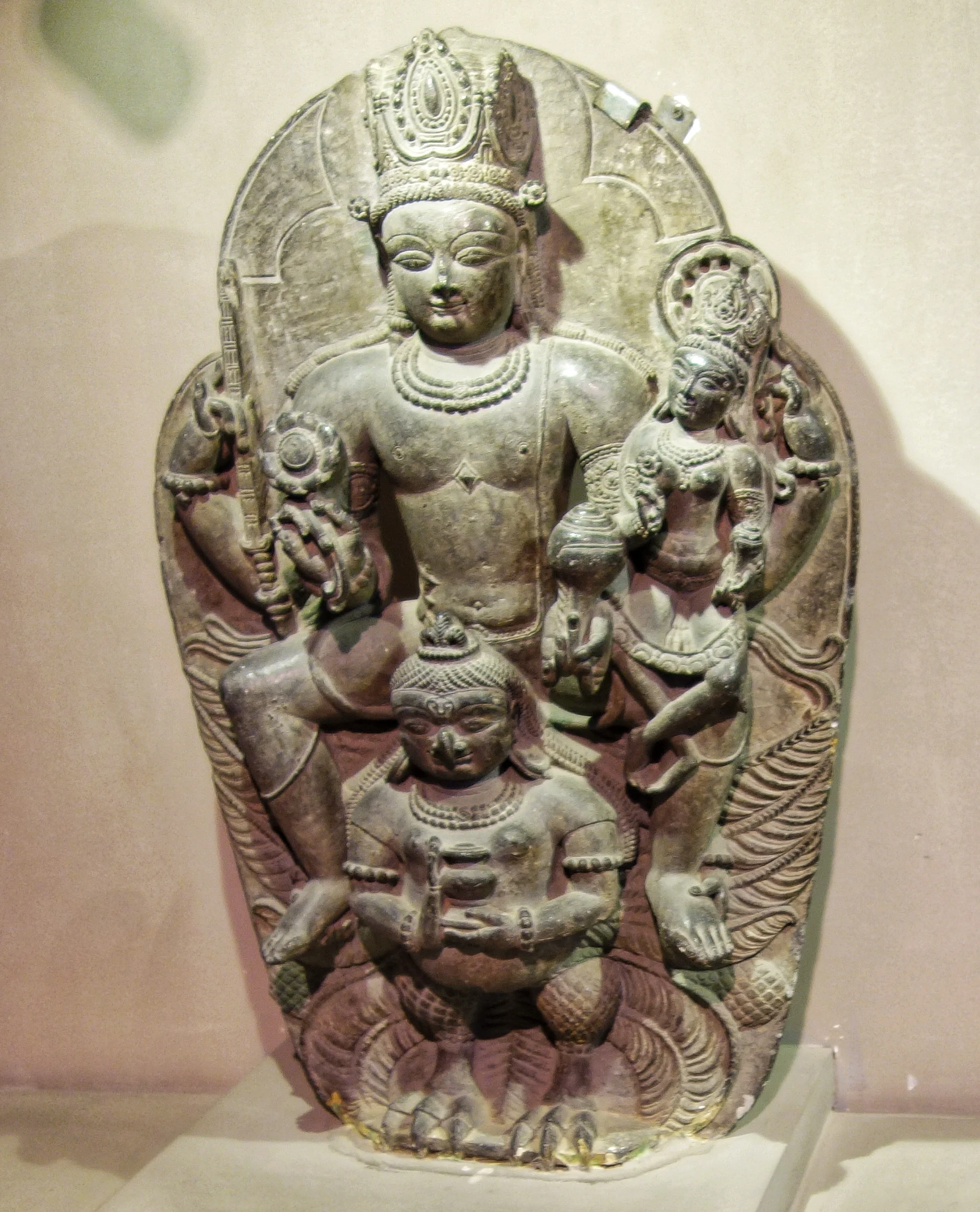
Vishnu : 12th Century, Stone
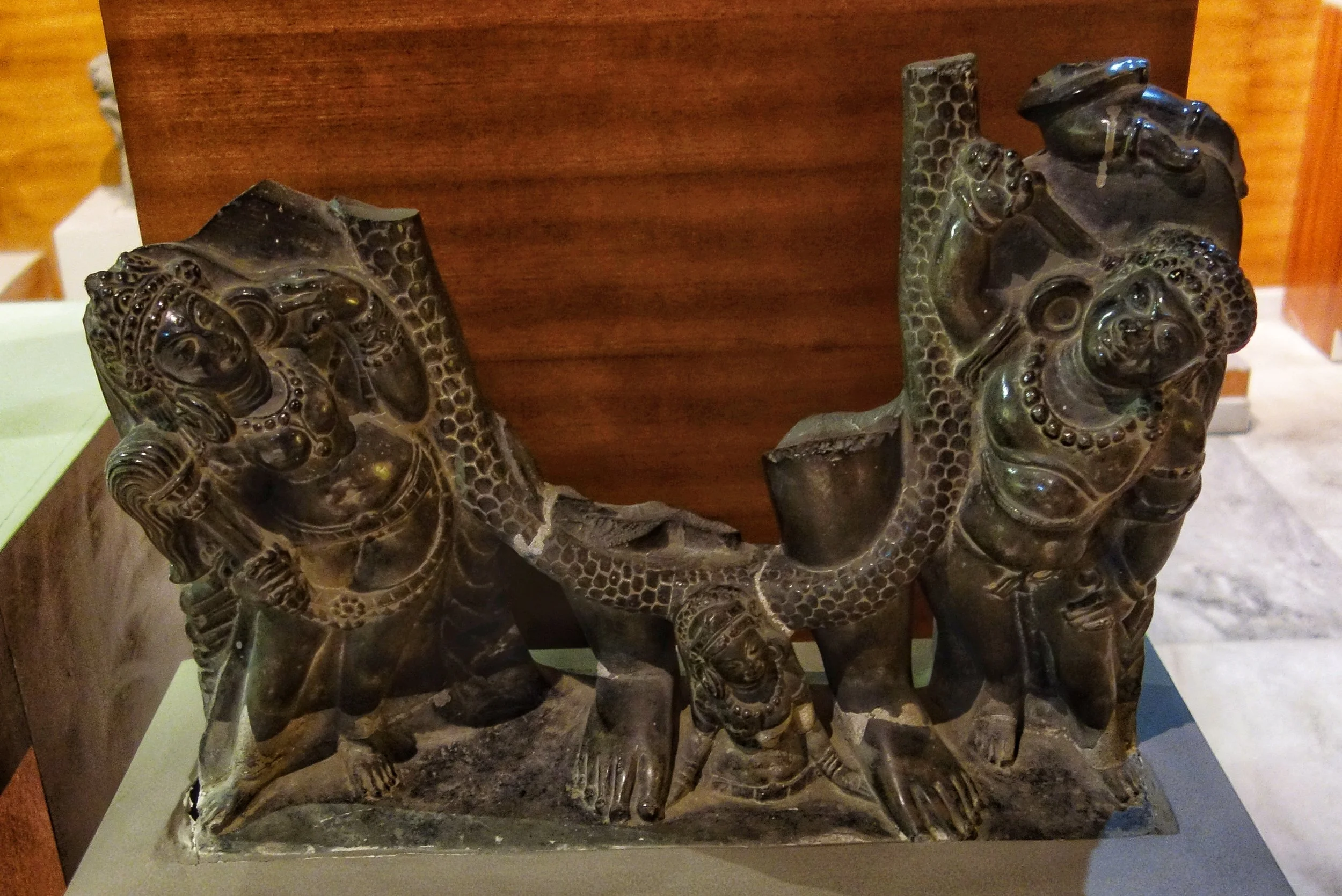
Vishnu, Gadadevi, Chakrapursha and Bahu Devi : 9th Century, Stone
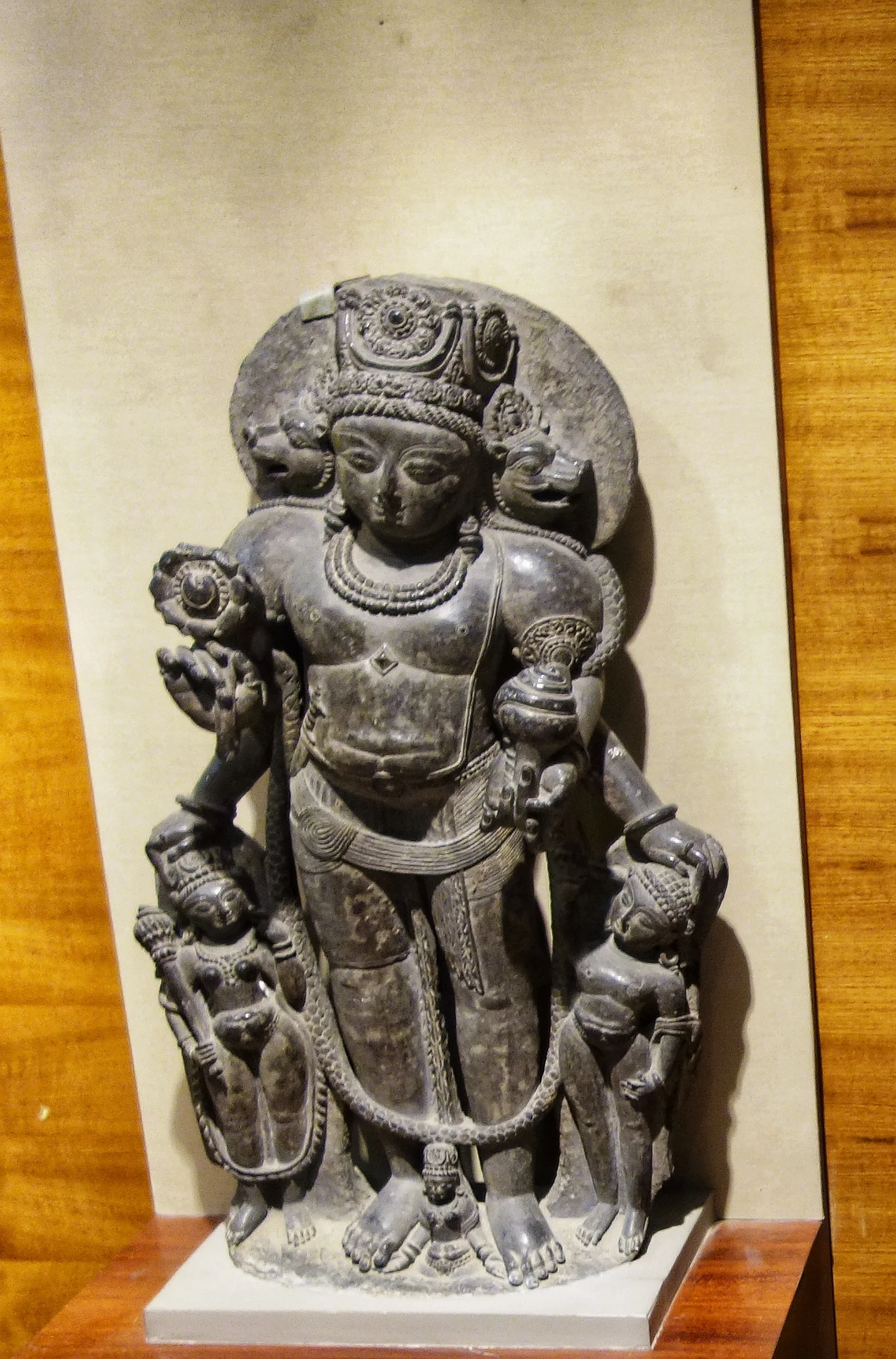
Vishnu : 10th Century, Stone
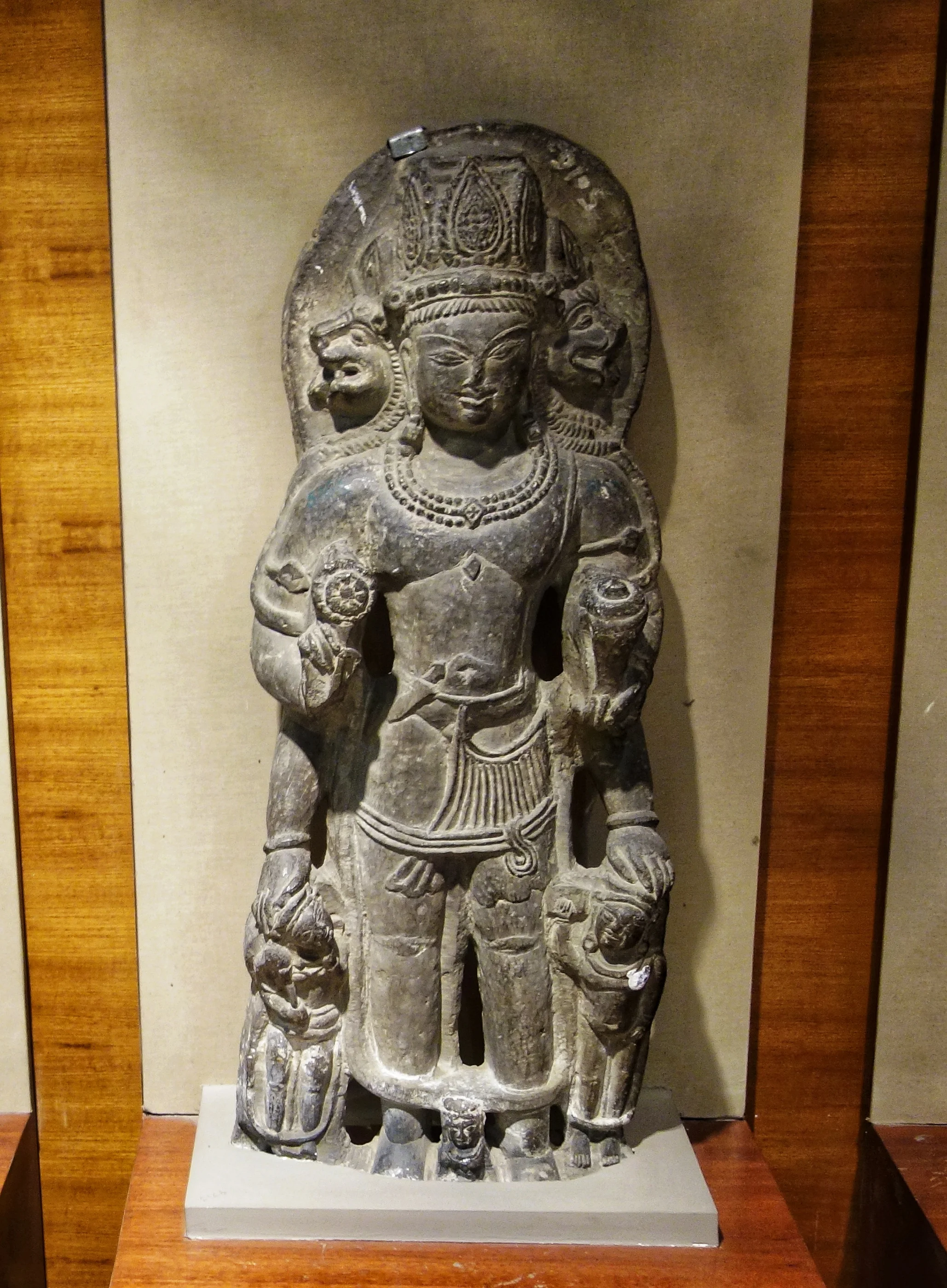
Vishnu : 10th Century, Stone

Vishnu : 10th Century, Stone
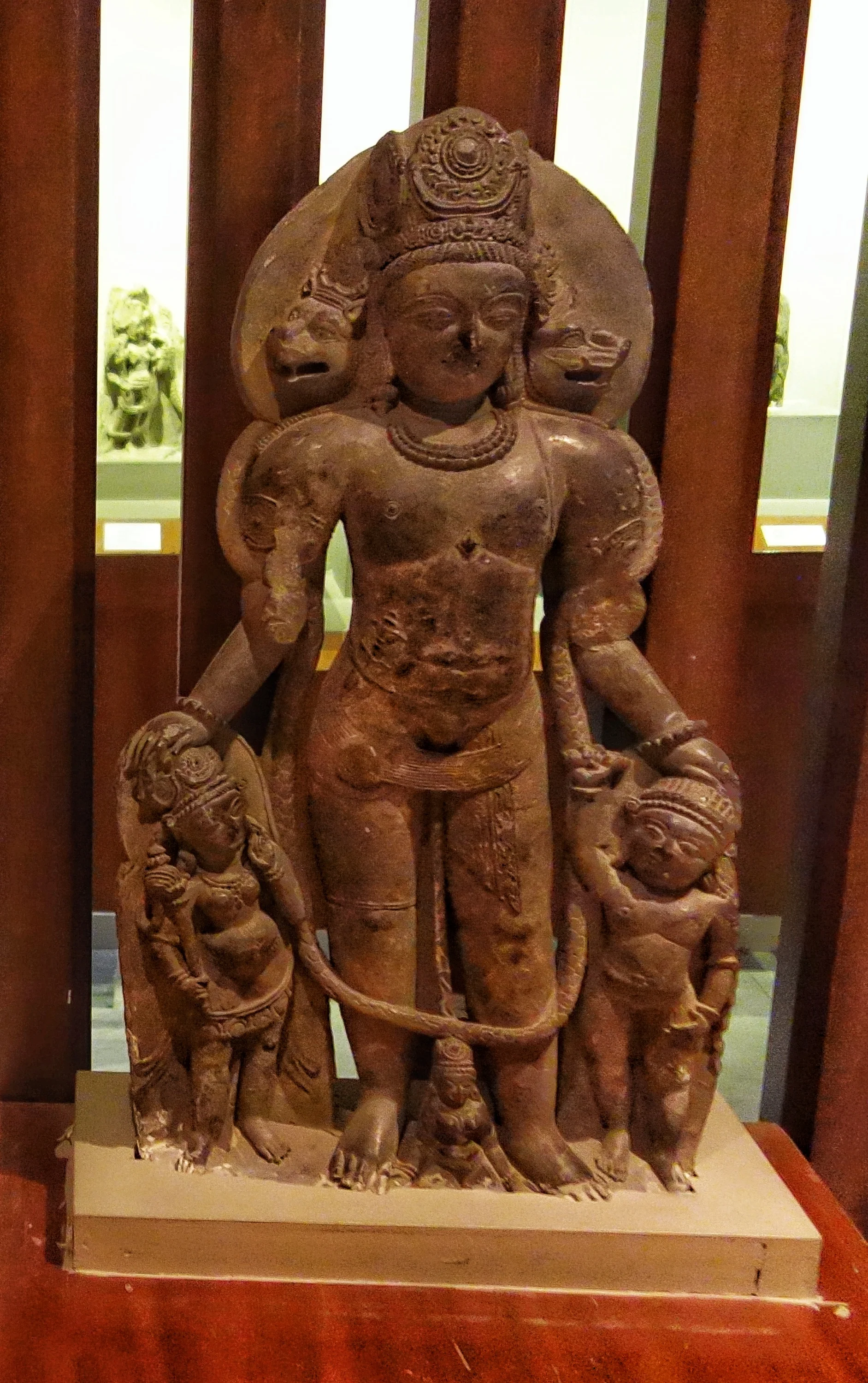
Vishnu : 10th Century, Stone
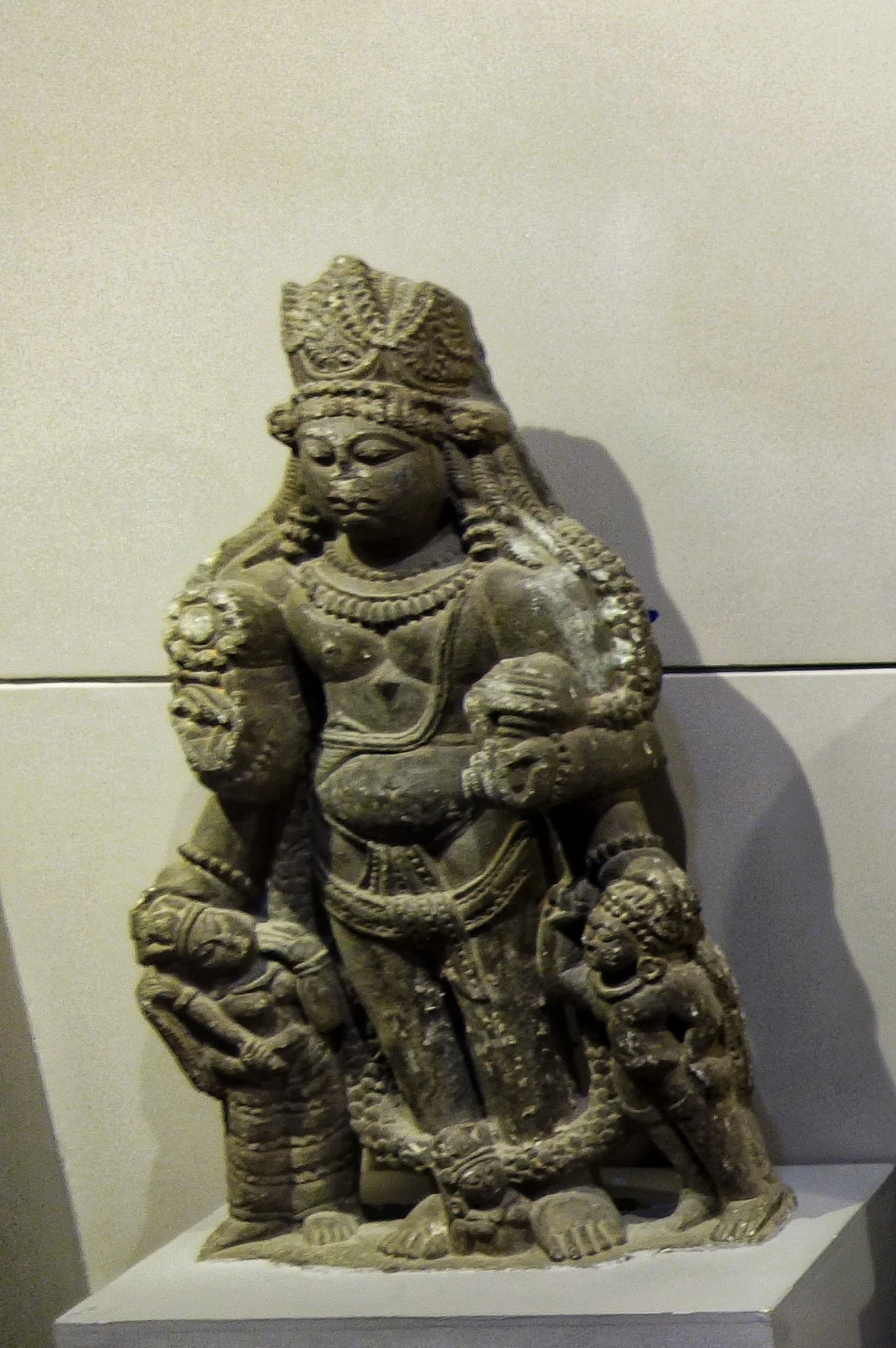
Male Figure : 9th Century, Stone
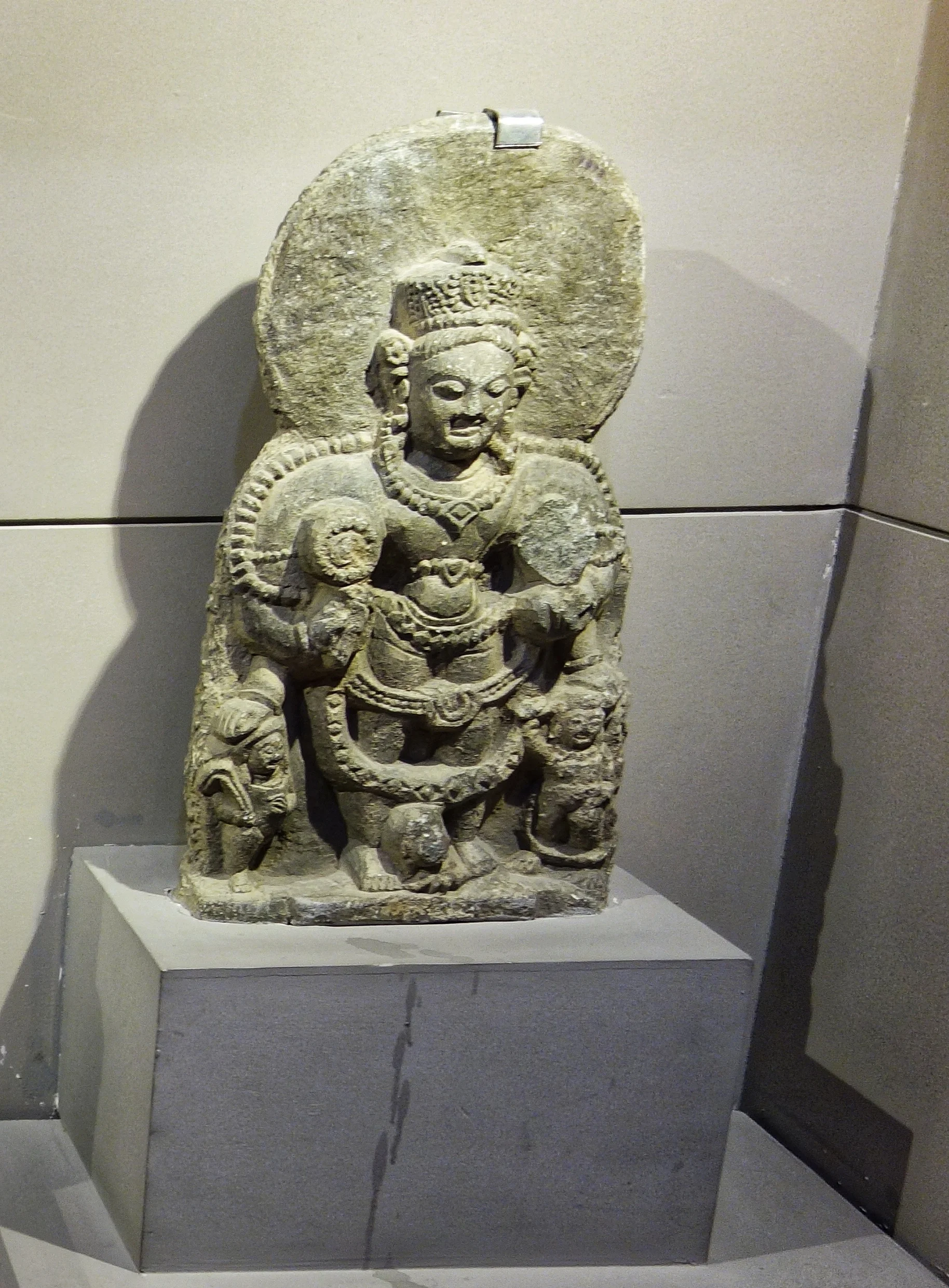
Male figure : 9th Century, Stone
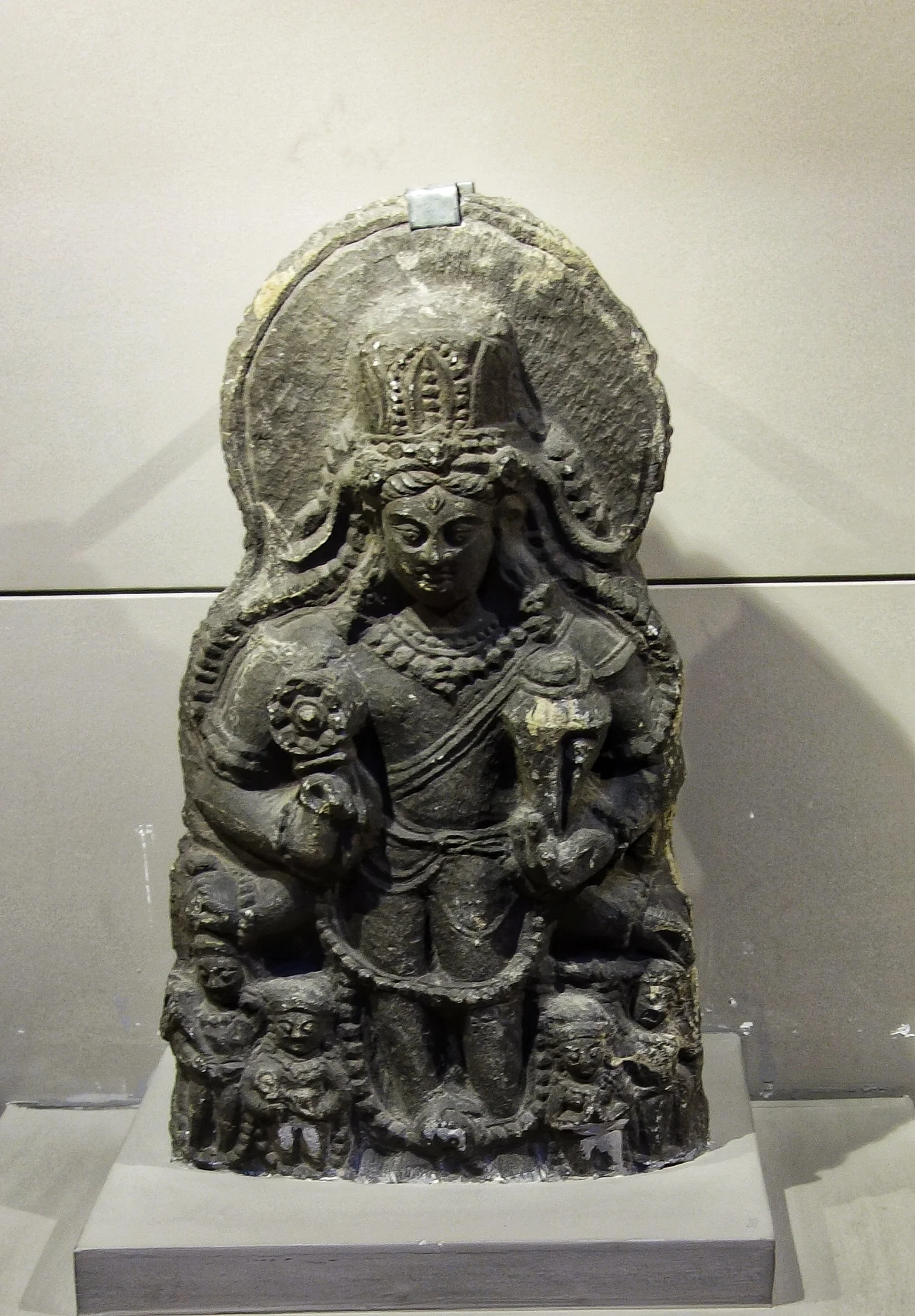
Vasudeva : 10th Century, Stone
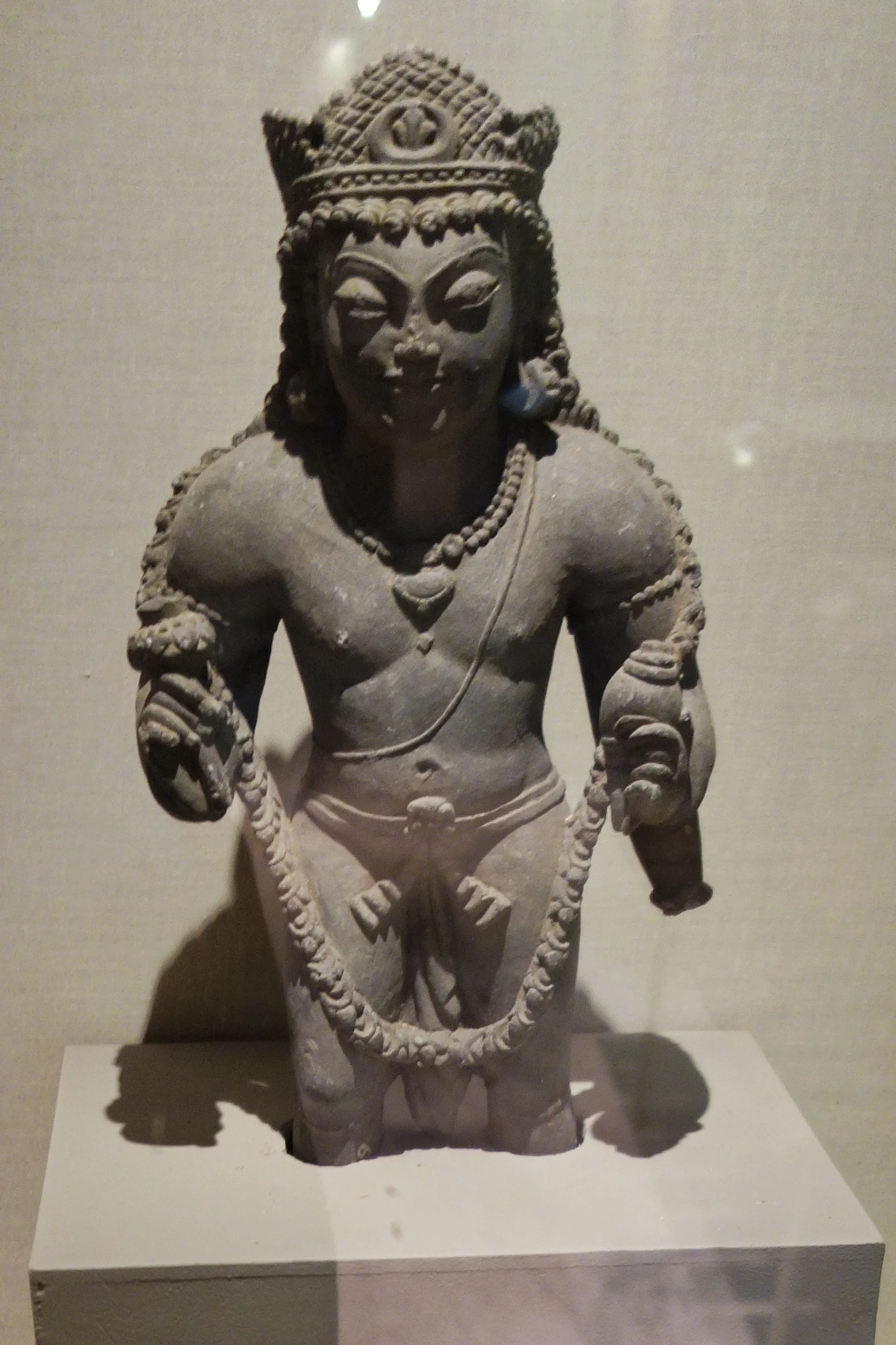
Vishnu : 10th Century, Stone
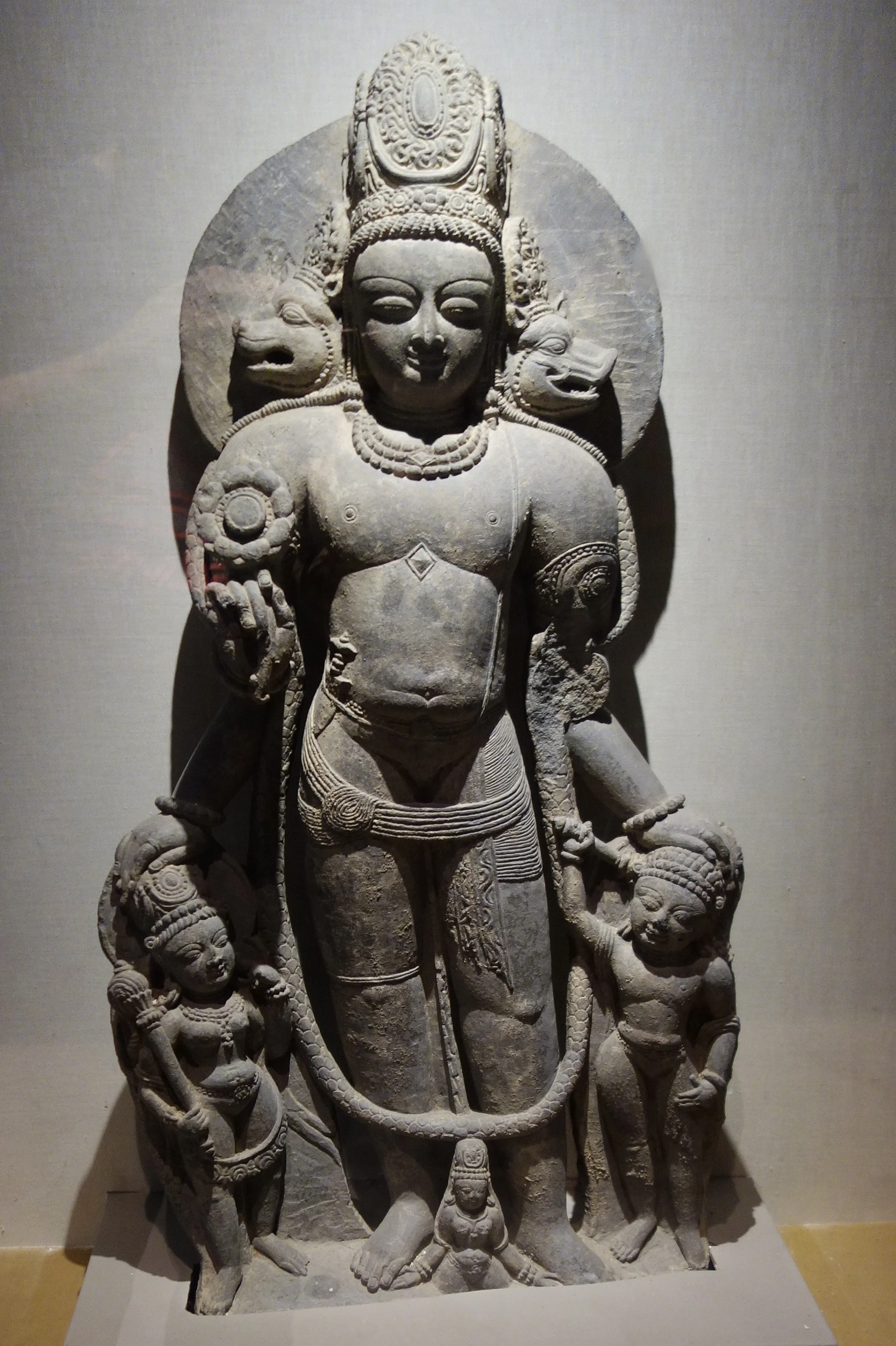
Vishnu : 12th Century, Stone
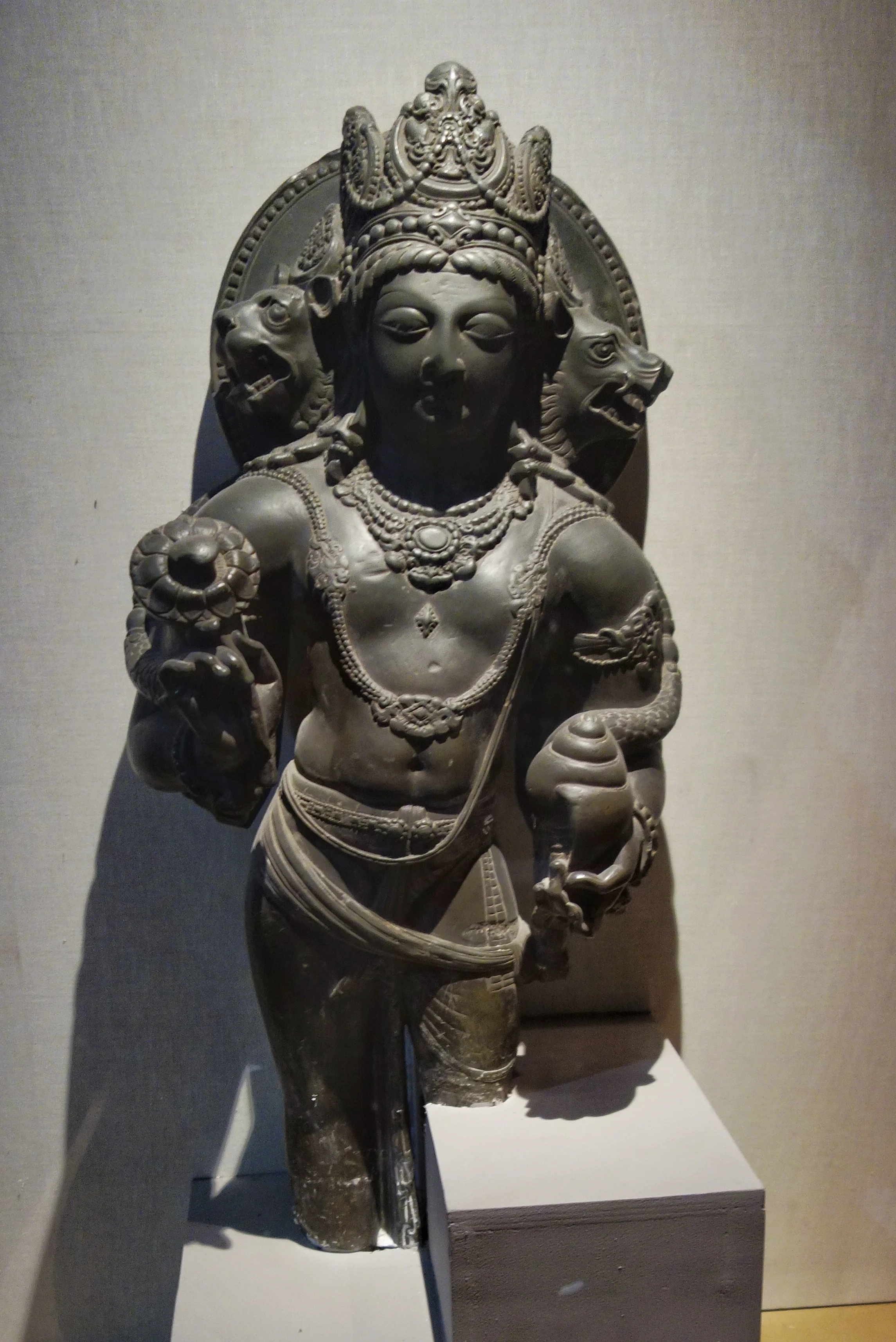
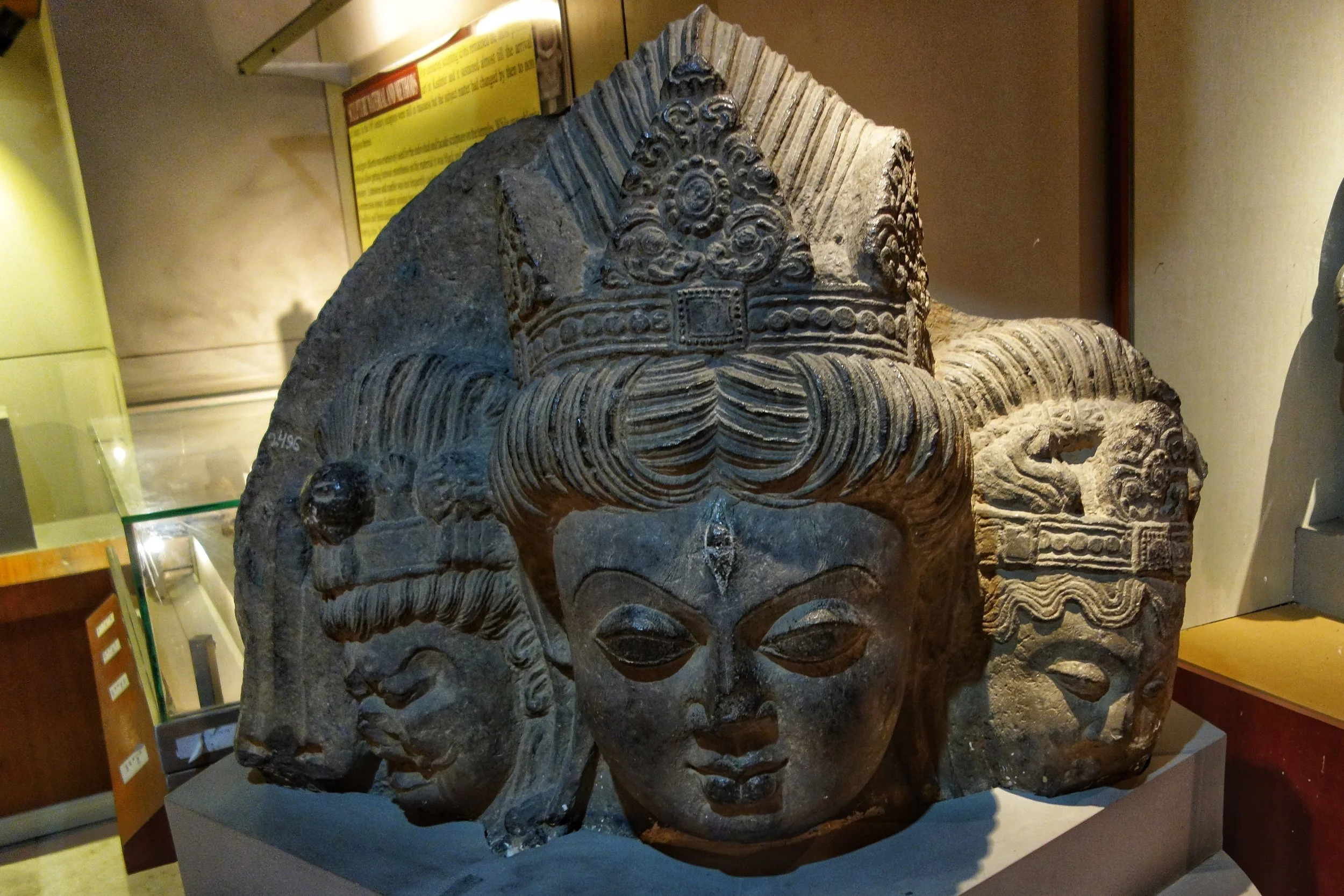
Shiva : 10th Century, Stone, Gupkar, Srinagar
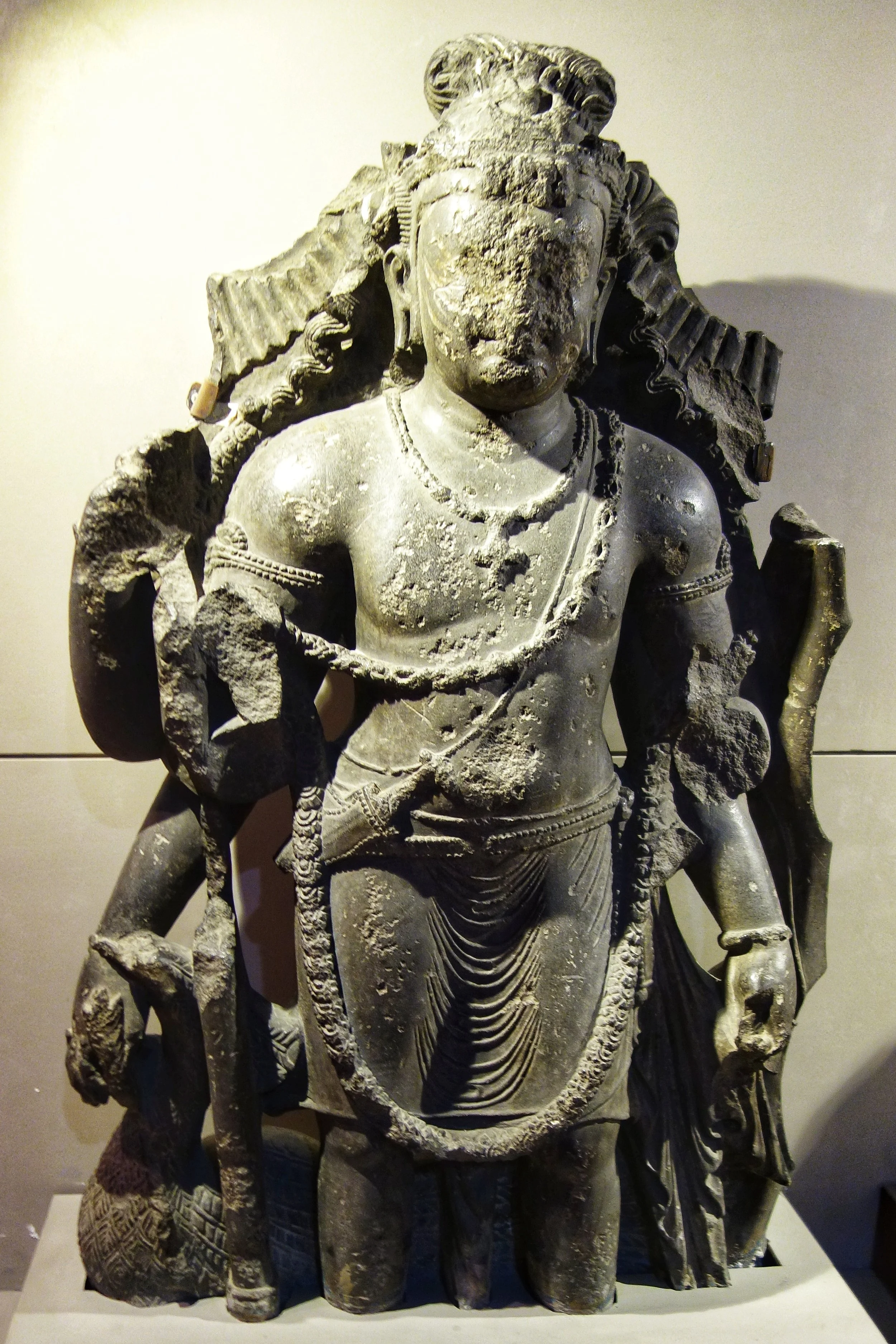
Kartikeya : 6th Century, Stone, Bij Behara
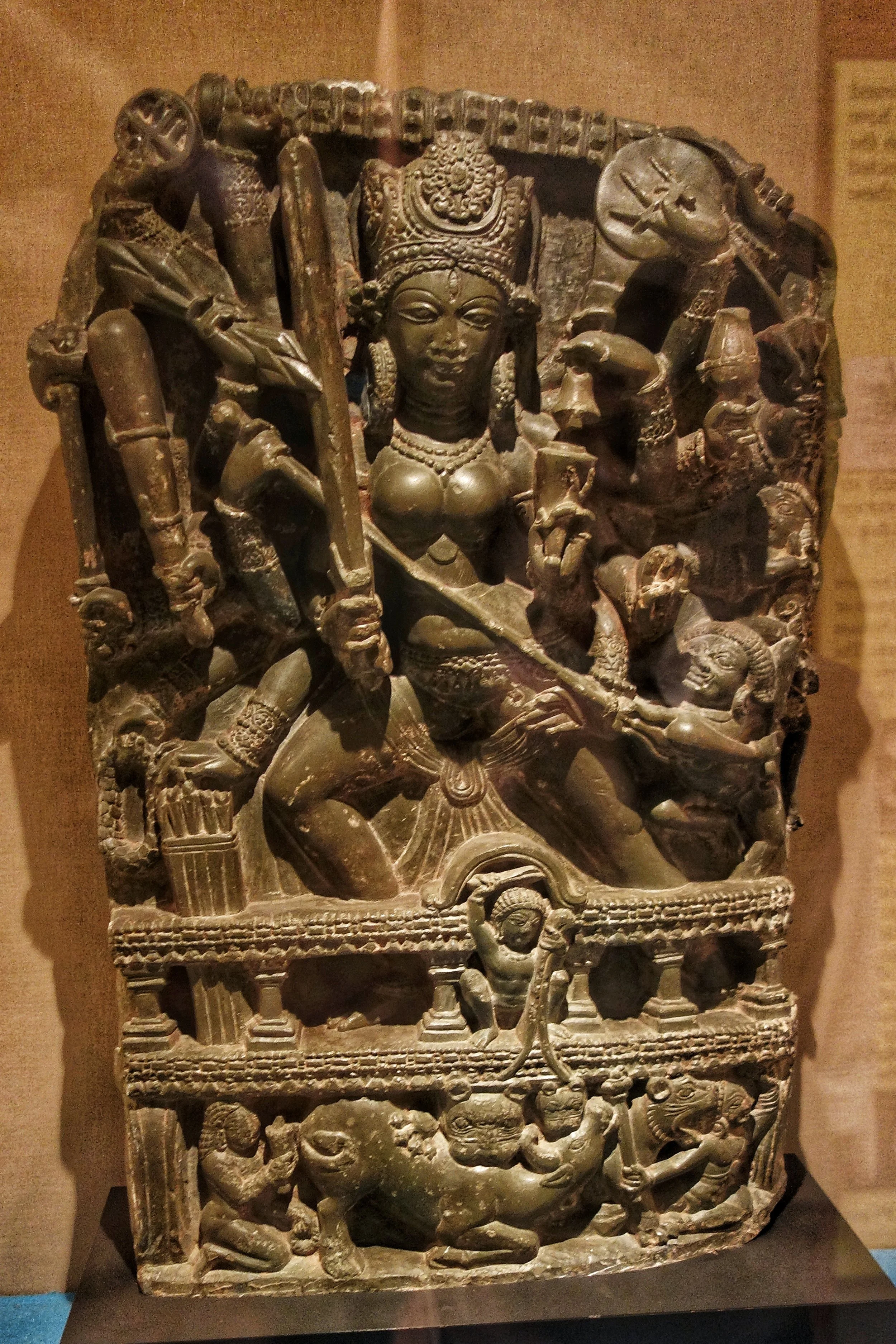
Durga : 8th Century, Stone, Pulwama
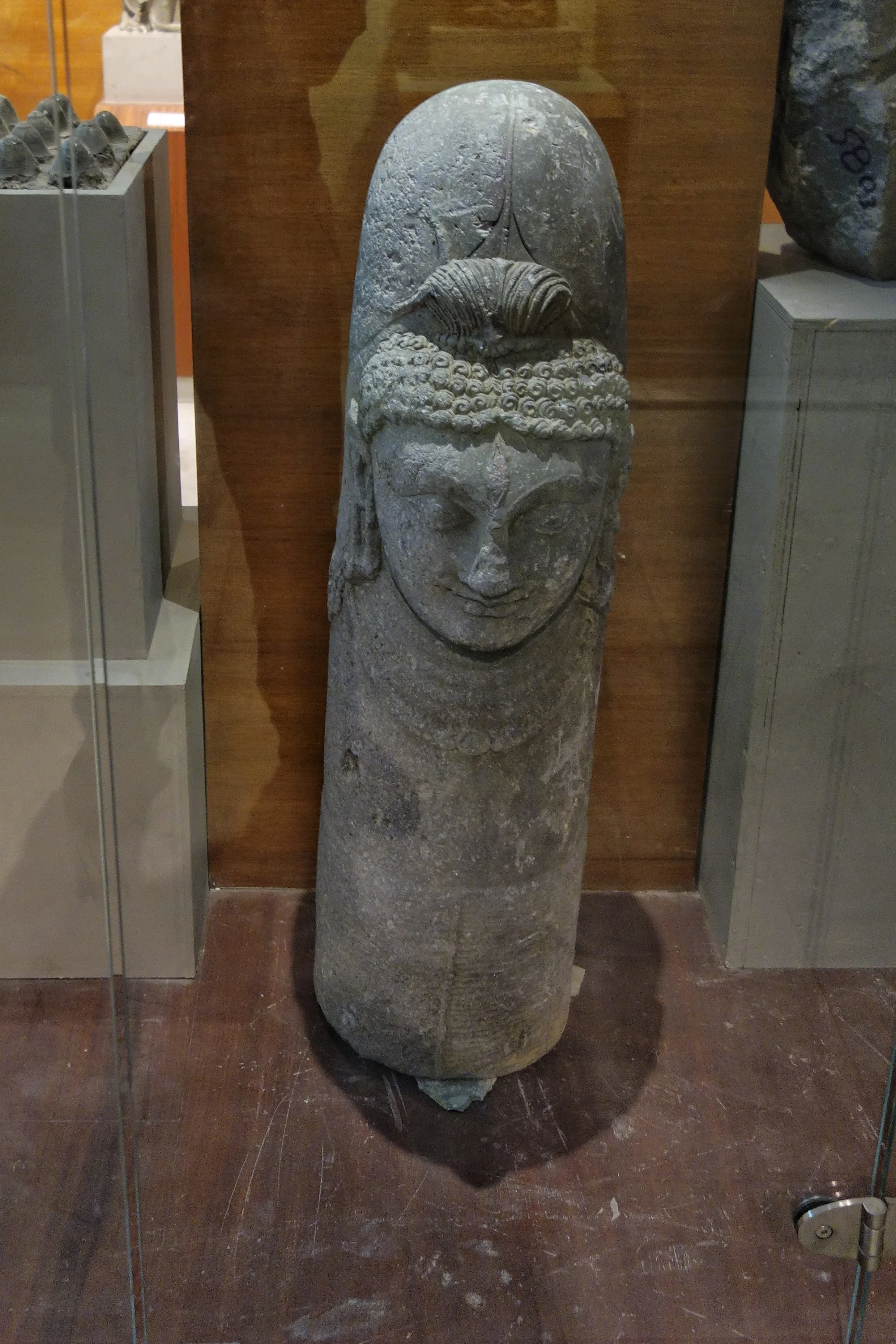
Ek Mukh Linga : 7th Century, Harwan (Recent find)
Roerich Himalaya
And I'm a happy man today. As I just received my copy of the original limited edition (No.217 of 500 copies) Roerich Himalaya published in 1926. It contains writings and lithographs with 24 Colorplates and 78 Halftones of the paintings by Nicholas Roerich.
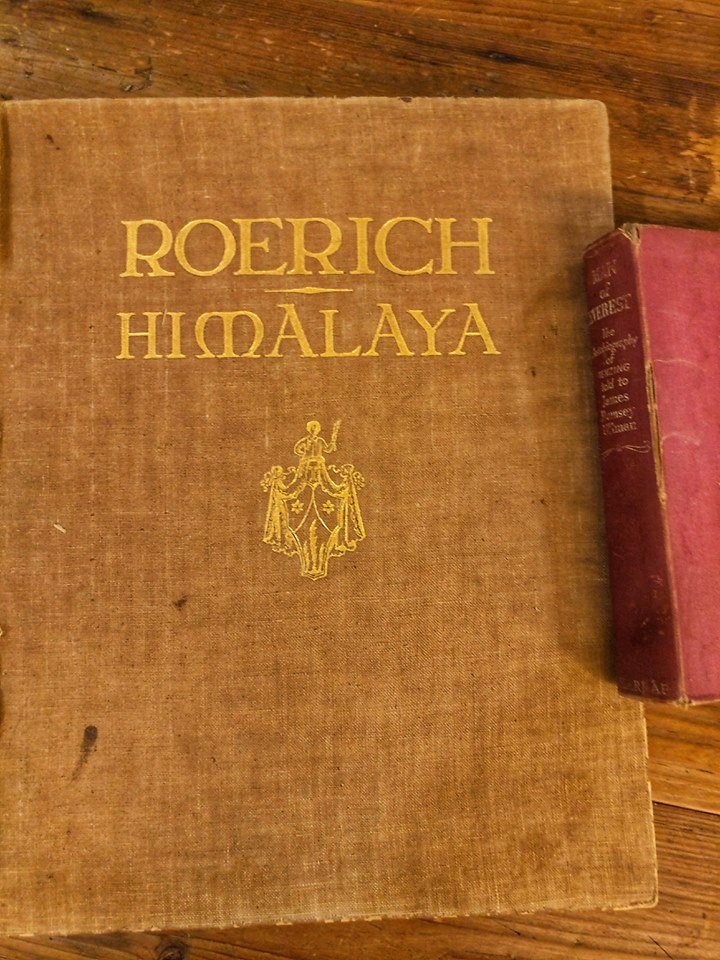
Roerich Himalaya
And I'm a happy man today. As I just received my copy of the original limited edition (No.217 of 500 copies) Roerich Himalaya published in 1926. It contains writings and lithographs with 24 Colorplates and 78 Halftones of the paintings by Nicholas Roerich.
A lady had offered this book on sale in the Himalayan Club and I was the first one who took on the offer. Let me clarify that as an Admin I didn't approve and it was approved by another Admin and the moment I saw it I asked for this masterpiece.
It was apparently owned by a Russian lady who was in South Africa and it got passed on to the Lady who put it up for sale. And finally a deal was struck and the courier arrived today at my place all the way from Knysna, South Africa.
And its a big heavy book just the way I like it.
And soney pe suhaga as they say as I picked up an original 1955 edition of Man of Everest : The Autobiography of Tenzing as told to James Ullman from my father in laws collection of books last week.
The small start to what I hope would be one day be a good collection of vintage Himalayan books.
The Map Shawl II
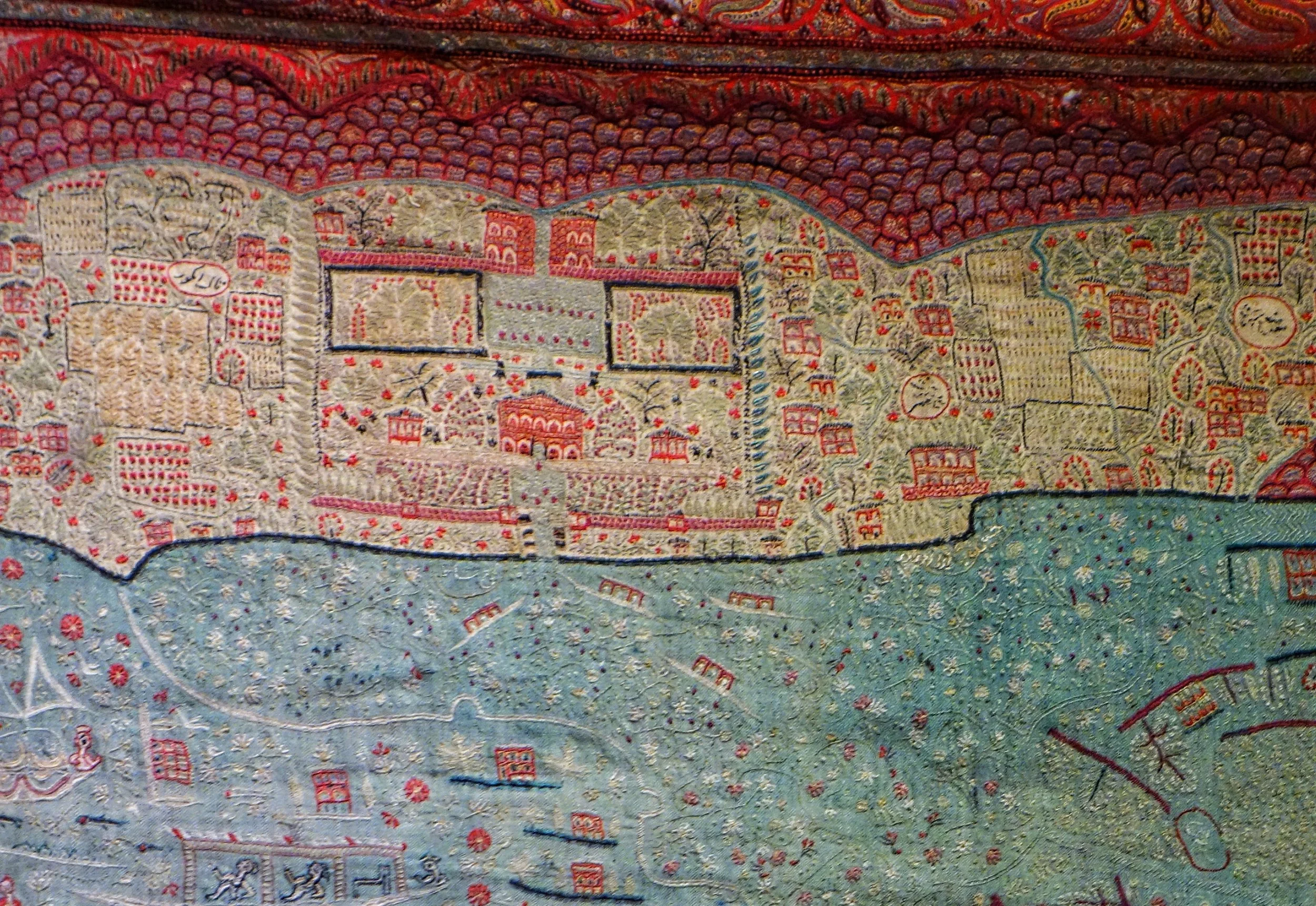
A Close up of the Shalimar Bagh as woven on the Map Shawl with along with the Dal Lake. Note the intricate work on the border. And see the detailing of the surroundings. No wonder it took 30 years to complete. One of the finest examples of Kashmiri Shawl craftsmanship. No wonder they were such a prized possession for Ladies in Aristocratic Europe.

The Srinagar Map Shawl II
A Close up of the Shalimar Bagh as woven on the Map Shawl with along with the Dal Lake. Note the intricate work on the border. And see the detailing of the surroundings. No wonder it took 30 years to complete. One of the finest examples of Kashmiri Shawl craftsmanship. No wonder they were such a prized possession for Ladies in Aristocratic Europe.
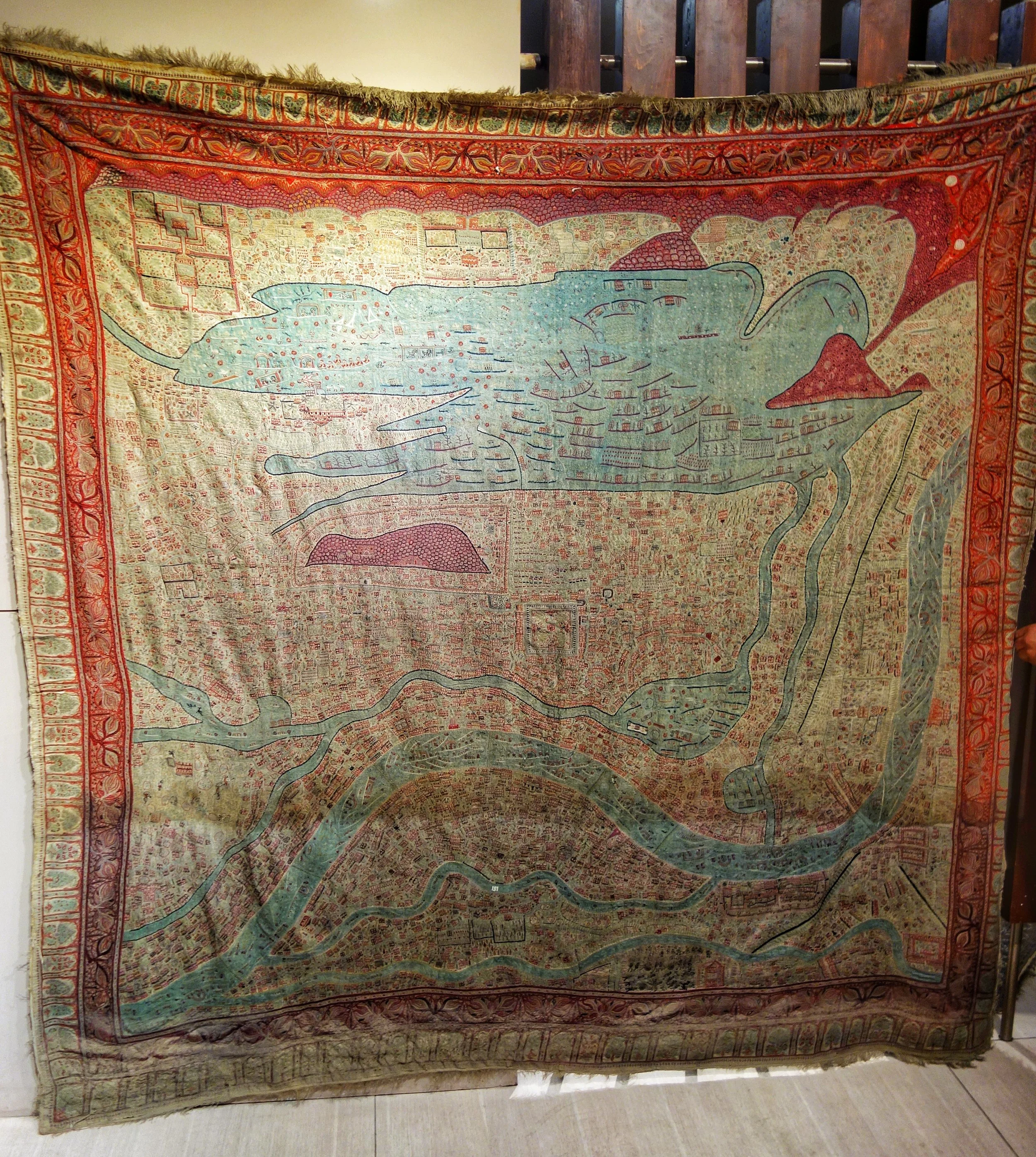
From my previous Post the details :
The amazing and exquisite Map Shawl of Srinagar. This Shawl took 30 years in the making. There are 3 or 4 such specimens in the world. And these were made in the late 1800's.
One was presented to Queen Victoria by Maharaja Ranbir Singh and is presently at the Victoria and Albert Museum in London. One more is with a Museum in Australia. One is with a private collector and this piece is at the Shri Pratap Singh Museum in Srinagar though it's not on display as it needs some refurbishing after the Floods.
It would be one of the most expensive pieces of textile ever made if it would be put on an auction. I got a special session to view this absolute Masterpiece as I pestered the right people long enough to let me see this after the Gilgit Manuscripts and along with the Mammoth complete skeleton which was found in Kashmir. A part of the Gilgit Manuscripts is however now on display.
Just that you know the old building of the Museum (out of bounds) was actually a Sumner er Palace of the Maharaja and is as mind blowing as anything you would ever see. The Maharajas sure had money and the craftsmen to deliver stuff which can't even be imagined .
Coming back to the Shawl. You can see the Dal Lake and the Jehlum. On the right the hill is the Shankaracharya Hill. On the top left you can see the Shalimar and Nishat Gardens. You can also see the Hari Parbat Fort and all the old bridges of the City. The detailing is so minute that there are Shikaras shown in the Jehlum and you can even see the individual eye balls of the people in the Shikara. Words cannot describe this absolute masterpiece of Kashmiri craftsmanship.
Please do visit this Museum on your next visit and I'm sure you will be mighty impressed. I plan to cover stuff from this Museum in the next few days / weeks.
Pic from November 2017. Shri Pratap Singh Museum, Lal Mandi, Srinagar
Kashmir and Tibet : The Forgotten Past
Kashmir has over the ages has had a great influence on Tibet in the area of Religion and allied Religious Iconry. Infact Mahayana Buddhism traveled to Tibet from Kashmir via Central Asia after the Fourth Buddhist Council in Kashmir. A large number of artisans and craftsmen were taken from Kashmir to Tibet to decorate the Monasteries as well.

Kashmiri Cultural Influence on Tibet
Last year the Himalayan Club sent a request to His Holiness The Dalai Lama asking him for a private audience for the members of the Himalayan Club. And His Holiness decided to give a private audience last year in April. A Group of members of the Himalayan Club along with family members went for the same to McLeodganj. I alongwith my wife and little baby daughter also went along the delegation.
We had the audience, and though I am not a religious person, I really like listening to His Holiness as what he speaks makes sense to me. And hearing him in person at his residence was quite an experience. After His Holiness finished his talk we all went to get blessings from him and a photo op. I wanted him to bless my daughter and I had a brief exchange with him wherein I told him that I am from Kashmir. He smiled and told me that many Tibetan monks used to go to Kashmir to gain knowledge and there is an old relationship between Kashmir and Tibet.

A Crowned Buddha from Kashmir
Of course I have been trying to dig up some of the relics of Kashmir’s Buddhist past which included the Monastery at Harwan, where the 4th Buddhist Council was held in the first Century as well as the Gilgit Manuscripts, which is the oldest manuscript found in the Indian sub-continent and one of the most sacred Buddhist scripture ever discovered (I have covered both of these in previous Posts).
But as my search continued that it wasn’t just Buddhism that went to Tibet from Kashmir. It went much further than that. A whole bunch of scholars and craftsmen from Kashmir went to Tibet as a part of this cultural exchange. This included the best craftsmen and sculptors. There is a great similarity between all the Buddhist iconography in Stone and Bronze made in Tibet with all such iconography found in Kashmir from the Buddhist era in Kashmir which started around the time of the Great Kushan Emperor, Kanishka in the first century till the time of Lalitaditya in the 8th century wherein slowly Buddhism started disappearing from Kashmir till it disappeared in the 12th century. The sculptors and craftsmen in Kashmir shifted to Hindu iconography and making statutes of Vishnu and his Avatars. But their Buddhist tradition continued to thrive and evolve in distant Tibet. As an example I present to you two Bronze statues of the Tara. The one on the left is a 9th century Tara from Kashmir and the one on the right is a White Tara from the 17th century from Tibet. In Spite of the geographical distance and a difference of almost 800 years the similarities are still quite uncanny.

A Reliquary Showing scenes from Buddha's life from Kashmir
There are records of Kashmiri craftsmen going to the ancient Kingdom of Guge in Central Tibet to decorate the Buddhist monasteries being built there. Tibetan Chronicles also mention that the great Tibetan scholar Rinchan Sangpo visited Kashmir thrice in order to take Kashmiri craftsmen to Tibet to re-organise Buddhist arts in Tibet. It is said that Rinchen built a Hundred and Fifty Temples in Tibet with the help of 75 Kashmiri craftsmen. The 16th century monk, Lama Taranath also records the great contribution of Kashmiri craftsmen to Tibetan painting and metal casting.
Kashmir being historically at the crossroads of great civilizations constituted a great melting pot with cultural influences from all over. Before its emergence as a strong Kingdom in the 8th century Kashmir was a part of the belt ranging from Southern Iran to Gandhara to Bacteria to Kashmir were a part of the great belt of Buddhism and such similar sculptures have been found all over Central Asia, Afghanistan, Pakistan, Kashmir and onwards to Tibet.But of course over a period of time Buddhism disappeared from all these areas and all the cultural traditions and Buddhist arts and crafts shifted to Tibet and a part of it to Mongolia as well.

Tara from Kashmir
Of course Buddhism in Tibet has evolved into its present form of Tibetan Buddhism over the age. But scratch and look under the surface and its a reflection of the tradition and culture that was followed by populations all over the Himalayas, the Karakoram and the Hindu Kush and further into Afghanistan and Southern Iran. Buddhist art in Tibet is a legacy from the past of all these regions and especially Kashmir. Looking at Tibetan Buddhist art now I see it as a mirror into the past showing the arts and crafts of our ancestors long forgotten in the land of their origin but still thriving in Tibet. Much like Buddhism itself.
As of today “Himalayan Art” as its called is considered Religious iconry art representing Hindu, Buddhist and Bon and the three main categories it is divided in are Tibet, Kashmir and Nepal. This is the wide classification of Himalayan Art and it wouldn’t surprise me if a link is found as to how Nepalese Art was also influenced by Kashmiri art coming in from Tibet.

Vajrasattva from Kashmir
Pic of Tara, also known as Arya Tara and Jetsun Dolma in Tibetan Buddhism, is a female Bodhisattva in Mahayana Buddhism who appears as a female Buddha in Vajrayana Buddhism. She is known as the Mother of Liberation and represents the virtues of success in works and achievements. She is originally supposed to have originated as a form of Goddess Durga and entered the Buddhist deity fold over a period of time.
Kashmir Tara pic from Shri Pratap Singh Museum, Srinagar and the Tibet Tara from the Shanghai Museum, Shanghai. Both pics from October 2017.
9th Century Vaishnava Avatar
One of the most priceless treasures on display is a 9th Century metal “Vaishnava Avatar” frame which is a Prabhavali of bronze metal alloy measuring 6’4″ in height and 4′ wide and 1’2″ thick weighing almost 100 kgs excavated from Devsara. As the name suggests it shows various Avatars of Vishnu. Devsara, which is in Kulgam district had been in the past a great center for the casting of Bronze images and other metal works.
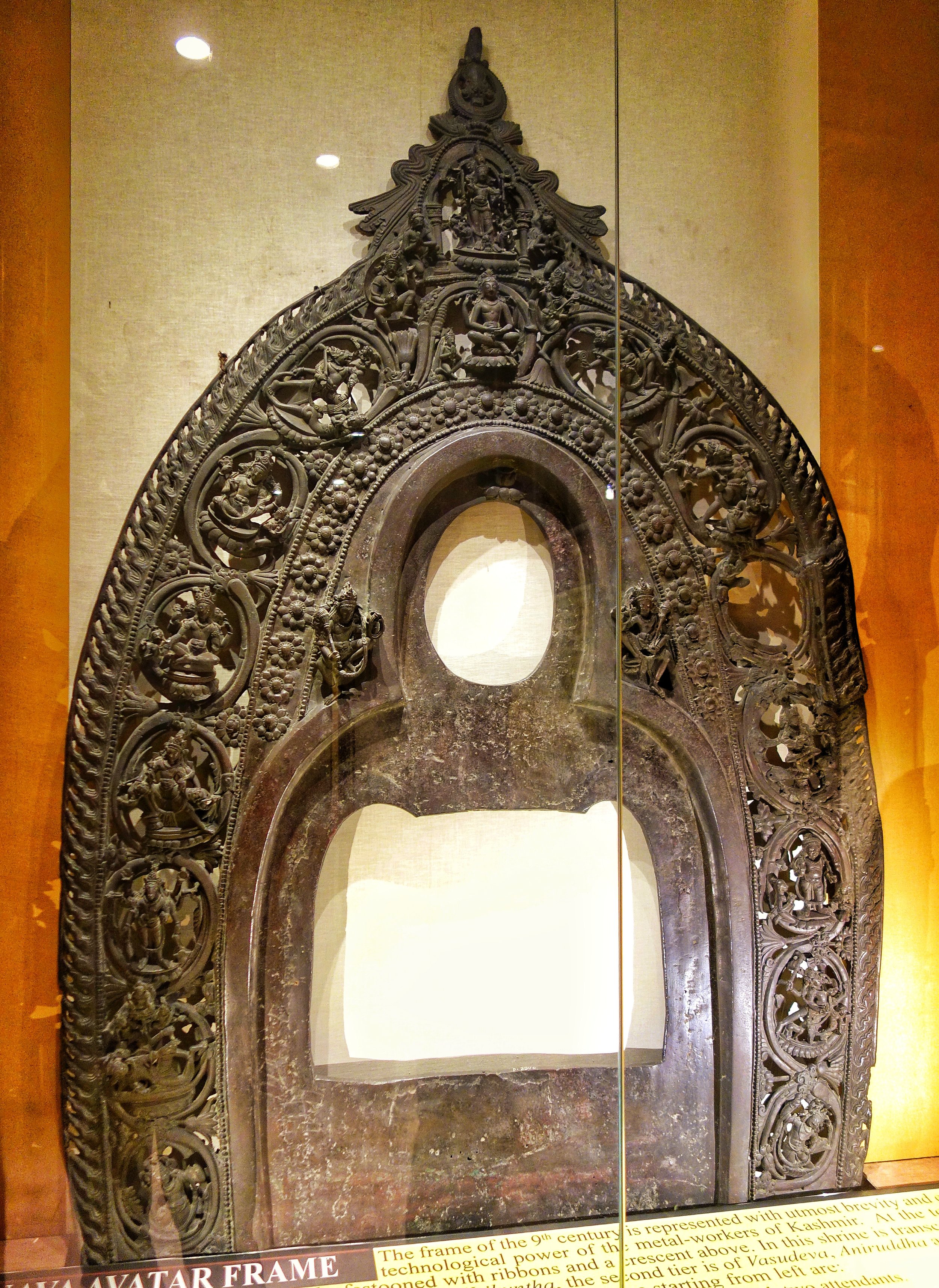
The 9th Century Vaishnava Avatar
One of the most priceless treasures on display is a 9th Century metal “Vaishnava Avatar” frame which is a Prabhavali of bronze metal alloy measuring 6’4″ in height and 4′ wide and 1’2″ thick weighing almost 100 kgs excavated from Devsara. As the name suggests it shows various Avatars of Vishnu. Devsara, which is in Kulgam district had been in the past a great center for the casting of Bronze images and other metal works. Many of the bronze/ metal sculptures found here have unfortunately gone missing as they were simply taken away in the olden times as metal was always in high demand.
This masterpiece was discovered in 1931 and it is dated to the period of Shankar Varman. Each of the deity cast on it has great detailing and as such is a brilliant example of Kashmiri metal craftsmanship of that period. Fortunately this great piece of art along
with another bronze sculpture of Lord Buddha along with a few coins made it to the Museum from the Devsara site. This sculpture is one of its kind in Kashmir and maybe India as well and is rated one of the most significant archaeological find in the Indian sub-continent.
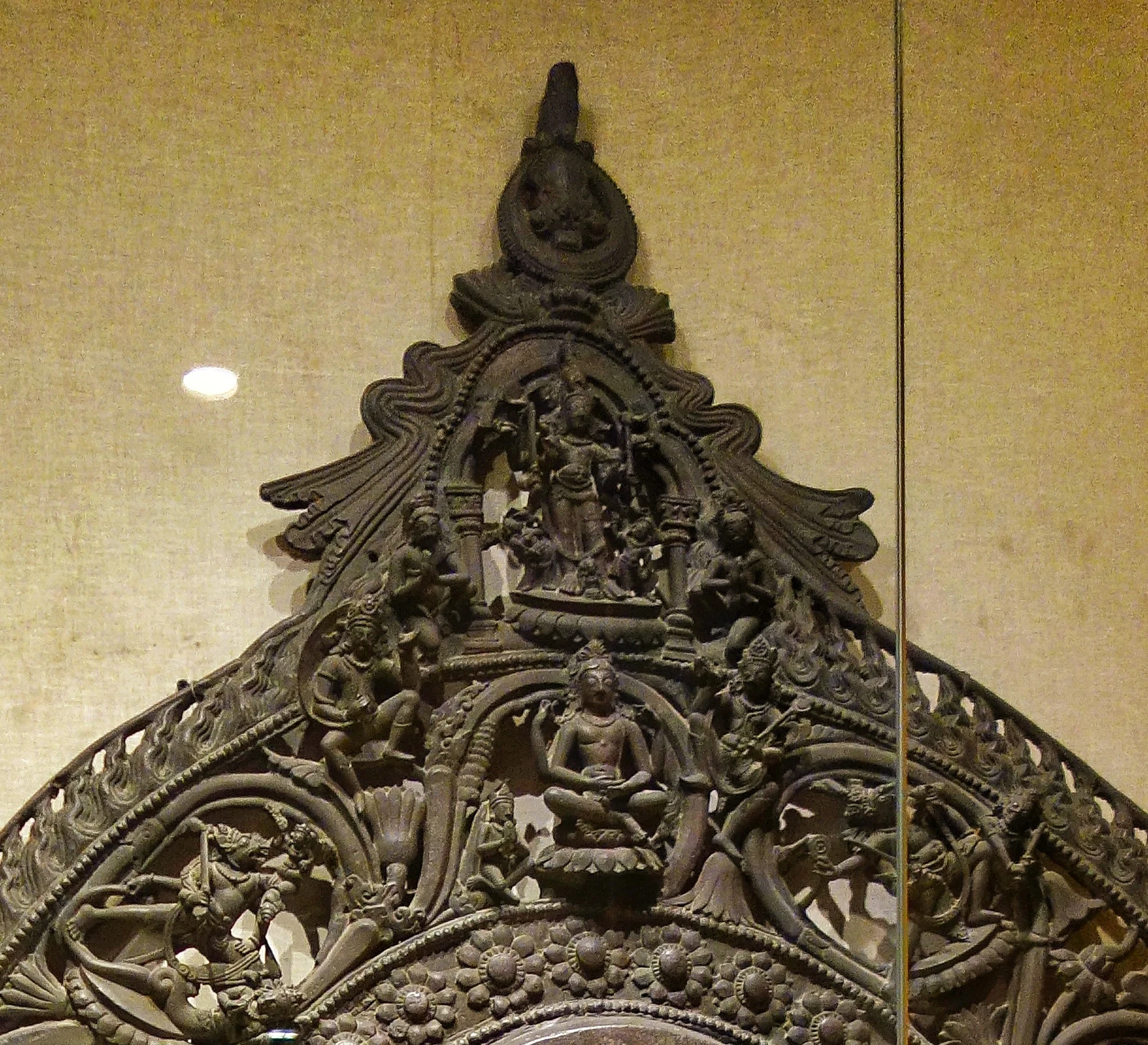
The board at the Museum describes it as such : The frame of the 9th century is represented with utmost brevity and exhibits the technological power of the metal workers of Kashmir. At the top of the frame has a pillared shrine surmounted with amalaka festooned with ribbons and a crescent above. I this shrine is transcendental form of seven headed and ten armed Vishnu – the lower tier is of Vaikuntha, the second tier is of Vasudeva, Aniruddha and Samkarsana. And at the apex is Hayagriva, the horse head.The other 15 figurines in the frame starting from the left are (with pics of that area) :
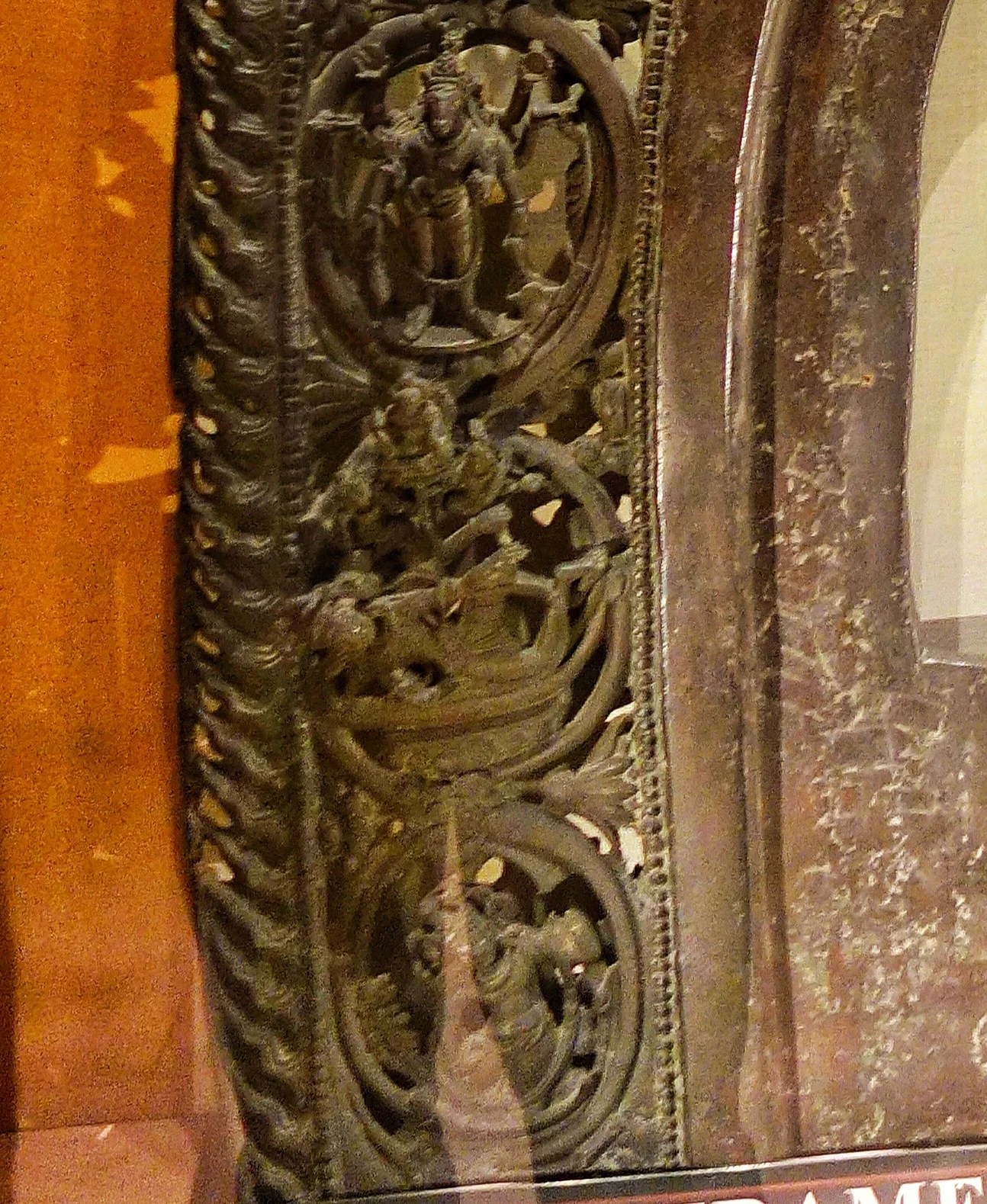
1. Nagaraja donor with seven headed serpent canopy.
2. Sesasayi Vishnu on serpent Sesa with Brahma seated on lotus the stem of which arises out of his navel, with accompanying pair figures of Madhu and Kaithaba.
3. Hayagriva, six armed of which upper two hold sun and moon symbols.
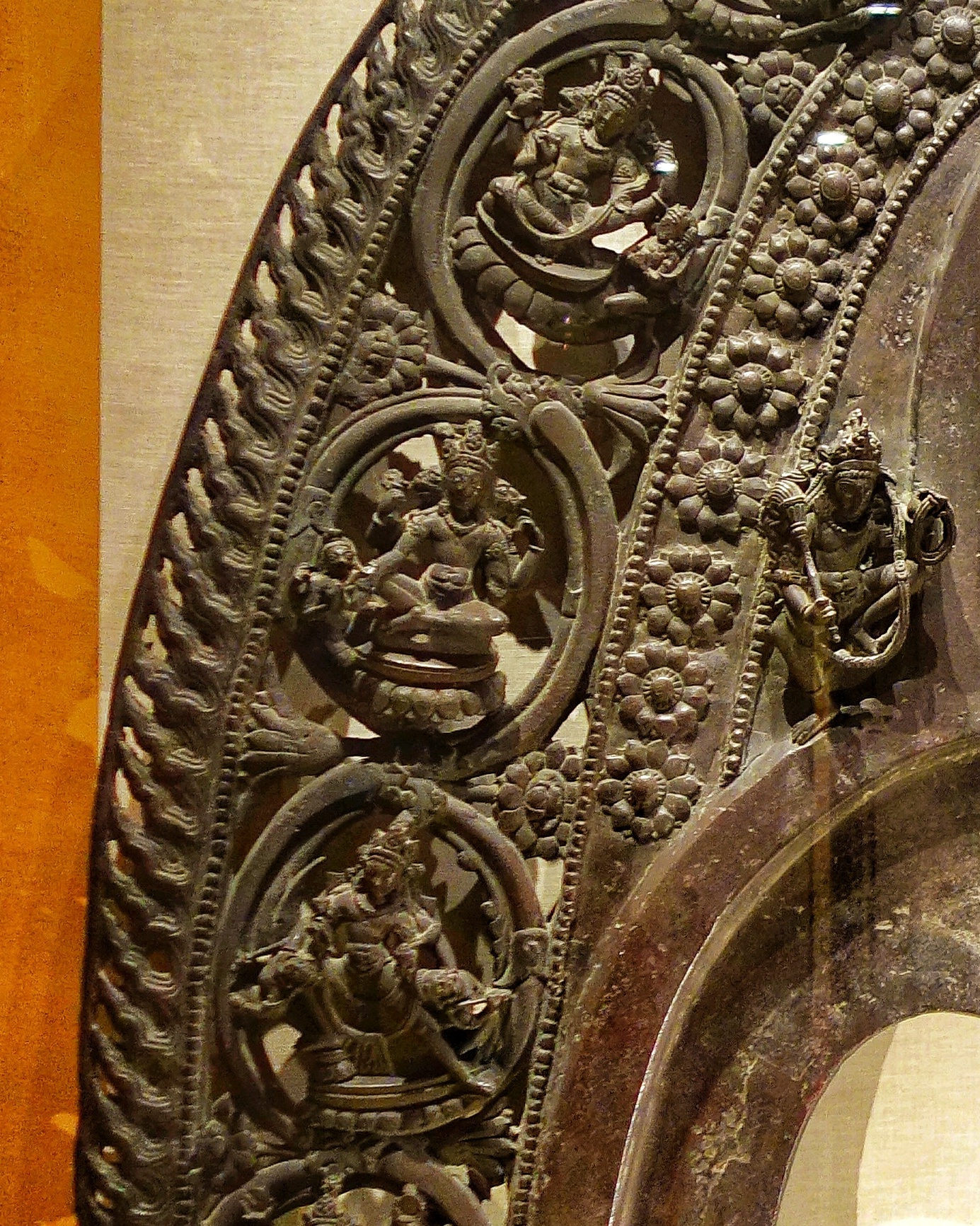
4. Vishnu killing Madhu and Kaithaba.
5. Three headed Vishnu with kneeling four armed Brahma on left.
6. Three headed seated Vishnu with kneeling Lakshmi on right.
7. Bhuvaraha standing on the coils of serpent Adisesa and raising Goddess balanced on his left arm.
8. Vishnu in yogasana with two attendants.
9. Varaha killing Hiranyaksa.
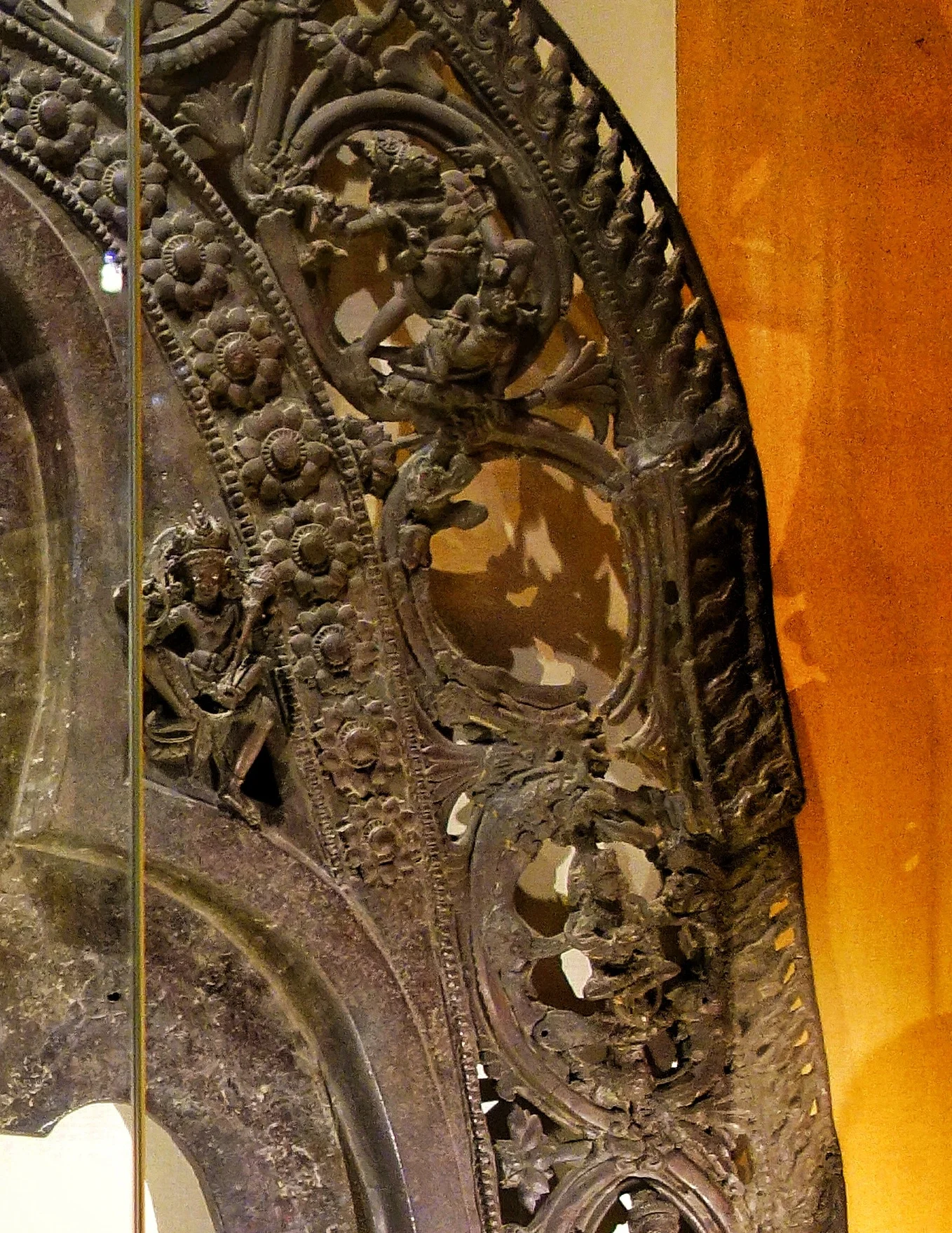
10. Narsimha killing Hiranyakasipu.
11. Missing figure.
12. Missing figure; later replacement of indeterminate form.
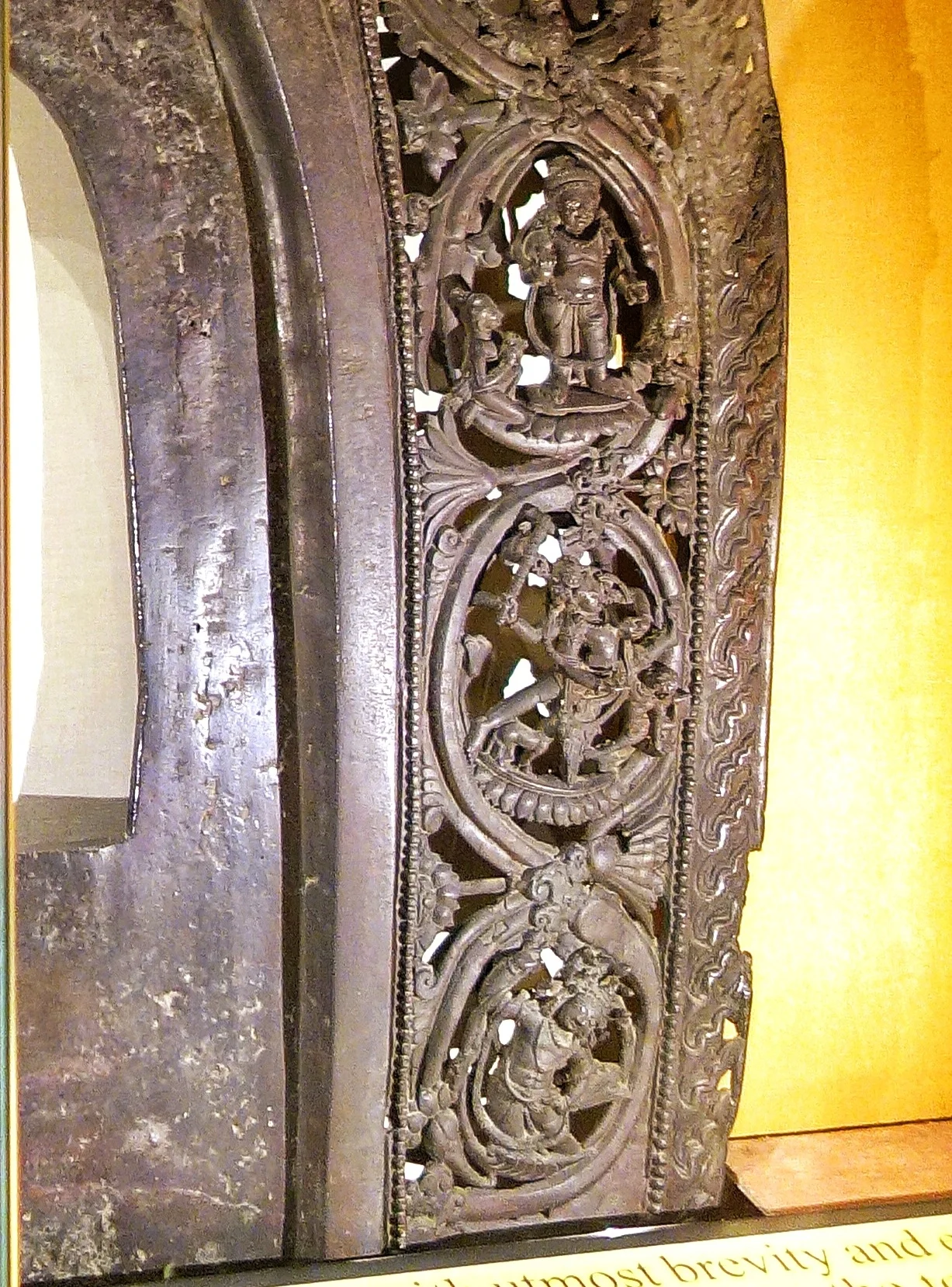
13. Vamna with kneeling figure of Bali holding libation pot and his Queen has veiled hair.
14. Trivikrama striding over Bali with diminutive Horse.
15. Nagaraja donor with seven headed serpent canopy.
Kiki’s Blog
Stories from the Himalayas
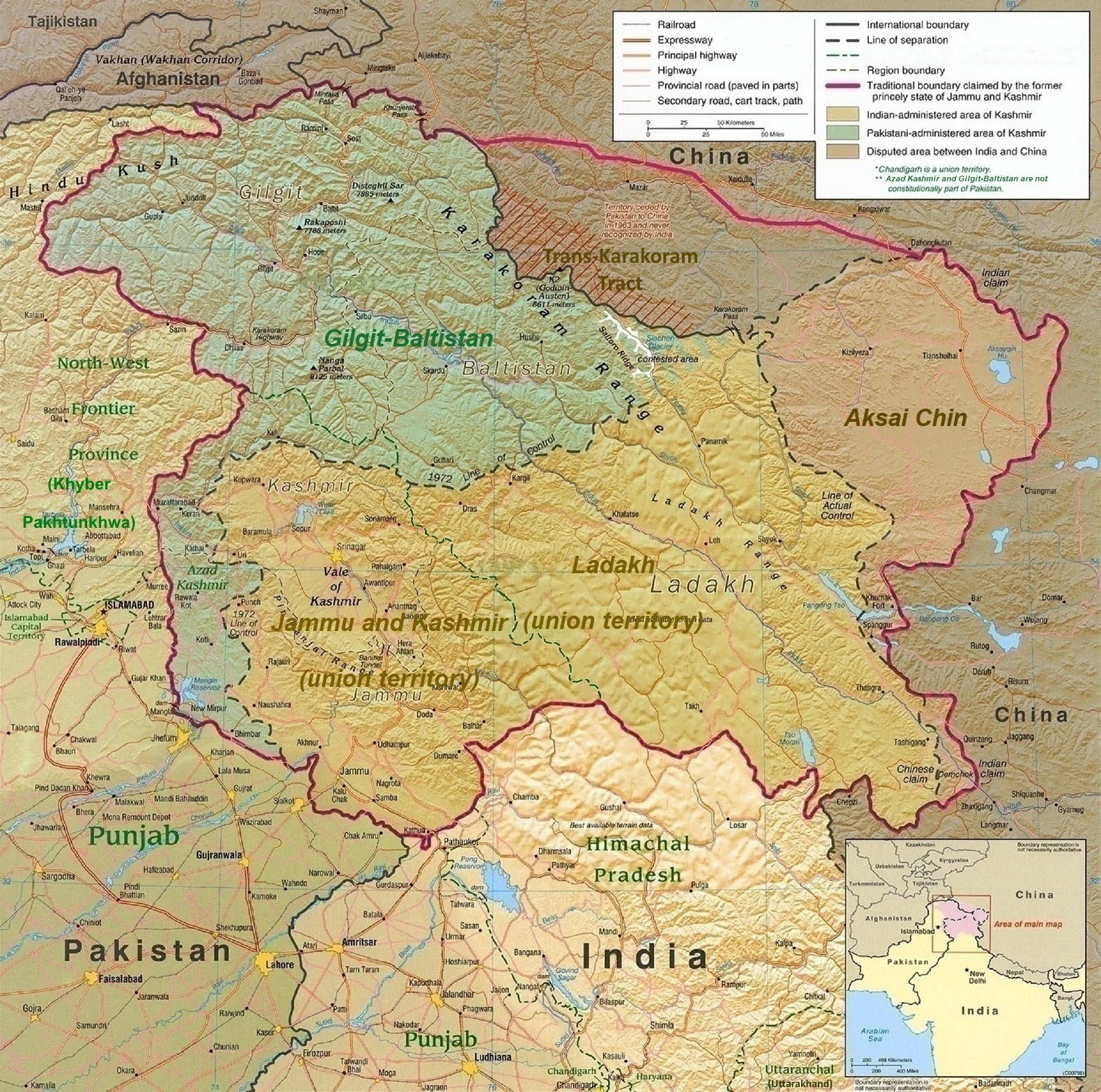
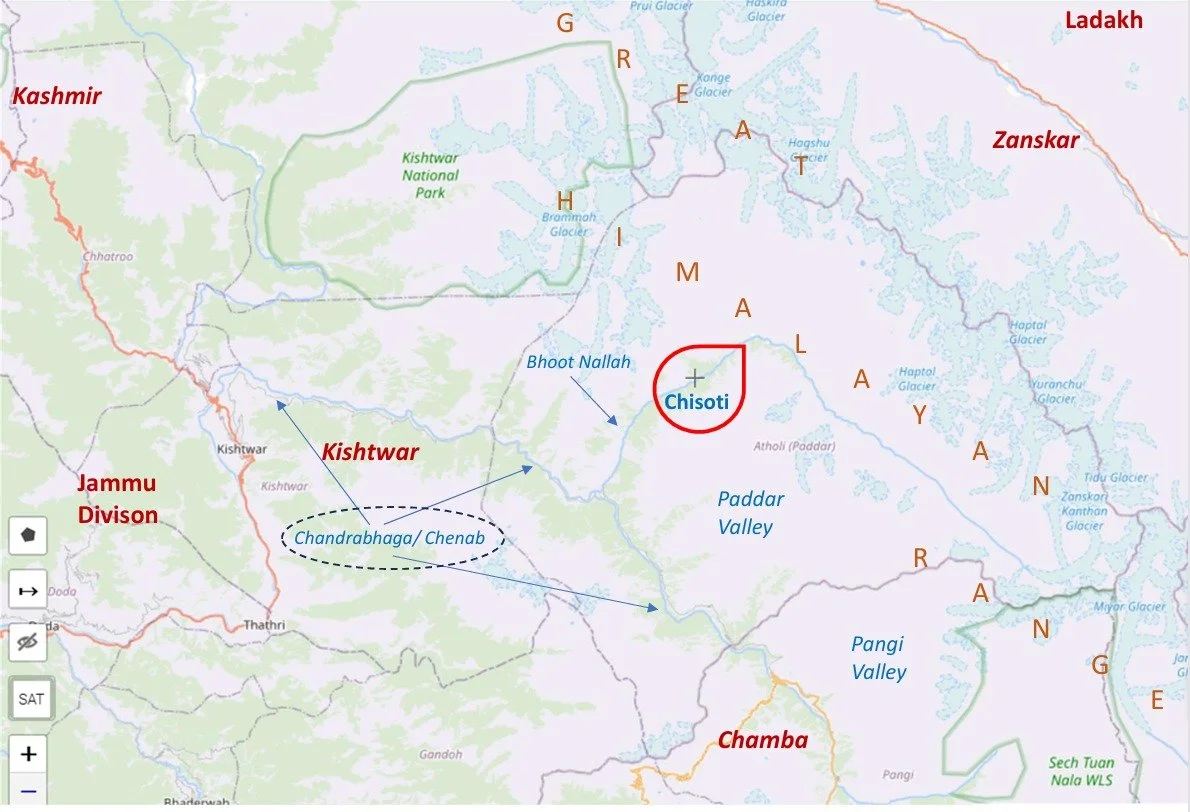



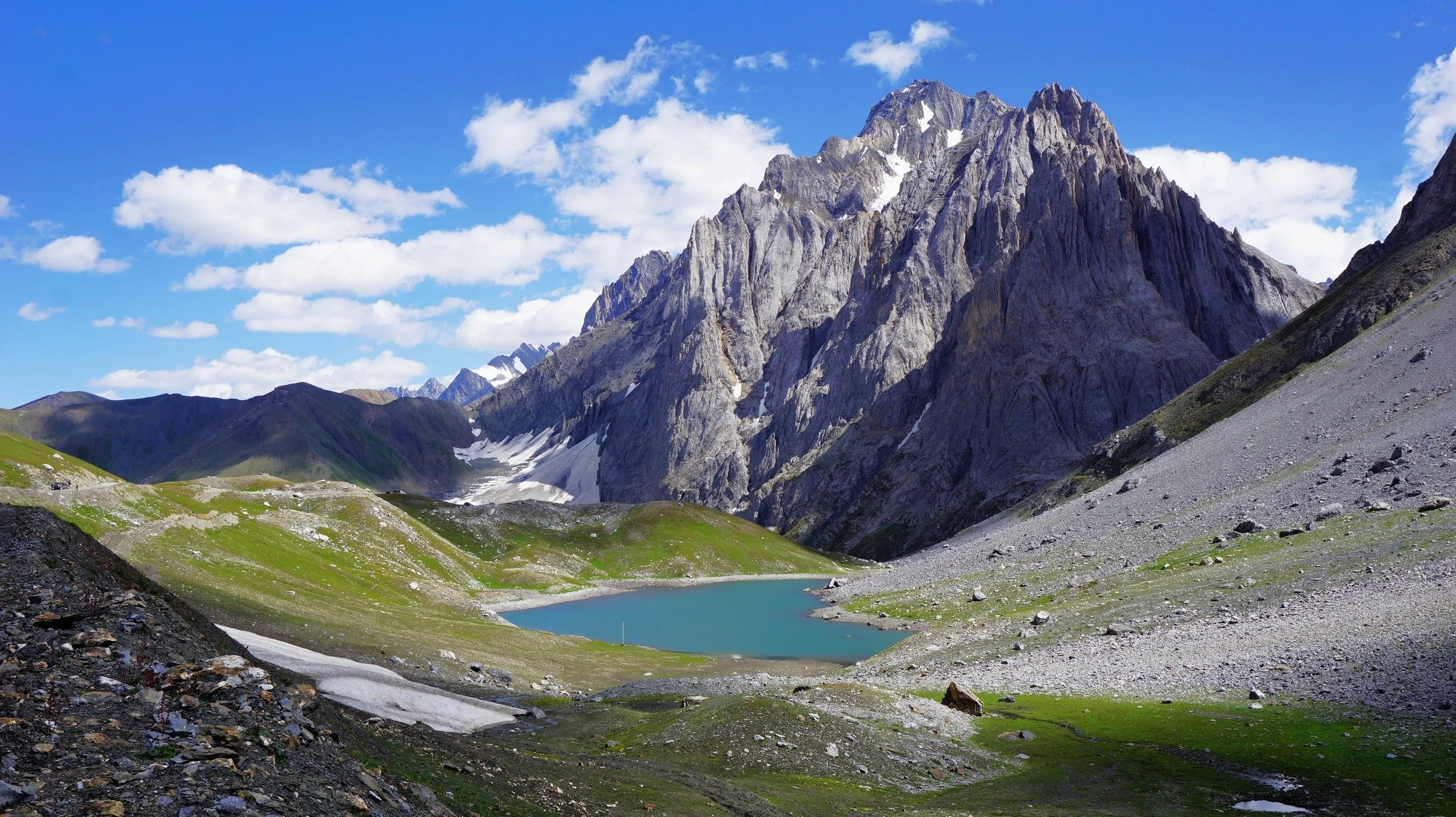
Five years ago the Galwan Valley was in the News for the wrong reasons after a deadly clash between the Indian and Chinese Armies in the Valley located in Ladakh lead to many deaths on the contentious Border between the two countries in wake of continued Chinese intrusions into Indian territory.
This area along the Shyok River, of which the Galwan Nallah or the Galwan River which forms the Galwan Valley has been off limits to Civilians since long but now the Indian Government has decided to open up the area for Civilians and we were amongst the First Civilians to venture into this beautifully desolate part of the Eastern Karakorams in Ladakh. Earlier Civilians could only venture upto the Village of Shyok from where the Shyok River takes a U turn and flows in a Northerly direction.