
Roerich Himalaya
And I'm a happy man today. As I just received my copy of the original limited edition (No.217 of 500 copies) Roerich Himalaya published in 1926. It contains writings and lithographs with 24 Colorplates and 78 Halftones of the paintings by Nicholas Roerich.
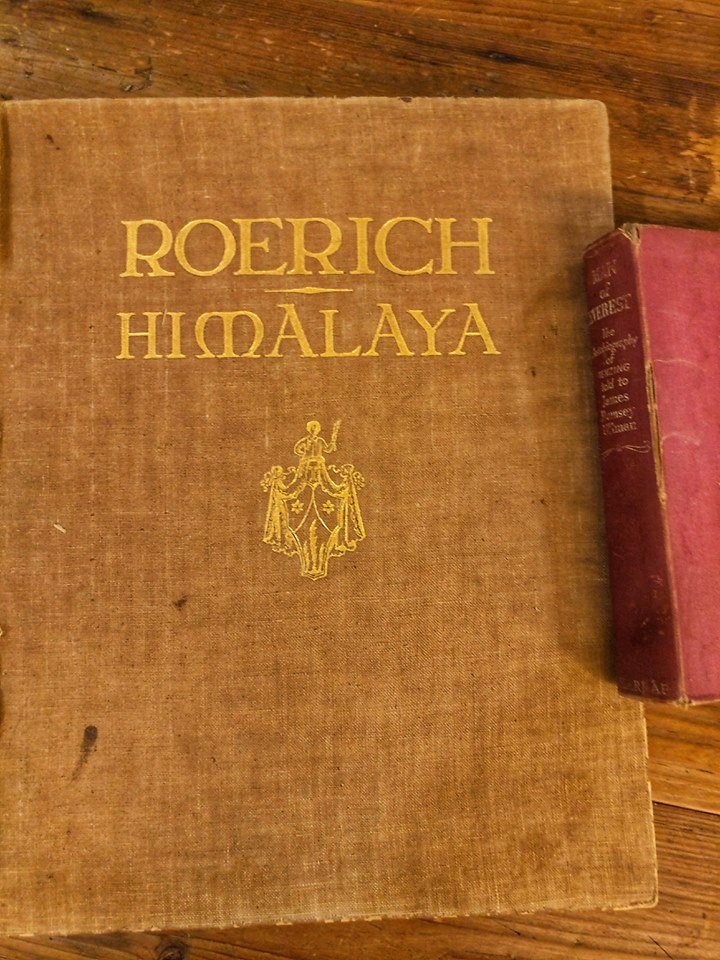
Roerich Himalaya
And I'm a happy man today. As I just received my copy of the original limited edition (No.217 of 500 copies) Roerich Himalaya published in 1926. It contains writings and lithographs with 24 Colorplates and 78 Halftones of the paintings by Nicholas Roerich.
A lady had offered this book on sale in the Himalayan Club and I was the first one who took on the offer. Let me clarify that as an Admin I didn't approve and it was approved by another Admin and the moment I saw it I asked for this masterpiece.
It was apparently owned by a Russian lady who was in South Africa and it got passed on to the Lady who put it up for sale. And finally a deal was struck and the courier arrived today at my place all the way from Knysna, South Africa.
And its a big heavy book just the way I like it.
And soney pe suhaga as they say as I picked up an original 1955 edition of Man of Everest : The Autobiography of Tenzing as told to James Ullman from my father in laws collection of books last week.
The small start to what I hope would be one day be a good collection of vintage Himalayan books.
Kiki’s Blog
Stories from the Himalayas
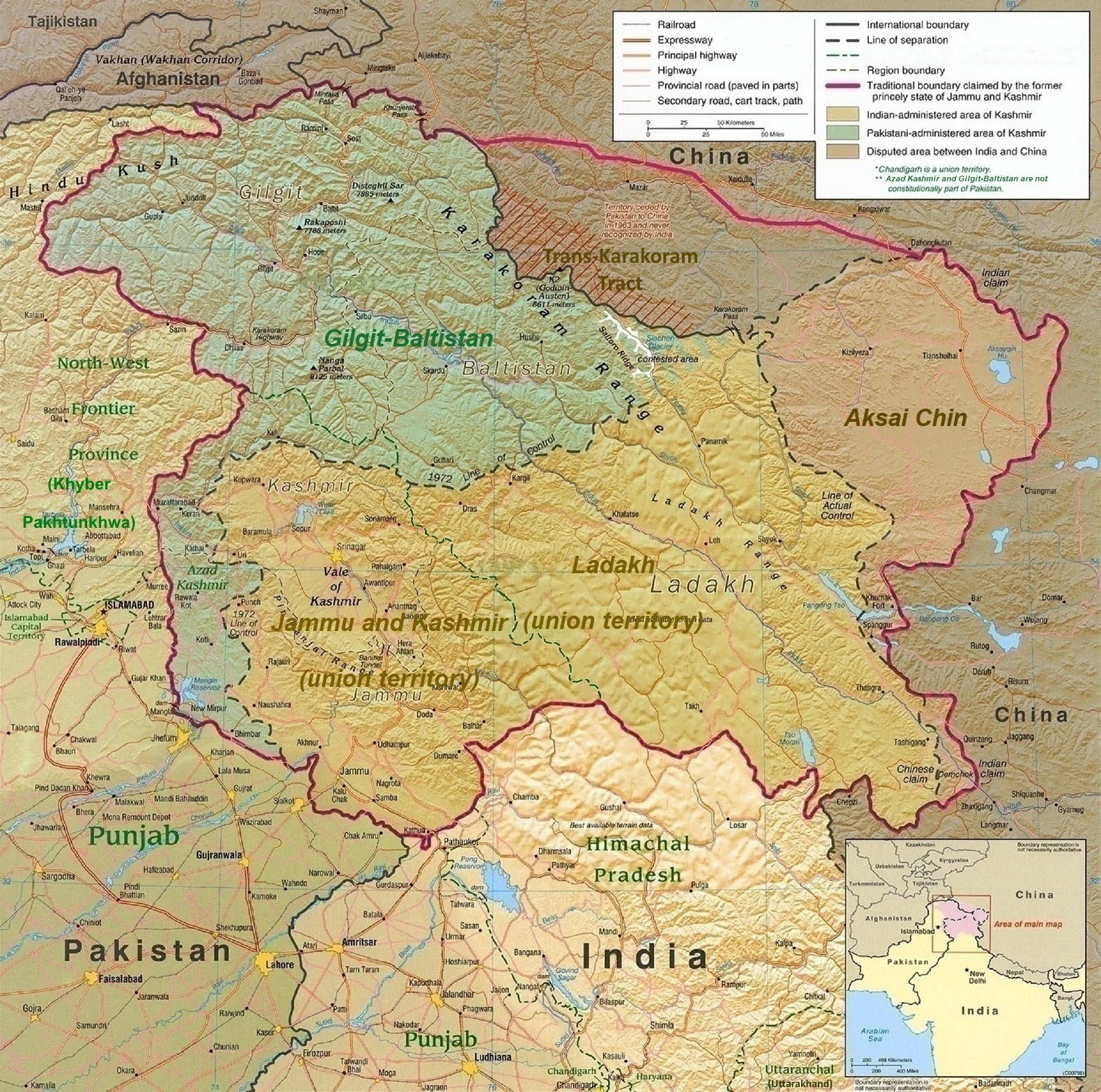



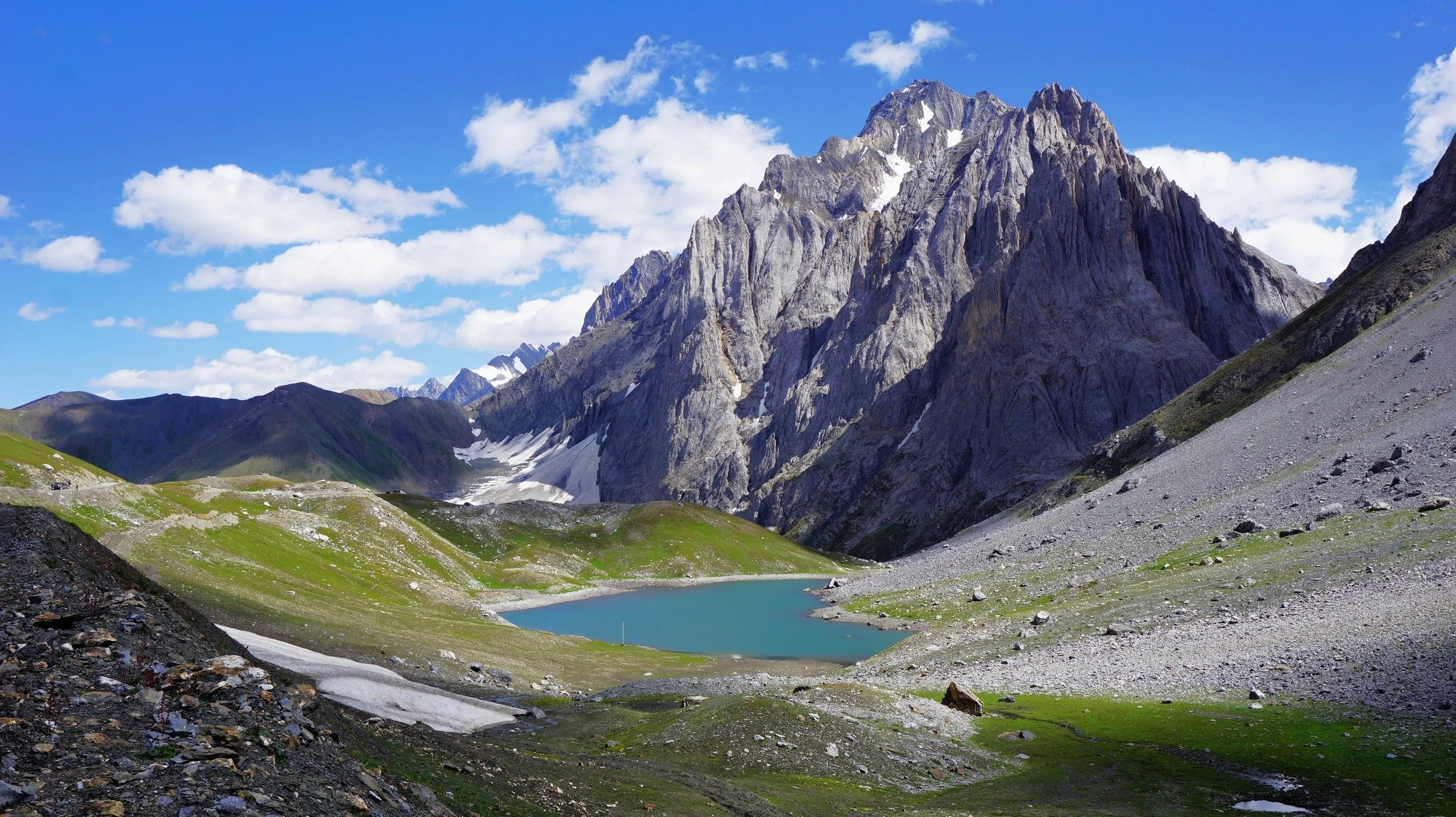
Five years ago the Galwan Valley was in the News for the wrong reasons after a deadly clash between the Indian and Chinese Armies in the Valley located in Ladakh lead to many deaths on the contentious Border between the two countries in wake of continued Chinese intrusions into Indian territory.
This area along the Shyok River, of which the Galwan Nallah or the Galwan River which forms the Galwan Valley has been off limits to Civilians since long but now the Indian Government has decided to open up the area for Civilians and we were amongst the First Civilians to venture into this beautifully desolate part of the Eastern Karakorams in Ladakh. Earlier Civilians could only venture upto the Village of Shyok from where the Shyok River takes a U turn and flows in a Northerly direction.