
Roerich Himalaya
And I'm a happy man today. As I just received my copy of the original limited edition (No.217 of 500 copies) Roerich Himalaya published in 1926. It contains writings and lithographs with 24 Colorplates and 78 Halftones of the paintings by Nicholas Roerich.
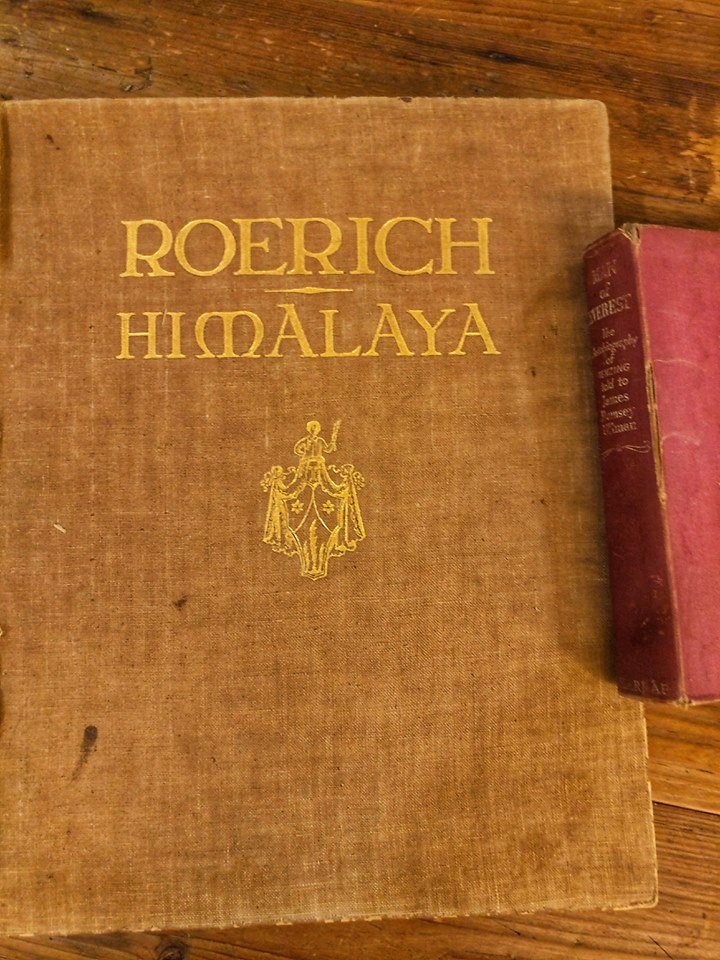
Roerich Himalaya
And I'm a happy man today. As I just received my copy of the original limited edition (No.217 of 500 copies) Roerich Himalaya published in 1926. It contains writings and lithographs with 24 Colorplates and 78 Halftones of the paintings by Nicholas Roerich.
A lady had offered this book on sale in the Himalayan Club and I was the first one who took on the offer. Let me clarify that as an Admin I didn't approve and it was approved by another Admin and the moment I saw it I asked for this masterpiece.
It was apparently owned by a Russian lady who was in South Africa and it got passed on to the Lady who put it up for sale. And finally a deal was struck and the courier arrived today at my place all the way from Knysna, South Africa.
And its a big heavy book just the way I like it.
And soney pe suhaga as they say as I picked up an original 1955 edition of Man of Everest : The Autobiography of Tenzing as told to James Ullman from my father in laws collection of books last week.
The small start to what I hope would be one day be a good collection of vintage Himalayan books.
Thakur of Gondla
Roerich did a series of paintings on Lahul, which included a painting on the Rohtang Pass, the Chandra River, Koksar and Gundhla. I have come across three different paintings of his on Gundhla. Maybe the Tower of Gundhla was the thing that excited him. In all three paintings on Gundhla the Tower figures prominently. I'm posting two of his paintings from Gundhla, a part of the Lahul series. As per his own writings Roerich was astounded on seeing the ancient castle of the Thakur of Gundla. The Gondhla Fort is the only existing Fort in Lahaul today and is under ASI protection now.

The Thakur of Gondla
Roerich did a series of paintings on Lahul, which included a painting on the Rohtang Pass, the Chandra River, Koksar and Gundhla. I have come across three different paintings of his on Gundhla. Maybe the Tower of Gundhla was the thing that excited him. In all three paintings on Gundhla the Tower figures prominently. I'm posting two of his paintings from Gundhla, a part of the Lahul series. As per his own writings Roerich was astounded on seeing the ancient castle of the Thakur of Gundla. The Gondhla Fort is the only existing Fort in Lahaul today and is under ASI protection now.
The Roerichs while settled in Naggar spent a couple of their summer vacations in Lahaul. Roerich, besides a painter, was an explorer, archaeologist, medicinal botanist, mystic, a practitioner of the "occult" and a host of another things. Thye also set up something of a Himalayan Institute there to do extensive research on the local people, their lifestyle and their beliefs and their religion. Of course as a good "Occultist" he took great interest in the local healers, the soothsayers, the shamans, the witch doctors etc and I assume you get the drift. And of course in between all his pursuits he managed to paint and sketch and create the artworks that he is most renowned for.

In his search for Eastern mysticism Lahaul may have been perfect as it is the melting pot of Hindu and Buddhist beliefs. Both religions co-exist seemlessly into each other. The locals refer to their religion as Hindu-Bodh and it is a mixture of both great systems of belief. The two religions intertwine in a way which could be a model for any two religions to exist side by side. Lahaul is where India and Tibet meet and merge unlike at other places where one culture gives way to another.
The first time I experienced this when a close friend of mine, a Lahauli, got married in a village close to Manali. Being a part of his Baraat, when we arrived at the Bride's place, standing there to welcome the Baraat, Beau's the family, were traditional Hindu Pandits and Lamas from the local Monastery as well as from Lahaul. Both did their rituals and the Baraatis were welcomed. During the
marriage ceremony both the Pandits and the Lamas sat together doing whatever they are supposed to do. It was in short a beautiful sight. Needs to be witnessed to get that feeling of how we can all coexist in perfect harmony.
And yes, this friend of mine was getting married to the daughter of the present Thakur of, where else, but Gondla. This was almost 8 years back. More recently my friends brother in law got married. The heir apparent to the Gondla Thakurai. And I happened the meet the Thakurji himself. It was only now that my friend told me about him and his connection to Gondla. I had previously posted a picture of the Dham I had attended for the same. I wish I had time to sit down with him but he was busy. But as they say there is always a next time.
The Tower of Gondla still exists in all its glory in Lahaul.
Do have a look next time in Lahaul. If it excited the Master so much I'm sure it will be worth the effort.
And if you happen to have pics of the same please post in the comments.
Altai Himalayas
Altai Himalaya is a great Book by Nikolai Roerich about his Journey through high Asia.

Roerich's Altai Himalayas
Another addition to my antique Himalayan Books collection. This time another one from Roerich called the Altai Himalaya.
This is a Travel Diary of Nicholas Roerich and includes 21 reproductions from his paintings.
In Roerich's own words which came in the form of a Telegram which came on May 24, 1928 :
"Roerich American Expedition after many hardships has reached the Himalayas.Thus ended the big Central Asiatic Expedition. Many artistic and scientific results. Already sent several series of paintings to New York. Hope last sending from Mongolia safely reached you. Many observations regarding Buddhism.
Expedition started in 1924 from Sikhim through Punjab, Kashmir, Ladak, Karakorum, Khotan,Kashgar, Karashahr, Urumchi, Irtysh, Altai Mountains, Oyrot regions, Mongolia, Central Gobi, Kansu, Tsaidam and Tibet"
In today's time and age this is probably every explorer's dream but it is impossible for anyone to do as the traditional Ladakh to Yarkand/ Kashgar route has been shut for a long time. I had done a post on that Route some time ago.
Coming back to the Book I managed to land up. Its an original 1929 print, presented by someone to a gentleman called ALH for Christmas that year. More interestingly it is signed by a Group of people who I have been trying to figure out. If someone can recognise any of these autographs it will indeed be great.
Unlike my previous Roerich antique book this one I managed to buy on E bay, The link for this Book was sent by a friend who had seen my previous Post on the Roerich book and
thought that I deserved to have this one as well.
I got it at a very neat price :) And currently Im enjoying reading it in Kashmir.
Pic from yesterday. Srinagar, Kashmir
Kiki’s Blog
Stories from the Himalayas
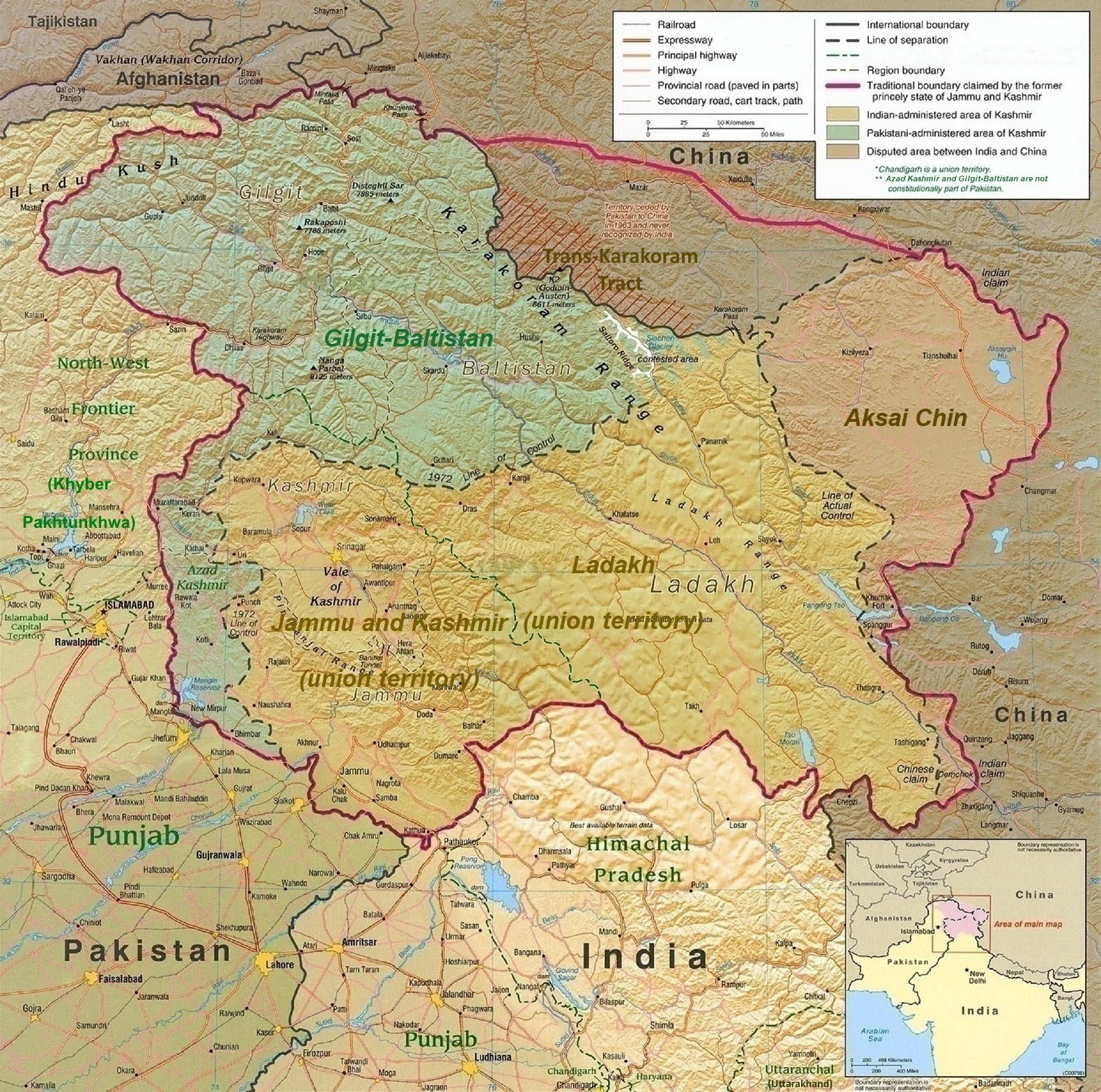



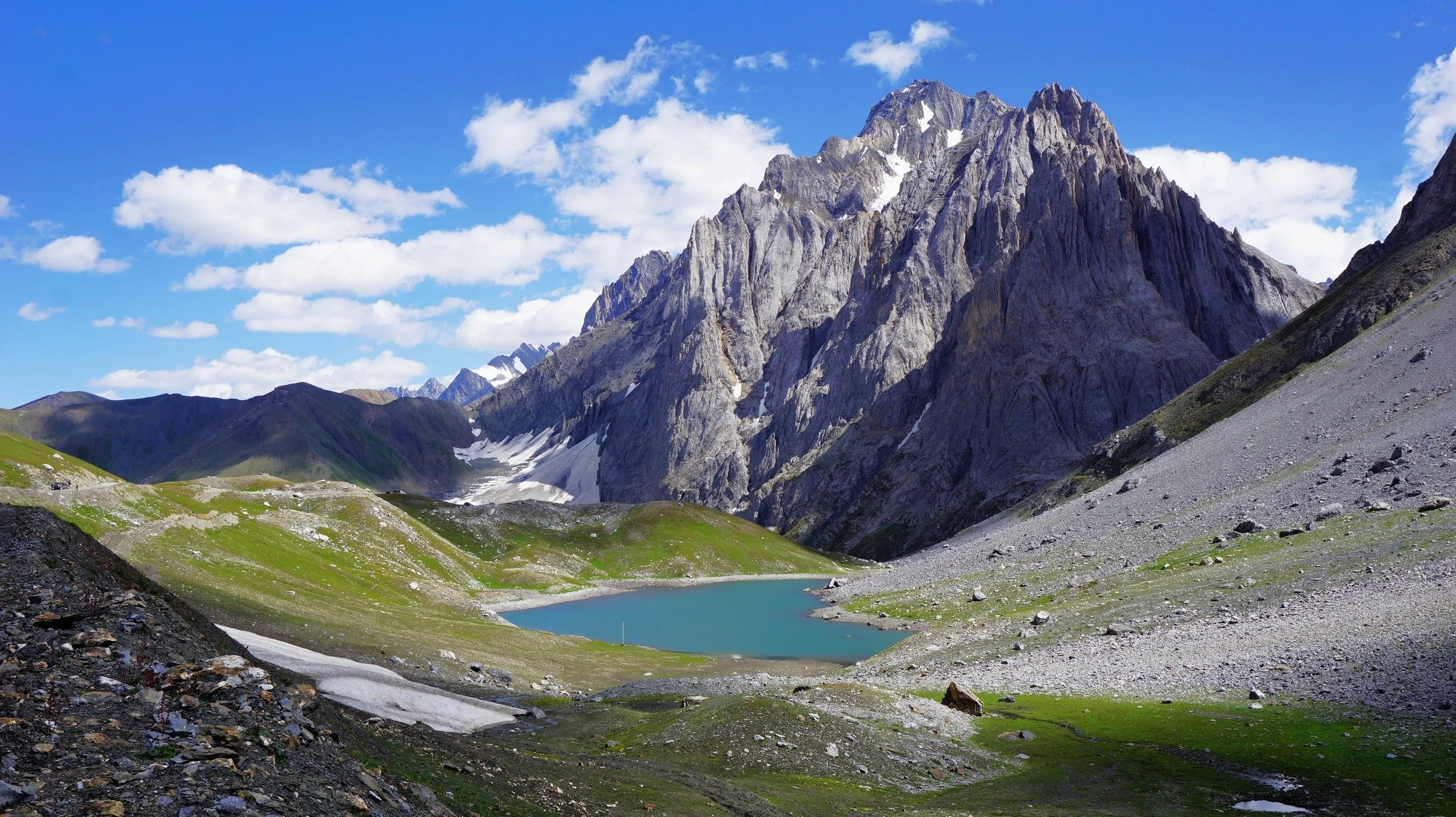
Five years ago the Galwan Valley was in the News for the wrong reasons after a deadly clash between the Indian and Chinese Armies in the Valley located in Ladakh lead to many deaths on the contentious Border between the two countries in wake of continued Chinese intrusions into Indian territory.
This area along the Shyok River, of which the Galwan Nallah or the Galwan River which forms the Galwan Valley has been off limits to Civilians since long but now the Indian Government has decided to open up the area for Civilians and we were amongst the First Civilians to venture into this beautifully desolate part of the Eastern Karakorams in Ladakh. Earlier Civilians could only venture upto the Village of Shyok from where the Shyok River takes a U turn and flows in a Northerly direction.