
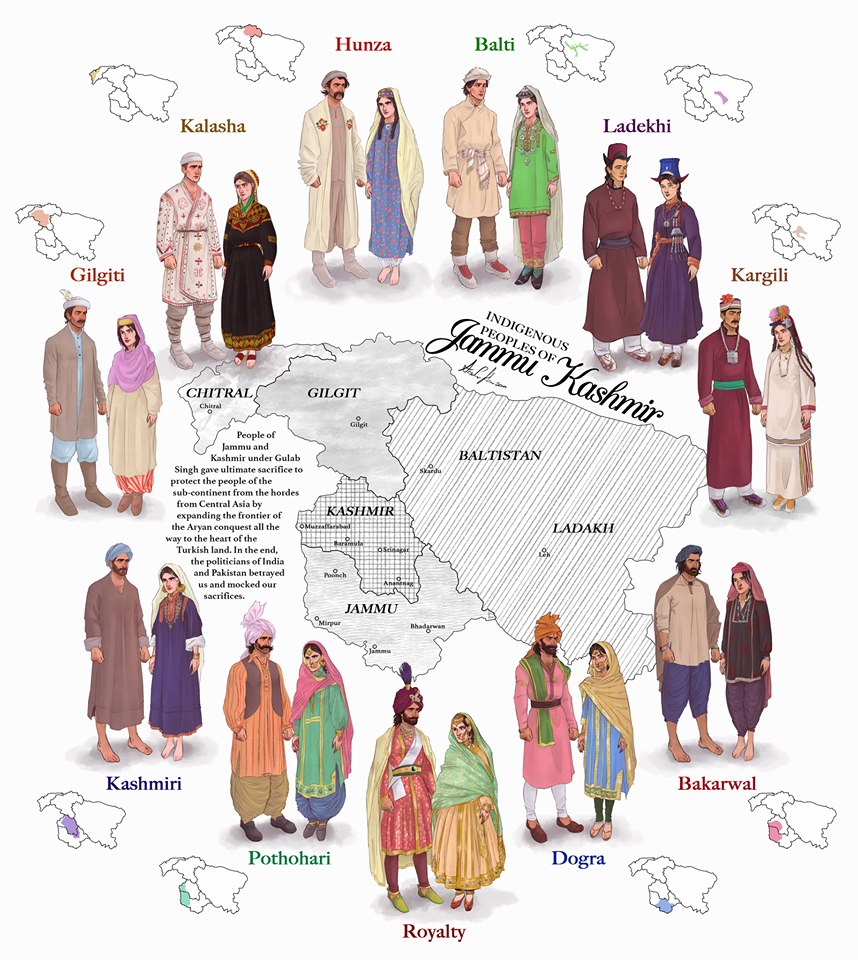
The Indigenous People of Jammu and Kashmir
The erstwhile State of Jammu and Kashmir was one of the most diverse State in the country in Ethnic, Religious and Lingual dimensions. The main "People" of Jammu and Kashmir and its different regions are briefly described in this Article.
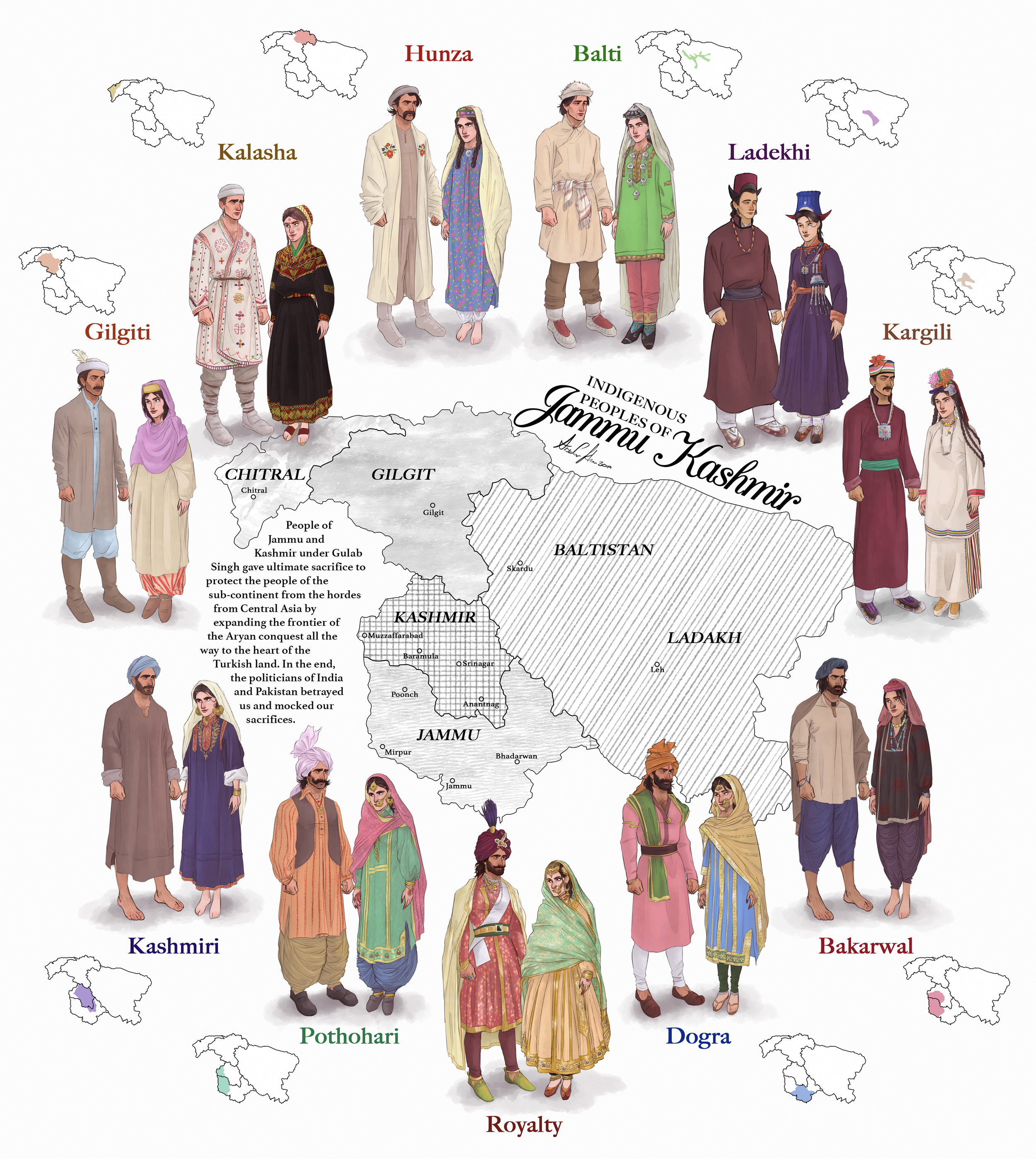
The Indigenous People of Erstwhile State of Jammu and Kashmir.
This is a graphical representation of the people of Jammu and Kashmir made by Arsalan Khan and Rajja Sourav Singh Sarmal. A brief description of each by me to help in better understanding (Clockwise from top) :

Hunza (Burusho) Ladies. Pic credit Wikipedia
The Hunza : The Hunza or the Burusho people inhabit the Hunza Valley and neighboring Valleys in the extreme North of the state. They speak the Burushaski language which as a language has not been identified with any language Group. The Hunzai now mostly follow different schools of Islam.
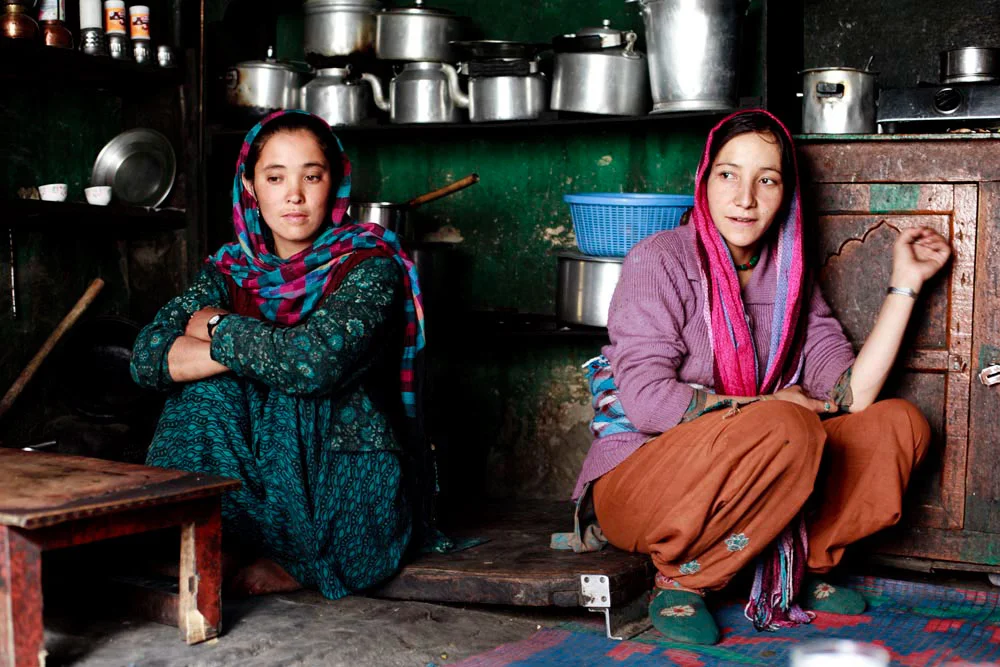
Balti Ladies. Pic Courtesy : https://www.behance.net/gallery/12289037/The-Balti-People-of-India
The Baltis : The Baltis are the inhabitants of the Baltistan and are of Tibetan origin with Dardic admix. Their language is Balti, which is a part of the Tibetan language Group. Infact it has the greatest similarity to old Tibetan. The Baltis follow Islam.

A :Ladakhi Lady in traditional Dress. Pic Courtesy Jimmy Nelson
The Ladakhis : The Ladakhis are the inhabitants of the Ladakh region and are of Tibetan descent. The Ladakhi language is from the Tibetan family. Ladakhis are Buddhists as well as Muslim.

Ladies in Kargil. Pic Courtesy Roots Ladakh
The Kargilis : The Kargilis or the Purigpas as they are called inhabit the Western part of Ladakh at the crossroads with Baltistan and Kashmir. Their language Purigi is a dialect of Balti and as such they are also a part of the Tibetan family. Purigis are mostly Muslim.

Bakarwal Men
The Bakarwals : The Bakarwals and their close cousins the Gujjars are traditionally nomadic pastoral people who inhabited the foothills of the Himalayas and moved to the Mountains in the Summers with their livestock. They (Gujjars/ Bakarwals) form the majority in the Poonch Rajouri region and spread among the Jammu Division and in Kashmir as well. They follow Islam.

Maharaja Ranbir Singh, the Dogra Ruler of Jammu and Kashmir state during who’s Rule the Dogra Kingdom reached it largest extent and also included Chitral
The Dogras : The traditional dwellers of the Jammu region or the “Duggar” as the region was known. They live in the foothills of Jammu and are spread into Himachal Pradesh as well. The Dogras speak the Dogri language which is from the Western Pahari Group of languages. The Dogras are mostly Hindu though a significant number converted to Islam and were referred to as Chibalis.
The Potohari : The Potohari/ Pahari are the most Punjabic people of Jammu and Kashmir and live across the Potohar Plateau which stretches well beyond Rawalpindi. They are in sizeable numbers in Poonch. Their language Pahari-Pothwari belongs to the Lhanda Family of Punjabi. They are majorly Muslim but there is a strong Hindu minority as well.
The Kashmiri : The people of the Kashmir area found mostly in the Kashmir Valley. They are the biggest Indegenous Group of people in the state. They speak Kashmiri language which belongs to the Dardic family of languages. Kashmiris are mostly Muslim though a small minority of Kashmiri Hindus also exists.

Dard - Shina People in Kargil
The Gilgiti : The Gilgiti or the Dards are the inhabitants of the vast Gilgit Valley in the North West of the state. They speak the Shina language. They (Dards) are also found in other areas of the state like Gurez and Drass where they have said to have migrated from Gilgit. They follow Islam though a few follow Buddhism as well in Ladakh.
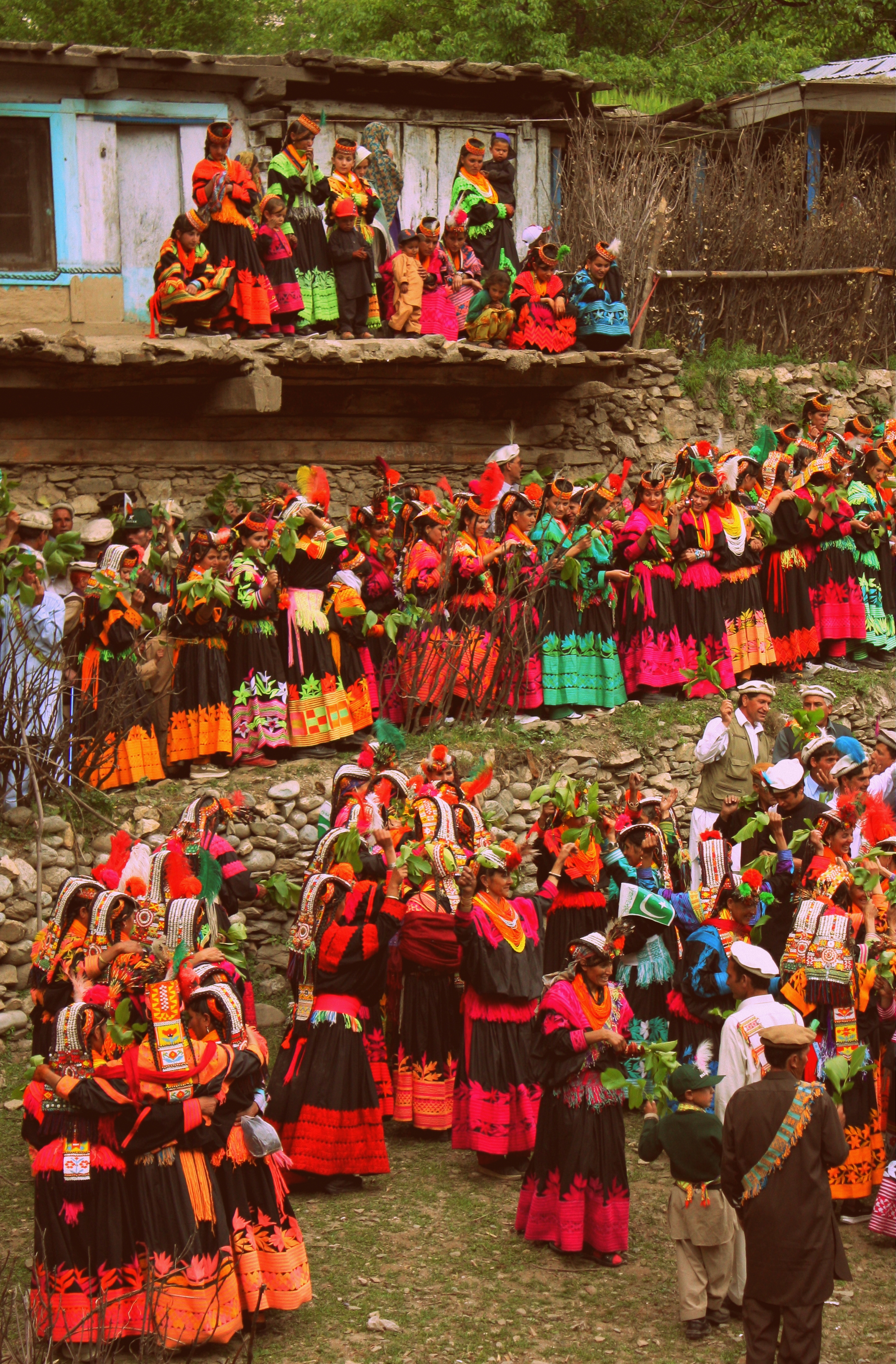
Kalash People during the Chillam Joshi Festiva. Pic Courtesy Wikipedia
The Kalash : The Kalash inhabit three Valleys in the Chitral Region now in KPK though at one time the Chitral Kingdom paid tribute to the Kingdom of Jammu and Kashmir. The Kalsha speak the Kalasha language which is a part of the Dardic family of languages. They have a distinct culture which has been under threat. Most Kalasha have converted to islam though a small number (3000 app) still follow traditional Animist beliefs.
Hi Res of Graphic can be downloaded from the link in the first comment.
Mahasu Temple Hanol
Mahasu Devta is the main Devta / Deity of the people living in the Jaunsar Bawar region of Uttarakhand as well as in the neighboring districts of Himachal Pradesh. The main Temple to Mahasu Devta is located in Hanol in Uttrakhand close to the border with Himachal Pradesh. Interestingly Mahsu Devta has a Kashmiri connection. We explore.

One little thing has always struck me since childhood. In the Western Himalayas there are a lot of places connected with Hindu mythology and the Mahabharata to be particular. And out of the Mahabharata about the Pandavas and the time spent in “Vanvas”. Any and every place had something or the other to do with the Pandavas. So it seemed everything which couldn't be explained or attributed to someone was made a part of the Pandavas vanvas. All this sounded nice and dandy till the time you don't put your mind to it. And then I thought how could they be at all these places at the same time ? And then I asked myself who were the Pandavas. Well they were a part of the Epic. But these places do exist for real and they must be someone’s handiwork. And looking deeper a pattern emerged. Of course at that time no one really questioned the authenticity of these claims. Most will not even now. But I have the right to know who built the “Pandava Temple”, who made the Horses at Ghoda Gali attributed to the “Pandavas” or the countless other things that are attributed to them. Because if I keep believing the Pandava theory then it means I keep denying myself the history of the people who actually built this. And on a larger scale everything was attributed to Hindu mythology / Gods which again was a something hard for me to swallow. I guess you would have got the gist of what I am saying. Ok moving on to a more particular example.
In parts of Western Uttarakhand and Eastern Himachal Pradesh the people share reverence to a particular Devta, known as the Mahasu devta. Infact the Mahasu Devta seems to reign supreme in the Hilly/Mountainous areas between the Satluj and the Yamuna River. His domain also spreads to neighbouring areas in the lower Hills. The main stronghold of Mahasu Devta domain is the Jaunsar Bawar area in Dehradun District but Mahasu Devta is also revered in the neighbouring parts of Himachal Pradesh in Shimla and Sirmaur Districts.
I have been hearing of Mahasu Devta since I was born as my Mother's family had Apple Orchards in the Kotkhai region and we used to visit on and off. The Village where we had the Orchards came under the purview of a bigger Village known as Mahasu. Infact during the older times the whole belt of Himachal from Chopal to Kotkhai to Jubbal to Rohru was known as the Mahasu District. Also in the neighbouring areas of Uttarakhand especially the Jaunsar Bawar region also Mahasu Devta was the one of the main deities. Infact one of the main Temples of Mahasu Devta lies in Hanol which is in Uttarakhand adjacent to the border with Himachal Pradesh. Infact its now the Jaunsar Bawar Region that is considered the stronghold of Mahasu Devta.
Mahasu Devta now holds precedence over all the other local Gods and Goddesses and is the the supreme Lord of the Region. As per the legend there are four main Deities and Mahasu Devta is the numero uno. It is said that Lord Shiva’s son Kartik is personified by the four Mahasu deities, who are brothers, as Botha Mahasu, Bashik Mahasu, Pavashi Mahasu and Chalda Mahasu. Out of all the four the most important one if Botha Mahasu or simple referred to as the Mahasu Devta. Of course in the present time all the Devi Devatas are connected with Hindu mythology and their actual origin has gone into obscurity.
Moving away from the mythological account, as per some accounts the name Mahasu is a derivation of the word Mahashiv and and it came along when Shaivism was introduced in the region. Infact the deity worshipped as Mahasu Devta at Hanol is still actually a Buddha in a seated position. This points out to the fact that Buddhism was prevalent in the Ref]gion before the Shiva cult came in and a majority of the people turned to worship him. This was a continuation of the same events that took place in Kashmir. Infact it is said that it was a Brahmin from Kashmir, Huna Bhat who introduced Mahasu Devta in this area. It is said that the Brahmin was earlier serving the ruler of Kashmir at that time, Mihirakula who was an avid Shivite. Now Mihirakula who was an Alchon Hun (or Svet Huna / White Huns) , was deemed to be very cruel and destructive towards Buddhism and he is supposed to have destroyed many Buddhist Temples and icons. The Alchon Huns had themselves come down from Central Asia and conquered the Gandhar and the Kashmir region and even carried on their conquests in the Northern Plains. Mihirkula sent emissaries to spread the cult of Shiva into other places in the Himalayas as well. And Mihirakula is detested in Buddhist text for the destruction he wrought upon the Buddhists in Kashmir and its him thought to be responsible for the eventual disappearance of Buddhism from Kashmir.
Huna Bhatt, was probably a name given to this Priest who was himself probably a Hun or of Hunnic descent. And Hanol was named after him. Think about it. A Central Asian Hun who came down from Kashmir to Garhwal and laid the foundation of one of the most revered Devatas, Mahasu Devta and introduced the cult of Shiva.
Of course there is another tale which does rounds of how Huna Bhatt was a local Brahmin who was sent for penance into the Mountains of Kashmir and how Lord Shiva himself appeared before him and granted him….he thence returned to Hanol and set up the Temple.
What this points out to the fact that the whole of the Himalayan Region from Kashmir to Himachal to Uttarakhand was predominantly Buddhist or Animist/ Local Devta worshipping by some accounts. And to counter Buddhism and the Buddha in particular the cult of Shiva was propagated. And it helped that Shiva was shown as the God of the Mountains with his home on the mighty Kailash but the fact remains that the first time Lord Shiva or Osheo as he was called appeared in any physical form was in the First Century in a coin issued by Great Kushan Emperor Kanishka. The physical postulation of the Buddha in the form of visuals and sculptures pre-dates those of Shiva, which is a clear evidence of who came first. It would also be pertinent to point out that the name “Shiva” does not appear in the Rig Veda and it is said by some that he was called Rudra in the Rig Veda.
Anyways before ruffling more feathers let me state that the Himalayas predate “Religion” by millions of years. Religion is matter of personal belief but the Himalayas are the eternal fact. And quite a big one at that.
Disclaimer : The Vedic Religion of the Vedas is the fountainhead of Hinduism, Buddhism and Jainism. All are Vedic Religions.
And I quote the Rig Veda Hymn 10:129
"But, after all, who knows, and who can say
Whence it all came, and how creation happened?
the devas (gods) themselves are later than creation,
so who knows truly whence it has arisen?"
This is what I believe in.

Humans of the Himalayas : The Wakhi People
Living literally on the Roof of the World or the Bam-I-Duniya are the Wakhi people, who predominantly live in the Wakhan Corridor, the narrow strip of Afghan territory that traditionally separated the British Empire from Tsarist Russia in days of the old. Also called the Khik at present they live in the Wakhan of today's Badakhshan region located in northeastern Afghanistan and southeastern Tajikistan.
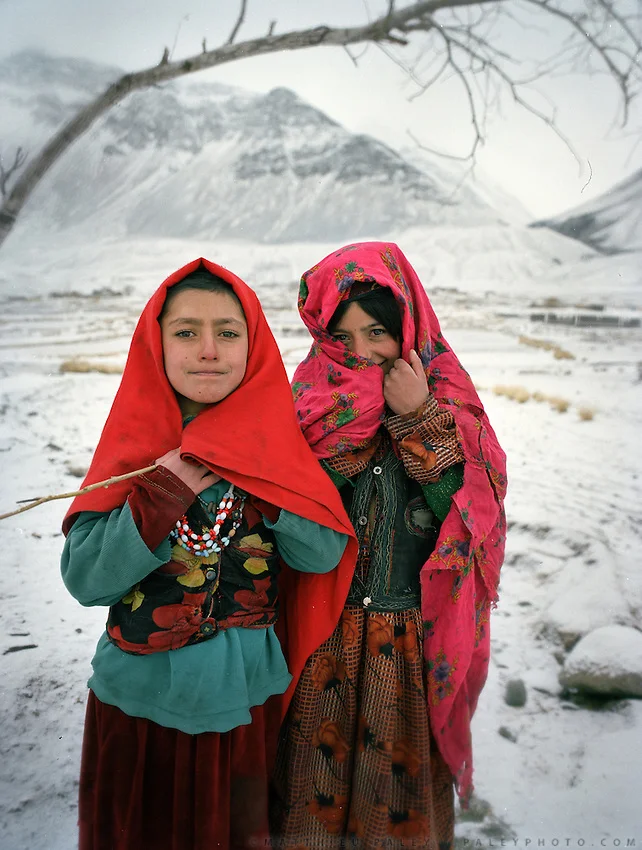
Wakhi Girls
Humans of the Himalayas : The Wakhis
Living literally on the Roof of the World or the Bam-I-Duniya are the Wakhi people, who predominantly live in the Wakhan Corridor, the narrow strip of Afghan territory that traditionally separated the British Empire from Tsarist Russia in days of the old. Also called the Khik at present they live in the Wakhan of today's Badakhshan region located in northeastern Afghanistan and southeastern Tajikistan.

Traditional Wakhi Women
The Wakhan sits at the junction of three major mountain ranges, the Hindu Kush, the Himalaya/ Karakoram, and the Pamirs – what is called the Pamir Knot. The valley is carved by the Wakhan River, fed by glacial meltwater from the surrounding mountains. From the town of Ishkashim, at 2,700 meters above sea level, the valley climbs steadily eastward, eventually reaching high altitude pasture land, above 4,000 meters, along the border with China. Due to its dramatic isolation the Wakhan corridor has been spared of the war in Afghanistan and has been mostly spared of the depredations of the war. But region still exists in a time warp due to the same isolation.

A Wakhi Family
The Wakhi are a Persian people as such of Tajik ancestry. The Wakhi speak the Wakhi language, which is a Indo-European language of the Iranian branch of the language family, distantly related to Persian Tajiks, and are Ismailis, a progressive branch of Shia Islam that eschews many conventional Muslim practices. They do not fast during Ramadan, for example, which is uncommon elsewhere in Afghanistan. The Wakhi practice combined mountain agriculture, growing wheat, barley, potatoes, beans, and peas in the valley, and herding their yak, sheep, and goat to high-altitude pastures above 4,000 meters during the summer. Their homes are made of stone and mud-plastered walls that are scattered around the valley floor around irrigated mountain oases. Those Wakhi that bring their animals to the high pastures live in nomadic yak-fur tents during the summer.
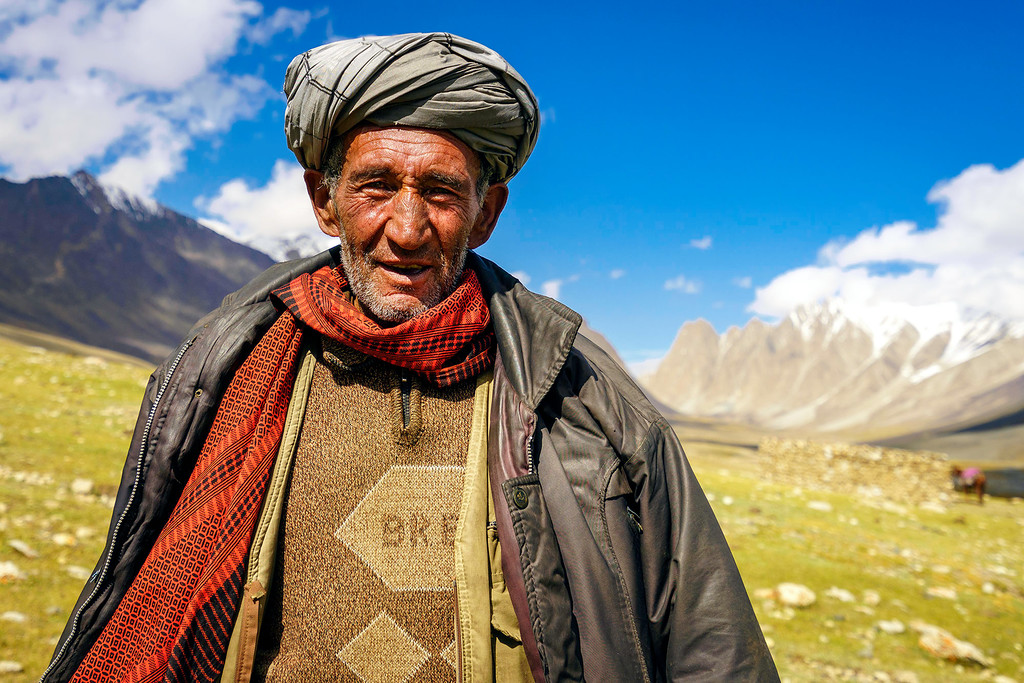
A Wakhi Chief
The Wakhi language belongs to the southern group of the Pamir languages, in the Iranian group of the Indo-European family of languages, where the different Ishkashmi and Wakhi languages are included. The Wakhi language, rich in archaisms, differs considerably from the Pamir languages, and generally from the southeastern group of Iranian languages, having certain common characteristics with the Indian languages. Although divided by borders, the Wakhi language is still very much the same, and dialectal differences are not great.
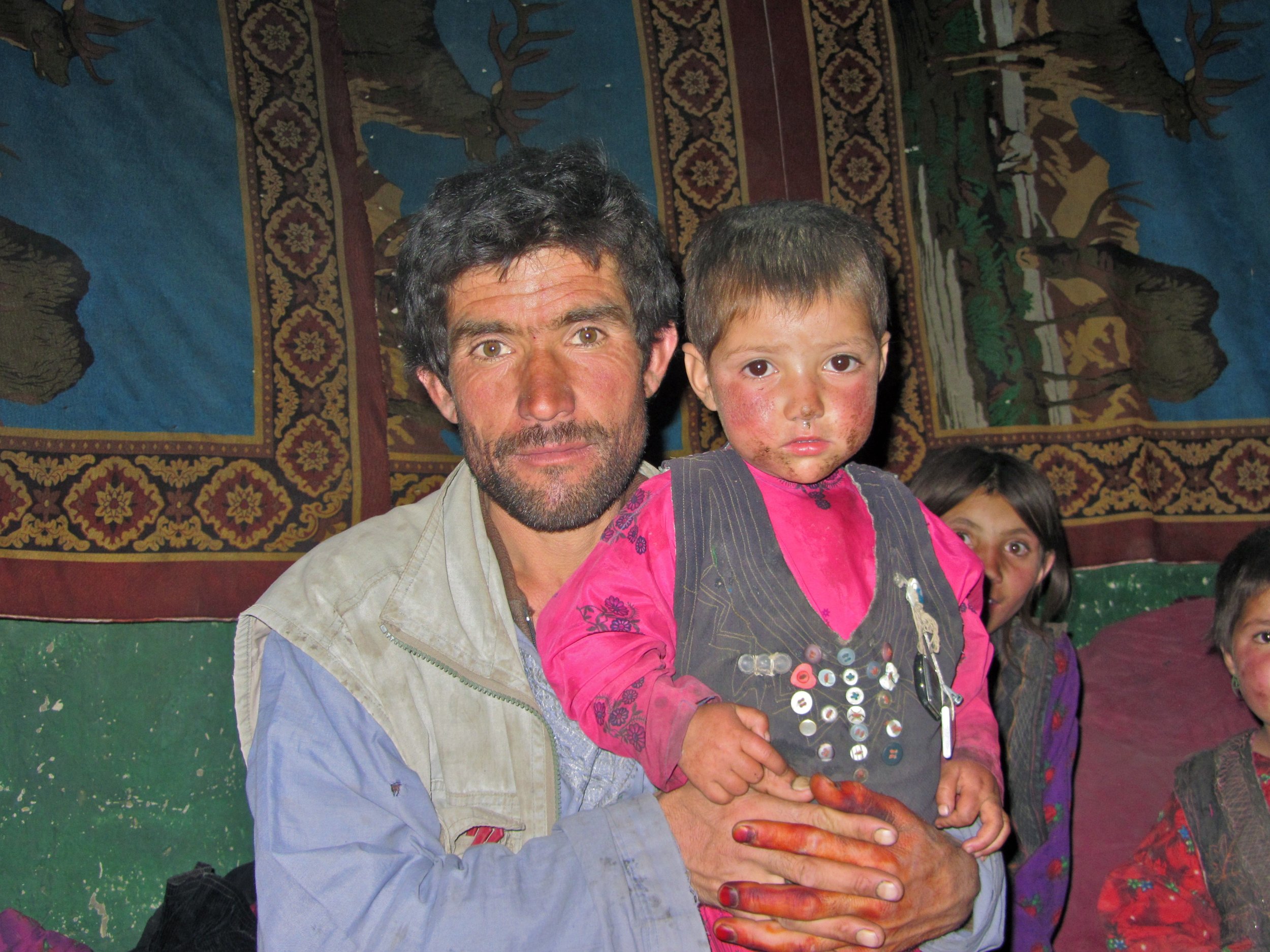
A Wakhi Father and son
The language of mutual communication, and the written language, for the Ismaelites of the small nations of Pamir has been the Tajik language. The Wakhi oral tradition is also bilingual (Wakhi and Tajik). On the Upper Wakhandarya, there are noticeable Turkic influences in place-names. Wakhi-Kirgiz contacts are maintained even today. Many Wakhs also speak the Shugni language. The Wakhi folksong bul’bulik is principally a women’s song, it is sung on the summer pastures. Before the establishment of the Soviet regime, the Wakhs were almost totally illiterate. Nowadays, schooling is obligatory for everyone. The language for schooling is, without exception, Tadzhik, which places Wakhi in a passive role and accelerates the disintegration of the language. In domestic situation, however, Wakhi is still preferred, whatever the subject, although most Wakhs speak Tadzhik quite fluently.

A Group of Wakhi Men
Besides the Wakhan Corridor there are smaller pockets of Wakhis who inhabit the higher reaches of the Hunza Valley in Gilgit Baltistan, Chiral in Khyber Pakhtunkhwa, in Tajikistan across the Pamirs, southern Xinijiang in China, some in Russia and even a few odd Wakhi villages in Turkey. As per the present estimate the total number of Wakhi people would be around 70,000 to 100,000.
In China along with the Sarikoli people the Wakhi are termed as the “Tajik” minority. In Afghanistan, they are officially called "Pamiris". In Tajikistan, the Wakhi are recognized by the state as "Tajiks", but they still self-identify as "Pamiris". In Pakistan, they refer to themselves as "Pamiris" or "Gujali".

Wakhi Old Women
When the Persians and Tartars subjugated the areas north of the Hindukush in the 12th century the southern valleys of the Hindukush gained a distinct identity under different names as Bolor, Dardistan, Tibet Gujal, Kashkar etc who were divided by the chains of mountains however the Ghalcha and Dard people living on the northern and southern side of the Hindukush have been close to each other despite the natural hurdle of the mountain chains.
Trade caravans and pilgrims from eastern Turkistan used to cross over the Kurambar Boroghil and Darwaza passes into Chitral and this caravan route served as a permanent link between these regions. Many people from Chitral crossed into Wakhan for permanent settlement. The Wakhi herdsmen usually came with their flocks to the Boroghil for summer camps. Wakhi horsemen used to visit for Polo and Buzkashi as far south as Razdan field in Torikho valley.The Wakhi art, craft and architecture occupy a distinct place in the neighboring area. There are certain festivities which mark particular occasions and vary from valley to valley. The Wakhi are fond of music Daf open drum and flute and Rabab are popularly played. Male members are responsible for farming, weaving woolen clothes. While women look after the house and cattle.

A Map of Wakhan and Pamir country
Compiled from various sources on the Net
All pics from the Net for educational purposes. In case you own the copyright for any of these and you want it removed please message me and i will remove it immediately.
Prior permission has been taken from the Admins (Other) for this series. If you think that you have a story that needs multiple pics and people pics please get in touch with the Admins.
Amarnath Yatra pics from 1920 by Ralph Stewart
Ralph Randles Stewart was an American botanist who spent a lot of time collecting Plants and taking Photographs in the Western Himalayas in the early part of the 20th century. In 1920 Ralph went on the Amarnath Yatra and took pics of the same giving us a priceless treasure and a window into how things were in these Mountains a hundred years back.

The Amarnath Cave Entrance in 1920
Amarnath Yatra Pics by Ralph Stewart in 1920
Ralph Randles Stewart was an American botanist who spent a lot of time collecting Plants and taking Photographs in the Western Himalayas in the early part of the 20th century. In his memoirs he describes his Journey in the Western Himalayas as follows
“As a fresh graduate of Columbia University in New York City … I began to lecture in Botany and Zoology in a tiny Presbyterian Mission college in Rawalpindi with only 86 students. I had a three-year appointment and not expecting to be in India again, I wondered what would be the most interesting way to spend the two summers I expected to have in the East, on a slender budget (my salary was $600 a year with a room in a dormitory).
In 1911, with four young men (two Americans, a Bengali and a Scot) who wanted an adventurous summer vacation, we decided that a good way to utilize the summer of 1912 would be to hike in Kashmir and Western Tibet (Ladak). Two of us worked in Gordon College, Rawalpindi, at the beginning of the cart road to Kashmir constructed in 1890 with a good deal of cost and difficulty. It crossed the first Himalayan Range at Jhicca Gali near Murree (2100 m), descended to the Jhelum River at Kohala and then followed the river to Srinagar, a distance of 196 miles. We had nearly three months of vacation and we left Rawalpindi at the beginning of July on our push-bikes. It was still in the horse and buggy age, just before the Model-T Fords and the buses began to carry visitors to Kashmir. Our cook and baggage traveled in a one-horse, spring less vehicle called an Ekka. I was the only botanist in the party. The other were interested in taking pictures and seeing new country.
We spent the summer in Kashmir and Ladak and I enjoyed the trip so much that I helped organize an even longer expedition for the summer of 1913. We again rode bicycles to the Kashmir Valley and again hiked to Leh, the capital of Ladak. Instead of returning to Kashmir we turned east from Leh, crossed the Rupshu plains and entered Lahul by the Baralacha Pass; left Lahul by the Rotang La, visited Kulu and then walked further east to Simla and returned home from there by train.”
In 1920 Ralph went on the Amarnath Yatra and took pics of the same giving us a priceless treasure and a window into how things were in these Mountains a hundred years back.

150 1920 To Amarnath, Kashmir by Ralph Stewart

151 1920 Amarnath cave entrance by Ralph Stewart

152 1920 Encampment of Amarnath pilgrims at Pahlgam by Ralph Stewart

154 1920 Route to Amarnath by Ralph Stewart

159 1920 Tents of pilgrims, Pahlgam, Kashmir by Ralph Stewart

160 1920 Pilgrim Camp, Pahlgam, Kashmir by Ralph Stewart

161 1920 Food shop for Amarnath pilgrims, Pahlgam, Kashmir by Ralph Stewart

165 1920 Amarnath pilgrim route, Pahlgam by Ralph Stewart

166 1920 Headquarters tent of Amarnath pilgrimage, Pahlgam, Kashmir by Ralph Stewart

167 1920 Some of the sadhus on Amarnath pilgrimage, Pahlgam, Kashmir by Ralph Stewart

169 1920 Amarnath pilgrim camp, Kashmir by Ralph Stewart.jpg
The Curious Case of the Baltis of Dehradun
The story of Balti people, originally from Baltistan, who now live in Vikas Nagar near Dehradun. They operate seasonal Dhabas in the Kargil District both in Kargil and Drass. We find out how they ended up in Dehradun
The Curious Case of the Baltis of Dehradun
On my random ramblings here and there I was in Drass and we decided have some Tea and Snacks at a Dhaba in Kargil. The guys running the Dhaba looked like almost a local but he was speaking in a strange accent to his wife. It wasnt the local accent.
Out of curiosity I asked him where he was from. He said Dehradun. I was like how did you land up here. He answered that they only stay there during the Spring/ Summers and return back to Dehradun before the onset of Winter. Ok I said.
But why here of all place. Then he told me there are Dhabas run by people from Dehradun as well and quite a lot of them. I asked again why here of all the places. There are other Hill Stations much closer to Dehradun in UK itself and you wouldnt even have to leave the state.
I then casually told him well you can pass of as a local. How come I asked ? Well we are from the same area originally he said. From Drass ? No he said. I was like OK he is not a Shina speaker so must be a Purigi speaker from Kargil or Suru. Nope he said. Then where I asked ?
Well we are originally from Baltistan but settled in Dehradun. I was like “Come again” please. I think I heard you wrong. He repeated and then the fact was revealed me to me of the story of a community of Baltis that exists in a place called Ambari in Vikasnagar near Dehradun.
Baltis are originally the inhabitants of what is now called Baltistan in Pakistan Occupied Kashmir where they are the majority.. The Baltis are of Tibetan origin with a significant Dardic admixture. In the state of Jammu and Kashmir the majority people of Kargil area as well the people in the Villages around Turtuk are also Balti.
Coming back to the Baltis of Dehradun i wondered how and why they landed up there. Also at the same time I got to know that some Baltis were also living in Shimla. And the community still exists in some form over there. And also about a smaller Balti community thats exists in Nainital and even smaller ones dotted at other places in Uttarakhand.
So as it seems in the days before Partition many people from Baltistan used to come down to the Hill Stations and lower foothills in search of work. These hardy mountain men were sought after for their great ability to carry heavy loads over rugged mountain paths. They were employed by the Armed Forces and as a general heavy load specialists. There were also a large number of them who were employed in the stone quarries in the foothills especially around Dehradun. The fact that you still find sturdy Kashmiri/ Gujjars from Kashmir still being used as heavy load specialists in Hill Stations like Shimla and Mussoorie are a testimony to this. As well as the testimony to the fact that sturdy mountain men are always in demand at our Hill Stations.
As it so happened suddenly the tragedy of Partition took place and all the Baltis who came for the area that was occupied by the Pakistani forces were now stranded in India wherever they were. The more luckier ones who hailed from the Kargil area still had a home within India when Indian forces forced te Pakistani forces out of the Kargil area which also they had occupied. That day is still celebrated in Kargi as the “Kargil Yom-e-Fateh” day on May 24 every year.
For all the Baltis that had no home to go back to as it was now under Pakistani control there was no option but to settle down at wherever they were at. The biggest settlement was at Vikas Nagar in a village called Amabari where they continue to thrive and live today as proud Indian citizens.
So next time in Dehradun do try and check these guys out and click some pics.
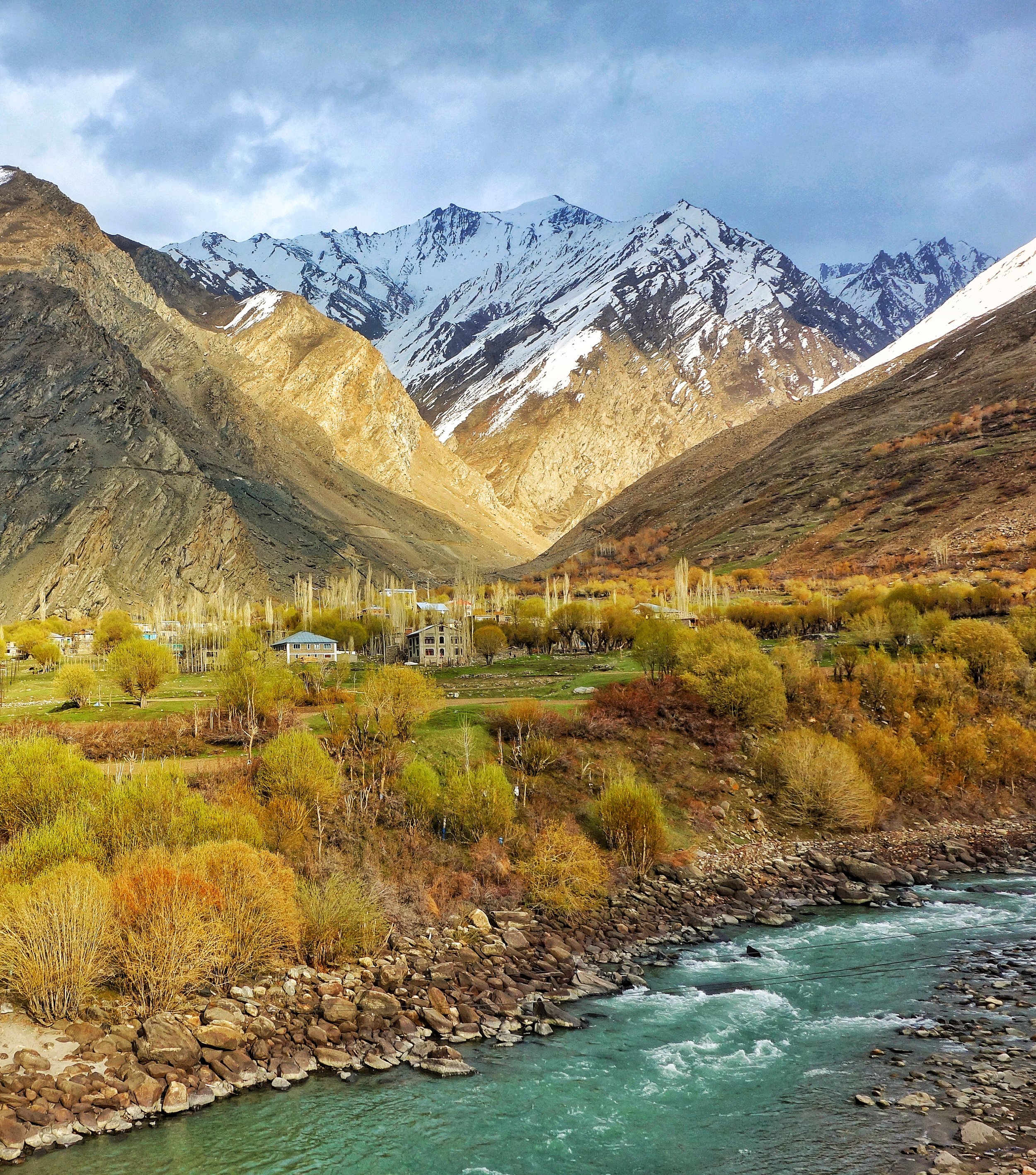
Pic from what I consider to be our part of Baltistan. The beautiful Suru Valley with vistas which match with the pics posted from Gilgit Baltistan.
Pic from April 2018. Suru Valley, Kargil District, Ladakh, Jammu and Kashmir.
Bulbulik Music School, Gojal Valley, Gilgit
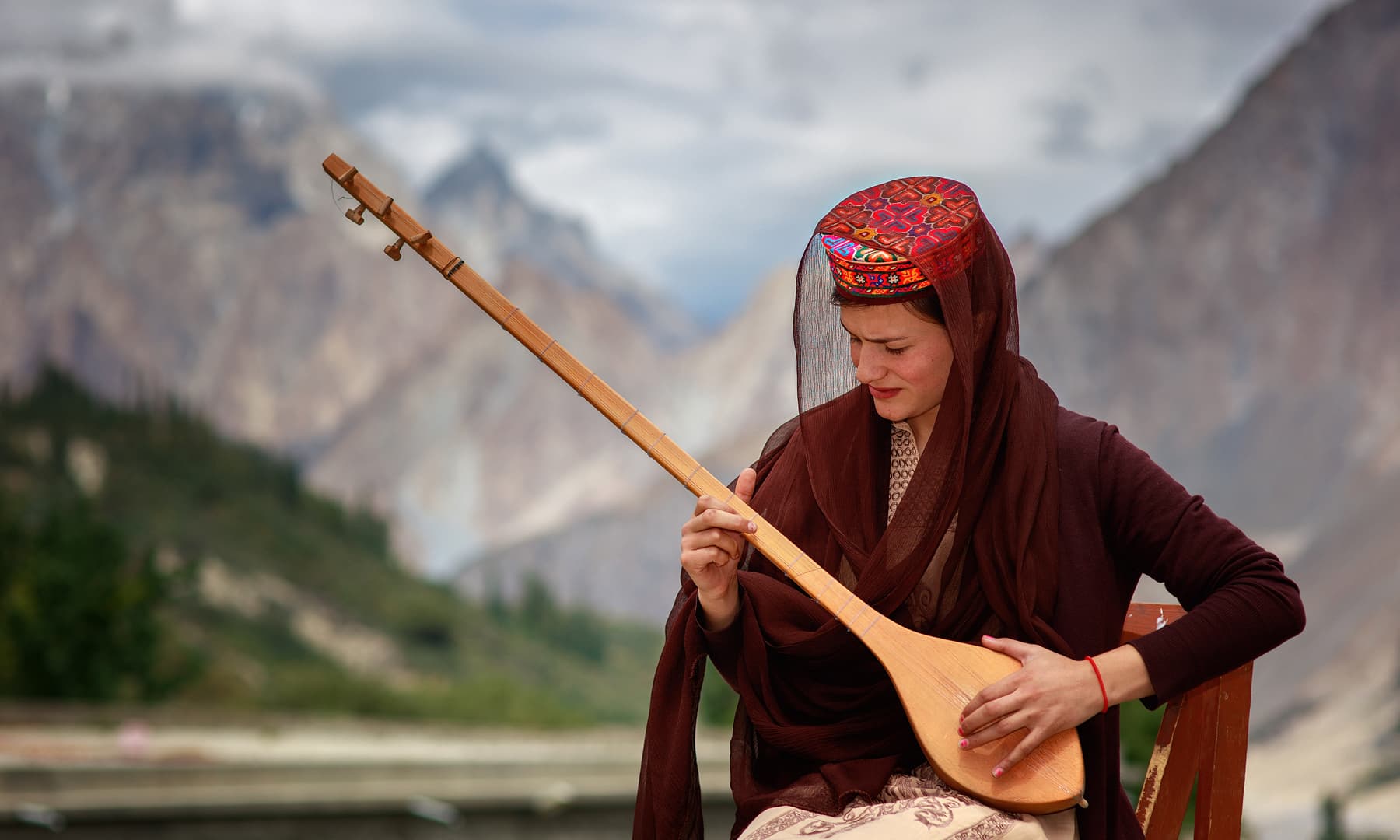
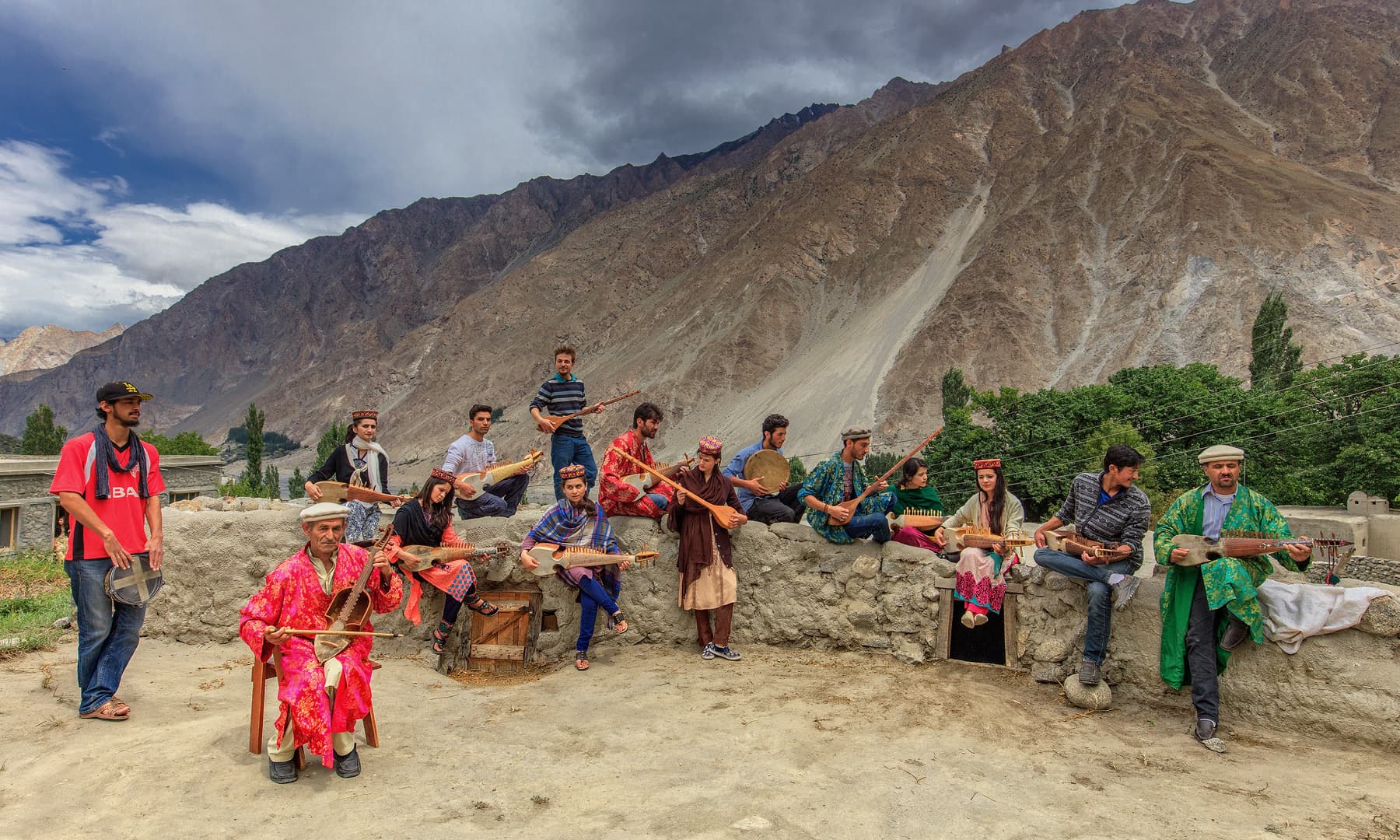
The Bulbulik Music School in Gojal Valley, Gilgit is making efforts to revive musical traditions that are on the verge of extinction. Run by Gulmit Educational and Social Welfare Society, Bubulik is named after nightingales which are frequently mentioned in Persian and Urdu poetry. The school takes its name from Wakhi folk culture known as Bulbulik. Shepherds of lowland areas sing while they travel to the highlands to send messages back home. Taken from the Dawn

Bulbulik Music School, Gojal Valley, Gilgit
Impeccably dressed in crisp white garb, black waistcoats and neatly-polished black shoes, the students of the indigenous music school Bulbulik in Gojal Valley, Gilgit is making efforts to revive musical traditions that are on the verge of extinction.
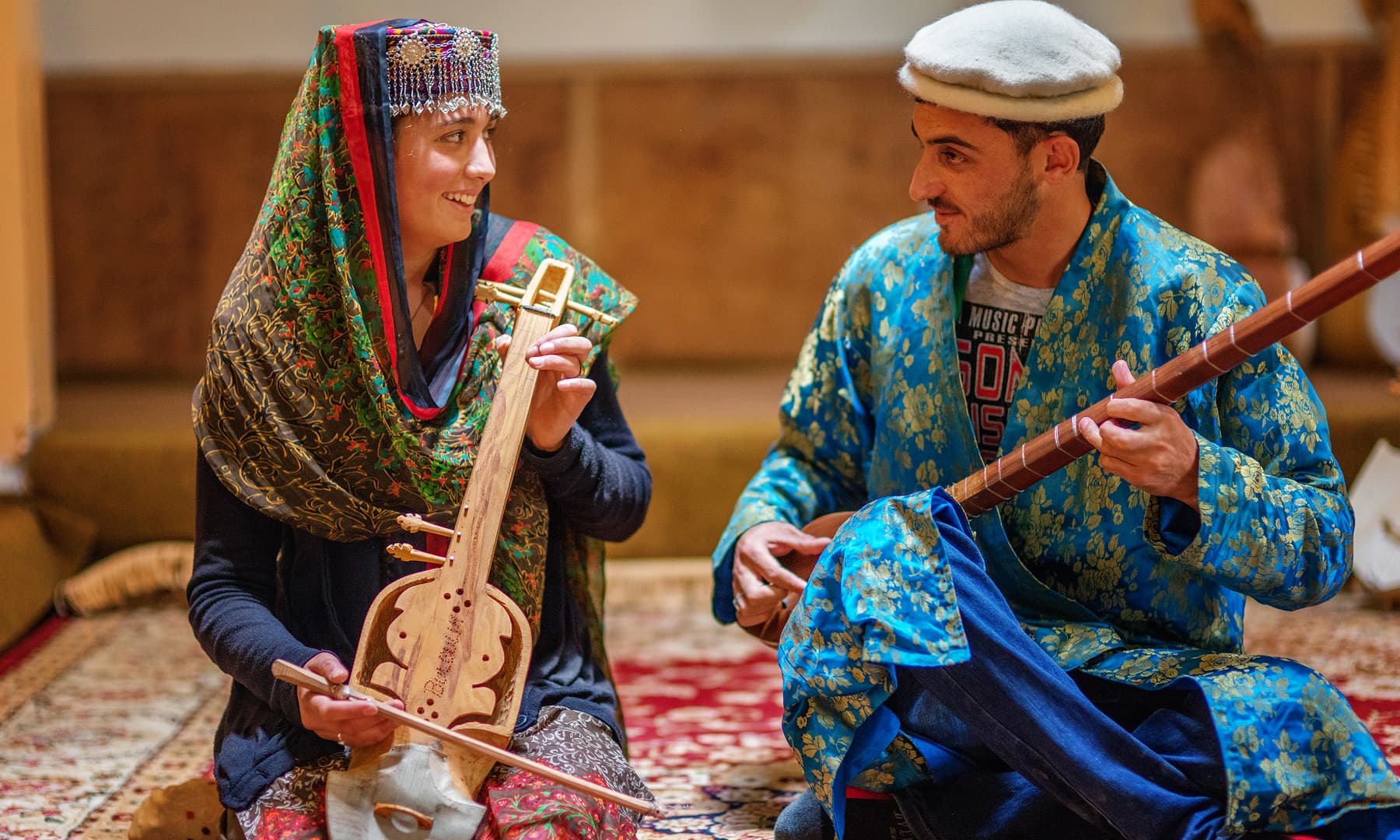
There may be little support but that has not discouraged the institution from doing what it loves: playing freestyle/Pamiri music with conventional instruments like Ghazxek, Surnaye, Tutek, Gabi and Sitar. The musicians feel happy when onlookers cheer for them; when they play their soothing lullabies, the native Parmiri find a voice.
“Bulbulik is the first folk music school in the area and have even given opportunities to female students to come and learn alongside their male counterparts,” said Didar Ali, the culture development officer of Bubulik. “In the past, music was neither widely accepted nor were women allowed to play musical instruments.” He added that so far, some 35 female artists have been trained in various folk instruments.
Run by Gulmit Educational and Social Welfare Society, Bubulik is named after nightingales which are frequently mentioned in Persian and Urdu poetry. The school takes its name from Wakhi folk culture known as Bulbulik. Shepherds of lowland areas sing while they travel to the highlands to send messages back home. Its roots can be traced back to 1985, when a small school was set up by Muzafaruddin Shah to create awareness about protecting one’s own melodies. The present initiative, however, is hardly a year old.
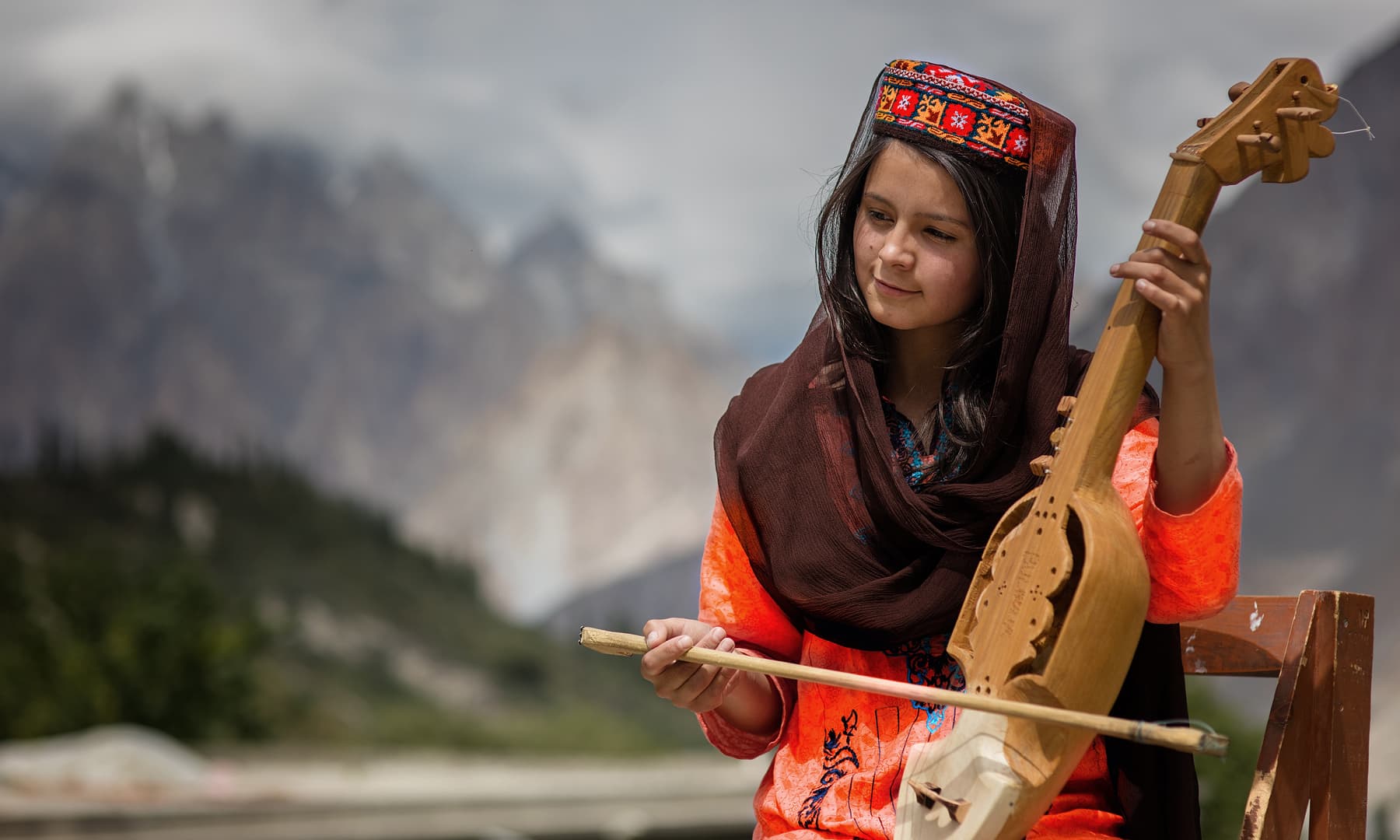
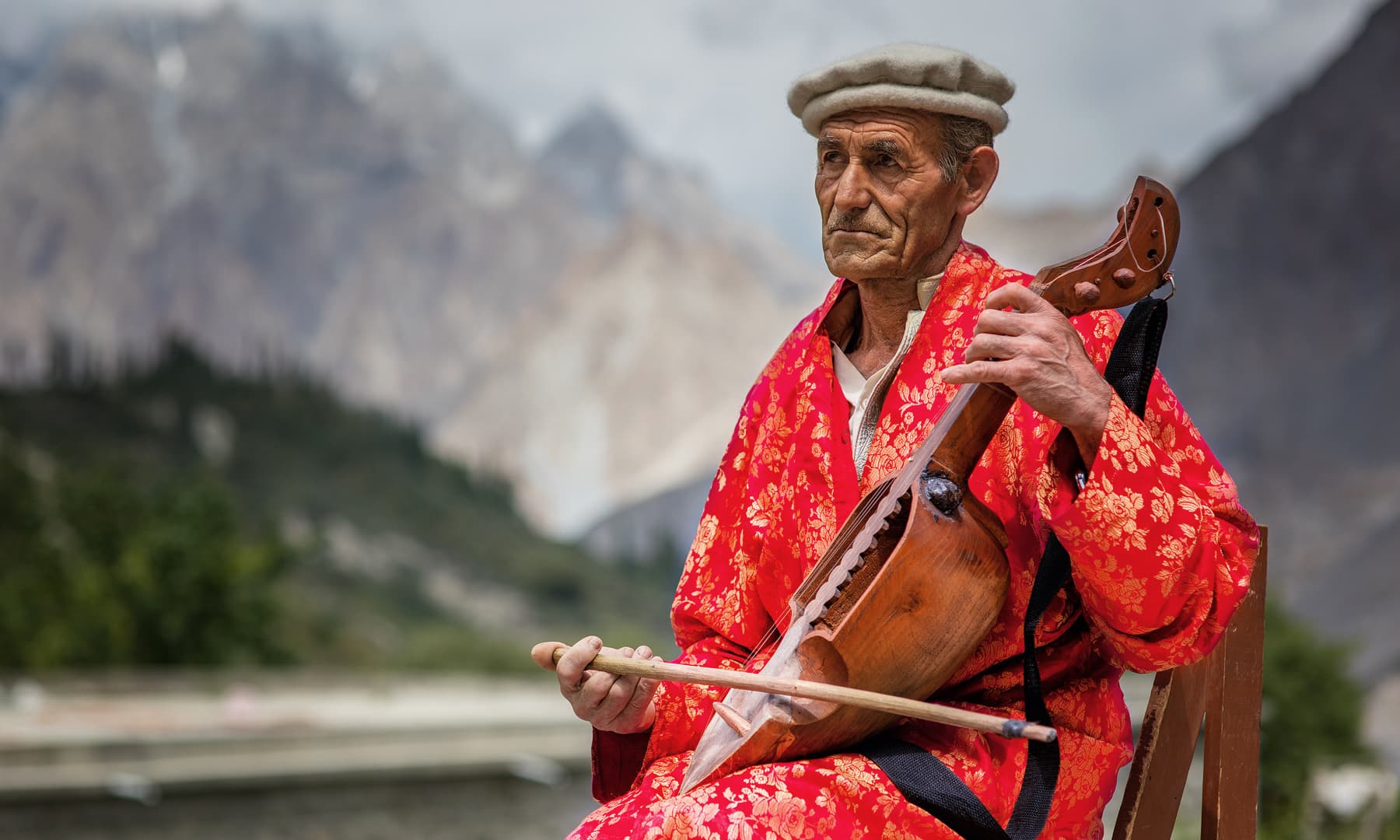
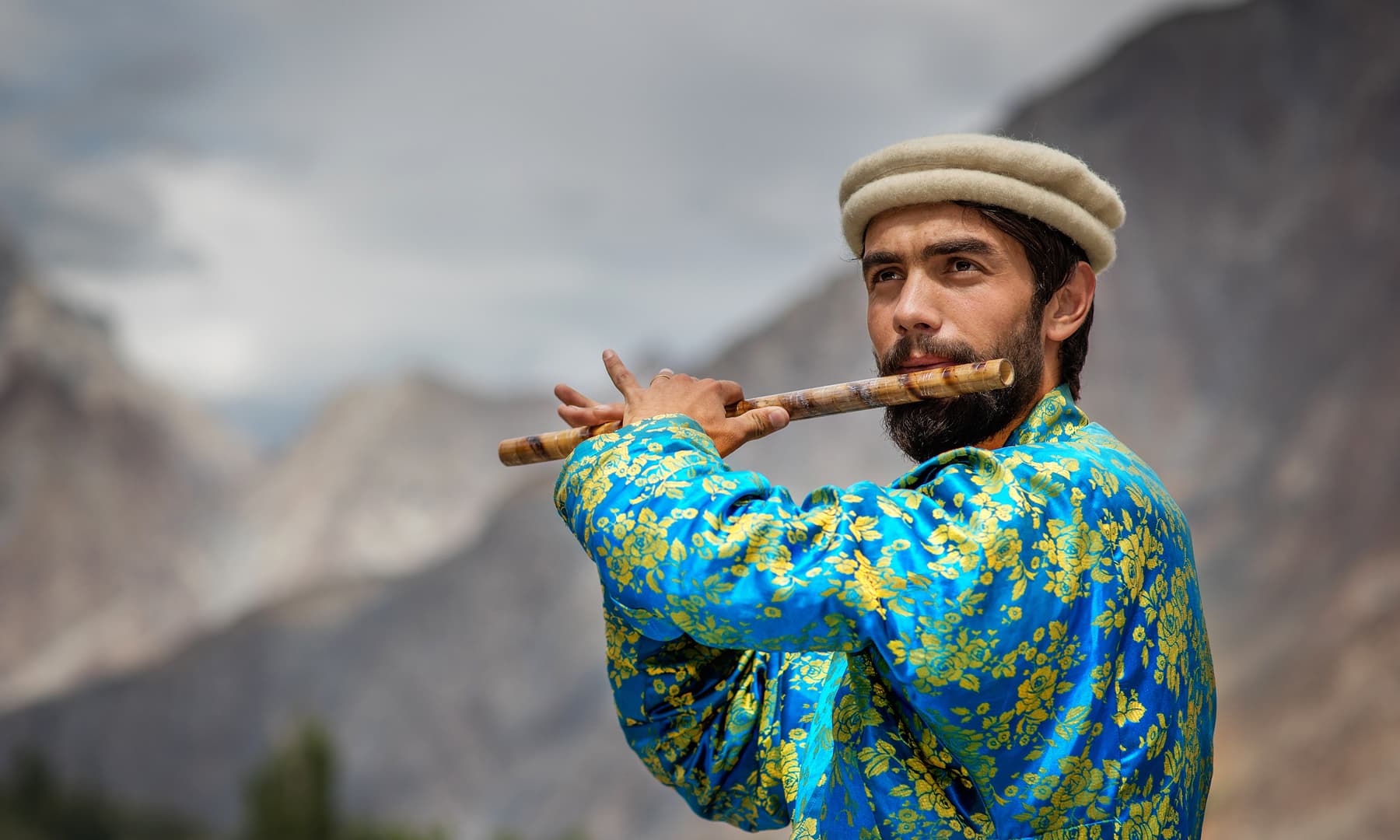
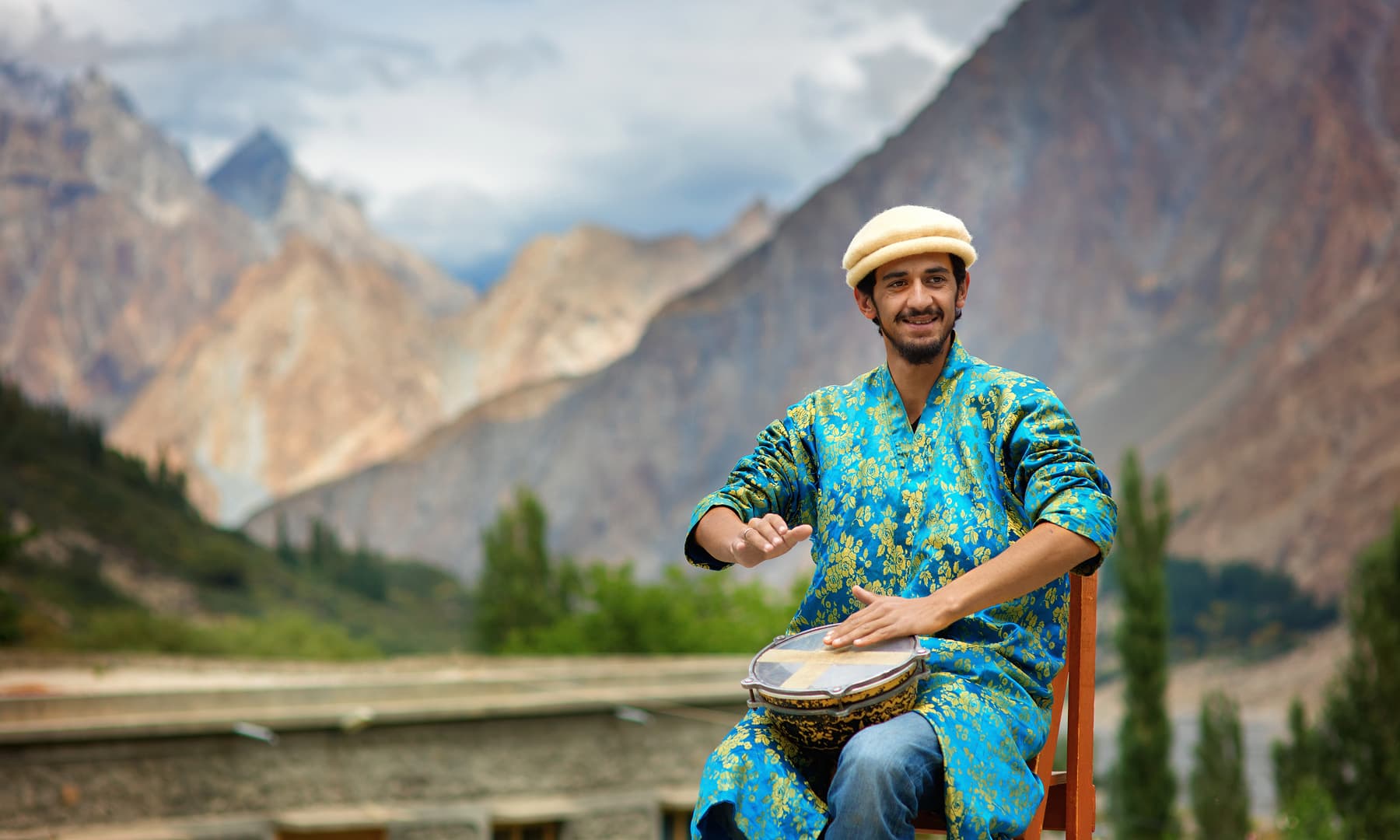
Article and Photos from :
https://tribune.com.pk/…/music-school-chitral-keeping-indi…/
Humans of Himalayas : The Khampa
The Khampa as the people of Kham are called were the most warlike of all the Tibetan people. The Khampa Horsemen were greatly feared and their horses were in great demand. Infact some Khampas kept on fighting the Chinese well into the 70s. They were called the Buddha's warriors. They were aremed by the CIA and gave resistance to the Chinese in Tibet through their bases based in the Mustang region in Nepal.

Humans of the Himalayas : The Khampa
Tibet was traditionally divided into three regions. The U Tsang region in the West, the Kham region in the South West and Amdo region in the North West.
The traditional Kham region consisted of parts of the present day TAR, Sichuan, Gansu and Yunnan. This whole region is a mountainous one and main mountain Range here is the Hengduan Mountains. It used to be one upon a time called the Chinese Himalayas and is considered the Eastern most Range of the Great Himalayan Mountain System.
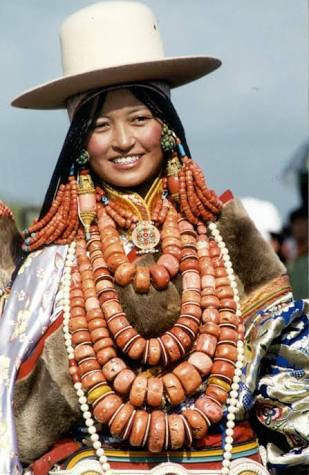
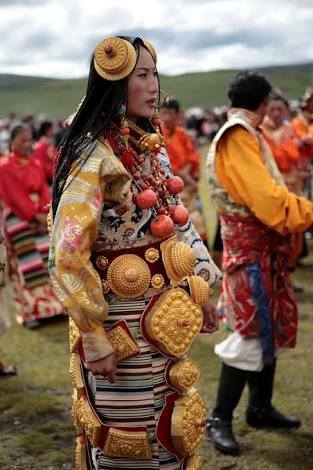
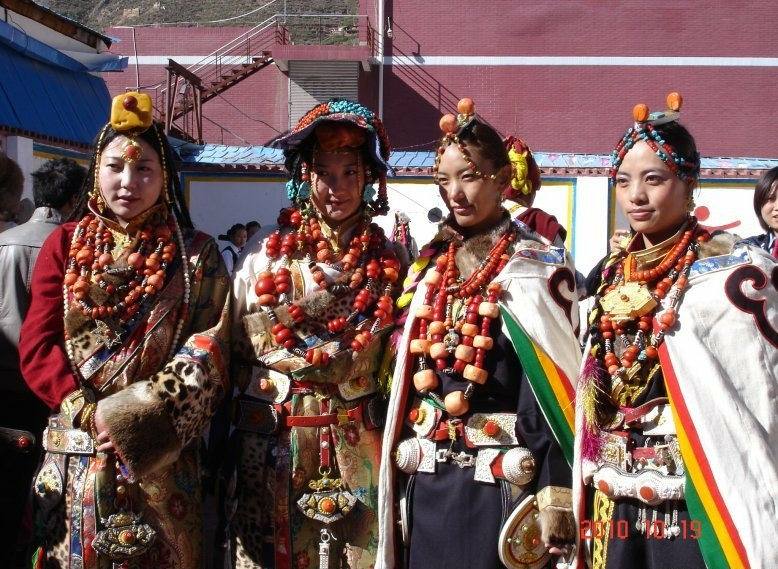
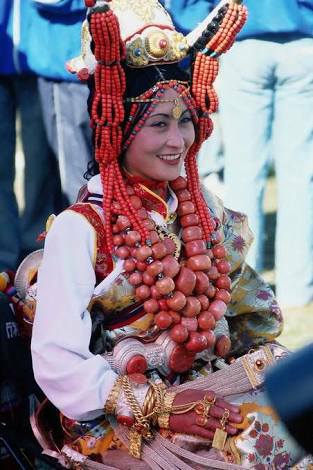
The region is quite rugged and has craggy mountains and many of the great Rivers of South East Asia come through this Region. The Yangtze, the Irrawady, the Salween and the mighty Mekong also cut through enormous Gorges in this Region.
The Khampa as the people of Kham are called were the most warlike of all the Tibetan people. The Khampa Horsemen were greatly feared and their horses were in great demand. Infact some Khampas kept on fighting the Chinese well into the 70s. They were called the Buddha's warriors. They were aremed by the CIA and gave resistance to the Chinese in Tibet through their bases based in the Mustang region in Nepal.
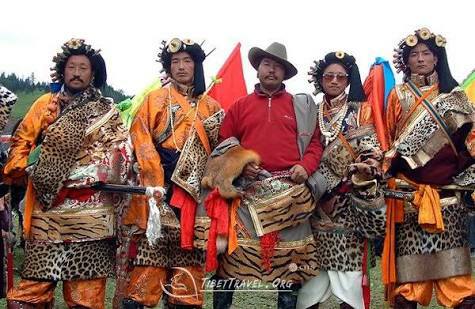
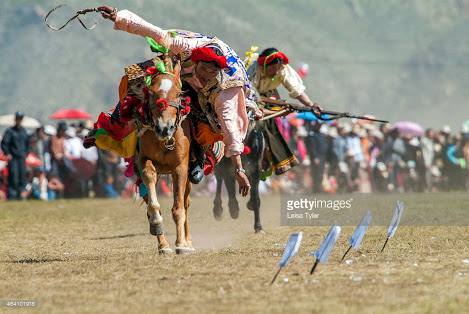
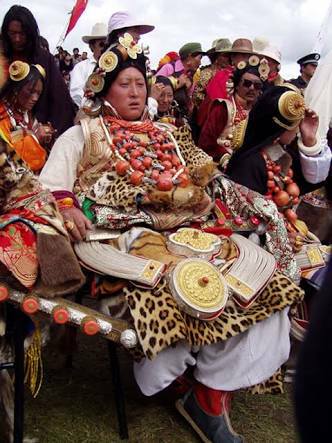
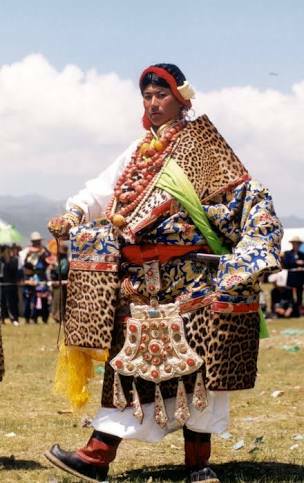
Every August they hold a festival on the Eastern edge of the Tibetan Plateau where the famed Khampa Horsemen converge at a place called Litang at 14000 ft above sea level in Sichuan. The Khampa both the men and ladies are all adorned in all their finery. Gold, silver, turquoise and coral jewelry in all its opulence.
As one Khampa gentleman said "To the Khampa men, riding horses is a glorious thing. We feel proud to be the descendants of the heroic King Gesar. To gallop on horseback across the boundless grasslands makes us feel extremely confident and happy".
King Gesar is a tradionally revered figure in Tibetan Buddhism and is held in great respect in area ranging from Baltistan, Ladakh, Tibet, Mongolia and even by the Oryuts of Siberia. That's another story to be told another day. Even Roerich made many references to King Gesar in quest for Shambhala.
I had visited the Region last January though I could only go to the most southernly part of Kham in North West Yunnan. It in a mind blowingly beautiful Region as it sits on the edge of the Tibetan Plateau. I have posted pics from there earlier and will post again.
And now coming back to these magnificently adorned ladies. They have a saying that the Khampa men are born brave and the Khampa ladies are born pretty. And also a legend that they never fall ill. :)
All said and done their jewellery is absolutely outstanding and it adds to the natural beauty of these people.
Another one of the people of our great Himalayas.
Pics are from the Internet. Only for educational purposes. If you hold a copy right to any of these pics and want it removed please let us know and I will remove it immediately. Thanks
Altai Himalayas
Altai Himalaya is a great Book by Nikolai Roerich about his Journey through high Asia.

Roerich's Altai Himalayas
Another addition to my antique Himalayan Books collection. This time another one from Roerich called the Altai Himalaya.
This is a Travel Diary of Nicholas Roerich and includes 21 reproductions from his paintings.
In Roerich's own words which came in the form of a Telegram which came on May 24, 1928 :
"Roerich American Expedition after many hardships has reached the Himalayas.Thus ended the big Central Asiatic Expedition. Many artistic and scientific results. Already sent several series of paintings to New York. Hope last sending from Mongolia safely reached you. Many observations regarding Buddhism.
Expedition started in 1924 from Sikhim through Punjab, Kashmir, Ladak, Karakorum, Khotan,Kashgar, Karashahr, Urumchi, Irtysh, Altai Mountains, Oyrot regions, Mongolia, Central Gobi, Kansu, Tsaidam and Tibet"
In today's time and age this is probably every explorer's dream but it is impossible for anyone to do as the traditional Ladakh to Yarkand/ Kashgar route has been shut for a long time. I had done a post on that Route some time ago.
Coming back to the Book I managed to land up. Its an original 1929 print, presented by someone to a gentleman called ALH for Christmas that year. More interestingly it is signed by a Group of people who I have been trying to figure out. If someone can recognise any of these autographs it will indeed be great.
Unlike my previous Roerich antique book this one I managed to buy on E bay, The link for this Book was sent by a friend who had seen my previous Post on the Roerich book and
thought that I deserved to have this one as well.
I got it at a very neat price :) And currently Im enjoying reading it in Kashmir.
Pic from yesterday. Srinagar, Kashmir
Kiki’s Blog
Stories from the Himalayas
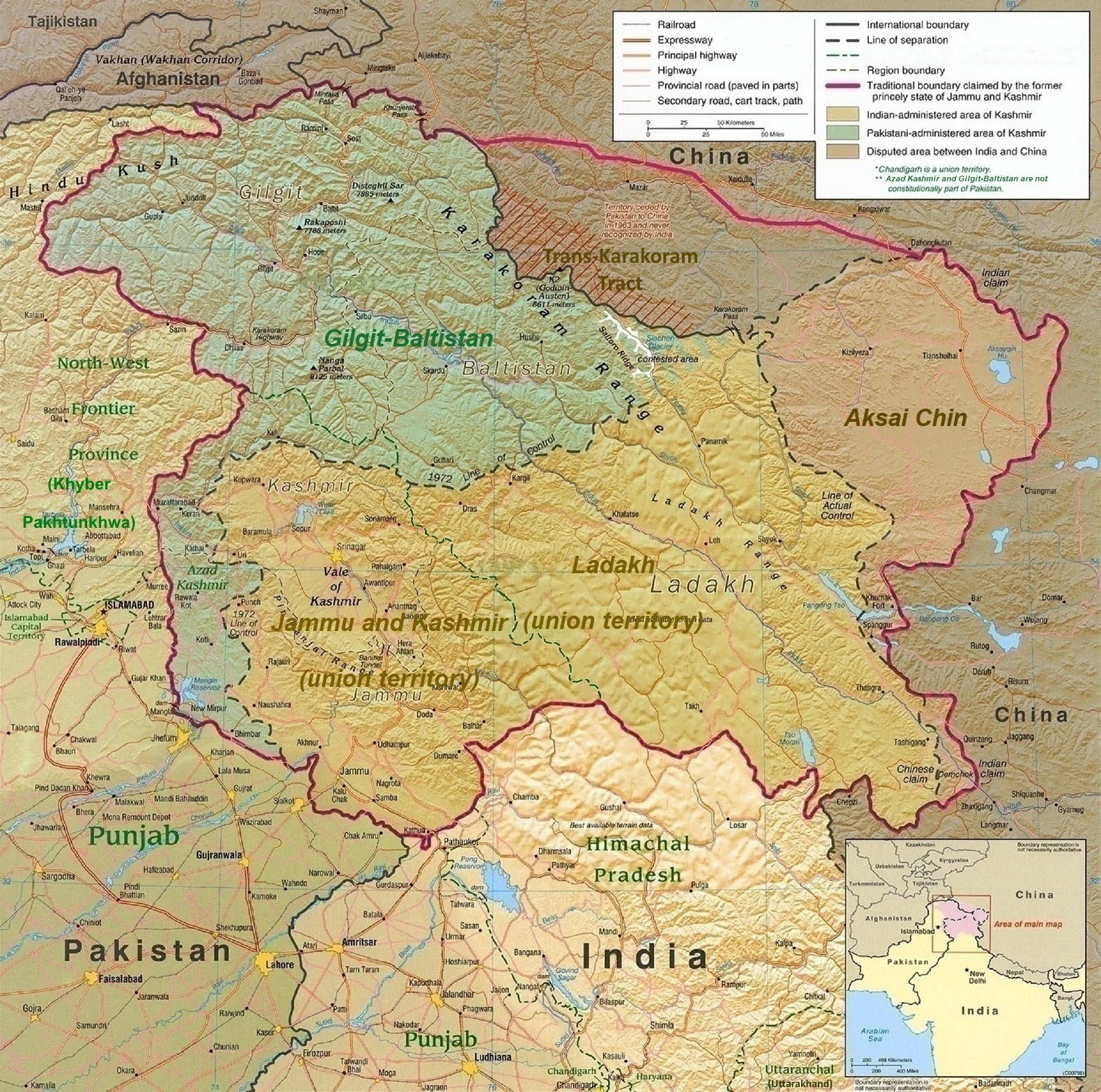



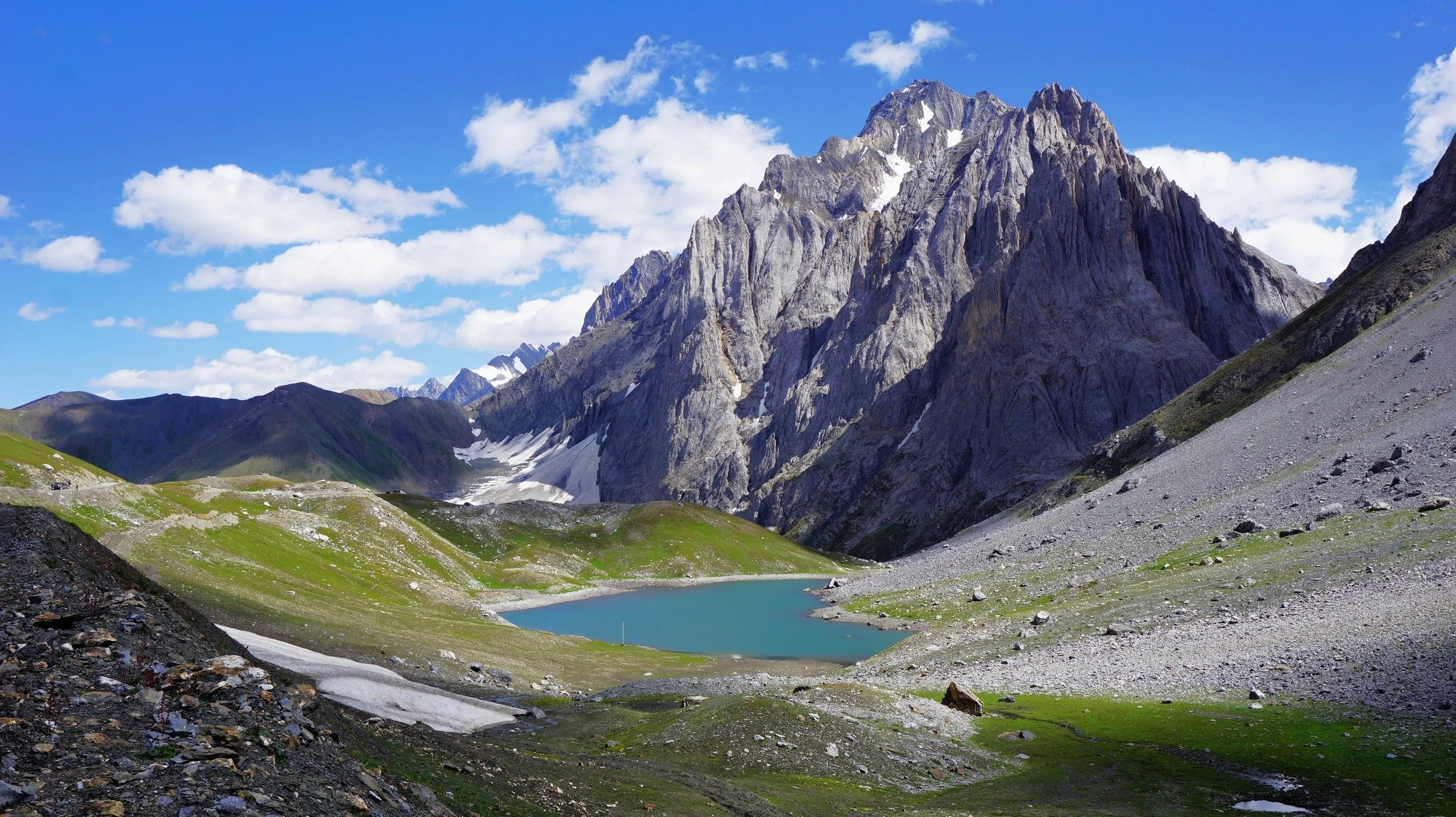
Five years ago the Galwan Valley was in the News for the wrong reasons after a deadly clash between the Indian and Chinese Armies in the Valley located in Ladakh lead to many deaths on the contentious Border between the two countries in wake of continued Chinese intrusions into Indian territory.
This area along the Shyok River, of which the Galwan Nallah or the Galwan River which forms the Galwan Valley has been off limits to Civilians since long but now the Indian Government has decided to open up the area for Civilians and we were amongst the First Civilians to venture into this beautifully desolate part of the Eastern Karakorams in Ladakh. Earlier Civilians could only venture upto the Village of Shyok from where the Shyok River takes a U turn and flows in a Northerly direction.