
Kashmir Stone and Bronze Sculptures from Antiquity (SPS Museum)
The Sri Partap Singh Museum in Srinagar, Kashmir holds an exquisite collection of Kashmiri Stone and Metal work from the ancient times. We take a look at some of these great works of Art.
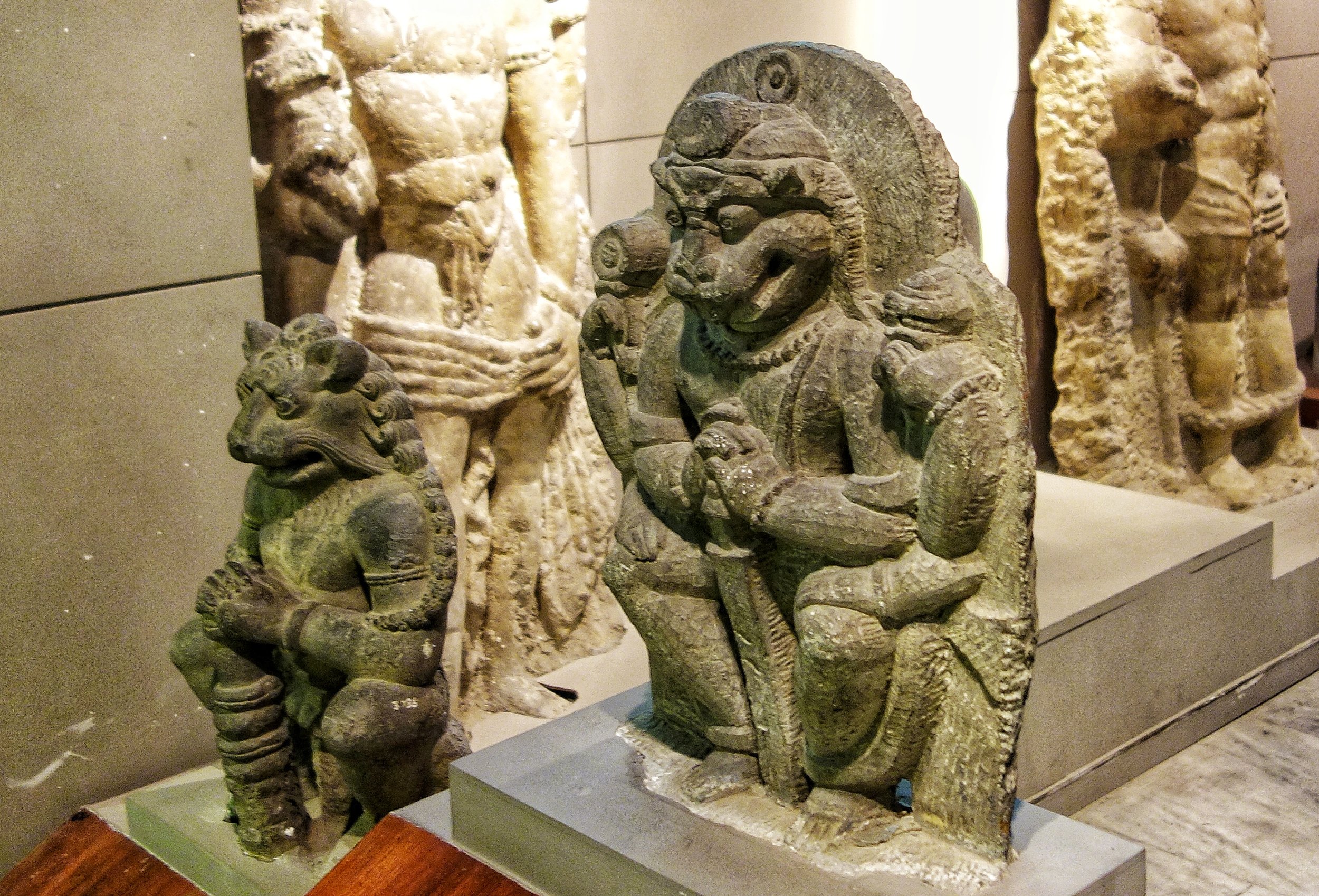
The Kashmir Stone and Bronze Collection at SPS Museum
The Shri Pratap Singh (SPS) Museum was set up around 1898 AD when a memorandum was submitted to the then Dogra ruler of the Jammu & Kashmir State, Maharaja Pratap Singh, by his younger brother, General Raja Sir Amar Singh, and a European scholar, Captain S.H. Godmerry, proposing the establishment of a museum in Srinagar to house exhibits and artifacts covering the region of Jammu, Kashmir, Baltistan and Gilgit. The museum was set up in a building belonging to the state at Lal Mandi, Srinagar, on the left bank of the river Jhelum.
The establishment of the museum was supervised by Sir John Marshal, the Director General of the Archaeological Survey of India. The Accountant General of the state, Mr. Blerjee, served as the first head of the institution. Mr. Blerjee was responsible for preparing a catalogue of the various coins kept in the museum.
The museum collection initially comprised displays of shawls and armory that were obtained from the Tosh Khana. After the reorganization of the Archaeological Department in 1913 under Rai Bhadur Daya Ram Sahni, artifacts excavated at Panderenthan, Parihaspora and Avantipura were first exhibited in the museum. This rich endowment formed one of the major additions to the museum’s collection. Subsequently, a number of objects, mostly decorative household items, were acquired by the museum from private owners. The museum’s various artifacts have been tentatively dated on the basis of style, period and material, etc.
Here is a pre-view of the great collection of Kashmiri Stone and Metal Art from the the 7th Century to the 12th Century. One of the finest collections of Kashmiri Art including the Tengpora Durga.
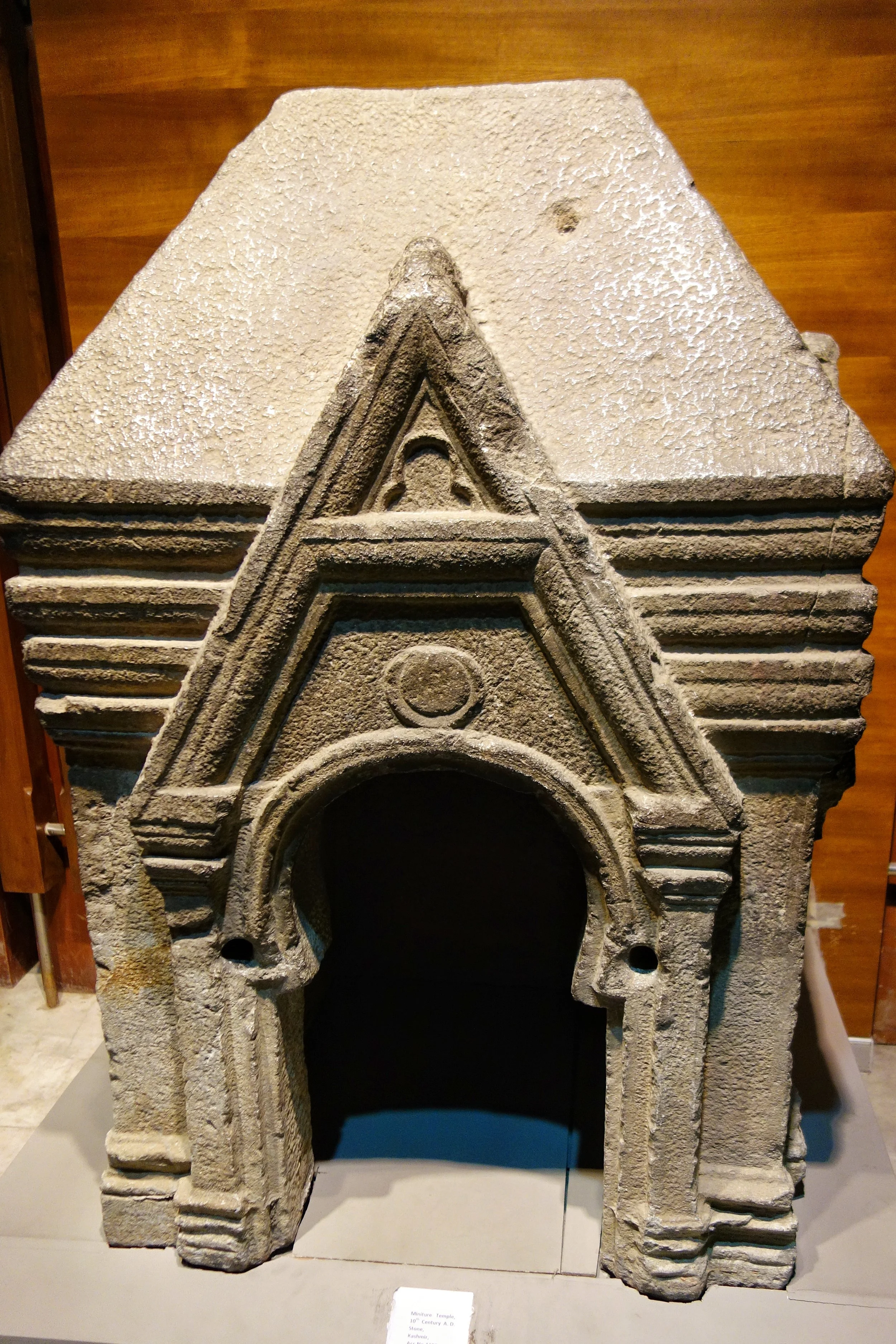
Miniature Temple : 10 th Century, Stone
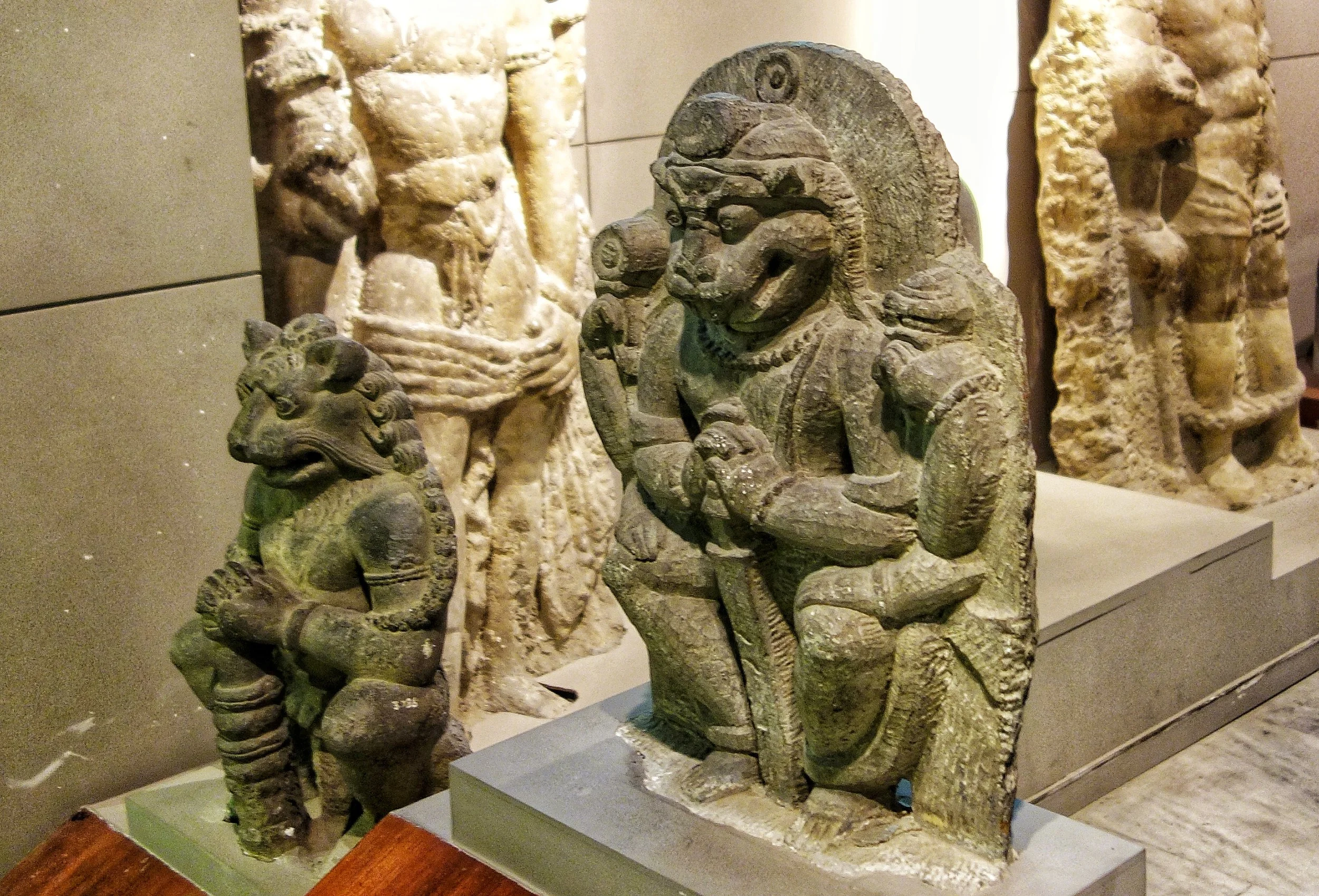
Narsimha : 10th Century, Stone
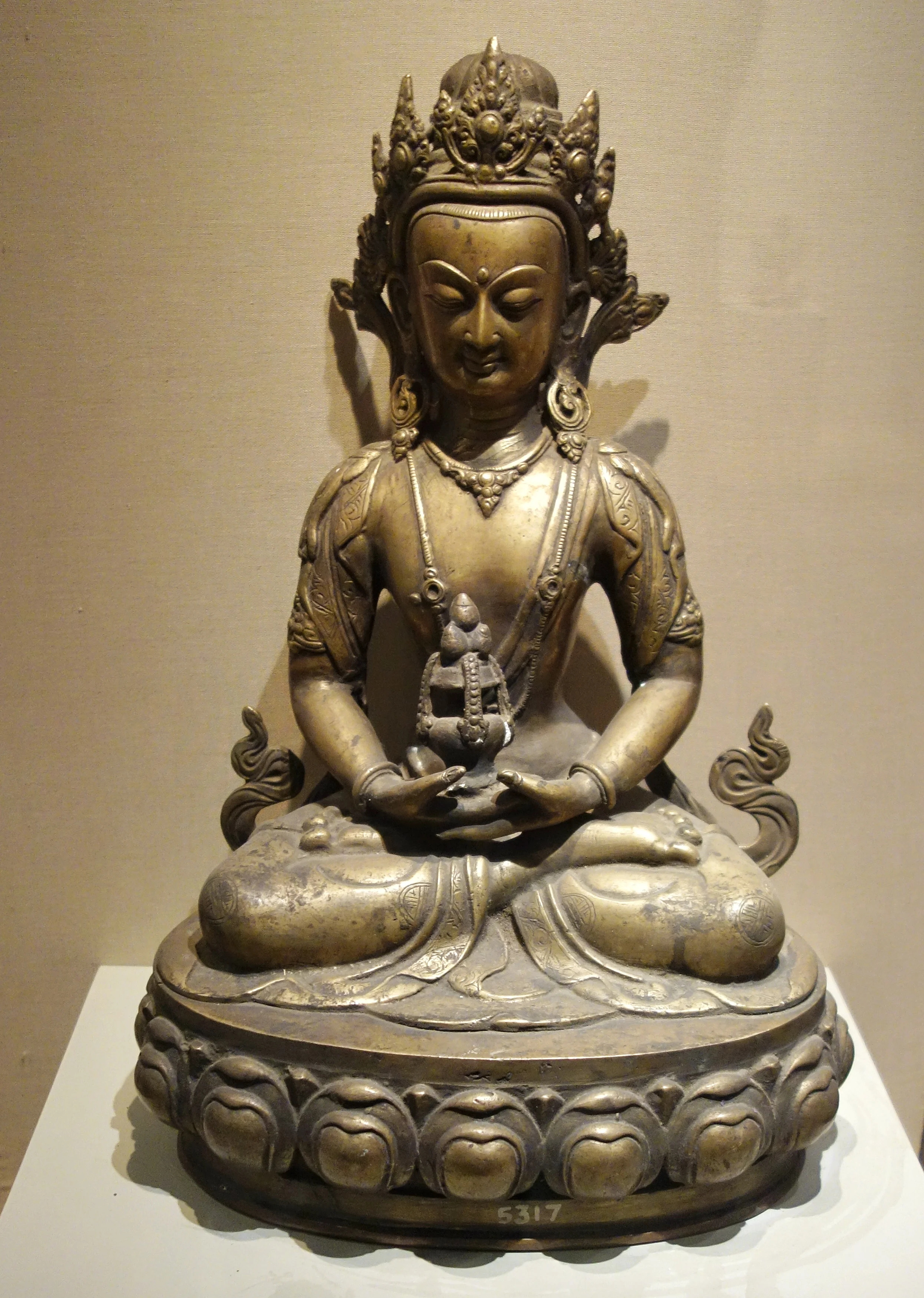
Image of a Crowned Deity : 9th Century, Bronze
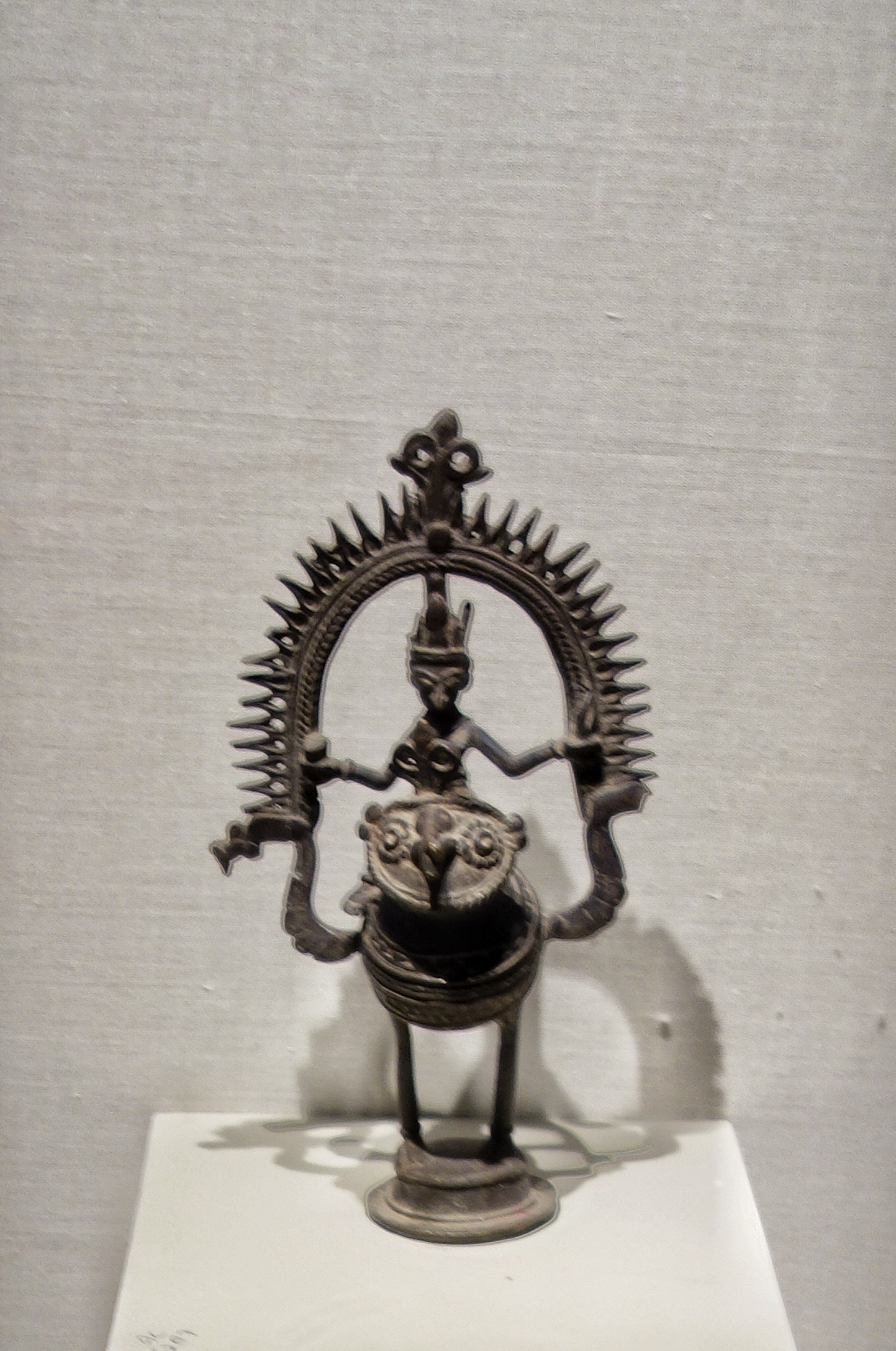
Tribal Deity on a Peacock : 9th Century, Bronze
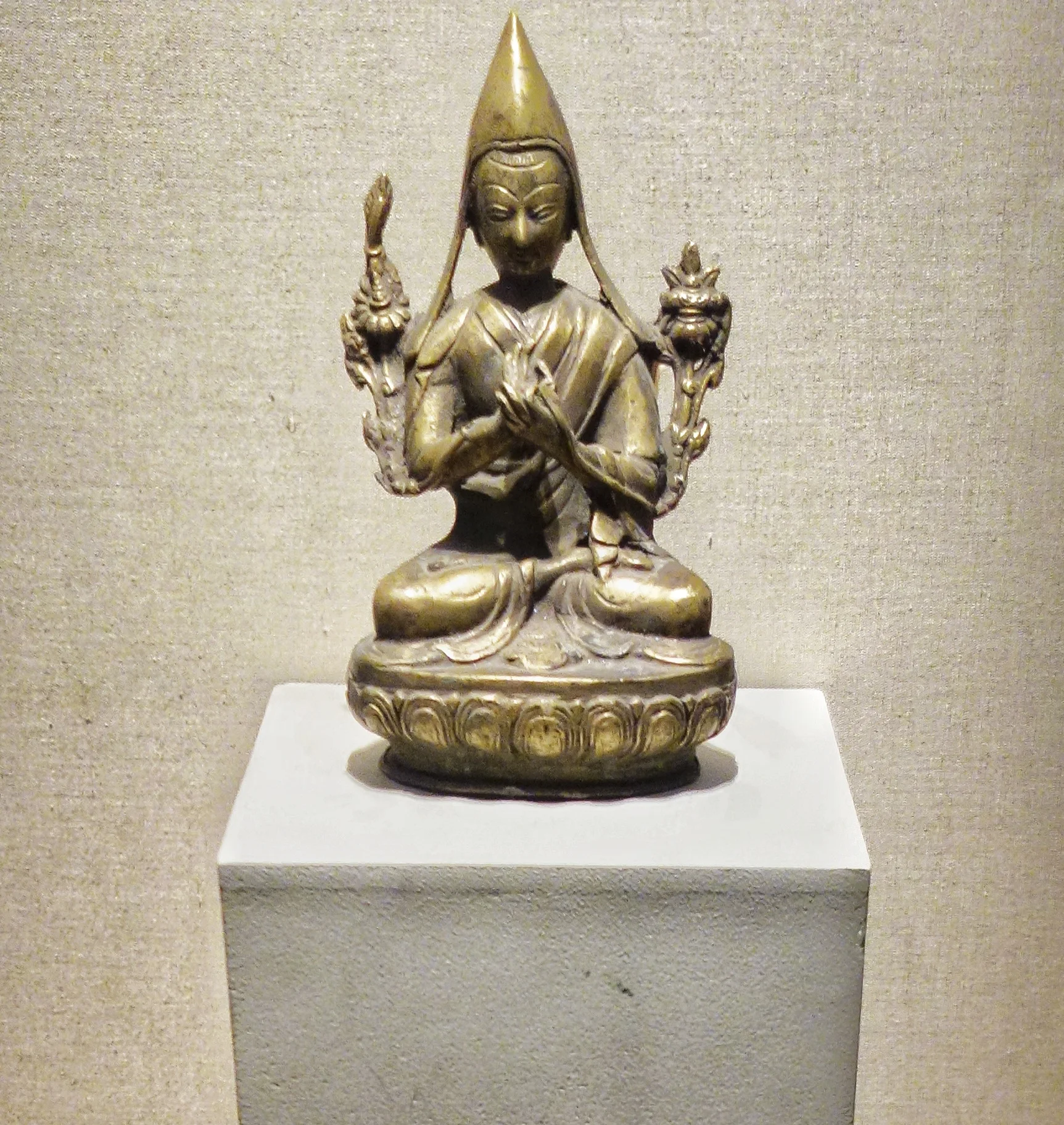
Seated Figure on Lotus : 9th Century

Head Lama : 9th Century, Bronze
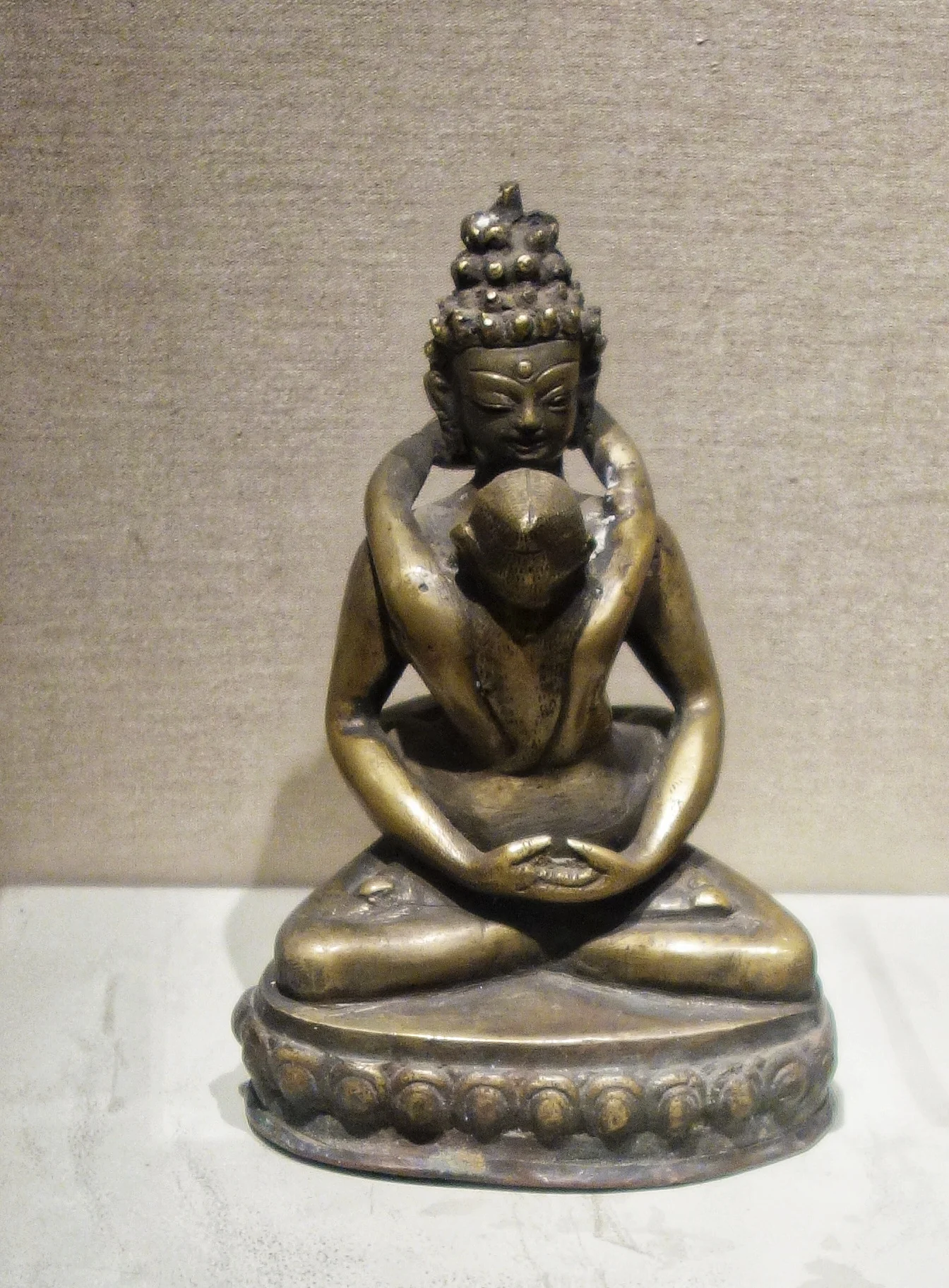
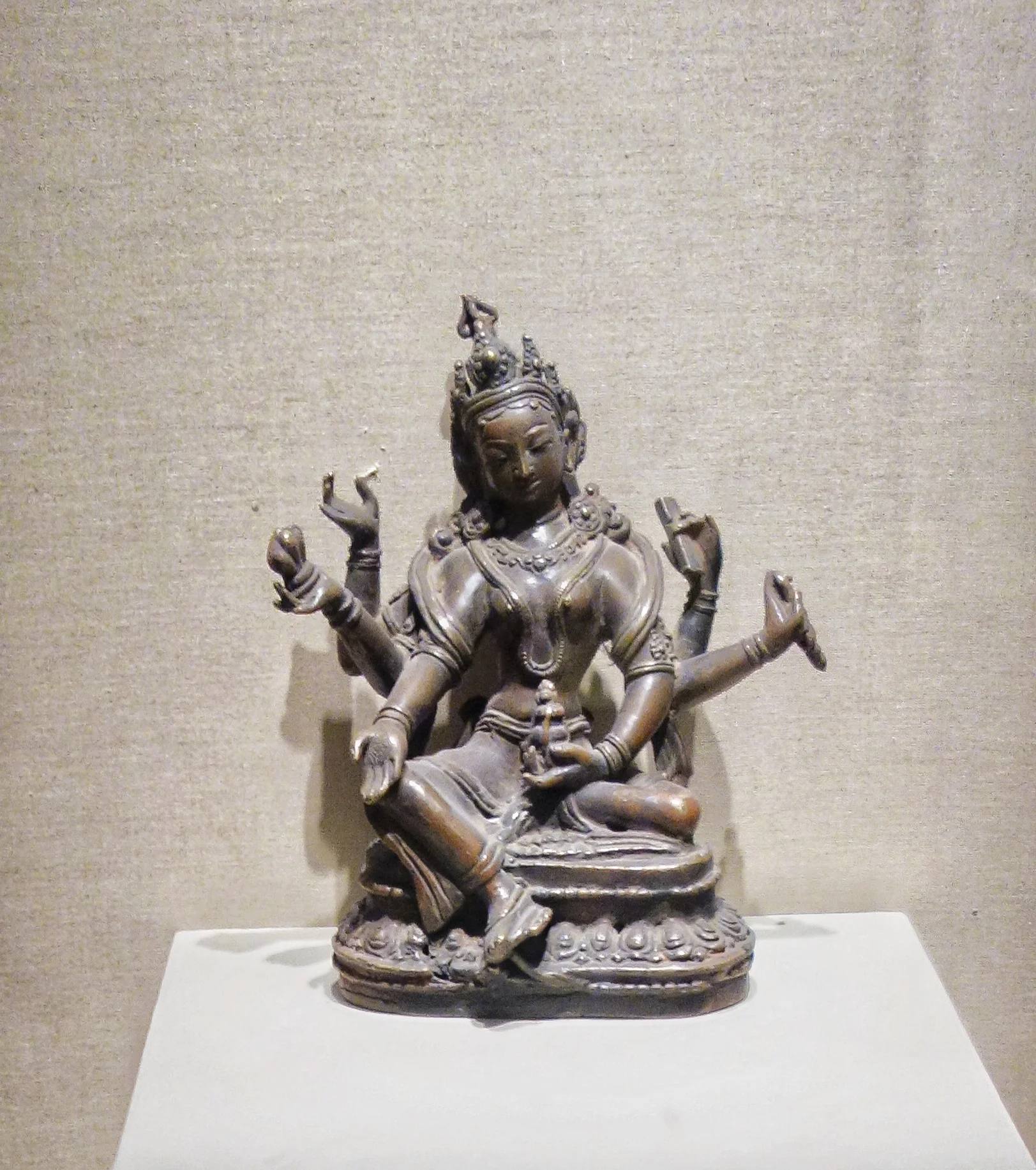
Tara : 9th Century, Bronze
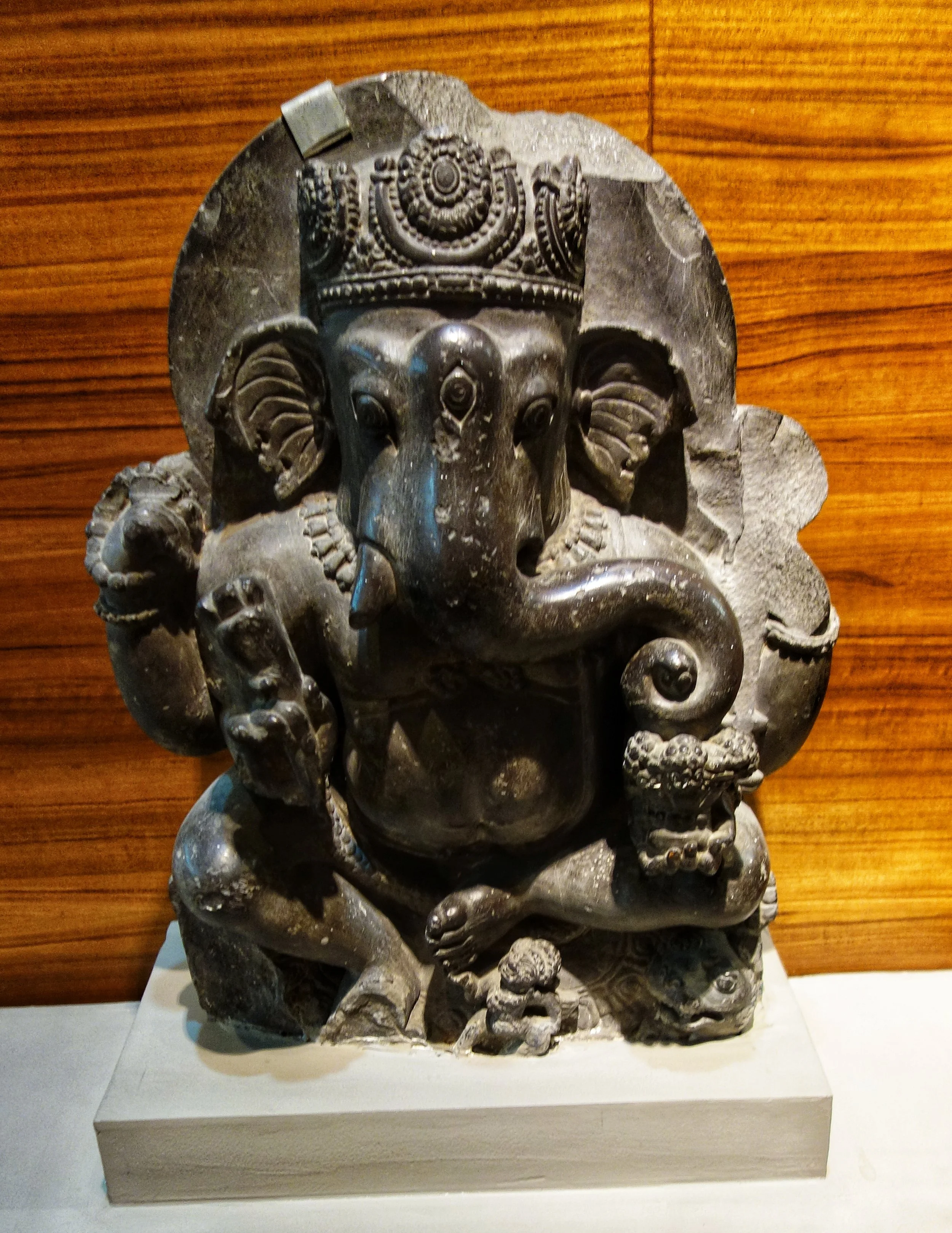
Ganesh : 8th Century, Stone
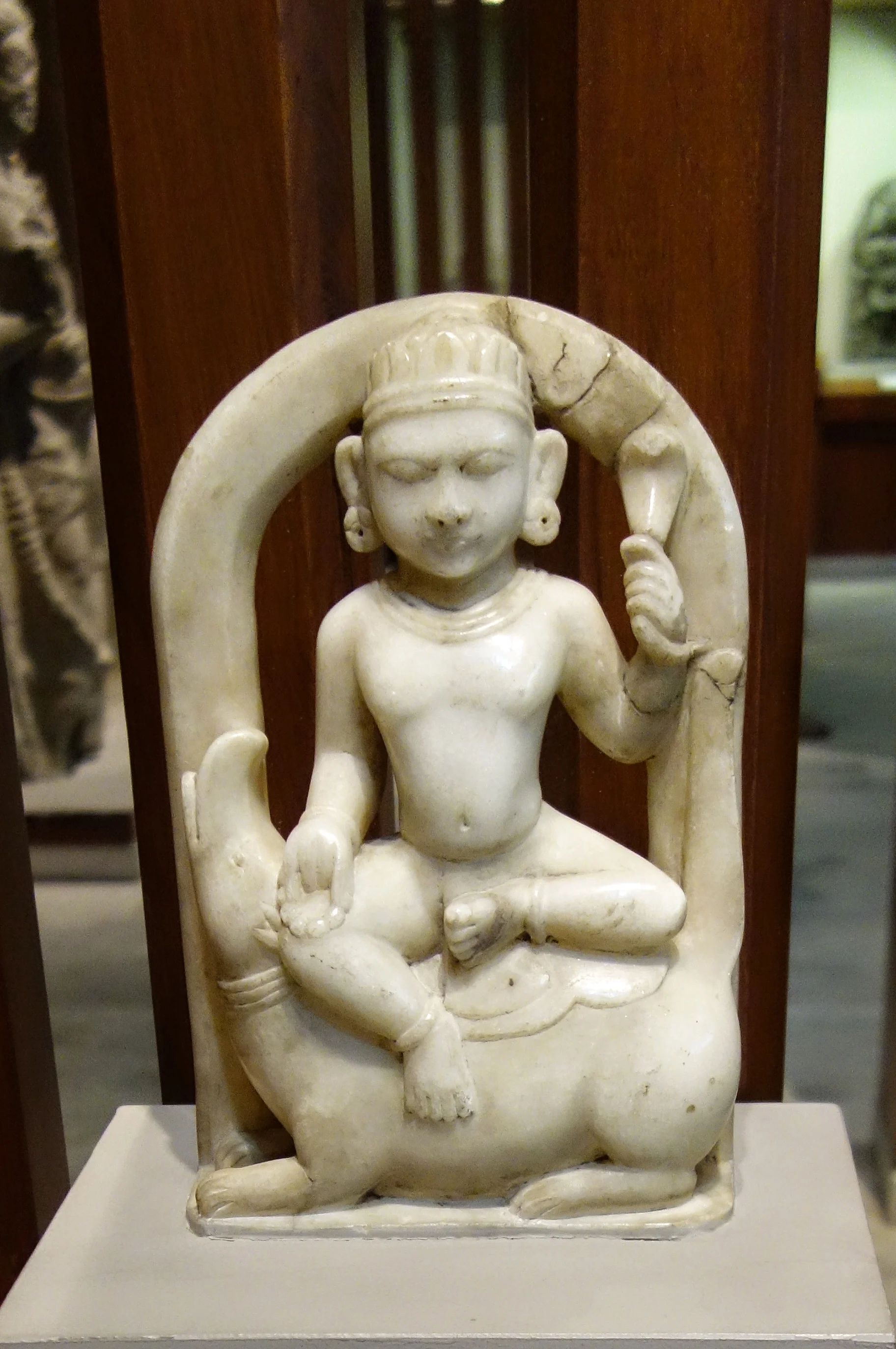
Varuna : 9th Century, Stone
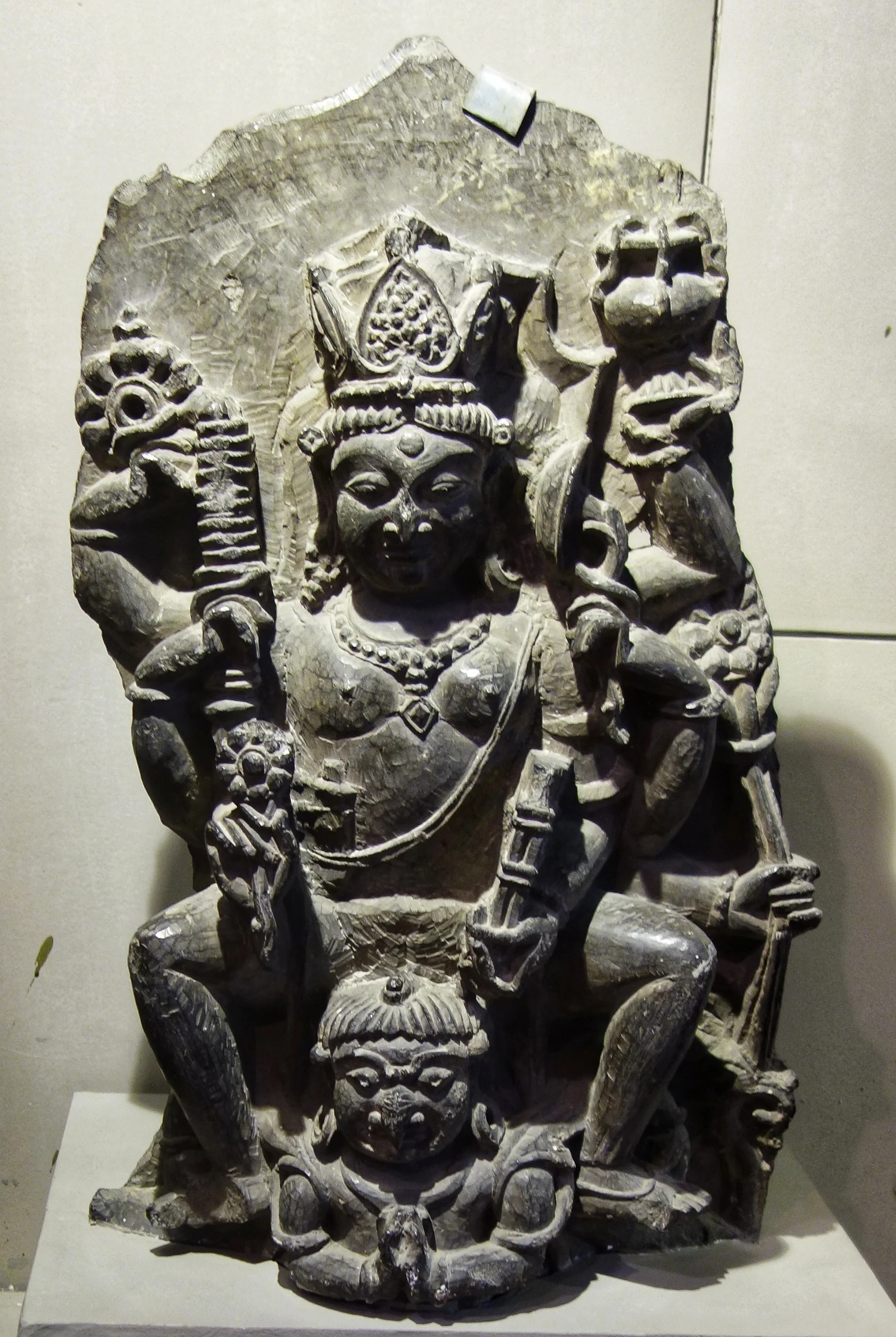
Vishnu : 10th Century, Stone
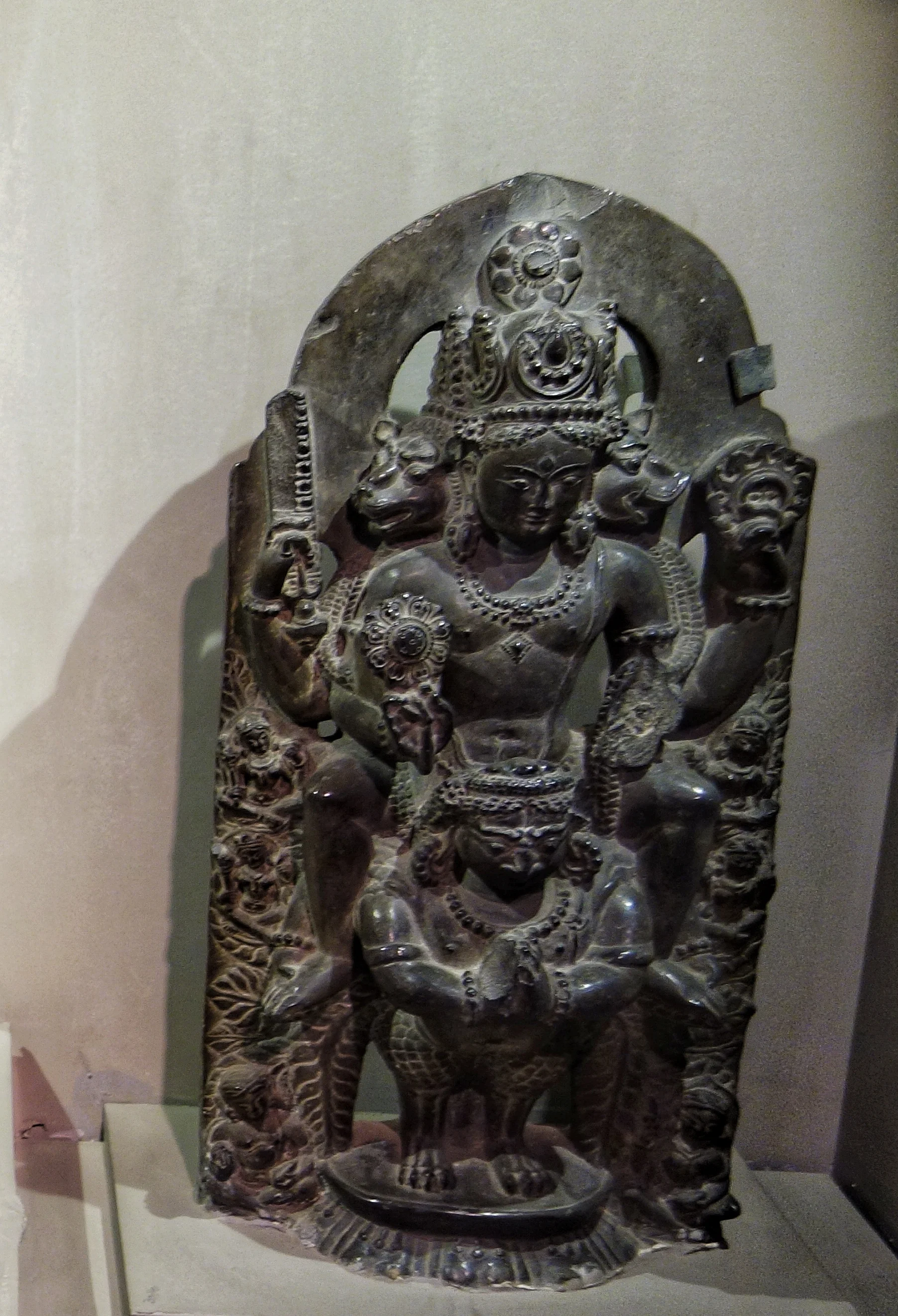
Vishnu : 10th Century, Stone
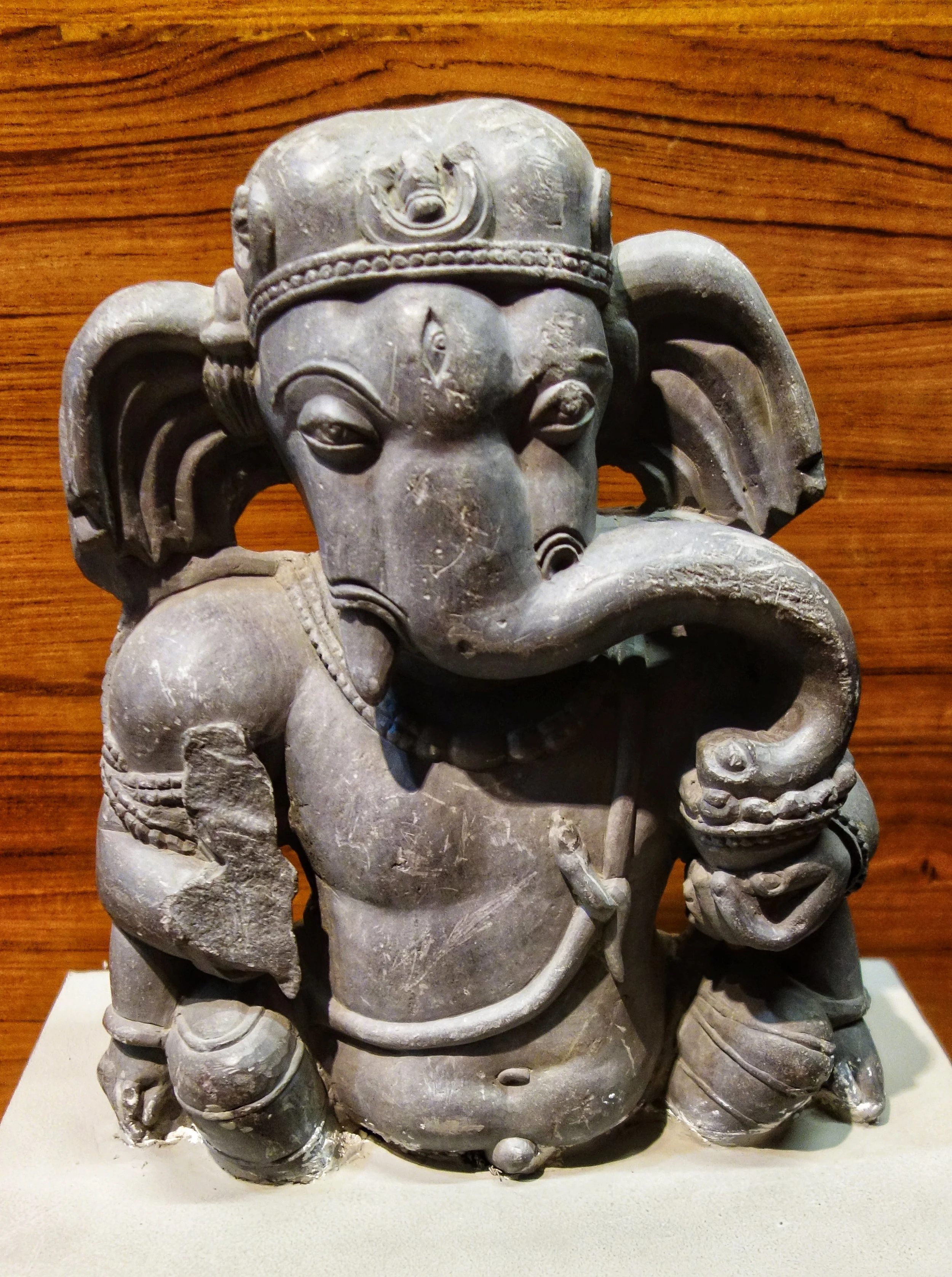
Ganesha : 9th Century, Stone
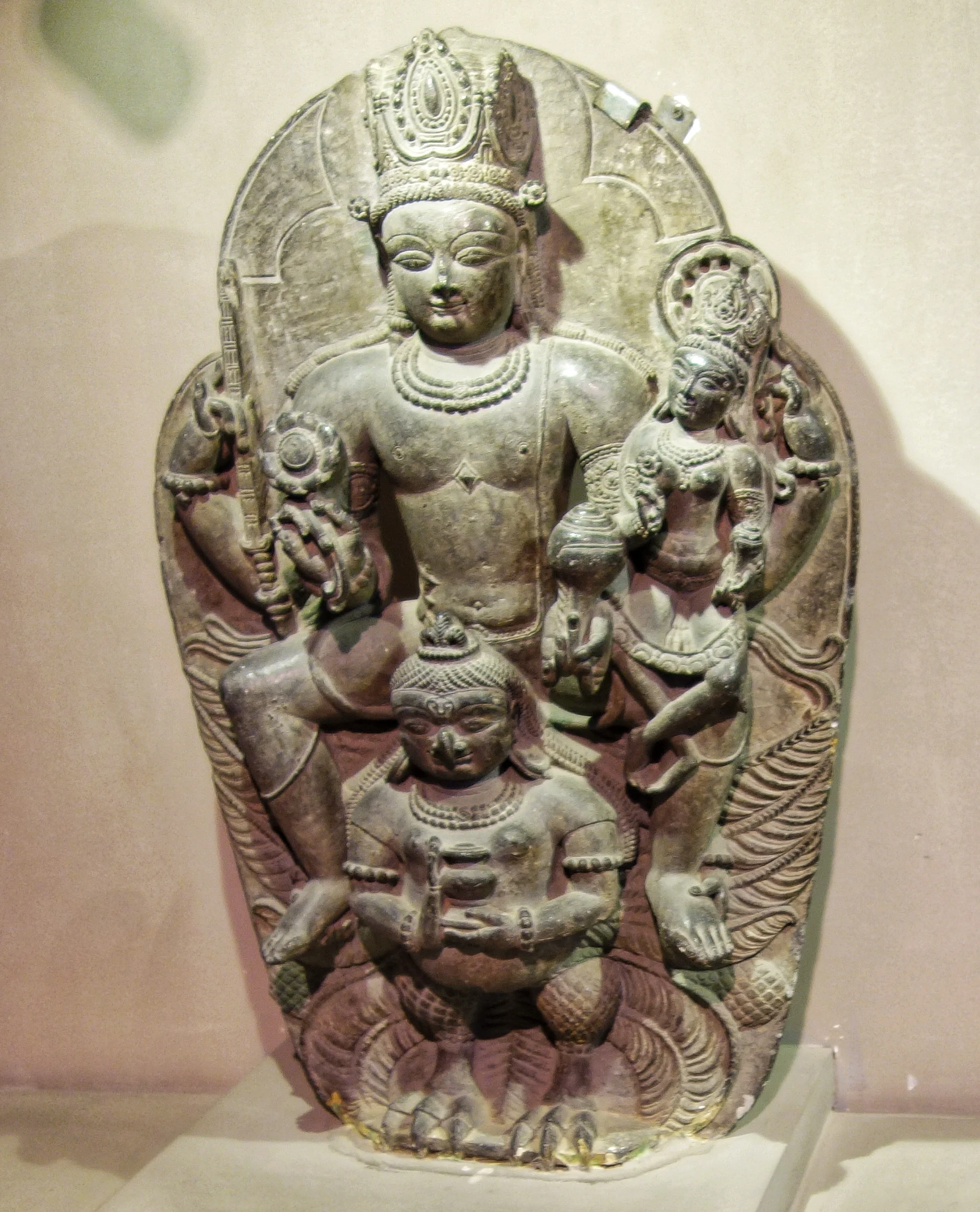
Vishnu : 12th Century, Stone
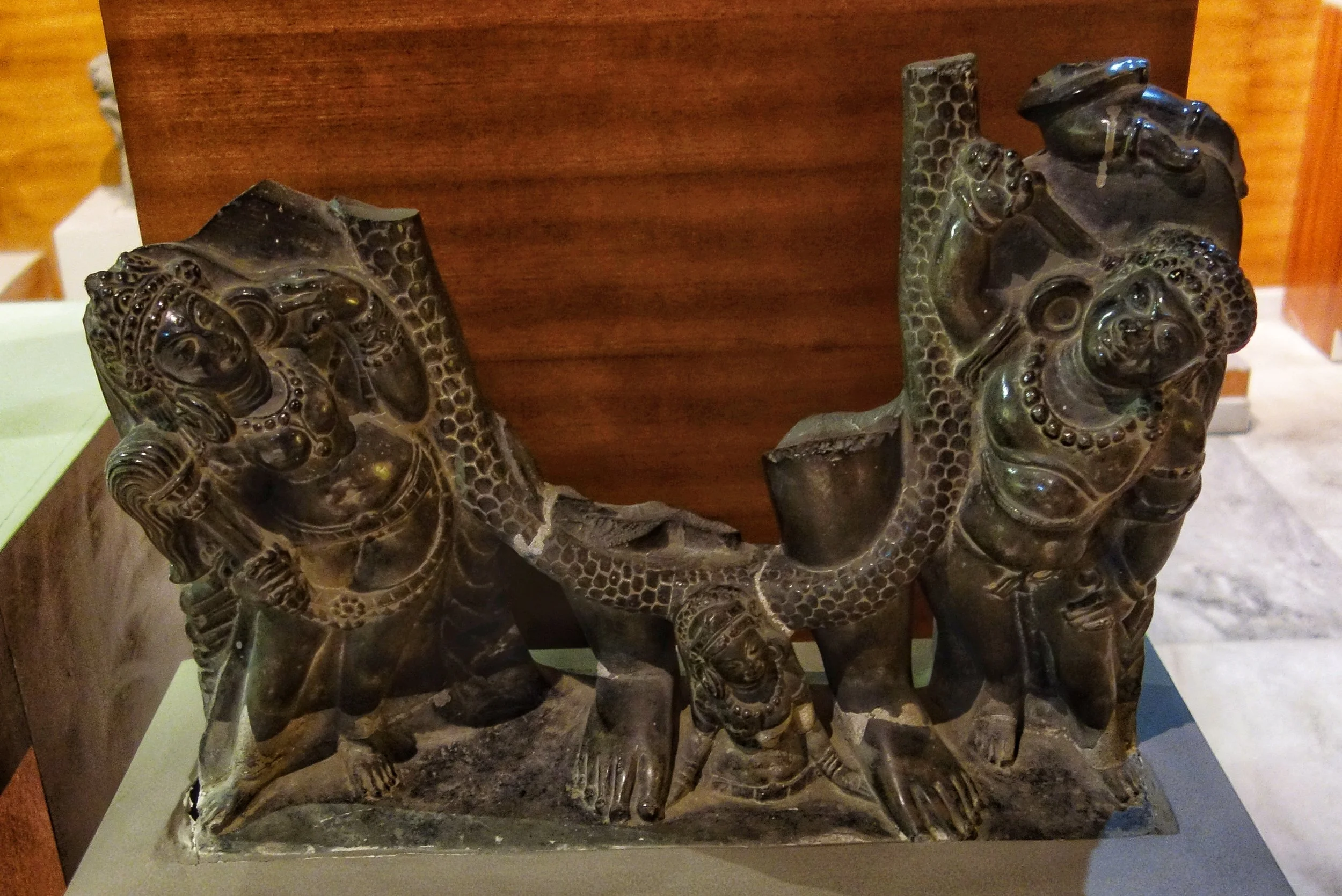
Vishnu, Gadadevi, Chakrapursha and Bahu Devi : 9th Century, Stone
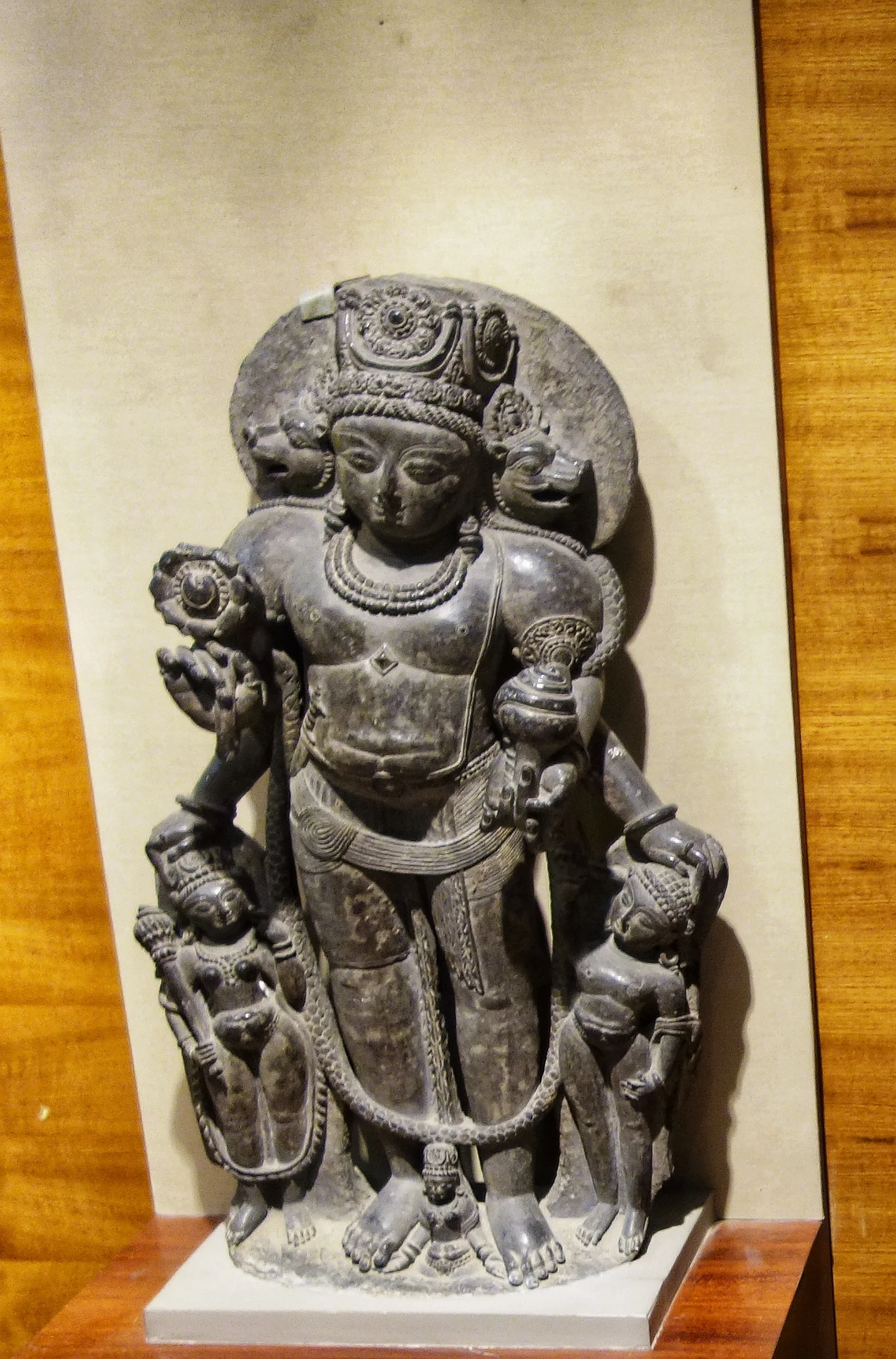
Vishnu : 10th Century, Stone
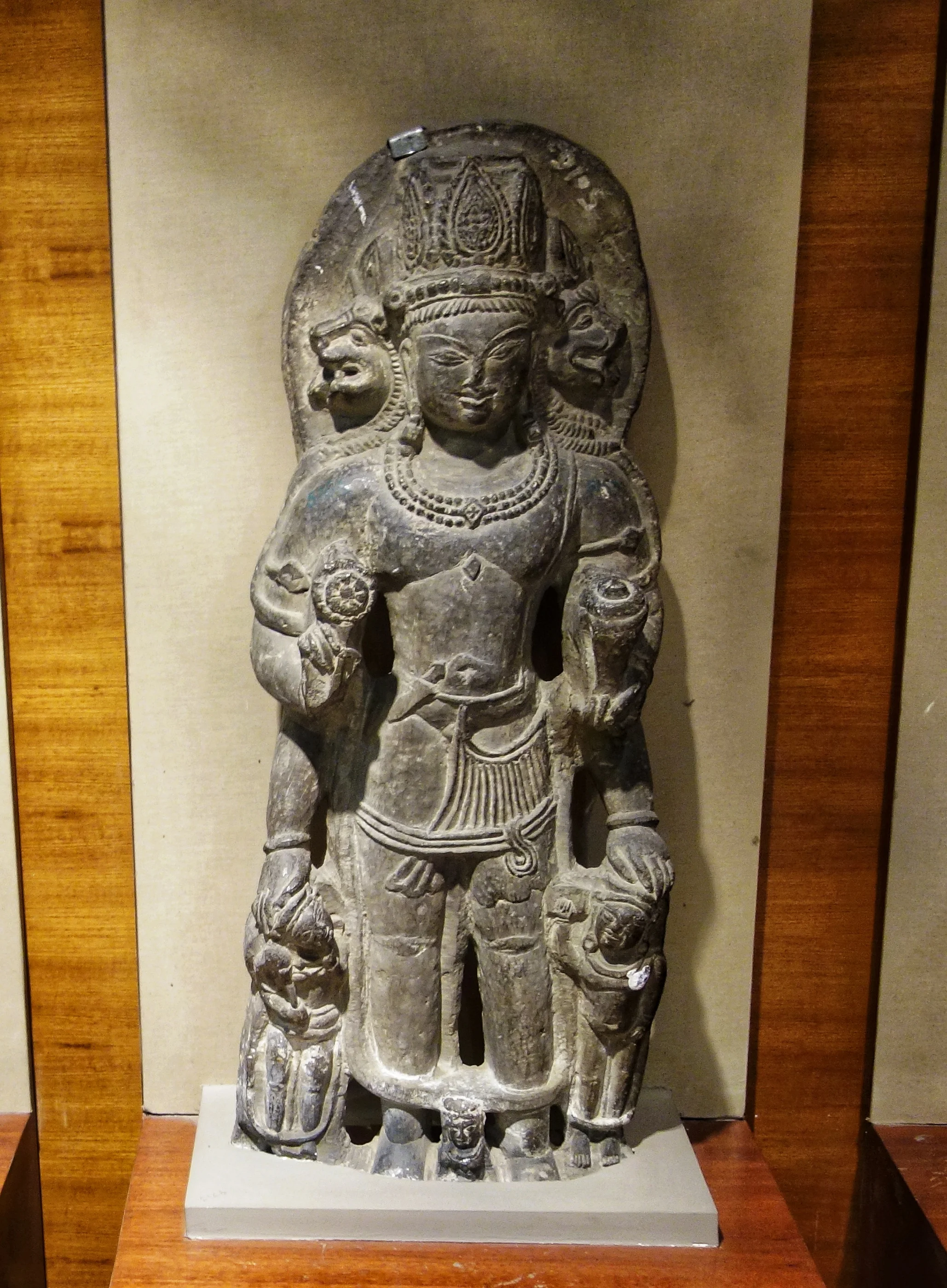
Vishnu : 10th Century, Stone

Vishnu : 10th Century, Stone
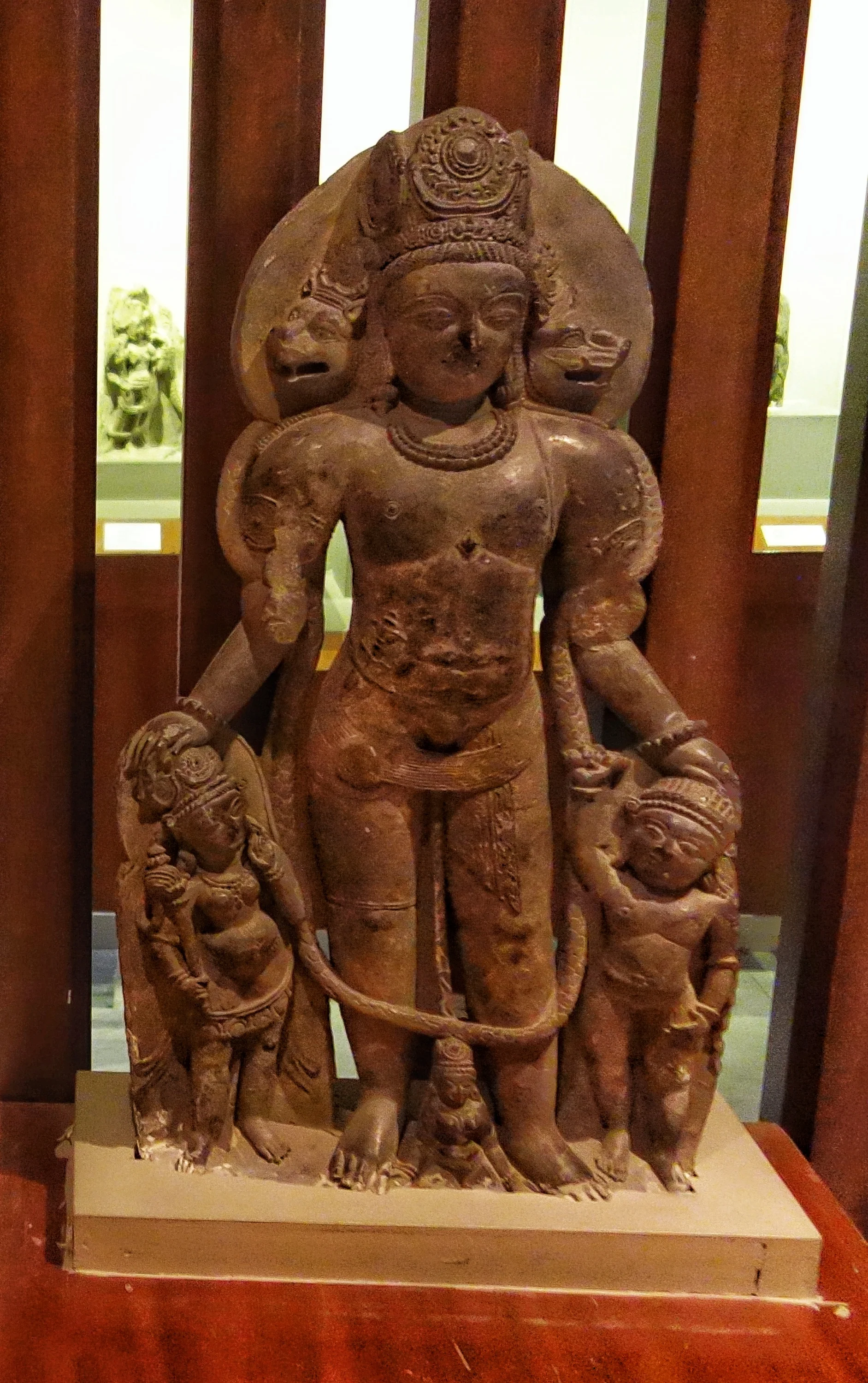
Vishnu : 10th Century, Stone
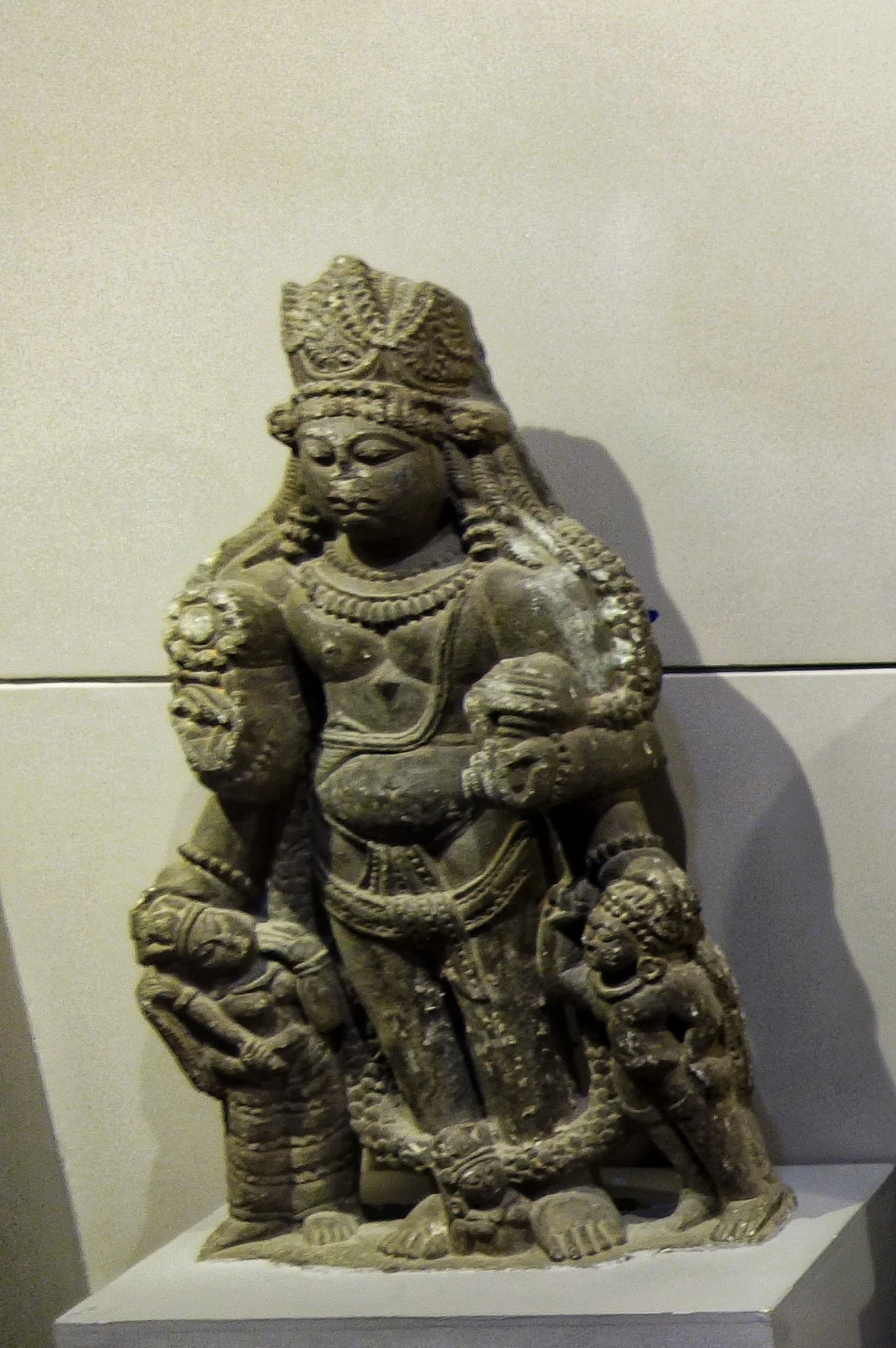
Male Figure : 9th Century, Stone
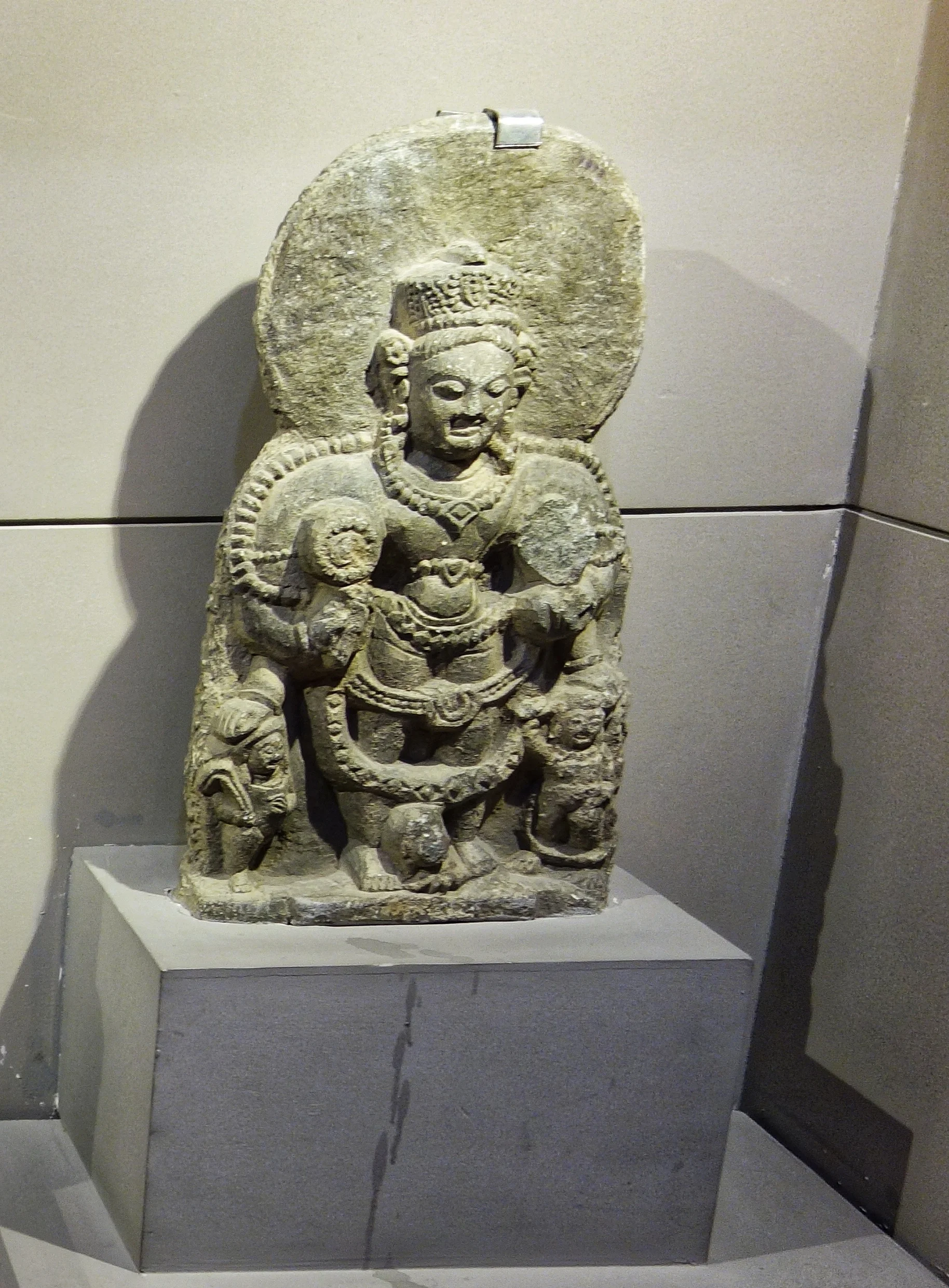
Male figure : 9th Century, Stone
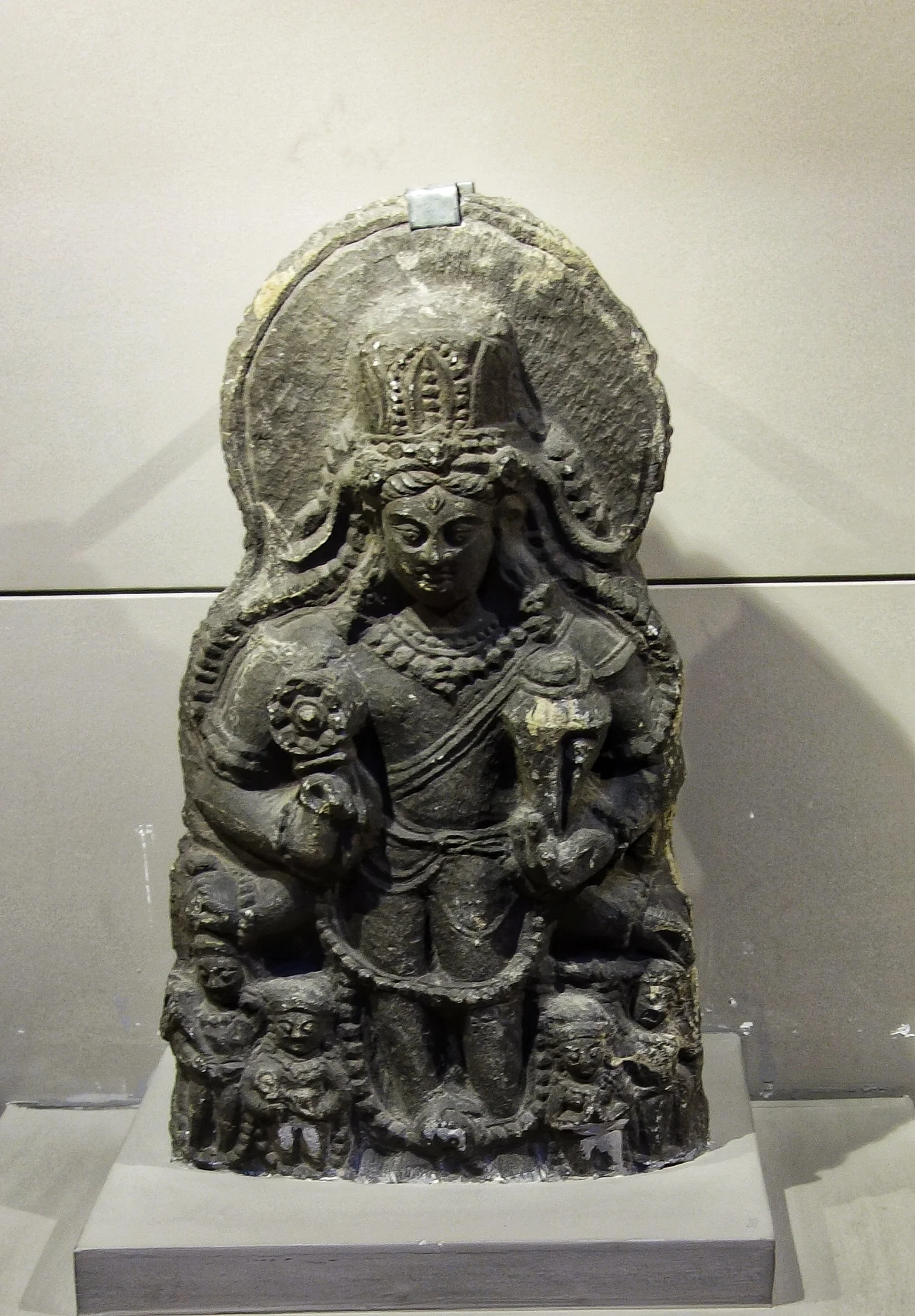
Vasudeva : 10th Century, Stone
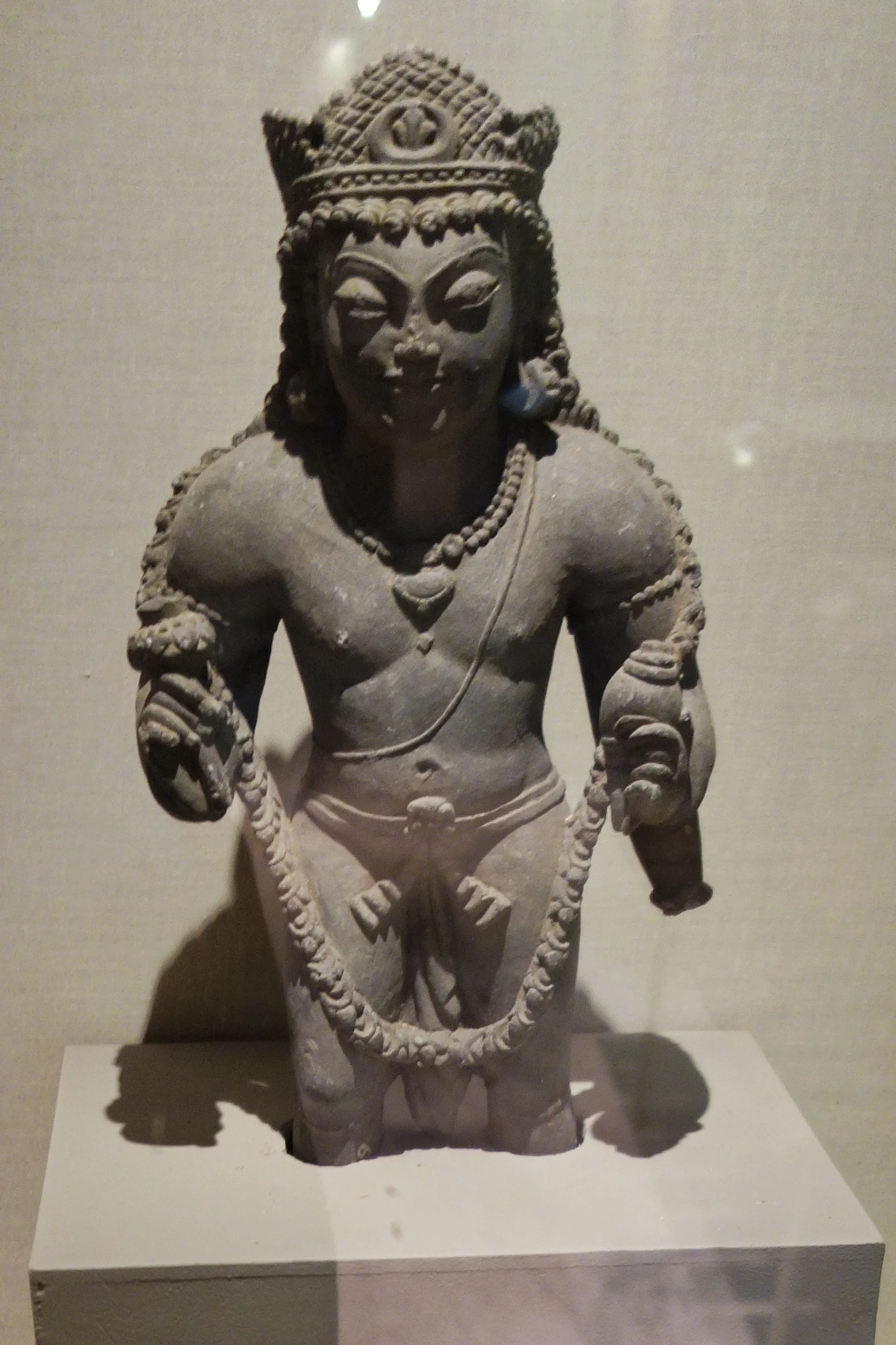
Vishnu : 10th Century, Stone
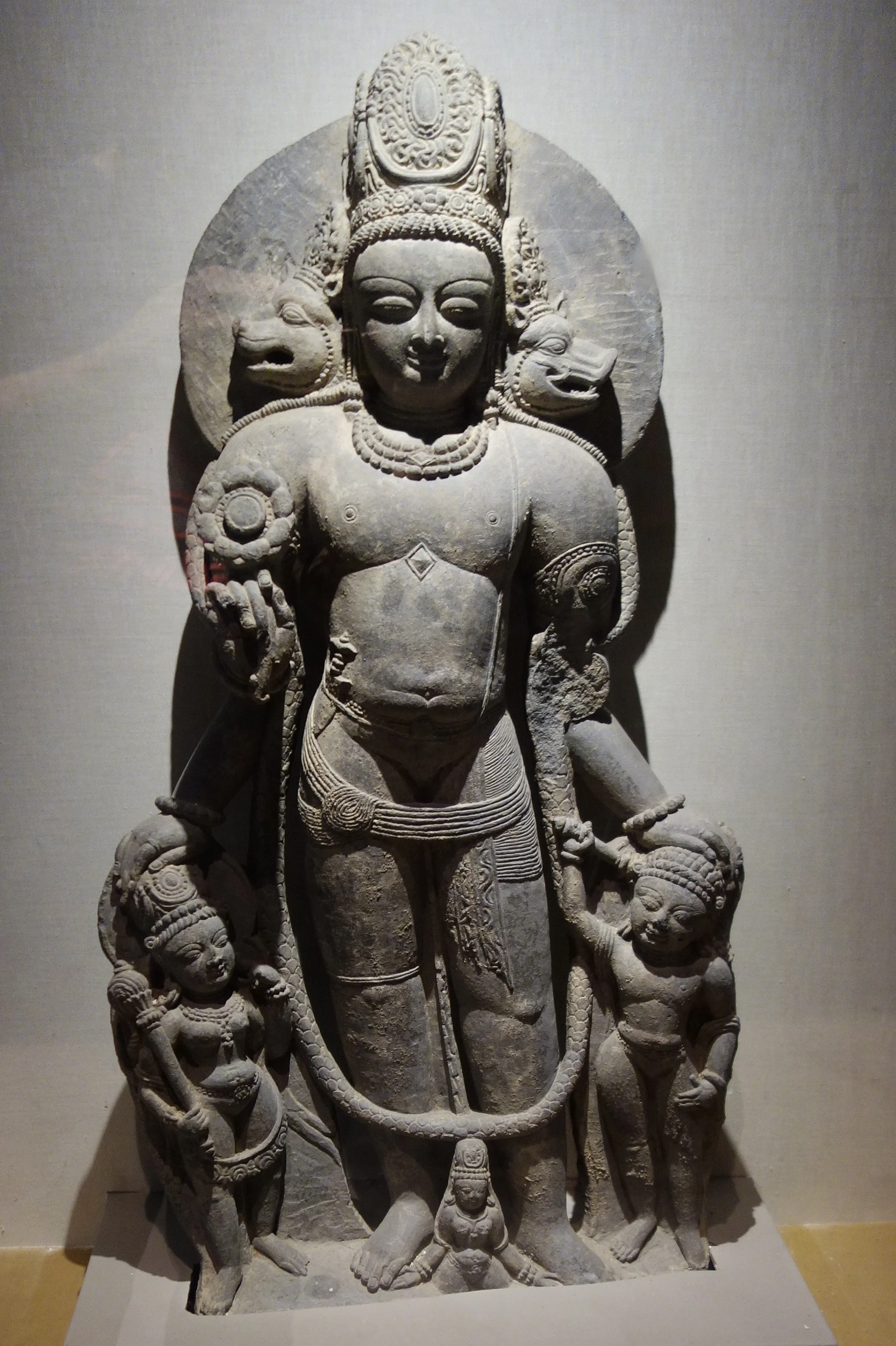
Vishnu : 12th Century, Stone
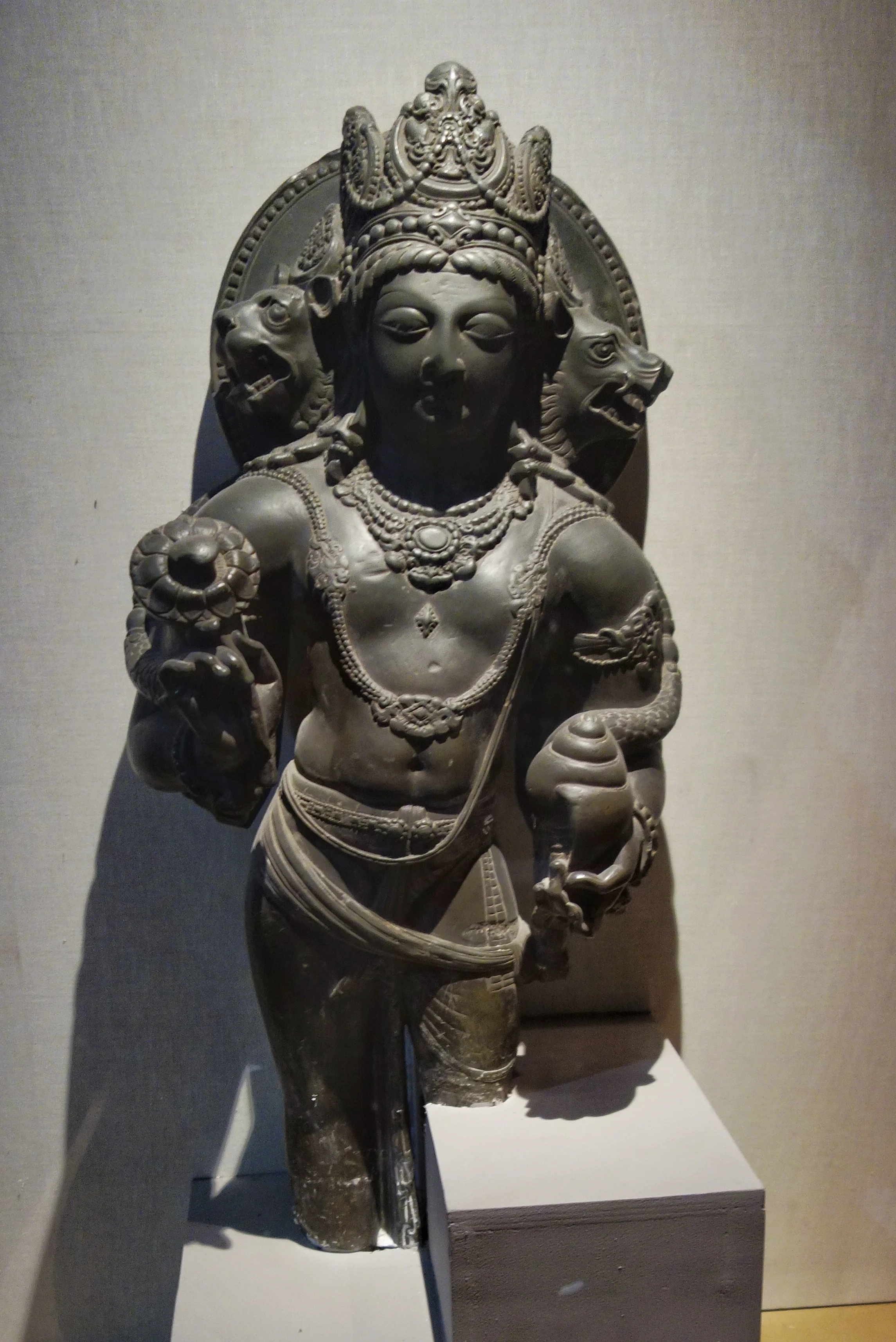
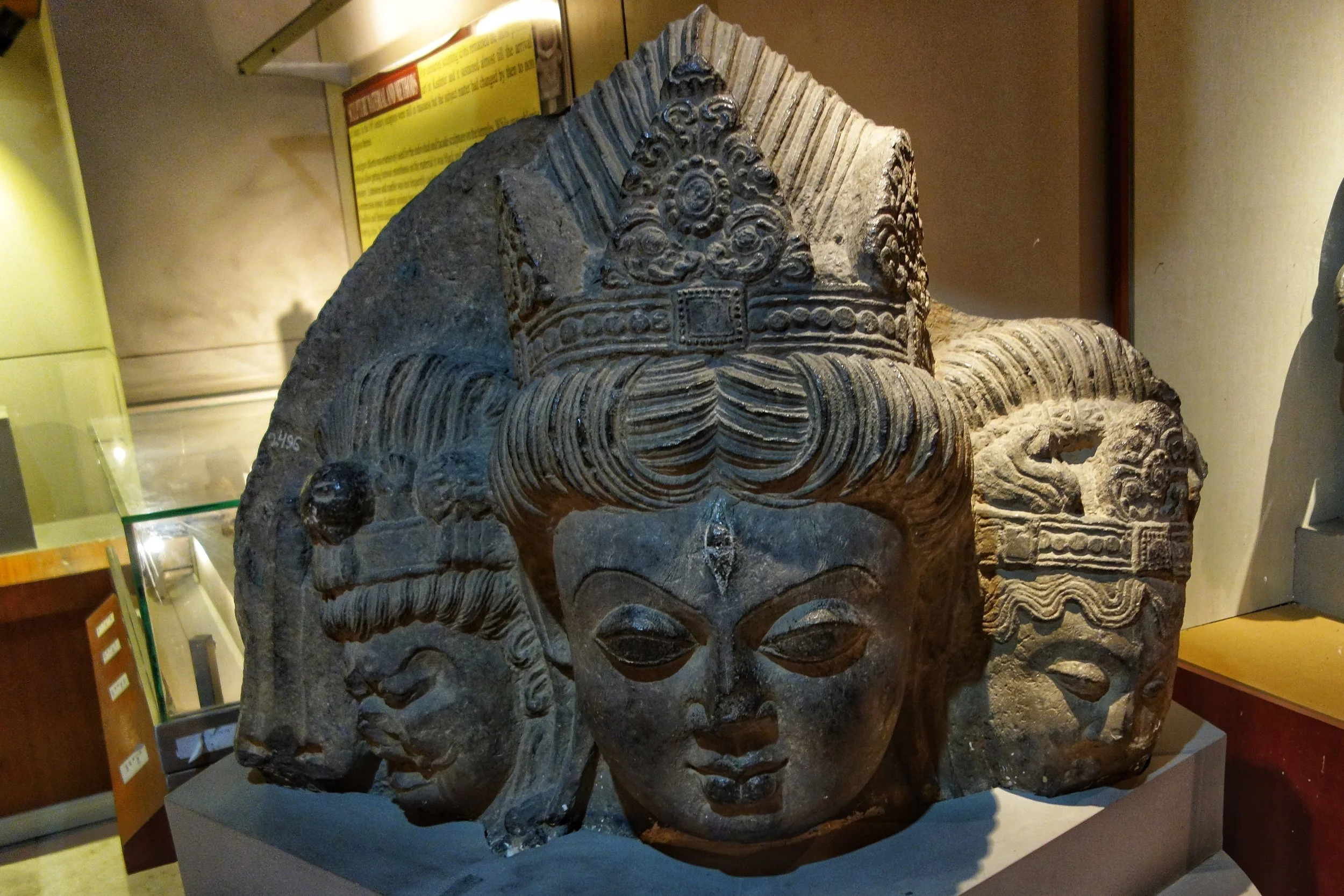
Shiva : 10th Century, Stone, Gupkar, Srinagar
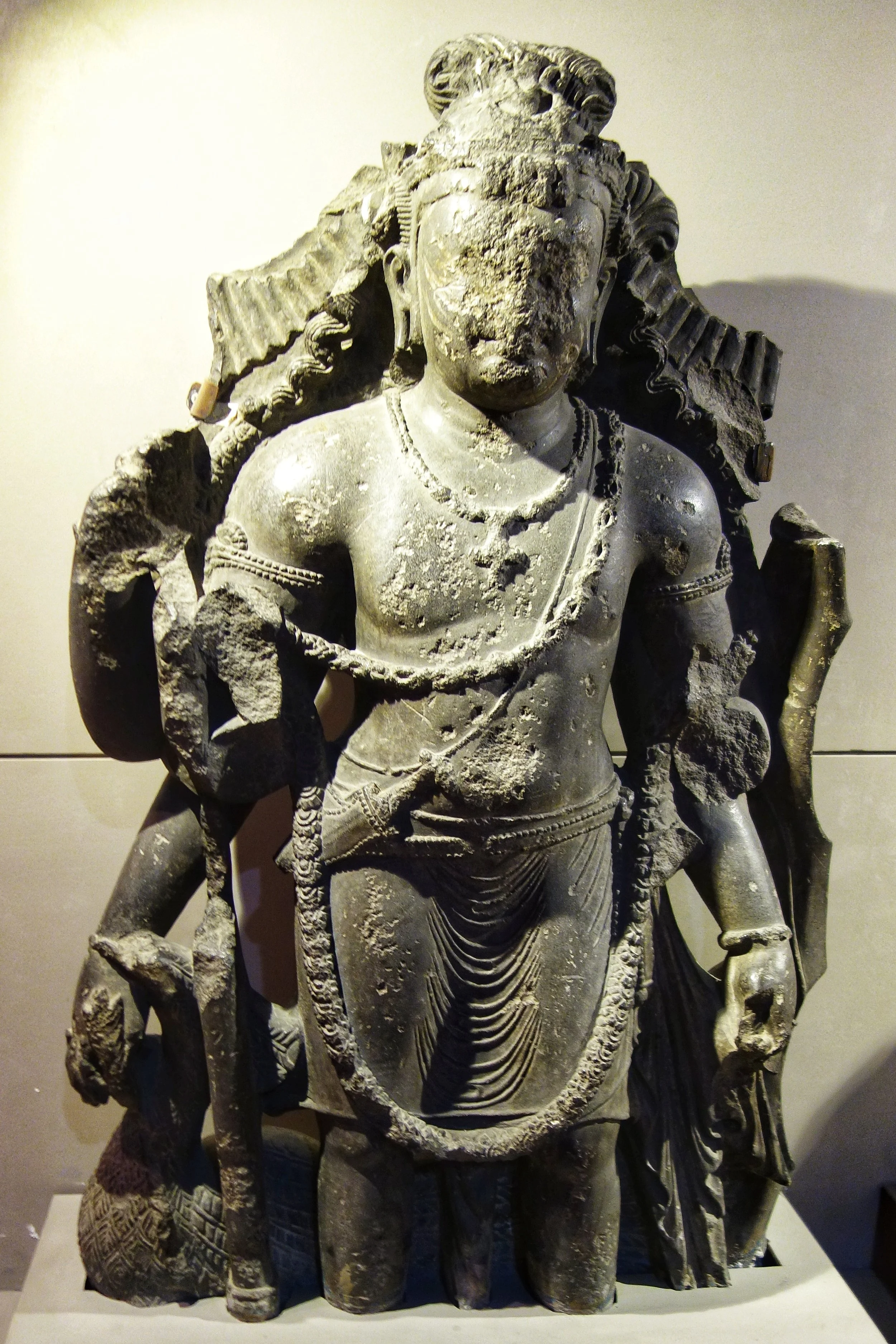
Kartikeya : 6th Century, Stone, Bij Behara
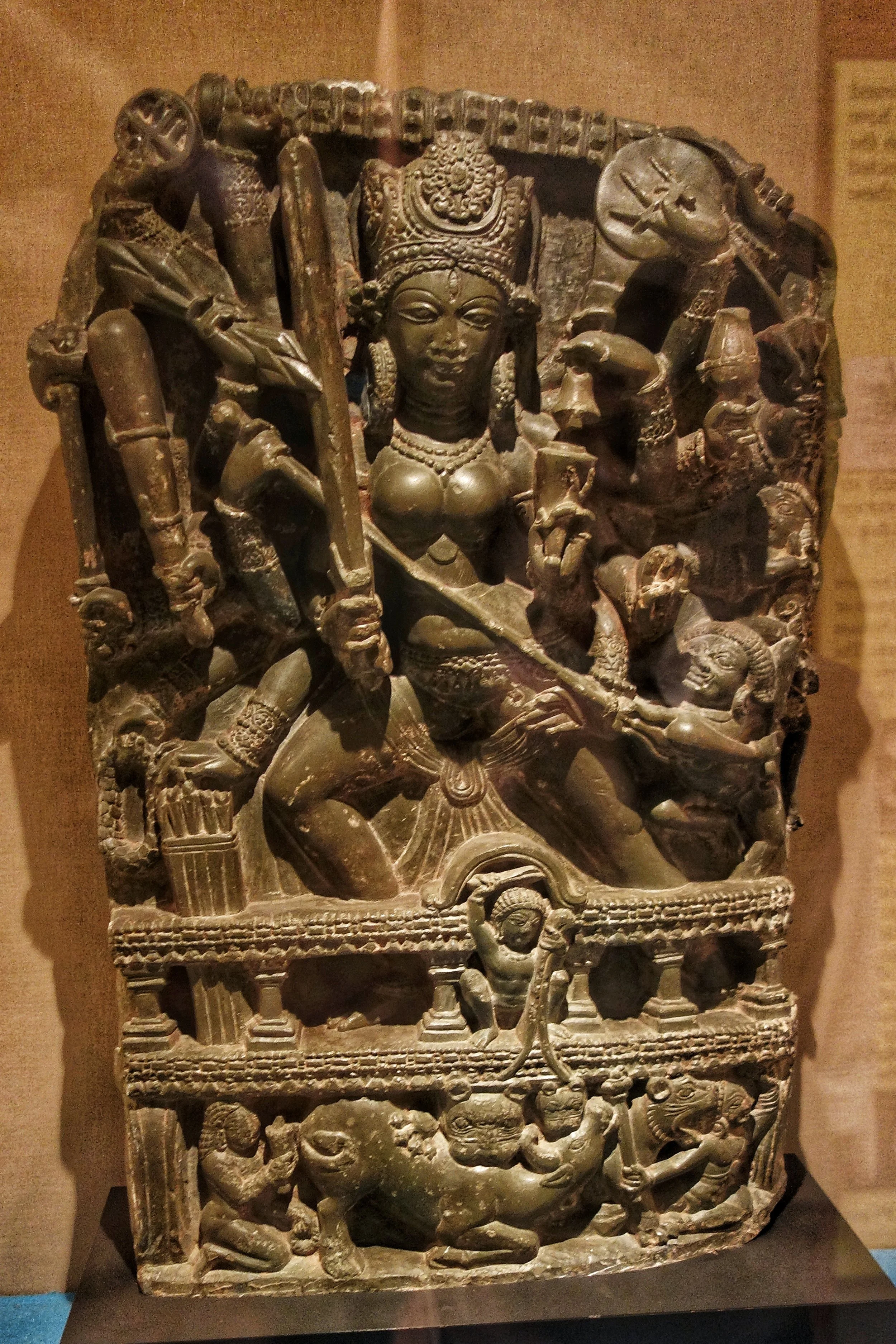
Durga : 8th Century, Stone, Pulwama
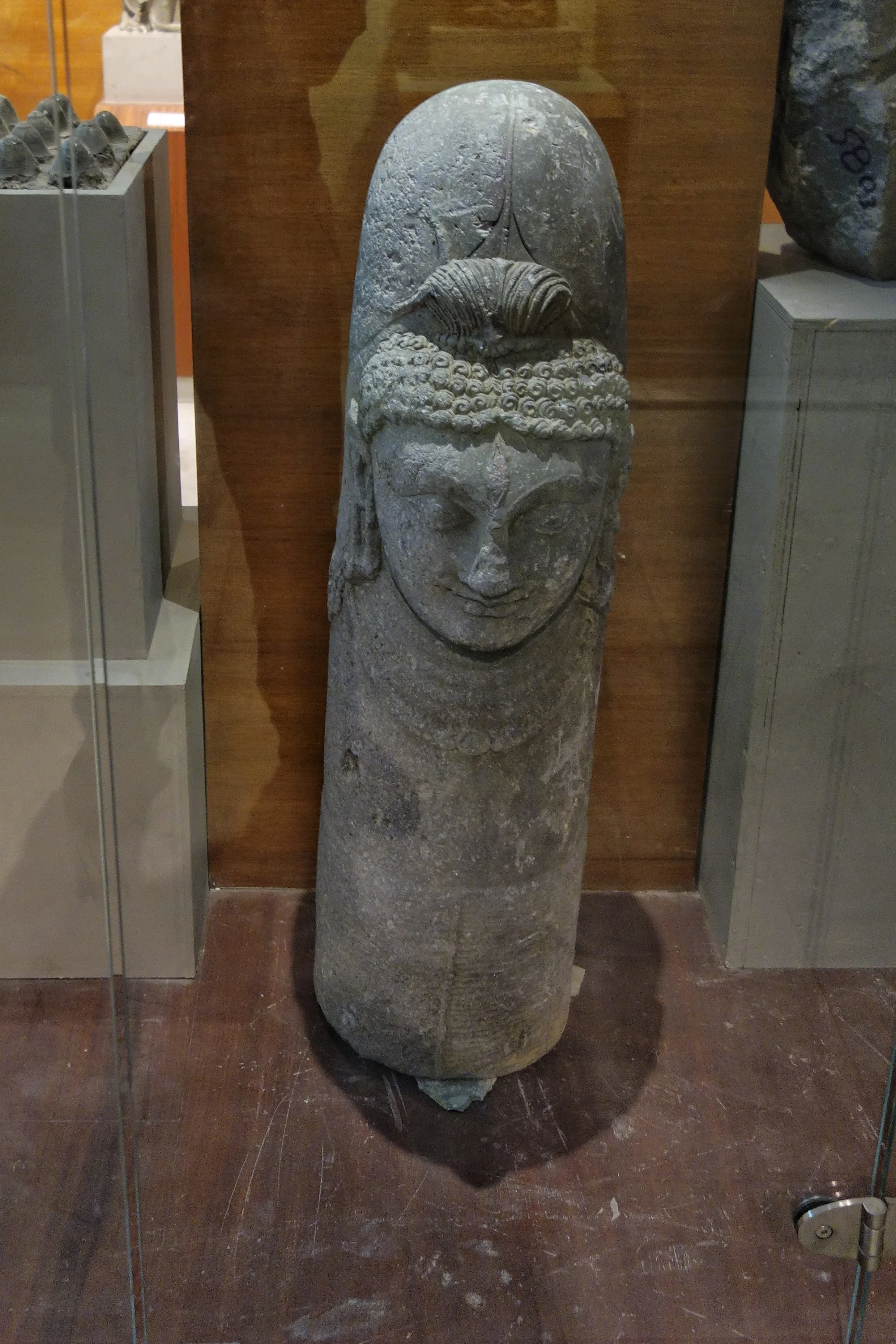
Ek Mukh Linga : 7th Century, Harwan (Recent find)
Kiki’s Blog
Stories from the Himalayas
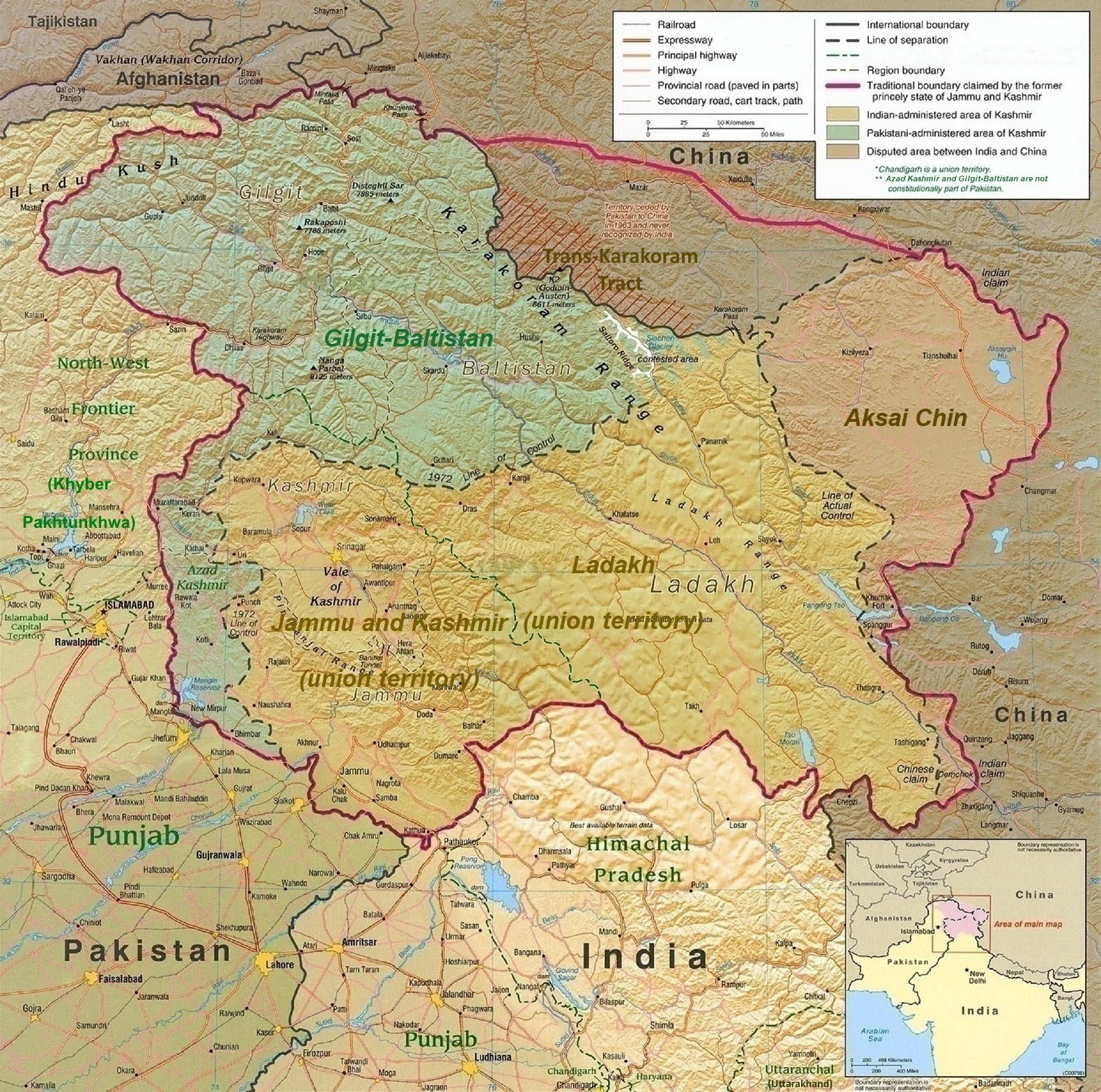



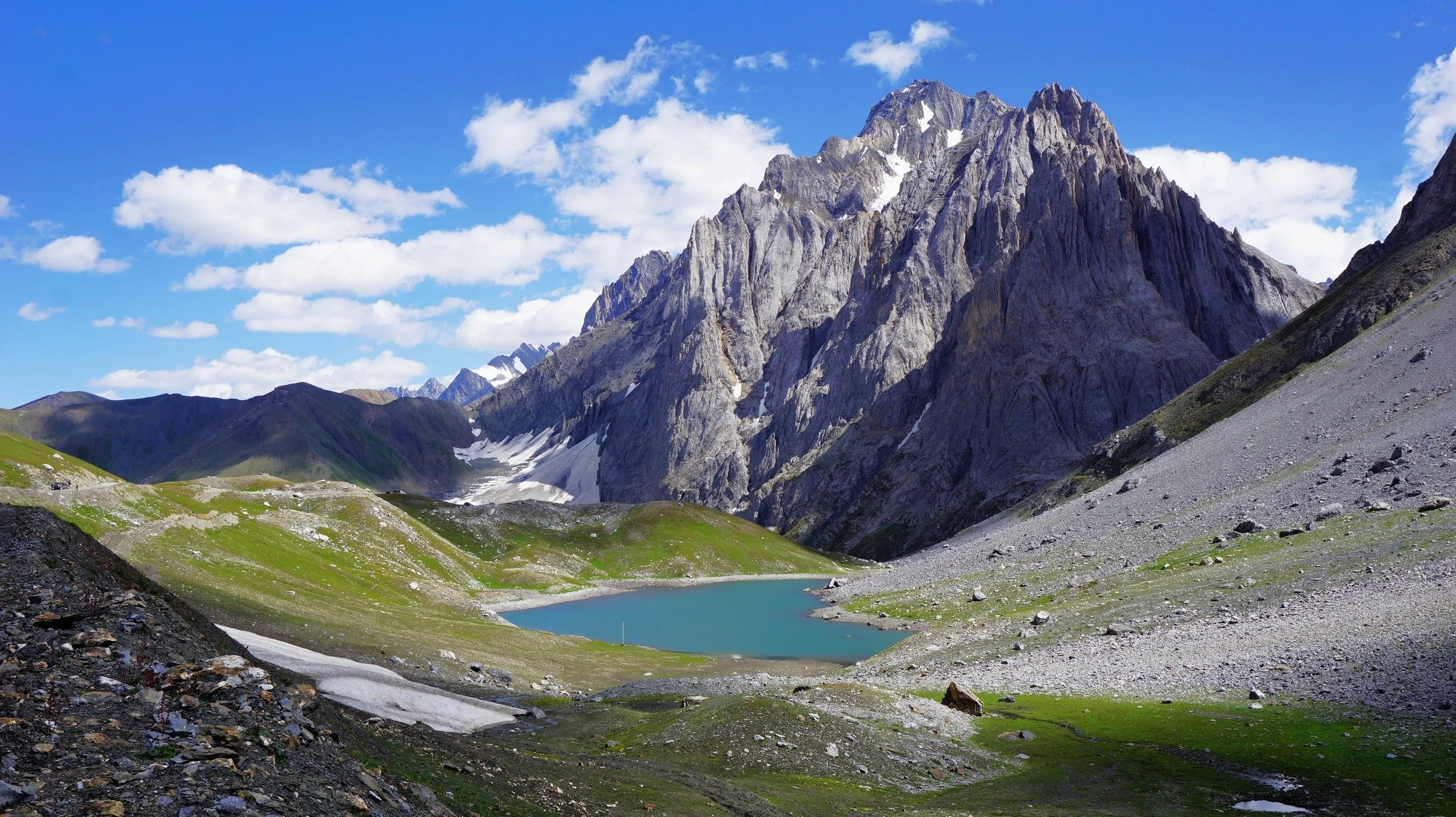
Five years ago the Galwan Valley was in the News for the wrong reasons after a deadly clash between the Indian and Chinese Armies in the Valley located in Ladakh lead to many deaths on the contentious Border between the two countries in wake of continued Chinese intrusions into Indian territory.
This area along the Shyok River, of which the Galwan Nallah or the Galwan River which forms the Galwan Valley has been off limits to Civilians since long but now the Indian Government has decided to open up the area for Civilians and we were amongst the First Civilians to venture into this beautifully desolate part of the Eastern Karakorams in Ladakh. Earlier Civilians could only venture upto the Village of Shyok from where the Shyok River takes a U turn and flows in a Northerly direction.