
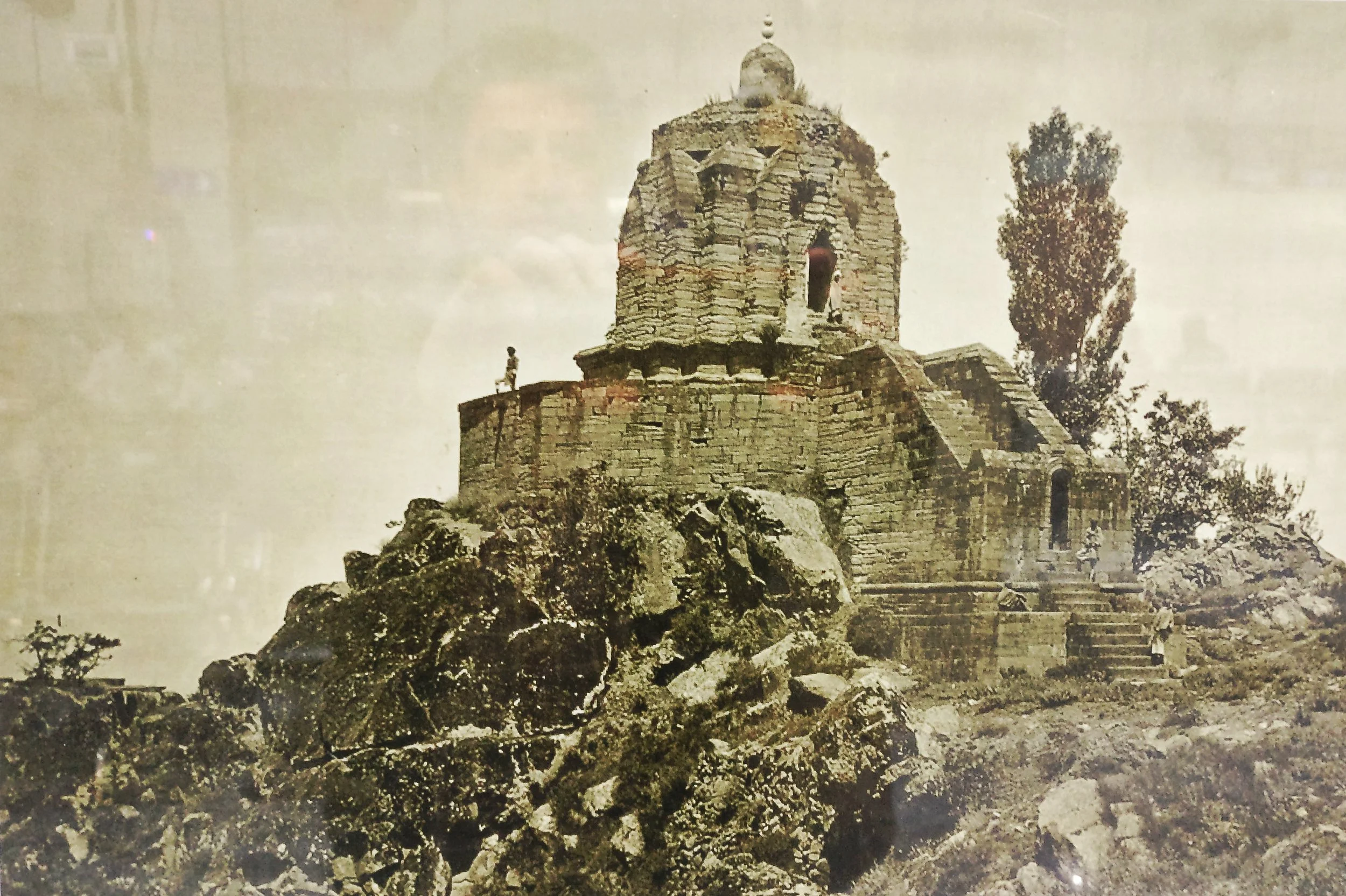
The Lingual Diversity of the state of Jammu and Kashmir
The state of Jammu and Kashmir is made up of a number of geographically separate Regions divided by Ranges of the Himalaya. Its home to a diverse variety of Ethnicity, Cultures, Religions and of course Languages and Dialects. This article looks at the language diversity in the state of Jammu and Kashmir.

The Lingual Diversity of the state of Jammu and Kashmir
The State of Jammu and Kashmir is not only Geographically and Ethnically diverse with the two Highest Ranges in the World, the Himalayas and the Karakorams and also hosting Peaks of over 8000m from both these Ranges. Ethically it has a diverse mixture of people and distinct Regions dominated by different Religions such as Islam, Buddhism and Hinduism. But one of the little understood and little know fact in the Lingual diversity that exists in this state which we study as it existed in 1947 before the Partition.
The state was basically made of of 5 different Regions which were all Mountainous and it was the Mountains and the Rivers which divided the Populations. The main Regions as we can name in today’s context were (in Alphabetical order) were Baltistan, Gilgit, Jammu, Kashmir and Ladakh. And of course we have a major language language associated with the Region. Balti with Baltistan, Shina with Gilgit, Dogri with Jammu, Kashmiri with Kashmir and Ladakhi with Ladakh. But these classifications only sum up the language of the perceived majority in that Region but doesn't really give a true picture of the lingual diversity and how the languages sometime merge to create hybrid languages.
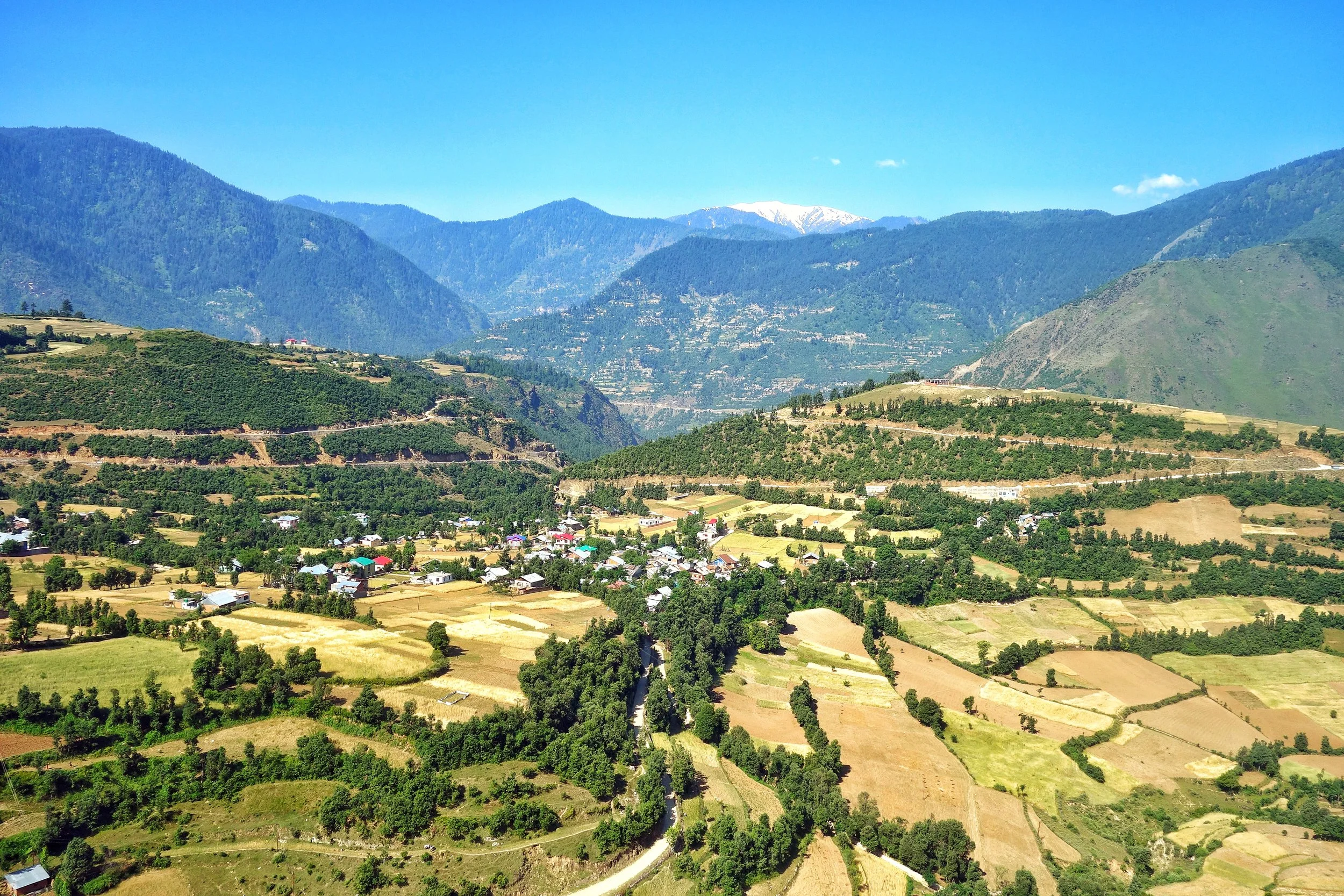
Starting from the Jammu Region which has a diverse language influences. Starting from the bottom at Poonch and Rajouri where the spoken language is Poonchi or Pahari or Potohari. This language belongs to the Lahnda/ Punjabi family of the Indo Aryan languages. Moving Eastward we have the Dogri language, which was considered as a Punjabic language and still has a lot of commonality with Punjabi. But now Dogri is considered an independent language and one of the main languages of the Western Himalayan Pahari language Group.
And then we have the Gurjuri spoken by the Gujjars. Gurjuri is closely allied to the Marwari dialect of Rajasthani and also has a fair mix of Punjabi in it. In fact the Gujars living in Punjab speak Punjabi and the languages are intermixed. Gurjuri is also spoken in the Kashmir Valley where also there are communities of Gujjars. However a number of Kashmiri words have overtime have become common usage by the Kashmiri Gujjars influenced by their Kashmiri neighbours.
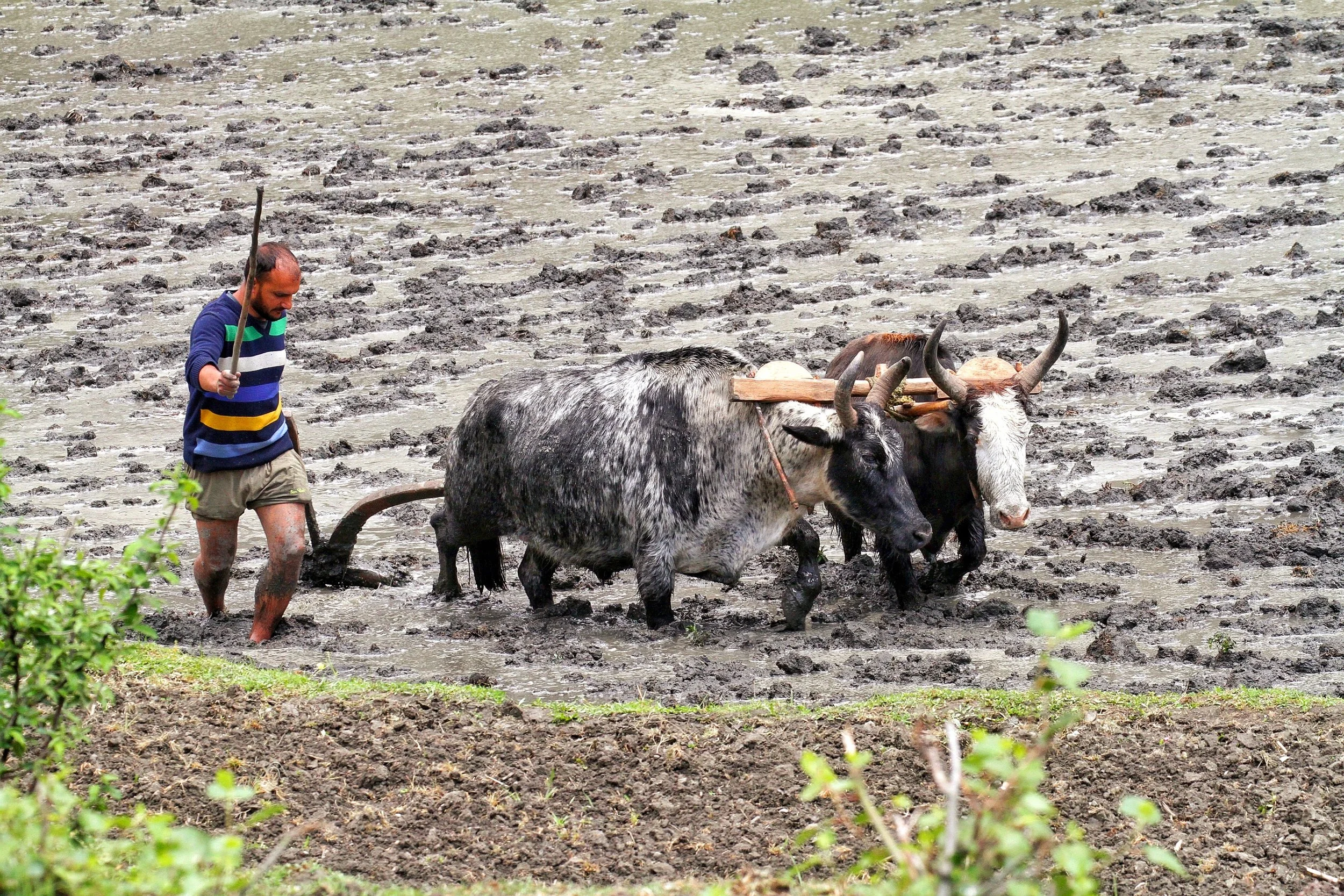
Moving upwards into other parts of the Jammu Division we see increasing influence of Kashmiri language which is a part of the Dardic Language family of the Indo Aryan language Group. Bhadarwahi, Bhalesi and Curahi from an intermediate forms of speech bridging the gap between the Punjabi or Dogri and the Kashmiri System. Padari is an extremely interesting dialect, spoken in Padar region of Kistwar on the banks of the Chinab. It has a striking similarity to Pangwali, spoken in the Pangi Valley in Chamba.
Siraji is the language spoken in country north of Chinab between Ramban and Bhart on the way to Kishtwar. It is central to Doda and is also called Doda Siraji at times. Due to its location, to the North it gives was to Kashmiri, on West to Rambani, on the North East to Kishtwari, and on the South and South West to Bhadarwahi and Chamba dialect. Its generally frameworked like Punjabi but has many points in agreement with Kashmiri.
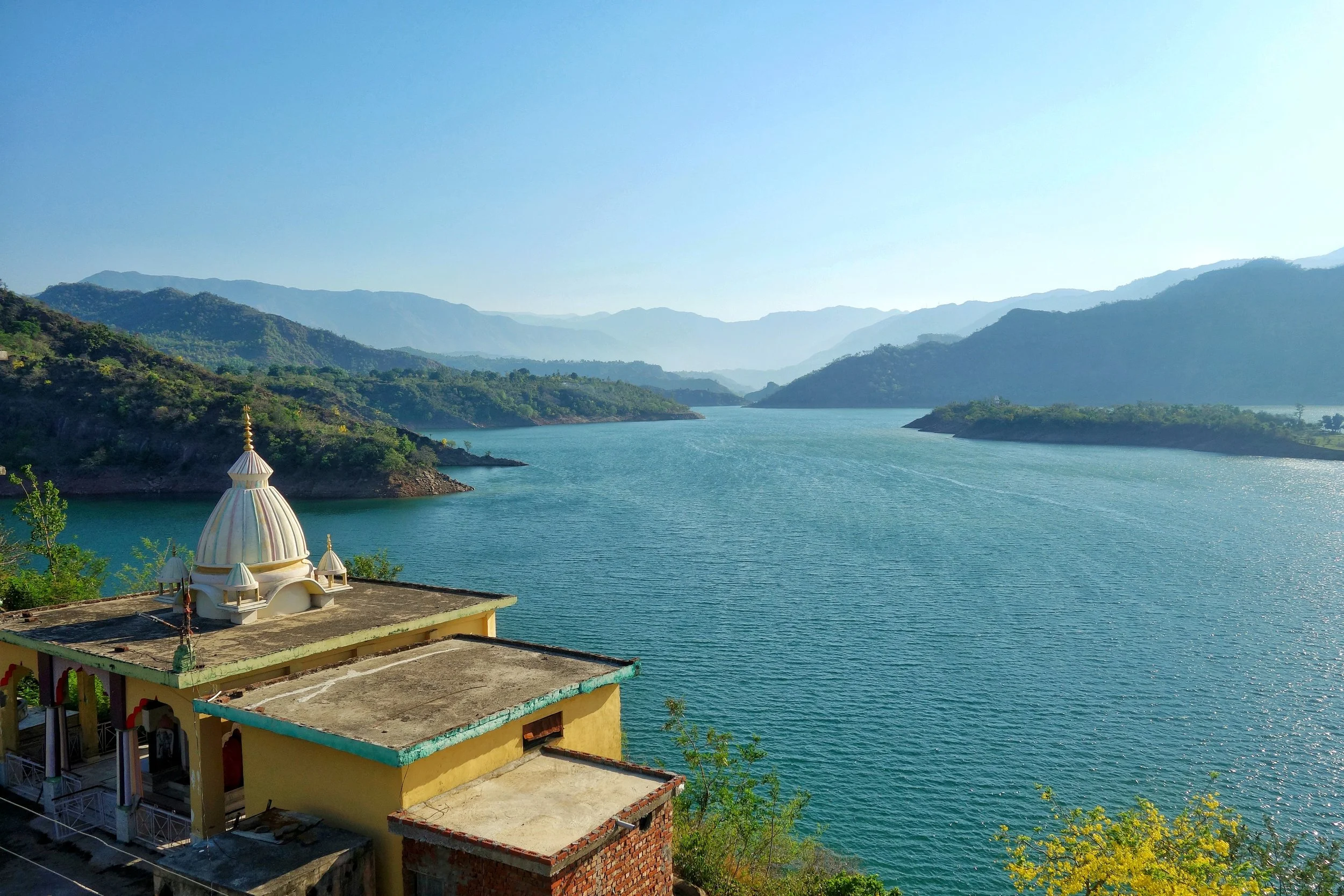
Rambani as the name suggests is the language spoken around Ramban and like the Poguli which it closely resembles it is connected with Kashmiri though further away than it than Poguli. Rambani has a very largely Punjabi pronunciation whereas Poguli pronunciation is more like Kashmiri.
Poguli is a language spoken in a small area to the East of Ramsu. It resembles Kashmiri though it is unintelligible to speakers of the Kashmiri language. However it seems that all speakers of Poguli have some basic understanding of Kashmiri. Nearly all peculiarities of Kashmiri are found in Poguli which however contains a number of points in common with dialects which look to Punjabi as a fountainhead. Kishtwari is spoken around the Kishtwar area of the Kishtwar region. It is considered a sub-dialect of Kashmir which it resembles very much. Kashmiri is well understood in Kishtwar.
And of course then we come to the Valley itself where the main spoken language is Kashmiri. The second most spoken language in Kashmir is Gurjuri probably followed by Punjabi / Pahari spoken in the Border areas adjoining the LOC in the West. However there are still speakers of Shina in the Gurez Valley, a couple of Villages in Tral and the Sarbal Village in Sonamarg. There is also a small community of Shina people who live in Srinagar city and they also speak Shina. Shina BTW is the main language of people in Gilgit.

Shina itself is a part of the Dardic family, same as the Kashmiri language. Its the most spoken language of the Gilgit region and it has a number of dialects such as Gilgiti (the prestige dialect), Astori, Chilasi Kohistani, Drasi, Gurezi, Jalkoti, Kolai, and Palasi. Related languages spoken by ethnic Shina are Brokskat (the Shina of Baltistan and Dras), Domaa, Kohistani Shina, Palula, Savi, and Ushojo. Shina is also spoken in the Drass area, Dah and Hanu and other “Aryan” Villages of Ladakh. Shina is also spoken in areas adjoining Gilgit like Kohistan in Khyber Pakhtunkhwa.
And then we come to Baltistan, where the main language is Balti. Balti is a part of the Tibetan family and belongs to the Ladakhi Balti Group. Infact many words that were used in old Tibetan are still found to be in use in modern Balti whereas they are not used in modern Tibetan anymore. Balti is widely spoken in Baltistan and a dialect, the Puriki is spoken in the Kargil area and the Suru Valley. Proper Balti is spoken in the Turtuk area of Ladakh as well. The language is also used by Balti communities settled elsewhere including the small Group of Balti people settled around Dehradun in Uttarakhand.
And finally Ladakhi which like Balti belongs to the Tibetan language family and is related to Balti as well. Besides proper Ladakhi it has a dialect called the Zanskari which is spoken in the Zanskar region. Interestingly both Ladakhi and Balti belong to the Ladakhi Balti family of Tibetan language. These are also called Western Archaic Tibetan languages as they have a lot in common with Old Tibetan unlike the more modern Western Tibetan language of the Lahaul Spitian language. Ladakhi has other sub-dialects if you may like Lehskat after Leh, where it is spoken; Shamskat, spoken in the northwest of Leh; Stotskat, spoken in the Indus valley and which is tonal unlike the others; Nubra, spoken in the north of Leh. In my personal experience I think all these Tibetan languages are mutually intelligible to some extent as I see people speaking Puriki and Ladakhi being able to have a conversation.
This should give you an idea of the languages spoken in the state of Jammu and Kashmir and we know that in the Mountains in the older times populations evolved in isolation and hence the vast array of languages and dialects and sub dialects. Infact in some cases the language changes from Valley to Valley so the actual number of dialects are well impossible to even comprehend but this gives you an idea of the diversity.
Source : Language of Northern Himalayas by Bailey 1908 and other Internet sources including Wikipedia.
And adding a language Map of Jammu and Kashmir by Drew from the late 1800's.
Tibetan Arts and Antiquities at the Shanghai Museum
The Shanghai Museum holds a collection of Tibetan Antiquities and Arts from down the ages in its Minority Ethnic Groups section. Here is a glimpse at some of the Tibetan pieces on display at the Museum.

Tibetan Arts and Antiquities at the Shanghai Museum
The Shanghai Museum holds a collection of Tibetan Antiquities and Arts from down the ages in its Minority Ethnic Groups section. Here is a glimpse at some of the Tibetan pieces on display at the Museum.
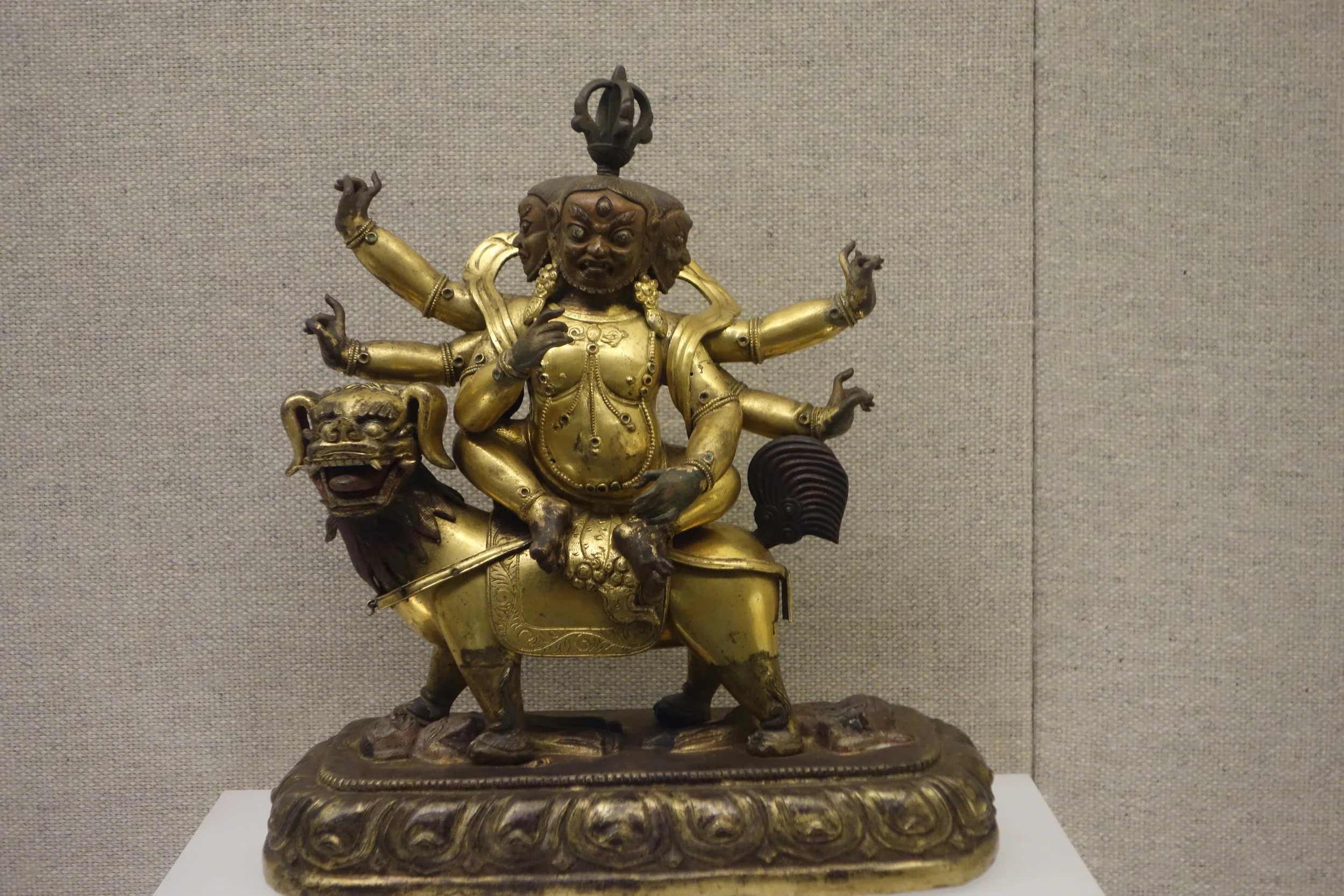
Gilt Copper Figurine of a Wrathful Manjusri

Gilt Brass figurine of White Tara
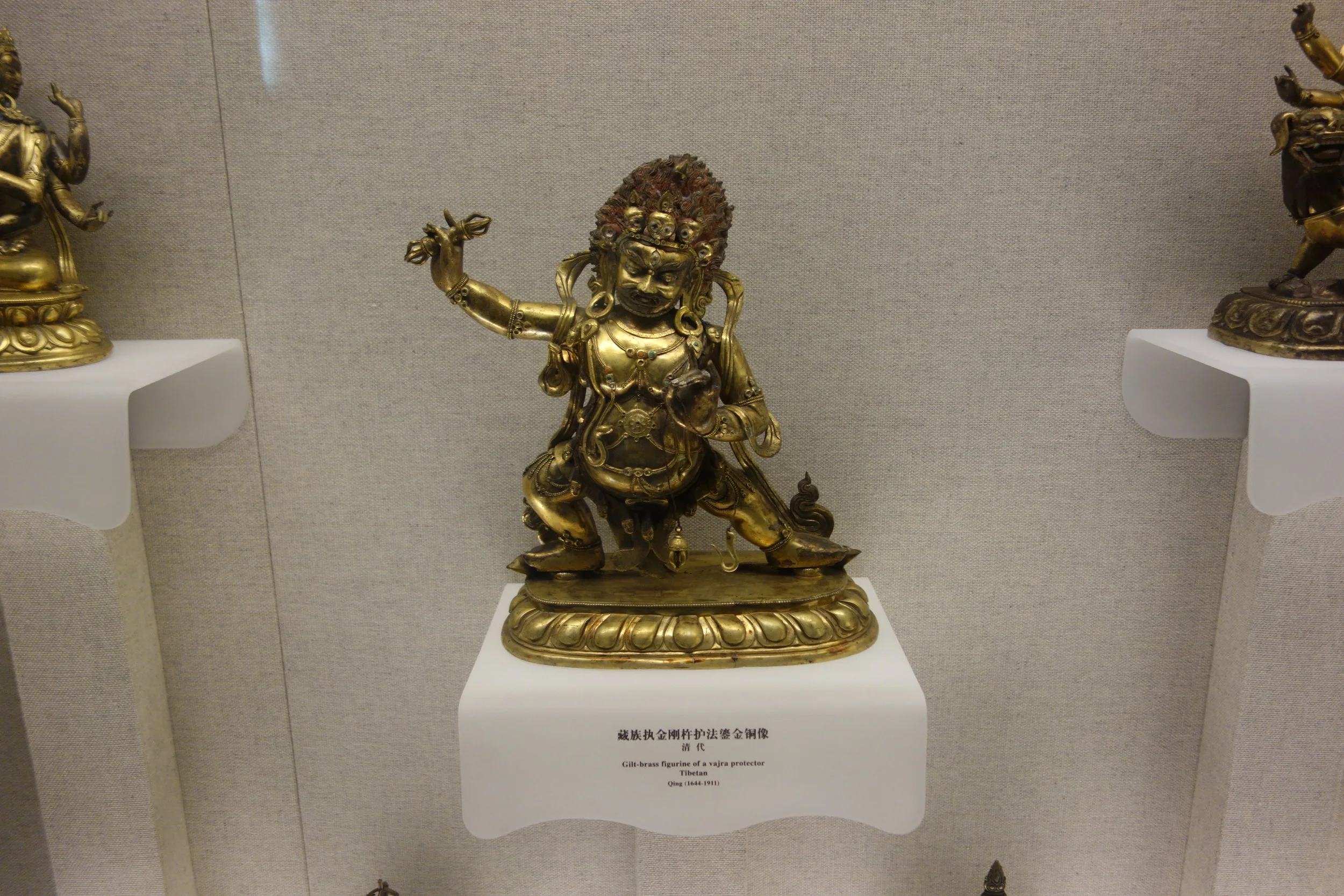
Gilt Bronze Figurine of a Vajra Protector
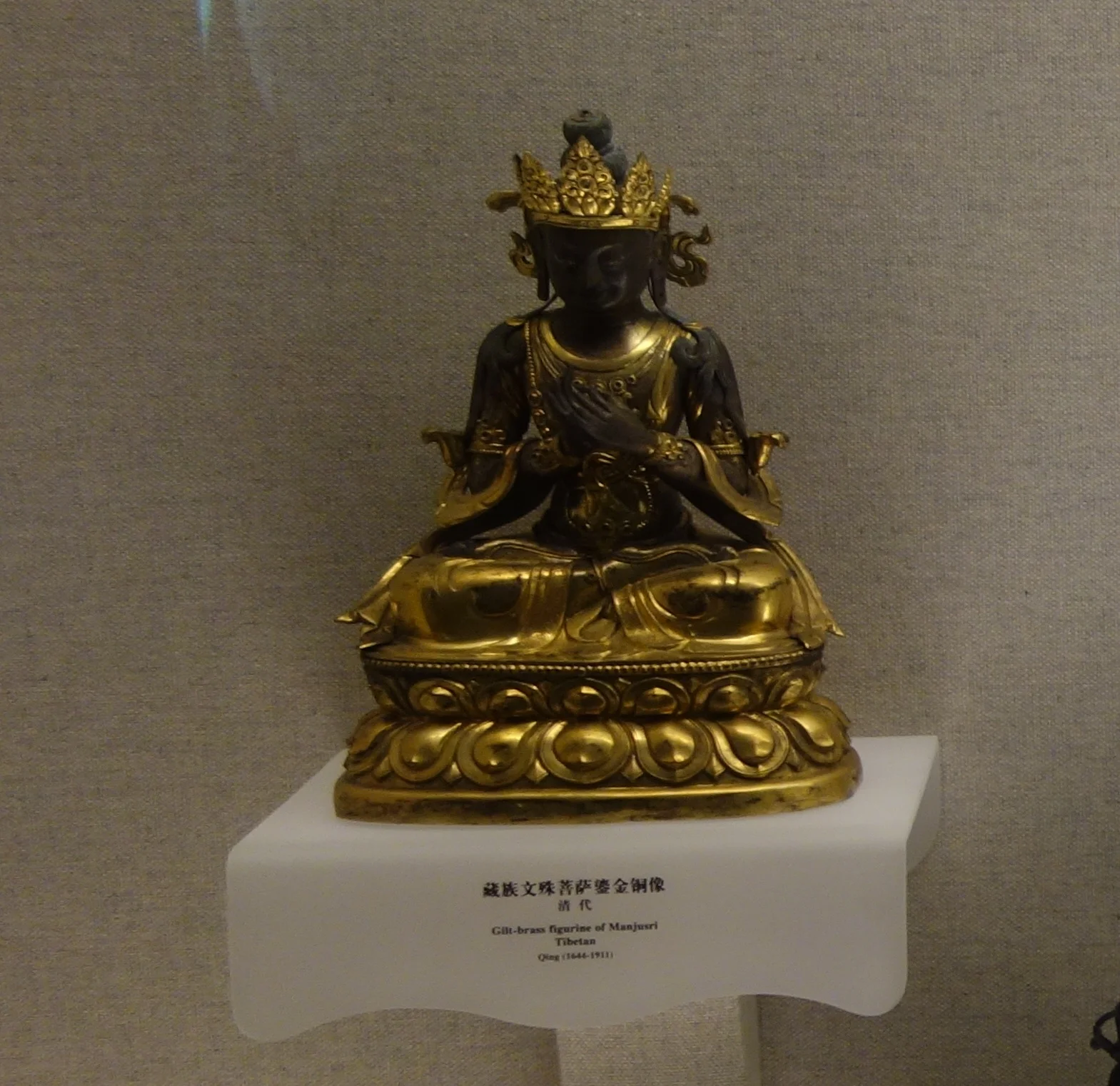
Gilt Brass Figurine of Manjusri
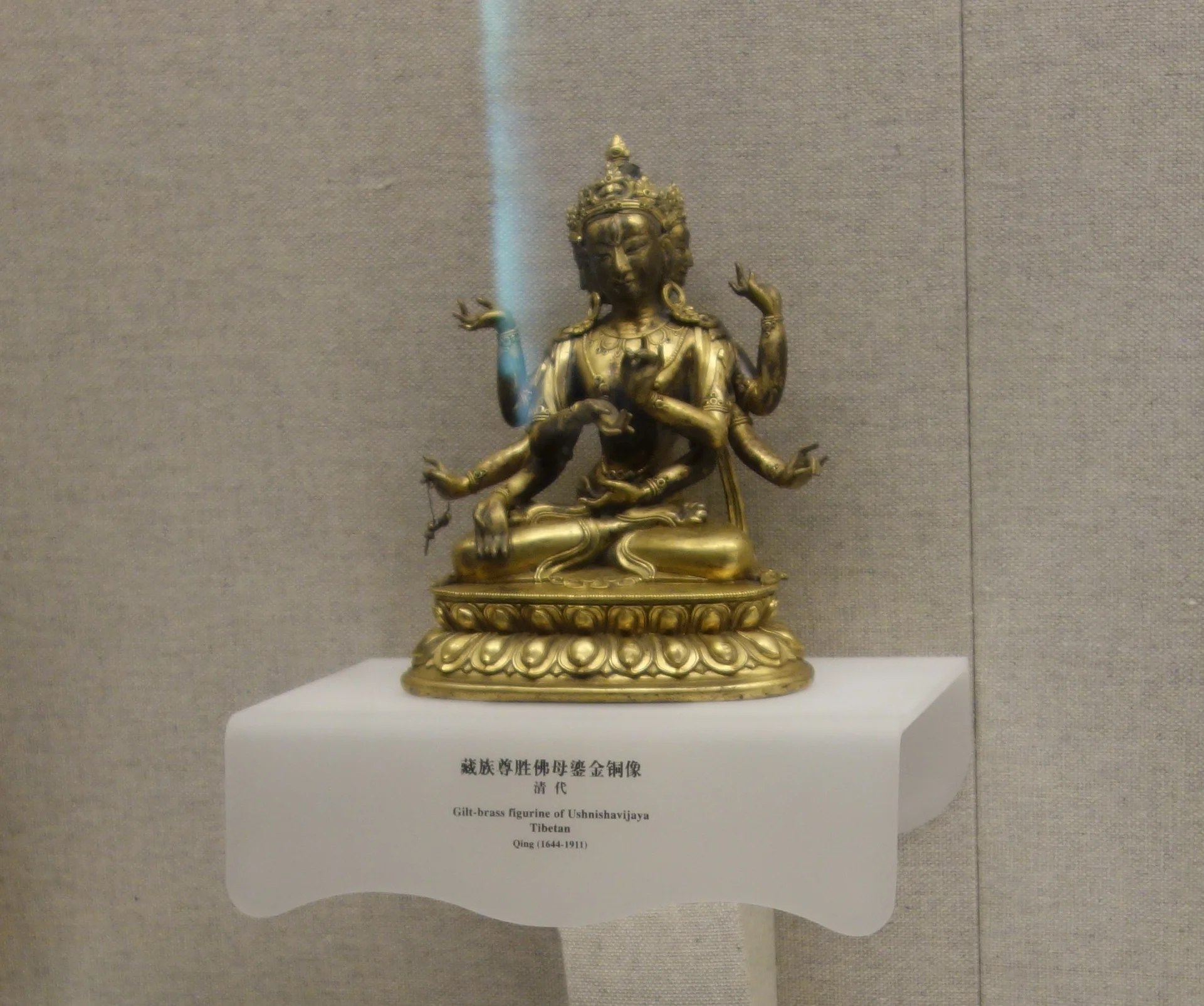
Gilt Brass figurine of Ushnishavijaya
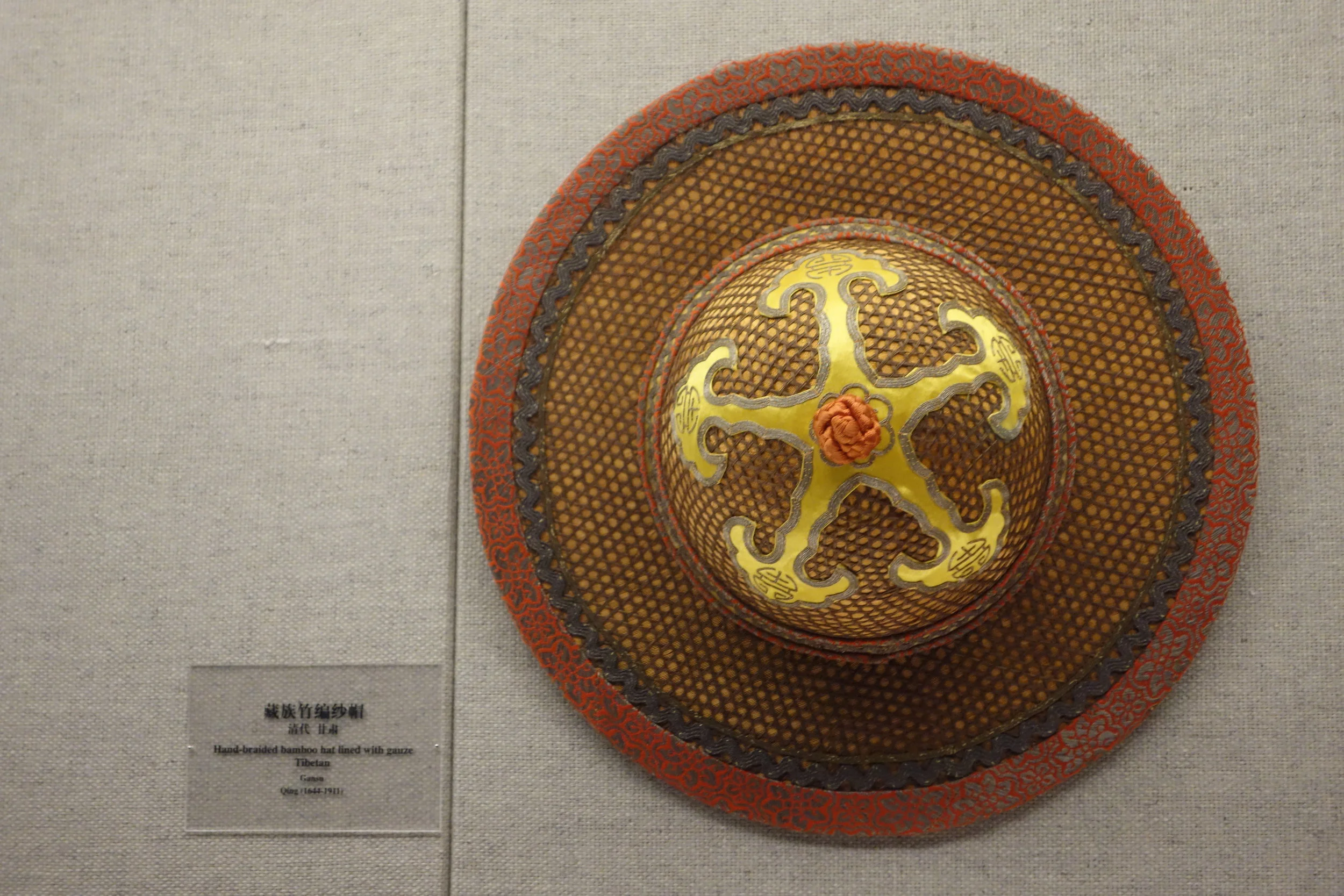
Hand Braided Bamboo Hat lined with guaze - Gansu
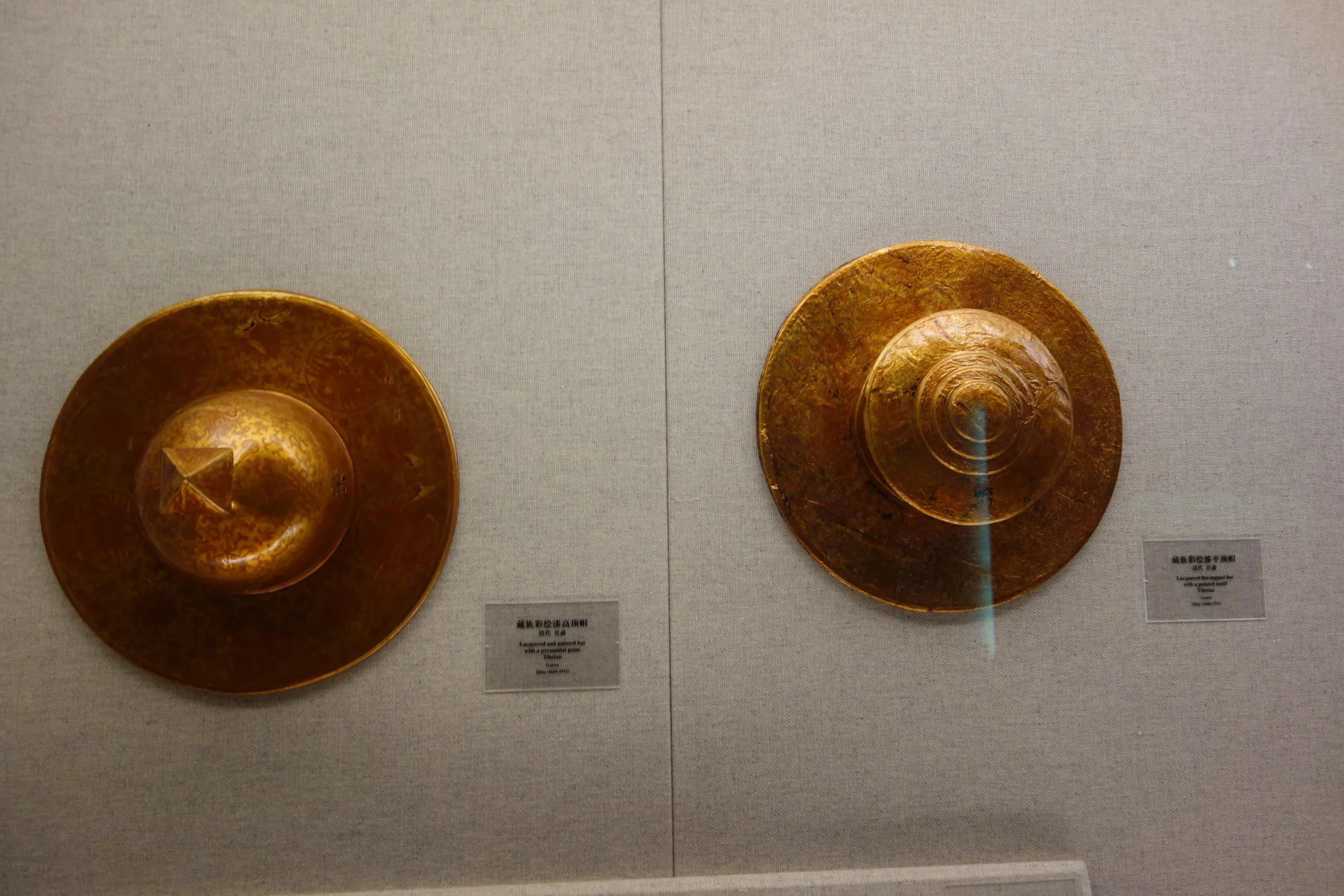
Left : Lacquered Hat with Pyramidal Point Right : Lacquered Hat with Flat Point
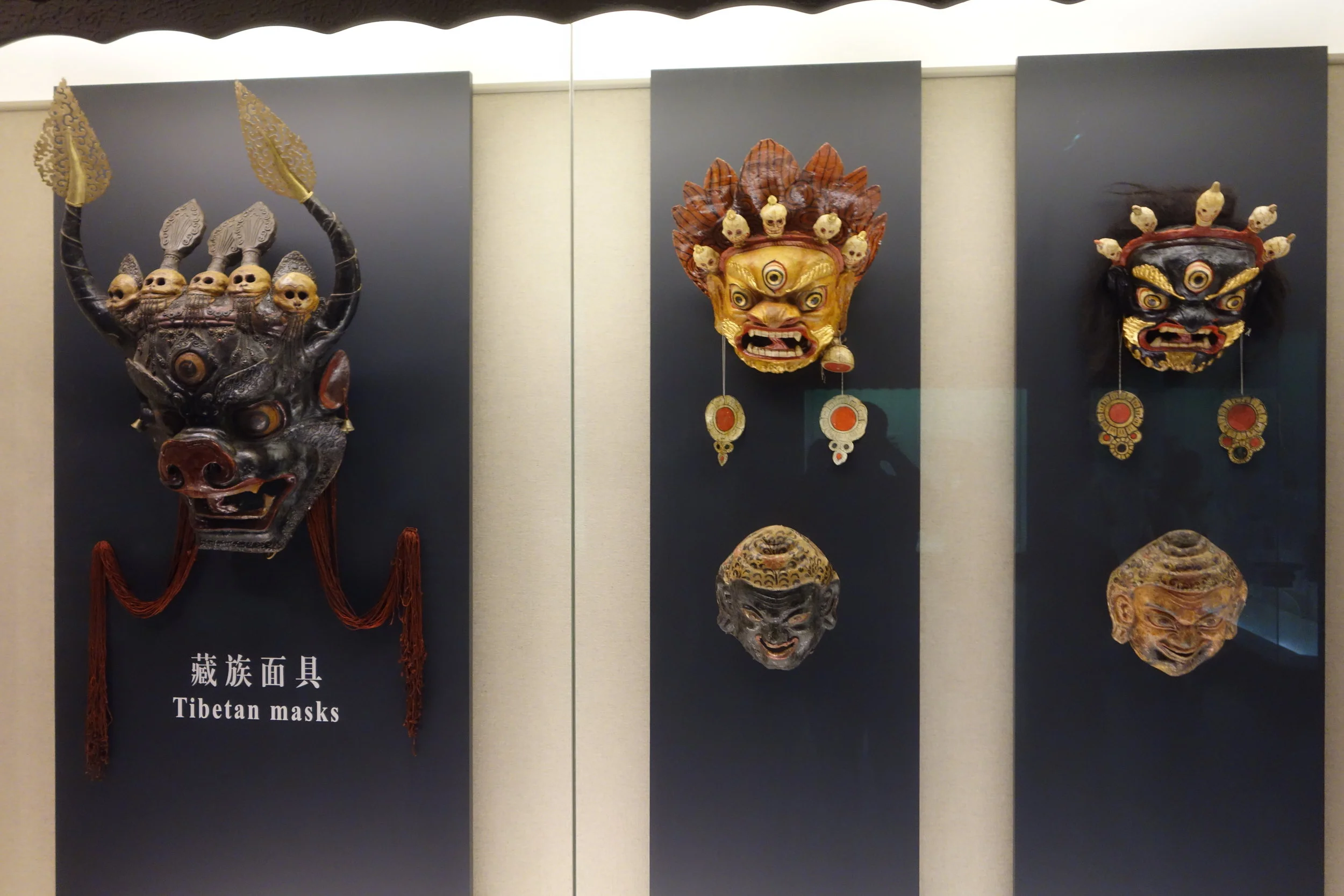
Tibetan Ceremonial Masks
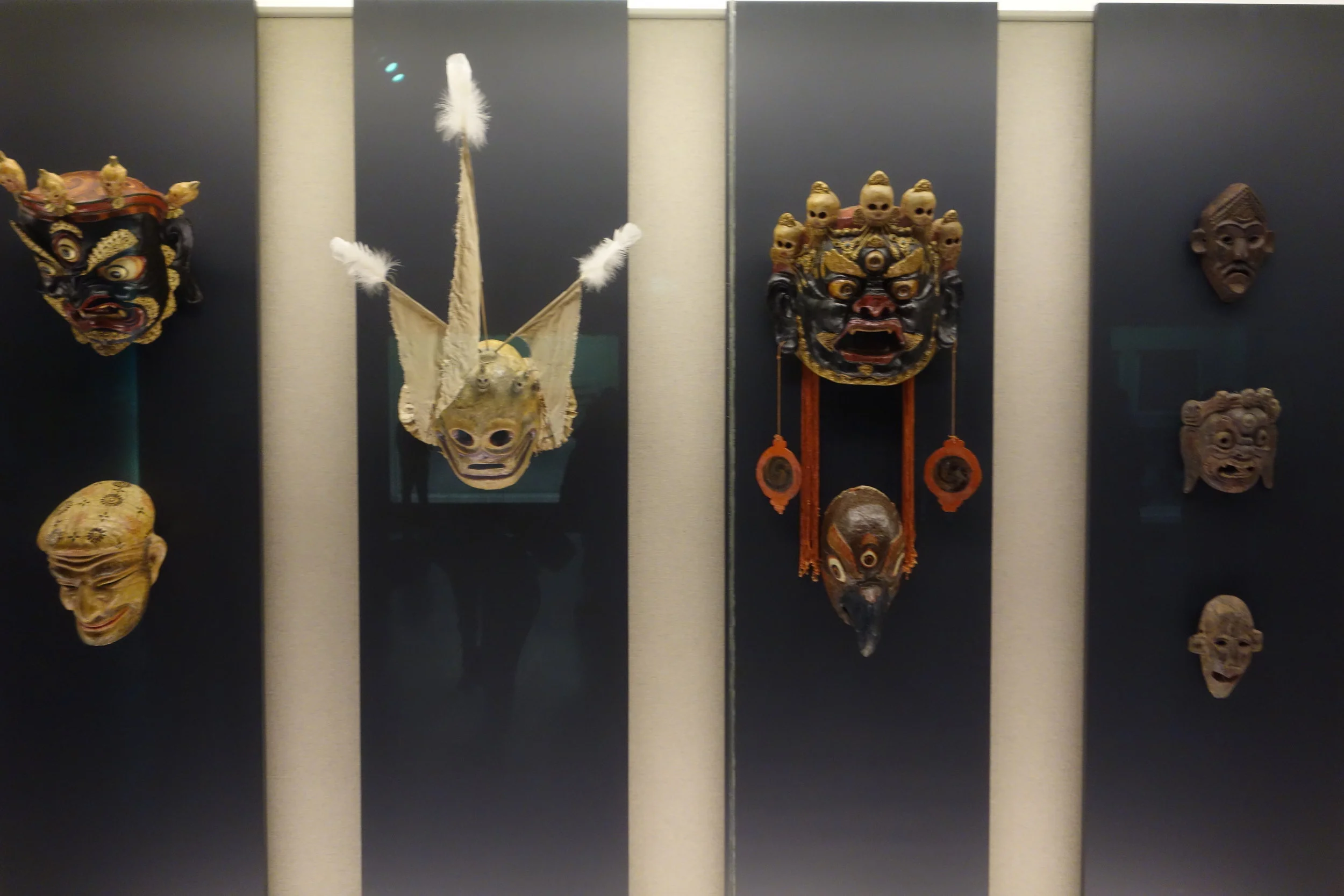
Tibetan Ceremonial Masks

Kapala Bowl with a Copper Cover
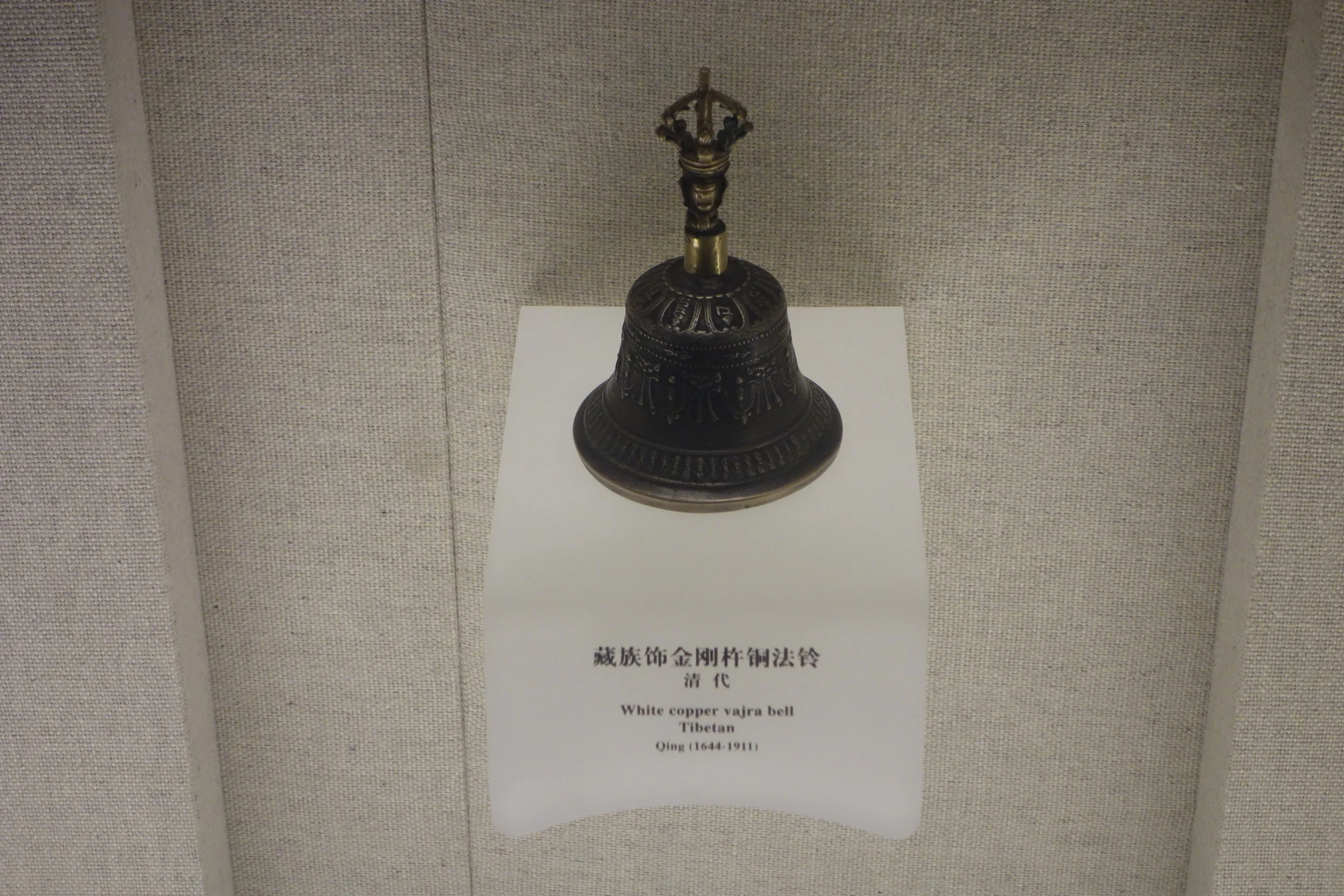
White Copper Vajra Bell
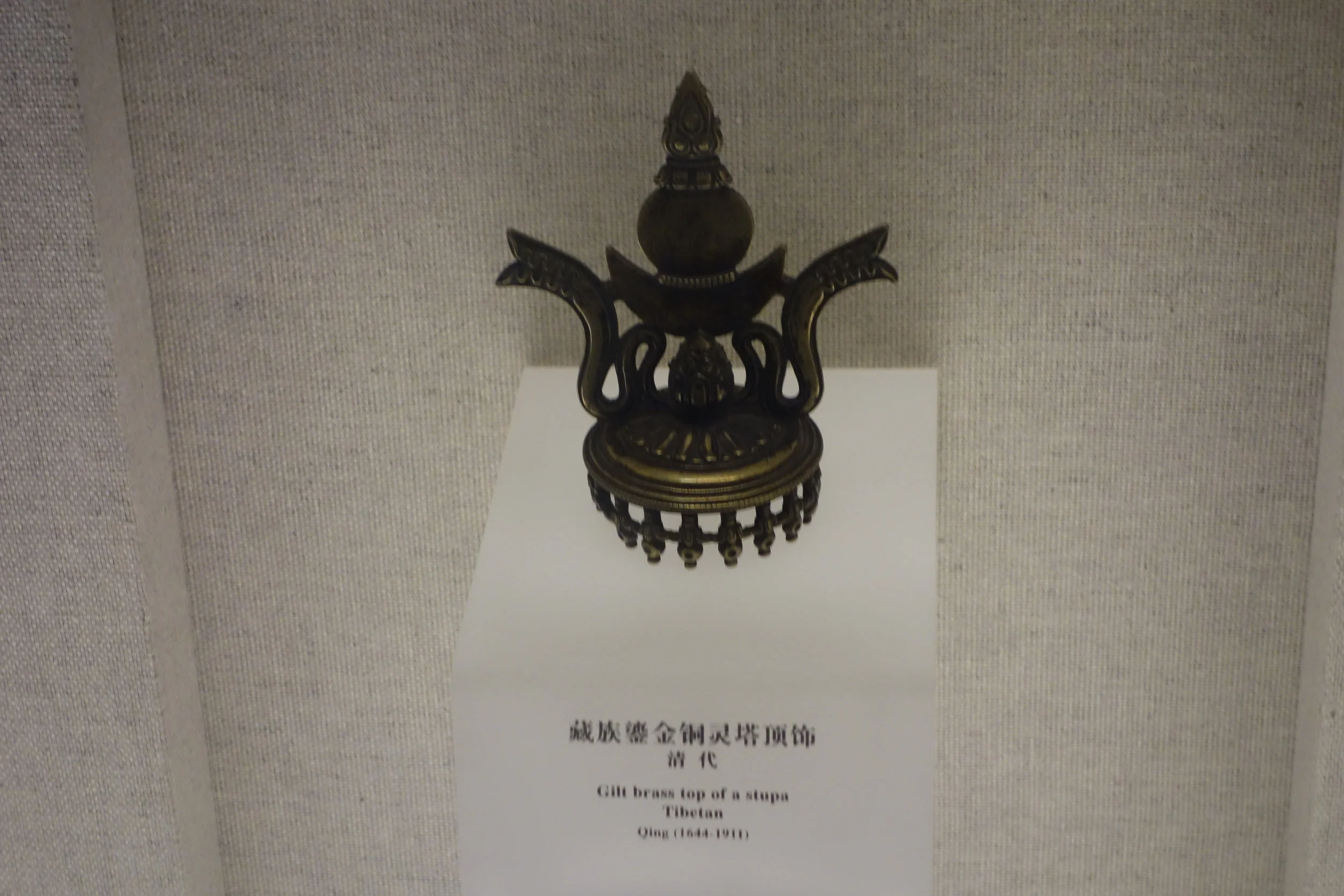
Gilt Brass Top of a Stupa
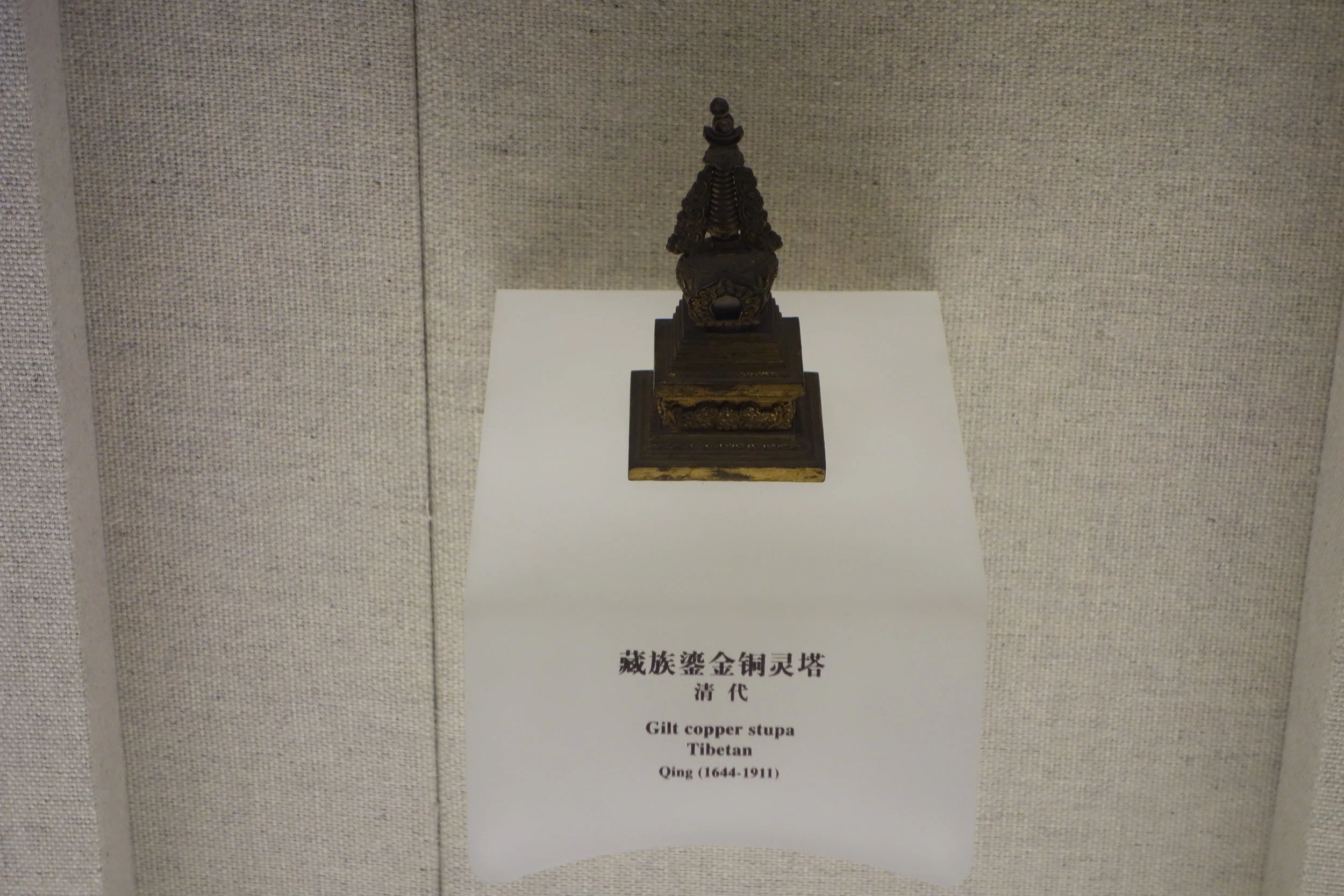
Gilt Copper Stupa

Left : Silver Prayer Wheel with a hammered Motif Right : Brass Vajra Axe
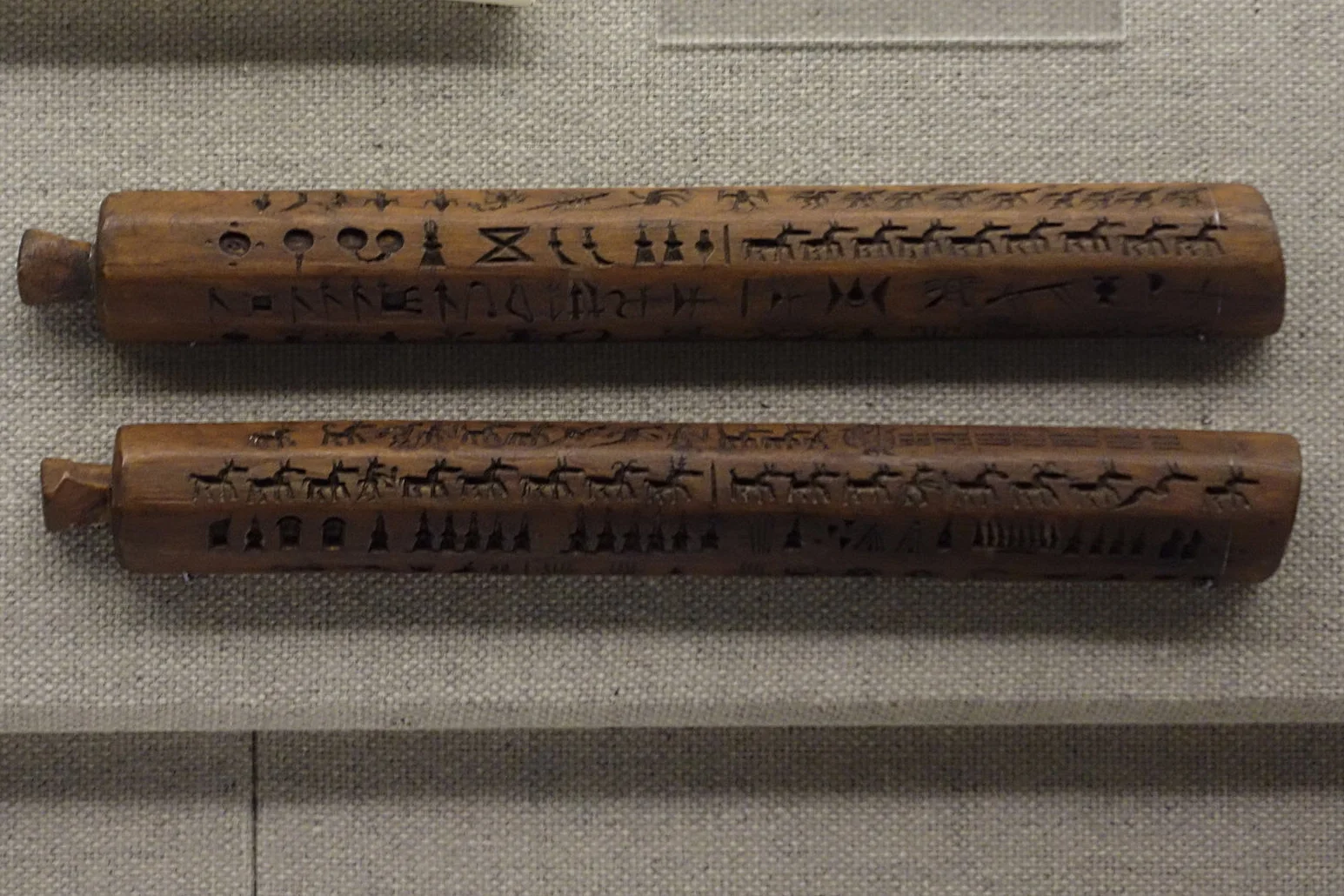
Carved Wooden Sticks used for Printing Tibetan Qinghai
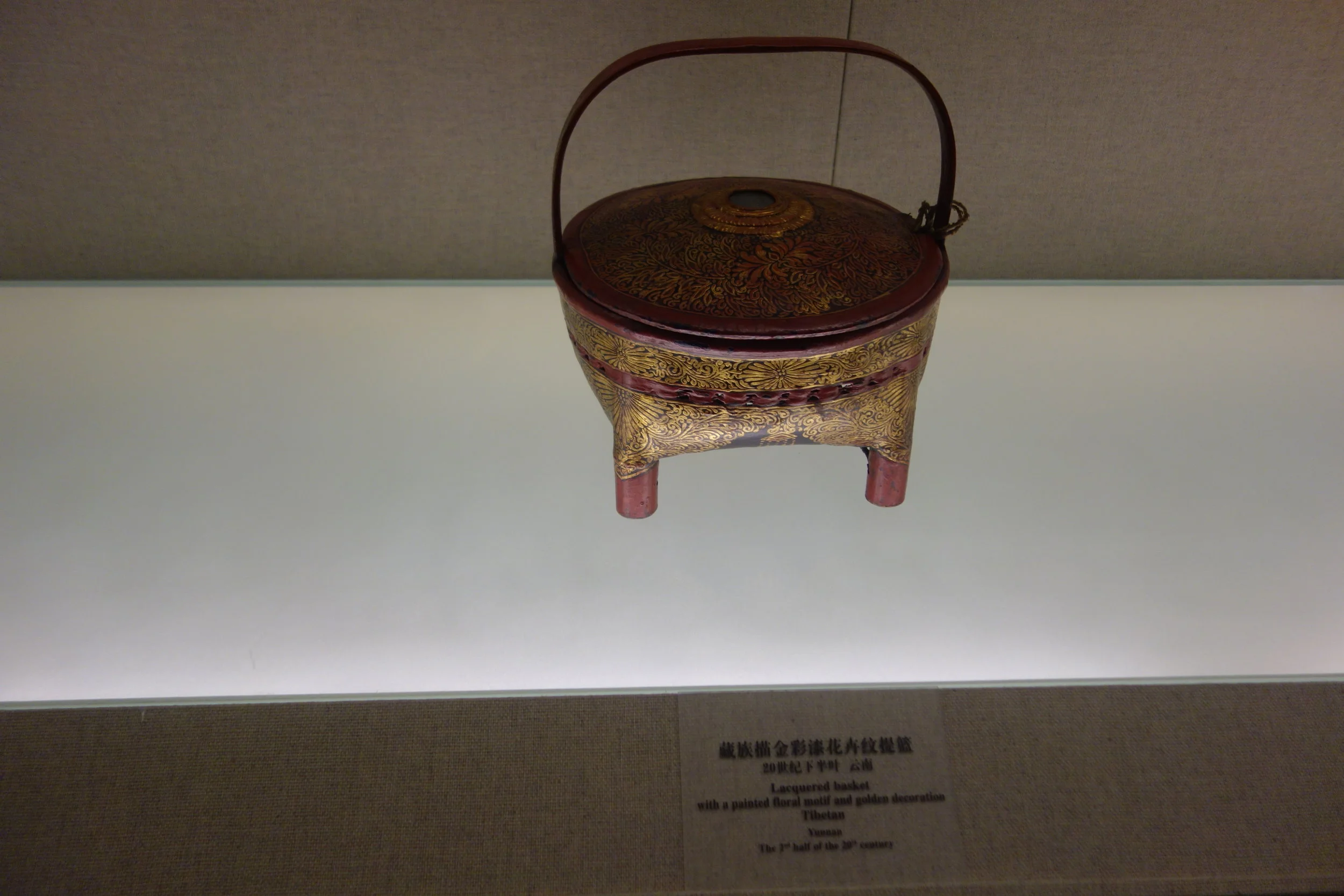
Lacquered Basket with a Painted Floral Motif and Golden Decoration.
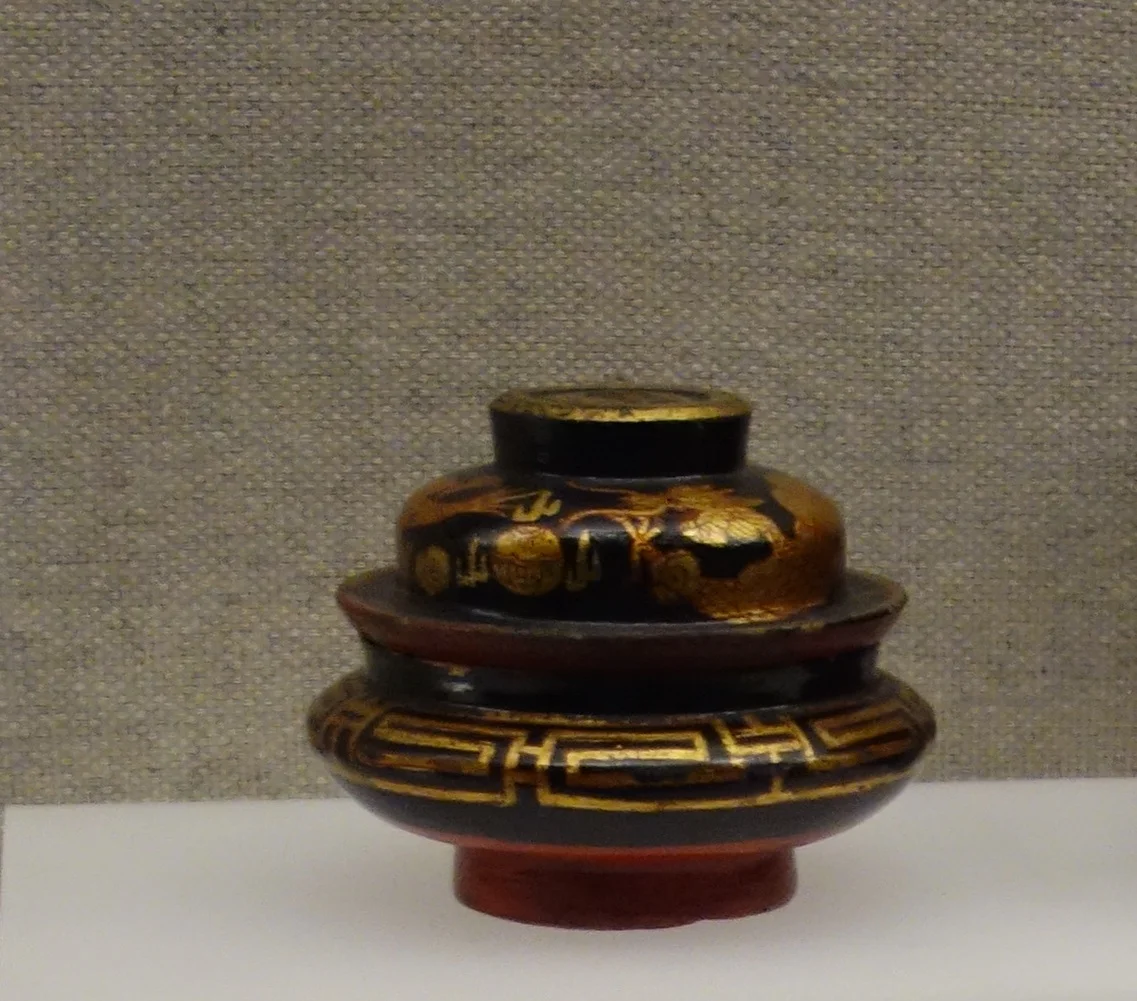
Lacquered Bowl and Lid with a Gold Motif of Paired Dragons
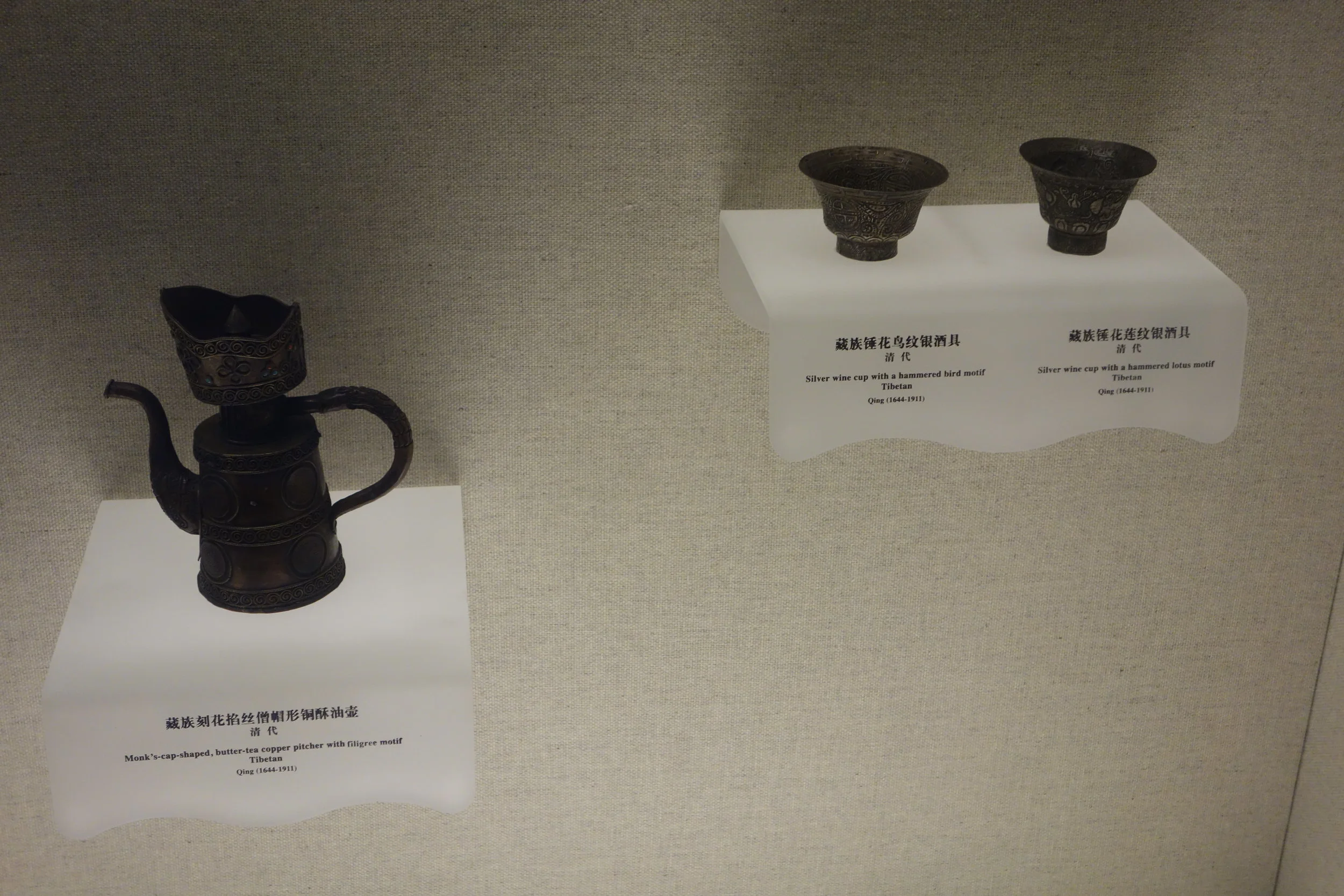
Left : Monk’s Cup Shaped Butter Tea Copper Pitcher with filigree Motif. Mid Right : Silver Wine Cup with a hammered Bird Motif. Right : Silver Wine Cup with a Hammered Lotus Motif
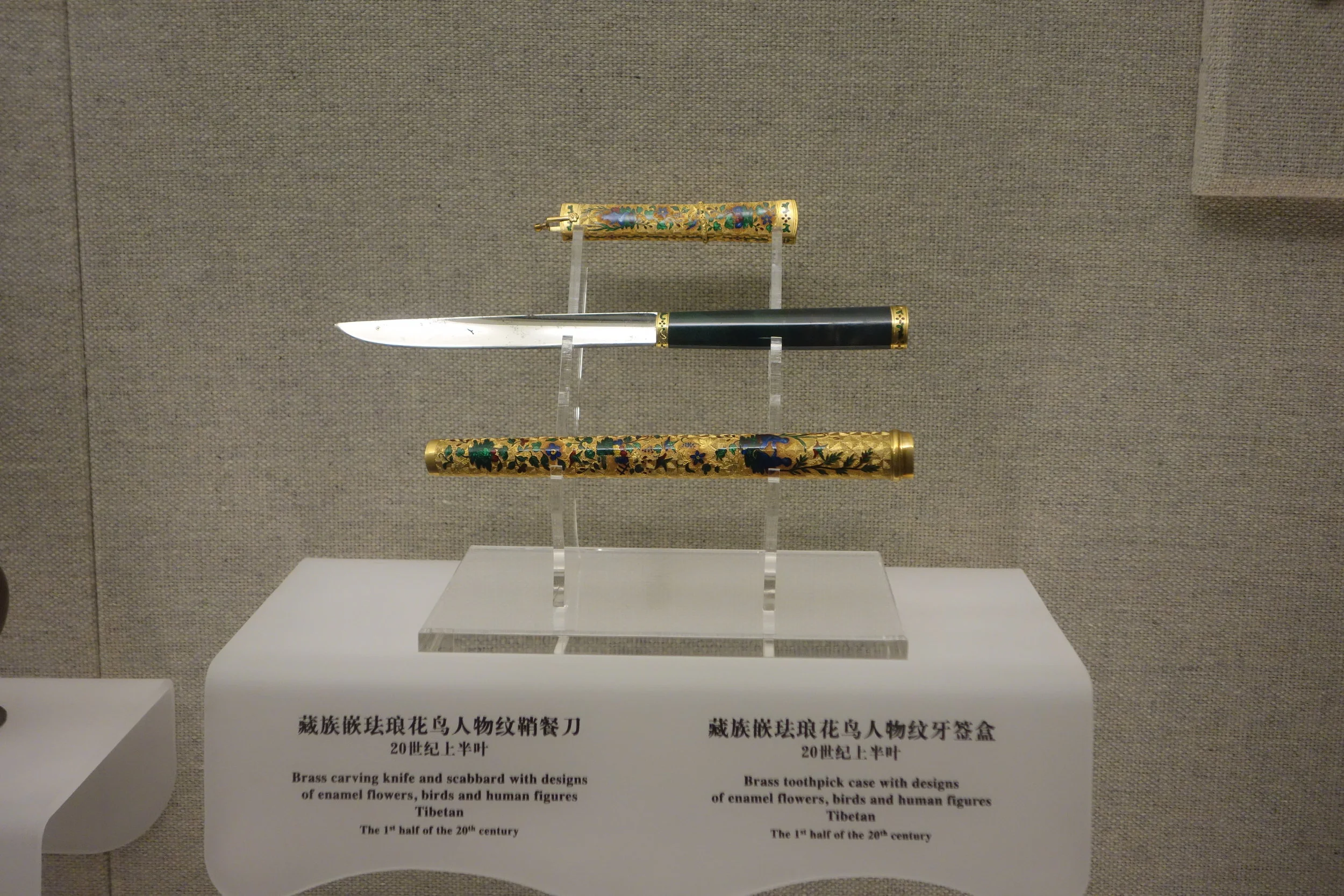
Top : Brass Toothpick Case w/ Designs of Enamel Flowers, Birds and Human Figures. Bottom : Brass Carving Knife and Scabbard w/ Designs of Enamel Flowers, Birds and Human Figures

Ox Horn Vessel with a Relief Motif of an Exorcism : Tibetan Qing
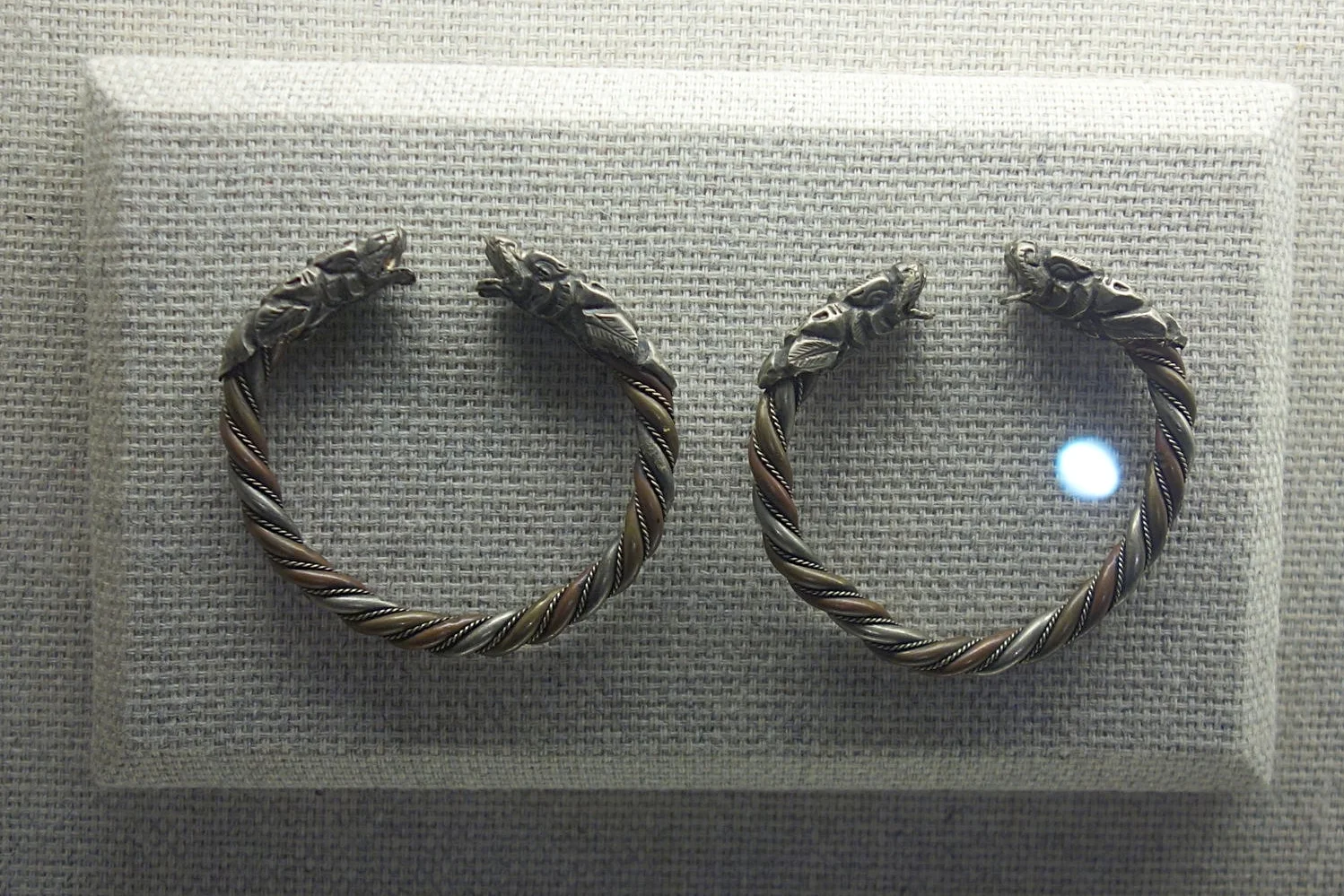
Twisted Wire Bangles : Tibetan

Tibetan Ceremonial Dress w/ Jade and Metal Finery
Lijiang Instant Noodles Hotel
when you land up at an Indian owned Hotel on the edge of the Tibetan Plateau.
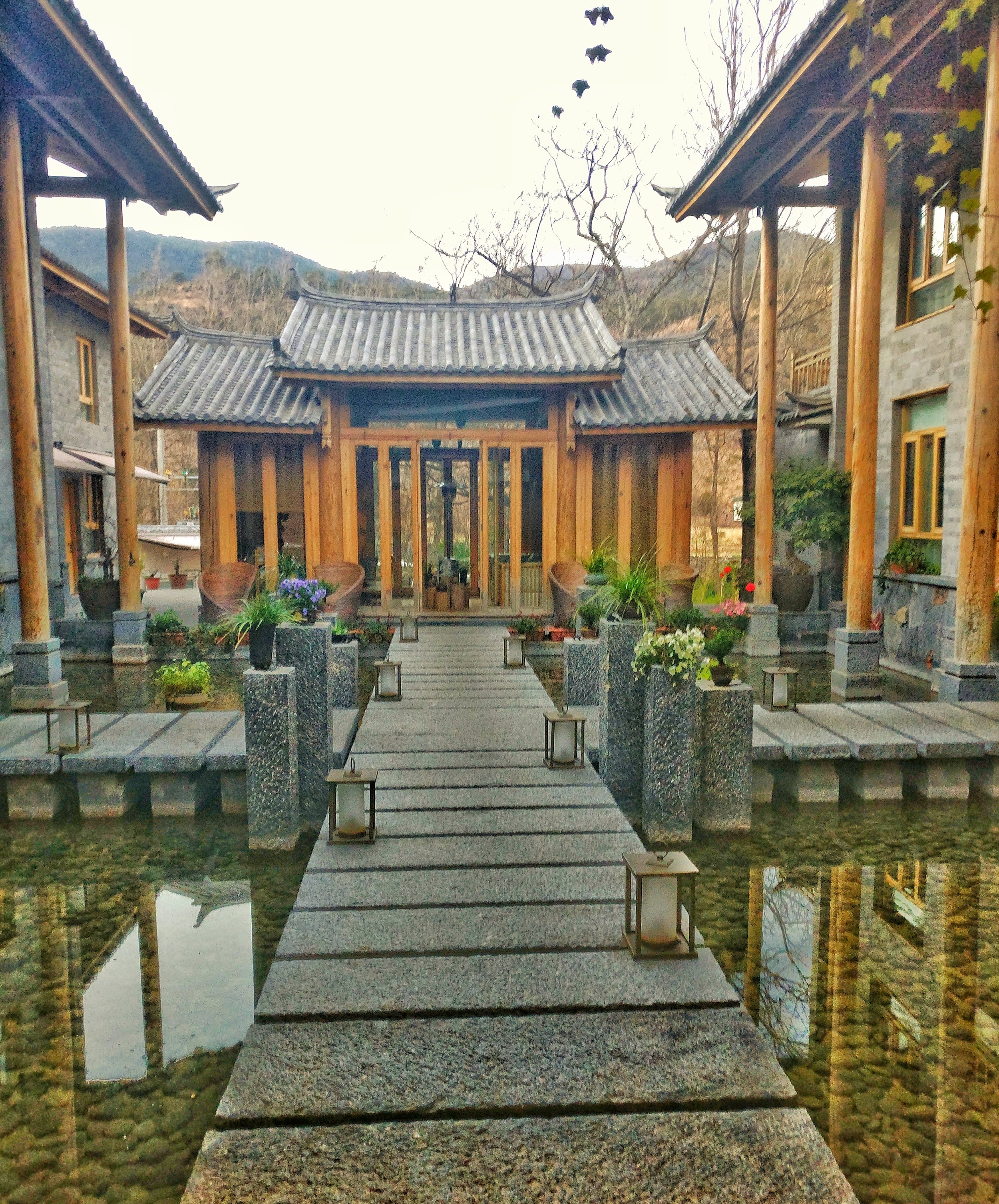
Lijiang Instant Noodles Hotel
Finally I was in Lijiang, an ancient town at an altitude of around 2400 m, the last Tibetan / Naxi city on the edge of the Tibetan Plateau as finally Tibet gives way to South Asia and China.
Lijiang is a beautiful town on the UNESCO World Heritage List. It was one of the main towns on the Tea Horse Trading Route through which Tea was sent into Tibet and in return hardy Tibetan Horses were traded in return. The town of Lijiang served as the gateway to Tibet and even to India.
And after a bit of a search I finally got to my Hotel, which was partly named after the famed Khampa Tibetan horsemen and warriors.It was the Khampas of this part of Tibet called Kham who were the most feared of all the Tibetan people and they resisted the Chinese occupation of Tibet well into the 1970’s.
The Hotel was built in a traditional mixed Naxi / Tibetan Architecture with a lot of use of wood and stone as often seen in the mountains. It was a nice Boutique type Hotel in an old part of town.
I had had a great day having visited the Tiger Leaping Gorge and the first bend of the Yangtze at Shudu, reached the Hotel and am greeted by a good English speaking Han Chinese girls. And she asks me for my Passport. And she smiles when she realizes that I am Indian.
She asks me to take a seat in the Lounge of this Boutique Hotel. I sit and the Coffee Table book on the Center Table is on, of all places, Rajasthan.
I asked her why do they have a book on Rajasthan there ? A book on Tibet or Yunnan I would understand but not this. We have it here because the owner of the hotel is an Indian.
I was like “Wait a minute”. An Indian owning a Hotel in Yunnan on the region bordering TAR ? Surely that isnt possible. Or is it ? Got me thinking.
Then suddenly a foreigner looking guy walks in. Says “Hi I am the Manager”. I said “Hi” and asked him where he was from as he sure didnt look from the part of the world that I was in. He said “Chile”
Wait. From Chile ? A Chilean manager of an Indian hotel in Yunnan in China. Was it for real or was it the effect of nice fancy liquids that I had been having last night ?
The Manager gets me a Beer. Says here Sir have a welcome drink. I was beginning to like this place already.
I told him why dont you grab a Beer as well as i need to ask you many questions which have popped into my head since I walked in.
He says Ok cool as there weren’t many Guests in the Hotel. So we sat down and the first thing I asked him “Is the owner of this Hotel an Indian ?”
Yes he says but he has a Tibetan partner. But how can an Indian own a hotel here ? Well he goes on, the guy is an Indian origin guy who lives in Nepal and is as such a Nepalese citizen.
Now it started to make sense. It seems the Indian gentlemen’s family made a fortune in the Instant Noodles business and this was one of their 80+ hotels.
Woah. Thats when the thought came to my mind.
I should get into the Instant Noodle business.
Kiki’s Blog
Stories from the Himalayas
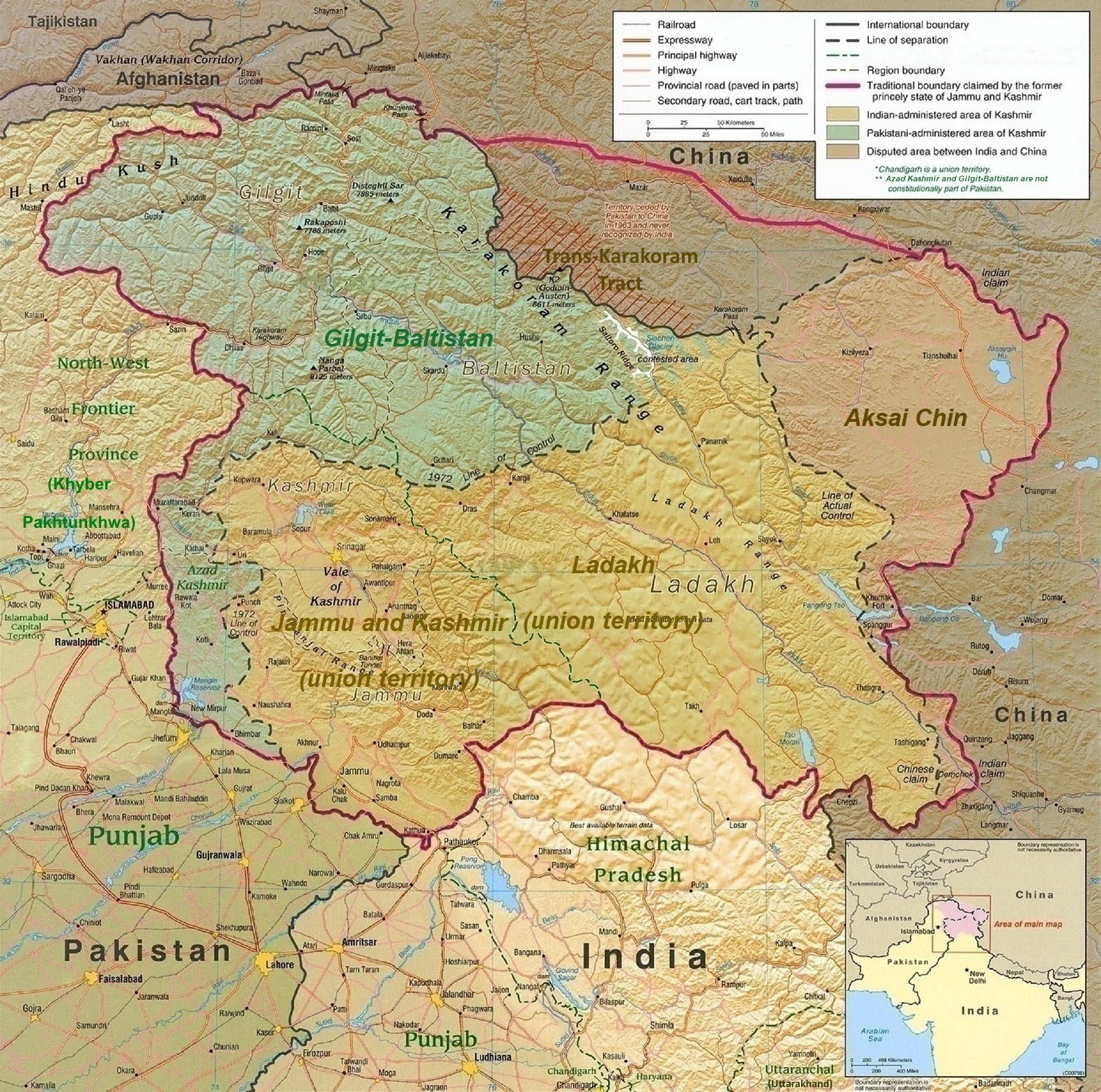
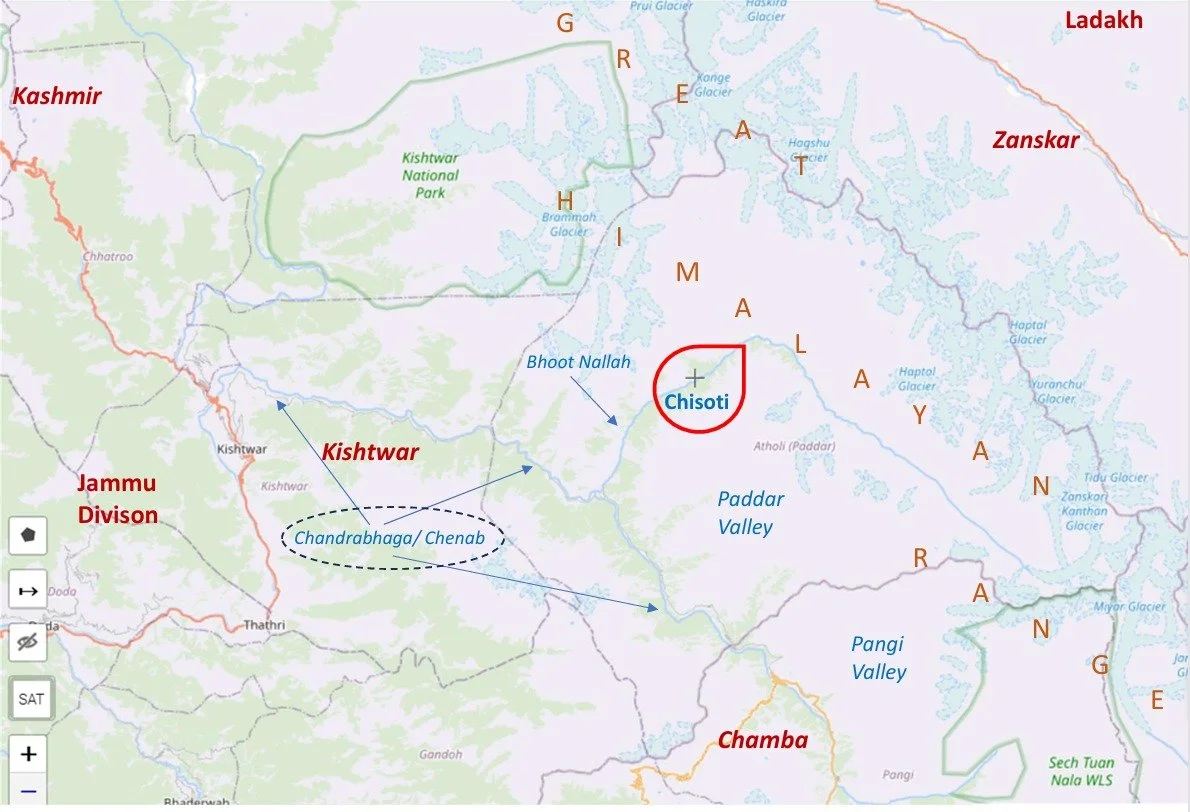



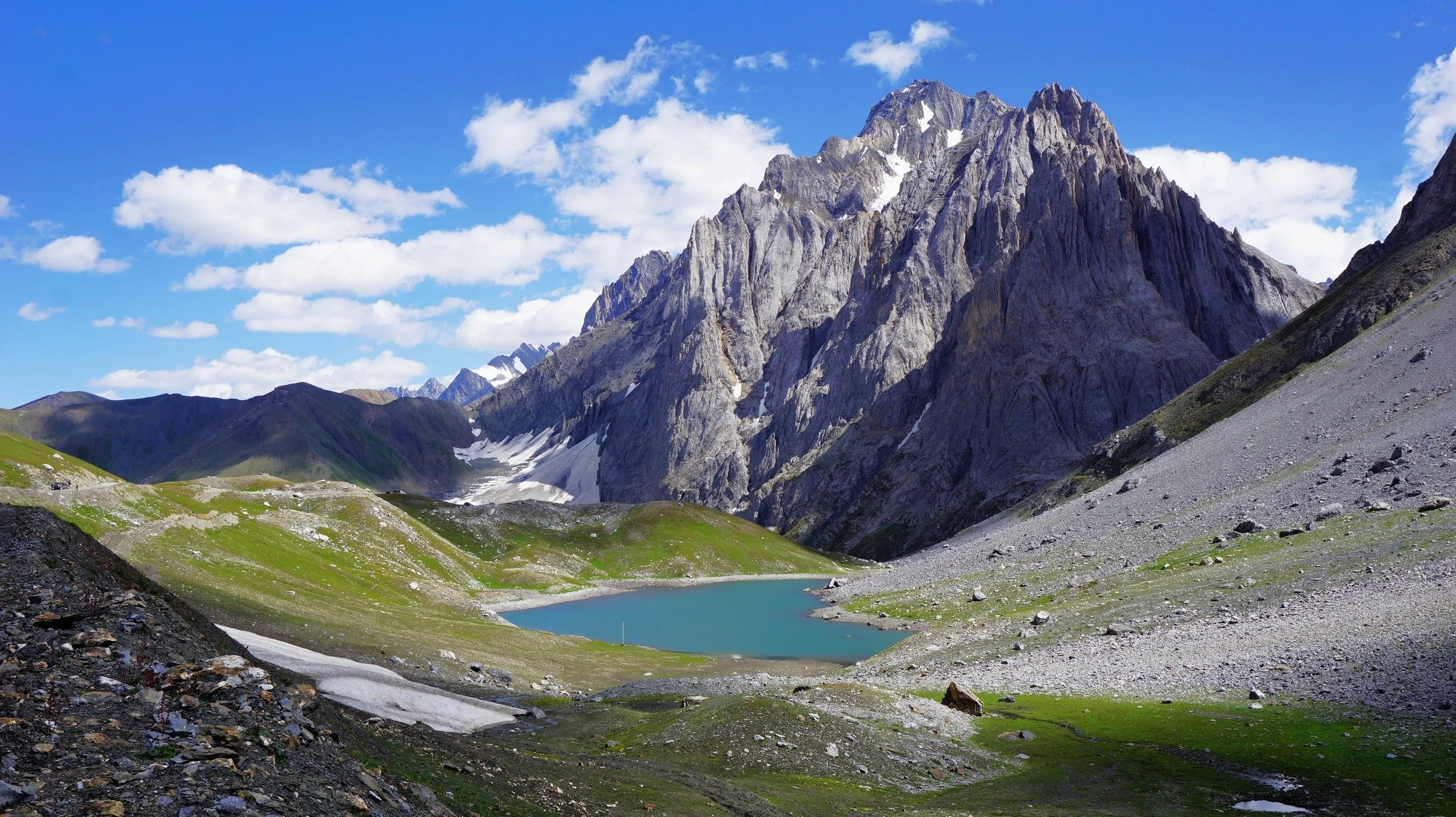
Five years ago the Galwan Valley was in the News for the wrong reasons after a deadly clash between the Indian and Chinese Armies in the Valley located in Ladakh lead to many deaths on the contentious Border between the two countries in wake of continued Chinese intrusions into Indian territory.
This area along the Shyok River, of which the Galwan Nallah or the Galwan River which forms the Galwan Valley has been off limits to Civilians since long but now the Indian Government has decided to open up the area for Civilians and we were amongst the First Civilians to venture into this beautifully desolate part of the Eastern Karakorams in Ladakh. Earlier Civilians could only venture upto the Village of Shyok from where the Shyok River takes a U turn and flows in a Northerly direction.