
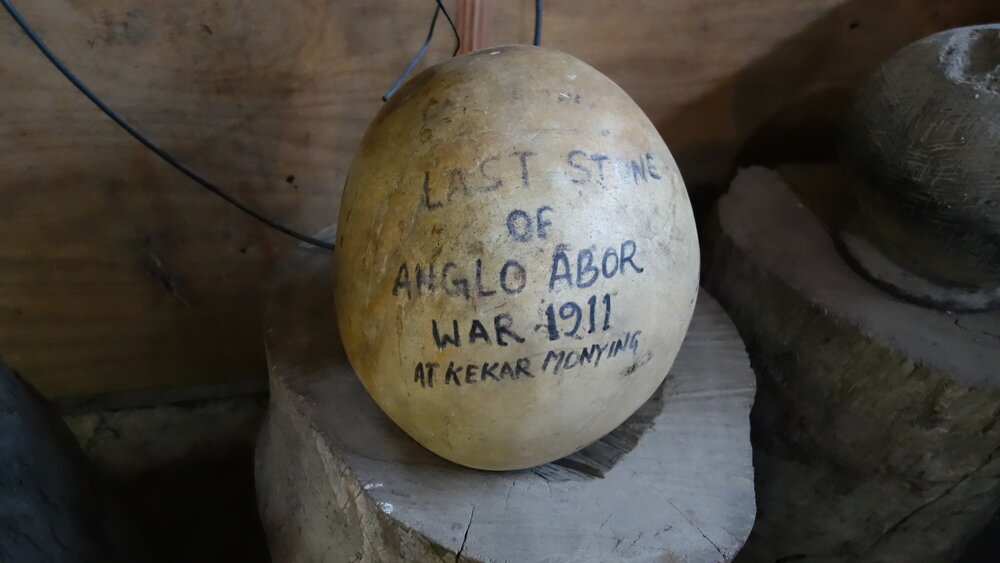
The Last Anglo Abor War 1911
The Anglo Abor War was a series of events which took place in 1911 between the British and the Abor Tribesmen in what is today Arunachal Pradesh. The British were keen to explore and Map out the almost impenetrable Jungles that the Siang River cut through in the Eastern Himalayas. And of course this put them on a collision course with the local Tribal communities who saw them as invaders and outsiders.

The Last Anglo Abor War 1911
By the beginning of the 19th Century the British were well in control of most of the parts of the subcontinent of India with the only exception being the areas in North and North West India which were firmly in the control of the Sikhs under the Sher-E-Punjab Maharaja Runjeet Singh. But after his death and the arrival of the mid part of the 19th Century the Sikh Empire was also shattered and gradually taken over by the British.
However in the Eastern part of India which was broadly described as Assam there were still areas and Tribes which held out. The British could penetrate into the the Brahmaputra Valley as far up as Pasighat but beyond that started the foothills of the Eastern Himalayas which unlike their counterpart in the West was virtually impenetrable due to the dense Jungle and the indegenous Tribes which inhabited these parts. Foreigners were extremely unwelcome and the Tribes of the Hills took no prisoners. As per their long laid down Tribal traditions they just couldn't let foreigners in their sacred Lands and Jungles where their deities presided and allowed them to make a living out of hunting gathering.
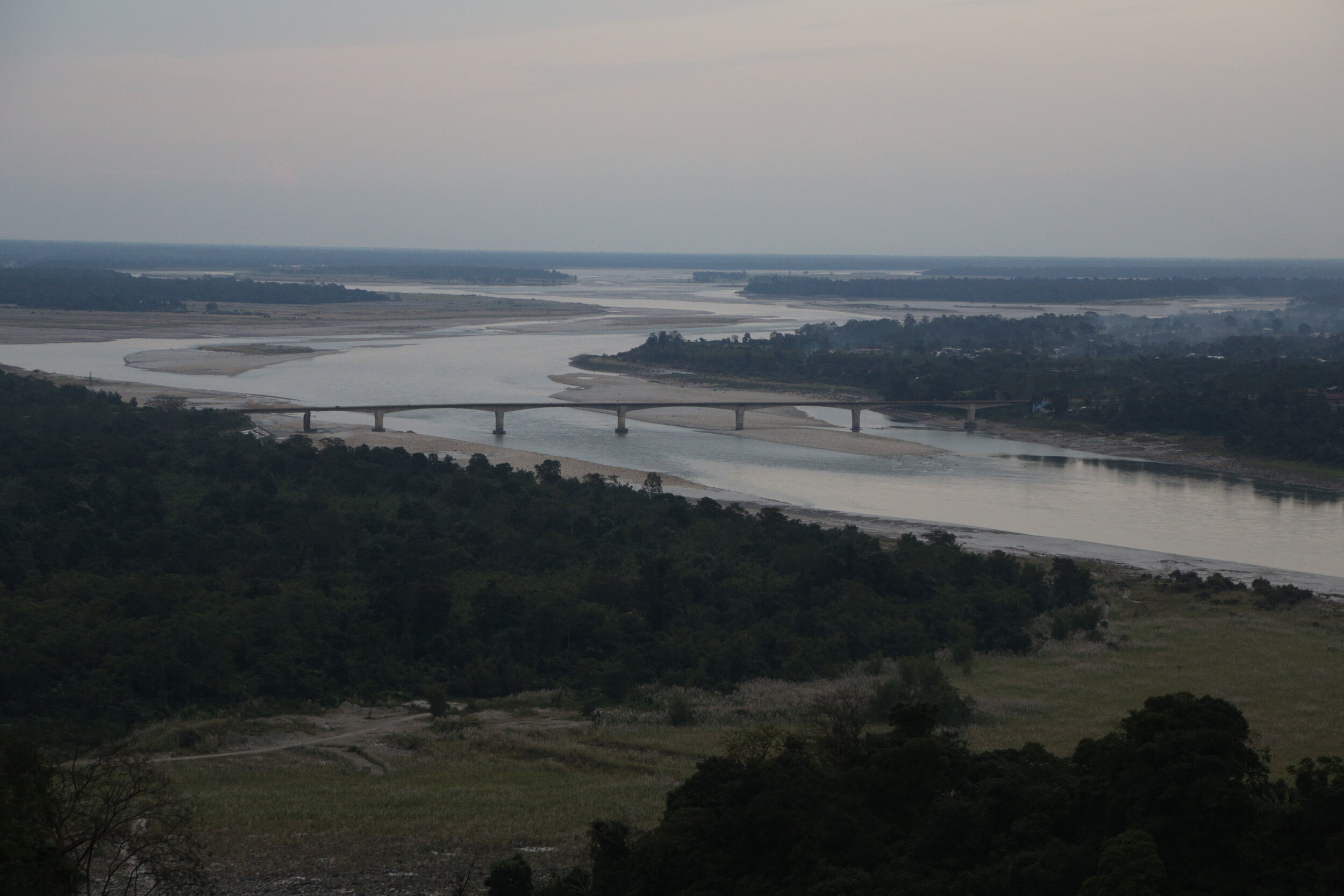
The Siang or the Brahmaputra before Pasighat
Let me first explain how I got to this point. We were driving around the North East in last November / December and while on the way from Pasighat to Aalo we stopped at one of the few local “Dhaba” if you could call it. These Dhabas serve quick Lunch / Dinner in the form of Dal Rice or Chicken Rice or Pork Rice or you could opt for Maggi instead. Or the regular Tea. Anyways since we were in a Group we ordered and some of the more curious ones started roaming around. And then I caught sight of what I though looked like an Ostrich’s egg and hence I decided to take a closer look. And then I realised that there was something written on it. It wasn't an Egg at all but a Stone which resembled an Egg. And the words written on it were “The Last Stone of the Anglo Abor War 1911 at Kekar Monying”
Well Kekar Monying is the name of certain cliffs in this area along the Siang River which goes onto to become the Brahmaputra as it hits the Assam Plains. And it was along these cliffs that an engagement in the cold December of 1911 was fought between the British and the Tribesmen who the British referred to as “Abor” at that time. The British carried all kind of modern weaponry whereas the Tribesmen were armed with their Bamboo Arrows and Stone Catapaults as their only “long range” weapons. Stone Catapaults which were used to launch big round stones like the one I saw there and you see in the pic at their adversary. And this particular Stone had the dubious distinction of being the last one used by the Tribesmen against the British. And how exactly it landed in that Roadside Dhaba is anybody’s guess. And of course I forgot to ask.
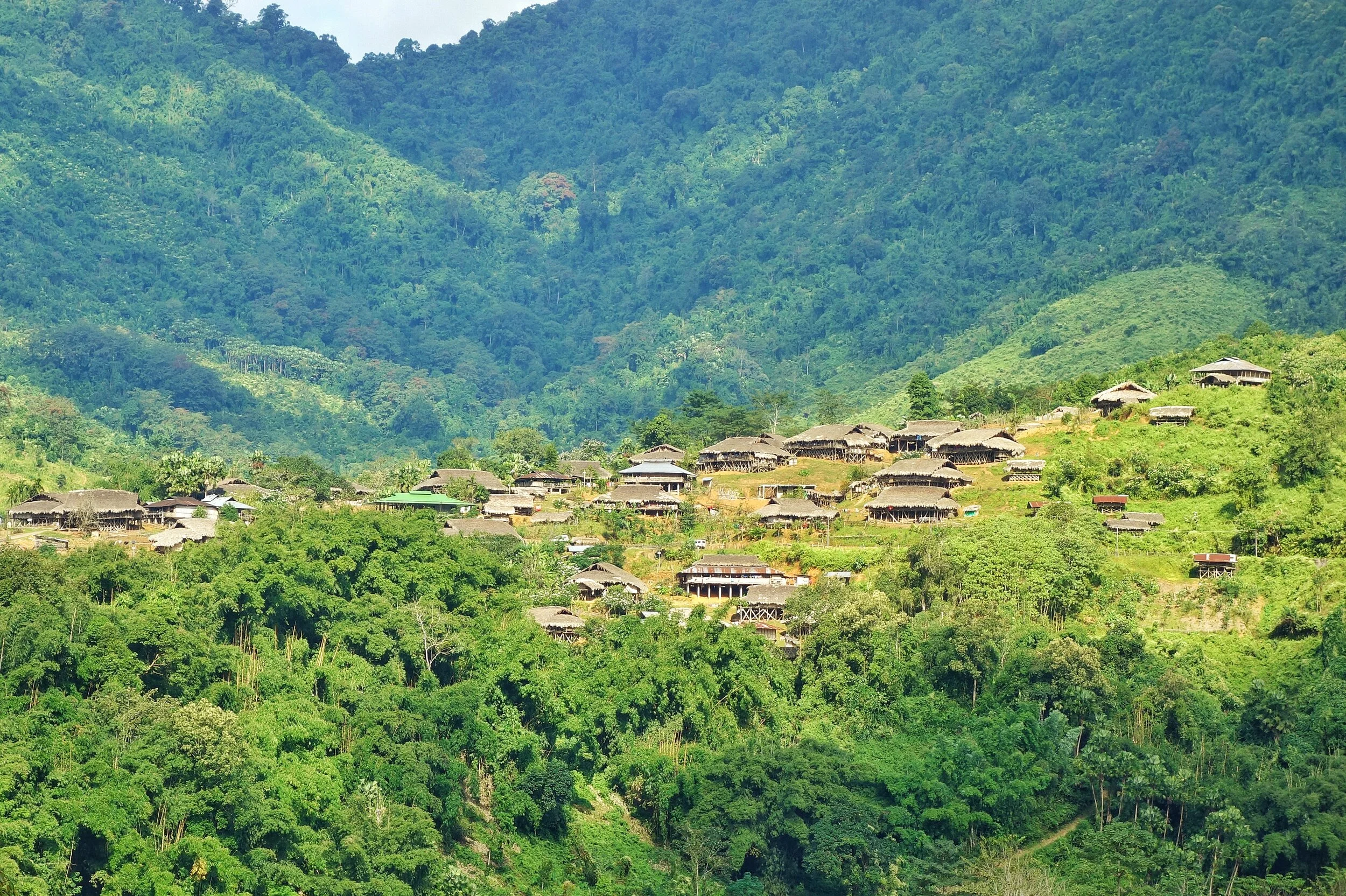
Typical Abor Country
This War which was fought in various segments started in the 1850s when the British began probing into these areas. There is a certain Village called Kebang spearheaded the campaign against the British. These were Adi Tribesmen (they were called Abor collectively by the British) and they fought no less than 4 Wars against the British and they had a name for each ie Bitbor Mimak (1858), Bongal Mimak (1859), Nijom Mimak (1894) and Poju Mimak(1911). The Adi were fierce warriors and towards the beginning of the 20th Century the British started to take them very seriously. They formed an Abor Expeditionary Force in order to penetrate the Region and establish firm control over it. The British were aware of the strategic importance of the area as they knew Tibet and China were not very far away but the territory between was largely unknown and they wanted to be in control of this unknown. But of course the Adis wouldnt have it that way. It was their Land. And they would fight tooth and nail to keep it.
Apparently the last War in 1911 was sparked off by a rather peculiar incident. A British Officer Williamson accompanied by another British Officer Dr.Greigerson, an interpreter, a couple of Coolies and a few Soldiers of the Assam Rifles were surveying the country and came to a Village. The Villagers offered them some gifts as offerings and there was a certain Villager who offered a Chicken as a gift but apparently this Villager had some skin disease and Williamson refused to accept his gift. This was of course a huge dishonour for the Villager who decided from thereon to follow Williamson till he accepted his gift.
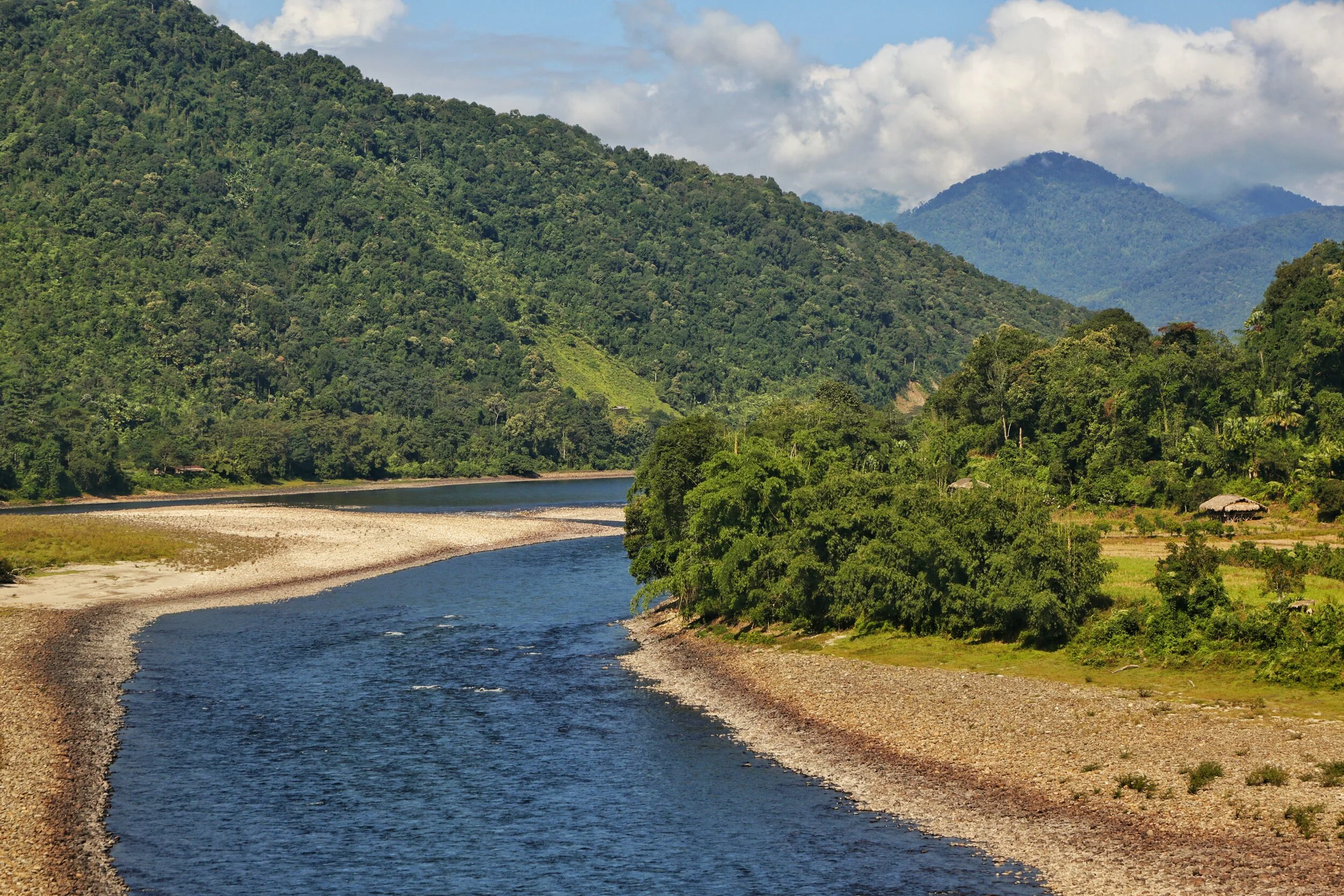
The Siang River
So when he moved to the next Village this Villager again came to him and offered the Chicken. Williamson was aware that this guy was following them and now he lost his temper and he used rough language and bad words in dealing with the Villager and to add insult to injury he struck him a couple of times with his stick. And this was now taken as a great dishonour by the whole Village. And they decided this would be avenged. But they would do this when they would be on their way down to the Plains.
But unknown to the Tribesmen Williamson and Dr.Grierson had a change of plan and decided to split into two different parties on their way back. On the night of March 31 while on his way to Dinner, Williamson was waylaid by the same Villager who had once offered him a Chicken. And killed. And they also killed his whole entourage. Dr.Grierson and his party were waylaid in Kadeng Village and put to death except one of the Coolies who was a Nepali and managed to somehow convince the Adi Tribesmen to spare his life. He of course went down and reported the whole incident to the authorities.
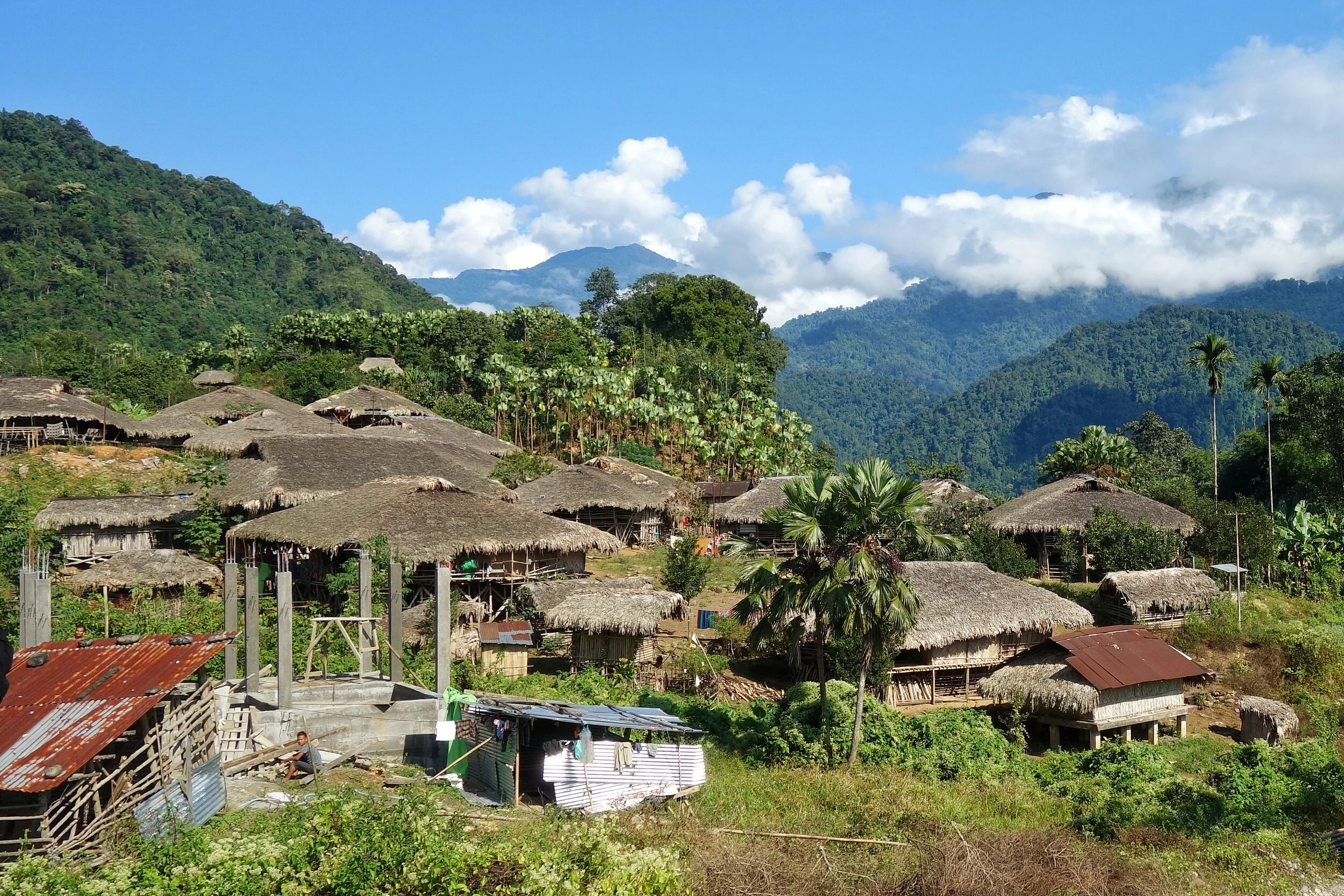
A typical Village in the area
And the Adi knew that now the British will come with full force and in December, the time most suitable to the British, the Abor Expeditionary Force showed up. The Adi fought bravely but of course were no match for the British with their modern Arms. The British marched up the Kadeng Village and the whole Village was then burned down. And there would not be another Abor War for the British to fight.
These Adi Tribesmen are the unrecognised Freedom Fighters of the country who have never got any recognition from the Government. Though I am aware of the name of some of the Adi Tribesmen who were a part of this, including the Villager who wanted to gift a Chicken, but that in my view would be an injustice to the thousands unnamed Adi and other Tribesmen who also fought for the country’s Independence like in other parts of the Country. Respect.
Pic from November 2019. On the Pasighat Aalo Road, Arunachal Pradesh
Inputs from various Online sources.
The Making of the Brahmaputra
The Brahmaputra is one of the great Rivers of the World and its named after the Hindu God Brahma. The Son of Brahma actually. The River originates close to the Mansrover Lake and makes it’s journey across the Tibetan Plateau and then it turns around the Himalayas and finally arrives on the plains of Assam. Its course from the Tibetan Plateau to the plains of Assam was for years an endearing mystery.

The Siang at Ranighat where it becomes the Brahmaputra
The Making of the Brahmaputra
So this year I finally saw for myself the only “Male” River of the Indian sub-continent the mighty Brahmaputra named after the God Brahma and it name means the Son of Brahma. In November though it presented its most benign form to me but it still was an awesome sight. For people used to Rivers in Northern India the Brahmaputra is almost a revelation because of its sheer size. Irs almost like an Ocean and you cant see the other end. I can only start to imagine how it looks after the Snow melt in the Summers and more so when the Monsoon hits and the River floods large areas of the surrounding country.
So we started off from Dibrugarh and made our way to the year old Bogibeel Bridge, which is a double decker Bridge for both Road and Rail and which has been in the making for over 200 months now. The work has been slow on the Bridge as it could only be done between the months of November to March when the rains are away and the water level was low. And it was from this Bridge that I had my first sighting of the mighty Brahmaputra and it looked awesome. In the far background I could see the silhouettes of the Himalayan foothills. And we couldn't help but stop our Cars in the middle of the Bridge and have a look at the magnificent Brahmaputra and its vast Flood plains. The River looked as serene as any body of water could and it was easy to forget that its the same River which wrecks destruction on a massive scale every year.

The Siang
Now understanding the origin of the Brahmaputra was always a complex task for the explorers of these parts which were few and far between. Unlike the Western Himalayas which had a whole lot of Explorers and Spies prying around, this was literally impossible in the Eastern Himalayas due to the dense Jungles which were a result of a lower Latitude (read this as warmer) and three times the amount of Rainfall that falls in the Western Himalayas. And then the thing was that there were three contenders who met at almost at the same location in the Assam plains near Sadiya where the Siang (also called the Dihang), the Dihang or Sikang which came from a more Northwesterly direction and then there was the mighty Lohit which came from an Easterly direction. All these carried enough water to be the Tsangpo. Finally the mystery was solved around 1885 and the Siang or the Dihang was finally established as the Tsang Po from the Tibetan Plateau.

The Tsang Po on the Tibetan Plateau
Starting from the beginning or the Yarlung Tsangpo as its known in Tibet originates from the vicinity of the Mansrover in Western Tibet and flows in an Easterly direction. It has thousands of small tributaries in Tibet with the first main one being the Raga Tsangpo. And then its the Nang Chu, Shang Chu and Rang Chu. Further ahead its joined by the Lhasa River or the Kyi Chu as its also called. And then a couple of other Rivers till the point its reaches the Eastern anchor of the Great Himalayan Range, the Namcha Barwa, at 7782 m, does justice to the Himalayan Range. At this point Yarlun pivots and runs through one of the deepest River Gorges in the World, the Yarlung Tsangpo Gorge and emerges as the Dihang or the Siang in Arunachal Pradesh.
Out of the other two, which along with the Siang form what is called the Brahmaputra once it reaches Assam, the Dibang River rises in the Mishmi Hills which are located where the Himalayan Ranges meets the Indo Burma Hill Ranges. The source of the River is near the Keya Pass somewhere close to the border with China. The third River, the mighty Lohit rises in the Tibetan Plateau and is known there as the Zayu. Its origin lies in the Kangri Garpo Range and it enters Arunachal Pradesh from Tibet and finally emerges into the plains at what is known as the Parshuram Kund. Many people in Assam used to consider the Lohit as the main Brahmaputra and many still do.

The Siyom River meets the Siang
And of course as it moves on through the Plains of Assam its joined by a number of Himalayan Rivers such as the Subansiri, Kameng, Bhareli, Dhansiri, Manas, Champamati, Saralbhanga, and Sankosh rivers. As well as Rivers rising in the Hills on the like the Burhi Dihing, the Disang, the Dikhu, and the Kopili. And then it enters Bangladesh and out of our realm.
Having experienced it now I know why its the only “Male” River in India. I wish to witness its angry avatar. I will return someday.
And below is a picture of the place where the Dihang or the Siang becomes the mighty Brahmaputra and the Eastern Himalayas give in to Plains of Assam and vice versa. In Geographical context this is a place where all your dreams come true. You understand how infinite Nature is and how insignificant we humans are. Yes we did build a Bridge there though.
Pic from November 2019. Above Pasighat, Arunachal Pradesh
Kiki’s Blog
Stories from the Himalayas
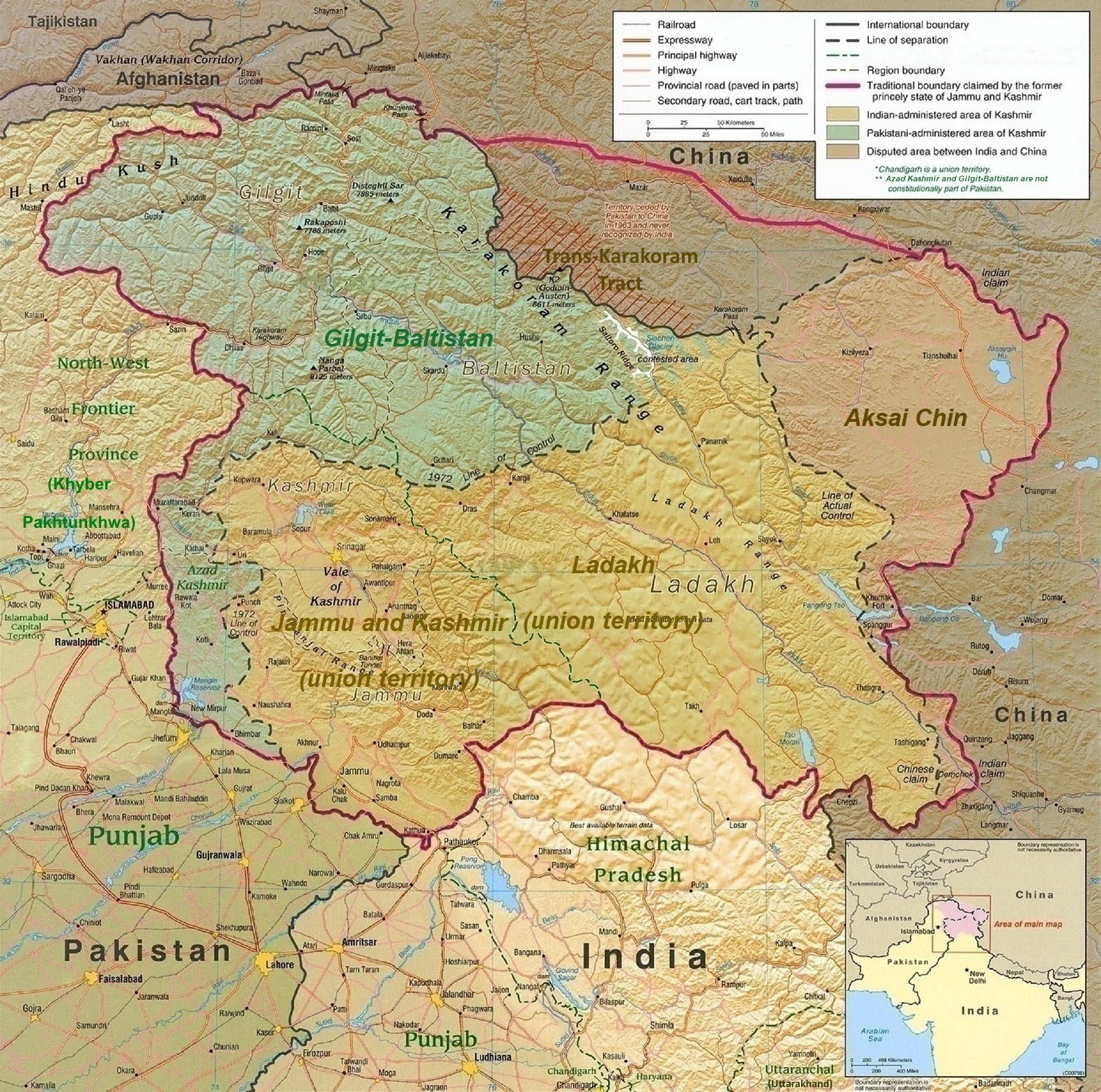



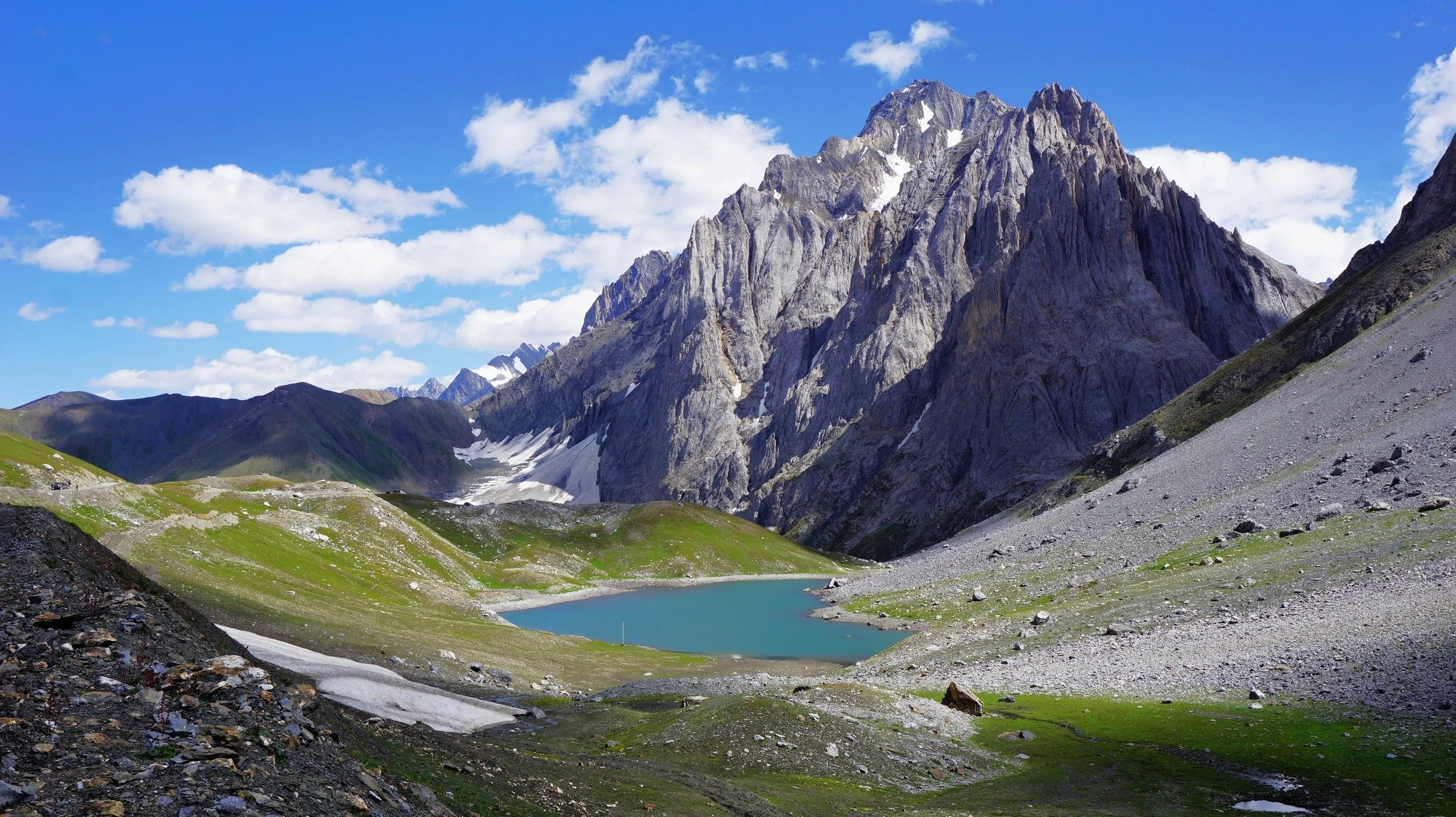
Five years ago the Galwan Valley was in the News for the wrong reasons after a deadly clash between the Indian and Chinese Armies in the Valley located in Ladakh lead to many deaths on the contentious Border between the two countries in wake of continued Chinese intrusions into Indian territory.
This area along the Shyok River, of which the Galwan Nallah or the Galwan River which forms the Galwan Valley has been off limits to Civilians since long but now the Indian Government has decided to open up the area for Civilians and we were amongst the First Civilians to venture into this beautifully desolate part of the Eastern Karakorams in Ladakh. Earlier Civilians could only venture upto the Village of Shyok from where the Shyok River takes a U turn and flows in a Northerly direction.