
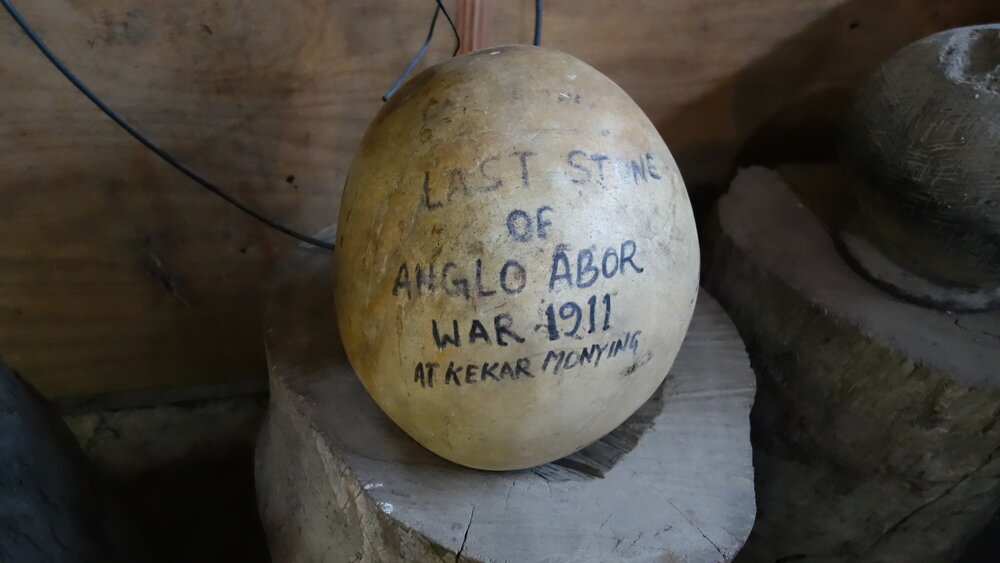
The Last Anglo Abor War 1911
The Anglo Abor War was a series of events which took place in 1911 between the British and the Abor Tribesmen in what is today Arunachal Pradesh. The British were keen to explore and Map out the almost impenetrable Jungles that the Siang River cut through in the Eastern Himalayas. And of course this put them on a collision course with the local Tribal communities who saw them as invaders and outsiders.

The Last Anglo Abor War 1911
By the beginning of the 19th Century the British were well in control of most of the parts of the subcontinent of India with the only exception being the areas in North and North West India which were firmly in the control of the Sikhs under the Sher-E-Punjab Maharaja Runjeet Singh. But after his death and the arrival of the mid part of the 19th Century the Sikh Empire was also shattered and gradually taken over by the British.
However in the Eastern part of India which was broadly described as Assam there were still areas and Tribes which held out. The British could penetrate into the the Brahmaputra Valley as far up as Pasighat but beyond that started the foothills of the Eastern Himalayas which unlike their counterpart in the West was virtually impenetrable due to the dense Jungle and the indegenous Tribes which inhabited these parts. Foreigners were extremely unwelcome and the Tribes of the Hills took no prisoners. As per their long laid down Tribal traditions they just couldn't let foreigners in their sacred Lands and Jungles where their deities presided and allowed them to make a living out of hunting gathering.
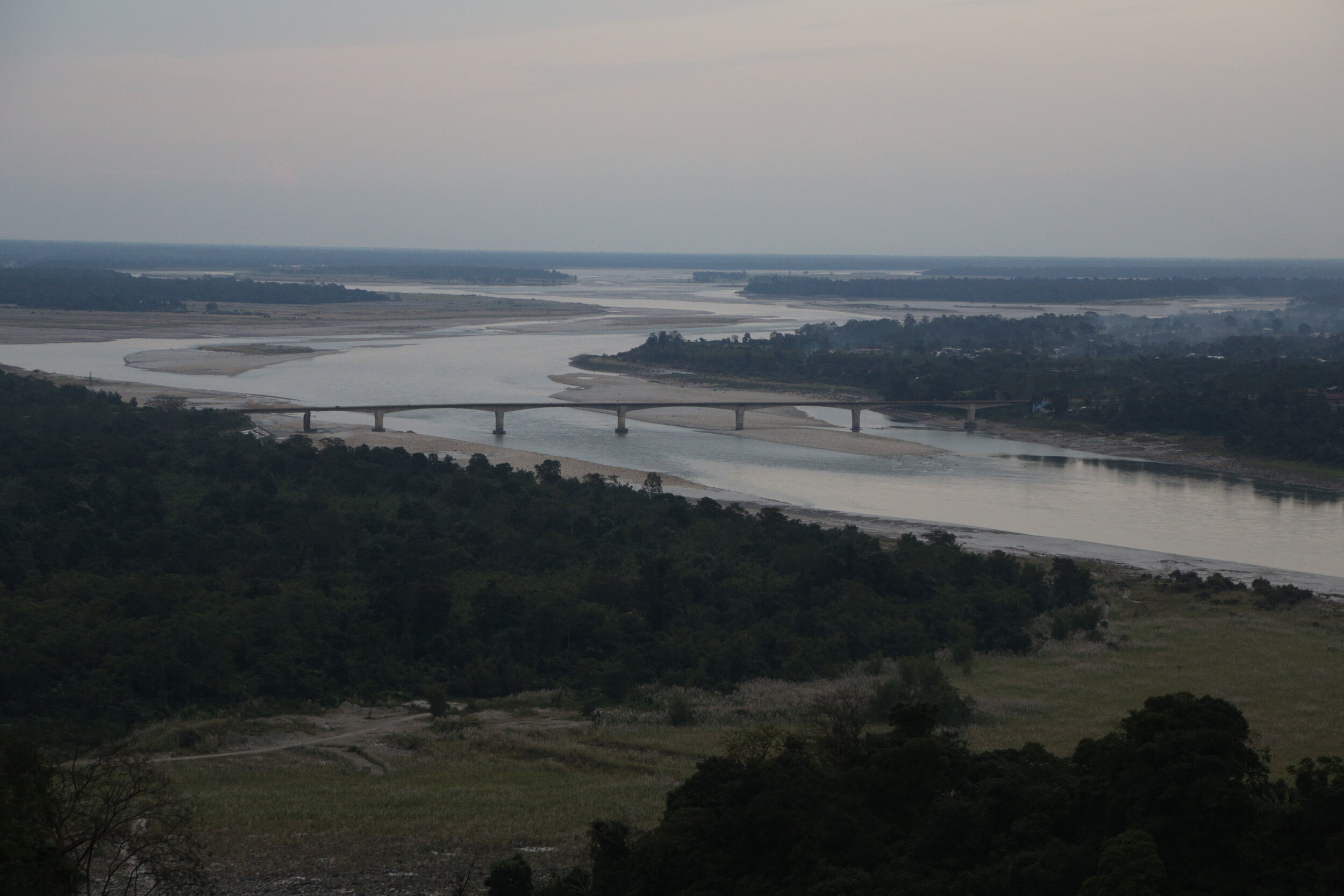
The Siang or the Brahmaputra before Pasighat
Let me first explain how I got to this point. We were driving around the North East in last November / December and while on the way from Pasighat to Aalo we stopped at one of the few local “Dhaba” if you could call it. These Dhabas serve quick Lunch / Dinner in the form of Dal Rice or Chicken Rice or Pork Rice or you could opt for Maggi instead. Or the regular Tea. Anyways since we were in a Group we ordered and some of the more curious ones started roaming around. And then I caught sight of what I though looked like an Ostrich’s egg and hence I decided to take a closer look. And then I realised that there was something written on it. It wasn't an Egg at all but a Stone which resembled an Egg. And the words written on it were “The Last Stone of the Anglo Abor War 1911 at Kekar Monying”
Well Kekar Monying is the name of certain cliffs in this area along the Siang River which goes onto to become the Brahmaputra as it hits the Assam Plains. And it was along these cliffs that an engagement in the cold December of 1911 was fought between the British and the Tribesmen who the British referred to as “Abor” at that time. The British carried all kind of modern weaponry whereas the Tribesmen were armed with their Bamboo Arrows and Stone Catapaults as their only “long range” weapons. Stone Catapaults which were used to launch big round stones like the one I saw there and you see in the pic at their adversary. And this particular Stone had the dubious distinction of being the last one used by the Tribesmen against the British. And how exactly it landed in that Roadside Dhaba is anybody’s guess. And of course I forgot to ask.
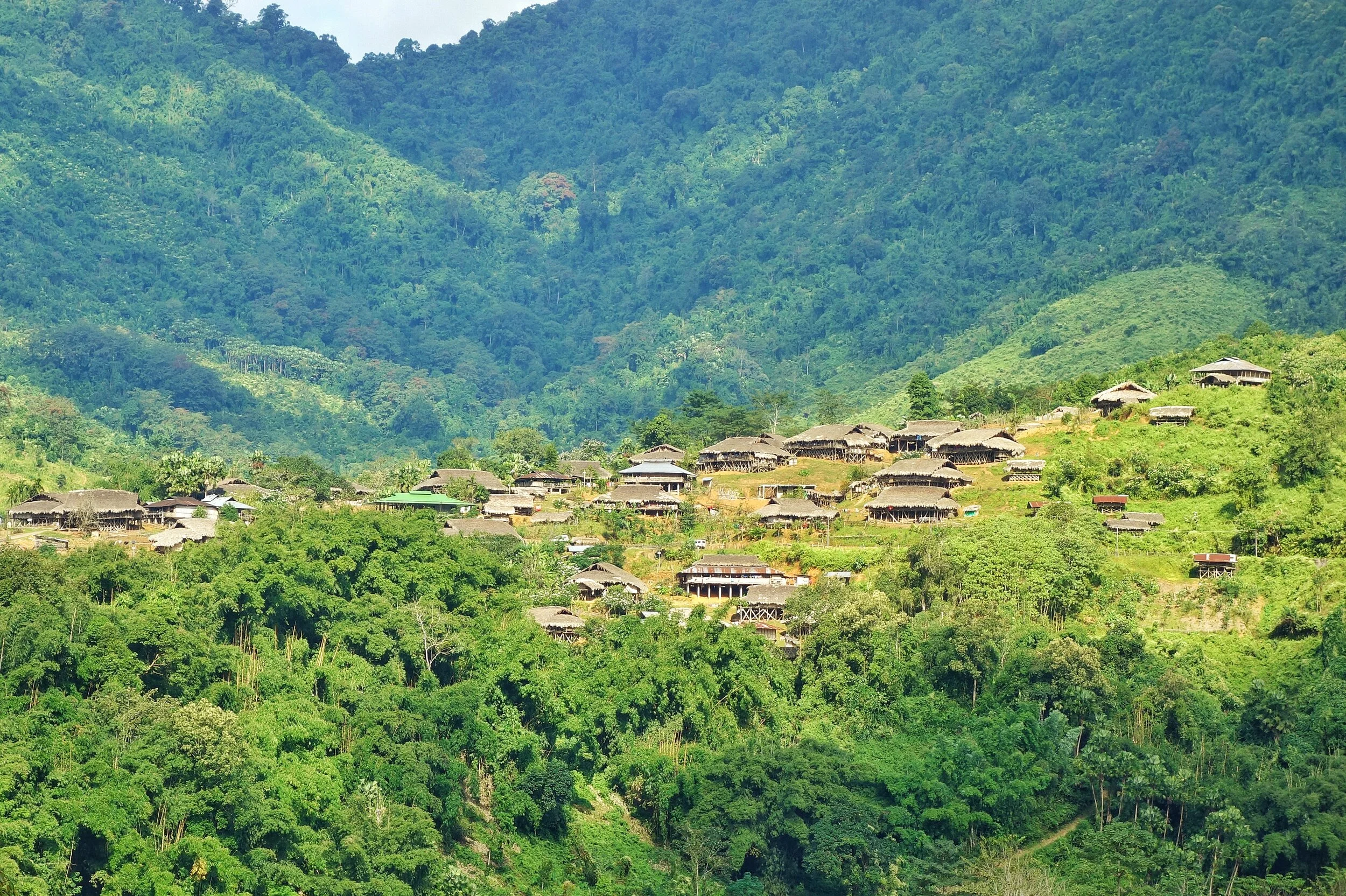
Typical Abor Country
This War which was fought in various segments started in the 1850s when the British began probing into these areas. There is a certain Village called Kebang spearheaded the campaign against the British. These were Adi Tribesmen (they were called Abor collectively by the British) and they fought no less than 4 Wars against the British and they had a name for each ie Bitbor Mimak (1858), Bongal Mimak (1859), Nijom Mimak (1894) and Poju Mimak(1911). The Adi were fierce warriors and towards the beginning of the 20th Century the British started to take them very seriously. They formed an Abor Expeditionary Force in order to penetrate the Region and establish firm control over it. The British were aware of the strategic importance of the area as they knew Tibet and China were not very far away but the territory between was largely unknown and they wanted to be in control of this unknown. But of course the Adis wouldnt have it that way. It was their Land. And they would fight tooth and nail to keep it.
Apparently the last War in 1911 was sparked off by a rather peculiar incident. A British Officer Williamson accompanied by another British Officer Dr.Greigerson, an interpreter, a couple of Coolies and a few Soldiers of the Assam Rifles were surveying the country and came to a Village. The Villagers offered them some gifts as offerings and there was a certain Villager who offered a Chicken as a gift but apparently this Villager had some skin disease and Williamson refused to accept his gift. This was of course a huge dishonour for the Villager who decided from thereon to follow Williamson till he accepted his gift.
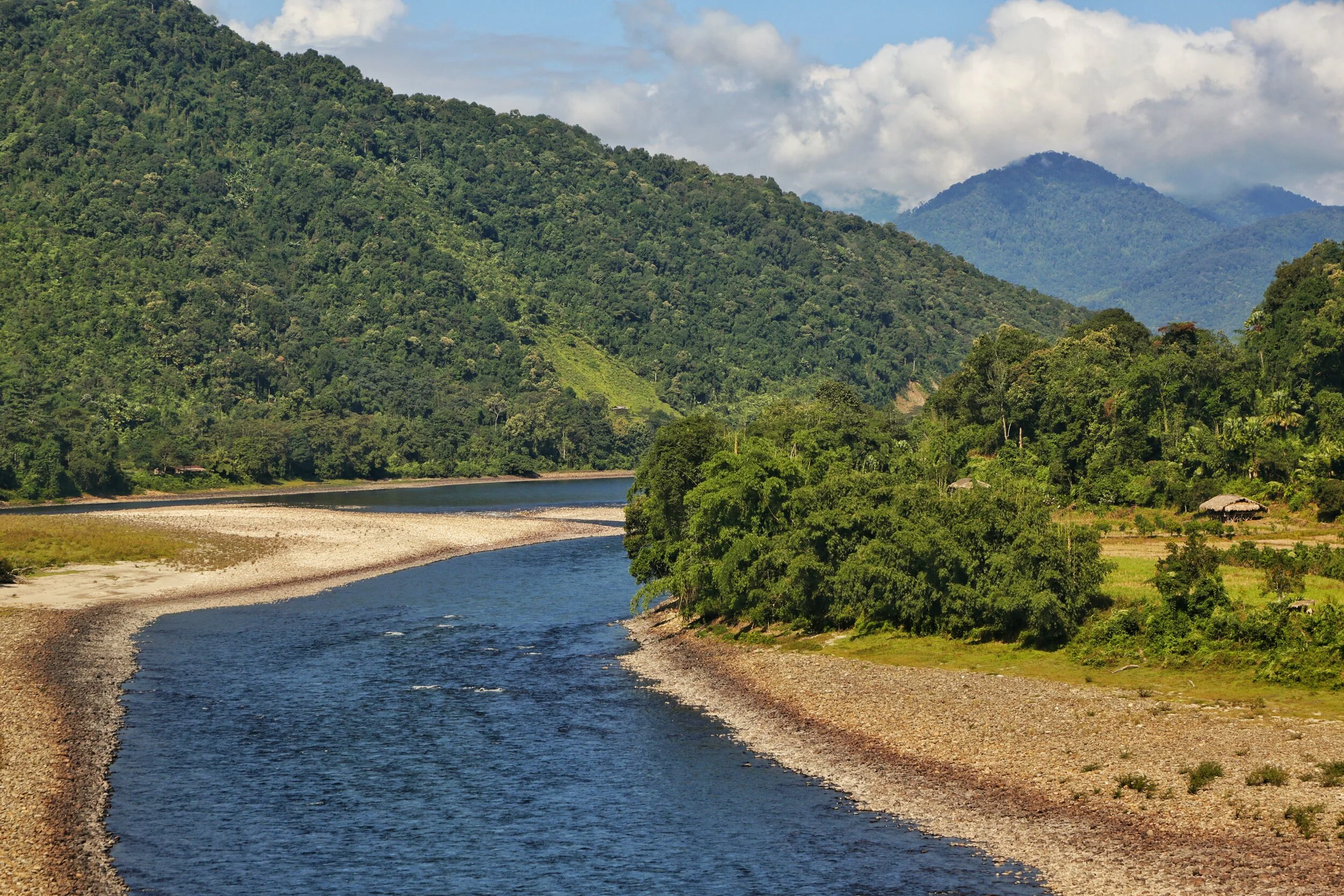
The Siang River
So when he moved to the next Village this Villager again came to him and offered the Chicken. Williamson was aware that this guy was following them and now he lost his temper and he used rough language and bad words in dealing with the Villager and to add insult to injury he struck him a couple of times with his stick. And this was now taken as a great dishonour by the whole Village. And they decided this would be avenged. But they would do this when they would be on their way down to the Plains.
But unknown to the Tribesmen Williamson and Dr.Grierson had a change of plan and decided to split into two different parties on their way back. On the night of March 31 while on his way to Dinner, Williamson was waylaid by the same Villager who had once offered him a Chicken. And killed. And they also killed his whole entourage. Dr.Grierson and his party were waylaid in Kadeng Village and put to death except one of the Coolies who was a Nepali and managed to somehow convince the Adi Tribesmen to spare his life. He of course went down and reported the whole incident to the authorities.
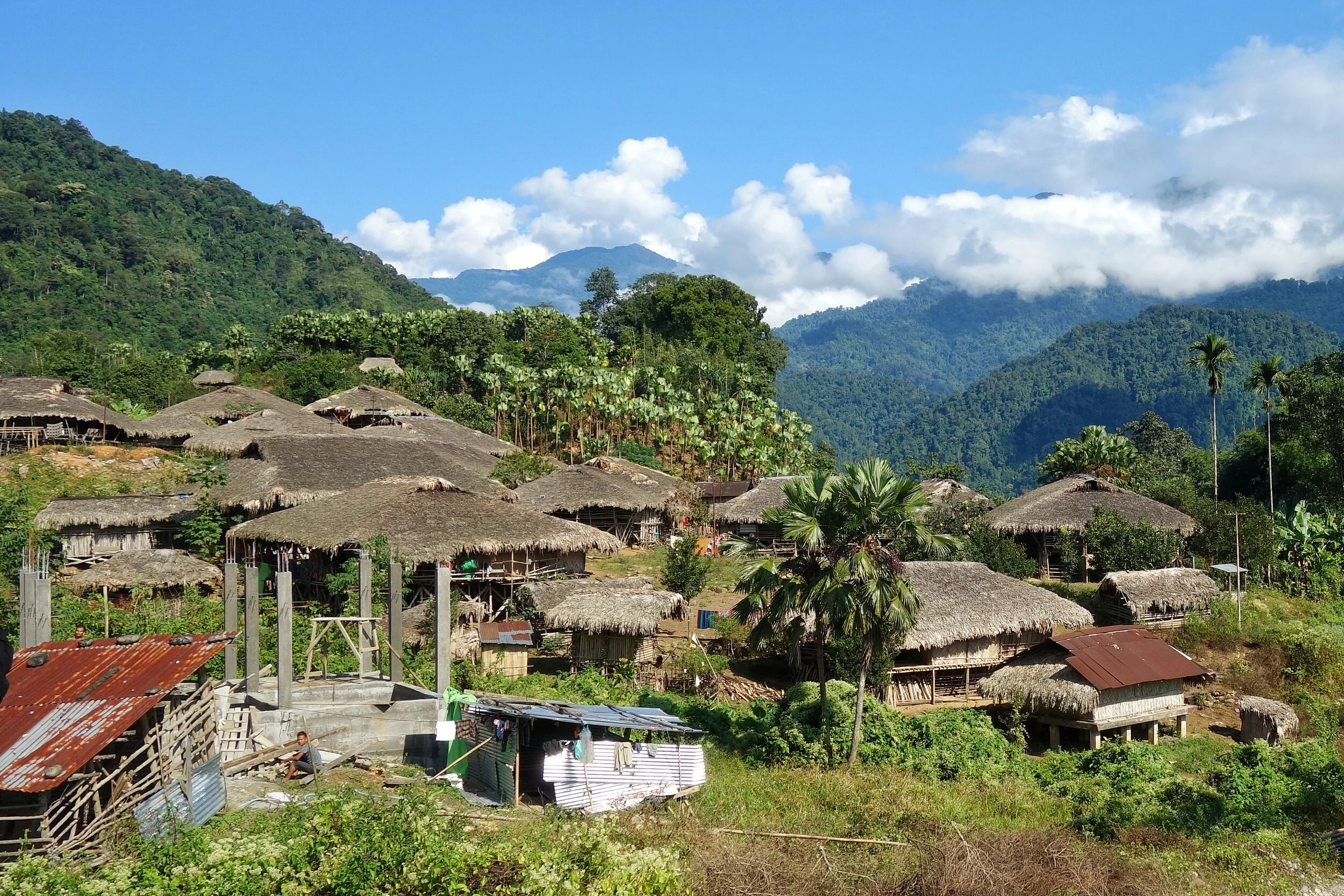
A typical Village in the area
And the Adi knew that now the British will come with full force and in December, the time most suitable to the British, the Abor Expeditionary Force showed up. The Adi fought bravely but of course were no match for the British with their modern Arms. The British marched up the Kadeng Village and the whole Village was then burned down. And there would not be another Abor War for the British to fight.
These Adi Tribesmen are the unrecognised Freedom Fighters of the country who have never got any recognition from the Government. Though I am aware of the name of some of the Adi Tribesmen who were a part of this, including the Villager who wanted to gift a Chicken, but that in my view would be an injustice to the thousands unnamed Adi and other Tribesmen who also fought for the country’s Independence like in other parts of the Country. Respect.
Pic from November 2019. On the Pasighat Aalo Road, Arunachal Pradesh
Inputs from various Online sources.
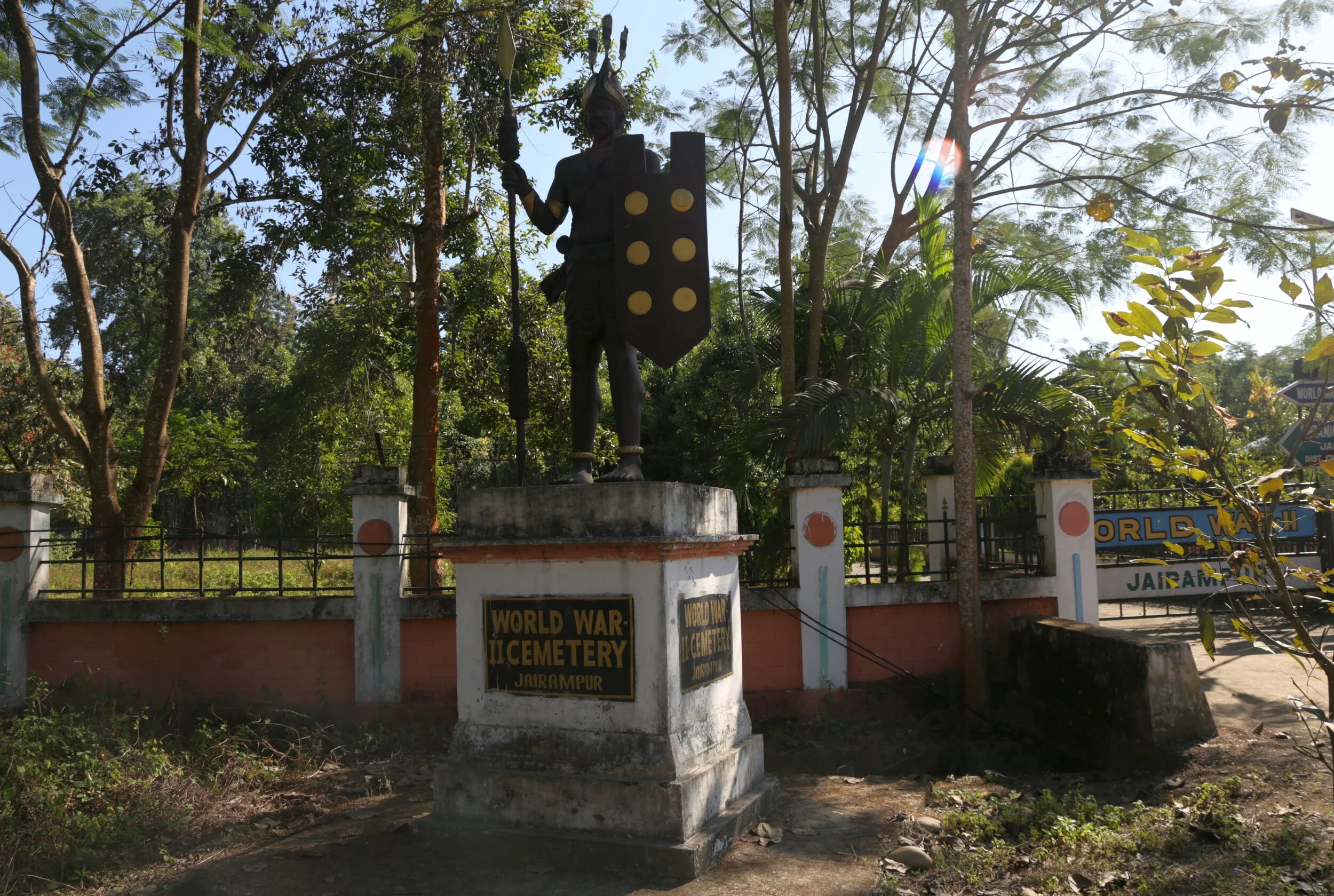
The Forgotten Jairampur Cemetery
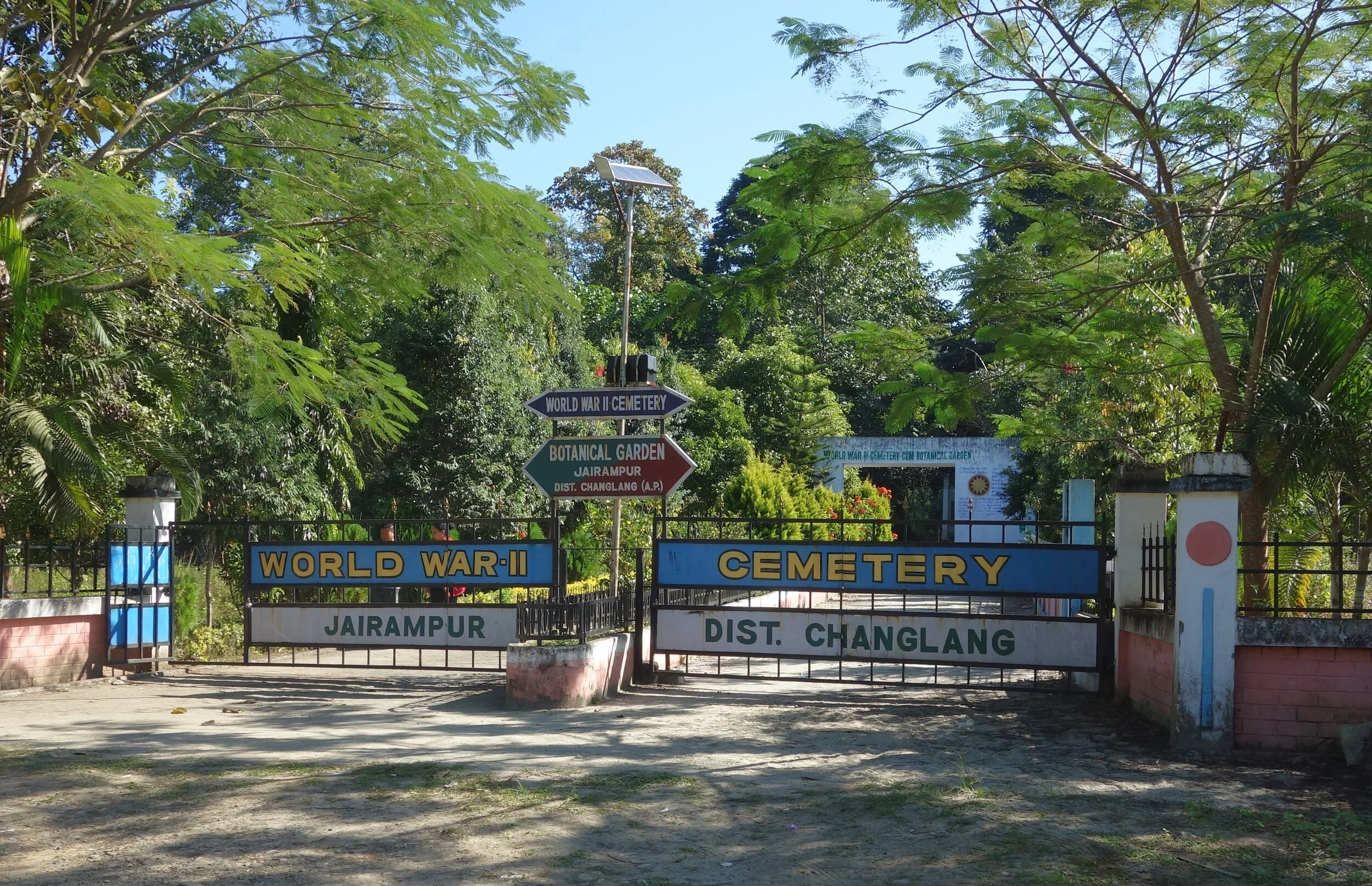
The Forgotten Jairampur Cemetery on the Stillwell Road near the border of Arunachal with Burma. The largest WWII Cemetery in India which was lost to the jungle but re-discovered in 1997.

The Forgotten Jairampur Cemetery
In the Changlang District of Arunachal Pradesh close to the border of Arunachal Pradesh with Myanmar on the spurs of the Patkai Mountains lay a Cemetery where were buried a number of Soldiers from the Second World War. This Cemetery lies around 30 kms before the Hell Pass or the Pangsau Pass as its called now and all the people buried here were soldiers engaged in the building of the marvel of engineering that came to be known as the Ledo Road or by its more famous name the Stillwell Road as it was named after an Amercian General. Making a Road across the Patkai would never be easy every Mile came at the cost of a Man.
The graves are said to belong to Taiwanese, Chinese, Amercan, Kachin and Indian soldiers who worked as labourers and workers on the Ledo Road which intended to connect Ledo in Assam with Kunming in China. Some of the graveyards are of Adi (Abor), Mishmi and Jaintia soldiers who fought for the Allied Forces and worked on the Road as well, but there is very little evidence left of their antecedents. Most of these people have said to expired out of disease, fatigue, malnutrition and a combination of all these factors.
This Project was undertaken at a time when the Japanese were in possession of most of Burma and were inching forward towards India and Southern China. This Road was supposed to provide supplies to the beleaguered Chinese fighting the Chinese. There were already Plane lifts from the North East India to China over what was then called the Hump, the impenetrable Hills and Jungles of the Patkai Range and it was through this Patkai Range that the Road was to be built. And as the Cemetery stands as a solemn reminder of the number of lives this endeavour would entail.
The Cemetery which contains over 1000 Graves is by far the largest Second World War Cemetery in India but surprisingly it was taken over by the Jungle and was only re-discovered in 1997. It had not only been taken over by the Jungle but extensive damage caused to the Graves by apparently wild Elephants but I assume by Grave robbers as well. During the time I visited I could see that except a few Graves all had been damaged. One of the epitaphs still readable in the Cemetery is that of a 30 year old Chinese Major who was a Company Commander and it reads as such
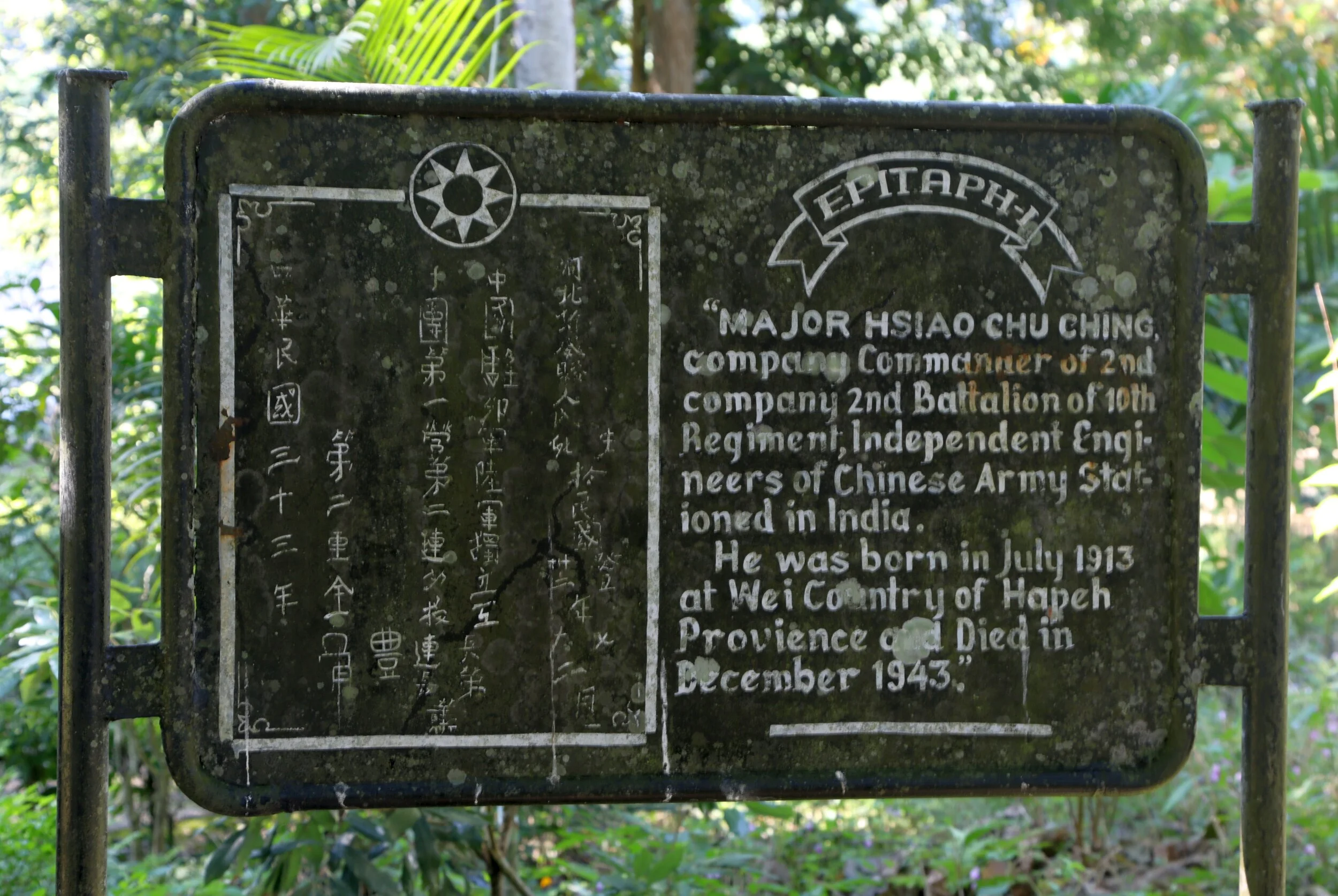
“Major Hsiao Chu Chung, Company Commander of the 2 nd Company, 2 nd Battalion of the 10th Regiment, Independent Engineers of Chinese Army stationed in India.
He was born in July 1913 at Wei Country of Hapeh Province and died in December 1943”
Almost all the Graves are now without an Epitaph and as I mentioned in a very bad state but the Botanical Garden built around the Cemetery does add grace to the place. And I noticed that a Tree was planted alongside each of the Graves, each Tree standing for someone who laid down their life in the War effort.
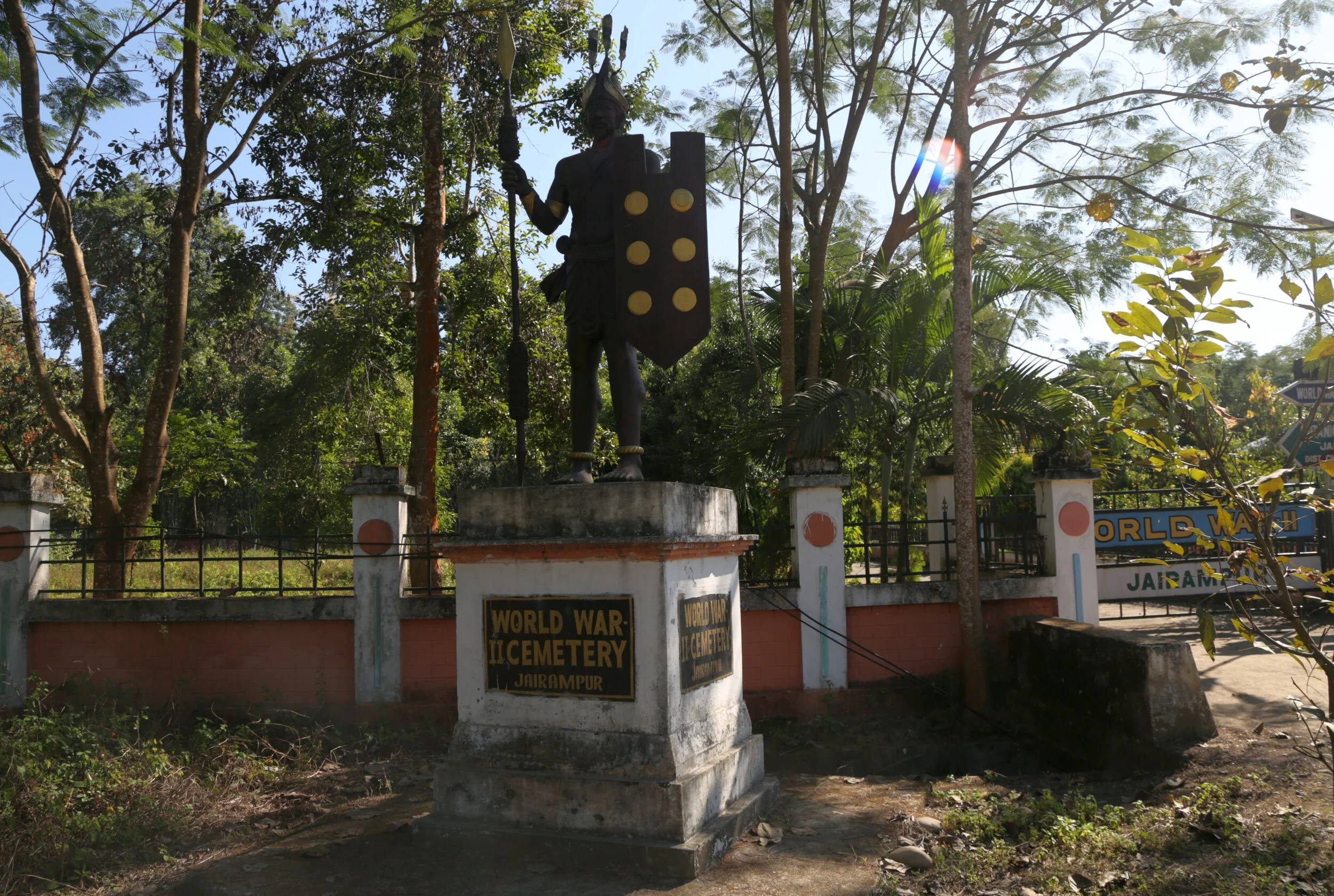
And Another board at the Cemetery, probably as a commemoration for all the unnamed Soldiers and Workers who now sleep in these decrepit Graves which reads as such
“World War Two Cemetery : These Graves bear silent testimony to those Soldiers, unlisted Workers and Labourers who ventured into the virgin Jungle amid blistering heat and laid down their lives in the line of duty during the Second World War, whilst a part of all the forces against the Imperial Japanese Army.
Their names liveth forever more”

Though the Government has now started some work on the Cemetery it is still a far cry from the very well preserved Cemeteries at Kohima and Imphal related to the same War. They are also building a Museum. But the cause of the most concern is the present status of the Graves. I can understand the neglect from the Indian side but i'm surprised that the Americans (the Road endeavour was led by the Amercians) haven't taken note and taken up the upkeep of the same. Maybe thats because no one is actually sure about the “Nationality” of these brave men.
I walked through the Cemetery and made a Video for you yourself to see the largest World War Two Cemetery in India. World War Two, the most brutal War in the History of Mankind.
Kiki’s Blog
Stories from the Himalayas
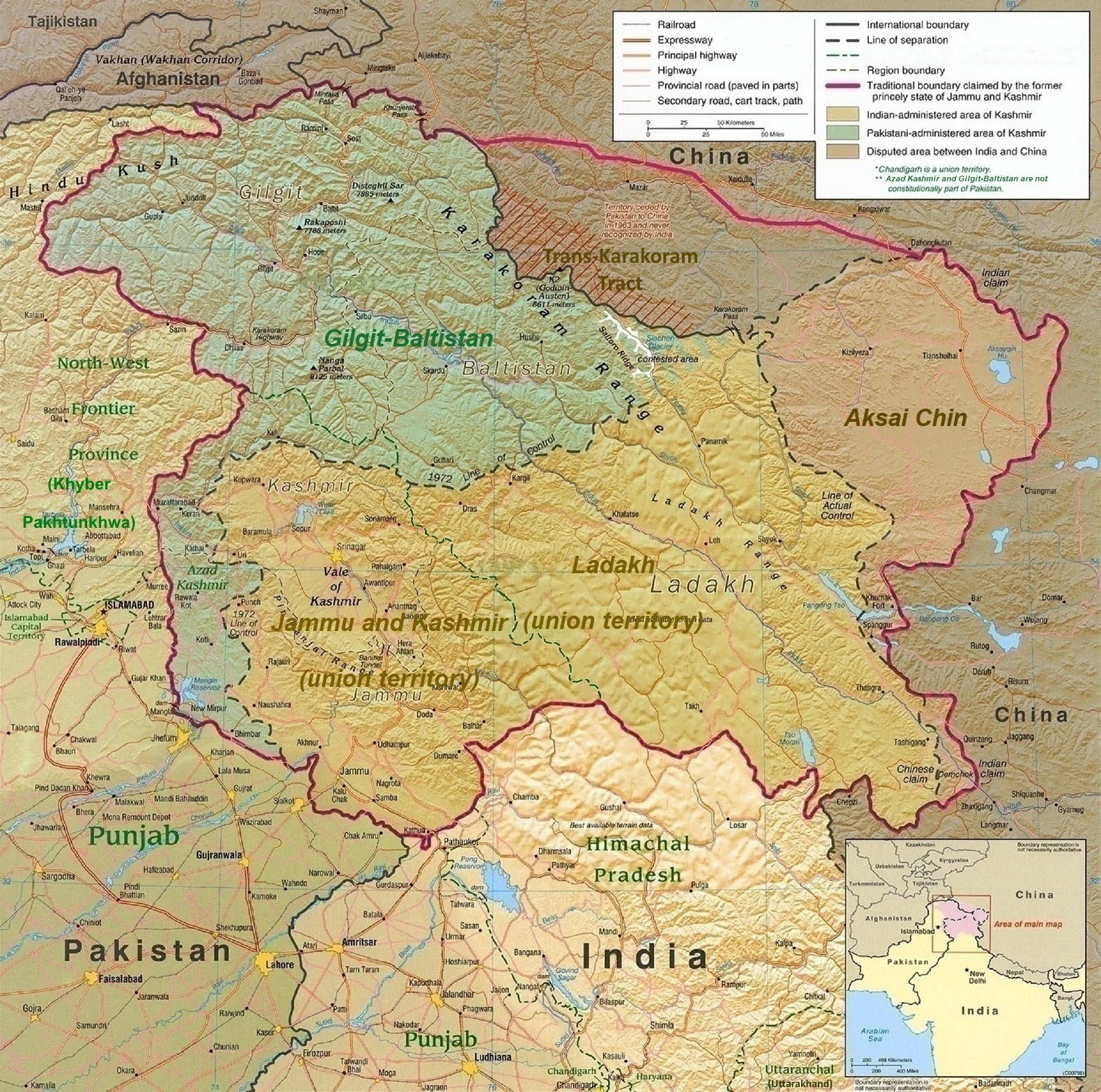



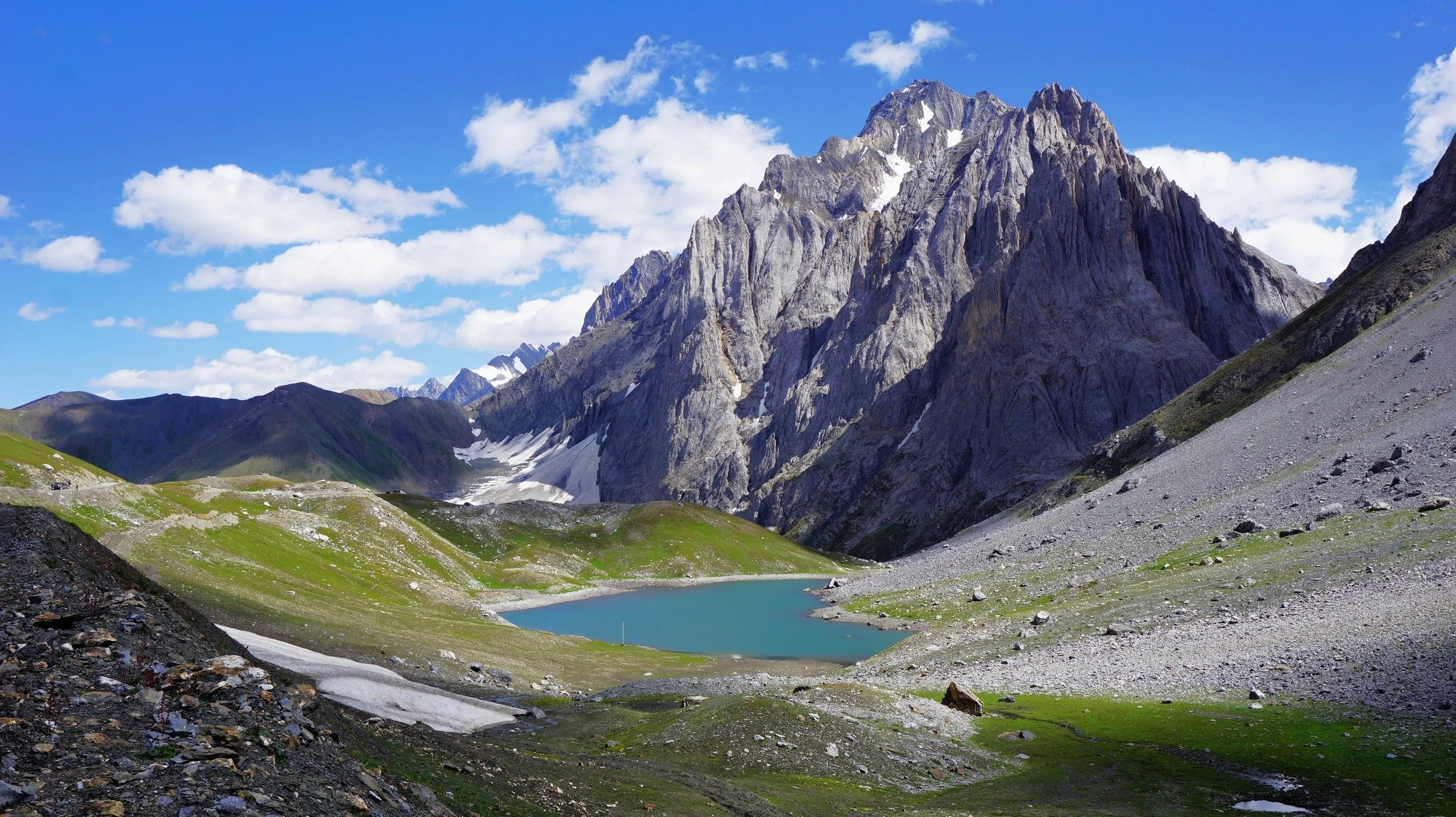
Five years ago the Galwan Valley was in the News for the wrong reasons after a deadly clash between the Indian and Chinese Armies in the Valley located in Ladakh lead to many deaths on the contentious Border between the two countries in wake of continued Chinese intrusions into Indian territory.
This area along the Shyok River, of which the Galwan Nallah or the Galwan River which forms the Galwan Valley has been off limits to Civilians since long but now the Indian Government has decided to open up the area for Civilians and we were amongst the First Civilians to venture into this beautifully desolate part of the Eastern Karakorams in Ladakh. Earlier Civilians could only venture upto the Village of Shyok from where the Shyok River takes a U turn and flows in a Northerly direction.