
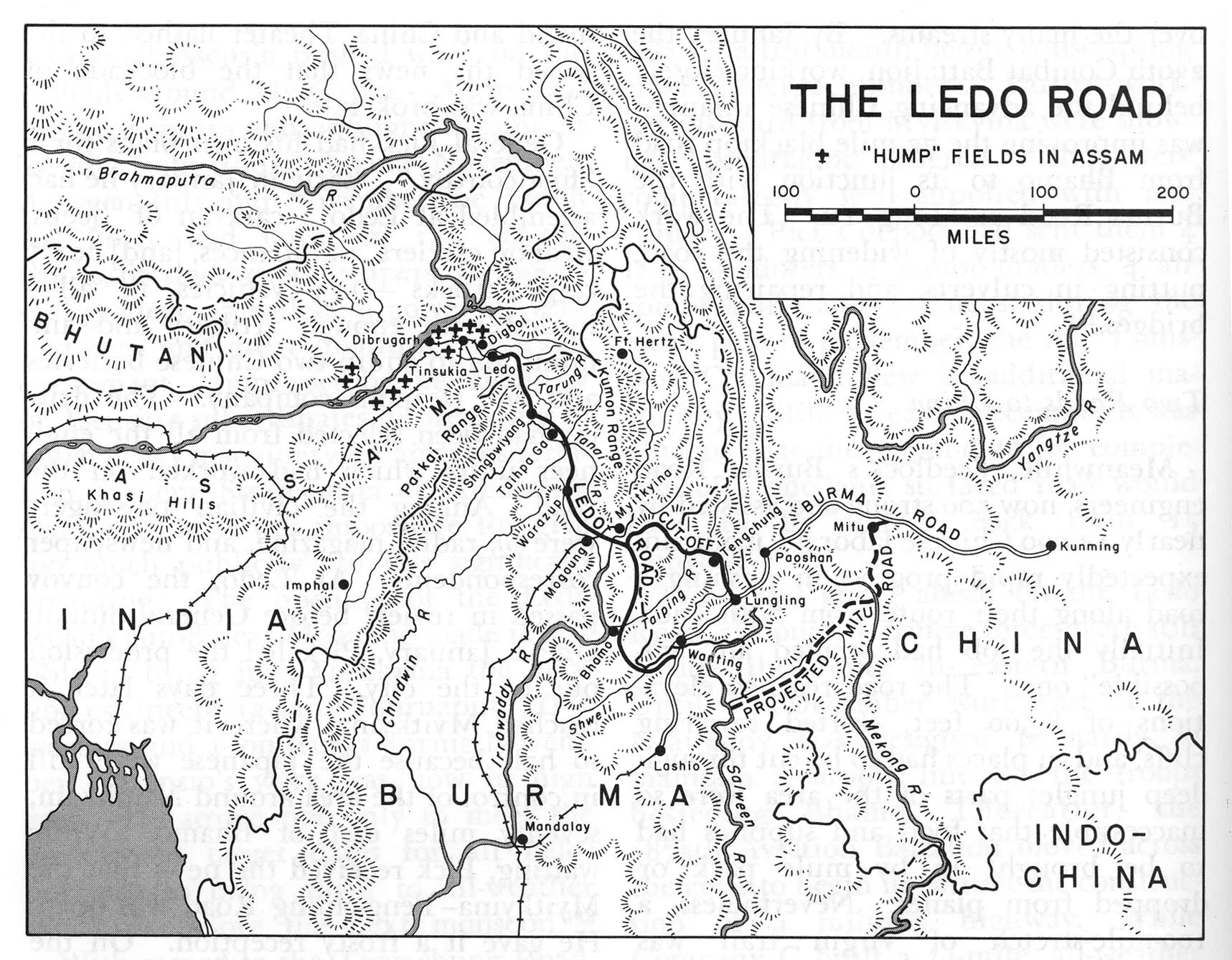
The Stilwell Road
The Stilwell Road Project once termed as an “impossible Engineering pipe dream” was not merely an Engineering feat accomplished but a saga of Valour, Grit and Determination. It stands as a testament to the Men responsible and the indomitable human spirit that made it possible.” This is the inscription at the Jairampura Cemetery, the largest Cemetery dating back to the Second World War and at the cemetery lie the remains of hundreds of Men who gave up their lives during the building of this Road. Amongst the dead were Indians including many local Tribals, Chinese, Americans and Burmese.

The Stilwell Road
“The Stilwell Road Project once termed as an “impossible Engineering pipe dream” was not merely an Engineering feat accomplished but a saga of Valour, Grit and Determination. It stands as a testament to the Men responsible and the indomitable human spirit that made it possible.” This is the inscription at the Jairampura Cemetery, the largest Cemetery dating back to the Second World War and at the cemetery lie the remains of hundreds of Men who gave up their lives during the building of this Road. Amongst the dead were Indians including many local Tribals, Chinese, Americans and Burmese.
This Project was undertaken at a time when the Japanese were in possession of most of Burma and were inching forward towards India and Southern China. This Road was supposed to provide supplies to the beleaguered Chinese fighting the Chinese. There were already Plane lifts from the North East India to China over what was then called the Hump, the impenetrable Hills and Jungles of the Patkai Range and it was through this Patkai Range that the Road was to be built. Ledo was the last Railhead of the Indian Railways and the Road was proposed to be started from there for the same reason.

The Patkai Range which was the first main barrier on the Stilwell Road.
In the Himalayan context the altitude would not sound much but the fact remains that building a Road over this Pass was much more complex and dangerous than probably the one built over the Karakoram Pass. The road only became a possibility as it was a desperate situation and the desperate situation needed a desperate solution. The solution was called the Ledo Road only to be renamed later as the Stillwell Road. Though there was already an Air connect over the Hump, it had to be supplemented with a Road link as well to push the supplies of men and material into China to supplement the Chinese in their War effort against the Imperial Japanese Army.
The Project was the brainchild of the American General Joseph Stilwell who was deputed to the China India Burma theater in the Second World War as the Commander of the American Forces, Deputy Commander of the Allied Forces (second in Command to the famous Admiral Louis Mountabatten) and as an Adviser to Chiang Kai Shek, who was the Commander of the Chinese Forces. He was also nicknamed Vinegar Joe for his caustic personality. And he had a personal disdain for Military pomp and show. All these qualities put him forever at loggerheads with his British and Chinese Allies.
His main objective was to connect India with China with a Road starting from Ledo in Assam to Kunming, Yunnan, China. And he always advocated the fact that the supplies currently being sent by Air had to be supplemented by Road supply Route in order to withstand the Japanese. Of course there were many who disagreed with Stilwell who was still adamant. The British Field Marshal William Slim who commanded the British Fourteenth Army in India/Burma wrote of the Ledo Road:

American Army Trucks on the Stilwell Road
I agreed with Stilwell that the road could be built. I believed that, properly equipped and efficiently led, Chinese troops could defeat Japanese if, as would be the case with his Ledo force, they had a considerable numerical superiority. On the engineering side I had no doubts. We had built roads over country as difficult, with much less technical equipment than the Americans would have. My British engineers, who had surveyed the trace for the road for the first eighty miles [130 km], were quite confident about that. We were already, on the Central front, maintaining great labour forces over equally gimcrack lines of communication. Thus far Stilwell and I were in complete agreement, but I did not hold two articles of his faith. I doubted the overwhelming war-winning value of this road, and, in any case, I believed it was starting from the wrong place. The American amphibious strategy in the Pacific, of hopping from island to island would, I was sure, bring much quicker results than an overland advance across Asia with a Chinese army yet to be formed. In any case, if the road was to be really effective, its feeder railway should start from Rangoon, not Calcutta.

The Memorial to the people who laid down their lives while making the Stilwell Road
The construction of the Road began in 1942 and it is estimated that 15,000 American Troops were involved in the building of the Road, along with thousands of Indian, Allied, Burmese and Chinese soldiers and workers. It is said that over 1000 American lives were lost during the construction of the Road and there were casualties amongst the others in the same effort. It was called Man a Mile Road as more than one life was lost per 1079 Mile length of this Road. The first Convoy which successfully got to Kunming from the Ledo Road was in the beginning of 1945 and by that time the tide of War had changed and the Japanese were no longer as dominating as they were in 1942. But still supplies were sent over this Route though much more were going by Air over the Hump.

Chinese line-up the streets of Kunming as the first Supply Convoy comes down the Ledo Road from India
The Road was re-named at the Stilwell Road from Ledo Road by none other than Chang Kai Shek, a tribute to the spirit of General Joseph Stilwell and his complete faith in this endeavour. As of today most of the Road lies in unusable condition on the Burmese side from the India side as its a hot zone with many Insurgent hideouts. But all the way from Ledo to Nampong, the last Indian town and upto the Pangsau Pass the Road is in excellent condition and its a great Drive.
Here is a Tribute Video to the Stilwell Road and how it looks and feels today. Hoping that one day in better times we could drive all the way to Kunming through some of the most spectacular Forests in the Region.
Video from Novemeber 2019. Road from Ledo to Nampong, Arunachal Pradesh
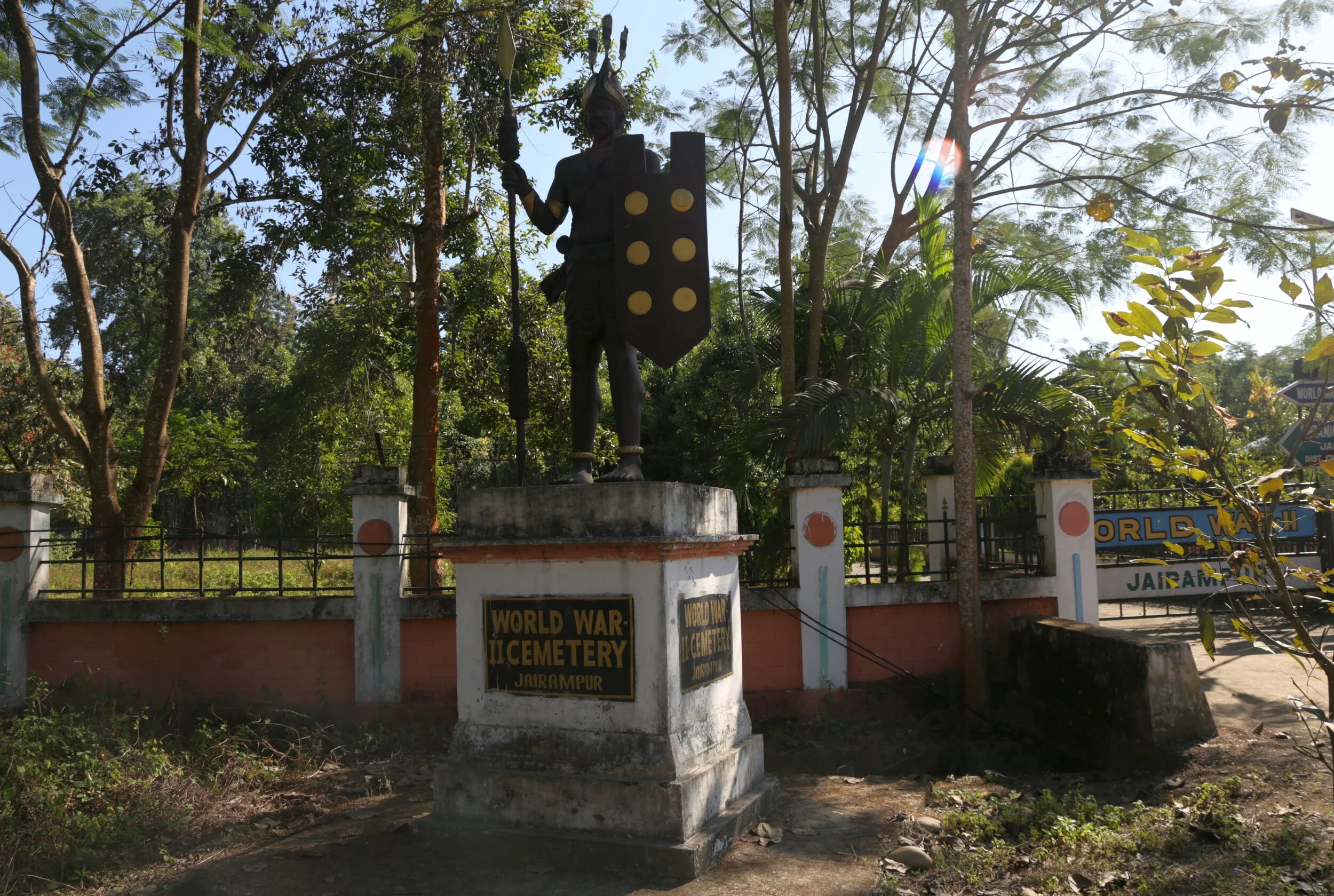
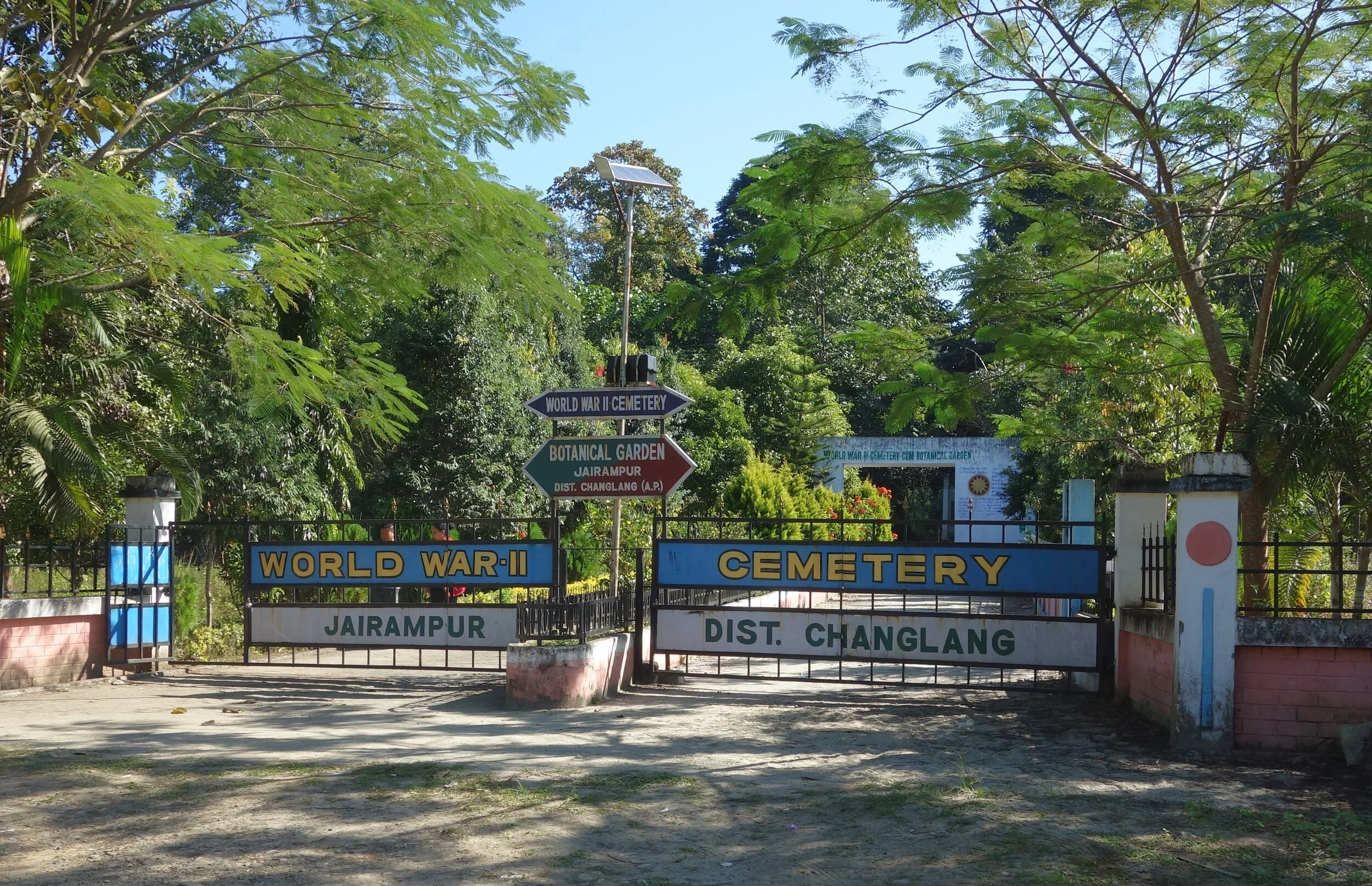
The Forgotten Jairampur Cemetery
The Forgotten Jairampur Cemetery on the Stillwell Road near the border of Arunachal with Burma. The largest WWII Cemetery in India which was lost to the jungle but re-discovered in 1997.

The Forgotten Jairampur Cemetery
In the Changlang District of Arunachal Pradesh close to the border of Arunachal Pradesh with Myanmar on the spurs of the Patkai Mountains lay a Cemetery where were buried a number of Soldiers from the Second World War. This Cemetery lies around 30 kms before the Hell Pass or the Pangsau Pass as its called now and all the people buried here were soldiers engaged in the building of the marvel of engineering that came to be known as the Ledo Road or by its more famous name the Stillwell Road as it was named after an Amercian General. Making a Road across the Patkai would never be easy every Mile came at the cost of a Man.
The graves are said to belong to Taiwanese, Chinese, Amercan, Kachin and Indian soldiers who worked as labourers and workers on the Ledo Road which intended to connect Ledo in Assam with Kunming in China. Some of the graveyards are of Adi (Abor), Mishmi and Jaintia soldiers who fought for the Allied Forces and worked on the Road as well, but there is very little evidence left of their antecedents. Most of these people have said to expired out of disease, fatigue, malnutrition and a combination of all these factors.
This Project was undertaken at a time when the Japanese were in possession of most of Burma and were inching forward towards India and Southern China. This Road was supposed to provide supplies to the beleaguered Chinese fighting the Chinese. There were already Plane lifts from the North East India to China over what was then called the Hump, the impenetrable Hills and Jungles of the Patkai Range and it was through this Patkai Range that the Road was to be built. And as the Cemetery stands as a solemn reminder of the number of lives this endeavour would entail.
The Cemetery which contains over 1000 Graves is by far the largest Second World War Cemetery in India but surprisingly it was taken over by the Jungle and was only re-discovered in 1997. It had not only been taken over by the Jungle but extensive damage caused to the Graves by apparently wild Elephants but I assume by Grave robbers as well. During the time I visited I could see that except a few Graves all had been damaged. One of the epitaphs still readable in the Cemetery is that of a 30 year old Chinese Major who was a Company Commander and it reads as such
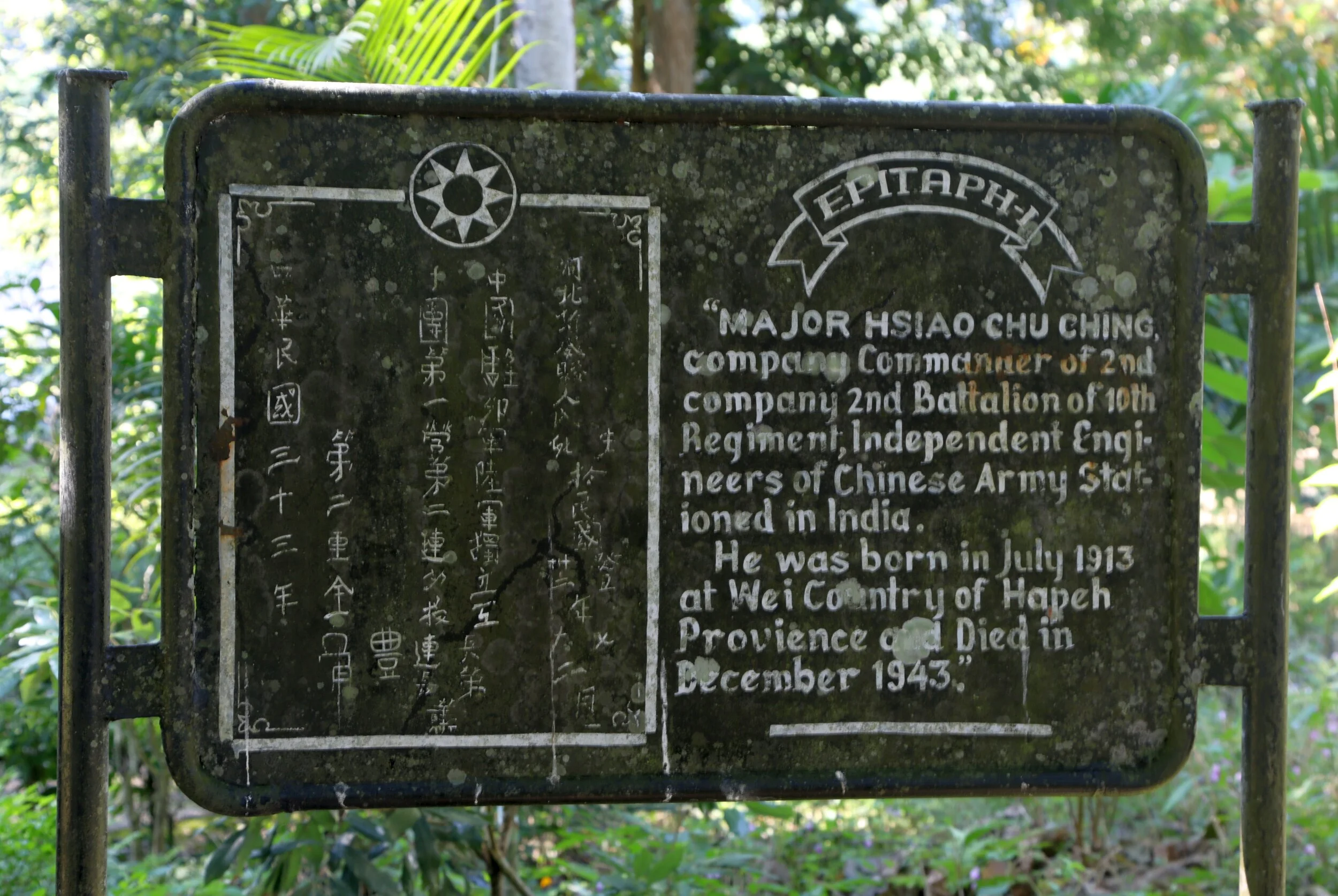
“Major Hsiao Chu Chung, Company Commander of the 2 nd Company, 2 nd Battalion of the 10th Regiment, Independent Engineers of Chinese Army stationed in India.
He was born in July 1913 at Wei Country of Hapeh Province and died in December 1943”
Almost all the Graves are now without an Epitaph and as I mentioned in a very bad state but the Botanical Garden built around the Cemetery does add grace to the place. And I noticed that a Tree was planted alongside each of the Graves, each Tree standing for someone who laid down their life in the War effort.
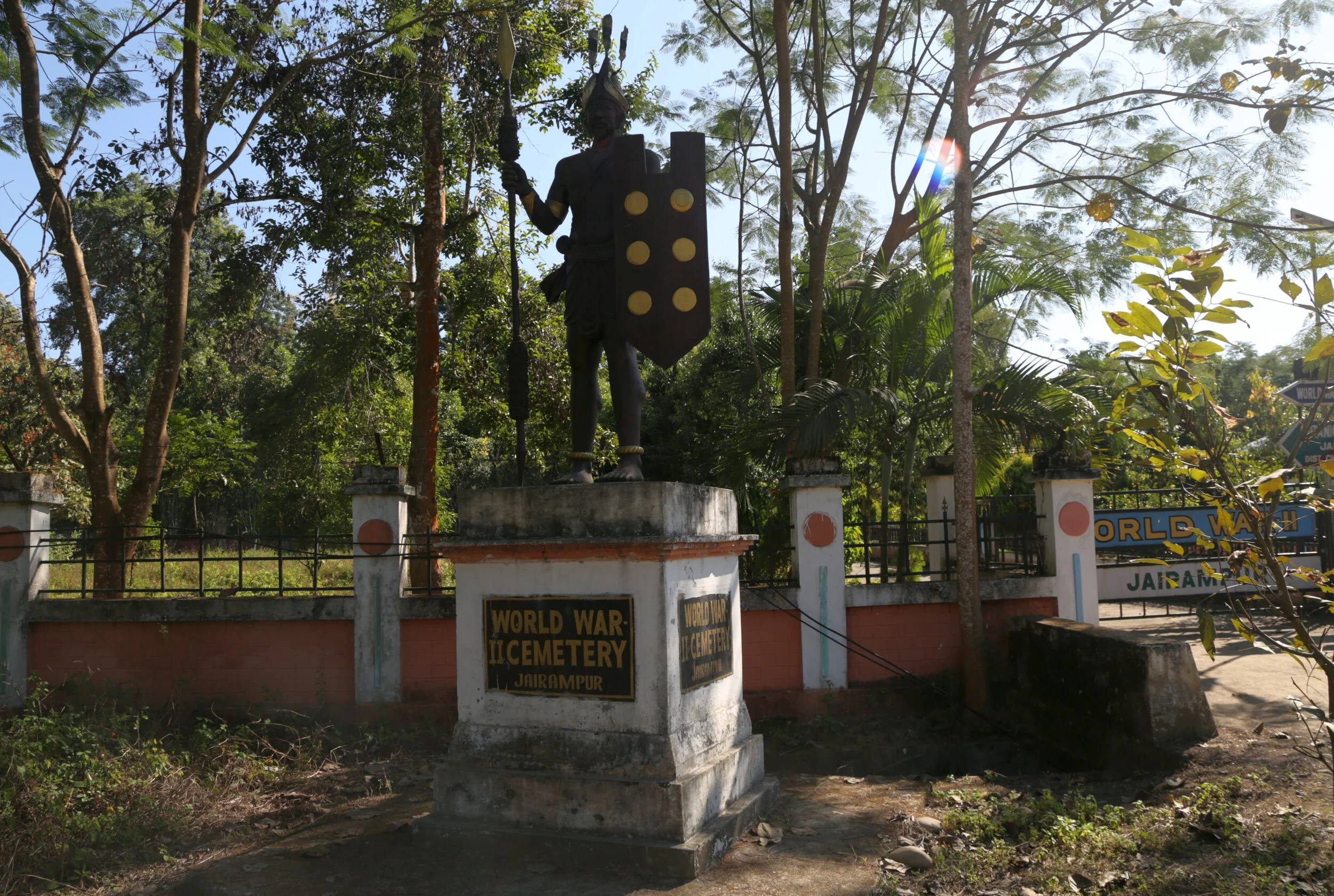
And Another board at the Cemetery, probably as a commemoration for all the unnamed Soldiers and Workers who now sleep in these decrepit Graves which reads as such
“World War Two Cemetery : These Graves bear silent testimony to those Soldiers, unlisted Workers and Labourers who ventured into the virgin Jungle amid blistering heat and laid down their lives in the line of duty during the Second World War, whilst a part of all the forces against the Imperial Japanese Army.
Their names liveth forever more”

Though the Government has now started some work on the Cemetery it is still a far cry from the very well preserved Cemeteries at Kohima and Imphal related to the same War. They are also building a Museum. But the cause of the most concern is the present status of the Graves. I can understand the neglect from the Indian side but i'm surprised that the Americans (the Road endeavour was led by the Amercians) haven't taken note and taken up the upkeep of the same. Maybe thats because no one is actually sure about the “Nationality” of these brave men.
I walked through the Cemetery and made a Video for you yourself to see the largest World War Two Cemetery in India. World War Two, the most brutal War in the History of Mankind.
Kiki’s Blog
Stories from the Himalayas
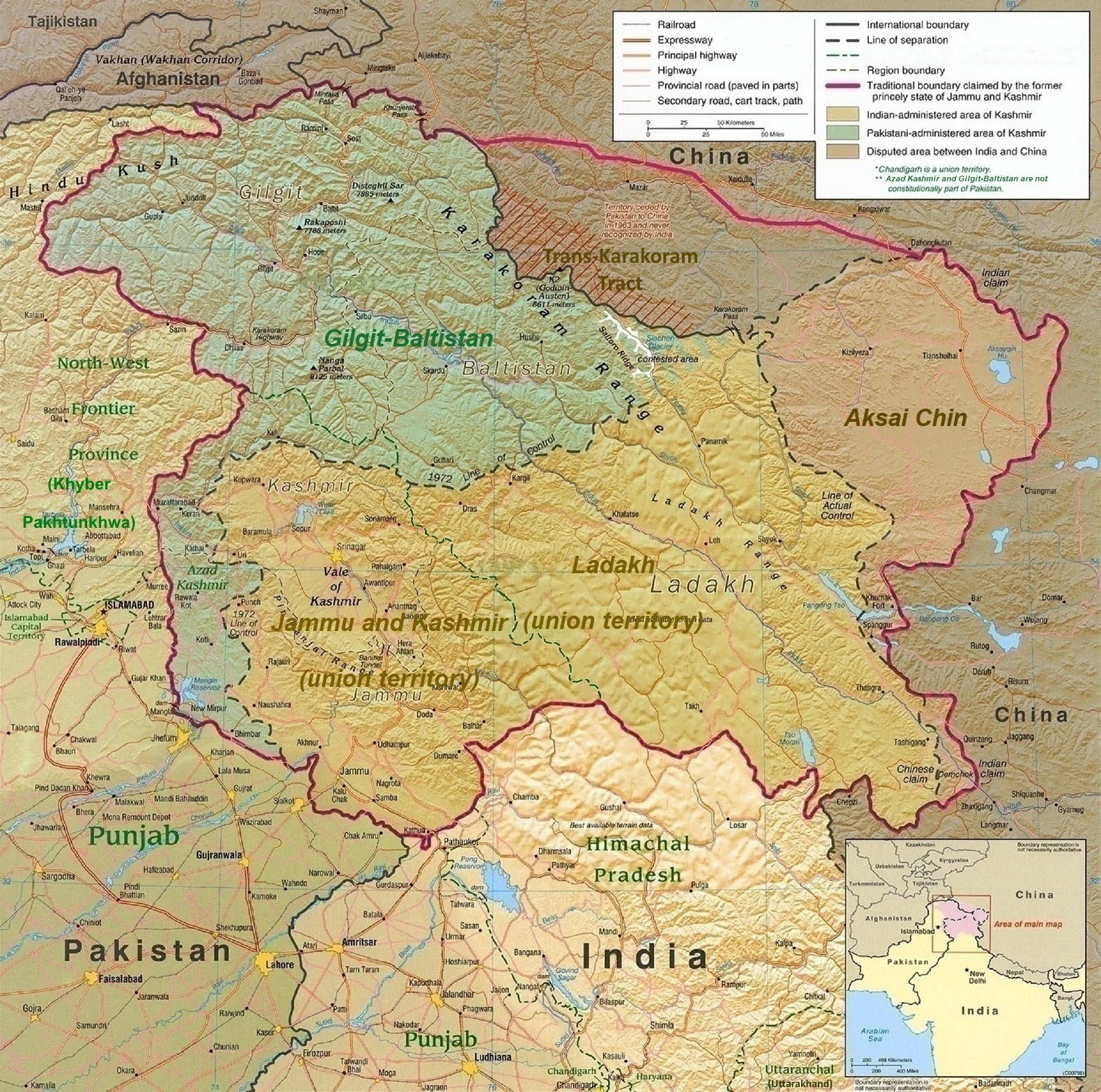



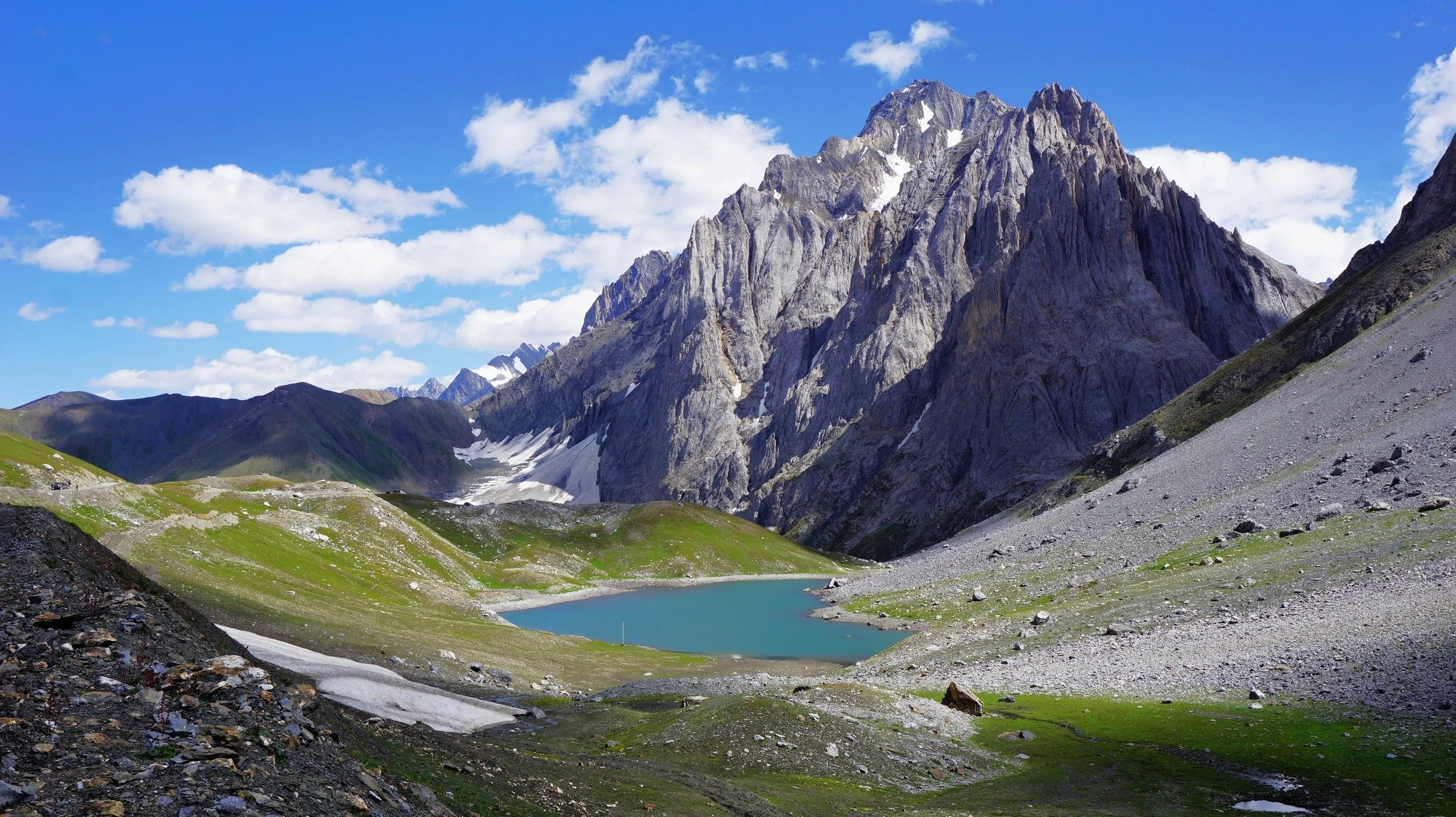
Five years ago the Galwan Valley was in the News for the wrong reasons after a deadly clash between the Indian and Chinese Armies in the Valley located in Ladakh lead to many deaths on the contentious Border between the two countries in wake of continued Chinese intrusions into Indian territory.
This area along the Shyok River, of which the Galwan Nallah or the Galwan River which forms the Galwan Valley has been off limits to Civilians since long but now the Indian Government has decided to open up the area for Civilians and we were amongst the First Civilians to venture into this beautifully desolate part of the Eastern Karakorams in Ladakh. Earlier Civilians could only venture upto the Village of Shyok from where the Shyok River takes a U turn and flows in a Northerly direction.