
A Place Called Chushul
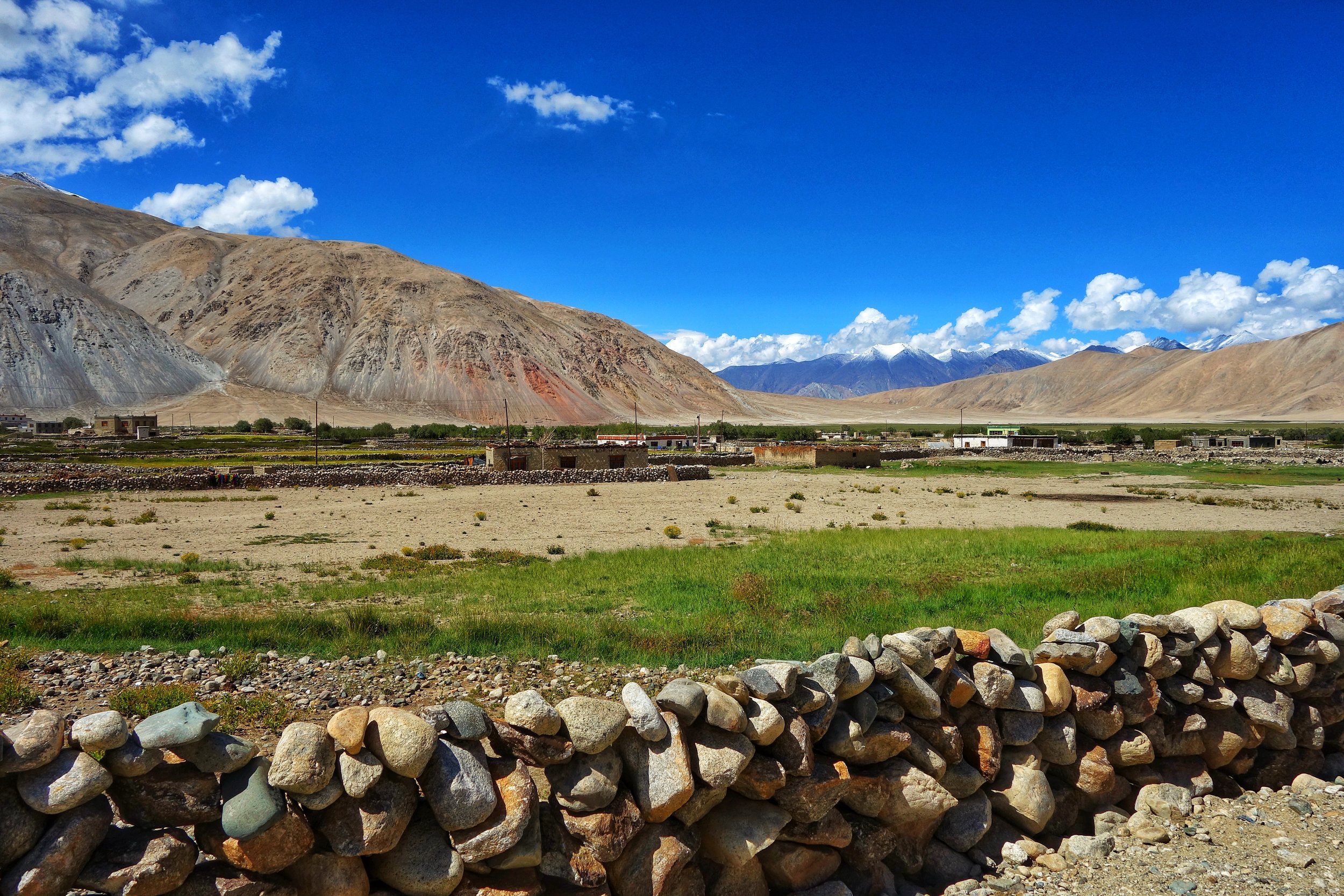
On the desolate Changthang region of the Tibetan Plateau lies the Village of Chushul. It lies close to the Border with China. And it was here that a Treaty was signed and Ladakh became a part of the Sikh Empire.
A Place Called Chushul
Chushul is a Village close to the Indian LAC with China in the Eastern Ladakh region close to Pangong Lake as well as Rezang La. At an altitude of around 4360 m it used to be the main Village of the Changthang block in the Ladakh region earlier. And it is one of the five designated locations along the LAC where the Border personnel from both countries meet to have formal meetings in order to maintain peace at the LAC.

On the way to Chushul and driving along the Pangong Tso.
We passed this place on our way from Pangong Lake to Tso Moriri which I must rate as one of the finest drive one can do in the Trans Himalayas cutting across the Changthang. Once we got to Chushul we realised that one of our Vehicles was short on fuel. And since Chushul was one of the main Villages on the way and uncertain of whether we will get fuel anywhere ahead we decided to look for Petrol in Chushul. We had already crossed Chushul when we decided to turn back and when we came back into the Village we passed by the Police Post . And there was an old Policeman sitting outside. We asked him where we could get Fuel. He told us and then suddenly he asked us for our Inner Line Permits.

The Village of Chushul and the Monastery in Yellow
All of us in 4 Vehicles were Residents of the state of Jammu and Kashmir and as such we dont require Inner Line Permits. J and K residents just need to show IDs to prove their credentials and they are good to go. And plus we had a letter from JK Tourism which pretty much gave us an open Pass as far as the ITBP/ Army guys were OK with it. The Policeman just saw the Letter and checked the IDs of the guys in the first Car and told us to go. Since I am no longer a permanent resident of JK being based in Gurugram I was carrying my old Passport photocopy which had been issued in Srinagar. But I had still got an ILP made for myself just in case. But it didnt come to that and the Policeman was satisfied that we were all JK residents and let us go.
And then we got the fuel had Lunch and we were on our way again. We again passed the Police Post and this time there was another younger Policeman there who signalled us to stop. We stopped and told him that we had already shown our papers. He looked at all of us. And then suddenly I realised that he was staring at me. The Policeman then said “ Iska permit Kidhar hai” pointing at me. He again said “Yeh foreigner ka Permit kahaan hai ?”. Out of all the Kashmiri guys he somehow assumed me to be a Foreigner. I was slightly amused and started smiling. I blurted “Sirji main Foreigner nahin hoon. Srinagar se aaya hoon” He started laughing and bade us n our way.

Before entering Chushul, traditional pile of Horns to ward off evil.
Now to more important stuff. Historically this was the place where the Treaty of Chushul was signed in 1842 which officially demarcated the border between Ladakh and Tibet as a consequence of which Ladakh became a part of the Sikh Kingdom of the Punjab. After the death of General Zorawar Singh in Tibet his Army had been routed. The Tibeto-Chinese Army then marched towards Leh and almost captured it. Except for a small Dogra detachment that was entrenched in the Fort. The Dogra Detachment held on till the time fresh troops arrived under Diwan Hari Chand and Wazir Ratnu. The Dogras drove out the Tibeto-Chinese and started chasing them and the Tibeto-Chinese forces dug in at Drangtse.
In a brilliant tactical move the Dogras flooded the Tibetan fortifications by diverting a local River and they were again forced to flee Eastwards. The Dogras were again on their heels as avenging the death of their beloved General Zorawar Singh was their most motivational factor. The opposing Forces finally met on the open fields at Chushul in August 1842 and in the engagement the Tibeto-Chinese force was defeated and their General was decapitated in a form of brutal medieval revenge. With their General avenged they could now go back as both sides had by now now lost the appetite for further engagements.

The fields of Chushul
Both sides then decided to have a treaty by the way of which their territories would be demarcated and recognised by each other. And the Tibetans and the Chinese gave up any claim whatsoever that they had over Ladakh. So on 16/ 17th September 1842 was signed the Treaty of Chushul at Chushul and it said
"As on this auspicious day, the 3nd of Assuj, samvat 1899 (16th/17th September 1842) we, the officers of the Lhasa (Governrnent), Kalon of Sokan and Bakshi Shajpuh, commander of the forces, and two officers on behalf of the most resplendent Sri Khalsa ji Sahib, the asylum of the world, King Sher Singh ji, and Sri Maharaja Sahib Raja-i-Rajagan Raja Sahib Bahadur Raja Gulab Singh, i.e.. the Muktar-ud-Daula Diwan Hari Chand and the asylum of vizirs, Vizir Ratnun. in a meeting called together for the promotion of peace and unity, and by professions and vows of friendship, unity and sincerity of heart and by taking oaths like those of Kunjak Sahib, have arranged and agreed that relations of peace, friendship and unity between Sri Khalsaji and Sri Maharaja Sahib Bahadur Raja Gulab Singh ji, and the Emperor of China and the Lama Guru of Lhasa will hence forward remain firmly established forever; and we declare in the presence of the Kunjak Sahib that on no account whatsoever will there be any deviation, difference of departure (from this agreement). We shall neither at present nor in the future have anything to do or interfere at all with the boundaries of Ladakh and its surroundings as fixed from ancient times and will allow the annual export of wool, shawls and tea by way of Ladakh according to the old established customs.
Should any of the Opponents of Sri Sarkar Khalsa ji and Sri Raja Sahib Bahadur at any time enter our territories, we shall not pay any heed to his words or allow him to remain in our country. We shall offer no hindrance to traders of Ladakh who visit our territories. We shall not even to the extent of a hair's breadth act in contravention of the terms that we have agreed to above regarding firm friendship, unity, the fixed boundaries of Ladakh and the keeping open of the route for wool, shawls and tea. We call Kunjak Sahib, Kairi, Lassi, Zhon Mahan, and Khushal Chon as witnesses to this treaty."
And to this day the territories as designated in this Treaty as held as the Official border as recognised by the Indian Government though the Chinese from time to time play some hanky panky as has become their norm in this Sector. But of course that doesnt take away from the significance of the Treaty or from the importance of Chushul itself.

Traditional Cow Dung for using as Fuel
A visit to Chushul would always be worth it if you love the Mountains and love some History as well.
Pic from August 2018. Chushul, Eastern Ladakh.
The Brave Shen - Pa
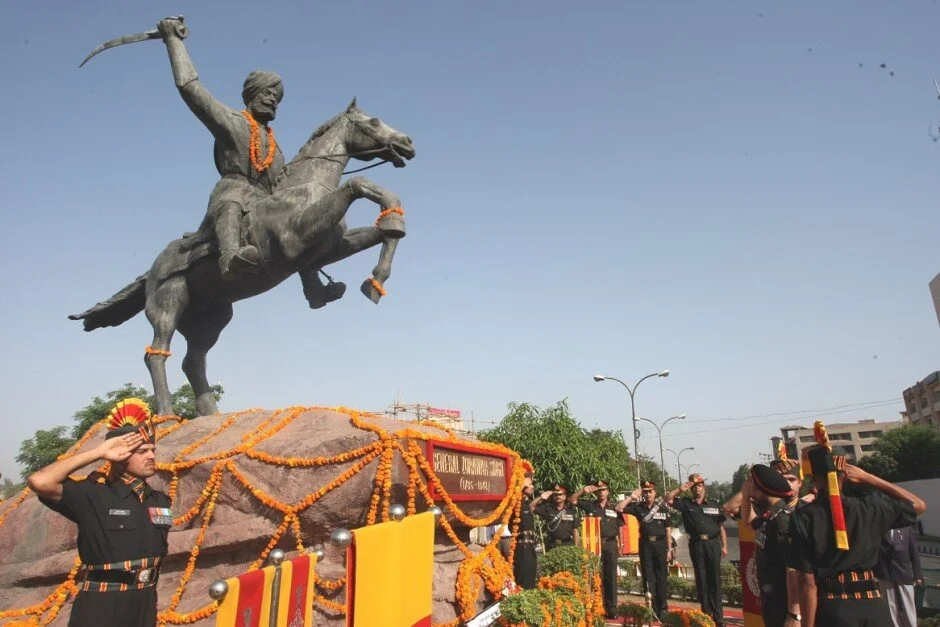
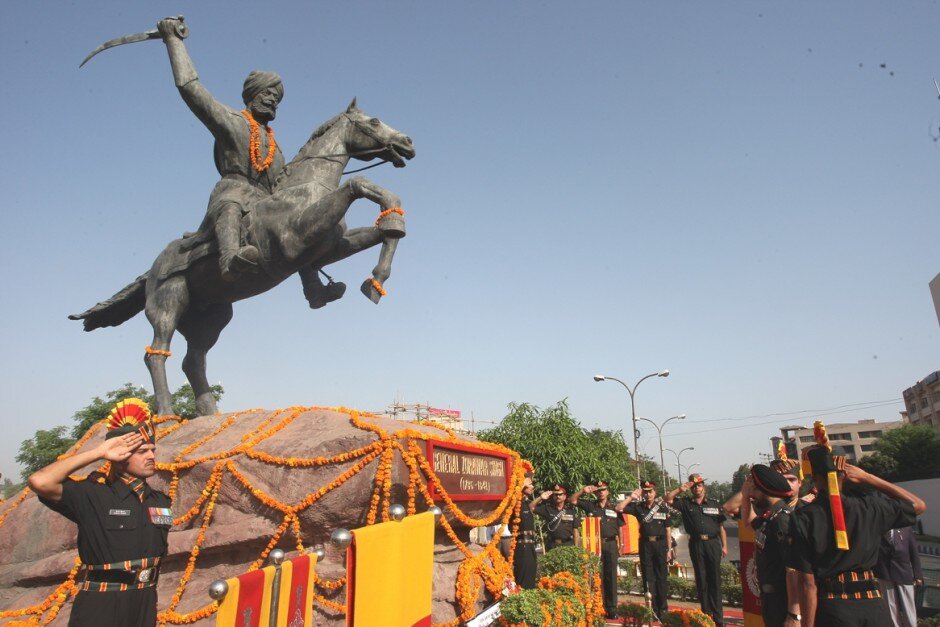
The last stand of General Zorawar Singh, the Dogra General who conquered Ladakh and Baltistan at the behest of Raja Gulab Singh and Maharaja Ranjit Singh. An outstanding General who wrote new annals in the history of Mountain Warfare who went down fighting in his last Battle on the frozen Plateau of Tibet.
The Brave Shen Pa
In the beginning of December 1841 at an altitude of over 14000 ft on the Tibetan Plateau with the temperatures well below freezing he got the news that a large contingent of the Imperial Chinese Army consisting of more than 10,000 soldiers along with their Tibetan allies was coming for him and stop his whirlwind advance. He had already faced smaller contingents and had already snatched, the Imperial Chinese Banner, the Mantalai Standard from them in an encounter. That had given them a measure of this man.
In a fashion typical to him and only him he must have weighed the odds. His Troops, about 3000 in number, were out of supplies, hungry, suffering badly from the intense Cold to the point that they had sawed off the butts of their Guns to burn them for warmth. He had already added more than 150,000 sq km of territory to his King’s domain and fought and come up on top in extremely difficult situations like taking his Army up the Umasi La at the onset of Winter. He had captured the holiest of the holy, the Kailash Parbat and Mansrover for his King. No King would want more.

A Replica of the Chinese Imperial Mantalai Standar kept at the Zorawar Musuem at the Zorarwar Fort in Leh
But not him. He had promised Lhasa. And Lhasa he would deliver. The Western Tibetan Kingdom including Rudok, Guge, Purang and Spiti were already under his wing. He was in Tirathpuri by the Satluj when he got the news of the advance. He despatched a small band of advanced troops under Nono Sonam to lead the initial forays into the rival Army. His men were massacred but Nono Sonam managed to escape and get back. Next a bigger band of around 600 men under Ghulam Khan and Nono Sonam were despatched to check the advance of the adversary. They fought well and they fought hard but they were routed by overwhelming number of the opposing force. Both Ghulam Khan and Nono Sonam were taken prisoners.
When he had started on his Trans Himalayan Expeditions he was accompanied by the following 12 Officers who led his Army and now after 7 years of Campaigns in the highest Himalayas and now just a couple of them were alive :
Mian Rai Singh
Mehta Basti Ram
Mirza Rasool Beg
Rana Zalim Singh
Abdul Razak Singh Mankotia
Mian Tota
Sardar Uttam Singh
Wazir Khwaja Bhanjal
Sardar Samad Khan
Nardeep Singh
Imam Malik
Syed Madin Shah
Out of all these Officers only probably Col Mehta Basti Ram of Kishtwar would die of old age. All of them were completely dedicated to him.

Replica of a Pistol presented to Raja Gulab Singh by General Zorarwar Singh
He decided to act in the only way of defence he knew. Attack. On the 10th of December with the remnants of his Army he decided to fall upon the oncoming Army though he knew the odds were stacked up against him. Heavily. But the “Shen - Pa” as their adversaries called them fell upon them with all the ferocity they were well known for. The Shen - Pas first attack on the Chinese / Tibetan Army has been described as “lightning fury” by a noted historian. Hell was unleashed in the biting cold between the two Armies engaged in Battle at over 4800 m above sea level.
The a fierce Battle ensued for two days. On the 12th December he himself decided to lead a charge on the enemy positions with his last best men left. While leading the charge with his signature fury he got a bullet in his thigh and fell off his Horse. Seeing him fall immediately he was surrounded by enemy soldiers. He was down but not out and he drew his sword. He dealt terrific blows to anyone who came close. Eventually a Horseman thrust his Lance at him and it went through his Chest. He fell. Dead.
His men now panicked and fled in all directions and were cut down by the enemy. Around 600 to 700 were taken prisoners. Col Mehta Bast Ram who was holding the Fort at Taklakot also decided to withdraw and crossed over into Almora. They were defeated. And he was dead.

The Nallah in Susru Valley near Panikhar where General Zorawar Singh first emerged in Ladakh.
But now the victors had a new problem. His body. They held him in reverential awe as the bravest of the Shen-pas. They cut off his head and carried it off to Lhasa as a Trophy. It was apparently entombed in a stupa. Parts of his remains were taken to the Simbiling and the Sakya Monasteries. All other remains were scattered so that this feared Shen - Pa might not rise again to do what he did. A Stupa was built to him somewhere around Mansrover. It stands there to this day.
Many engagements and Battles were fought thereupon between the same adversaries and finally Peace was reached with the signing of the Treaty of Chushul. And Col Mehta Basti became the First Governor of Ladakh.
In The History of Western Tibet by Rev.A.H. Francke who was a Moravian Missionary in Ladakh mentions that the Ladakhi's sing a poignant song of His wife, whom they believe to have accompanied her husband to Ladakh, and who had to return alone across the Zoji Pass. In this song Urdu words are mixed in a quaint way with the Tibetan:
I do not wish to eat bread received from the sinful Northerners, I do not wish to drink water received from the sinful Northerners
Amidst the inhabitants of this land I have no friends and relations, In the Northern Plain I have no brothers and friends
In the place of friends and relations I had only You
In the place of brothers and friends I had only You
And it was only You who made me a despised widow
And it was only You who made his Queen a despised widow
When arriving on the Zoji Pass, my fatherland can be seen
When arriving on the Zoji Pass, Lahore and the Panjab can be seen
Although I can see my Fatherland, I shall not arrive there
Although I can see my Fatherland, Your Queen will not arrive there......
And he further wrote : Now that the greatest General the Dogras have ever had has found his death on the battle-field, let us pause for a moment and place a wreath of tribute on his grave. For, Oriental though he was, we cannot help admiring a greatness in this man by which he far surpassed his surroundings. In the beginning of his conquests he was extremely cautious ; but this was essentially necessary, considering the naturally protected position of Western Tibet, and his entire want of knowledge of the geographical conditions of this country. But, as he had a keen eye for the defects of his enemy, and was a great strategist, all these difficulties were overcome. After the conquest was complete, the continual insurrections presented a new problem for his ingenuity to solve. By the manner in which he treated them, and in which he quelled them one after another, without any extra amount of cruelty, he showed not a little measure of wisdom. He proved himself a true soldier in the endurance of extraordinary hardships and in setting an example of personal courage ; and if he had not met with an early end on the battle-field, he might have impressed his name on the pages of the great history of the world.
His name was General Zorawar Singh Kahluria.
Kiki’s Blog
Stories from the Himalayas
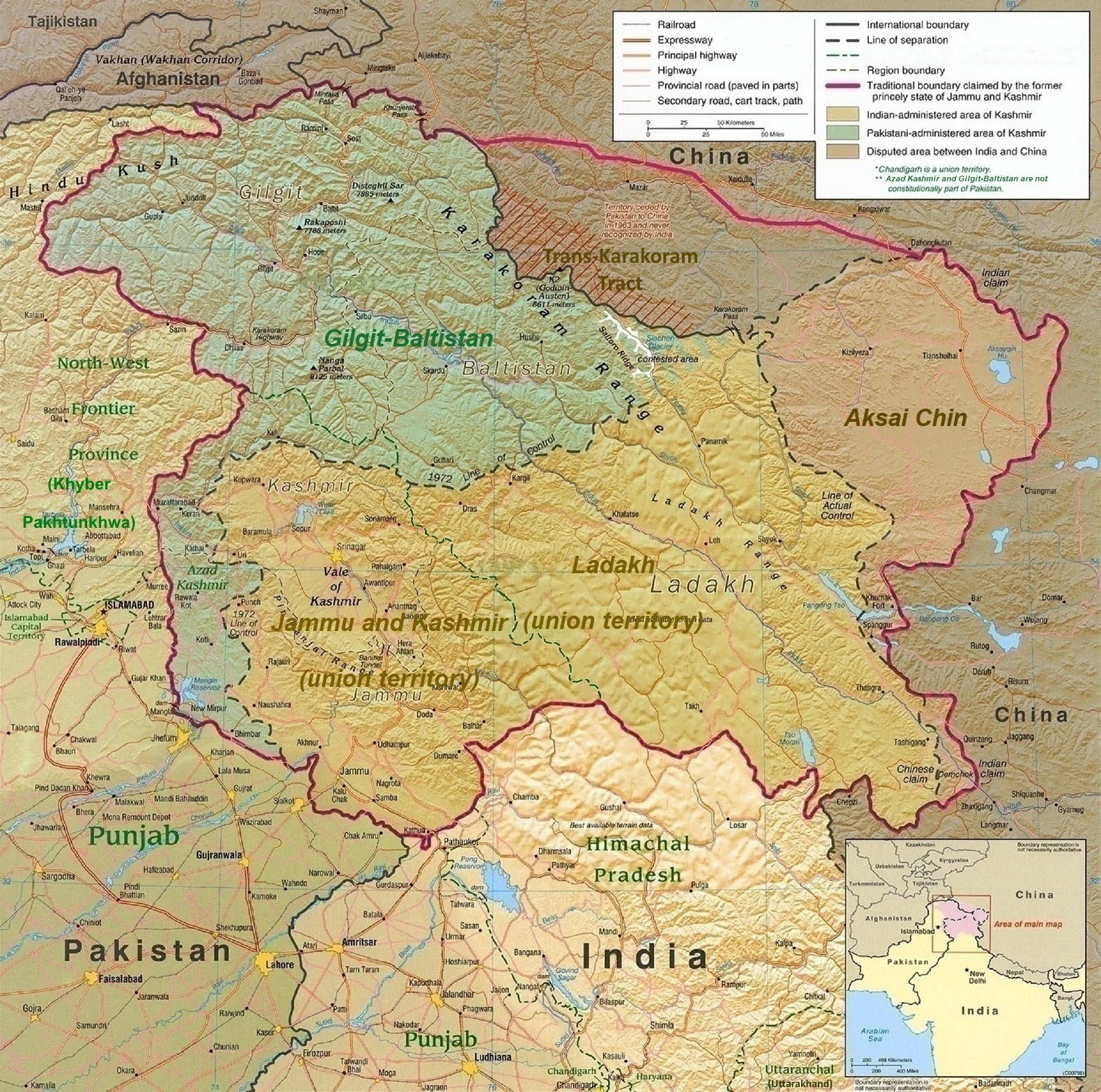



Five years ago the Galwan Valley was in the News for the wrong reasons after a deadly clash between the Indian and Chinese Armies in the Valley located in Ladakh lead to many deaths on the contentious Border between the two countries in wake of continued Chinese intrusions into Indian territory.
This area along the Shyok River, of which the Galwan Nallah or the Galwan River which forms the Galwan Valley has been off limits to Civilians since long but now the Indian Government has decided to open up the area for Civilians and we were amongst the First Civilians to venture into this beautifully desolate part of the Eastern Karakorams in Ladakh. Earlier Civilians could only venture upto the Village of Shyok from where the Shyok River takes a U turn and flows in a Northerly direction.