
The Pass of Shiva
The Pass of Shiva as it was originally called is one of the main Passes used since historical times and it connected Kashmir with Ladakh. A fascinating insight into the Pass of Shiva or the Sheoji Pass. Today this name has transformed into what we call the Zoji La.

The Pass of Shiva
Sometimes while going through historical documents you stumble upon information thats nothing short of fascinating. As I spend some time everyday browsing through historical Documents / Journals related to the Himalayas in general and the Western Himalayas I came upon a piece of information that I was also unaware of.
The mighty Zoji La which connects Kashmir with Ladakh above the Sind Valley was actually named after Lord Shiva. The name of the Pass used to be Shivji Pass or Sheoji Pass which was corrupted with the Passage of time and eventually Sheoji turned into Zoji. Now the thing that is fascinating about this is that this is the first time I am hearing of a Mountain Pass named after the most powerful God of the Hindu trinity.

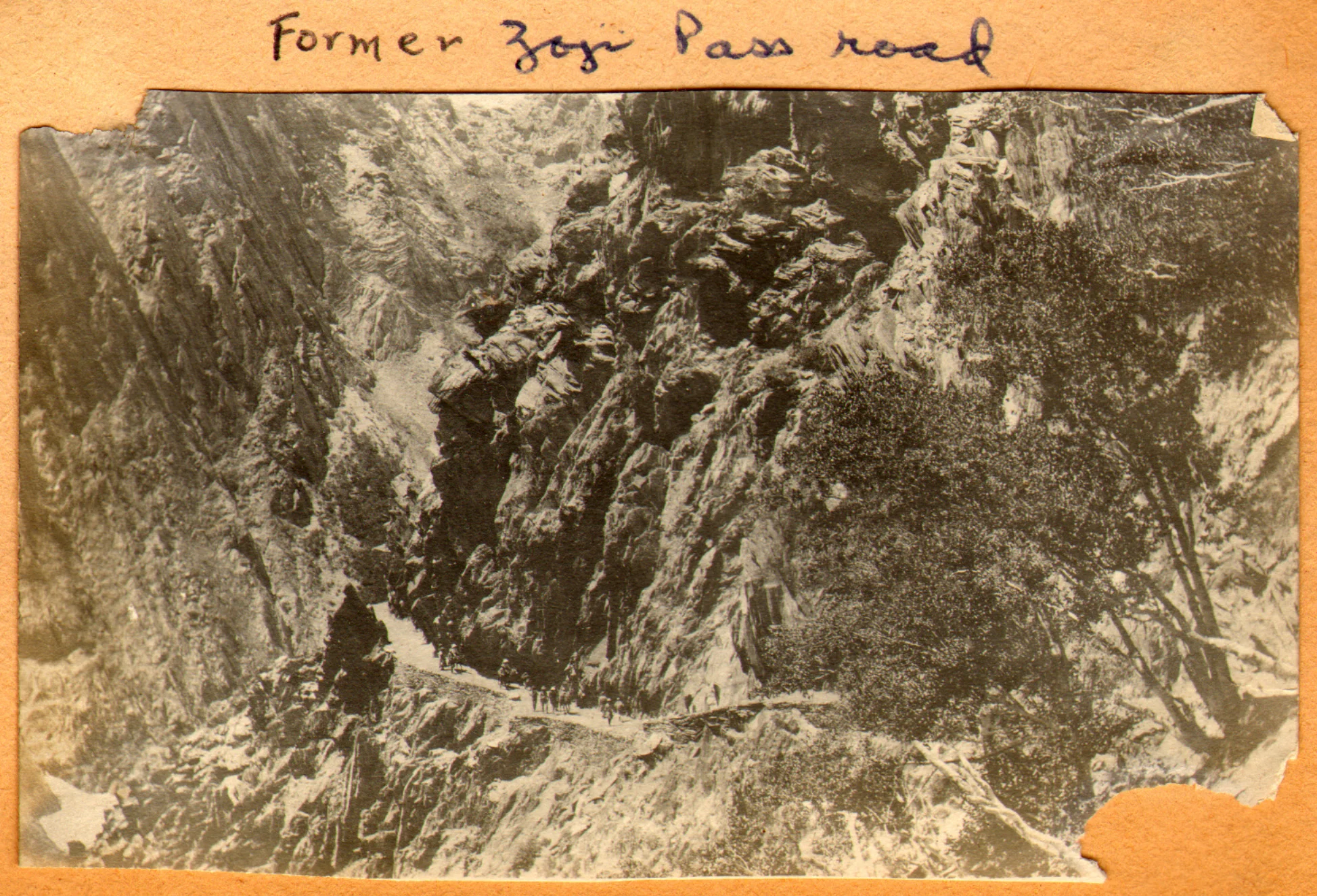
The Zoji La track as it was in 1913. Photography by Ralph Stewart.
This is what the 1890 Gazzetteer of Kashmir and Ladakh mentions about the Zoji Pass : Called Zoji La by the Ladakhis and Zoji Bal by the Kashmiris. The proper name is a corruption of Shivji or Sheoji, one of the three great Hindu deities. It leads over the Western Himalayas from the head of the Dras Valley to the Sind Valley in Kashmir. And is crossed on the Route from Srinagar to Leh between Baltal and Matayan.
It further mentions : The Pass has many names ; in the old Maps it is called Kantal, signifying the lofty hill, and under this name Jesuit missionary Desideri refers to it. Vigne calls it Palen-i-Kotal or Bal-tal (above-below) otherwise Shurji La, the hill of Shiva; the terminals “La” and “Bal” in the language of the Tibetans and Kashmiris, respectively, signify “Hill Pass”.
And interestingly it throws up some more interesting stuff from that day and age and mentions two approaches to the Pass from Kashmir : It is closed by Snow during nearly half the year, and is entirely impassable, except to Post couriers during two months. Two Routes lead up to it from the Kashmir side
1- Follows up the bed of the Sind River and passes over the blocks of Ice and Snowdrift which block the narrow Gorge through which it flows. This is the Winter Road and is only practicable for footmen.
2-Winds up the steep slope of the Hill rising above the Gorge of the Sind River to the North. It is a fair Road but is only used from July to December.
The top of the Pass is 2118 feet above Baltal. The descent on the Ladakh side is easy leading down to the Dras River and along its banks to Matayan crossing several tributary streams.
The Pass itself is the only section of the Road that closes to Dak services for more than a day or two at a time, in worst of Seasons. The Dak runners are sometimes unable to cross for two or three weeks the length of the impracticable section at such times is about 7 miles or so from Baltal to Gremen.
It should be noted that the British gave great importance to the Pass as they saw it as the first step on the way of setting up an all weather Trade Route between India and Turkestan and apparently the Pass of Shiva was the first of the mighty Passes that the Himalayas would throw at the Travelers. Maybe it because of the same reason that the Pass was held in reverence, I assume once upon a time and named after Shiva.

The Road climbing up from the Sind Valley as in the present day
In today’s day and time with all the Modern technology Engineers still struggle with the Pass though crossing it is no longer the ordeal it used to be once upon a time. But the approach is located in a fragile Mountain and shooting stones are still a clear and present danger. And landslides and avalanches still haunt the Pass. A lot of work keeps getting done but the Pass of Shiva doesn't stay quiet for long. Well, its Shiva’s Pass. What else would you expect !
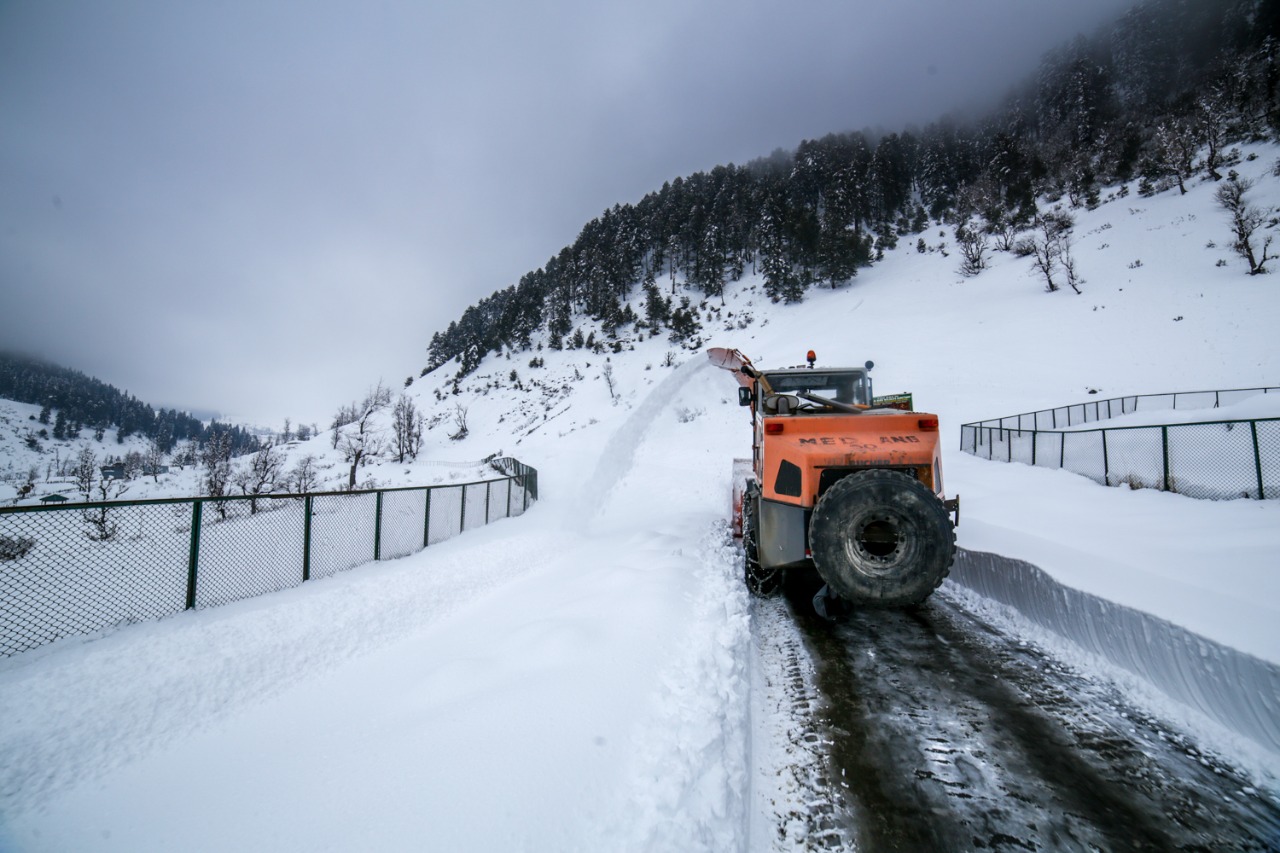
The Monster of the Snows : Rolba 1500
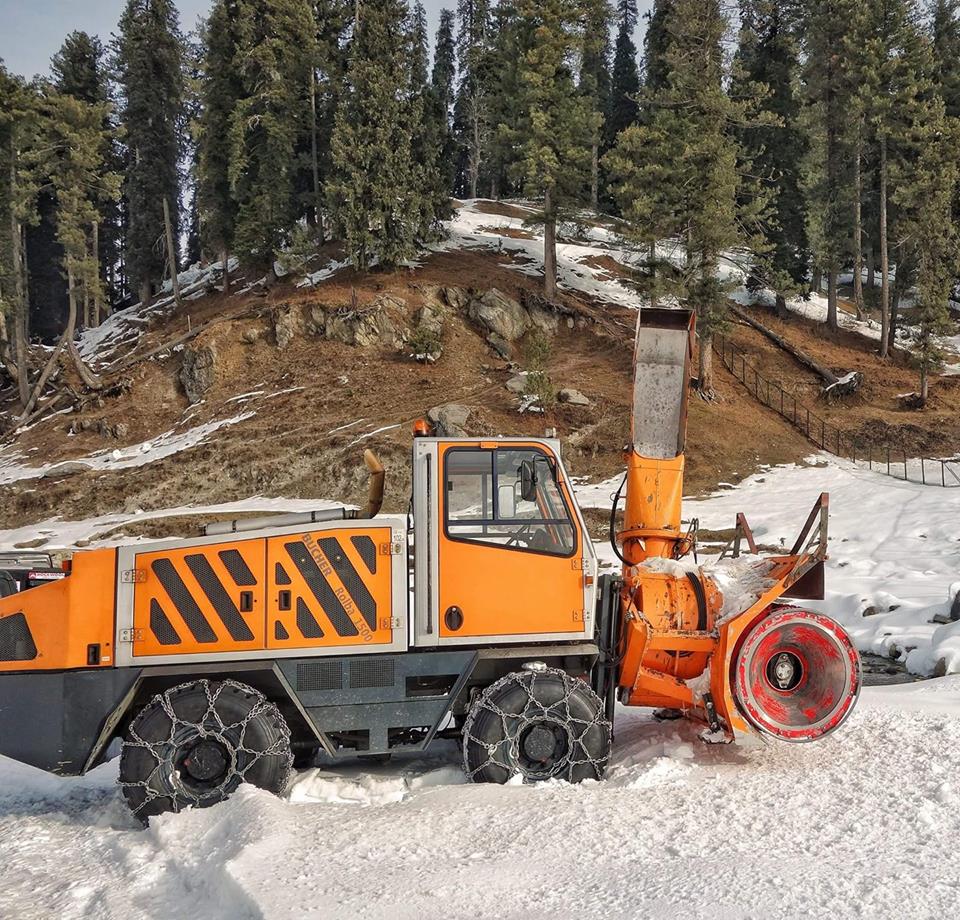
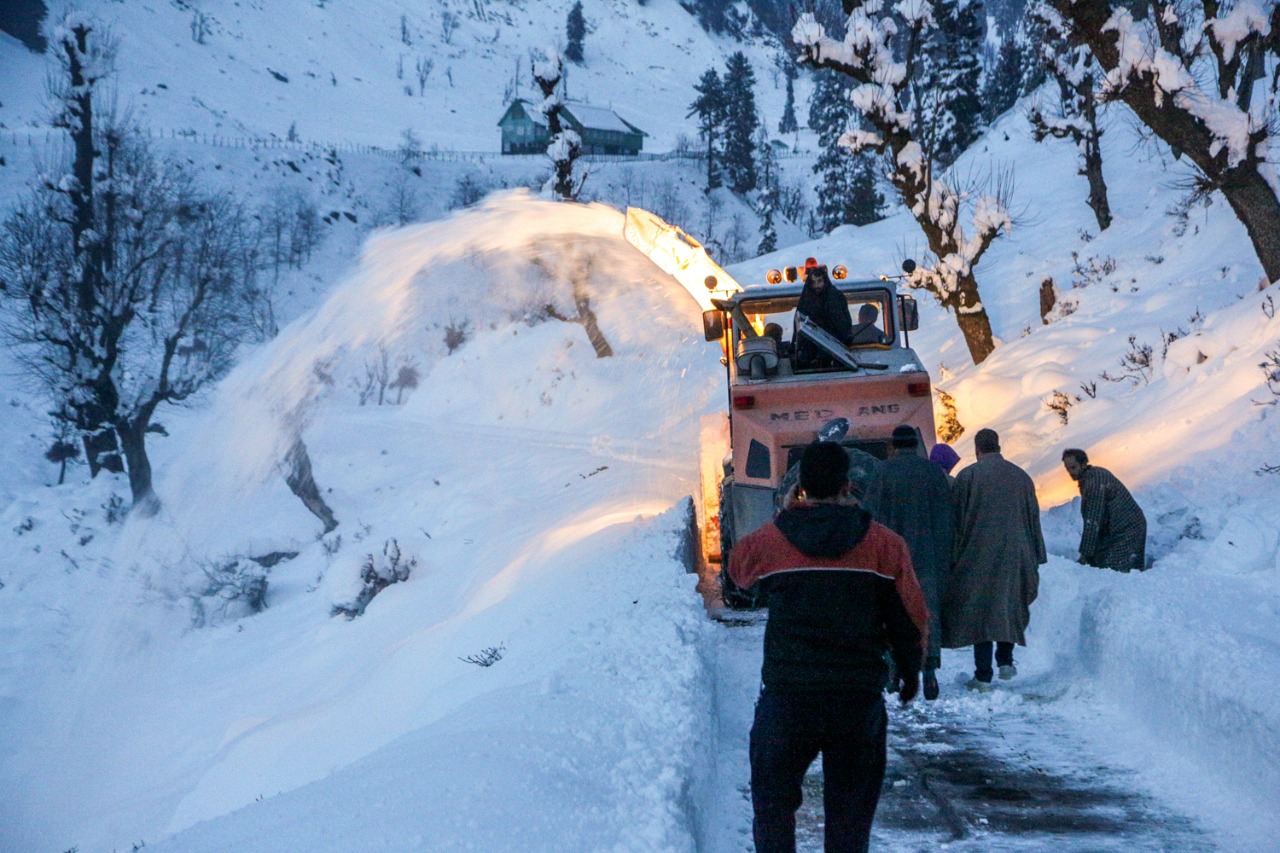
The Ultimate Snow Cutting Machine, the Rolba 500, widely used at Airports world wide to removes snows. It is also effectively used to open the Himalayan Passes like Zoji La and Rohtang. A fine pieces of Swiss Engineering.

The Monster of the Snows : Rolba 500
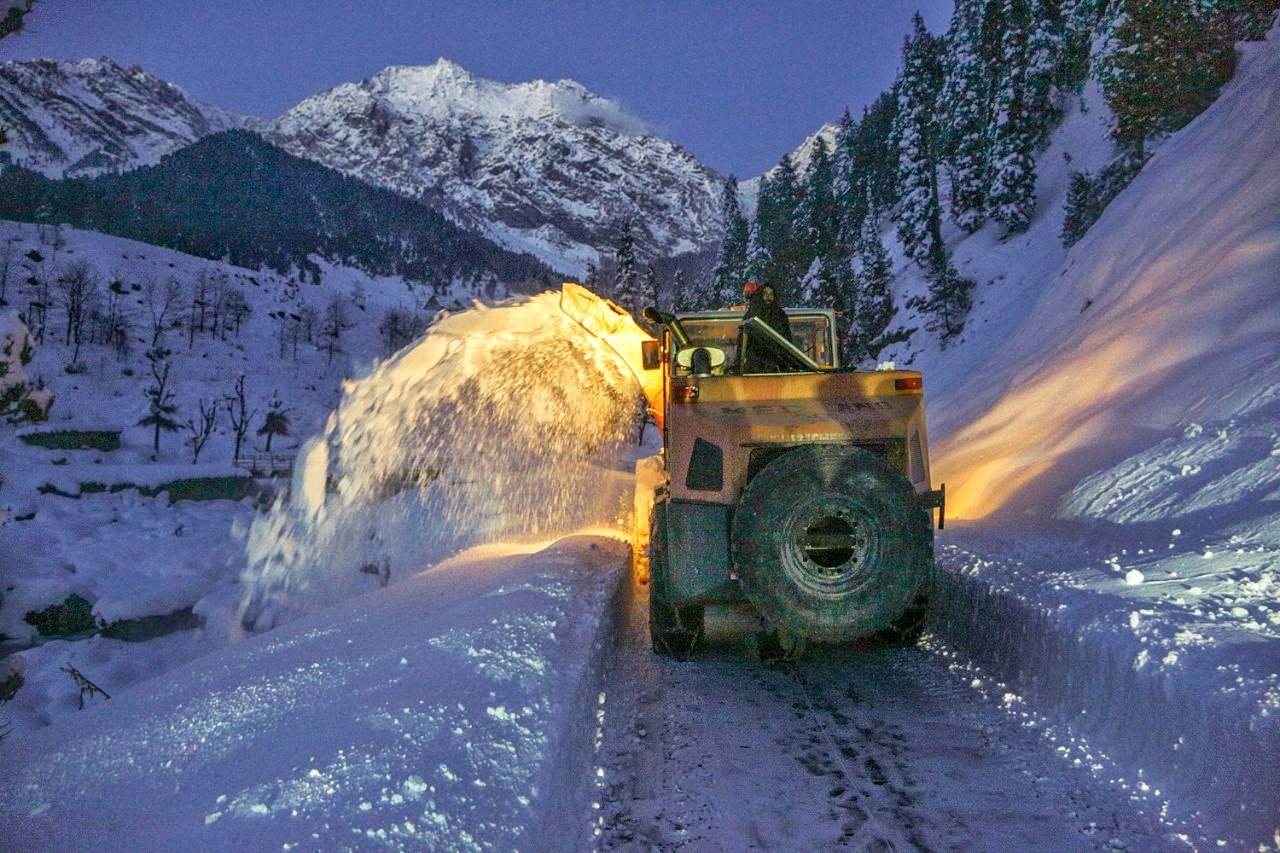
That yellow Machine on the top is a Rolba 1500 with a Massive Snow Blowing Capacity used for clearing heavy snows.
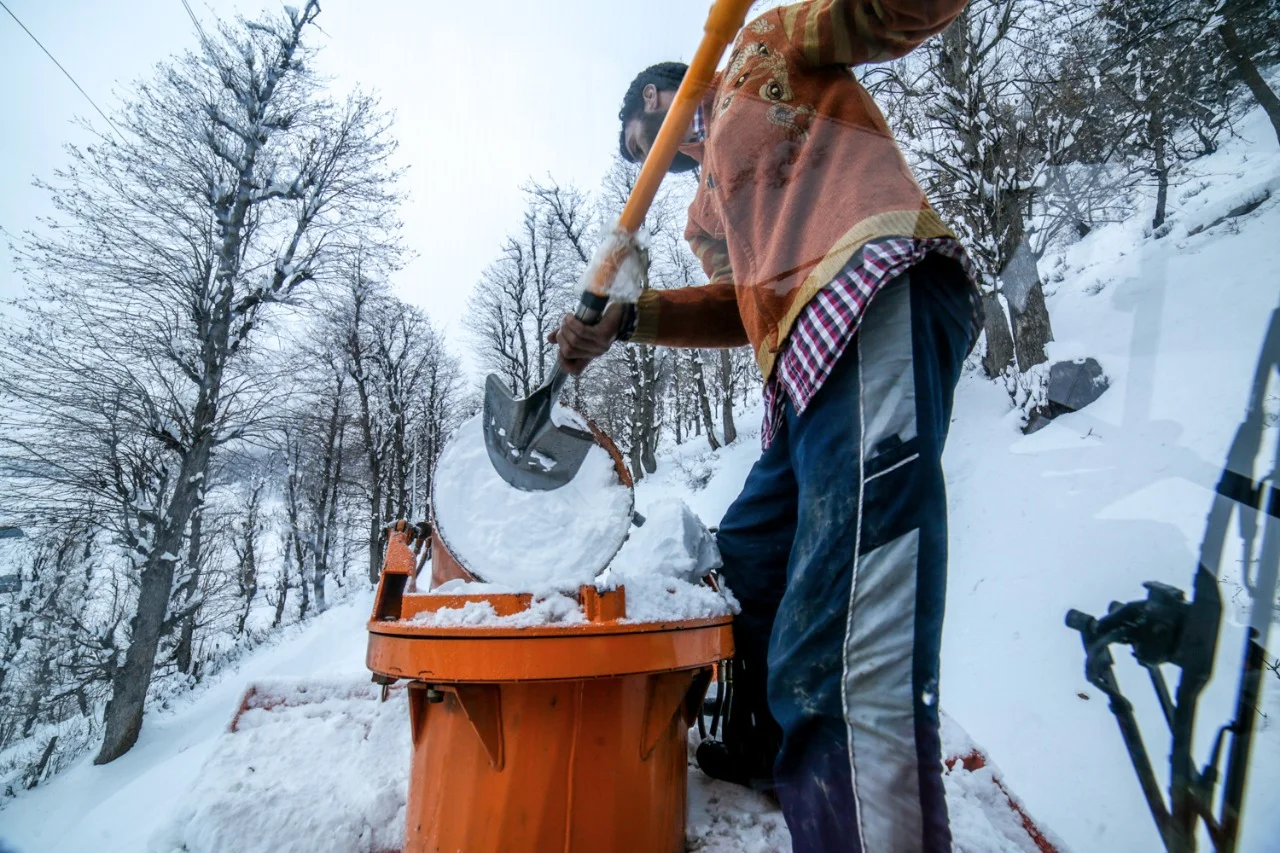
The Snow Warriors with the Monster Rolba 1500, the destroyer of the snows. Swiss engineering at its best. Snow blowers are amazing machines.
The robust Rolba 1500 is designed for snow clearance on mountain passes and airports. This machine’s optimized weight distribution allows it to drive excellently uphill on snow! It is used in India at places like Gulmarg, Rohtang and Zojila Passes.
Rolba 1500 Specs
Clearing Performance: over 3,500 t/h
Clearing Width: 250 cm / 98 in
Clearing Height in one pass: 4.9 ft
Ejection Range: over 130 ft
Turning Radius: 17.2 ft
Clearing Speed: up to 25 mph
Road Speed: up to 31 mph
Engine Output: 442 hp
Fuel Tank: 132 gal
Weight: approx. 23,000 lbs
Drive: Infinite hydrostatic traction and clearing drive.
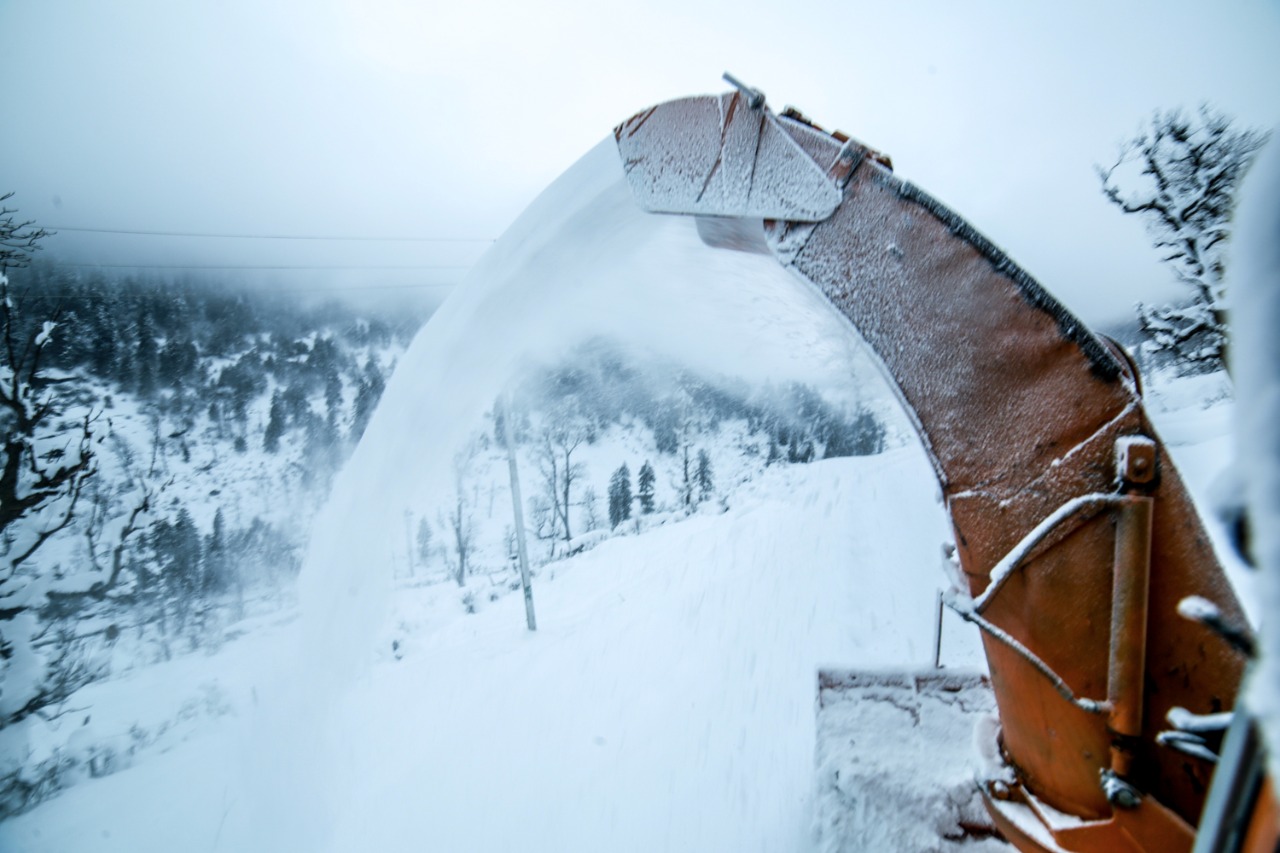
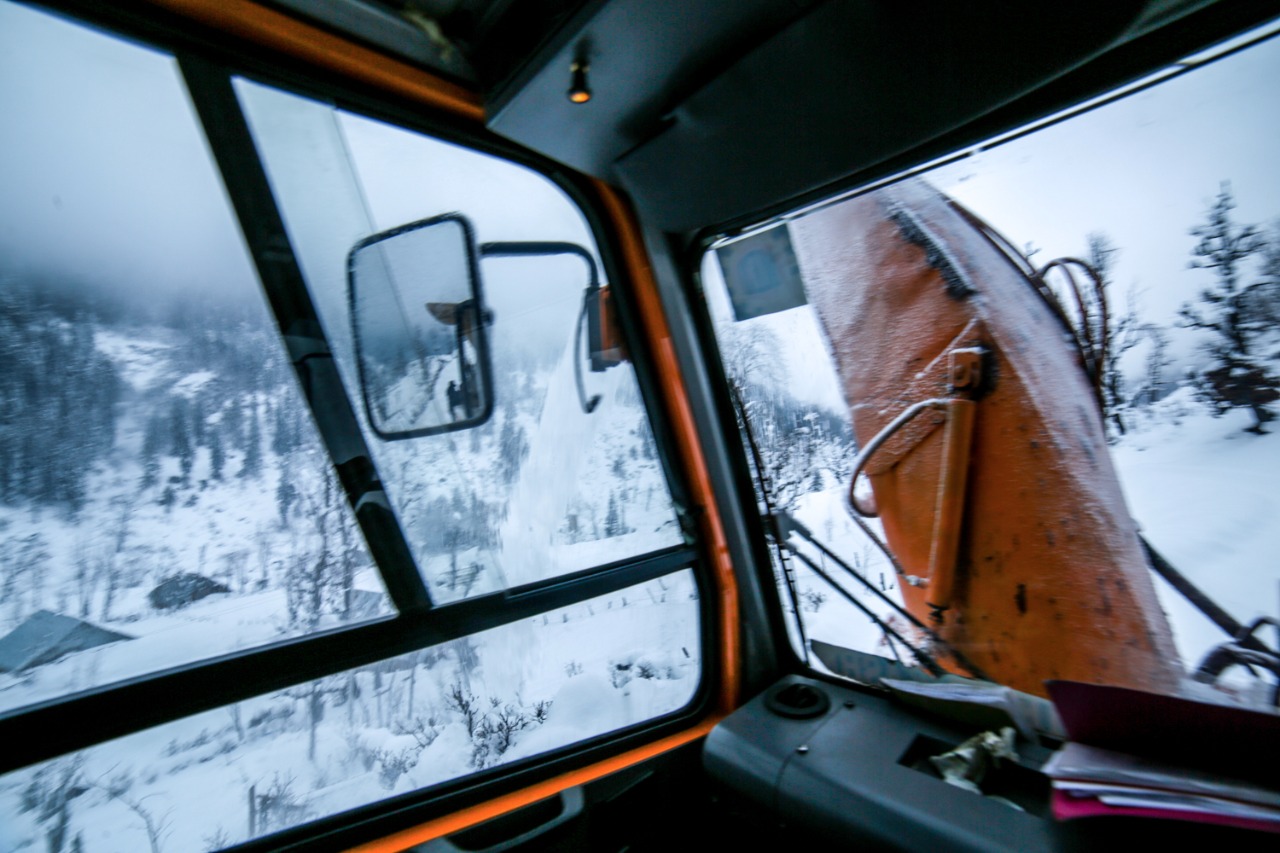
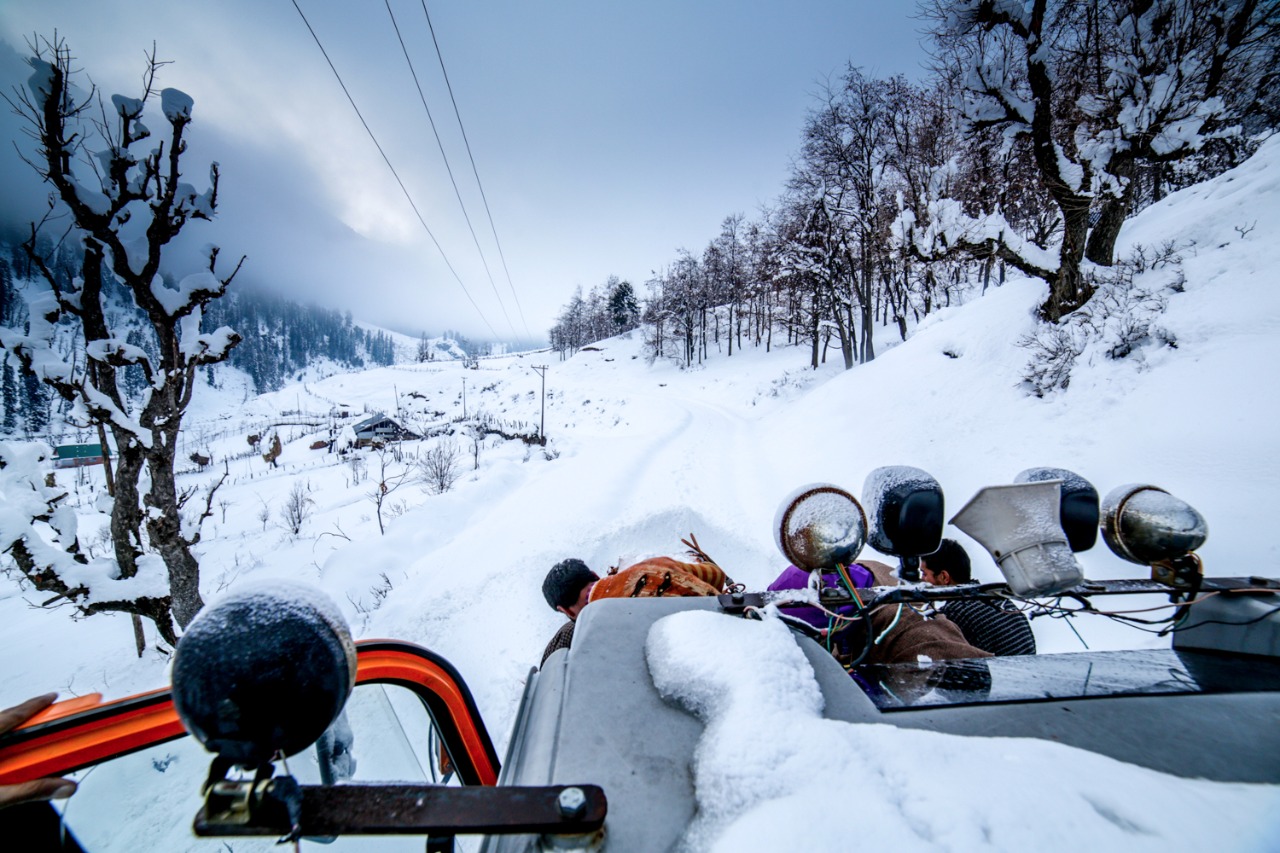
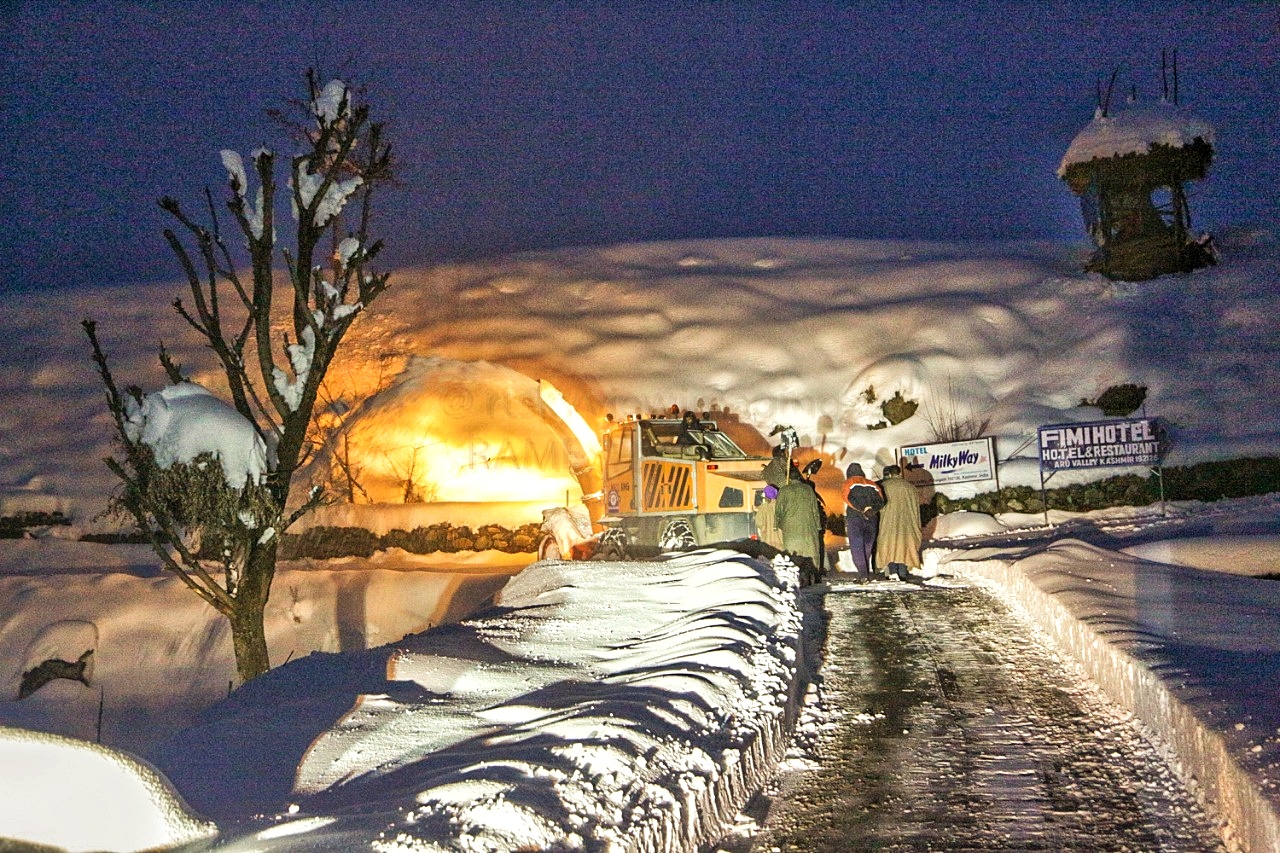
Pic from February 2017. Aru Pahalgam Road, Kashmir
Kiki’s Blog
Stories from the Himalayas
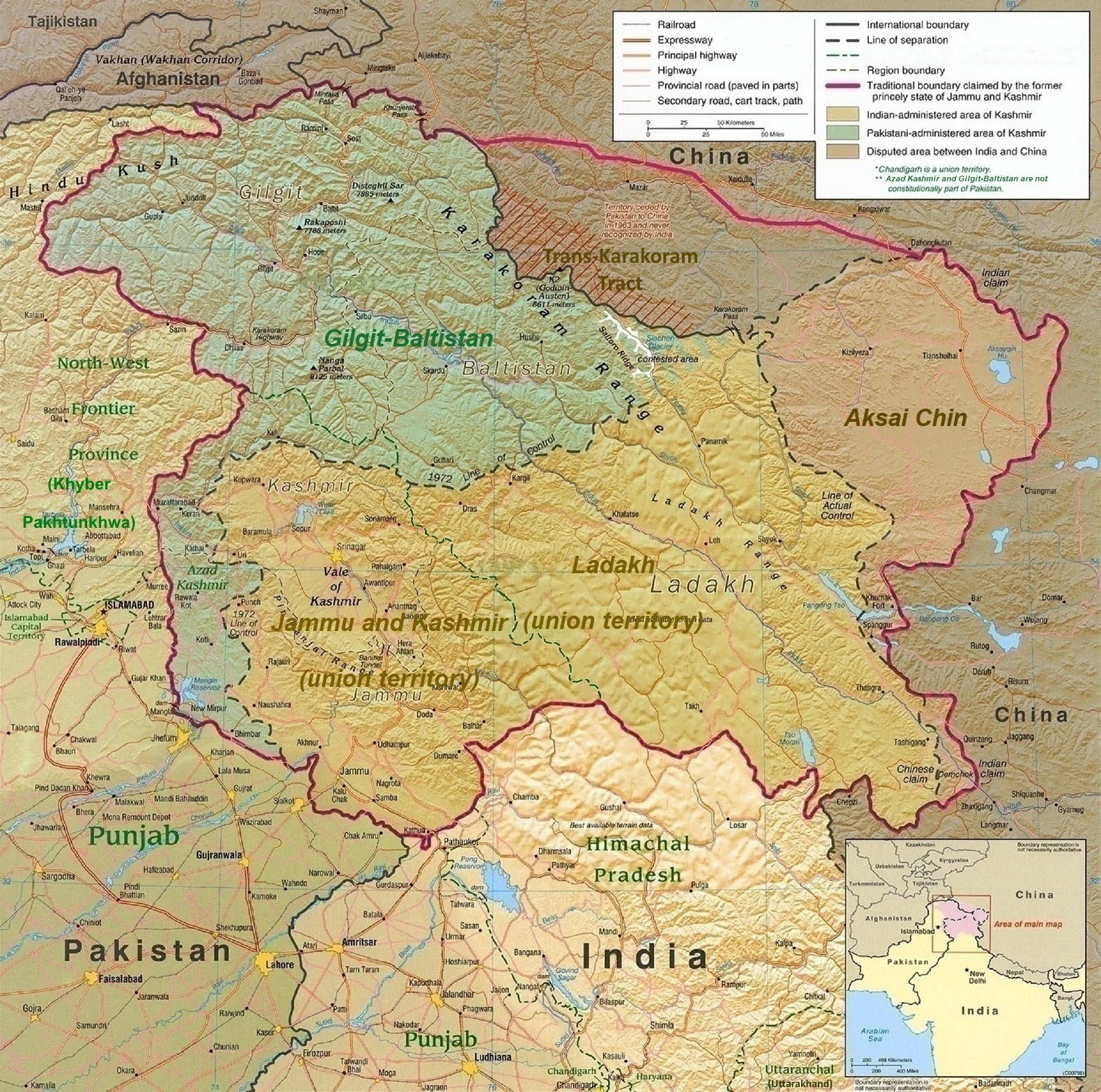



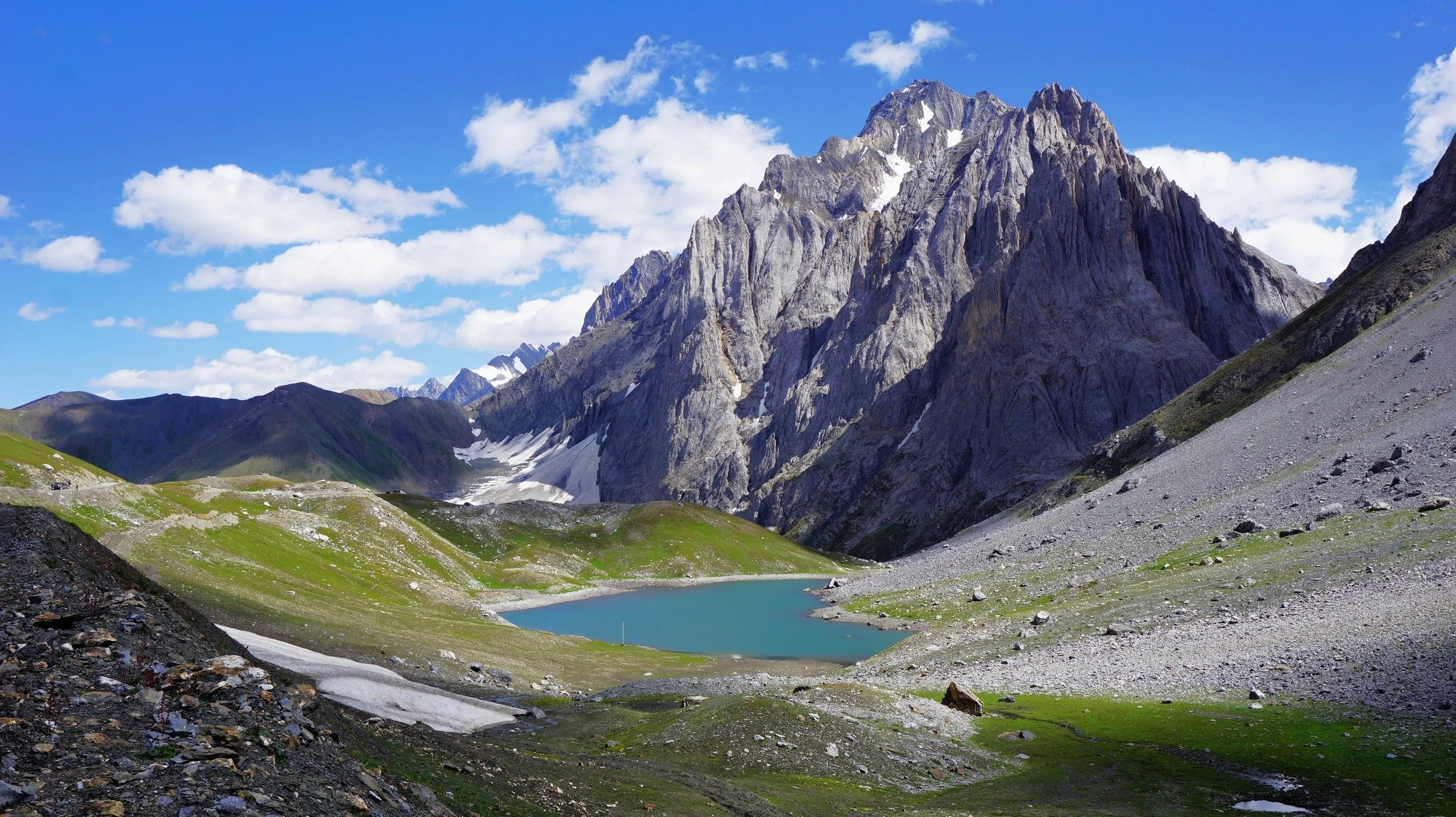
Five years ago the Galwan Valley was in the News for the wrong reasons after a deadly clash between the Indian and Chinese Armies in the Valley located in Ladakh lead to many deaths on the contentious Border between the two countries in wake of continued Chinese intrusions into Indian territory.
This area along the Shyok River, of which the Galwan Nallah or the Galwan River which forms the Galwan Valley has been off limits to Civilians since long but now the Indian Government has decided to open up the area for Civilians and we were amongst the First Civilians to venture into this beautifully desolate part of the Eastern Karakorams in Ladakh. Earlier Civilians could only venture upto the Village of Shyok from where the Shyok River takes a U turn and flows in a Northerly direction.