
Video of Duke of Abruzzi’s Karakoram Expedition of 1909
An extremely rare Video of the Duke of Abruzzi’s Karakoram Expedition of 1909.
Duke of Abruzzi’s Karakoram Expedition of 1909
Prince Luigi Amedeo, Duke of the Abruzzi was an Italian Explorer and Mountaineer. He was from the Roual families of Italy and Spain and was a cousin of the Italian King.
The son of King Amadeus of Spain (who was also the Duke d’Aosta in Italy), Abruzzi was the first to ascend Mount St. Elias in Alaska (1897). His 1899 Arctic expedition reached latitude 86°34′ N—a record for the time. In 1906 he was the first to scale the highest summits of the Ruwenzori Range in east-central Africa. His expedition investigated the geology, topography, and glaciology of the range; it mapped the range and named its major peaks, passes, and glaciers. In 1909 Abruzzi climbed the world’s second highest mountain, K2, in the Himalayas, to a height of more than 20,000 feet (6,000 m).
In 1909 the Duke of Abruzzi as he was mostly known as set out on an Expedition to climb K2 and accompanying him was the ace photographer Vittorio Sella. Both these Men were pioneers in their fields.
In the said Expedition they reached a maximum height of 6250 m. The standard Route up the Peak goes over a feature now named in his memory as Abruzzi's spur. They tried to go for the Chogolisa as well but couldnt reach the summit but anyways set the World Record for the Highest Altitude achieved in a Mountaineering Expedition.
And now we have come across this Video of that Expedition from an unknown source. Though it says going up the Sind Valley but thats wrong. The Video starts with the Expedition reaching Srinagar via the Cart Road. Next we see vistas of Srinagar on the banks of the Dal Lake and the Jehlum I assume. We can see what appears to be a busy Market and a hustle bustle of Shikaras.
Next it shows the Expedition crossing the Indus River somewhere around Skardu I guess. They then go upto Shigar and then the Braldu Valley. They cross the Braldu River and go across the Burji La. And after that up the Skoro La and down.
They cross the Morraines of the Baltoro Glacier and finally arrive on the Glacier. Then we can see the Chogolisa (It was called the Bride’s Peak at that time by the Europeans). And finally we see the ethereal K2 in all its Glory.
This Video is worth its weight in Gold.
Vittorio Sella's Himalayan and Karakoram Classics
Vittorio Sella was an Italian photographer and mountaineer, who took photographs of mountains which are regarded as some of the finest ever made. He did extensive Photography in the Himalayas and the Karakorams.

Vittorio Sella's Himalayan and Karakoram Classics
Vittorio Sella (28 August 1859 – 12 August 1943) was an Italian photographer and mountaineer, who took photographs of mountains which are regarded as some of the finest ever made.
Sella was born in Biella in the foothills of the Alps and acquired his interest in Alpinism from his uncle, Quintino Sella. He made a number of significant climbs in the Alps, including the first winter ascents of the Matterhorn and Monte Rosa,[3] and the first winter traverse of Mont Blanc.[4] He took part in several expeditions further afield, including three to the Caucasus (where a peak now bears his name),[5] to Mount Saint Elias in Alaska, to the Rwenzori in Africa, and the 1909 expedition to K2 and the Karakoram. The latter three expeditions were in the company of Luigi Amedeo, Duke of the Abruzzi. Sella continued to climb into his old age, and made his last attempt on the Matterhorn at seventy six. The attempt failed when one of his guides was injured in an accident.[4]
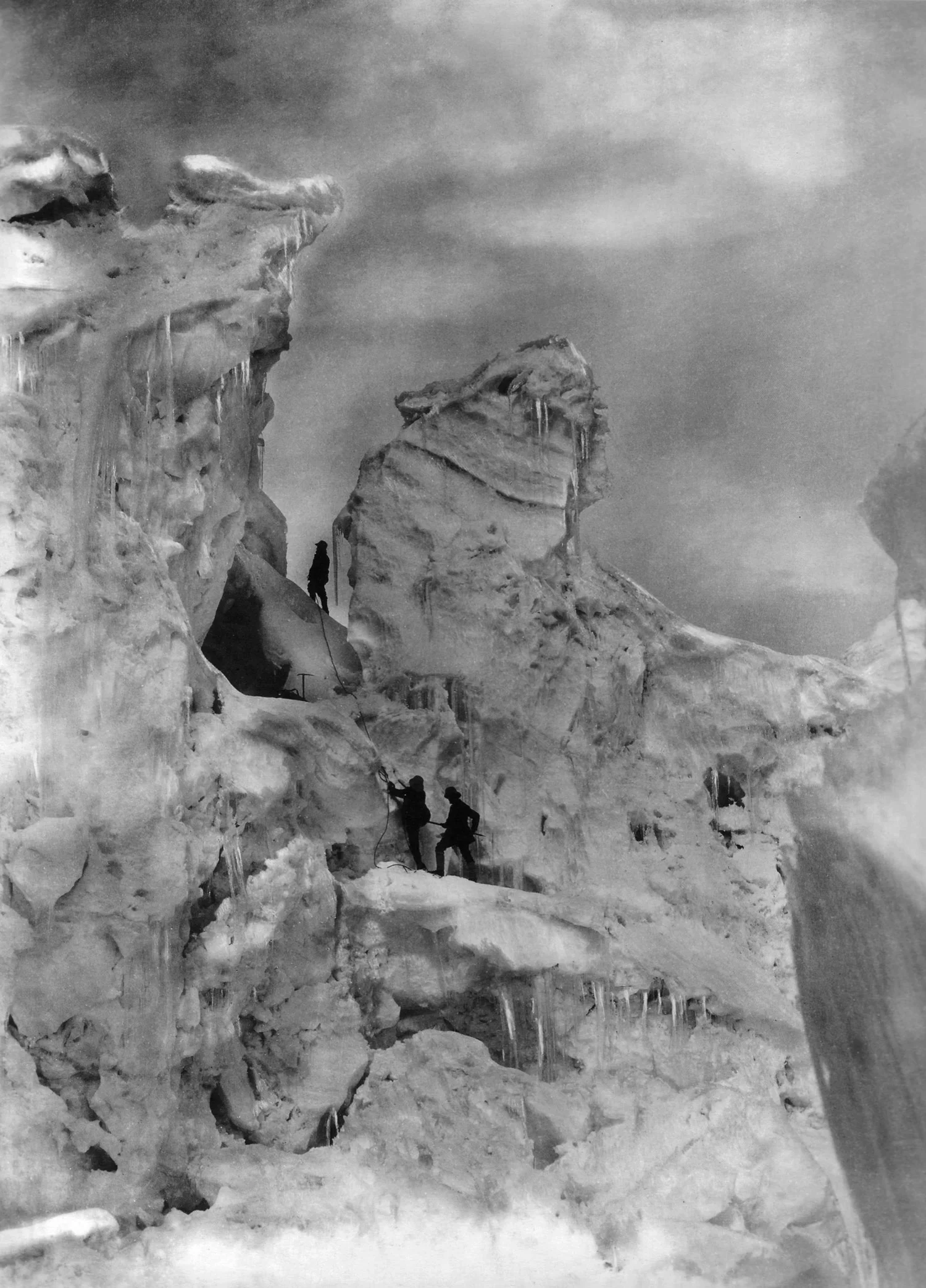
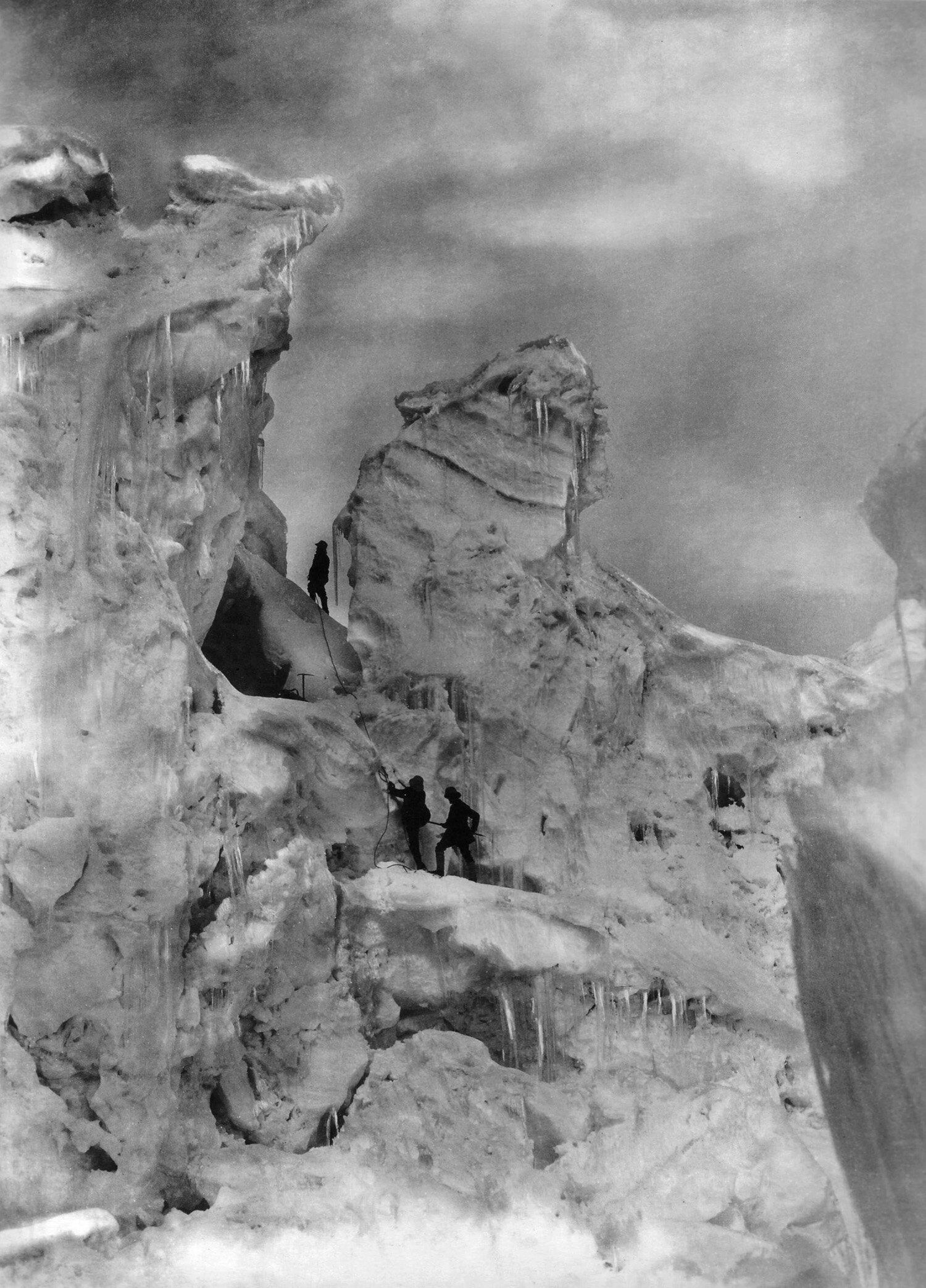
The Duke of Abruzzi on the Chogolisa
The high quality of Sella's photography was in part due to his use of 30×40 cm photographic plates, in spite of the difficulty of carrying bulky and fragile equipment into remote places. He had to invent equipment, including modified pack saddles and rucksacks, to allow these particularly large glass plates to be transported safely.[6] His photographs were widely published and exhibited, and highly praised; Ansel Adams, who saw thirty-one that Sella had presented to the US Sierra Club, said they inspired "a definitely religious awe".[7] Many of the photographs he took were of mountains which had not been previously recorded and so have historical as well as artistic significance; for example by recording the retreat of glaciers in the Rwenzori mountains in Central Africa.[8]

The Baltoro Glacier from Urdokas
Sella died in Biella in 1943. His collection of photographs is now managed by the Sella Foundation (Fondazione Sella) in Biella.[8] Some pictures of Sella are exhibited in the Museo Nazionale della Montagna "Duca degli Abruzzi" in Turin.

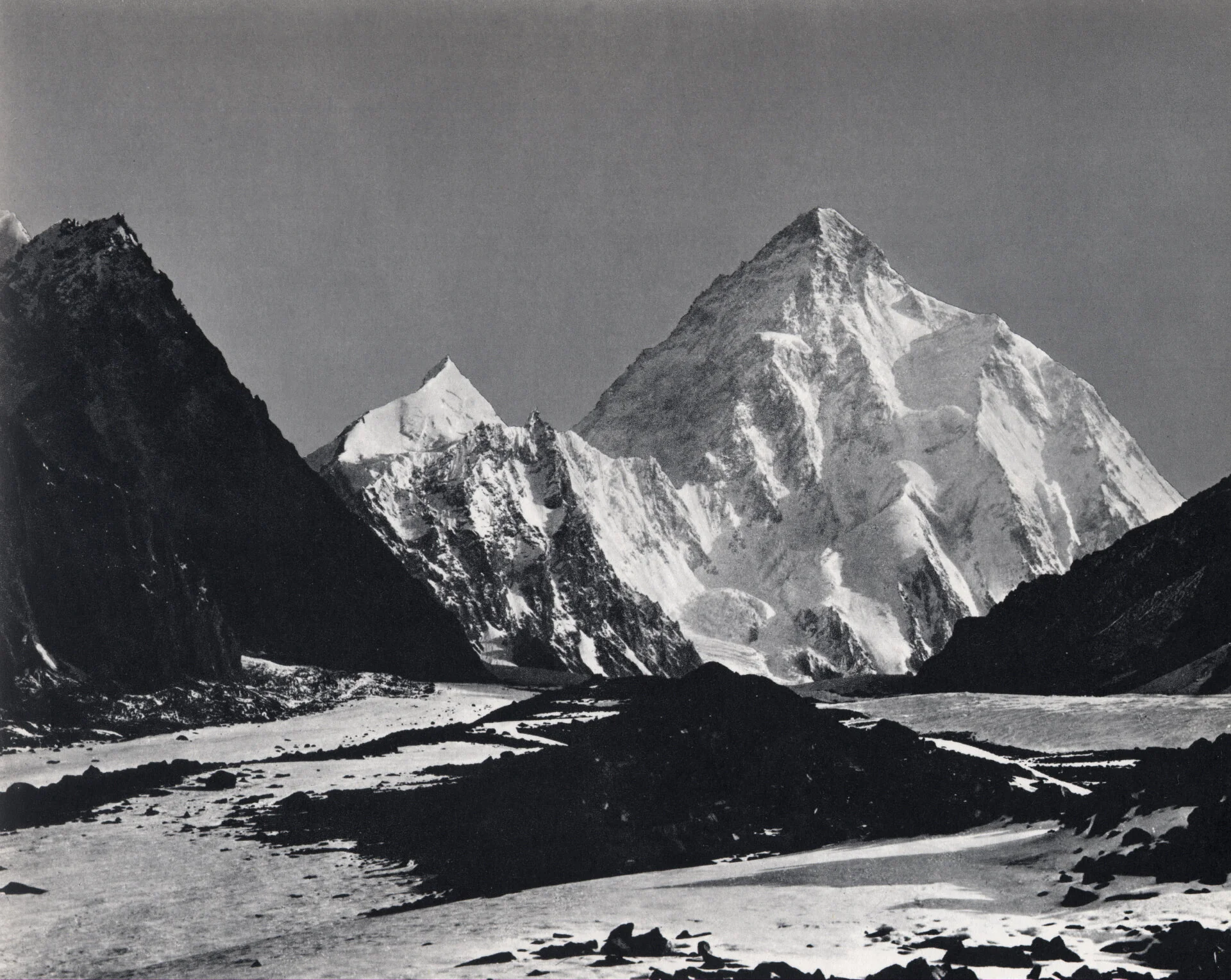
The Gasherbrum

The K2

The K2

The Kanchenjunga

The Kanchenjunga
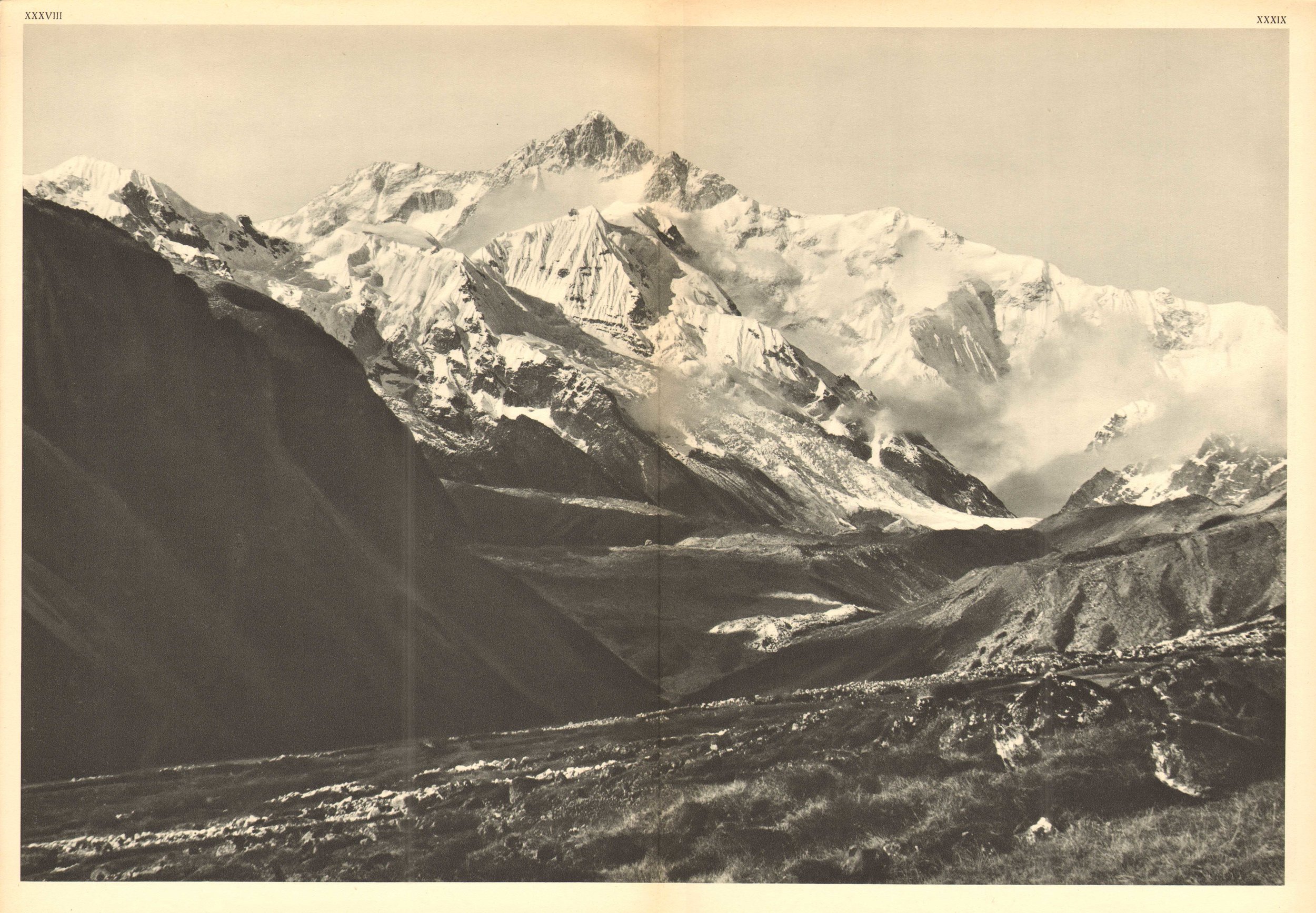
The Kanchenjunga
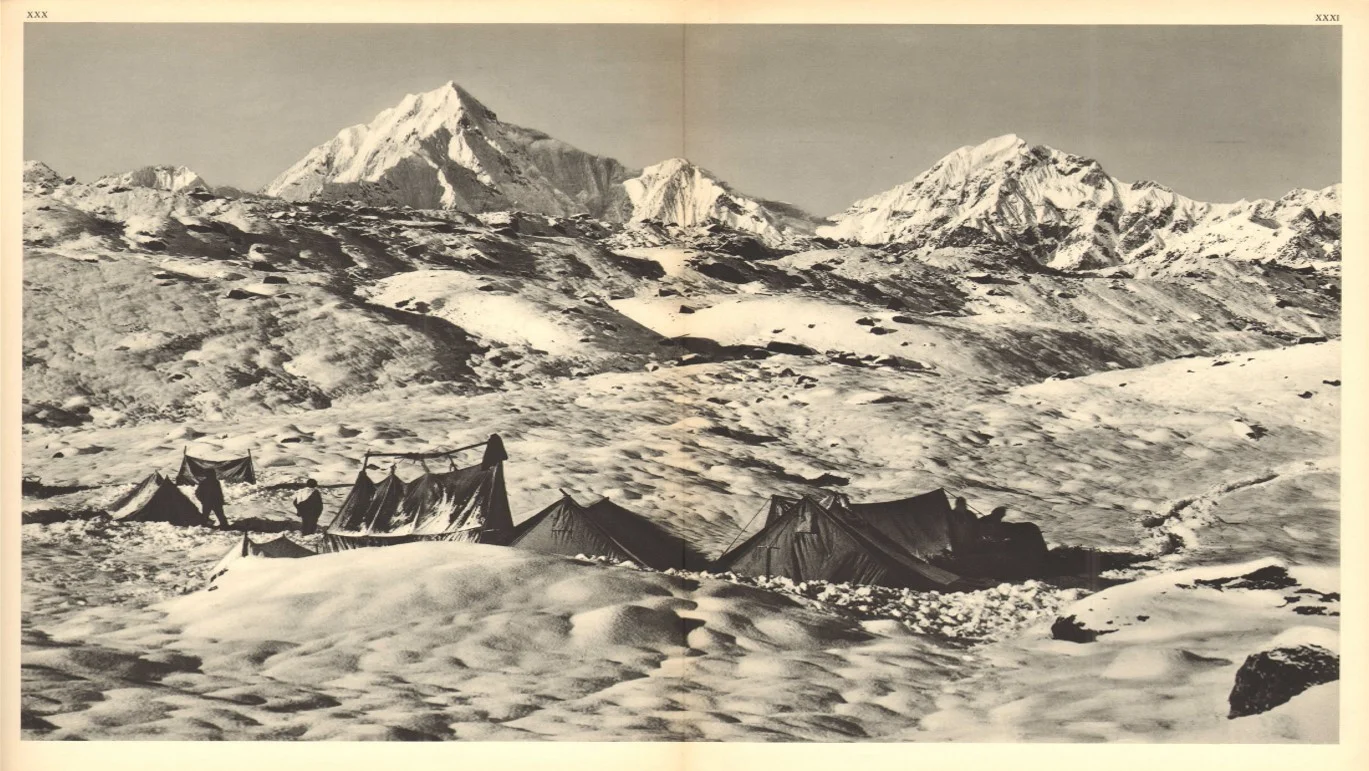
The Kanchenjunga
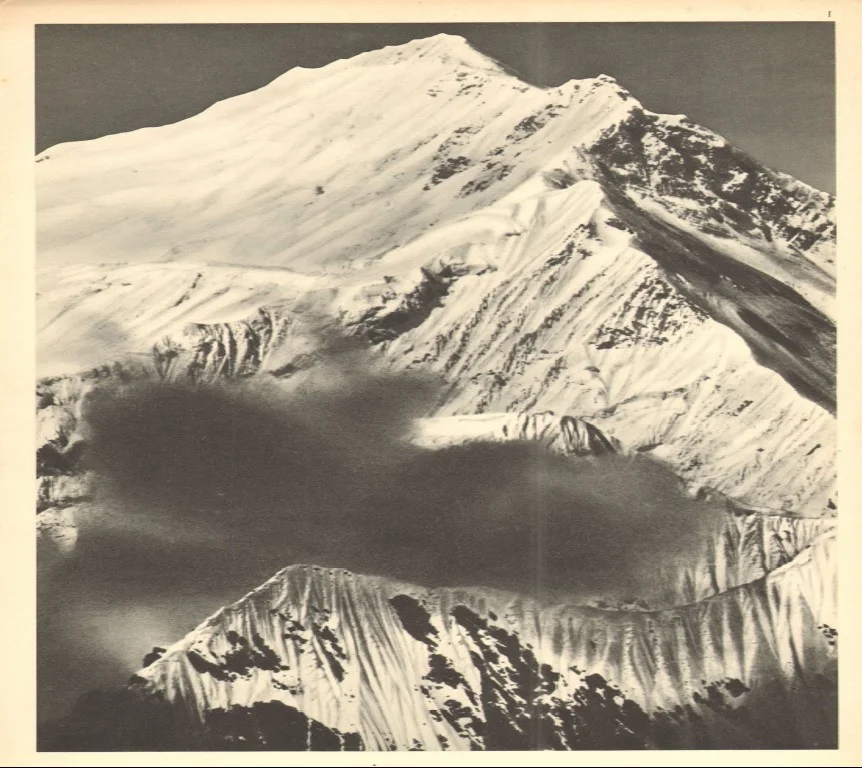
The Everest

The Muztagh Tower

The Muztagh Tower

The Nanga Parbat

The Nanga Parbat

The Wedge Peak
Kiki’s Blog
Stories from the Himalayas
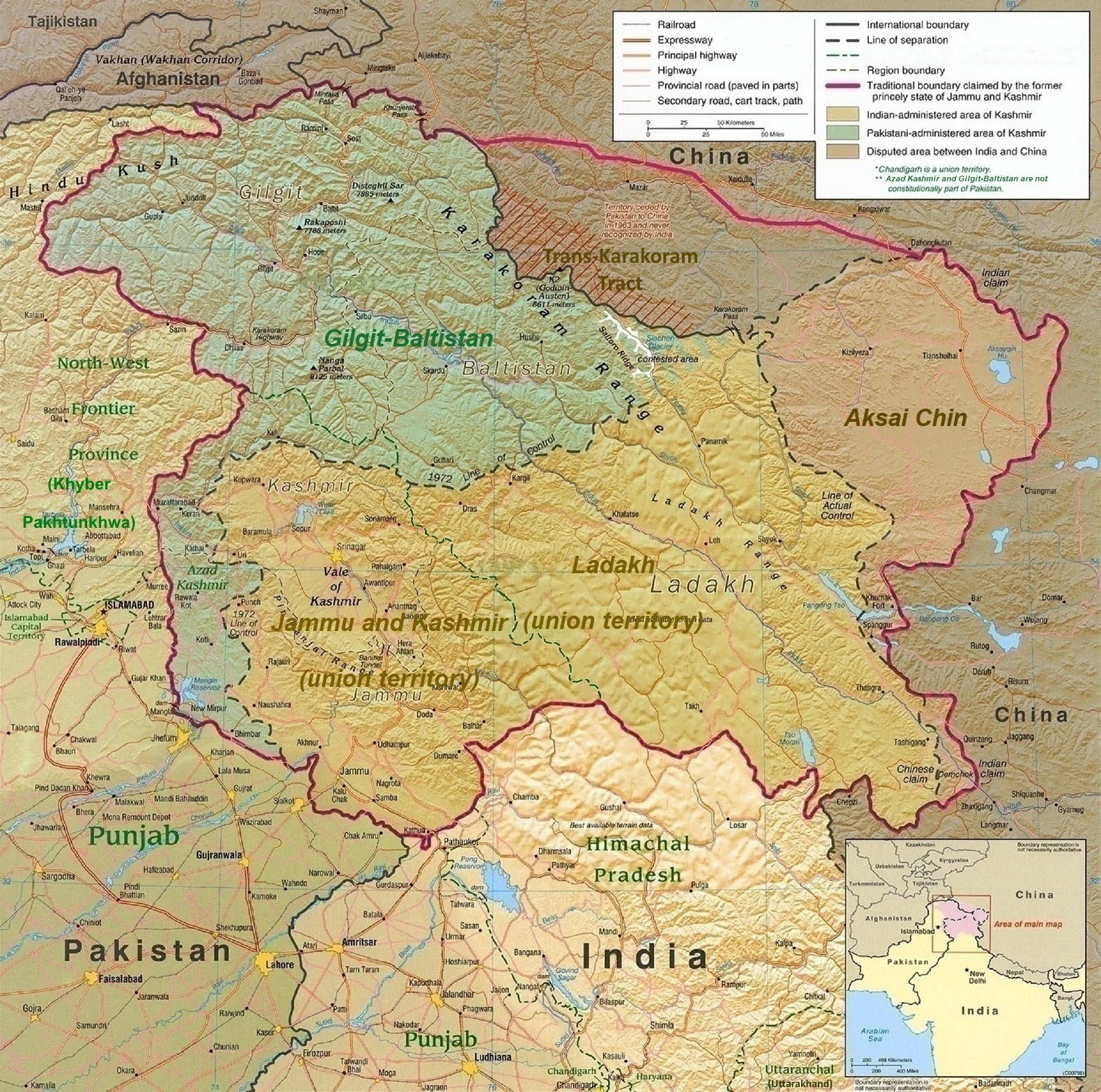



Five years ago the Galwan Valley was in the News for the wrong reasons after a deadly clash between the Indian and Chinese Armies in the Valley located in Ladakh lead to many deaths on the contentious Border between the two countries in wake of continued Chinese intrusions into Indian territory.
This area along the Shyok River, of which the Galwan Nallah or the Galwan River which forms the Galwan Valley has been off limits to Civilians since long but now the Indian Government has decided to open up the area for Civilians and we were amongst the First Civilians to venture into this beautifully desolate part of the Eastern Karakorams in Ladakh. Earlier Civilians could only venture upto the Village of Shyok from where the Shyok River takes a U turn and flows in a Northerly direction.