
Dalhousie's Colonel
The story of Col.Jagatram, a Doctor in the Indian Army, who had a dream. A Dream of growing Apples at his acquired Estate in Dalhousie.
Col. Jagatram was a Doctor in the British Indian Army. Though originally a Dogra from Billawar near Jammu he was bought up in Mandalay in what was then Burma. He completed both his primary and secondary education in Mandalay and got his Medicine degree from Rangoon and went onto join the British Indian Army as a Doctor.

Colonel Saab served in the Second World War as well as the 1948 War and in the 1950's was stationed in Shillong. As it so happened a certain Lady Lawrence, who had a large Estate in Dalhousie, right below the Sacred Heart Convent, was looking at selling off her Estate as her husband had passe away and she wanted to go back to England. Colonel Saab was fond of the mountains and Dalhousie was close to his native place of Billawar. They struck a deal and Colonel Saab bought the whole Lawrence Estate.
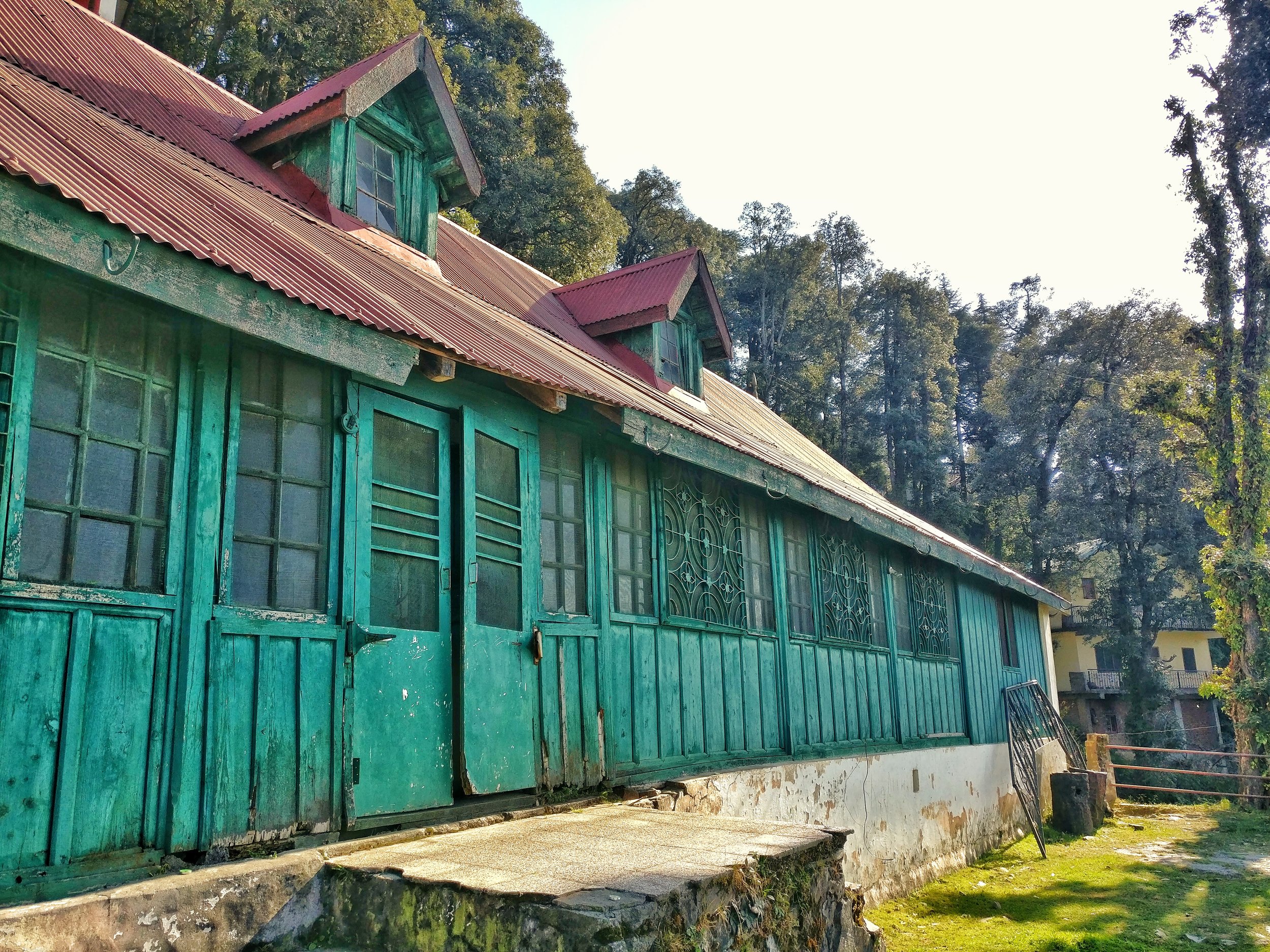
Along with the Estate came two beautiful Cottages, one at the op of the Estaste and other one on the bottom of the Estate as it straddled a hill. The one on top was called Wisbeck and the lower one was called Beckules. From the upper Cottage one got a grandview of the plains of Punjab on one side and the Pir Panjals on the other side.

Having bought the Estate the Cottages were renamed as Parijat and Tapovan. Colonel Saab after retirement intended to grow Apples and Strawberries and Almonds on the Estate. But since he was still serving the Cottages were let out to the first wave of Tibetan refugees who came into India. Parijat, the cottage on top became the residence of one of the top Tibetan Lamas and his whole entourage took up residence in the Cottages.
After his retirement in the early 1970's Colonel Saab started working on his dream project of growing Apples in Dalhousie. But Dalhousie because of its location gets a lot of hail storms and hail destroys Apples. The Apple crop was always spotted as hail leaves its spots on Apples and they are no longer marketable. Even the Strawberries and the Almond didn't do very well. Anyways Colonel Saab did his best getting saplings all the way from Shimla in the winters and planting them before the snows came in.

A lot of time has passed since but the Cottages are both there but a lot of surrounding land has been sold off by the Colonel Saab's family and many Hotels have now come up in what used to be called the Col. Jagatram Estate.
And I happen to be married to a Grand Daughter of Colonel Sahib
Apple Grafters
The Apple Grafters of the Apple Country in Kotkhai and else where in Apple growing regions are highly sought after men who specialize in grafting any Apple variety on any Apple tree. Their Story.

Apple Grafters
This is what all Apple trees should be like. Just dripping with Apples.
This was in a neighbouring Orchard and the amount of fruit on this particular Tree was quite amazing. As per the tradition here, an Orchardist can ask a fellow Orchardist here for a "Kalam" from the said Tree. The Kalam or a small branch can then be grafted on another Tree to hopefully get similar results as the parent Tree the Kalam came from.
But it's the master Grafts men who hold the key. They come around in the Grafting season and create their magic. Technically a single Apple Tree can grow as many as 10 or 20 or even 50 varieties of Apple as long as it's done by an expert Graftsman.
These Graftsmen are men of their own moods and need to be handled well. For example we pay an expert Graftsman Rs. 2000 per day plus a "Bottal". They work on the Grafts for a few days and then disappear into their own oblivion till the Grafting season comes again.
I should add that a grafted Kalam doesn't always give the same results as the parent Tree due to changes in the soil, location, sun angles etc etc of its new host Tree.
Anyways buy Himalayan Apples
Pic from August 2017. Mahasu Village, Kotkhai Tehsil, Himachal Pradesh
The Thanedaar of Balsan
A Tale of Man and his family who lived in a small Princely state or Thakurai called Balsan. He was the Thanedaar of Balsan and this is an ode to him.

The Thanedaar of Balsan
There was a princely state in the Shimla Hills called Balsan State. A small state comprising of 26 Villages and around 60 sq km and used to be a subsidary to the Raja of Sirmaur. The main town (Capital if you may) is a place called Ghodna. It was located on the left bank of the Giri River in an area which borders Sirmour on one side and Kotkhai Jubbal on the other and Theog on another side. After the expulsion of the Gurkhas, the Thakurai of Balsan was given to Thakur Jogjraj Singh by a Sanad bestowed by the British. For sheltering and protecting many Englishmen during the First War of Independence, the title of Rana was bestowed upon the Thakur of Balsan.
Balsan is situated in a belt that some people refer to as the Mahasu Kotkhai Jubbal belt and this region has always been steeped in mysticism with the Gods, the Devtas and the Demons being a central part of life. And to this day, as this is a region bereft of any tourists, outsiders though received warmly are usually kept away from things held sacred. I dont really have the words to explain the attitude to outsiders here ie outsiders as in non Pahadi. This is today. But back in the Rana days outsiders were not really welcomed as the Pahadis had enough trouble coming up down from the Plains.

The Rana Sahib of Balsan had a Thanedaar. As in the Law Enforcer. As in the local tough guy who ensured that the edicts issued by the Rana were followed to the T. As well as the name suggests, policing the Kingdom. The Sanad granted by the British meant that the Rana was pretty much in control of everything except giving a death sentence which could only be given by the approval of the British resident for the Shimla Hill states. The Thanedaar had quite a reputation and there was a local saying that if the Thanedaar bit a man he would draw blood. What it really implies I could never get my head around. There were other details on what the Thanedaar did which I have conveniently left out because I simply feel that our modern views on morality and wrong / right cant be used to judge a man who lived in another time, another era. He was a good man. To his Ranaji.
For the all the orthodoxy of the region and the strong belief in the Hindu devtas the Thanedaar happened to be a Muslim. And he was probably more loyal to the Ranaji than Ranaji himself. The state treasury of Balsan State which had unknown quantities of wealth in the form of Gold/ Precious metals/ Precious stones was kept in cave and it was said to be guarded by Serpents. Serpents of a very venoumous variety and no man could go in without getting bitten and eventually dying. They were the Guardians of the Royal treasure. Many had gone in and only met a painful death which the toxins of the Serpents caused. No one could get anywhere near the Royal treasure as long as the Serpents were there.

No one except one guy. The Thanedaar. Due to some unexplained phenomenon the Thanedaar was the only one that the Serpents would let in and do whatever that he wanted to do. He could take in anything and he could take out anything without coming to any harm. It was as if the Serpents could see something and trusted this man. Or maybe even they had heard of the Thanedaar and were in awe of his reputation. Whatever the reason, the Thanedaar was the only one who could go in and transact the business of the Treasury, like getting the Gold out and putting Gold in. And the Ranaji had complete utmost faith in him as he could see it decreed by the Gods themselves as interpreted from the fact that the Serpents did not harm him.
Ofcourse there were other people around the Ranaji who could not fathom how the Thanedaar, despite being a Muslim, was unharmed by the Serpents. They themselves being devout to their religion and Devi Devtas were not accepted by the Serpents, the same Serpents which adorn the neck of the Shiva the Destroyer, but they let the Thanedaar through. Maybe they didnt realise that the Serpents didnt judge a man by his religion but by his deeds, due to some higher divine power vested in them. Maybe this was a lesson which holds true for us even in today’s day and age.

Anyways moving on the times changed and the Rajas / Ranas lost power and a State Police System came into being and there was no place in such a system for the old relic, the Thanedaar of Balsan. Age had caught up with him and though well respected the Thanedaar didnt have a job and whiled his time away and gradually fell into ill health. And one day the winds of time swept the Thanedaar into the nether world. He was survived by his wife and a son.
The son was quite the opposite to his father. Maybe when you have such a dominating man as a father you tend to be a very timid, quiet and kept to his own devices. The Thanedaar had earned great respect both because of his loyalty and ferocity amongst the people. But seemingly one thing he didnt acquire was wealth. No land, no property, just a house. With time after his passing his wife also fell ill and one day on her death bed she called her son. And the son as usual asked him that what did my father leave me ? She said that the father has left you all that you need and more. Never sell this house. This is your treasure and having said this she breathed her last and passed away.
Meanwhile the son had taken up a job as a caretaker of an Apple Orchard in Chakrot Village. He worked hard, he worked well. And it was clear to all that one trait that he had inherited from his father and that was loyalty. He still kept that house but it was falling into disrepair as he moved with his family to the Orchards where he worked as a care take. So one day he decided to get rid of the house and sell it. And thence the house was sold.

It is told that the person who bought the house decided to demolish it and make a new one. While breaking down the old house the new owners discovered a treasure of Gold and precious stones. And to think that the son had been told by his mother that the house is more than enough. So it seems that the Thanedaar did leave behind something for his progeny but fate had it other wise. How exactly was this treasure accumulated ? Was it the Ranaji who gave him ? Or did the serpents let him take this for his own account ? Nobody knows the answer. Neither do I. It just happens that the new ownners of the house are today one of the richest families in what used to be the Balsan State. They never really revealed the extent of the treasure of the Thanedaar of Balsan that they had uncovered.
The Ranaji had passed away but the old Rani Sahiba got this news and called the son of the Thanedaar to see her. The loyalty of the Thanedaar was not lost of the Old Rani Ma. The Royals knew that the Land Ceiling Act was coming and rather than turn in all the land to the Government they would rather give some of the land. A few acres of what was very good land for growing Apples. She asked him to visit the location of the said land and pick the piece of land that he wanted.
The son went back home and thought he would plan and go some day to that land and pick up his piece of land. The days turned into weeks and weeks into months and something or the other kept delaying his plans. Maybe it was his procastination. And then one day the news came. The Rani Ma had passed away. And with her were gone the award of land that the son of the Thanedaar of Balsan had been given.
This is the way we have been told this story. The veracity remains doubtful at places. I dont know. I take it as I am told. Would have surely loved to have met the almost legendary Thanedaar of Balsan.
Our Family Orchard’s were also situated on one edge of the Balsan Stae right where its border met that of Kotkhai state. Its is said that the Rana of Balsan had moved his most warlike people and settled them on the border with Kotkhai, where the two were
seperated by a mountain stream called the Koku Nala. This was because the British had taken control of the Kotkhai state through their vissicitudes and the Rana of Balsan didnt want any of that in Balsan.
Oh yes I forgot to tell you. The son took care of our Family Orchards and I knew him well. He was quite a gentleman. And we were very fond of him as kids as he would always take care of us and carry us around whenever we were tired of our endless games in the mountains. He also passed away a few years back.They served the family faithfully for over 30 years and took care of the Orchards as their own.
After he passed away a part of the Orchard was given to the family in perpetuaty by my Mamaji. And they have built a house and continue to grow Apples in their part of the Orchards. Though they now they no longer take care of our family Orchard.
That legacy of loyalty ended with the son.
The son of the Thanedaar of Balsan.
Pic from August 2017. A village in the erstwhile Balsan State, District Shimla, Himachal Pradesh
Kiki’s Blog
Stories from the Himalayas
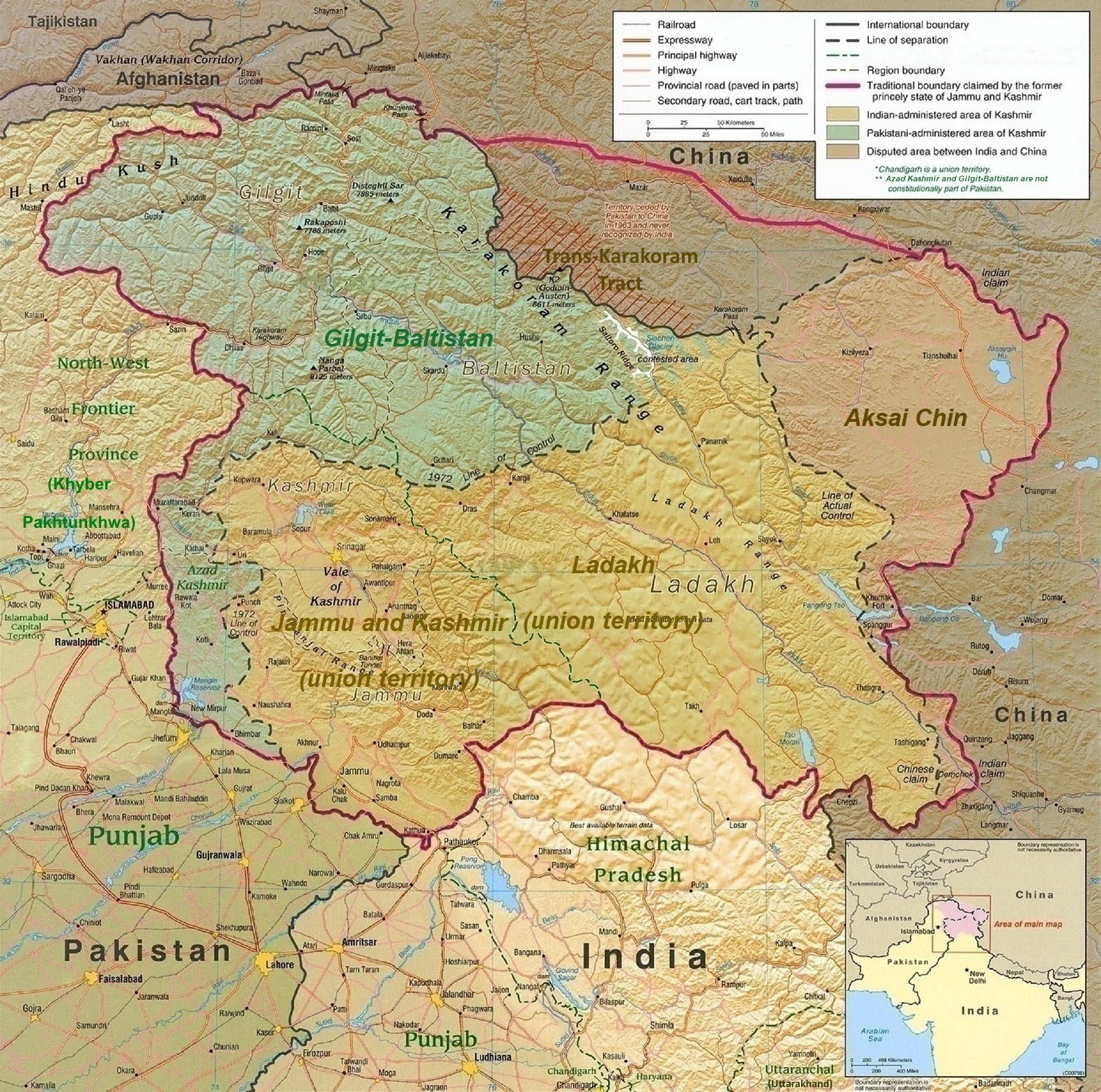



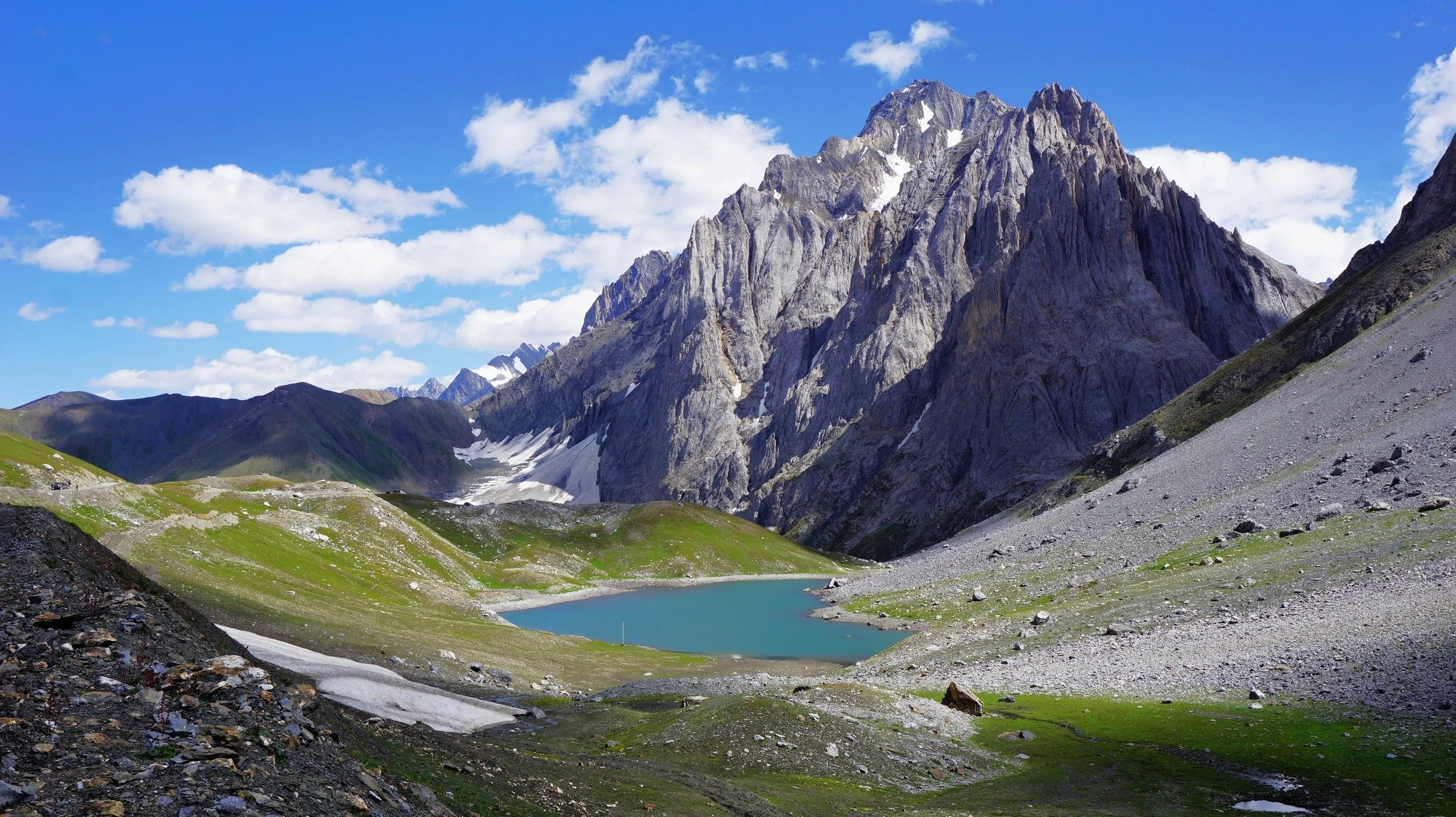
Five years ago the Galwan Valley was in the News for the wrong reasons after a deadly clash between the Indian and Chinese Armies in the Valley located in Ladakh lead to many deaths on the contentious Border between the two countries in wake of continued Chinese intrusions into Indian territory.
This area along the Shyok River, of which the Galwan Nallah or the Galwan River which forms the Galwan Valley has been off limits to Civilians since long but now the Indian Government has decided to open up the area for Civilians and we were amongst the First Civilians to venture into this beautifully desolate part of the Eastern Karakorams in Ladakh. Earlier Civilians could only venture upto the Village of Shyok from where the Shyok River takes a U turn and flows in a Northerly direction.