
Ten Offbeat Locations in Kashmir
Ten Offbeat Locations in Kashmir
Kashmir, the Paradise on Earth as some call it hs been fortunate to have witnessed the arrival of Tourists in their thousands in the last few Years. Peak Seaon in the Summers when the Heat scorches the Plains hordes of Tourists rush North into the coller and rejuvenating climes of Kashmir.
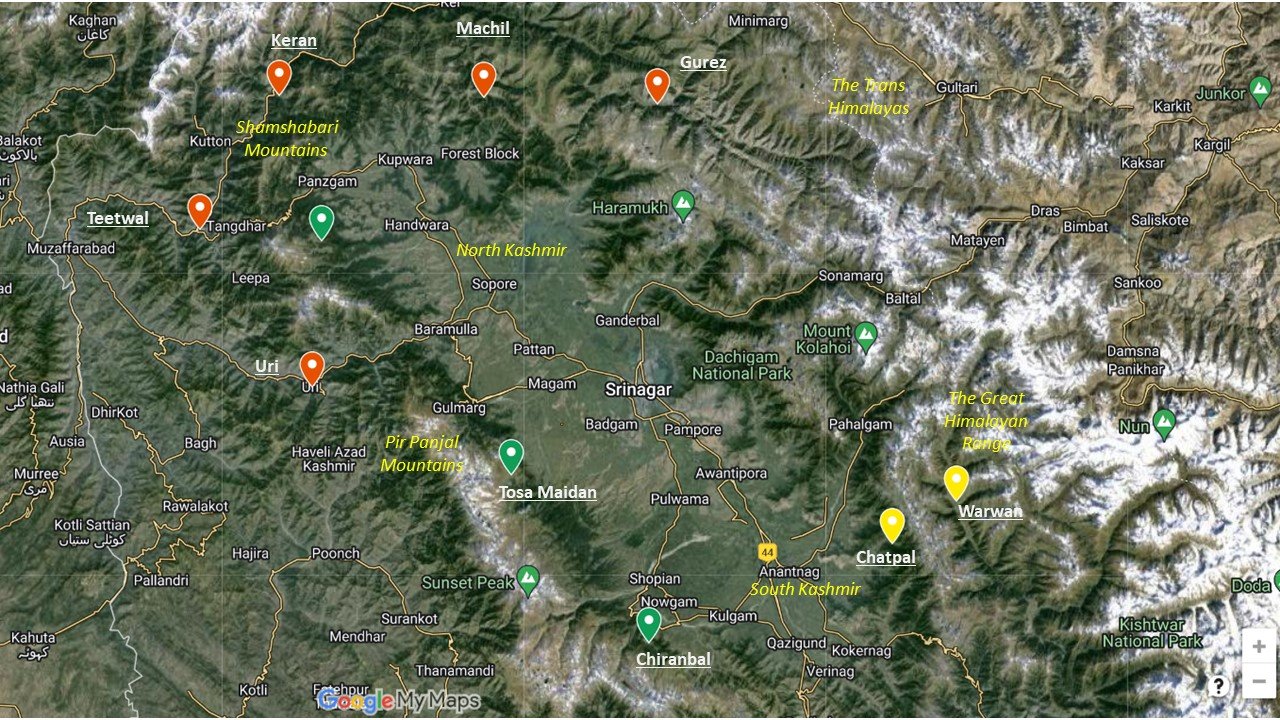
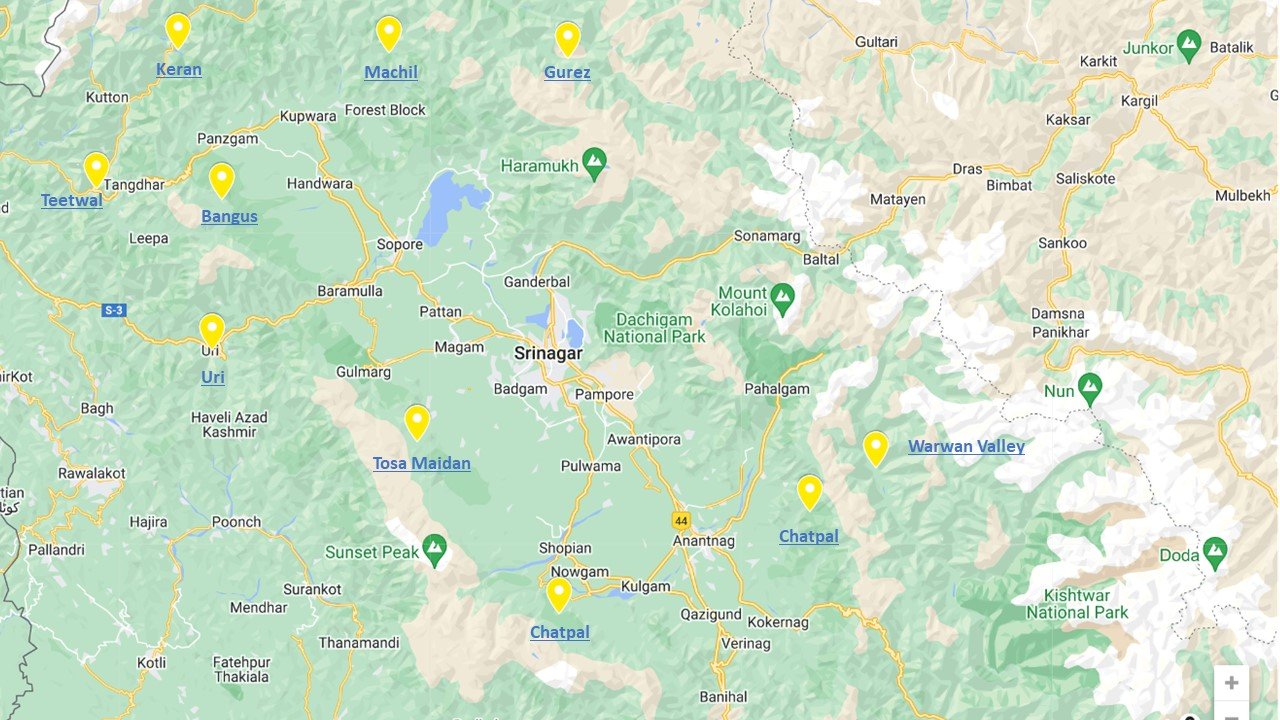
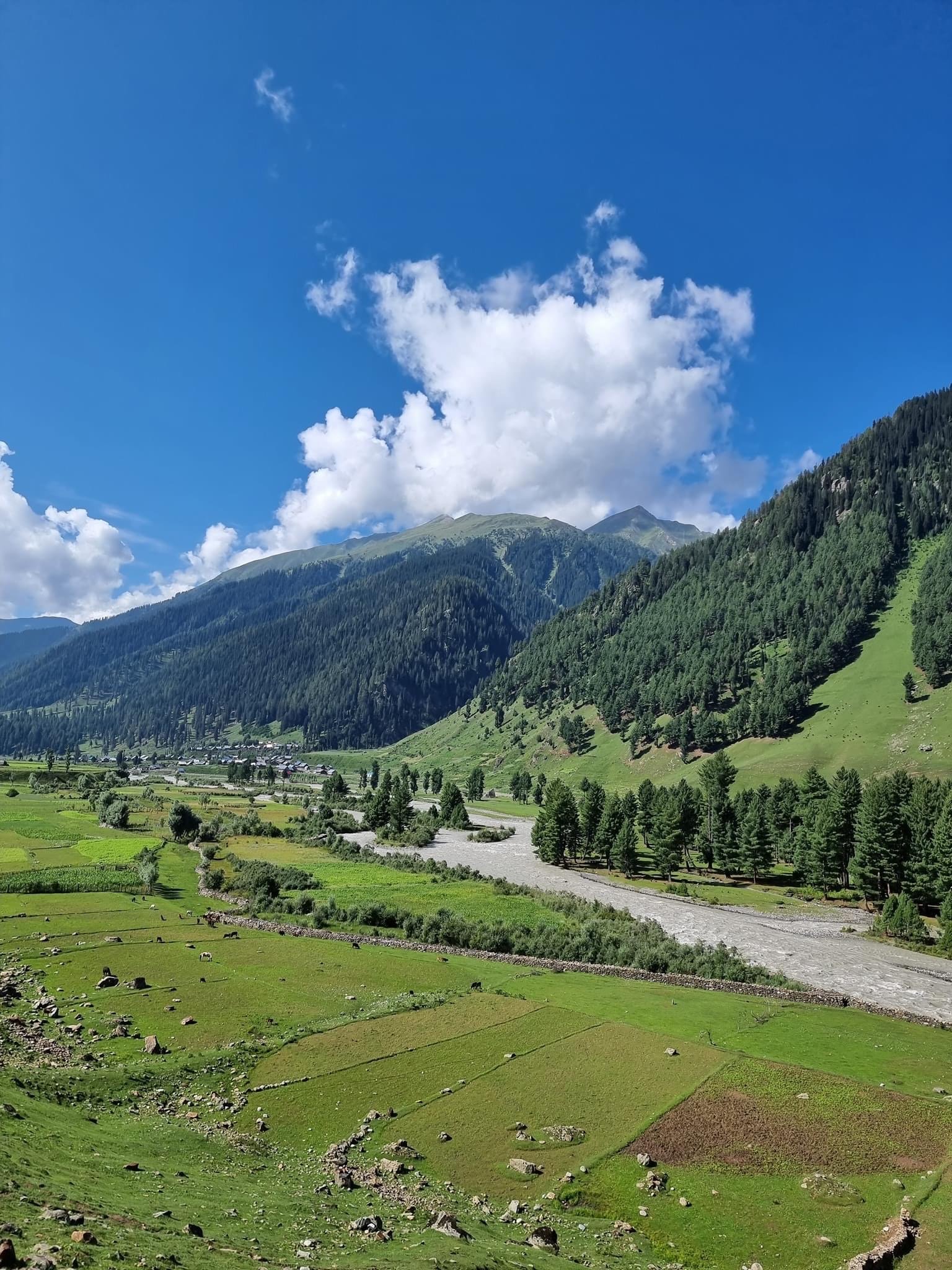
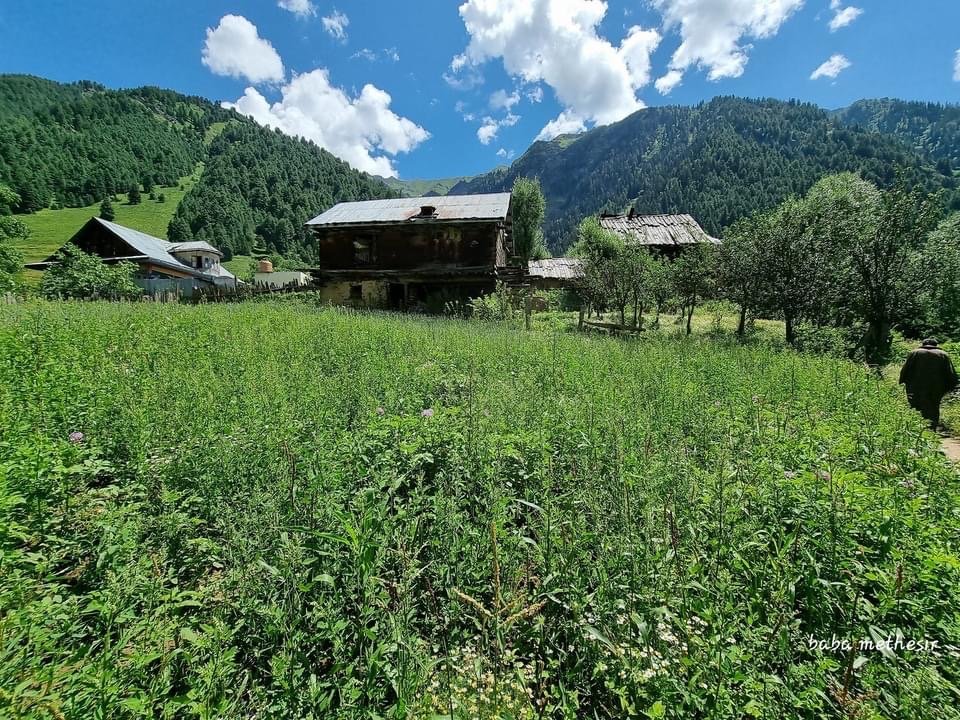
Warwan Valley
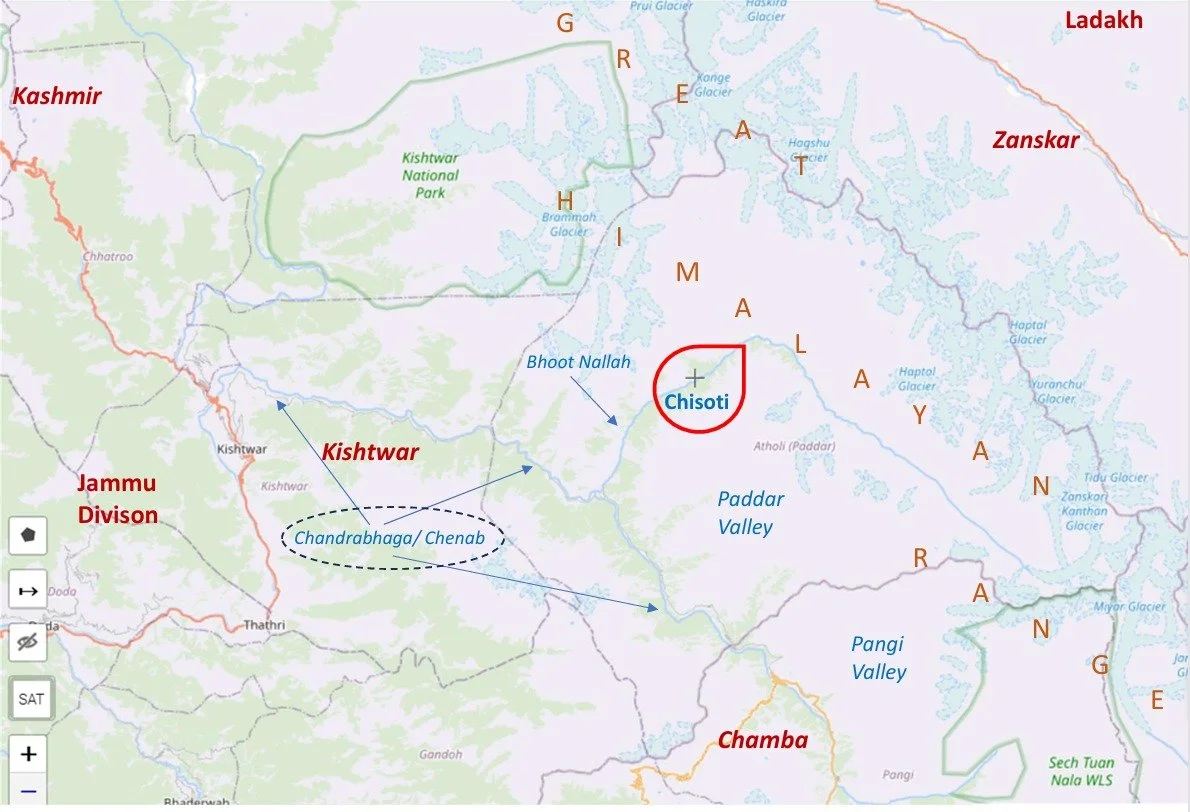
n the Inner Himalayas lies a beautiful Region so remote that most people haven't even heard of it forget about going there. Kishtwar itself is remote and always under the shadow of Kashmir but this part of Kishtwar which lies next to Kashmir on one side and the Suru Valley of Ladakh on the other side is probably one of the last great wildernesses in the Inner Himalayas. This is the Warwan- Marwah - Dachchan belt lies along the Maru Wadwan River or as its also known Warwan / Marwah (Marev) / Marsu Dhar River along different parts of its course, which is a major tributary of the Chenab. These three sub parts of this Region all lie along the same River and offer a rare insight into how people lived maybe many years ago. Sandwiched between the Pir Panjals and the Great Himalayan Range this is a Region few outsiders have set foot.





https://travelthehimalayas.com/kiki/warwan-marwah-dacchan-the-last-inner-himalayan-wilderness
Gurez Valley
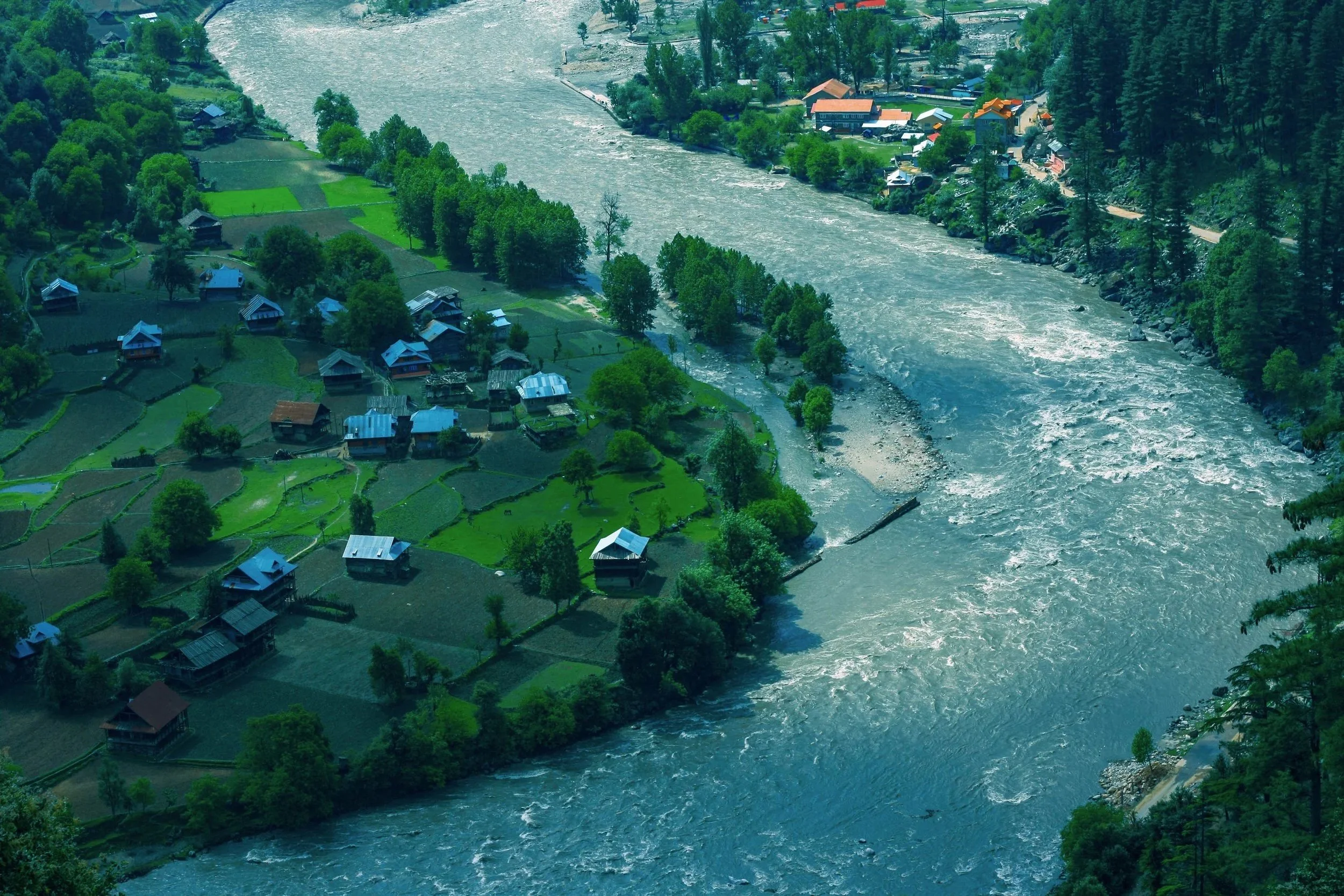
The beautiful Valleys of Gurez and Tulail are located within the folds of the Great Himalayan Range in the beautiful Valley created by the Kishanganga River as it runs down its course from its point of origin at the Kishansar Lake located in the Mountains above Sonamarg. The access to the Gurez Valley is via the Razdan Pass and the Road from Srinagar winds its way along the Wullar Lake and then from Bandipora the climb starts to Tragbal and further to the Razdan Pass.
The LOC runs through Gurez and you can see the Border fence at most places in the Gurez and the Tulial Valleys. On one end of the Gurez Valley lies the Village of Bagtore which is one of the last Villages on th Indian side of the LoC. On the other end of the Tulail Valley is the Kaobal Gali which connects this Valley with the Mushkoh Valley in the Drass Region of Ladakh. This used to be one of the main access points into Gurez / Tulail till 1947 after which this Road became off limits for Civilians with only the Army using it.
The Gurez and Tulail Valleys have a distinct Culture and the majority of the people here are Shina and speak the Shina language which is also spoken in the Gilgit Region acrosss the LoC. The Guez / Tulail Valleys are dotted with picturesque Villages with Houses made of Timber just like it has been done for Centuries.
ttps://travelthehimalayas.com/gurez
https://travelthehimalayas.com/kashmir-gurez-bangus
Chiranbal
Chiranbal is a mesmerizing meadow and a rising tourist destination nestled in the Kulgam district of Jammu and Kashmir, India.It's famed for its captivating landscape, boasting a vast expanse of emerald green meadows embraced by snow-capped peaks of the Brahma Sakli mountain range. The Zajinar River, a tributary of the Veshaw River, snakes its way through the meadow, adding to its charm.
Chiranbal offers a haven for nature enthusiasts. The meadows are a tapestry of vibrant greens, interlaced with wildflowers and pine forests. The sight of snow-clad mountains contrasting with the verdant meadows is truly breathtaking. Chiranbal comprises twin meadows - Upper Chiranbal (Haer Chiranbal) and Lower Chiranbal (Bon Chiranbal). Upper Chiranbal is placed at a slightly higher elevation and boasts a captivating panorama.
The ideal time to visit Chiranbal is during the summer months (June to September) when the weather is pleasant, and the meadows are adorned with wildflowers. While limited accommodation options exist in Chiranbal, most visitors opt for camping or guesthouses in nearby villages.


Chatpal
Chatpal is a picturesque village nestled amidst the mountains in the Shangus district of Kashmir, India. Unlike other tourist destinations in Kashmir, Chatpal offers a tranquil escape, untouched by commercialization. It's ideal for travelers seeking peace and serenity in nature's embrace.
Chatpal boasts breathtaking natural beauty. Lush green valleys, cascading streams, and snow-capped mountains in the distance create a postcard-perfect landscape. The fresh mountain air and the gentle murmur of streams will leave you rejuvenated.
The village offers a glimpse into the simple and traditional way of life in Kashmir. You can interact with the locals, learn about their culture, and savor delicious home-cooked meals.For adventure enthusiasts, Chatpal offers trekking trails that take you through meadows, forests, and to viewpoints offering stunning vistas of the valley.
Bangus Valley
https://travelthehimalayas.com/bangus
https://travelthehimalayas.com/cover-bangus
https://travelthehimalayas.com/keran
Teethwal
Teethwal and Tangdhar are located in the Karnah Valley which lies across the Shamshabari Mountains and you cross over from the Sadhna or the Nastachun Pass which is probably one of the most fiercely guarded Mountain Passes in the Country. That's not surprising especially if you remember the Battle of Tithwal and the fact that Two Param Vir Chakras were conferred during the Battle.
Crossing over the Pass you descend into the beautiful Tangdhar Valley with its green verdant fields and Houses spread over a large area. And the people of this area are mostly Pahadi instead of Kashmiri. You first need permission to come till Tangdhar and then from the Tangdhar Police Station you need another permission to go to Tithwal which lies right at the LoC.
Tithwal itself is a peaceful Village by the River with POK right across the River with a Restaurant along the main Road from where People from the other side look down on the people on the other side.


https://travelthehimalayas.com/teethwal-tangdhar
Machil
The Machil Valley lies on the Northern fringes of the Kashmir Valley in the District of Kupwara. Its nestled around the Machil River and in geographical terms its stands North of the Lolab Valley across the Zamindar Gali, a Pass that needs to be crossed in order to get into the Machil Valley. It lies close to the Line of Control and as such the access is limited. Its nonetheless a beautiful area which is like a mix of Lolab Valley to the South and Gurez Valley to the East.
Machil or Matsil as its called was always a fascinating little place for people since they read about its beauty and remote location. Though the Civilian Authorities and the Army call it Machil or Machal (not to be confused with Machail of Paddar, Kishtwar) the locals call it Matsil. The name is derived from the Dardic word for Fish. Its said that once upon a time the Matsil River which drains the Valley was full of Fishes.
Machil Valley is accessed via the Z Gali or the Zamindar Gali over the Shamshabari Mountain Range. Its called the Zamindar Gali as in the olden times many people in Lolab used to have Land in Matsil where they used to grow Crops in the summertime. Over time some of these people settled here. Also as per the Gazzette of 1890 this area was often raided by Chilasis (yes from Chilas) so that also kept people away though the area is awash with Gujjars and Bakarwals who come here with their livestock for the rich pasturage the Valley offers in the Summers.


https://travelthehimalayas.com/machil
Tosa Maidan
Tosa Maidan is a meadow located in the Kashmir Valley of India, known for its scenic beauty and historical significance. The name translates to "King of Meadows" and aptly describes the vastness of the meadow, sprawling over 65 square kilometers.
Tosa Maidan is situated at an altitude of 10,395 feet (3,167 meters) in the Pir Panjal range of the Himalayas. It's surrounded by dense forests, offering a tranquil escape amidst nature. In summer, the meadows transform into a vibrant green carpet, dotted with wildflowers and the camps of Gujjar shepherds grazing their sheep.


Keran
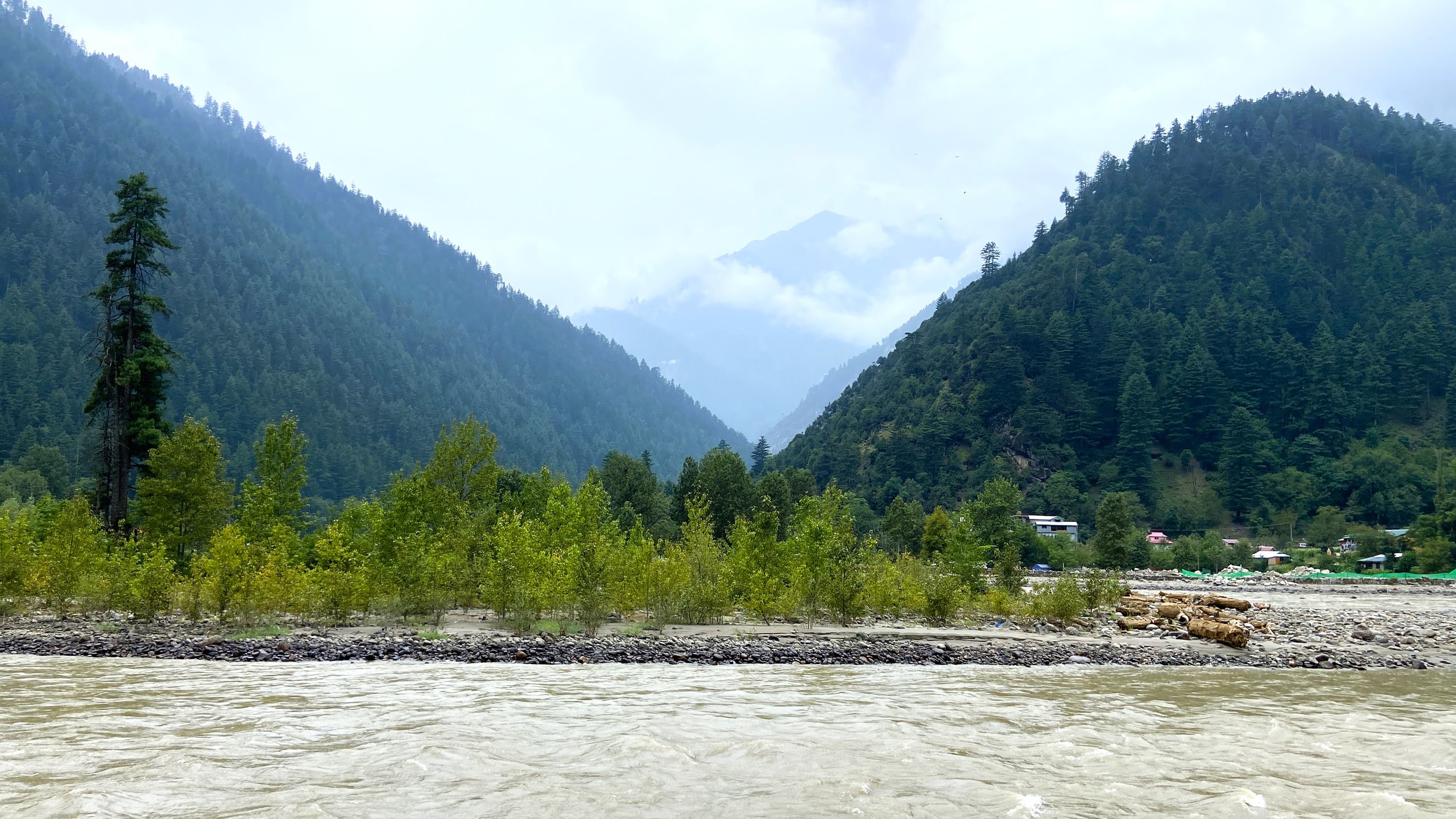
Keran is a Village which lies divided right on the Line of Control with one part in India in the Kupwara District of Jammu and Kashmir and the other part in Pakistan Occupied Kashmir. And the River Kishanganga (called Neelum by the other side) runs through it. Keran is located across the Shamshabari Mountains which one has to cross across the Firkiyan / Firkin / Pharkiyan Gali. At Keran one can view life across the LOC and the Resorts built on th other side of the Line of Control.
Keran : The Village of Keran is said to have been established by Raja Bahadur Khan in the tenth Century. Also located on the banks of the Kishenganaga River, Keran enjoys a majestic view. To reach Keran Valley one has to Pass through the Firkin Gali. It is 37 kilometers towards West from Kupwara. 89 kilometers from Kralpora and 118 kilometers from the state Capital Srinagar. One the way to Keran the other places of interest are Milyal, Raja Ram Mountains, Firkin Village, Kralpora, Trehgam and the Kheerbhawani Temple at Tikker, Kupwara.
From the Firkin Gali a Road link connects it with the Sadhna Top and is known for its mesmerizing and enchanting beauty on both sides of Kashmir. On the way one can witness the lush Green forests, Meadows, Streams and also the Ancient Architecture.


Uri
Uri is a town which is located along the Historic Cart Road along the Jehlum which once connected Srinagar and the Kashmir Valley with Rawalpindi and the Punjab in the Pre Partition Days. However since the Partition came about and following the first Indo Pak War in 1947/48 Uri became the last major Town on the Indian side and the LoC lies beyond Uri.
Uri is now a sprawling and bustling Border Town and with the opening of Tourism spots in and around Uri it stands to attract some Tourists out of the bulk that descends upon Kashmir every year especially in the Summer Months.
The main attraction is the Aman Setu at the Kaman Post, which is a Bridge which connects both sides of the LoC. You can also see the former Indo Pak Border Trade Center at Salamabad which now lies deserted. There are other ares which can be visited around Uri as well.


https://travelthehimalayas.com/kiki/2021/12/14/the-road-to-uri

Kiki's Guide to Kashmir
A Rough Guide for People planning to visit the Kashmir Valley. And notes on the History, Culture and most importantly the Geography of the Region. And taking you beyond the normal Tourist Hotspots into more Offbeat and even unheard of places in Kashmir.
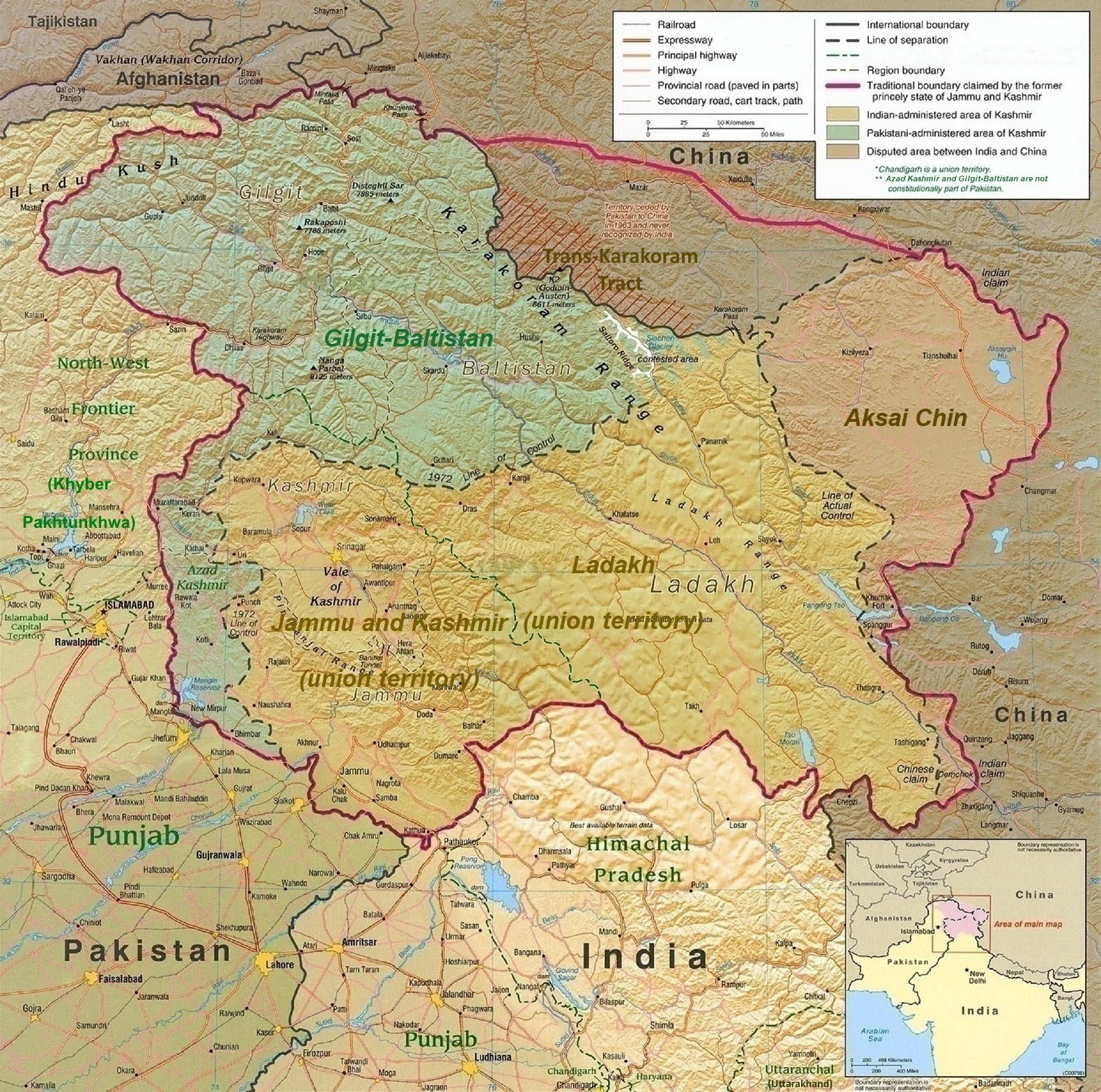
A truly fascinating place which gives people the visions of beauty and is referred to as the “Paradise on Earth”. The name is enough to conjure up images of snow covered mountain peaks, valleys with a shroud of flowers, enchanting Mountain streams and beautiful lakes. Well the geography and the de facto political boundaries of the state are a bit more complicated. Here I try to explain the complexities of what used to be the Riyasat-e-Jammu and Kashmir in 1947. I will use that as the reference point and as a geographical unit will refer to it as RJ&K.

Moving beyond the territorial claims that individual countries have on RJK and avoiding the political baggage that comes with the veracity of each claim I will just mention the geography and the political status as it exists as on date. Based upon the actual territory that is being held by the various countries which have a claim on RJK. That being said, I would like to emphasise that the purpose of this article is to educate travellers and mountain lovers about where they can go and where they cannot, which is governed basically by their nationality and the relationships which exist between individual countries.
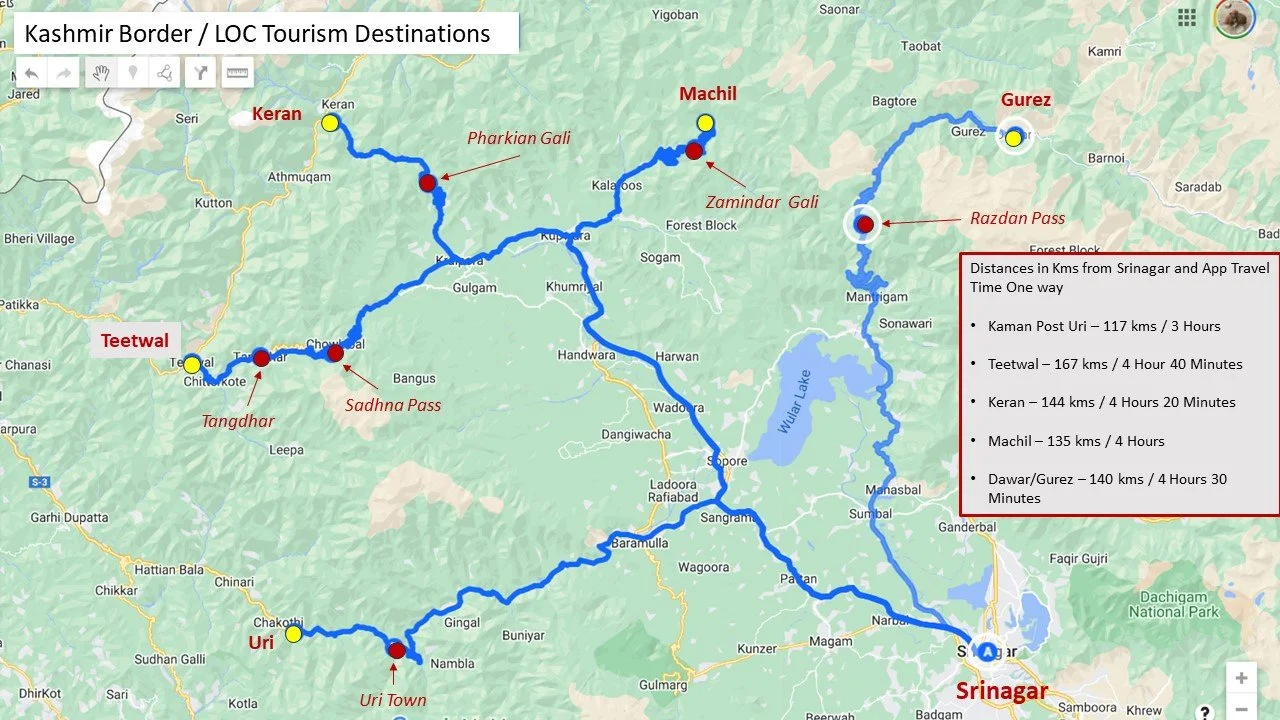
Offbeat / LOC Locations in Kashmir
RJK consisted basically of the regions Jammu, Kashmir, Ladakh, Baltistan, Gilgit and the uninhabited Aksai Chin. I would first comment on the areas of RJ&K that are under de facto Indian control which I will call J&K. J&K broadly consists of the regions of Jammu, Kashmir and it used to include Ladakh. Until they were divided into two separate Union Territories, one J&K and one Ladakh. However there are little parts of the former Baltistan that exist in J&K like the Kargil district and even Gilgit like Gurez. Jammu consists of the Jammu district as well areas along the border like Poonch, Rajouri, Udhampur and Doda. The beautiful Valleys of Bhadarwah and Kishtwar are also a part of the Jammu region. Jammu has its share of mountains especially the rugged region of Kishtwar but they are largely unknown and away from the glare of the outside world. I will cover the Jammu region in detail in a later post but for now we move on to Kashmir.
From Jammu we move onto the fabled “Vale of Cashmere” as it was called. Technically the Valley starts once you cross the Banihal Pass/ Banihal Tunnel (Pir Panjals) on the highway or when you cross the Pir Ki Gali Pass (Pir Panjals) on the Mughal Road when coming from the South. The original road to the Valley via Muzuffarabad is no longer in use due to political reasons. Also you can alternately cross the Sinthan or the Margan Pass to go to Kishtwar or Warvan. Up North the Zoji La marks the exit from the Valley while to the North West the Razdhan Pass would also entail technically leaving Kashmir Valley but those areas of Gurez are still considered a part of the Kashmir region.
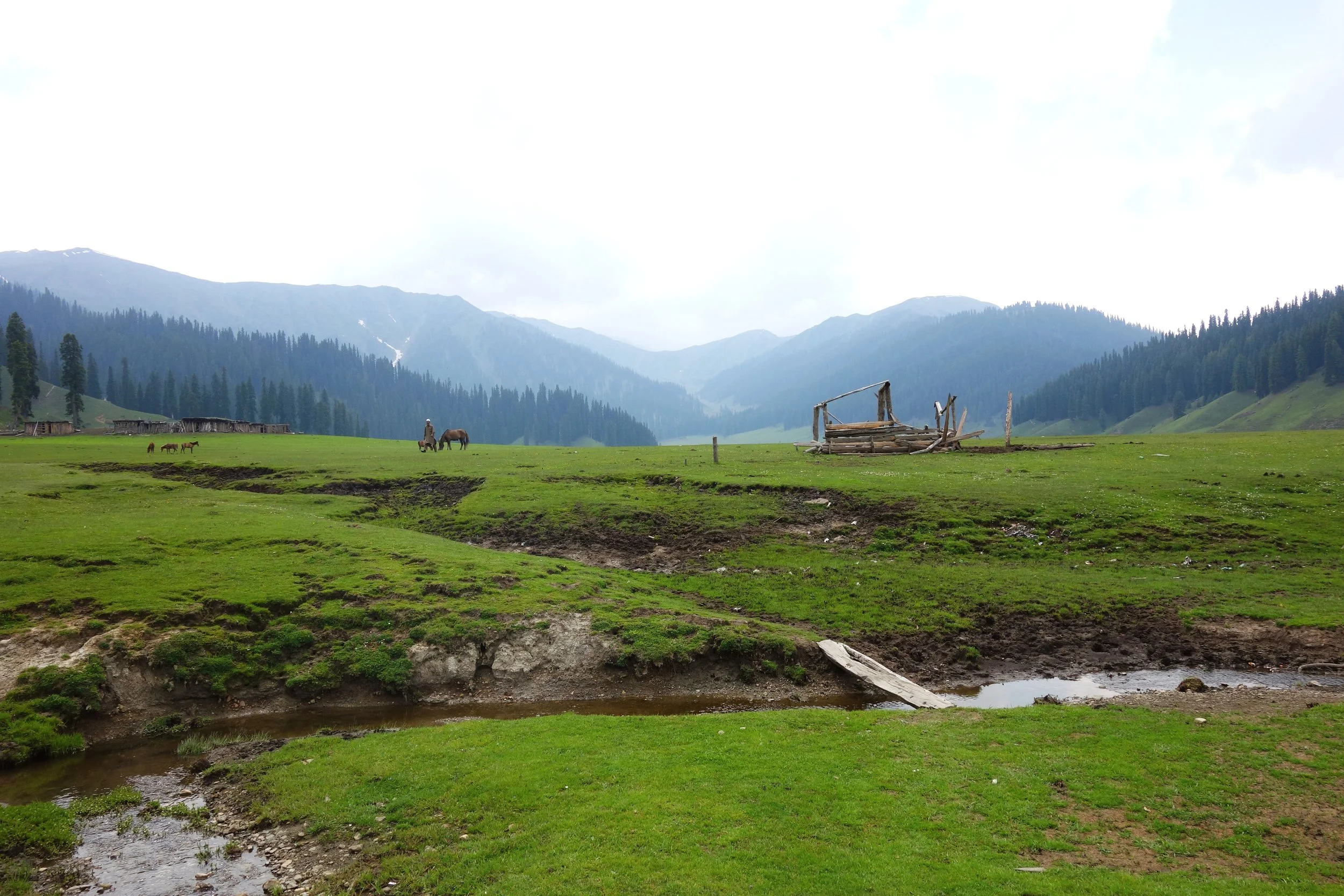
In the geological past the Valley was once a lake called the Satsar Lake which drained eventually due to various factors. However there is still a large diversity of of Lakes from the largest Wular Lake to the most famous Dal Lake to thousands of high altitude lakes nestled within the mountains which are an attractive trekking destination. The Kashmir Valley is bound on the South and South West by the Pir Panjals. And on the North and North East by the Great Himalaya and the Zanskar Range. It is by far the largest Valley in the complex Greater Himalaya Mountain system and certainly the most celebrated one.
Kashmir Valley is actually the Jehlum Valley and the Jehlum is the main drainage system for the Valley. The traditional source of the the Jehlum is considered to be the springs at Verinag. However many attribute the source to the Konsarnag Lake and even the Sheshnag Lake. The Lidder and Sindh are two main well known tributaries of the Jehlum. The Lidder has two main sources the Kolahoi Glacier for the West Lidder and the Sheshnag Lake for the East Lidder. The Sindh River rises from the Machoi Glacier near the Amarnath Caves.

A Faith Map of Jammu and Kashmir by Drew in 1875
Srinagar is the capital city of J&K and lies on the banks of the Jehlum River and it also includes the famous Dal Lake and the Nigeen Lake. The city is well know for the various Gardens laid out by the Mughals as well as the new fangled Tulip Garden which is a hit with the tourists. The Srinagar city has its own range of mountains called the Zabarwan Mountains which is a sub range of the Zanskar Range. The home of the endangered Hangul, the Dachigam National Park also lies on the edge of the City.
There are various other places of tourist interest in the Valley including Gulmarg, Pahalgam, Sonamarg, Yusmarg, Kokernag, Verinag, Achabal, Daksum, Parang and lately places like Doodpathri etc. My personal favorite has always been Gulmarg probably because I have sent a lot time here while growing up. However recently it is is over crowded and over priced. Gulmarg is a great Winter destination due to the humongous amount of Snows it gets.

The Wadwan Marwah River
The lesser know place which has fascinated me the most has been the Warwan Valley which could only be reached by trekking in the good old days. I happened to spend 5 nights in this enchanting Lost World. Being born in Kashmir and having familial connections in Himachal I have seen a lot of mountains but Warwan was special. Nowadays there is a road which goes over the Margan Pass and takes you to Inshin, the main village in Warwan. As of now I am not aware of how further this road goes. Technically though Warwan is a part of Kishtwar and hence a part of the Jammu Region.
A special note on Warwan Valley : The people of this region are by some accounts the closest that come to the ancient Kashmiris. Their language is the purest form of Kashmiri. The Warwan River runs through this enchanting Valley. This Valley runs parallel to the Lidder Valley and is around 3 to 4 km wide and 30 km long at an average elevation of 8000 to 9000 ft. At a place called Sukhnis the Valley transforms into a Gorge and on reaching Rangmarg you have two options.Taking a left leads you to the Gulol Pass crossing which you can descend into Sheshnag. Going straight takes you to the Botkol Pass going over which you come down to Panikher in the Suru Valley (Zanskar). This is the same route taken by the indomitable General Zorawar Singh when he launched his expeditions into Ladakh. Interestingly there was a Government proposal to make a road from Pahalgam to Panikhar which would technically be 45 kms but would provide unparalleled beauty as for almost half that route would under be the shadow of the fabled Nun Kun Massif. A point of special note is that Warwan as such is not in proximity of the Line of Control as compared with Gurez or Lolab.
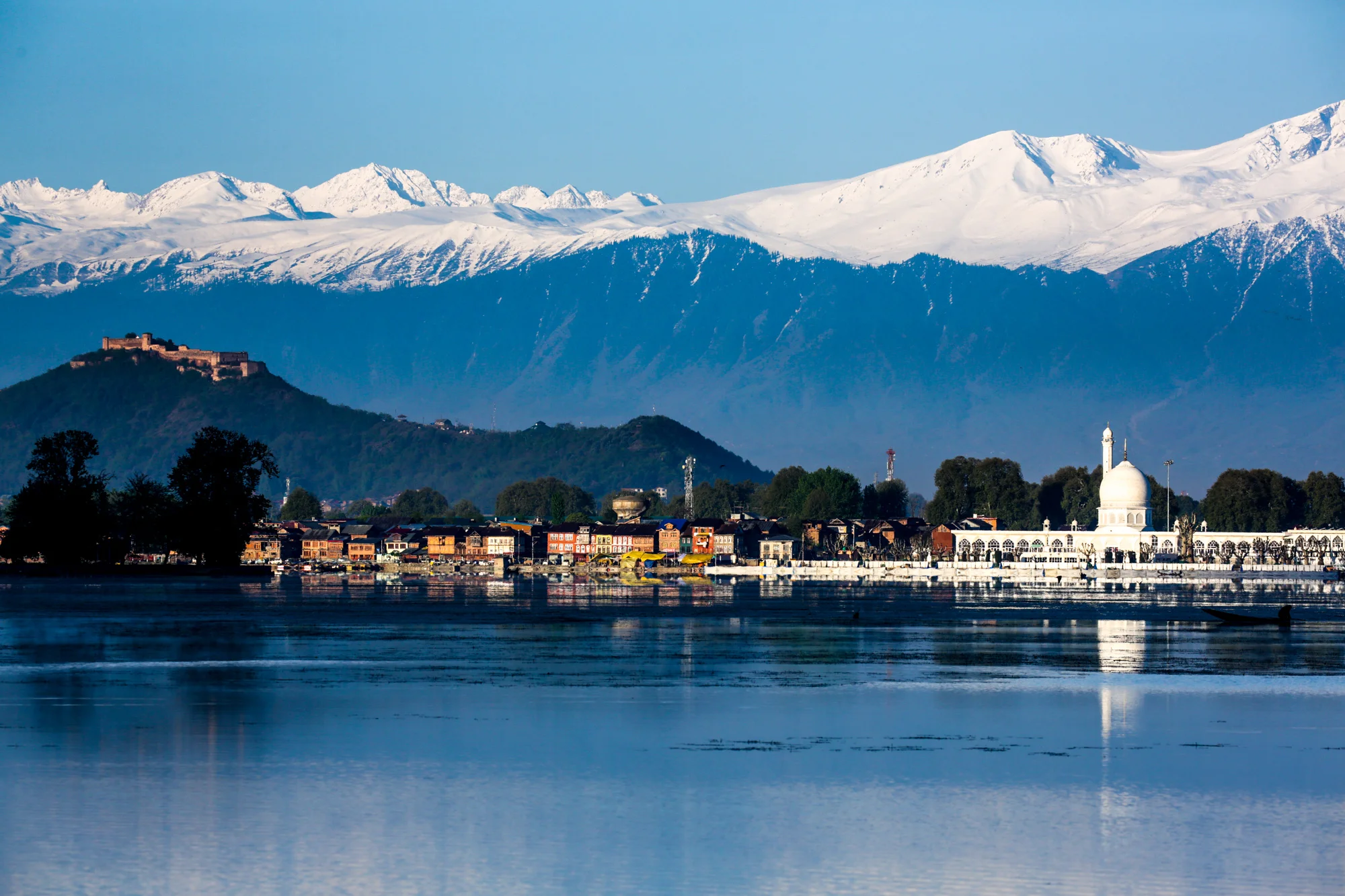
The Hazratbal Shrine by the Dal Lake and the Pir Panjals in the back ground
On the same axis lies the Sinthan Pass which connects Kashmir with Kishtwar proper. This scenic Pass is now becoming a destination as more and more Tourists go there to experience Snow which lasts well into June usually on the Sinthan Pass. One can also cross the Pass and go into Kishtwar and there are many interesting places there as well. Totally Offbeat.
Another region which sees a lot of tourist interest in the Gurez area. Gurez is actually a part of the Gilgit region but is counted in the Kashmir Valley. The people in Gurez speak Shina and were always more aligned with fellow Shina speakers in Gilgit rather than with Kashmir. The road to Gurez leads one over the Razdhan Pass and then you enter the enchanting land called Gurez. There is a road which goes from Gurez towards Kargil but as of now it is a military road but earlier that used to be one of the main Roads into Gurez. The fact that it is a part of Baltistan is borne out by the fact that the locals speak the Shina language, which is quite prevalent in Baltistan instead of Kashmiri.
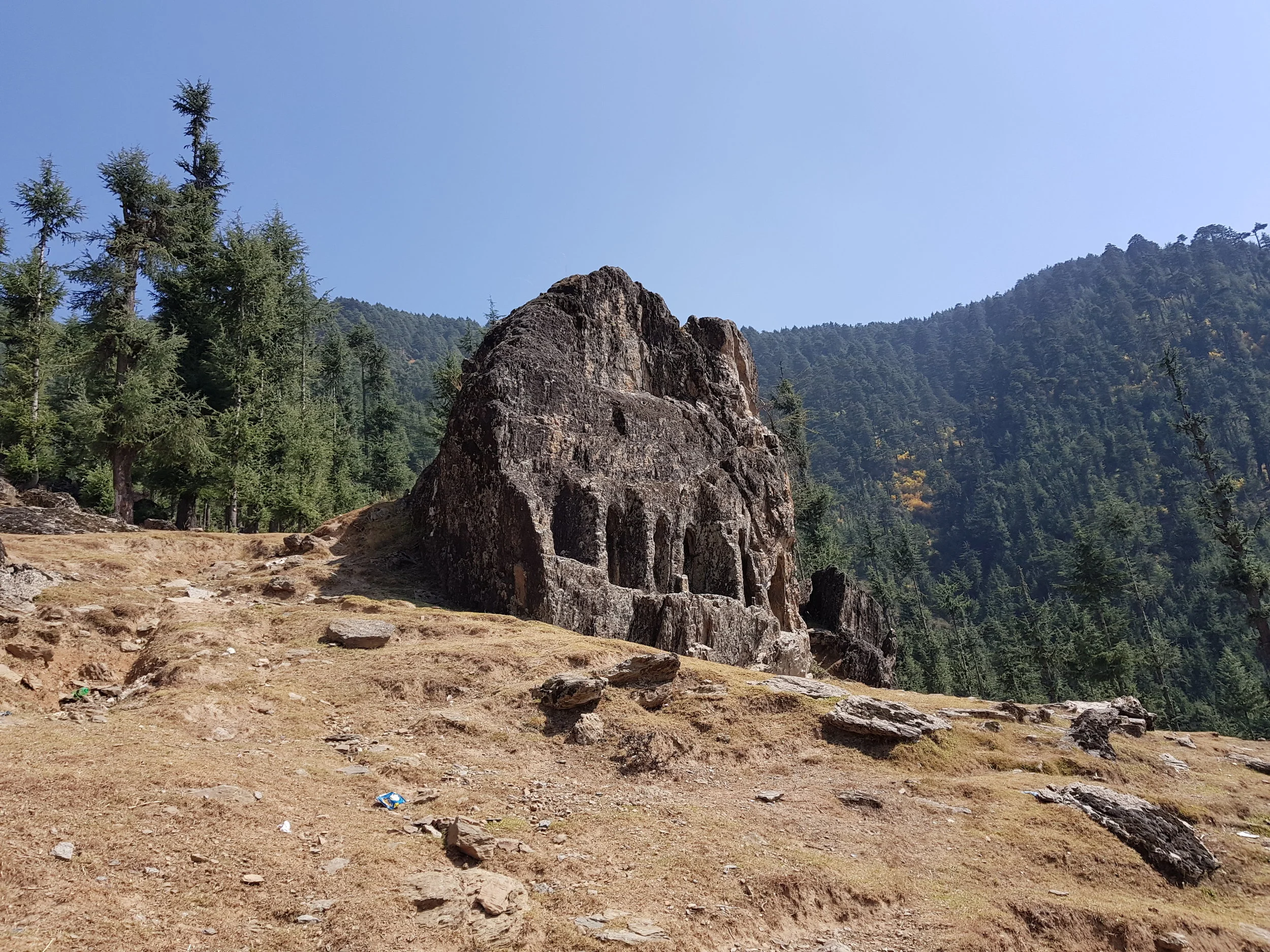
The Kalaroos Cave in Loalb Valley
And then there is the Lolab Valley and the Bangus Valley (both the Bod Bangus and the Lokut Bangus) in North Kashmir district of Kupwara. These are again very scenic areas but the movement of civilians especially tourists was severely restricted due to the proximity to the Line of Control. However now the restrictions have eased up and many Tourists now visit Bangus. Bangus is the largest Alpine meadow in Kashmir and covers a large area. The other famous Meadows in Kashmir like Gulmarg, Doodhpathri, Yusmarg and Tosa Maidan lie in the Pir Panjals and South and Western Kashmir but Bangus abuts the Great Himalayan Range itself. A Motorable Road has already been built to Bangus itself and Vehicles with 4x4 and Good Ground Clearance can already get t Bangus and even normal Passenger Cars would be able to get there once the Road is black topped.
And now for the first time the Government is trying to promote Tourism to the areas which lie right on the LOC along the Kishenganga. This includes places such as Machil, Keran, Tangdhar and Titwal. Ours is the first Travel Company which has started limited Tours to these places for Adventurous clients.
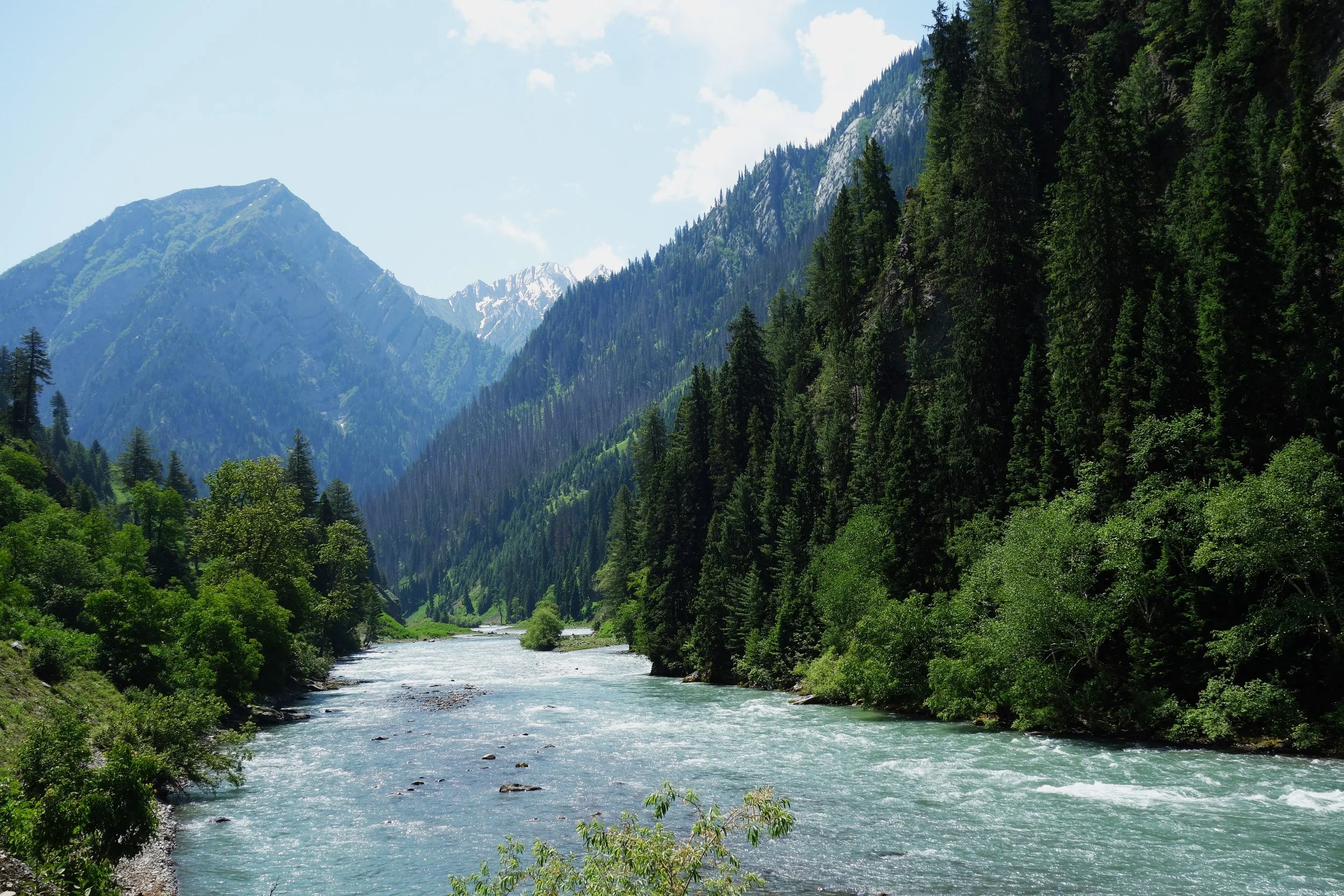
The Kishanganga River flowing through the Gurez Valley.
Weather
Kashmir has a Continental Weather with a proper 4 Seasons. In the Winters it can get quite Cold and all areas of the Valley get Snow in the Winters. Places like Gulmarg get a huge amount of Snow and that's why it's everyone’s favourite Winter Destination. Spring is probably the best Season in Kashmir with pleasant Days and Chilly Evenings. The Summer starts around mid June and July and in recent years it has started to get really Hot in Summers. Autumn again the Days become pleasant and the Nights Chilly.
Transport
The biggest advantage in Kashmir is the International Airport in Srinagar and its connected directly / indirectly with all Major cities. The Flight from Delhi to Srinagar is just One and Half Hours. Of course there is the Highway as well its on the verge of being connected by Rail in a couple of years.
Places to Stay
Kashmir offers a large Range of Accommodations especially in the areas more popular with the Tourists. From Budget Hostels to Five Star plus accommodations. Plus there are Homestays which offer a unique Cultural Experience as well. You can also take a look at Our Kashmir Boutique Stays in Srinagar and Pahalgam. And soon we will be in Gulmarg as well.
Tours
Here are some of the Signature Tours we run in Kashmir for people interested an authentic Kashmir Experience. People coming for the first / second Time can opt for our Kashmir Boutique Experience. People who have been to Kashmir before but now want to Experience the Offbeat side of Kashmir can go for our Kashmir Offbeat : Gurez, Lolab and Bangus Tour. And for People who want edge of the Seat Adventures we can recommend our Kashmir Edge Border Tour.
We can Customize as well and Organize Trips to all these Places. Connect with us on Whats App Messenger on 98712 92288 for a Great Kashmir Experience.
Kiki’s Blog
Stories from the Himalayas



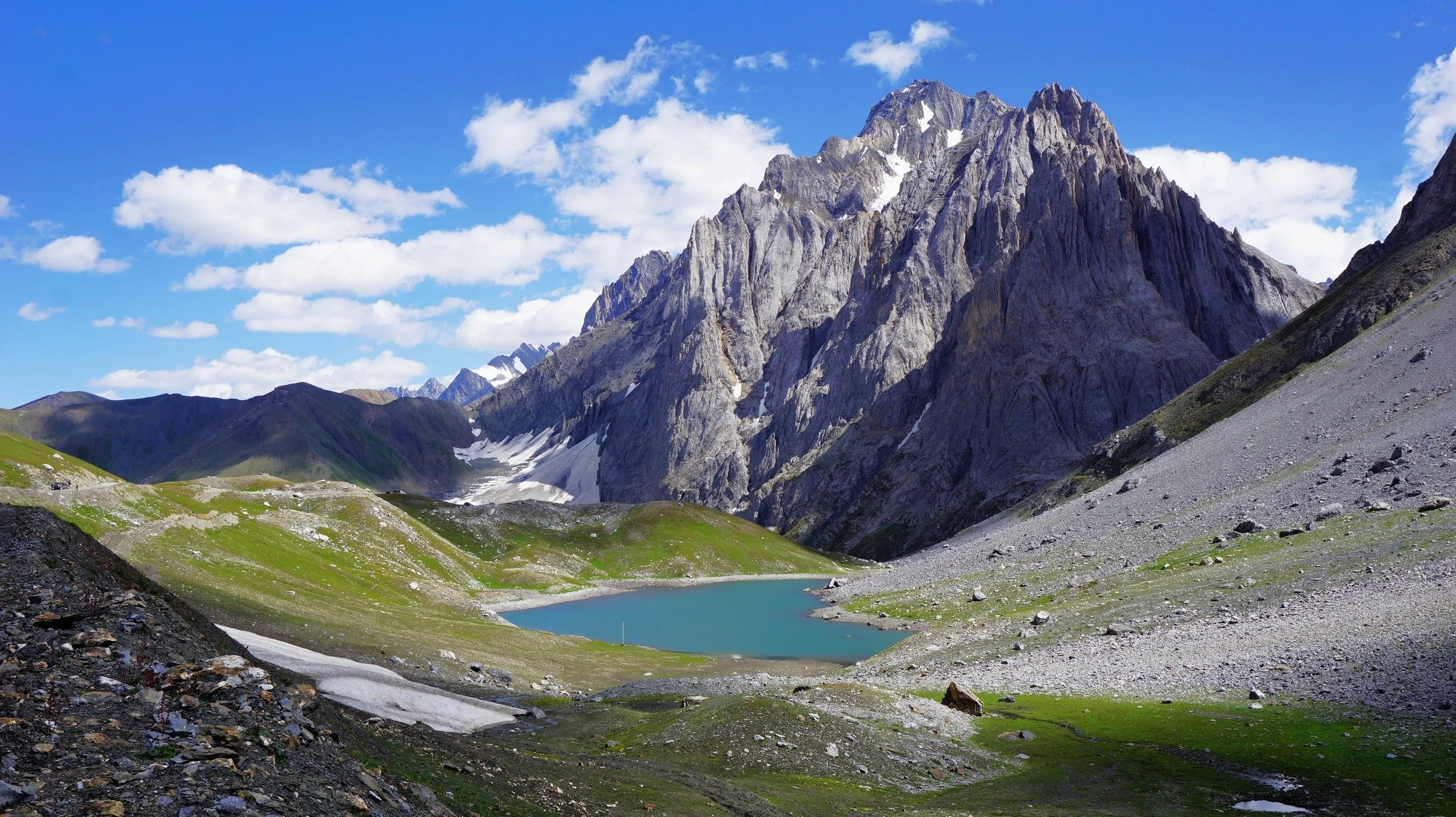
Five years ago the Galwan Valley was in the News for the wrong reasons after a deadly clash between the Indian and Chinese Armies in the Valley located in Ladakh lead to many deaths on the contentious Border between the two countries in wake of continued Chinese intrusions into Indian territory.
This area along the Shyok River, of which the Galwan Nallah or the Galwan River which forms the Galwan Valley has been off limits to Civilians since long but now the Indian Government has decided to open up the area for Civilians and we were amongst the First Civilians to venture into this beautifully desolate part of the Eastern Karakorams in Ladakh. Earlier Civilians could only venture upto the Village of Shyok from where the Shyok River takes a U turn and flows in a Northerly direction.