
The Original Mountain Men and Women of the Western Himalayas
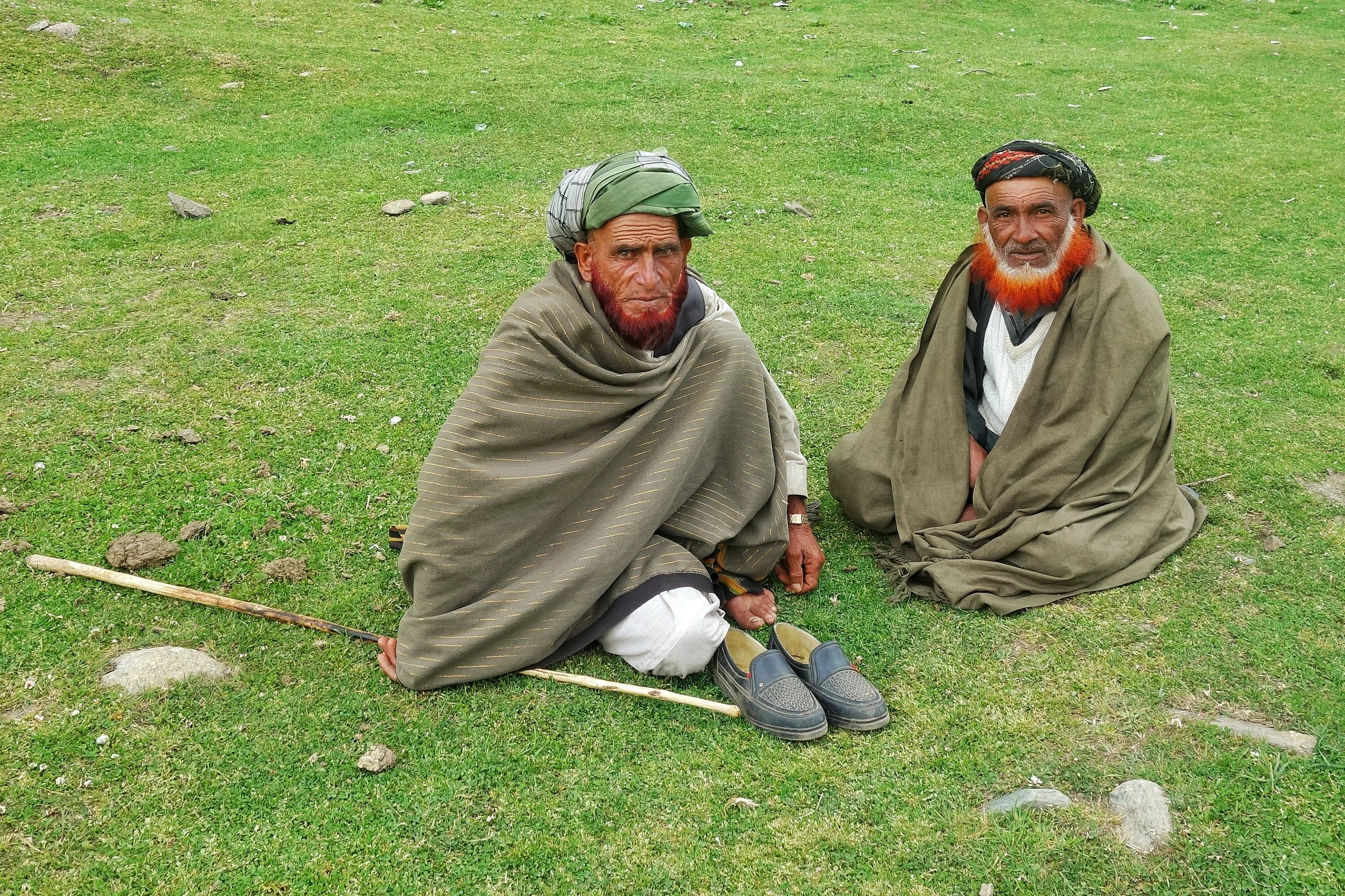
Ive had a childhood fascination for the Gujjars and especially the Bakarwals while growing up in Kashmir. Well they are almost the same thing except that nowadays the ones who live in fixed locations are called Gujjars while the ones which move up and down with their herds are referred to as the Bakarwals. Also as the name suggests it comes from the word Bakri, so a Bakarwal is also a keeper of the Sheep. Especially in the State of Jammu and Kashmir. There isnt a single Region in this vast State which is not familiar with the congenial Bakarwals who flocked to the highlands with their Goat/ Sheep / Buffaloes / Horses/ Mules which they term as “Maal” as in “Goods”. That is the commodity that they deal in and a Bakarwal is judged by the size of his Herd. And then there were my favourite part of a Bakarwal entourage, the Shepherd Dogs also called by the same name Bakarwal or Bakarwali.
The Original Mountain Men and Women of the Western Himalayas
Ive had a childhood fascination for the Gujjars and especially the Bakarwals while growing up in Kashmir. Well they are almost the same thing except that nowadays the ones who live in fixed locations are called Gujjars while the ones which move up and down with their herds are referred to as the Bakarwals. Also as the name suggests it comes from the word Bakri, so a Bakarwal is also a keeper of the Sheep. These Bakarwals are the original Mountain men of our parts. . Especially in the State of Jammu and Kashmir. There isnt a single Region in this vast State which is not familiar with the congenial Bakarwals who flocked to the highlands with their Goat/ Sheep / Buffaloes / Horses/ Mules which they term as “Maal” as in “Goods”. That is the commodity that they deal in and a Bakarwal is judged by the size of his Herd. And then there were my favourite part of a Bakarwal entourage, the Shepherd Dogs also called by the same name Bakarwal or Bakarwali.
Most of these Bakarwals are now based in the Winter time mainly in the Poonch Rajouri areas of J&K where they form a majority of the Population. However they are distributed all over the Jammu Division as well as neighbouring Regions of HP like Chamba and places like Nalagarh in Punjab and moving further East even as far as Dehradun in Uttarakhand. Infact in parts of Jammu and Himachal Pradesh they share the pastures with the other Mountain Men, the Gaddis. The main difference being that the Gujjars / Bakarwals of J&k are Muslim while the Gaddis are Hindu.
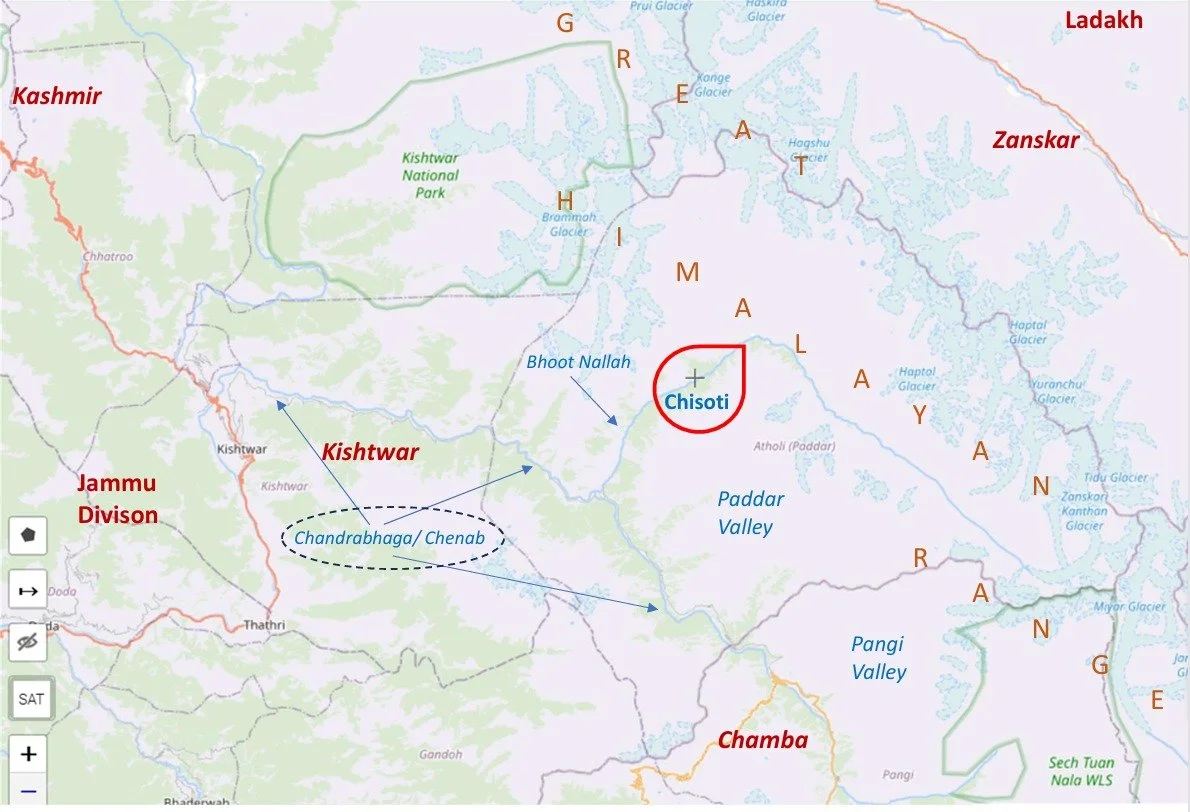
From the Jammu side they usually move towards the higher Regions in the state in all the 3 Divisions of the state. They cross the Pir Panjals to get into the Kashmir Valley and head onto the higher Alpine meadows dotted around the Valley. In the Jammu division they move towards the Kishtwar side and spread over the different Valleys like the Padar Valley from where some even go towards Zanskar. There are others who go towards Marwah and Wadwan and some even cross over to the Suru Valley in Ladakh. Some go to the higher reaches in Kathua District like Sarthal where I happened to meet both Bakarwal and Gaddi shepherds.
While on the Machail Road on the way back we gave a lift to a Bakarwal who had just left his herd at somewhere beyond Machail, areas which are inhabited by Buddhists who came to the Region from adjoining Zanskar. And we gave him a ride till Gulabgarh and on the way he asked us how hot it is in Jammu and we said that down in the foothills the temperatures were over 40 C. Ah he said then Ill go to Srinagar. I asked him why ? Well its cooler there he said and told me he had another Dera somewhere near Shopian in the higher reaches on the way to the Pir Ki Gali.
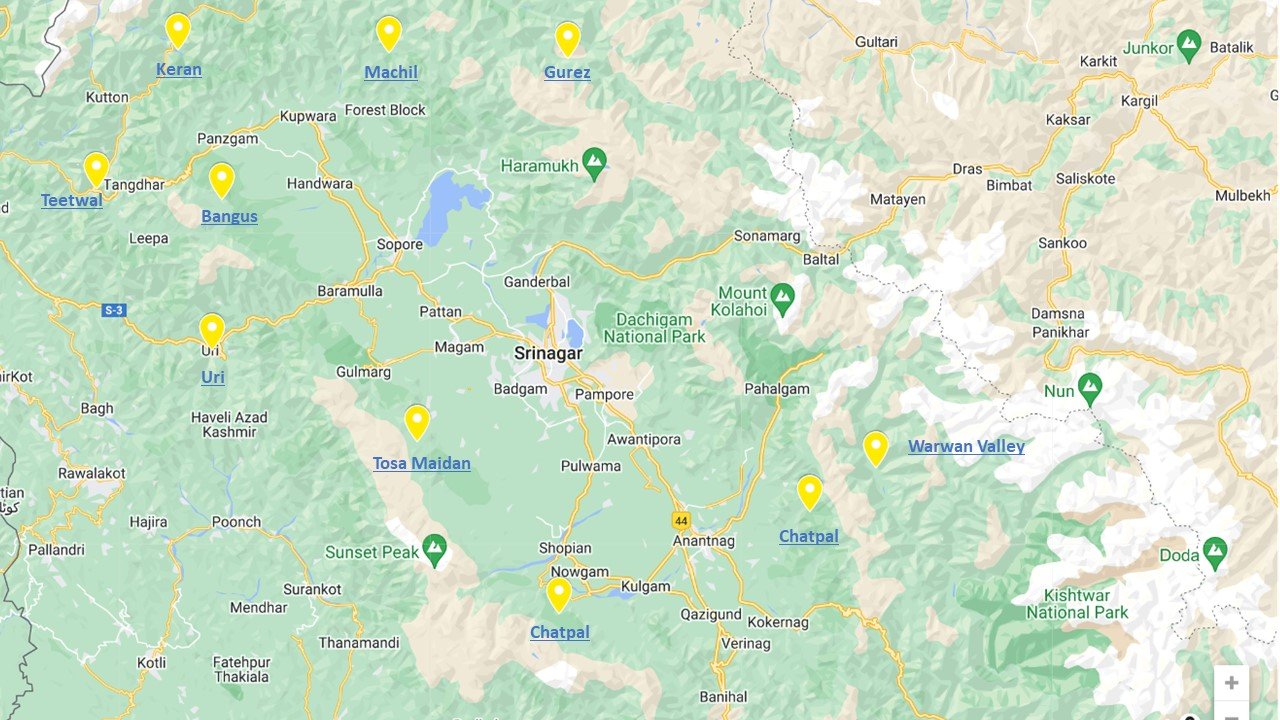
Kashmir Valley itself has quite a strong Gujjar population and they largely inhabit the areas in the higher reaches above Ganderbal all the way to Zoji La. They are also spread in the more sensitive Border Villages along the LOC. They actually live on both sides of the Border and the area that we belong to, ancestrally was also a Gujjar majority area. So we have a kind of language affinity with them as well and we can almost understand each other when they speak Gojri and I speak our Punjabi. Thats another reason why I get along with them famously. Infact in the time of Grandfather all the main guys handling the tougher side of business like the Forest Leasee and other Construction work was handled by the hardy and reliable Gujjars. And I remember my favourite one was a guy called Sitara, who drove one of our Trucks. Typical handsome Gujjar with a flowing orange (henna dyed) beard. And of course we use love going for a drive in the Truck.
Anyways with modern times creeping into their lifestyles as well many of the younger generation are now looking for alternative, more settled ways of life. Taking the heards over the high Passes into secret Valleys and Dhars best known to their forefathers and all the associated Risks are just not worth it for the newer generation. And of course every Bakarwal father wants to give education to their children and of course this is good. And education leads to aspirations and being a Shepherd doesnt rate high on any work list. I am afraid the Bakarwals we see now are the last of the Generation and the time is not far when coming across a Bakarwal entourage would be a rare thing. Its getting rarer but you can still manage if you know where to go.
And here is an entourage that we met on the way from Kishtwar to Gulabgarh. The younger and fitter men had already gone ahead with the “Maal” and this was the follow up party of the older men, women, kids and their well dressed Horses and Mules. They were a riot of Colour. And of course the younger Bakarwalis (I mean the Dog breed) as the strong amongst them were on duty with the Maal. And it was quite a sight.
Background Music is a Bakarwali song that I got from Youtube and not sure of the origin. The beautiful Song talks about a Lady (Young) talking about its only companion a Crow that used to sit on a Mountain Top. And the lady yearns for her loved ones and keeps sending many letters to her Baba, Chacha, Mama and Lala. Well thats what I understood .Enjoy the Video and the song.
PS: We took permission from the main Elder before shooting the Video and the ever genial Bakarwal gave it when I broke into my Mother tongue.
Video from June 2019. On way from Kishtwar to Gulabgarh. Jammu Division. J&K
On Flight of Fancy to Leh
A commentary on the Flight from Delhi to Leh which takes one over the Himalayan Range. It is one of the most spectacular Aeroplane journey for the sights it offers. Starting over the Plains, then over the Lower Himalayas or the Shivaliks, then over the Middle Himalayas / Pir Panjals and finally over the Great Himalayan Range itself before finally landing in the Trans Himalayan landscape of Ladakh.


The Great Himalayan Wilderness
On a Flight of Fancy to Leh
A flight to Leh from the Plains gives you an actual chance to view the awesomeness of the mightiest Mountain Range on the Planet especially just as Winter gives way to Spring and the Peaks have the maximum amount of Snow which accentuates the appearance of the Mountains.

The Lower Hills with the Rivers coming through
The endless Plains first give way to the lower Hills and the Shivaliks. Its just ahead and coming out of these lower Hills are a number of Rivers as they enter the Plains. And the effect of man's work is also visible as you see the Reservoirs of various Dams appear once into the lower Hills.
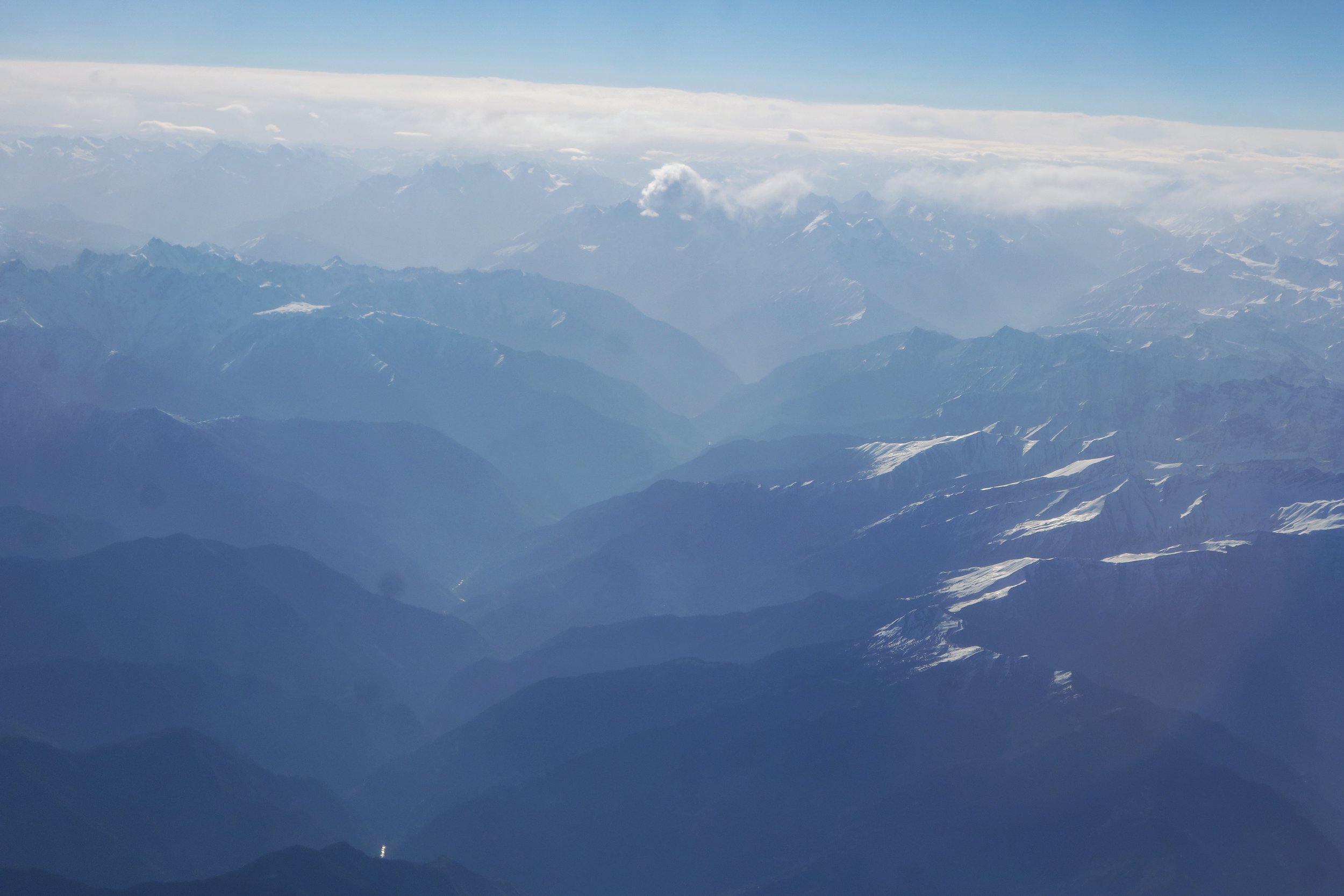
The Lower Hills giving way to the Lesser Himalayas at the Dhauladhars and the Pir Panjals.
The lower Hills give way to the Lesser Himalayan Ranges like the Dhauladhar and the Pir Panjals. These appear as big mountains with craggy tops and snow higher up with a some small Glaciers.

The Lesser Himalayas giving way to the Great Himalayas
Once across this suddenly you see an elevation in the lay of the land and suddenly till the eyes can see are visible craggy Peaks all white with massive Glaciers between the Massifs. This is the sign that you are now on the Great Himalayan Range itself. The main and the highest Spine of this Mountain Range. And it goes without saying this appears as the most dramatic part of the Range as its a virtual Ocean of thousands of Spires.

The Glaciers of the Great Himalayas

The endless Spires of the Great Himalayas
But like all good things must end so does this this.And then you start noticing that the landscape gets browner with lesser Snow and the Mounatins appear to be rounder rather than craggy. These are the Trans Himalayas. And also making their appearance are certain large water bodies that exist on this Trans Himalayan desert.

The Great Himalayas giving way to the Trans Himalayan Plateau
In the pic below you can see the dramatic change as you cross from the Great Himalayas over to the Trans Himalayas with a River acting like a border. The Mountains to the right of the River are craggier and whiter than the ones to the left. Also in the left corner you see a large water body which is the Tso Moriri Lake.
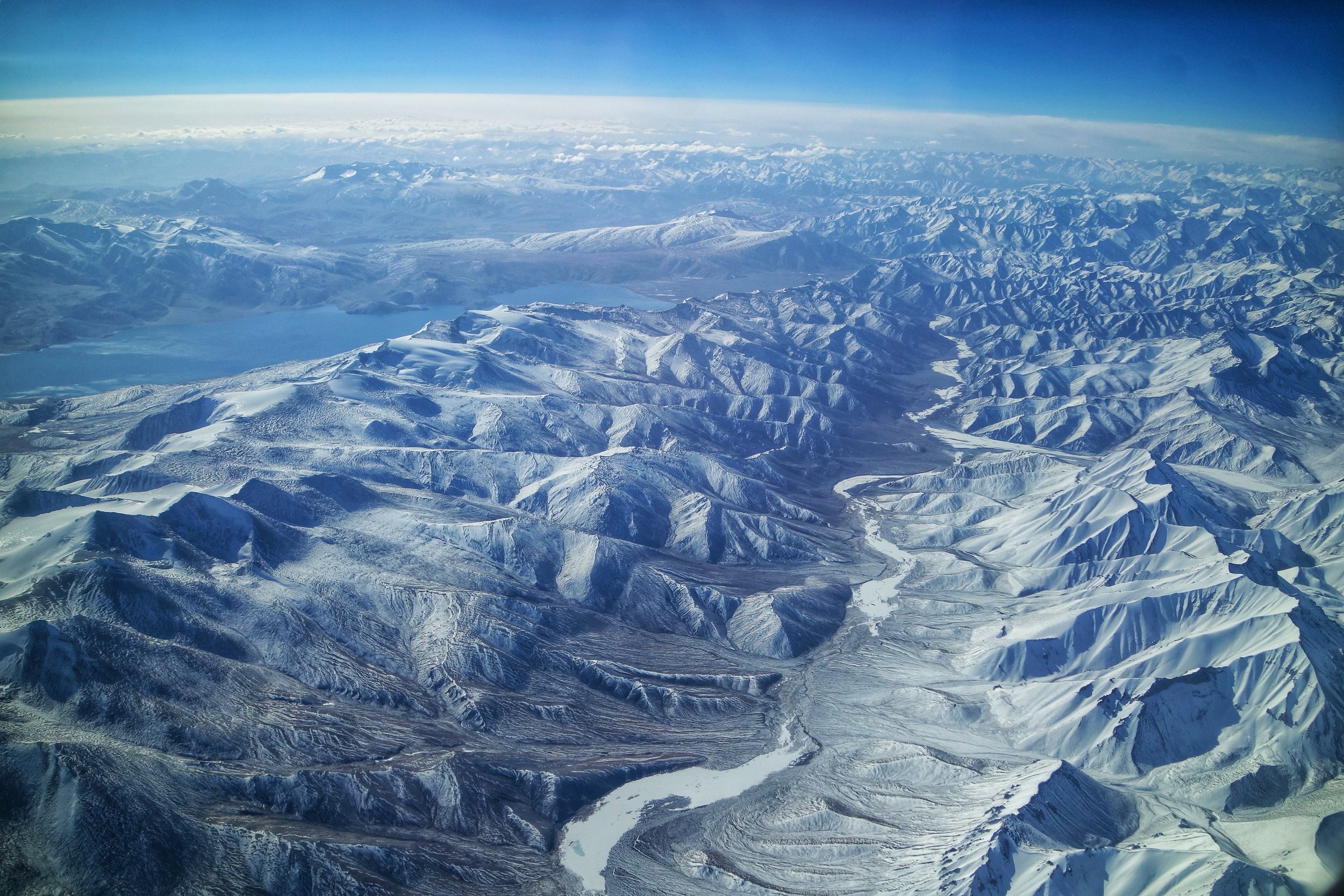
The Lakes of the Trans Himalayas : The Tso Moriri

Typical Trans Himalayan Landscape
However the Trans Himalayas dont last long as soon appearing on the horizon are Mountains ever craggier than the Great Himalayan Range. These are the what were called in Turkic language as the Black Rock Mountains and even today we use that term for them, the Karakoram, arguably the most impenetrable Range of the whole system. From the Leh flight as it starts its descent on the first view of the Karakaorams they appear even more formidable till they disappear behind the Ladakh Range and the plane lands along the Indus River.

The gently sloping Peaks of the Trans Himalayan Plateau
However if by some luck we were able to continue to fly northwards we would cross the first line of the Karakorams and come across the formidable Deosai and the Depsang with the Changthang of the Tibetan Plateau further afield on the right alongwith Changchenmo. Soon we would be flying over the mighty K2 and the Trans Karakoram Tract. But the fun doesnt end until you run into the spires of Kun Lun and the Pamirs at the point they meet and converge. Another great Mountain vista awaits you you cross another of these Great Mountain barriers which seperate the Indian sub-continent from Central Asia. And finally our imaginary flight would land at Yarkand at the edge of the Tarim Basin.

The Spires of the mighty Karakorams appearing beyond the Ladakh Range. In this case the Saser Massif.
You have just flown over the most formidable Mountain barrier on the Planet. Now think of the Men who crossed these barriers on foot. And let me know if a chill passes down your spine when I tell you their stories on a day I decide to tell that story :)

Looking in the opposite direction towards the plains we have the Zanskar Range with the Great Himalayas in the background.
Do walk the Mountains someday instead of flying or driving over them
Pic from April 2018. Delhi to Leh flight.
Kiki’s Blog
Stories from the Himalayas
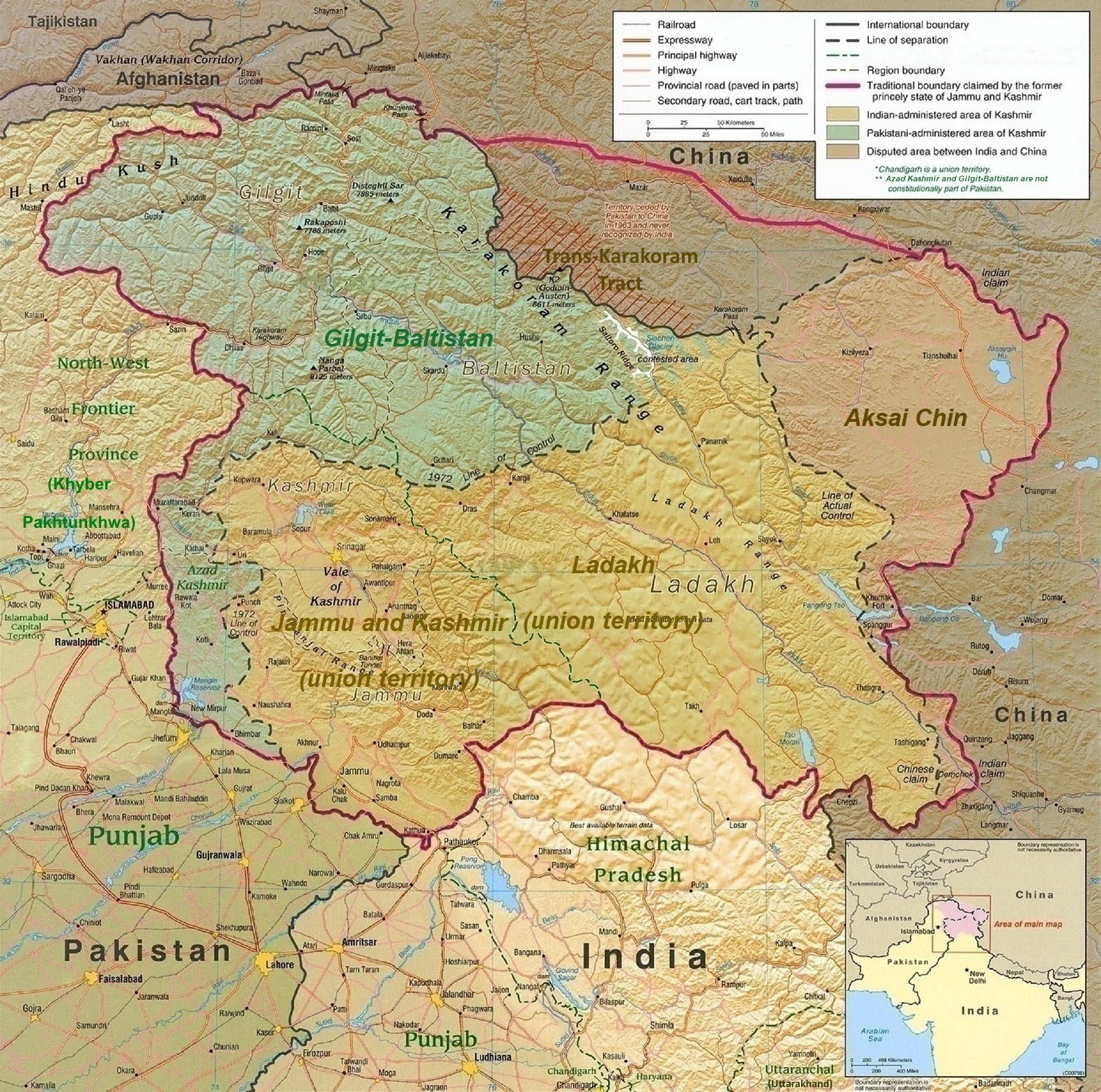



Five years ago the Galwan Valley was in the News for the wrong reasons after a deadly clash between the Indian and Chinese Armies in the Valley located in Ladakh lead to many deaths on the contentious Border between the two countries in wake of continued Chinese intrusions into Indian territory.
This area along the Shyok River, of which the Galwan Nallah or the Galwan River which forms the Galwan Valley has been off limits to Civilians since long but now the Indian Government has decided to open up the area for Civilians and we were amongst the First Civilians to venture into this beautifully desolate part of the Eastern Karakorams in Ladakh. Earlier Civilians could only venture upto the Village of Shyok from where the Shyok River takes a U turn and flows in a Northerly direction.