
The Consulate at Chini Bagh
The story of Chinni Bagh, which at once upon a time was the Consulate of the British Empire in Kashgar to facilitate the Trade between India and Central Asia and also keeping a watch on the Russians during the Great Game.
The Consulate at Chini Bagh
Many stories have been told about the Great Yarakand to Leh Trade Route which went across some of the highest Mountains in the World and over some of the most inhospitable terrains. The Trade went up considerably after the Maharaja of Jammu and Kashmir and the British started to encourage the Trade in a big way and the so called Treaty Road was established. Those were the days of the Great Game and Trade was a perfect way for the British to compete with Russia over influence in Central Asia.
For facilitating the same the British had set up a Consulate in Kashgar which was on the Yarkand Leh trail and the first big city (If you could call it that) once you got over the Mountain wilderness in Central Asia. The Consulate for some reasons was called the Chini Bagh.Of course the Russians also had a Consulate in the same City. And the Russian and the British Consulates and the officials were constantly engaged in a games of one upmanship in order to gain favour with the Turkestanis as well as the Chinese who were nominally in control of the Region.
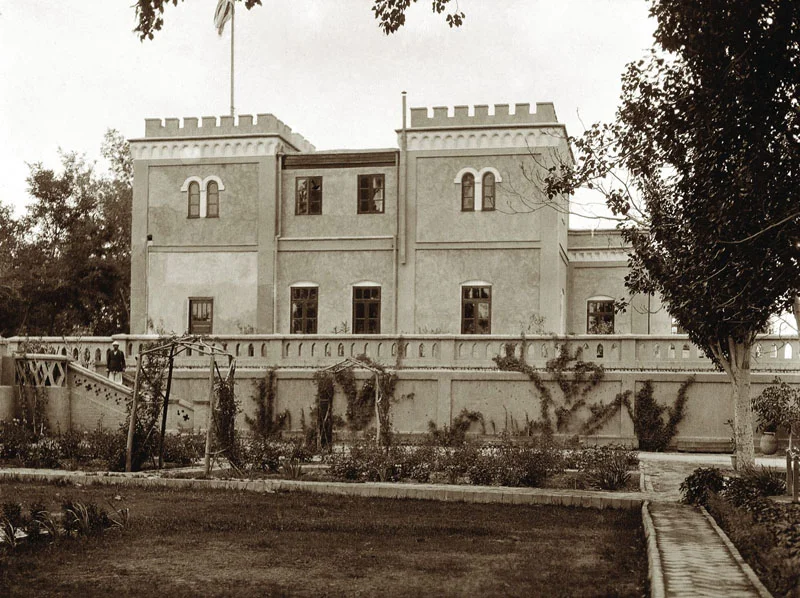
The Chinni Bagh Consulate
A some of you must be aware that most of the Trading from the Indian side was done by the industrious Punjabi traders from Hoshiarpur, many of whom were based in Leh and Kargil for doing this Trade. Initially they used to only stay there during the Summers when the Trade was maximum and used to go down to the plains of the Punjab in the Winters. But with time many of them settled there permanently.
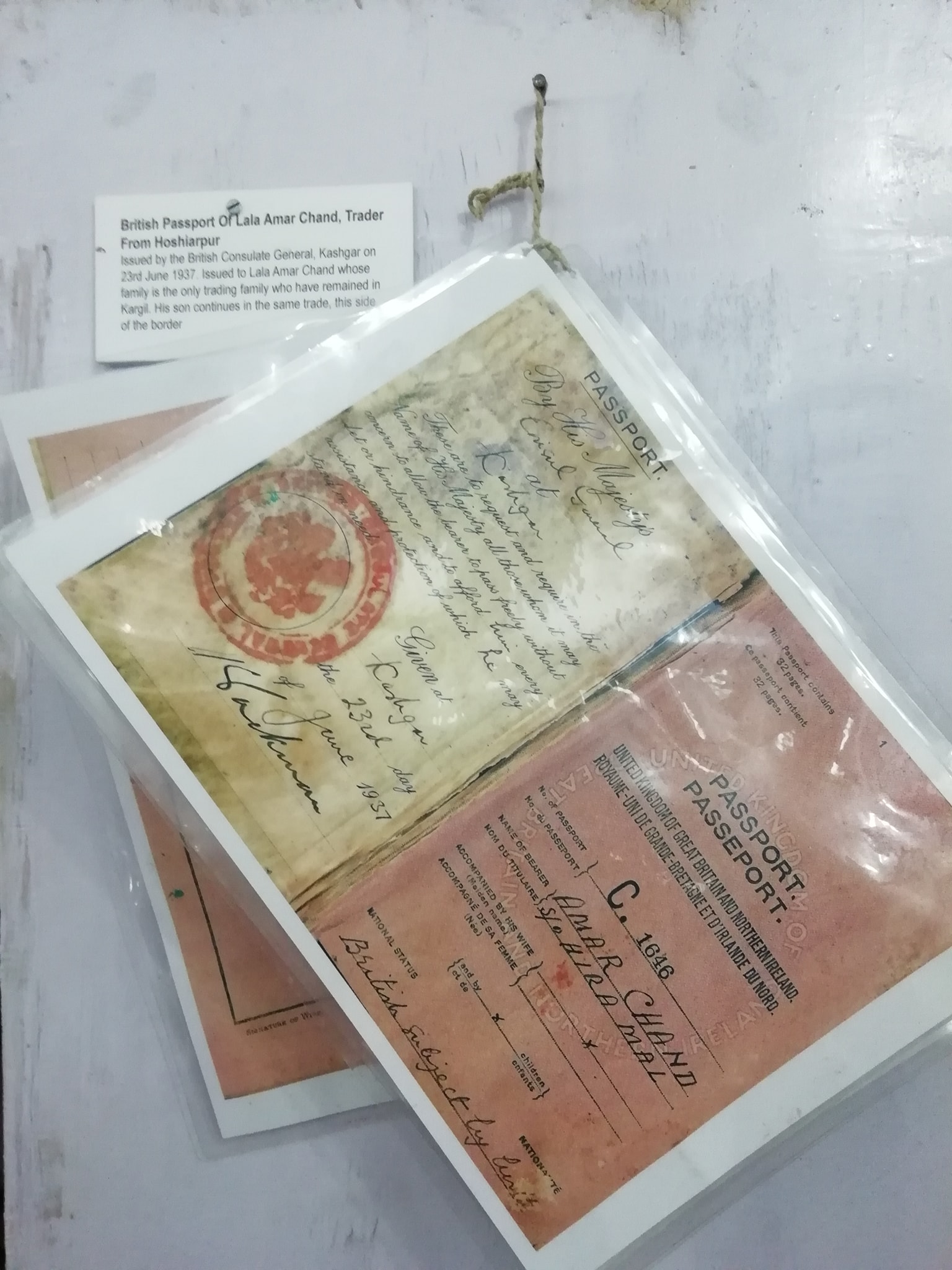
Presenting a British Passport issued to a Hoshiarpuri trader from Kargil, Shri Amar Chandji who was one of the big traders involved in this trade. And this Passport was issued at the British Consulate at Chini Bagh on June 1937 and he was referred to as a British Citizen by birth as I assume all Indians would be at the time the subcontinent was colonised by the Britishers. Amazingly enough it was Amar Chandji’s family which still lives and trades in Kargil. They are the only remaining Hoshiarpuri family living in Kargil as most of the Traders left when the Trade ended abruptly in the early 1950’s. There is still a sign in the main Market saying Amar Chand Diwan Chand Traders and they have a prominent shop in the Kargil Bazaar where Amar Chandji’s son still looks at business. I had the pleasure of having Tea with him at his shop and I was accompanied by a friend, whose family was also originally from Hoshiarpur, but settled since long in the Kulu Valley and presently cultivating Apples in the Raison area. And of course within a couple of minutes the Hoshirapuri’s from Kulu and Kargil established that they were related also through some complicated family history. The World is indeed a small place.
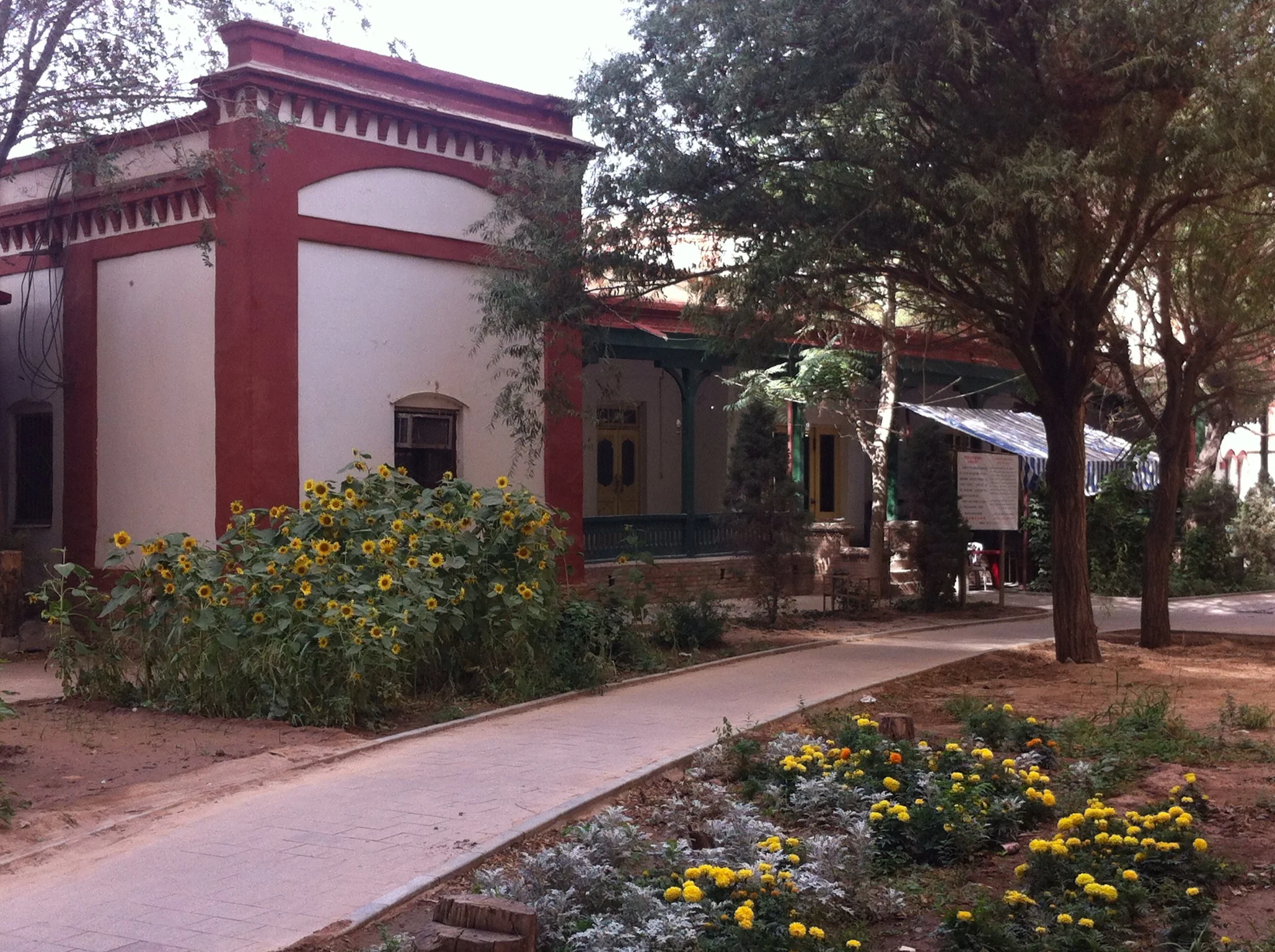
Chini Bagh as it exists today. Pic credit flashme.wordpress.com
Moving on back to the Consulate. It continued as the British Consulate till 1947 when the British decided to grant Independence to India. With the British gone the Consulate was renamed as the India Pakistan Consulate. Yes India Pakistan Consulate and it was like a joint Consulate. And things went on for a couple of years till as per now declassified CIA report things started happening and the Communist Revolution started making its presence felt. As a result the Consulate Generals of Pakistan and India were shut in 1949. It needs to be noted that Trade even at this time was on at full swing and not affected by this development. And it seems that the Indian Consulate officials continued to work well into 1950 when one fine day they decided to leave. The Consulate Incharge at that time was Capt.Sathe (he later became the Indian Ambassador to China) and all of the Indians had to leave via the most dangerous Route ie over the Karakoram Pass into Ladakh. Even the American Deputy Consulate Head took the same Route to Ladakh and the onto Srinagar and thence to Delhi from where they flew back to the US.
So why did the Consulates close or were ordered to close. Well its a complicated different story and maybe it will be told here some day. To put it simply the Communists were not very trusting of foreigners especially in a frontier Region inhabited by Uighurs who were themselves not very fond of the Chinese.
The Great Game had long ended and the Cold War had started and one of its sad legacy was the closing of my beloved “Worst Trade Route in the World”.
As for the Passport it lies in the Munshi Aziz Bhatt Museum in Kargil, a little distance from where the son of Sh. Amar Chand runs his business establishment.
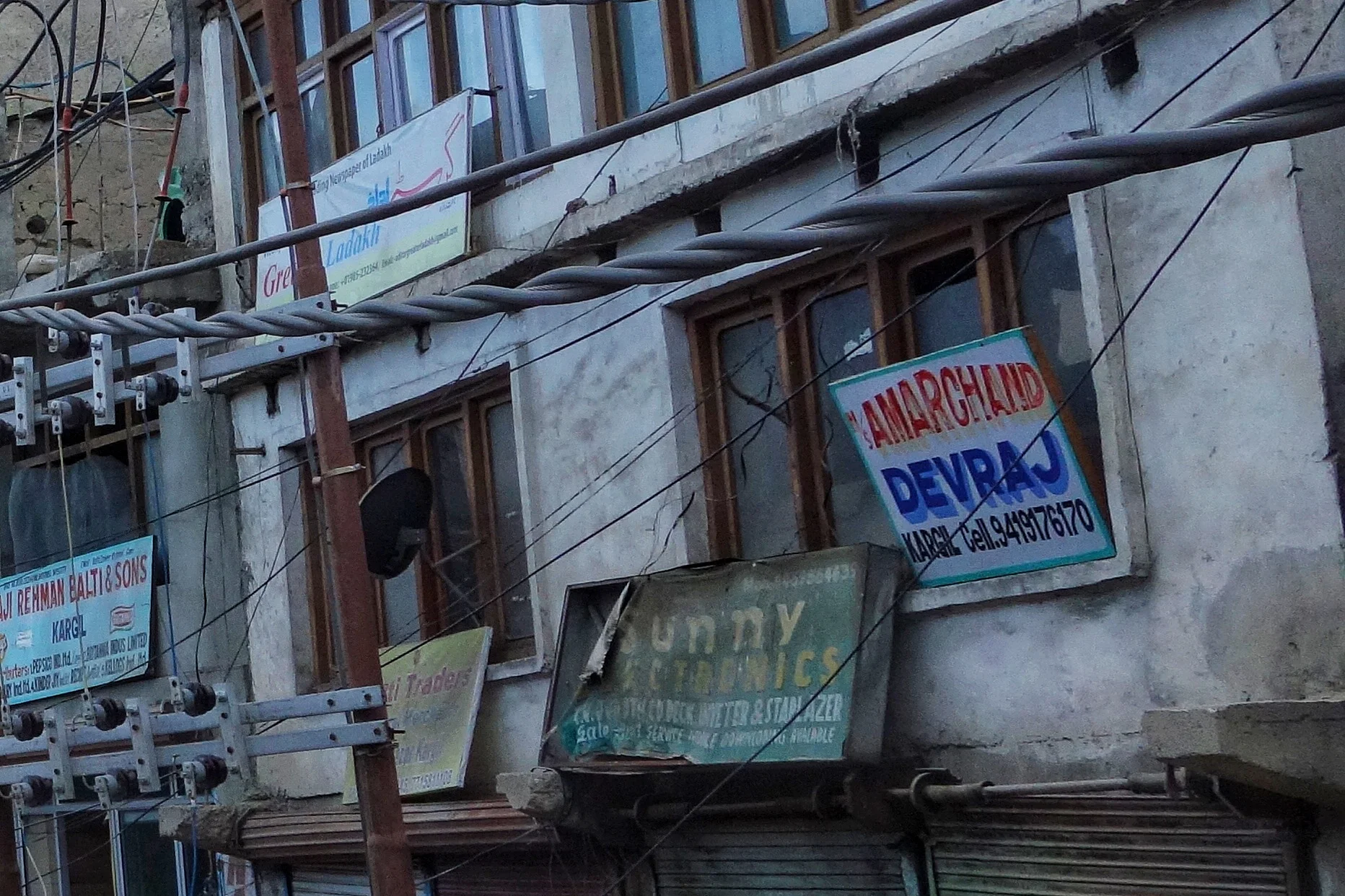
And business is still being carried out in the name of Sh.Amar Chand in the Kargil Bazaar.
Pic from May 2018. Kargil, Ladakh
Saddles of the Horse Empires
The Horse and its Saddle were the main means of transport and one of the most important weapons in Warfare especially on the Central Asian steppes. No wonder the Empires built by the Nomads of Asian Steppes including the one built by Mongols under Changez Khan were also known as Horse Empires.

Central Asian Wooden Saddle.
The Saddles of the Horse Empires
I have already told you the story of the Munshi Aziz Bhat Museum. Of course like all Museums it holds so many Items and so many stories attached to them. Like a small cannon that belonged to General Zorawar Singh himself, Horse Bells gifted by the Raja of Kharmang to Munshi Aziz Bhatt, old Korans from the 16th Century and even a Rug made for one Shyam Lal who was a secretary to Alexander Burnes.
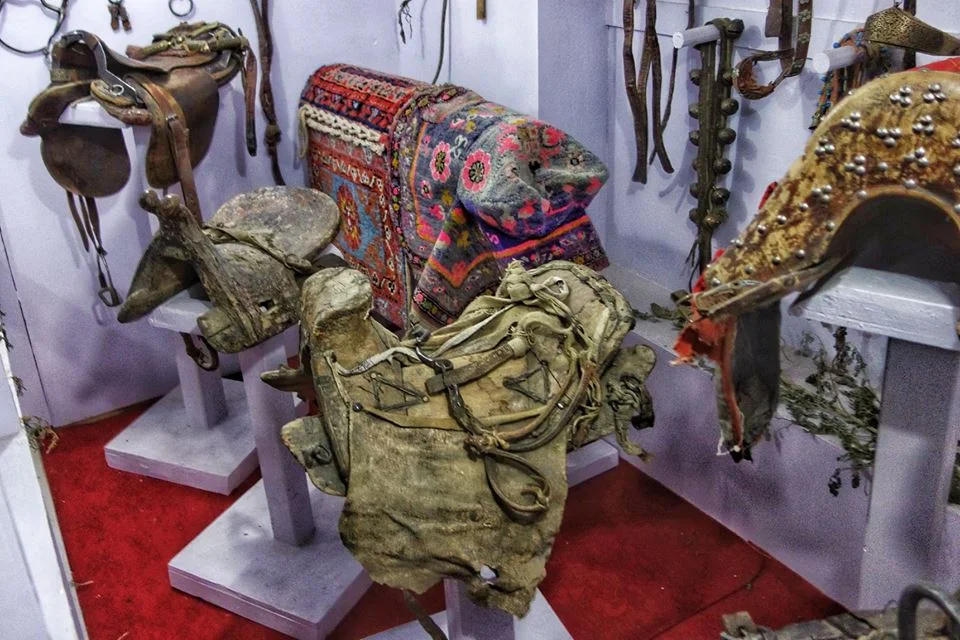
Saddles Central Asia at the Mushi Aziz Bhat Museum
One of the most significant and important set of items on display is a collection of Saddles and Horse riding items from Central Asia, Tibet and even a Saddle of the mighty Mongols themselves. Of course these items carry little significance but in those days before the Internal Combustion engine came around the Horse was the means of transport and one of the most important weapons in Warfare especially on the Central Asian steppes. No wonder the Empires built by the Nomads of Asian Steppes including the one built by Mongols under Changez Khan were also known as Horse Empires. The tenacity of the Central Asian Horse and its amazing stamina and resilience made it one of the main factor in the conquest of the “civilized” world by these so called “Barbarians” who came in from the North riding their Horses. In fact Historians have credited the Horse as being the strongest strength of the largest contiguous Empire the world has ever seen, the Mongol Empire.
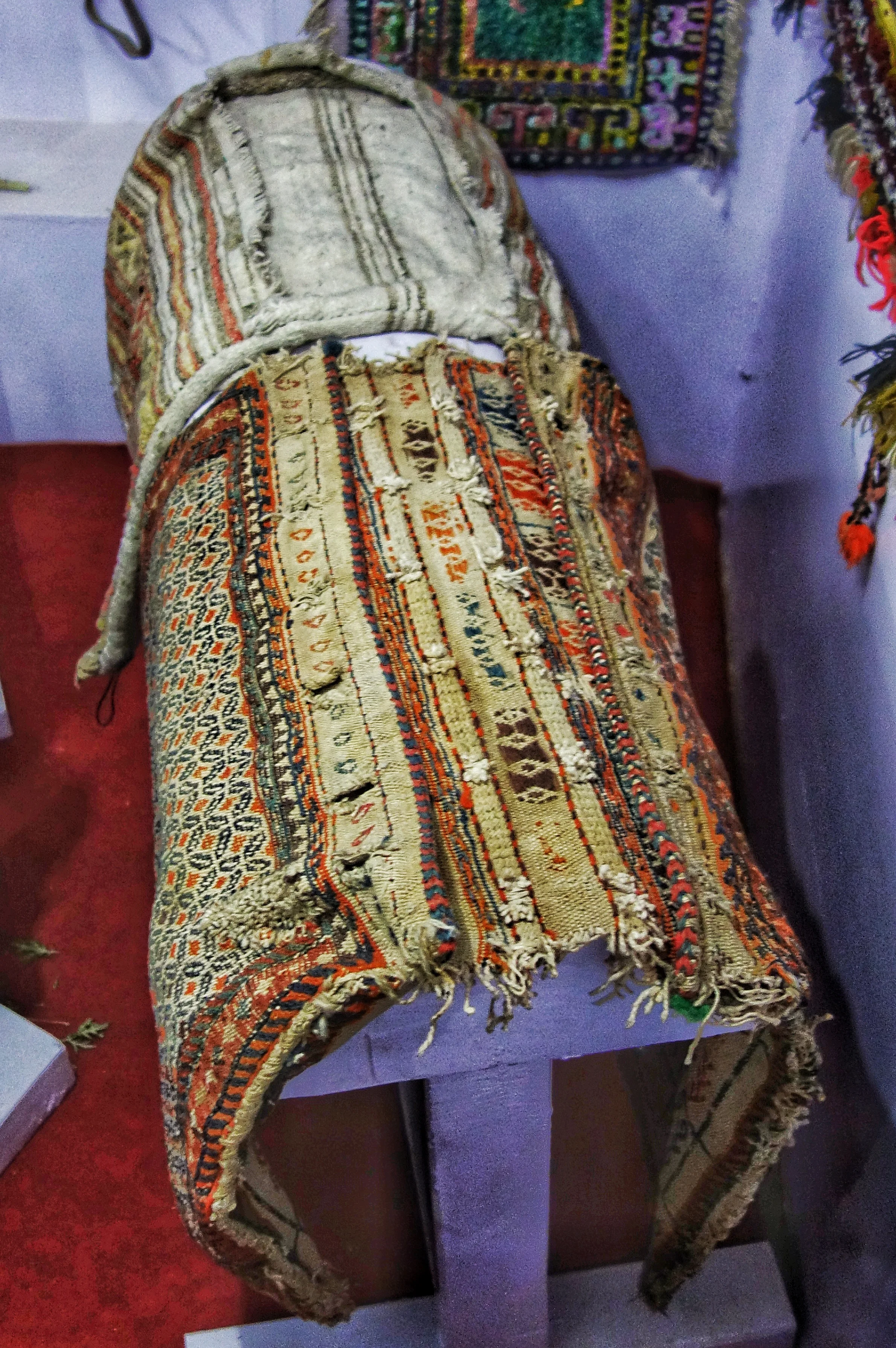
Tibetan Saddle
The Central Asian people from the Mongols to the Turkic people of the Central Asia like the Kyrgyz, Uzbek, Kazakh to the Persian Tajiks all revered the Horse and they were their most valued possessions. And of course one of most important Item required to ride a Horse was the Saddle of course and all other attached paraphernalia like the Stirrups and decorative ornaments and stuff for the Horses.
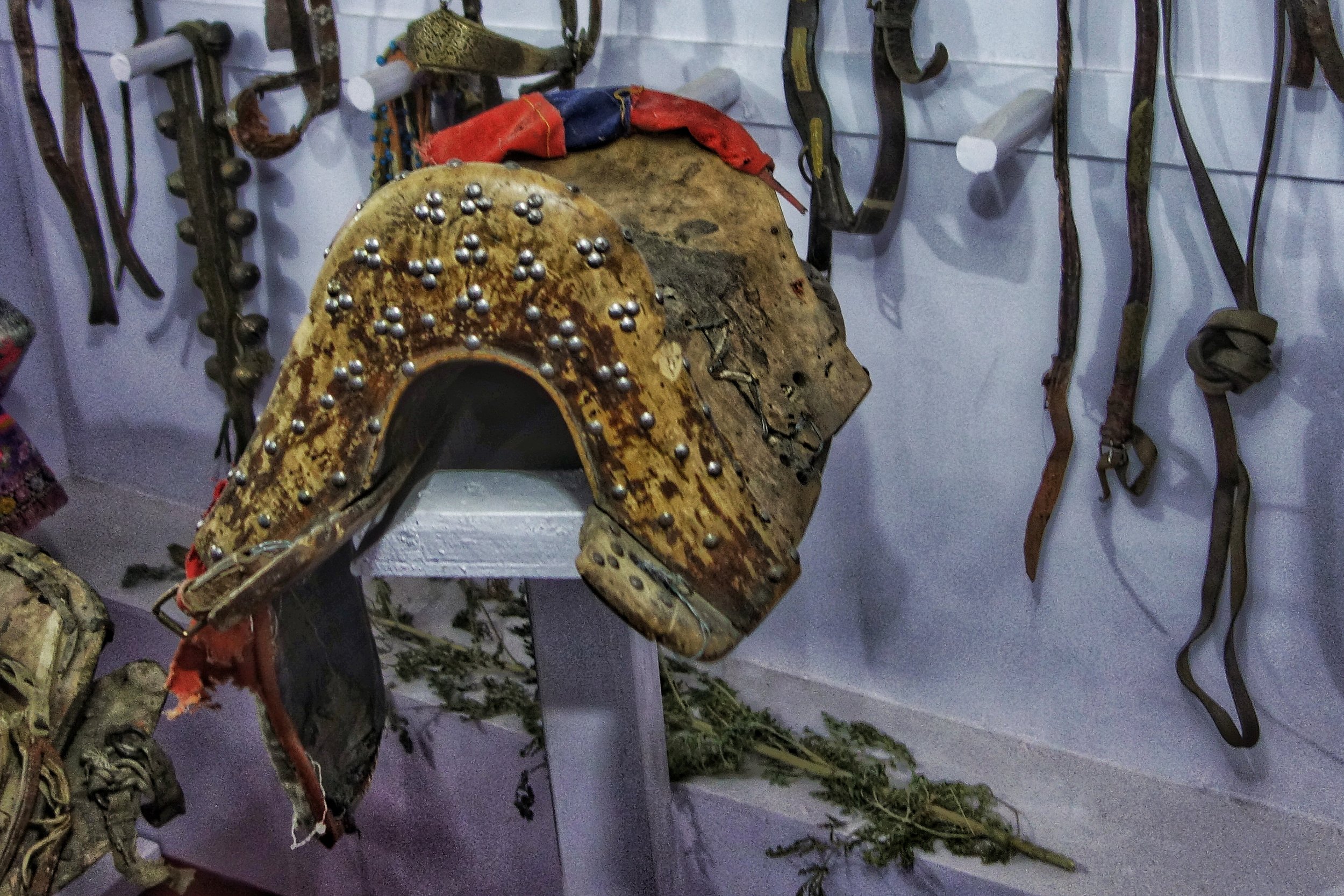
Kirgiz Saddle
The display at the Museum has a great collection of these items as mentioned earlier. There are Saddles from Kyrgyz, the Uzbek, the Tibetans, even an English saddle and the most decorative being a Mongol Saddle. These Saddles are the same design that have come down from Millennia and not much has changed as far as the Saddles and their designs are meant. The fact that there is a great possibility that the Great Khan himself rode a similar Saddle when he subjugated the World is of course quite an overwhelming though.
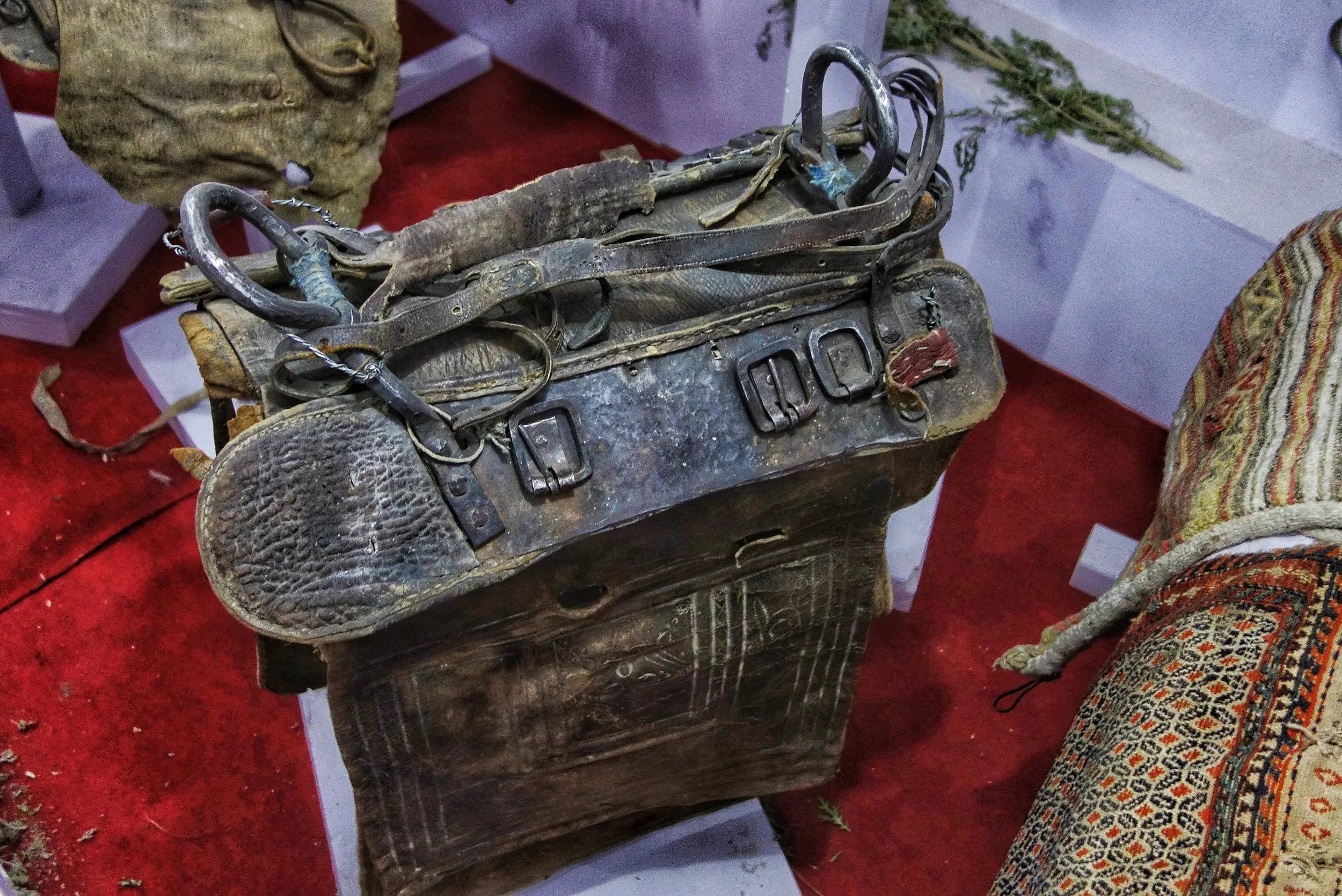
English Saddle
Of course the Horse Saddles were important items of Trade on the Kashmir to Yarkand Silk Route Trail. I would assume that Horse Saddles from Central Asia were in demand on this side of the Great Mountain Wall. And the Central Asians were more sophisticated at this though the Europeans in the later ear were turning out good Saddles as well. One of the main difference was that Central Asian Saddles were made of Wood and Leather and were highly decorated reflecting the status of the Person riding that Saddle. European Saddles made of Leather and Metal were more work like and devoid of any decorative element.
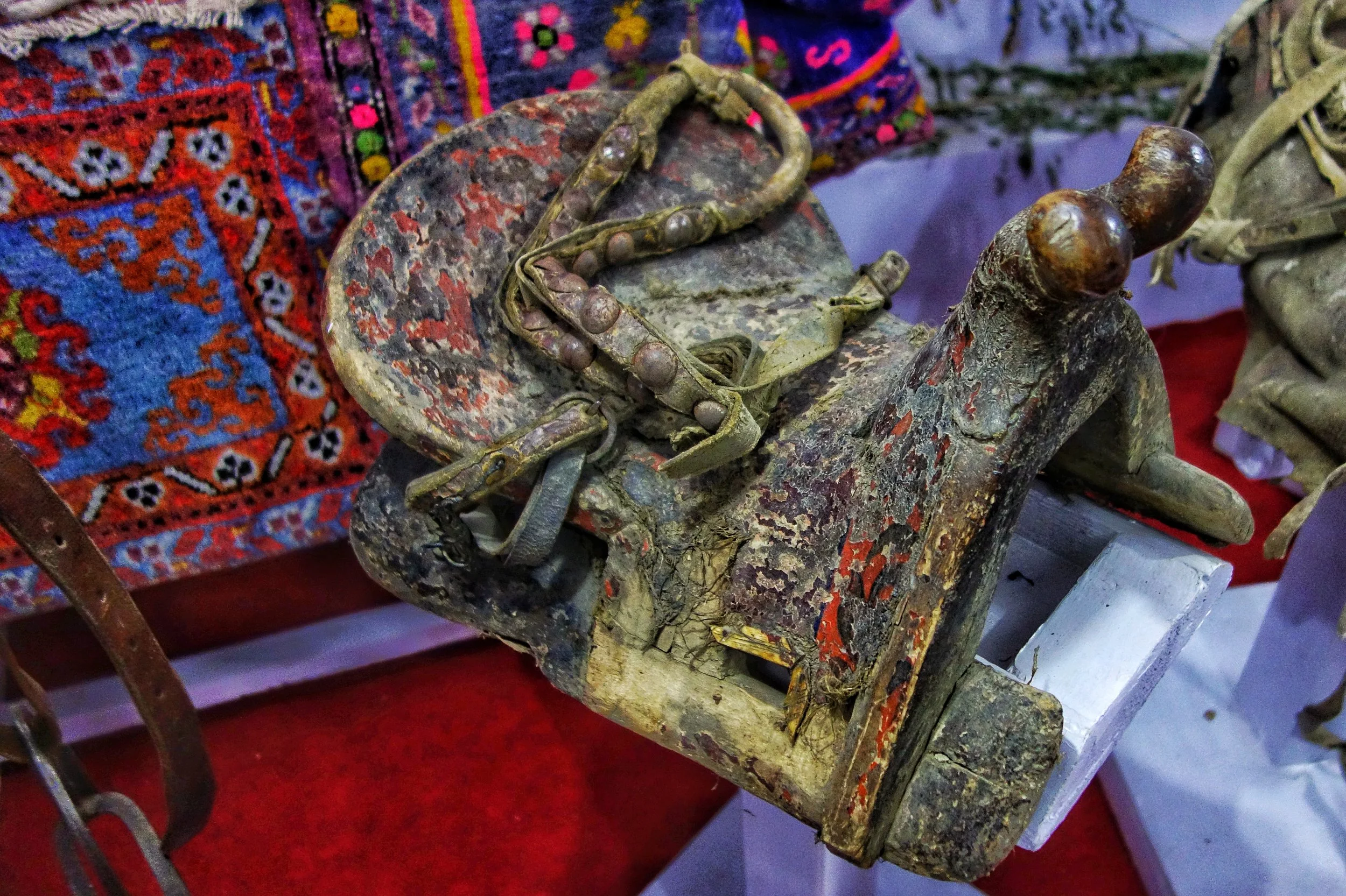
Mongol Saddle
In the pic below a few of the Saddles in the Museums collection are shown. The one on the right with Metal Studs is a Kyrgyz saddle from the 18th Century. The one in front is an Uyghur saddle from Eastern Turkestan. The one with a Carpet like covering is a Tibetan Saddle. The one next to it is the most prized one : A Mongol Saddle with a lot of decorations which sadly have deteriorated over time. And last but not the least an English Saddle in Leather and Metal.
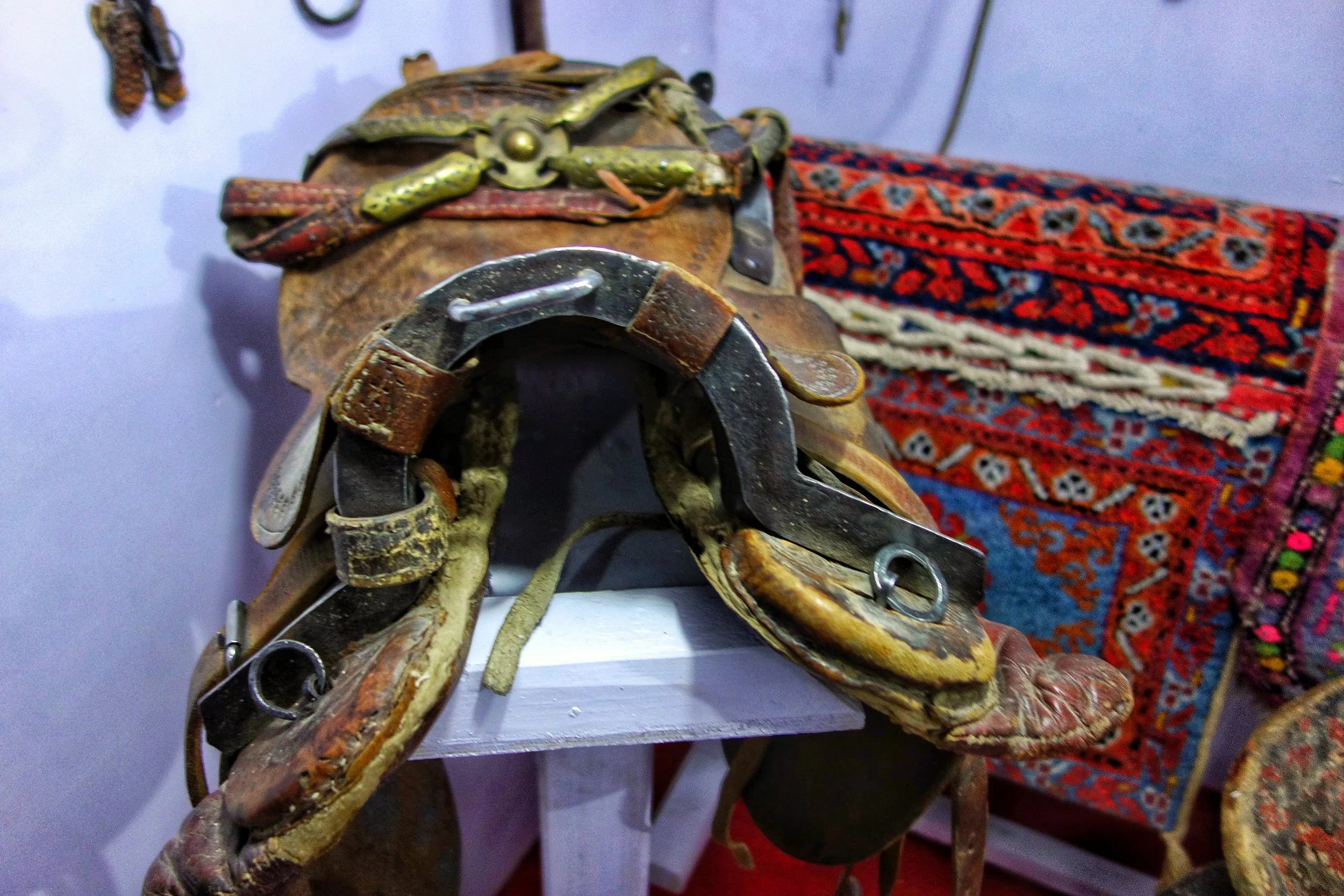
European Saddle
The fact that people sat on these Saddles while crossing the Great Wall as I call it consisting of the Kun Luns, the Pamirs, the Hindu Kush, the Karakorams and finally the Great Himalayas themselves again gives one a sense of awe of the great Tradesmen and Soldiers who crossed this most formidable barrier for Trade and War. And their most faithful companion in both case was none other than the Horse.
Kiki’s Blog
Stories from the Himalayas
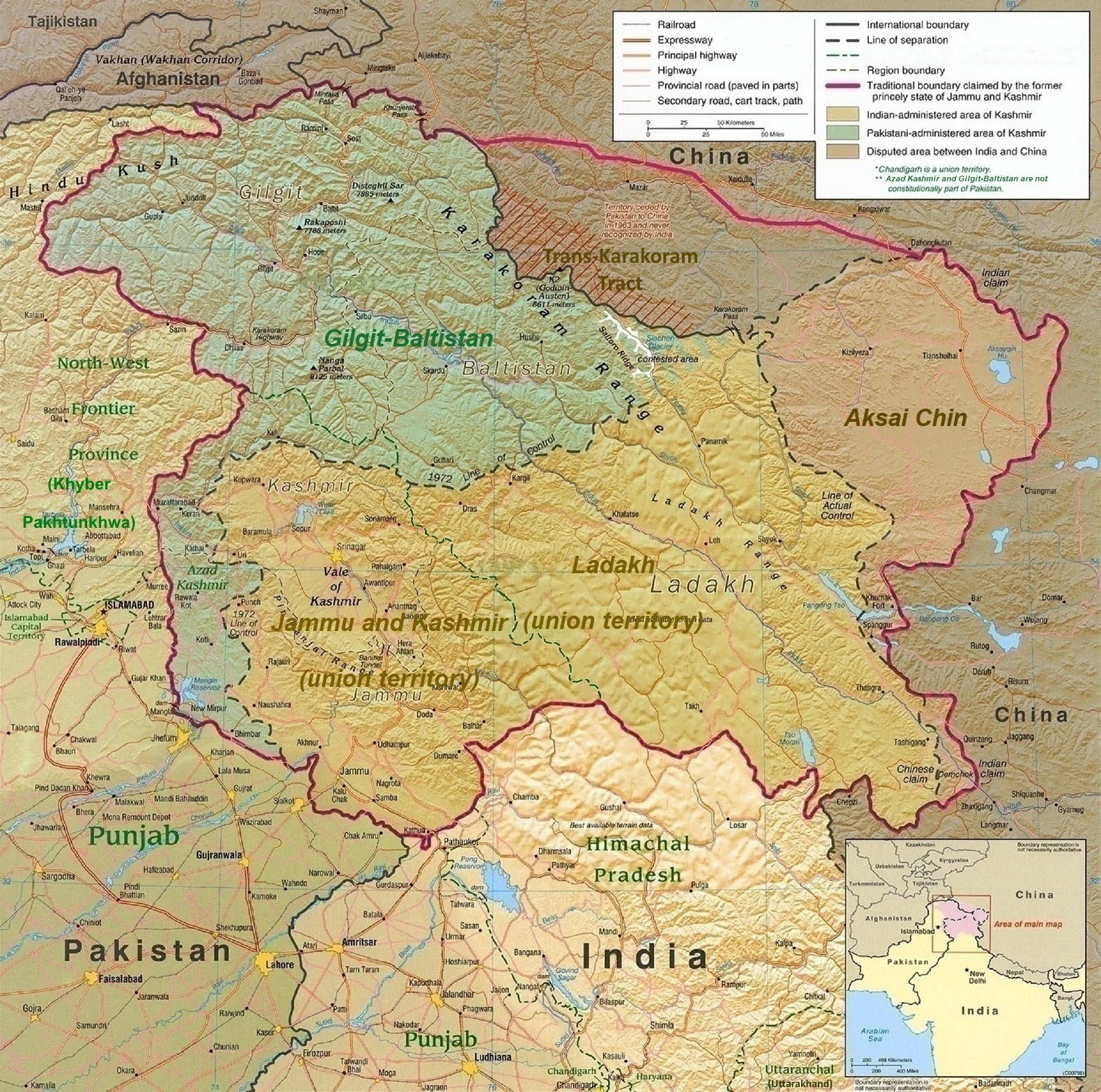



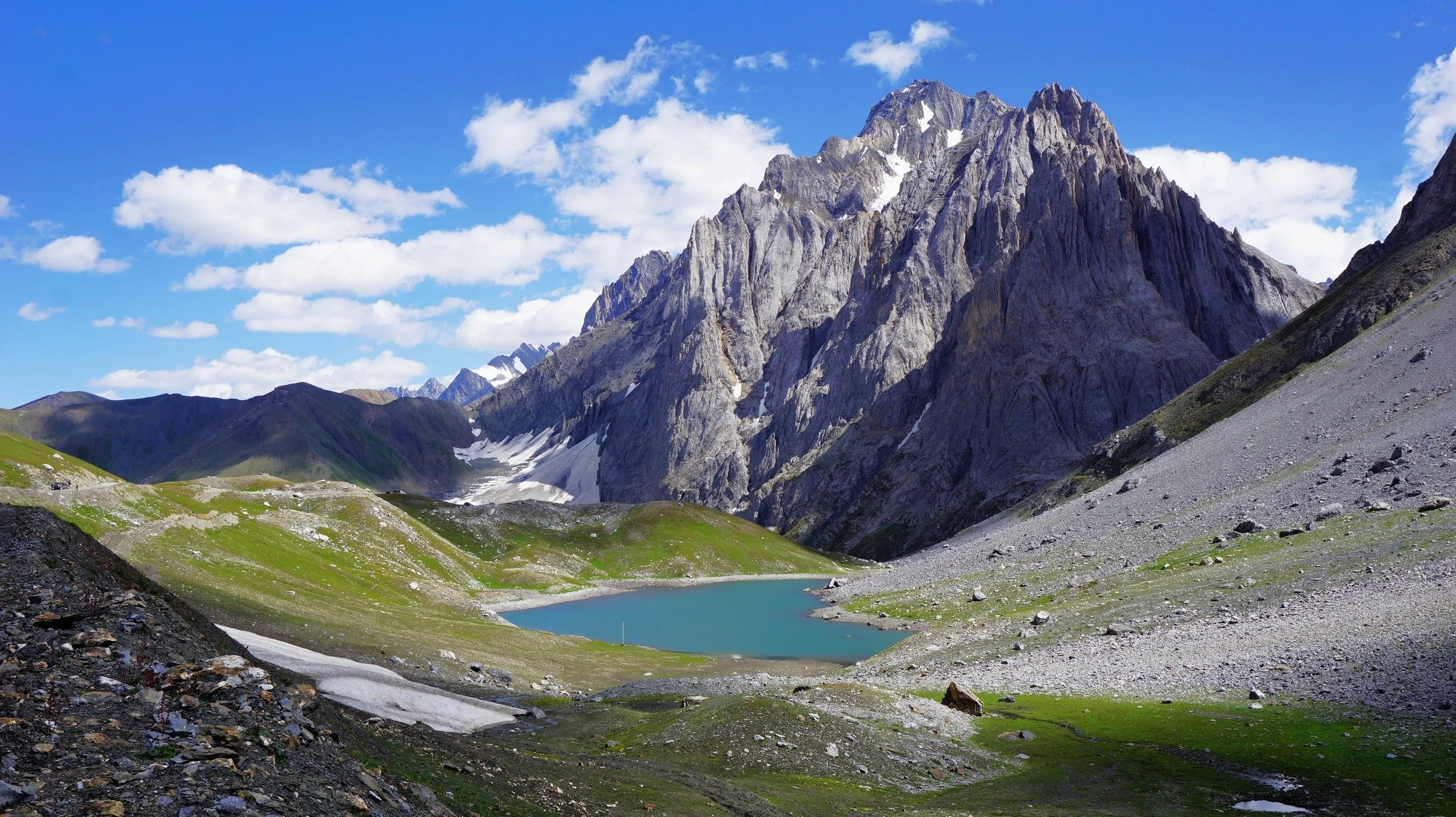
Five years ago the Galwan Valley was in the News for the wrong reasons after a deadly clash between the Indian and Chinese Armies in the Valley located in Ladakh lead to many deaths on the contentious Border between the two countries in wake of continued Chinese intrusions into Indian territory.
This area along the Shyok River, of which the Galwan Nallah or the Galwan River which forms the Galwan Valley has been off limits to Civilians since long but now the Indian Government has decided to open up the area for Civilians and we were amongst the First Civilians to venture into this beautifully desolate part of the Eastern Karakorams in Ladakh. Earlier Civilians could only venture upto the Village of Shyok from where the Shyok River takes a U turn and flows in a Northerly direction.