
Gurez to Drass
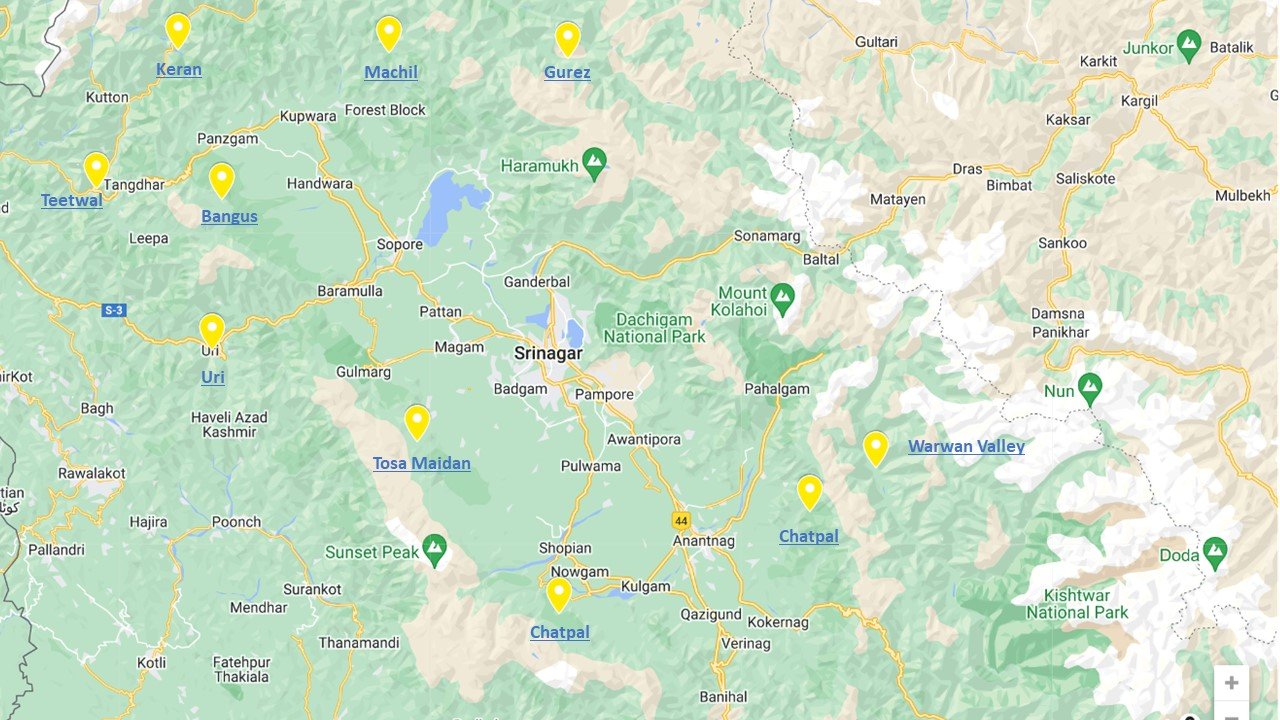
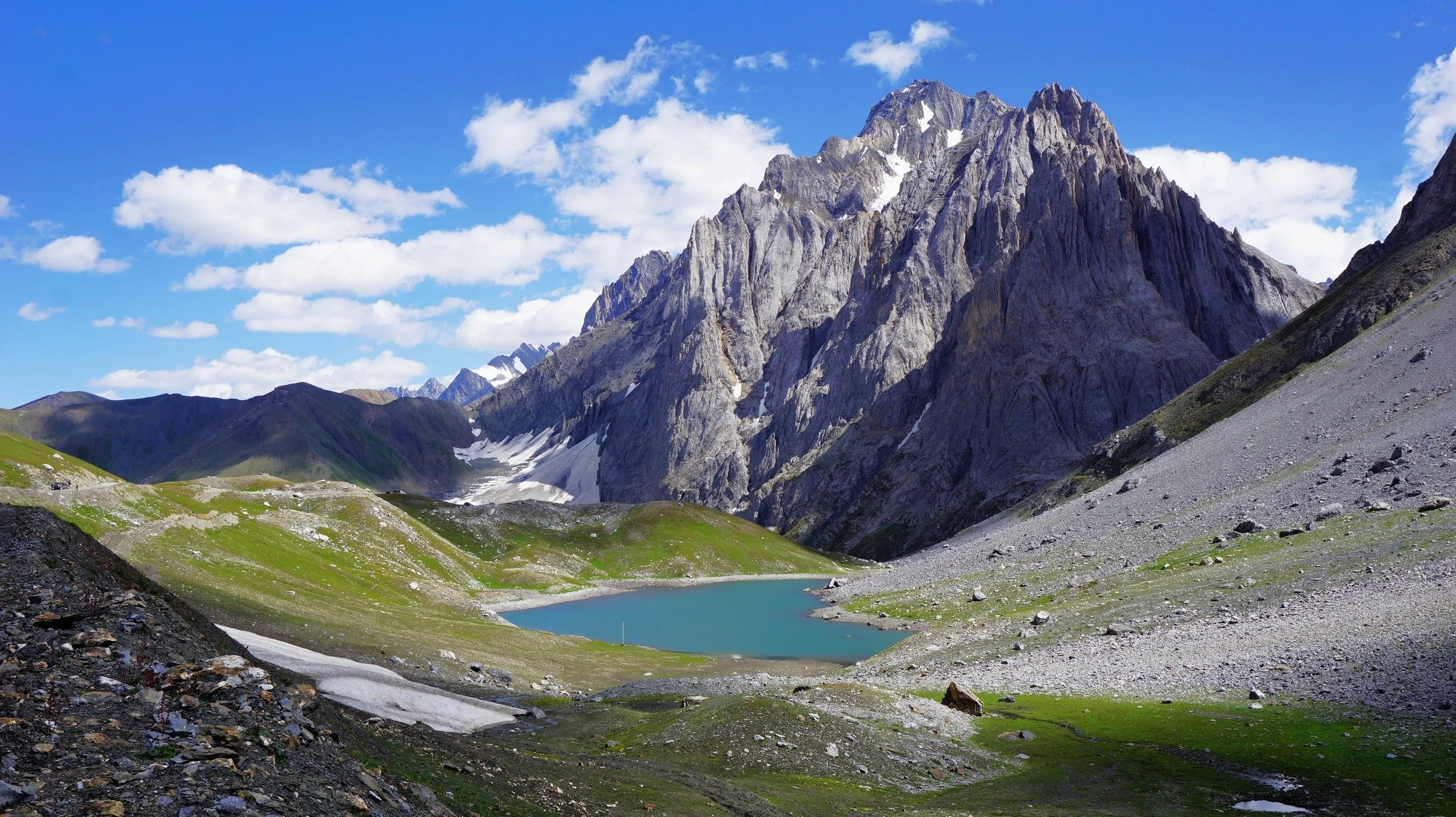
A Road which connects Gurez to Drass via the Kaobal Gali. This provides an alternate Route from Kashmir into Ladakh via Gurez instead of the Zoji La but as of now the Road remains Off limits for Civilians and only Military Vehicles are allowed. Presenting some exclusive pics of this beautiful Road and hoping one day its opened for normal Civilian traffic.

Gurez to Drass Road
The Road from Gurez to Drass
There happens to be Road which connects Gurez with Drass over the Kaobal Gali, offering an alternative to the Zoji La but this Road as of now is strictly Off limits for civilians and serves the Military. Here are some exclusive pics of this Road by Hashim Zargar.


Well there are Two Passes, either of which has to be crossed in order to drive down to Leh. The Zoji La from the Kashmir side or the Baralacha La from the Lahoul side to get into Ladakh.

Actually there is a third one as well. Its called the Kaobal Gali, and it connects Gurez in Kashmir to Drass in via Mushkoh Valley Kargil, Ladakh and hence you bypass the Zoji La.


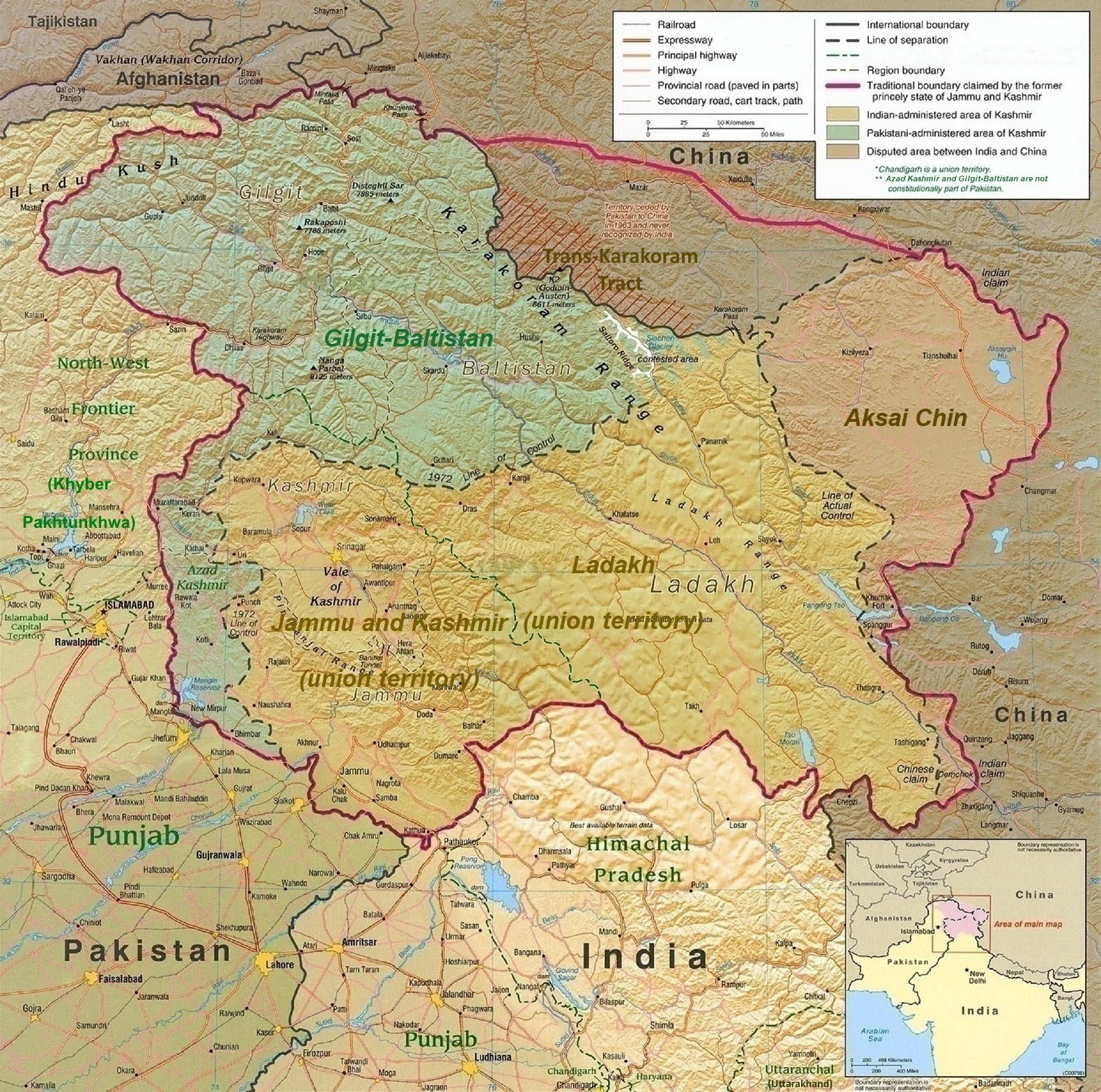
Gurez and Drass are actually close to each other if you look at them in a Map and the people also share cultural similarities in the fact that they are both Shina speaking people who came down from Gilgit centuries ago. (Thats another Tale for another time).

But as of now the Road is off limits to Civilians but hopefully it will open one day for General use.

From those who have taken this Road I hear stories of unparalleled unmatched beauty as some of you must have visited both these places and know how they are.

A glimpse of somewhere on the Gurez to Drass Road.


Drass : Hembabs / Hembaps
Drass is supposedly the “Second Coldest Inhabited Place in the World”. Do take that with a pinch of salt. Traditionally Drass was known as Hembabs with the word "Hem" meaning the same as it does in "Him" of the Himalayas. Basically a place which gets a lot of snow as this area got the most snow in the whole region.

Drass : Hembabs/ Hembaps
A Village with a great background in what used to be called "Hembabs / Hembaps" now known as Drass. This was on the way to Umba La which connects Drass to the Suru Valley at Sankoo.
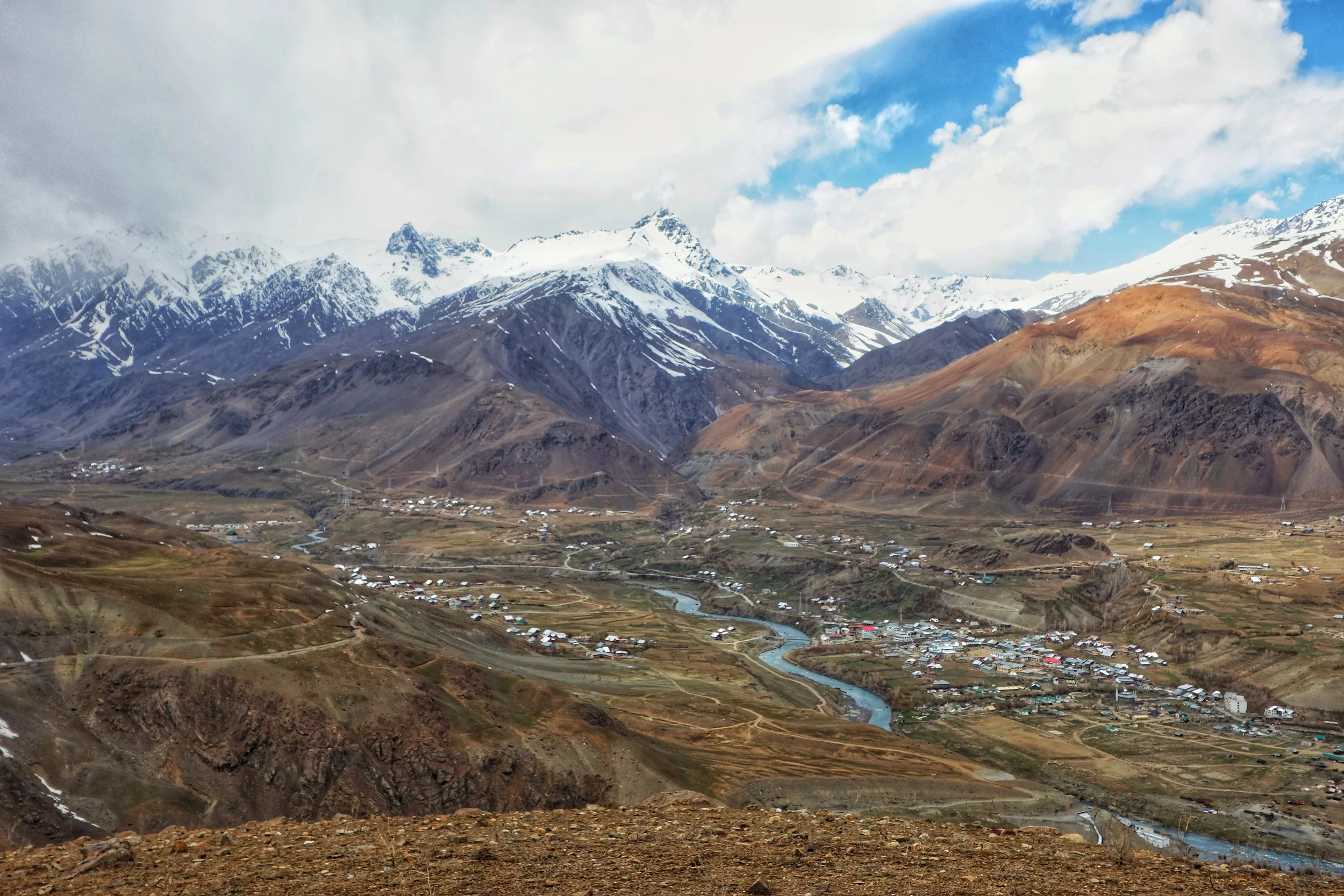
A view of the Drass Valley from the Rpad to the Umba La Pass. In the background you can see the famous Tiger Hill
Besides being famous for being "The Second Coldest Inhabited Place in the World" (I often wonder where they came up with this stupidity ; it could well be the coldest inhabited place in India, which I would agree with) it also holds a unique place in the Geographically of Ladakh. Traditionally Drass was known as Hembabs with the word "Hem" meaning the same as it does in "Him" of the Himalayas. Basically a place which gets a lot of snow as this area got the most snow in the whole region.
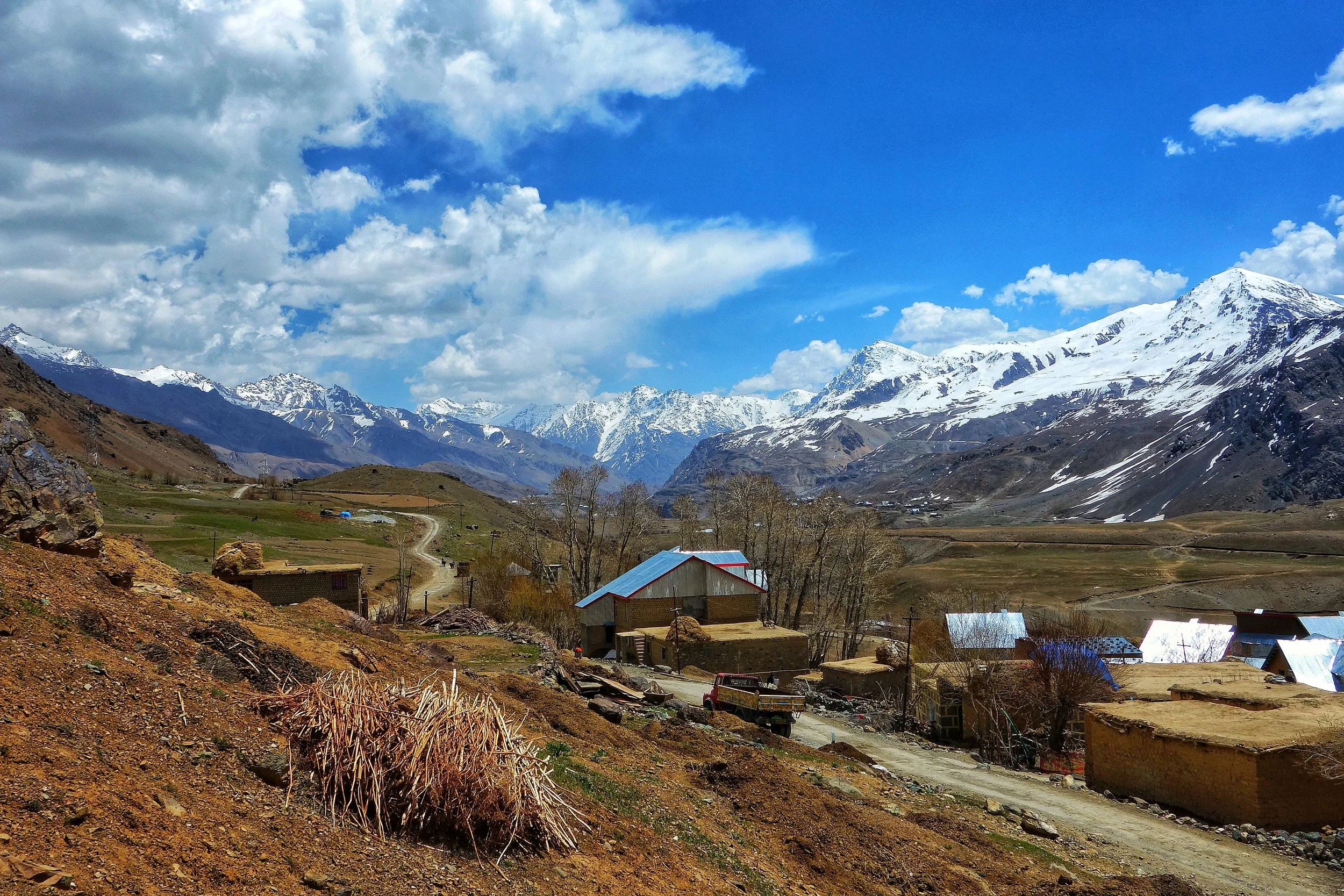
A Village in the Drass Valley
And also Hembabs is also the place with the most influence of Kacheeyul, which is the traditional Tibetan/ Ladakhi word for Kashmir. And a number of Kashmiris have traditionally come over here and settled here.
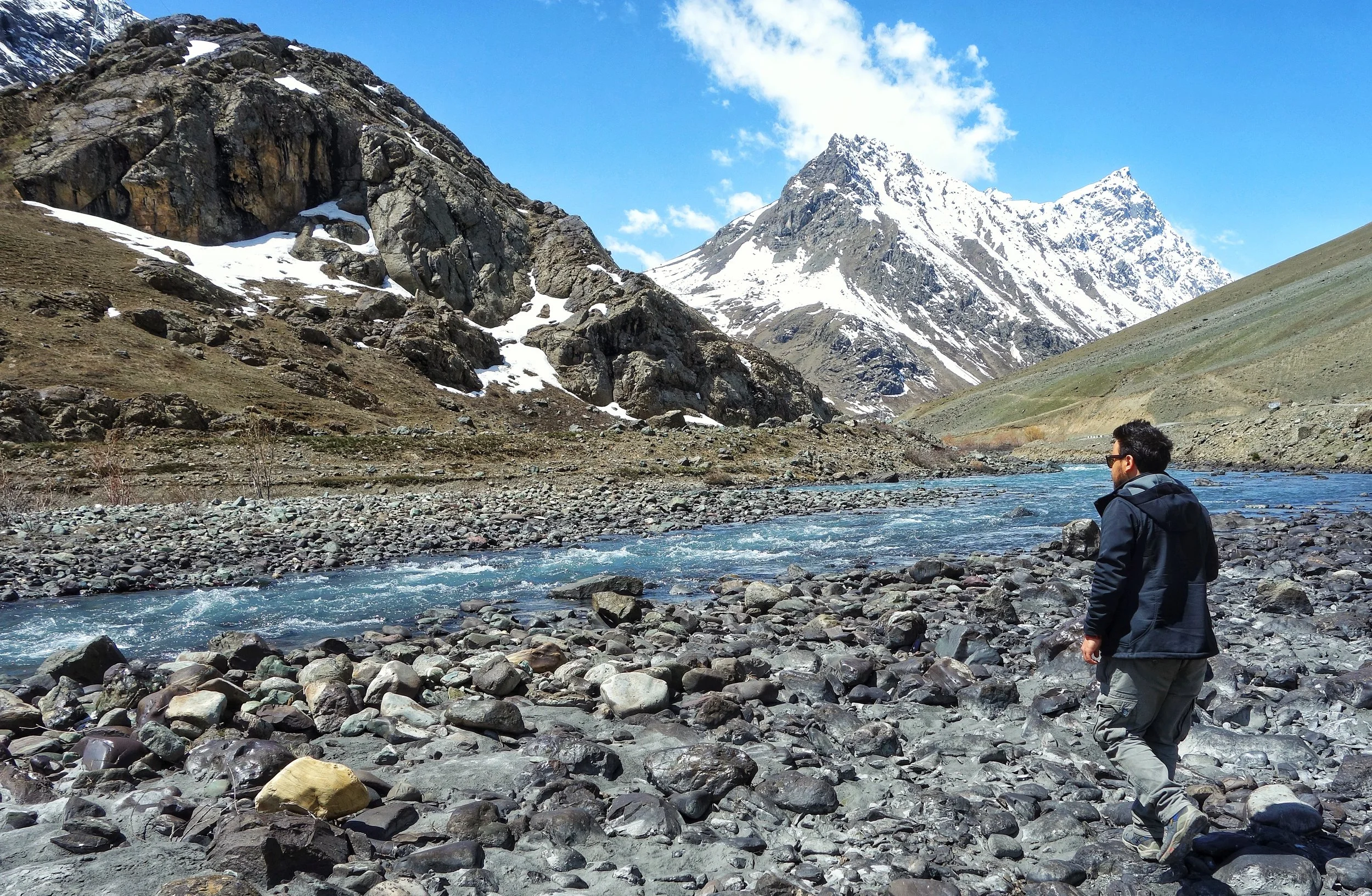
The Mushkoh River
And most interestingly the language spoken in Drass is Shina unlike the Purigi version of Balti spoken in Kargil and Suru Valley. The same language is spoken in the Gurez Valley in Kashmir as well. Shina is a one of the major languages of Gilgit Baltistan as well with 40% of the population supposedly speak Shina.
For most people this is just a cold place in way to Leh. But this place holds much more than that.
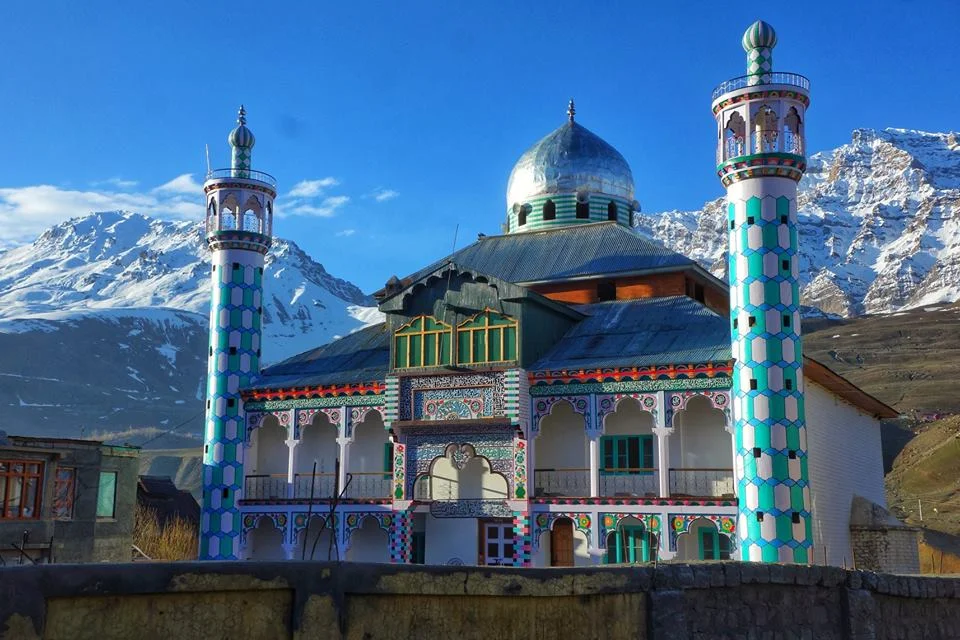
A beautiful Mosque in Drass.
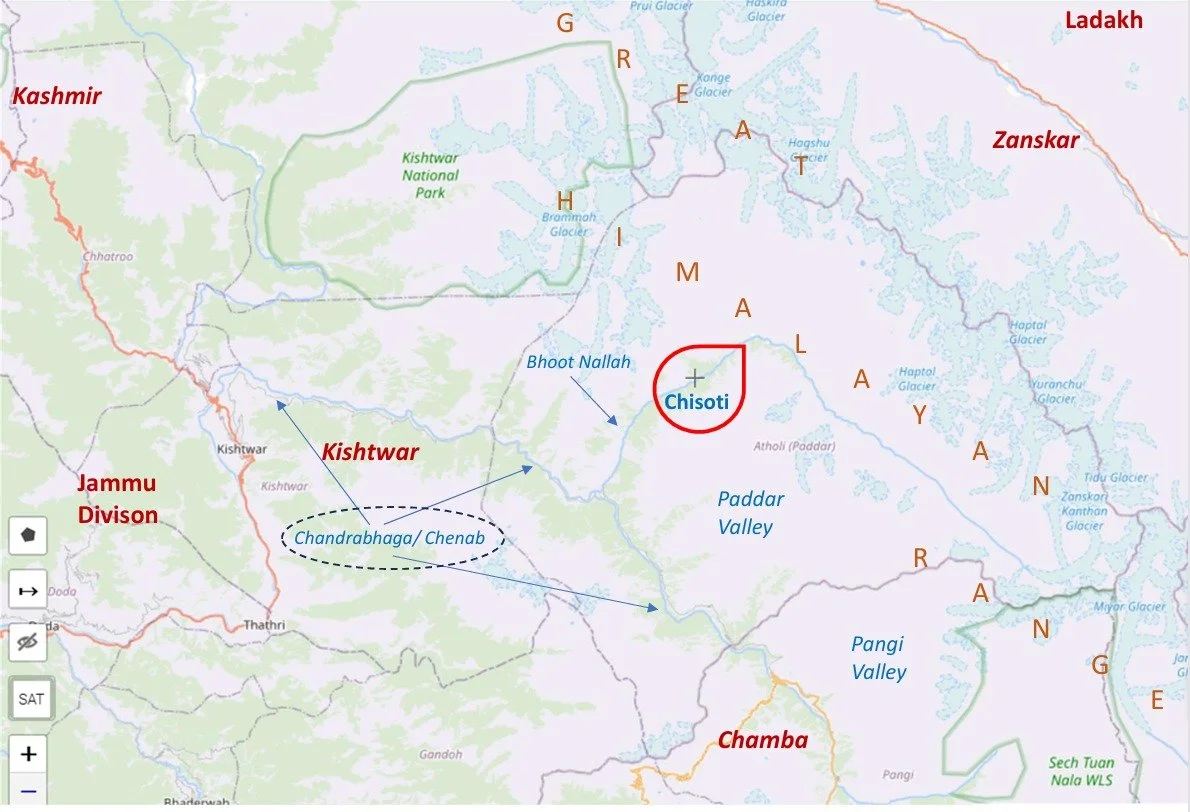
On a side Note these are the Ladakhi / Tibetan names for the regions which bordered Ladakh ( Got them from an old Map that I happen to come across ) :
Kashmir - Kachee Yul
Kulu - Nyungti
Kinnaur - Kunu
Drass - Hembaps
Marwah Warwan - Maru Wardwan
Chamba - Chamba
Kishtwar - Kishtwar
Padar - Paldar
Badarwah - Badarwar
Pangi - Panga
Bharmour - Barmaur
Lahaul - Garzha
All these places are the Cathedrals of the Himalayas and in my view one of the most intriguing Mountain geographies on the Planet. With an amazing array of ethnic, cultural, lingual, religious and societal diversities. May we all get a chance to visit these places.
Pic from April end, 2018. On the way to Umba La, Drass Sector
Kiki’s Blog
Stories from the Himalayas



Five years ago the Galwan Valley was in the News for the wrong reasons after a deadly clash between the Indian and Chinese Armies in the Valley located in Ladakh lead to many deaths on the contentious Border between the two countries in wake of continued Chinese intrusions into Indian territory.
This area along the Shyok River, of which the Galwan Nallah or the Galwan River which forms the Galwan Valley has been off limits to Civilians since long but now the Indian Government has decided to open up the area for Civilians and we were amongst the First Civilians to venture into this beautifully desolate part of the Eastern Karakorams in Ladakh. Earlier Civilians could only venture upto the Village of Shyok from where the Shyok River takes a U turn and flows in a Northerly direction.