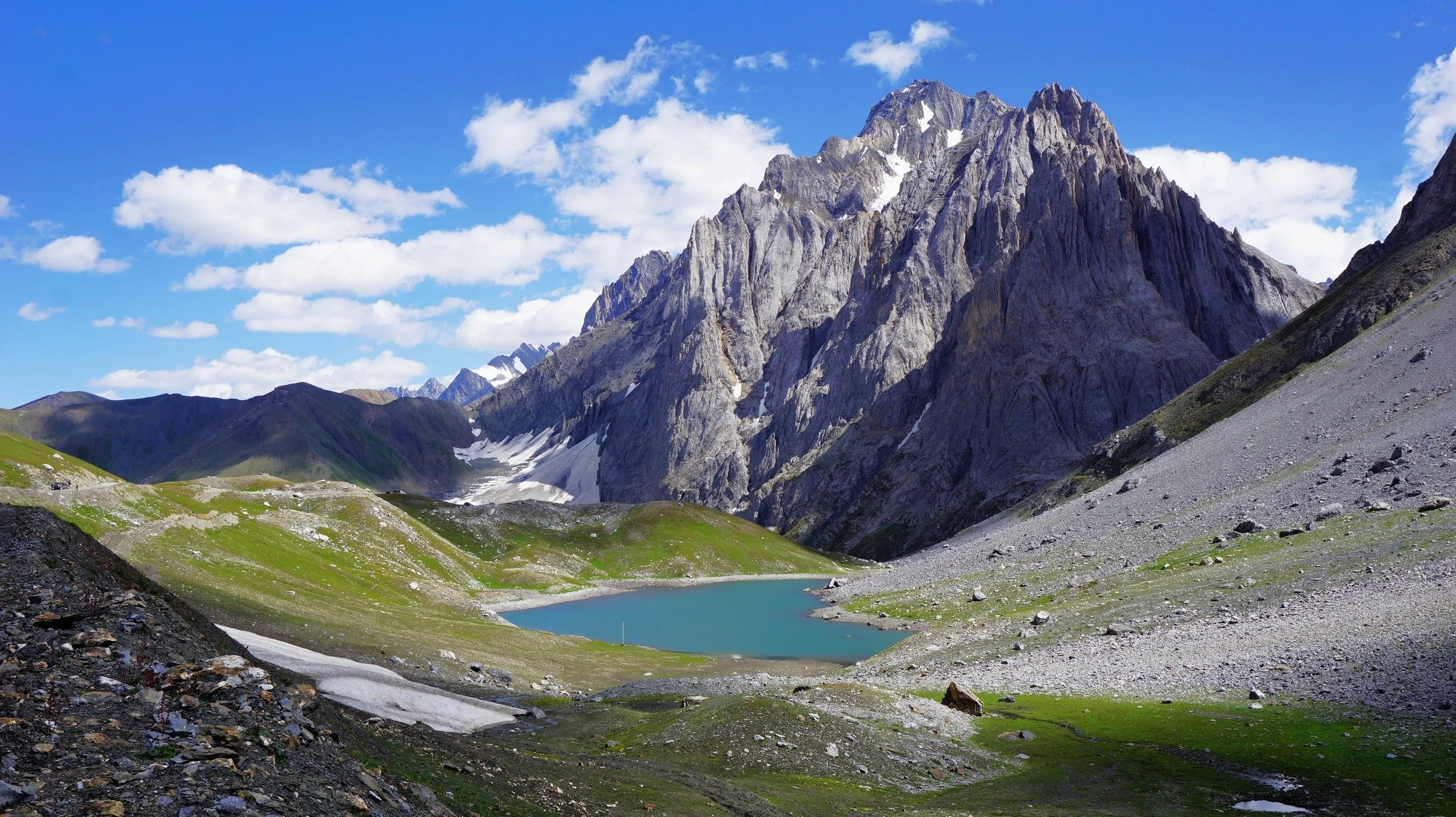
Amarnath Yatra 1898 Diwan Alim Chand
Diwan Alim Chand was a Pioneering Photographer attached to the Court of the Dogra Maharajas of Jammu and Kashmir. Diwan Alim Chand also had the privilege of having taken the first Photographs of the Amarnath Yatra back in 1898 when Maharaja Partap Singh, the Maharaja at that time had gone on a Pilgrimage to the Holy Cave.
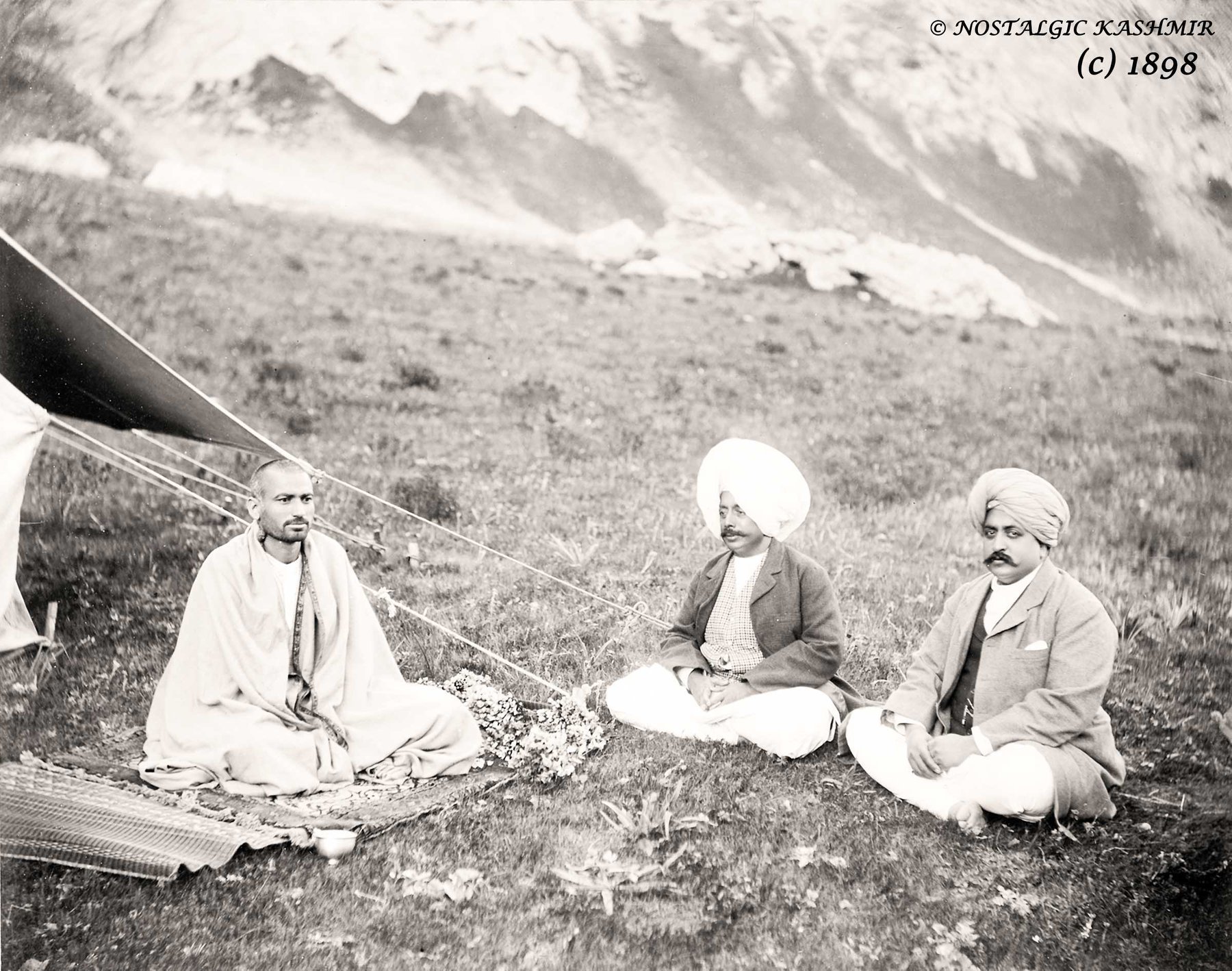
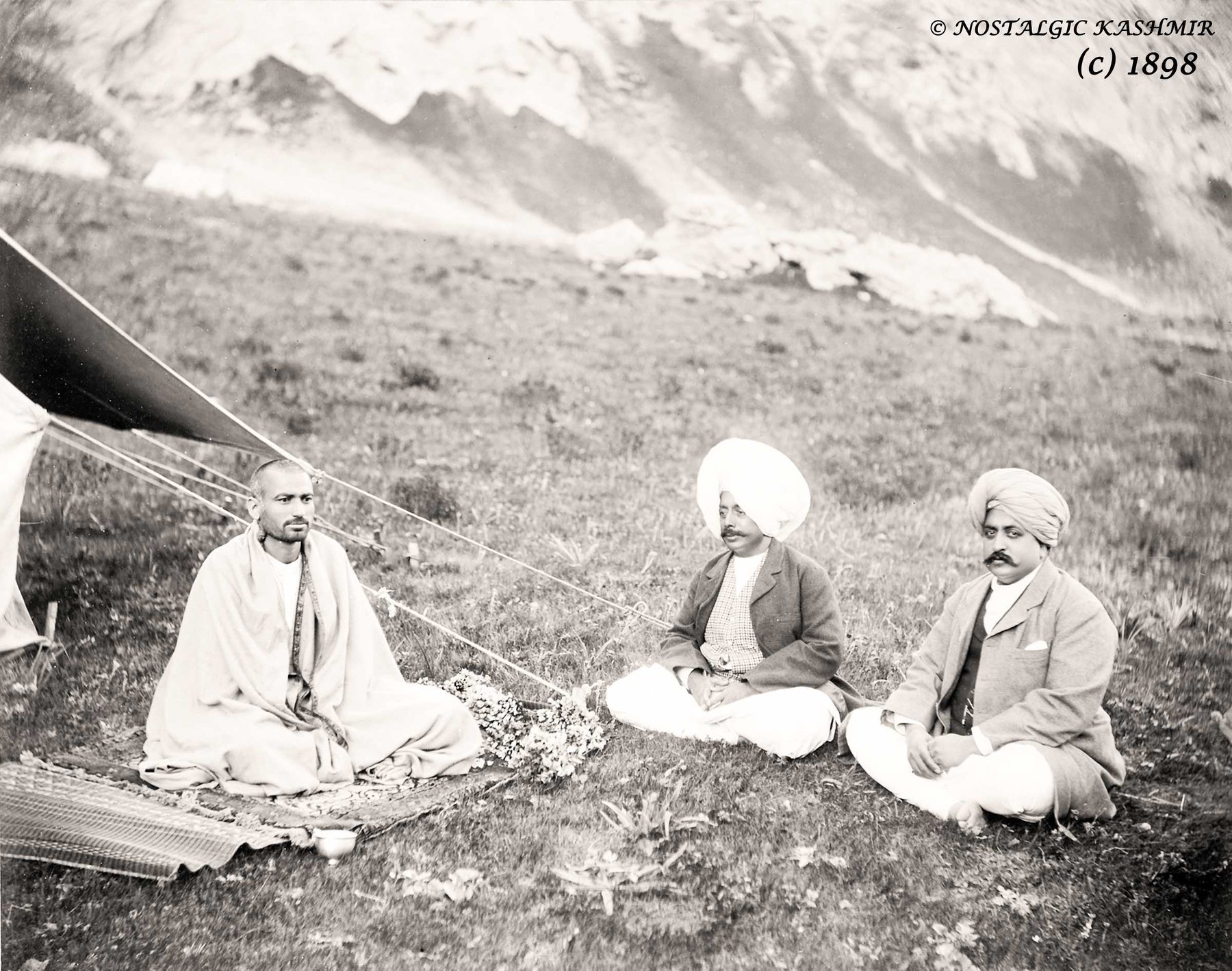
Maharaja Partap Singh (middle) flanked by Raja Amar Singh (right) and the Mahant of the Yatra at Chandanwari Camp.
Diwan Alim Chand was a Pioneering Photographer attached to the Court of the Dogra Maharajas of Jammu and Kashmir. Diwan Alim Chand also had the privilege of having taken the first Photographs of the Amarnath Yatra back in 1898 when Maharaja Partap Singh, the Maharaja at that time had gone on a Pilgrimage to the Holy Cave.
The Photographs offer a unique glimpse into History of how the Yatra was conducted almost 120 years back. It also offers a window of how the Geography of the area looked at that point of time and how it compares to more contemporary times.
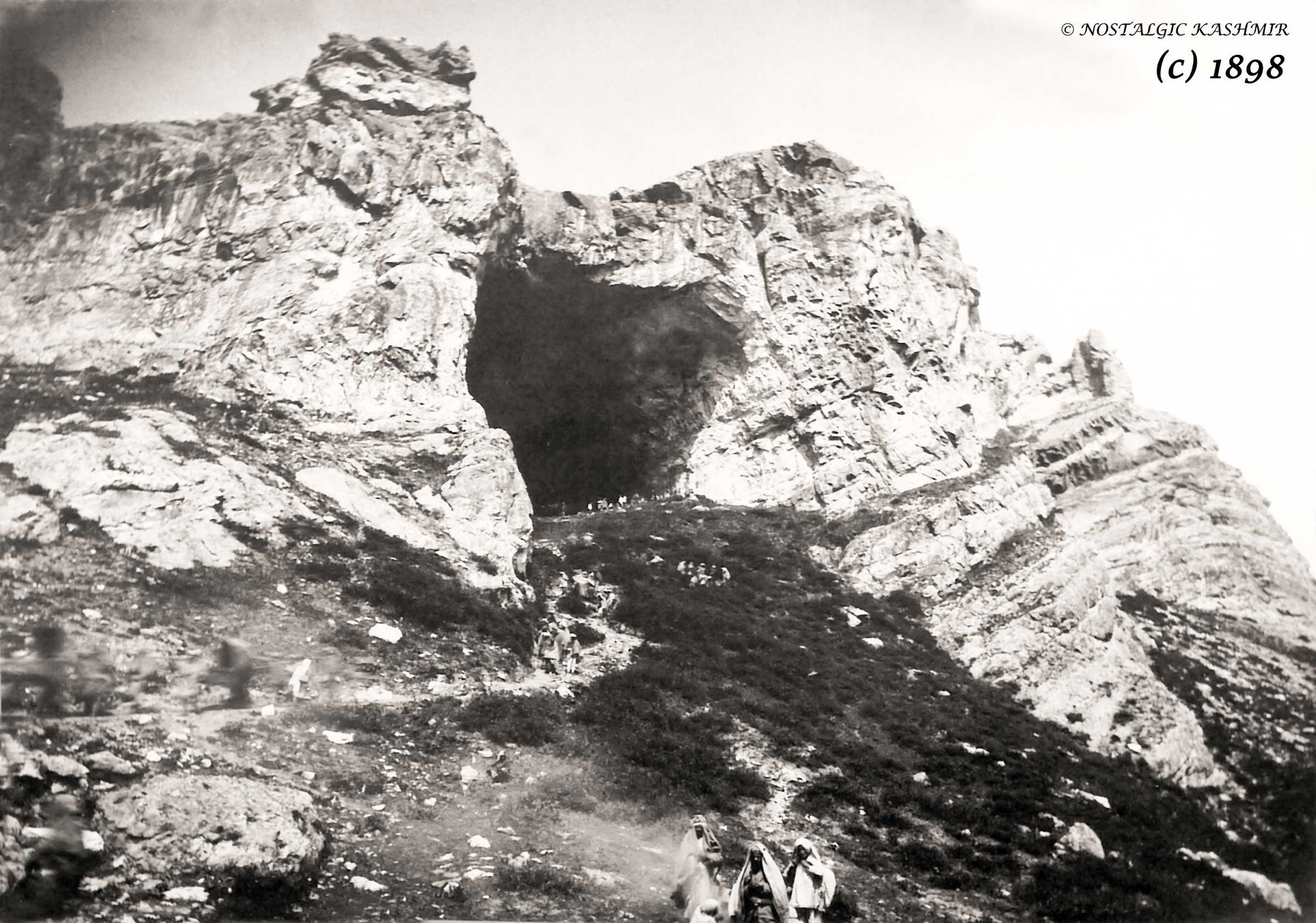
Holy Amarnath Cave
The first view of the Holy Cave. This is the first Pic of the Holy Cave taken in 1898. The Oldest.
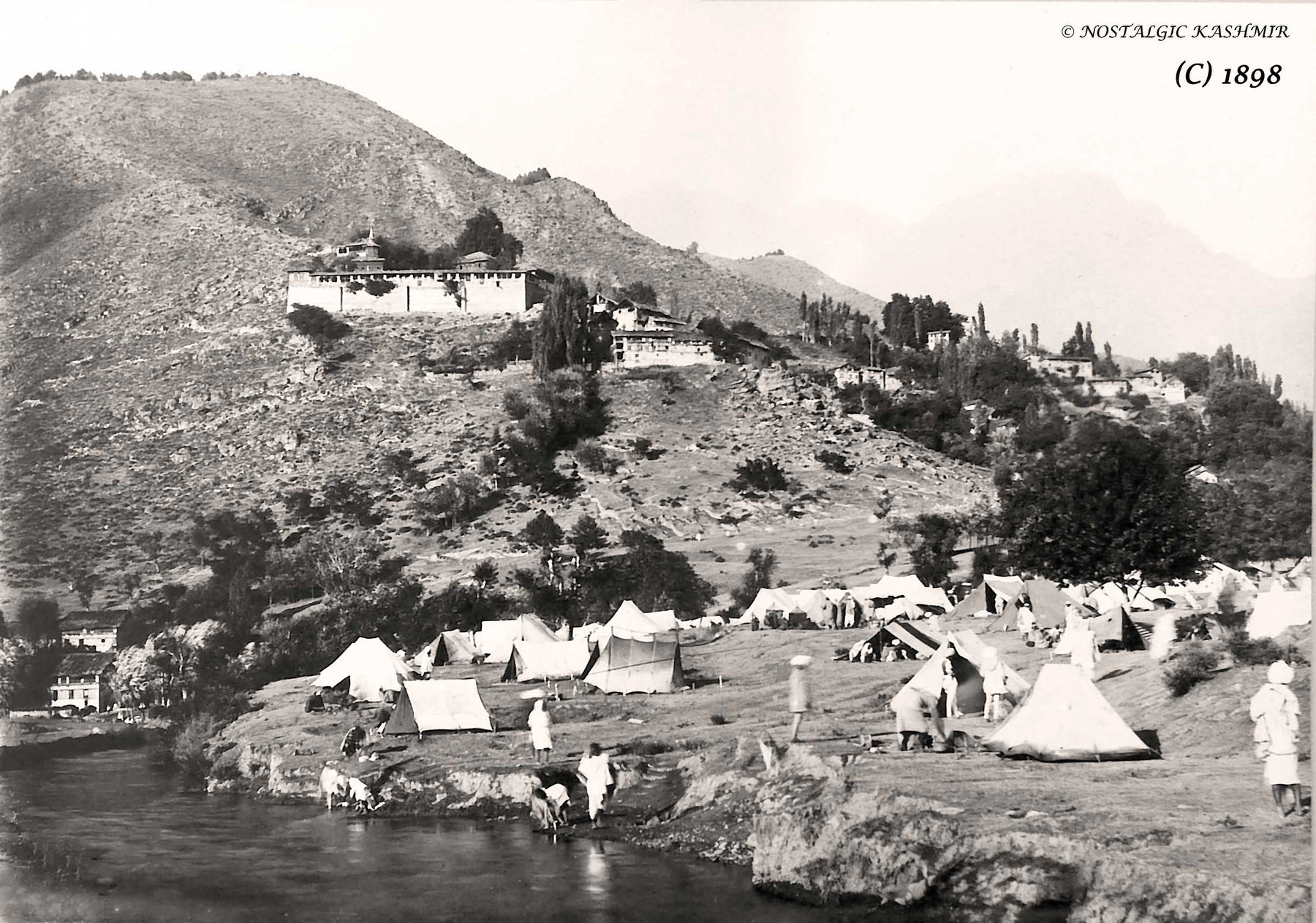
Aishmuqam
Showing the Yatra Camp along the Babal Canal beneath the Shrine at Aishmuqam. Aishmuqam lies 20 kms before Pahalgam and was a stopover on the way to Pahalgam.
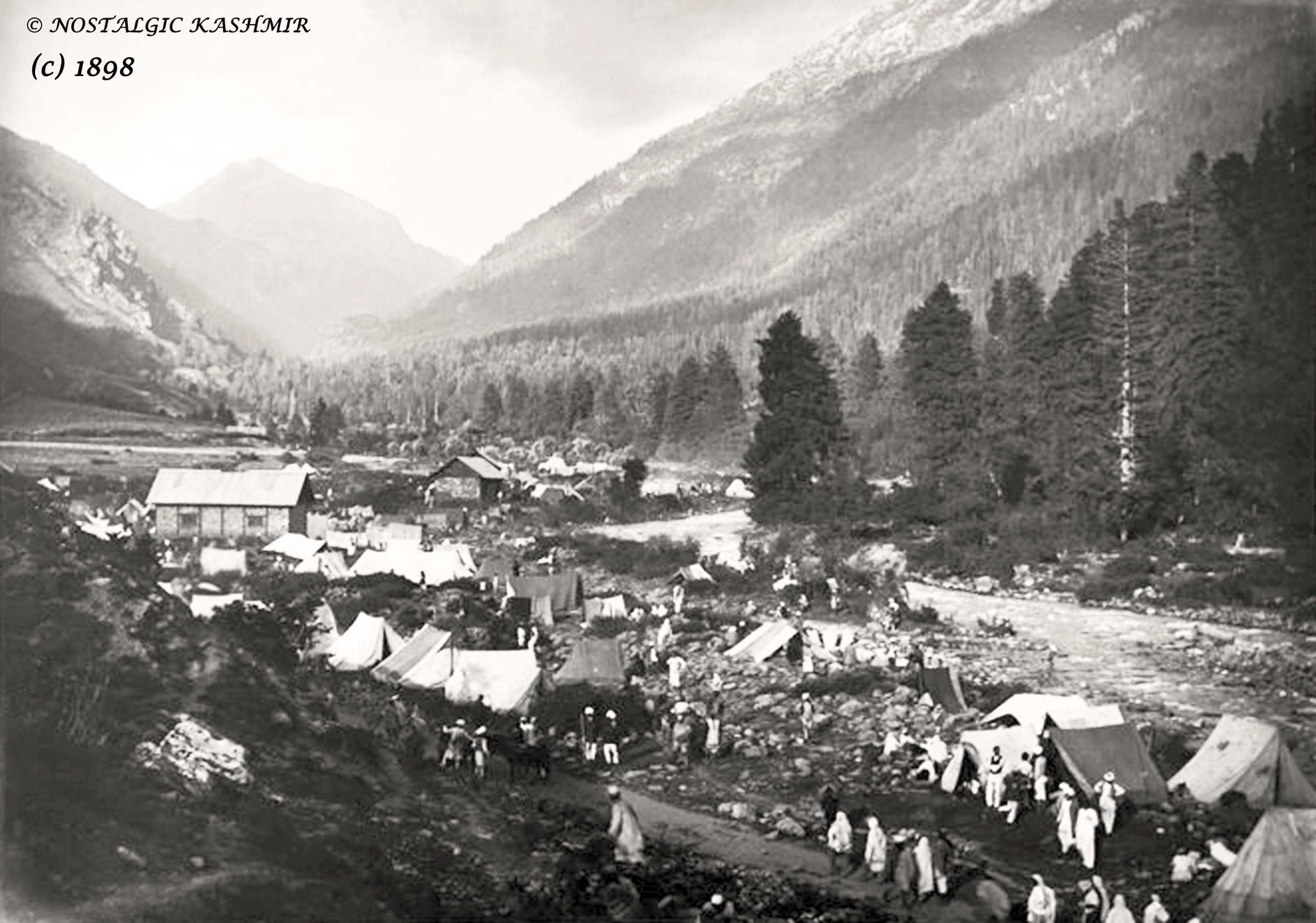
Pahalgam
The Yatra Camp at Pahalgam. The main base for the Yatra in those times was Pahalgam and it remains the same today.
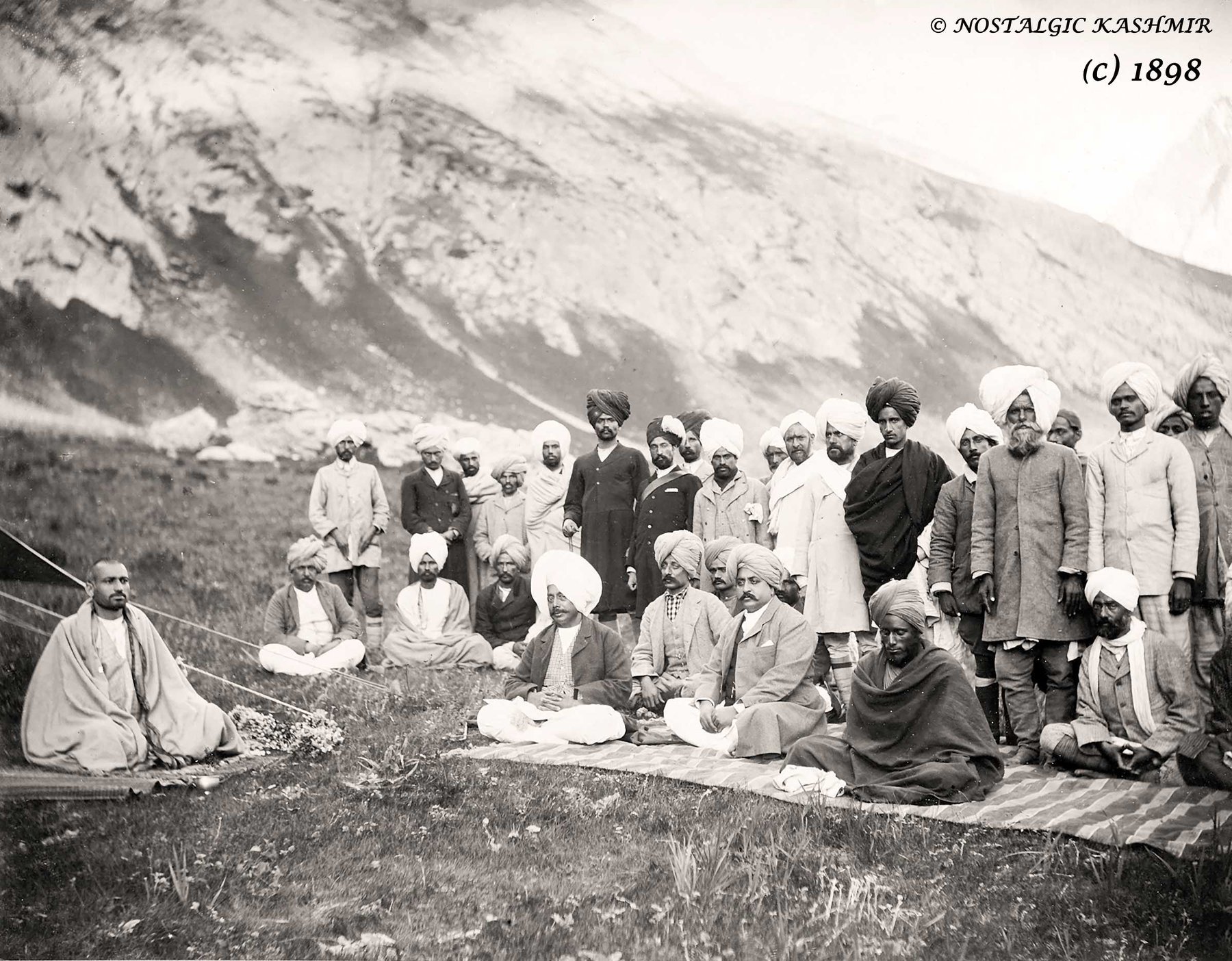
Chandanwari
Maharaja Partap Singh and His Brother Raja Amar Singh and their courtiers paying their respects to the Mahant of the Yatra at Chandanwari.
Chandanwari
Maharaja Partap Singh (middle) flanked by Raja Amar Singh (right) and the Mahant of the Yatra at Chandanwari Camp.
Pissu Top
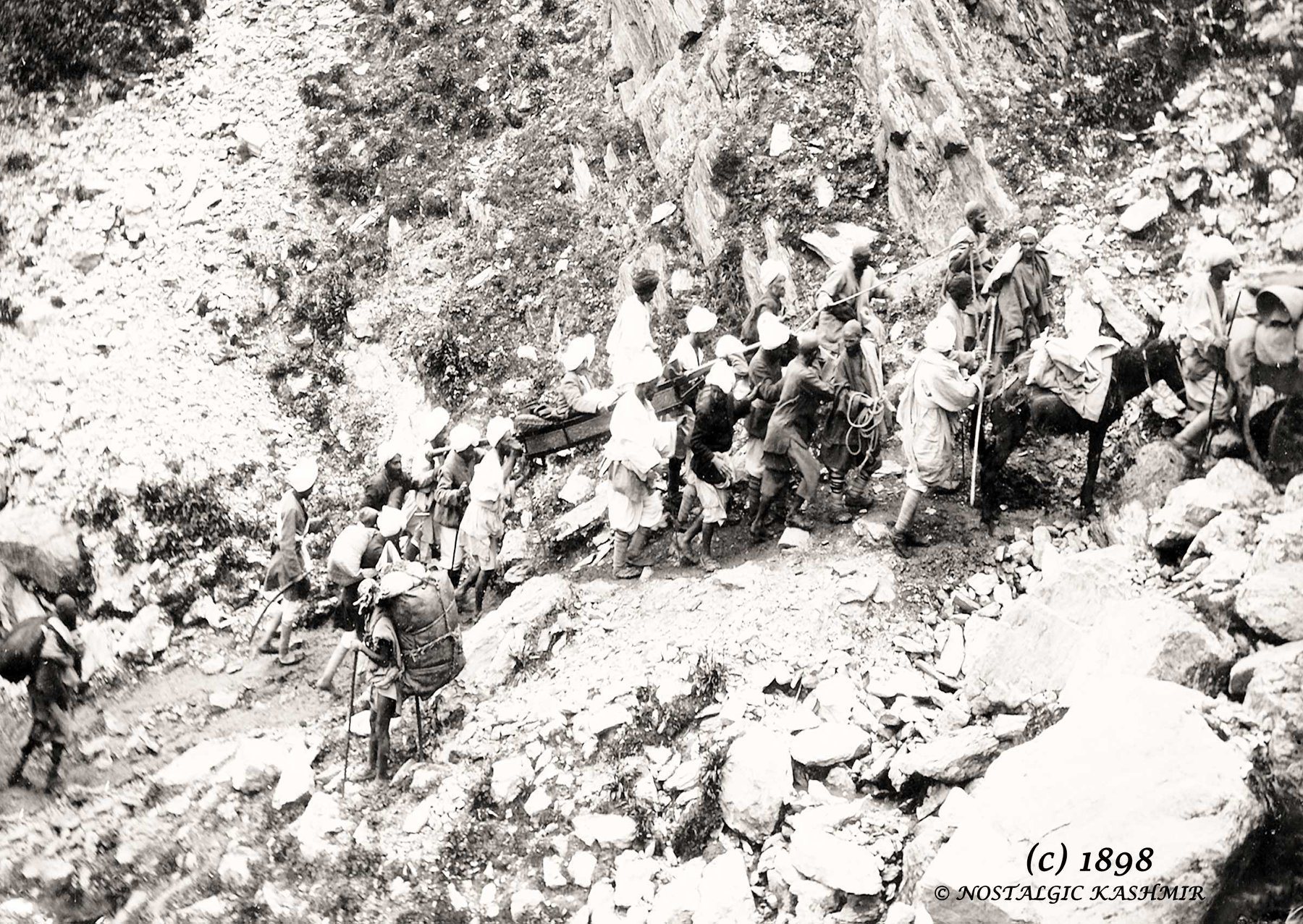
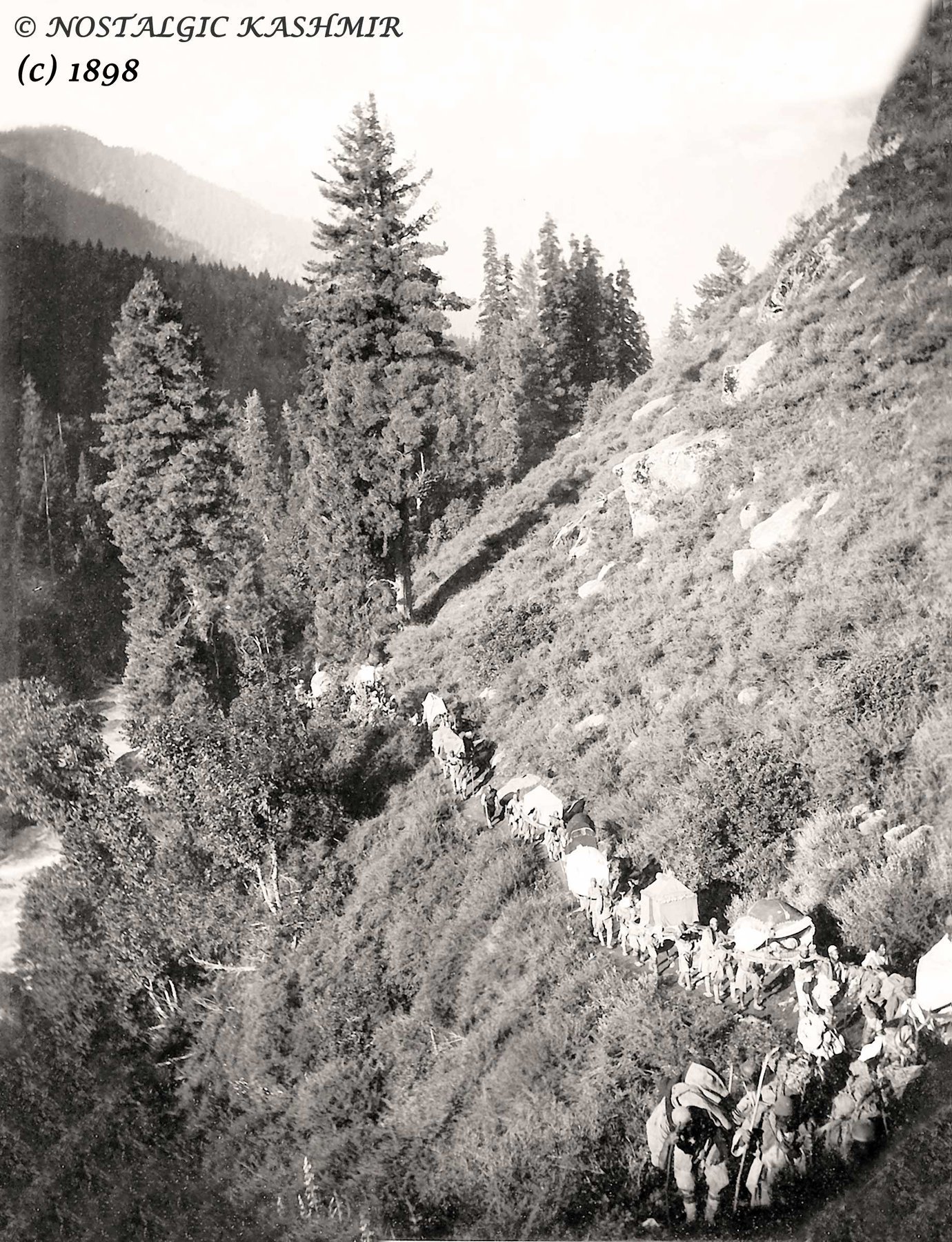
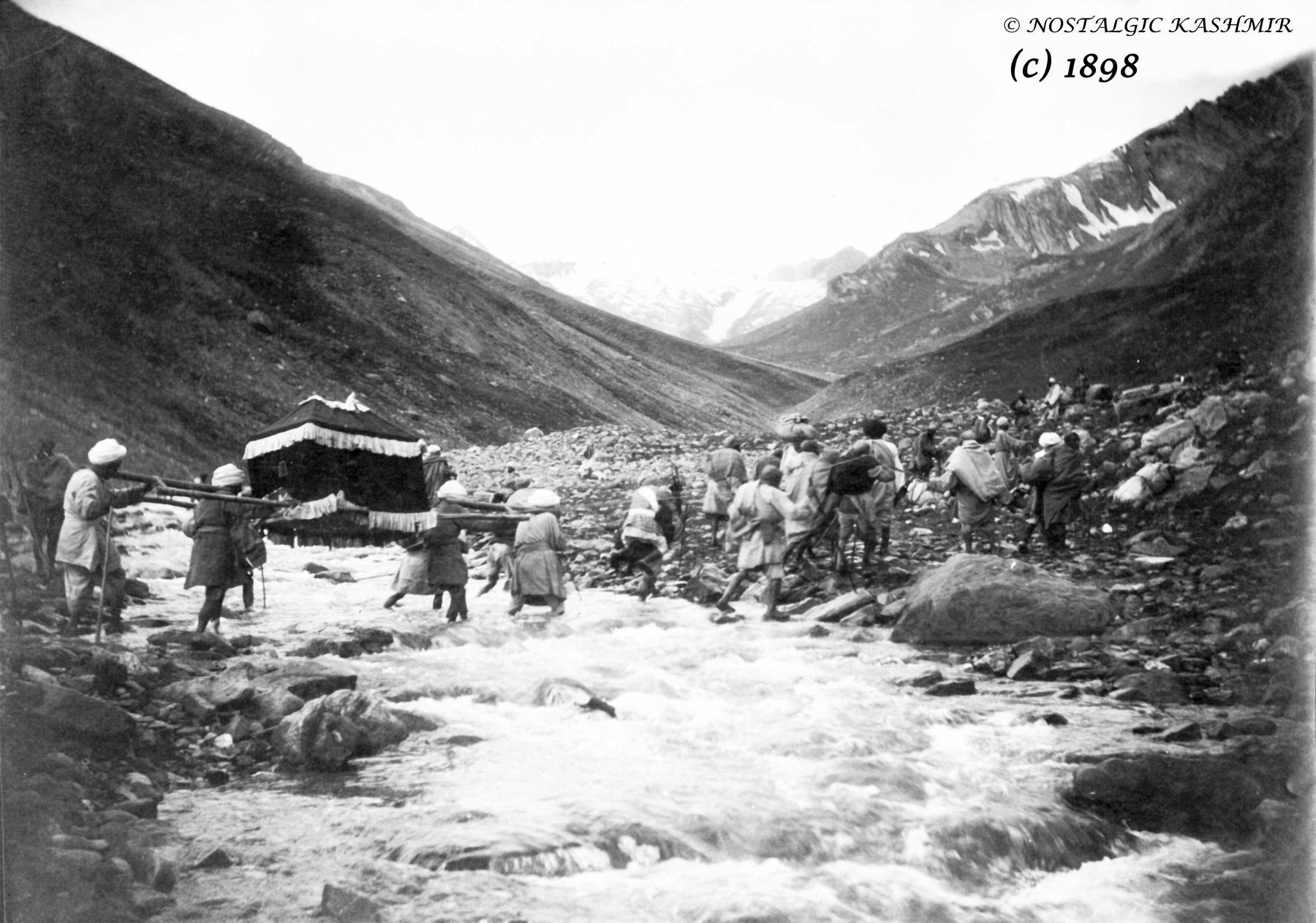
Maharaja Partap Singh being carried in a Royal Dandi- palanquin up the treacherous Pissu Top towards its top
Pissu Top
The Royal Pilgrims being carried in Palanquins towards Pissu Top
Sheshnag
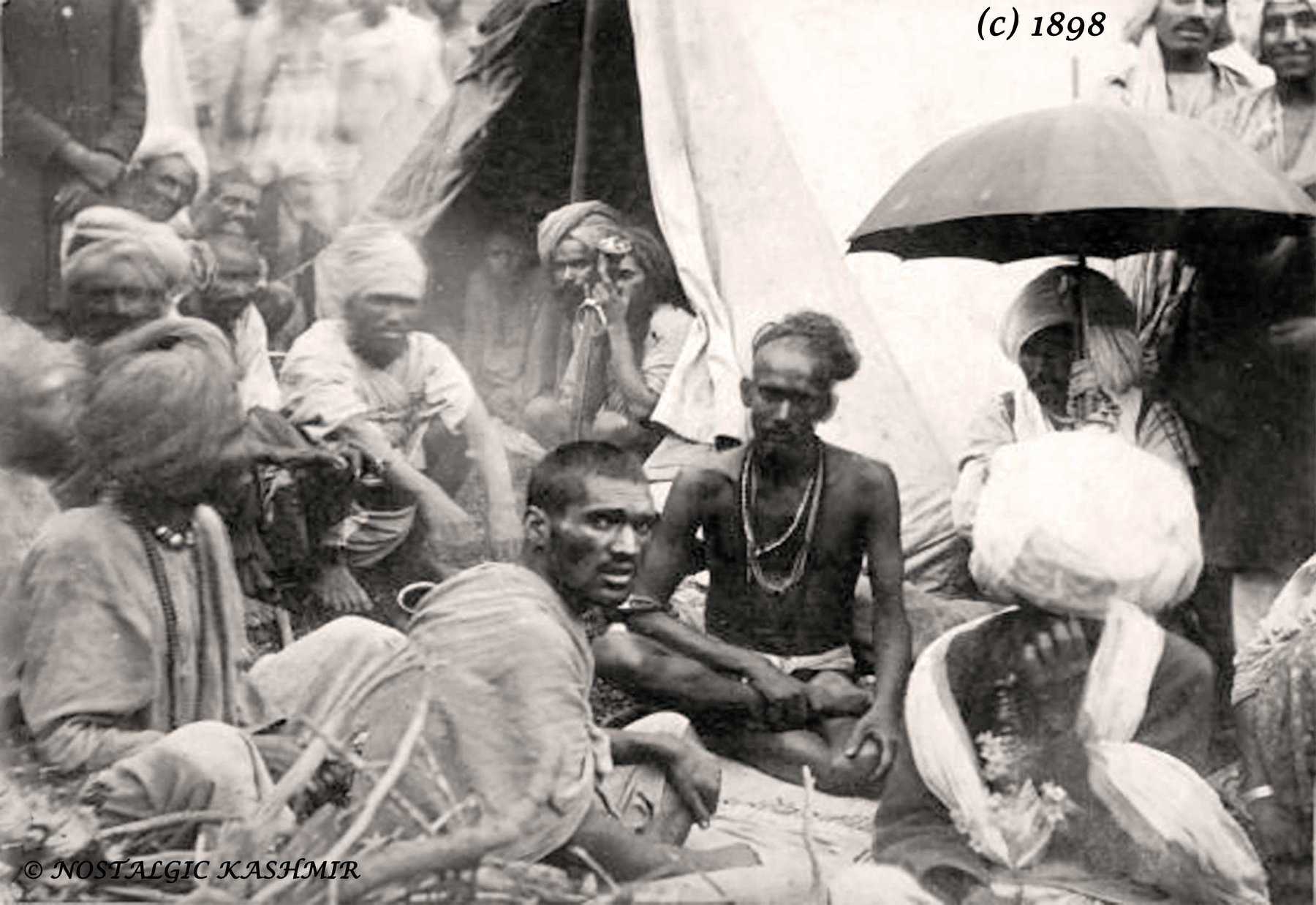
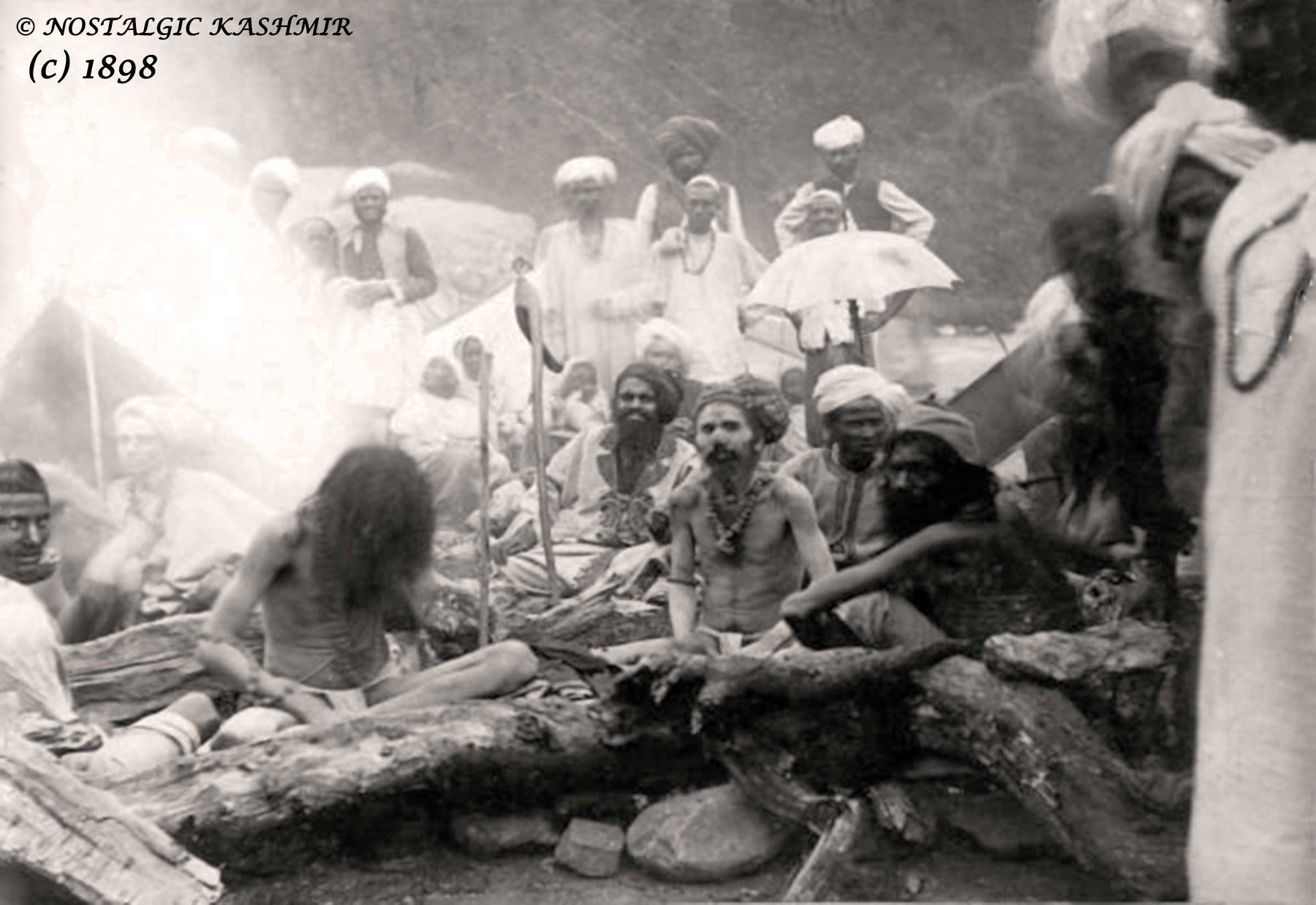
A group of Sadhus at Sheshnag Camp
Sheshnag
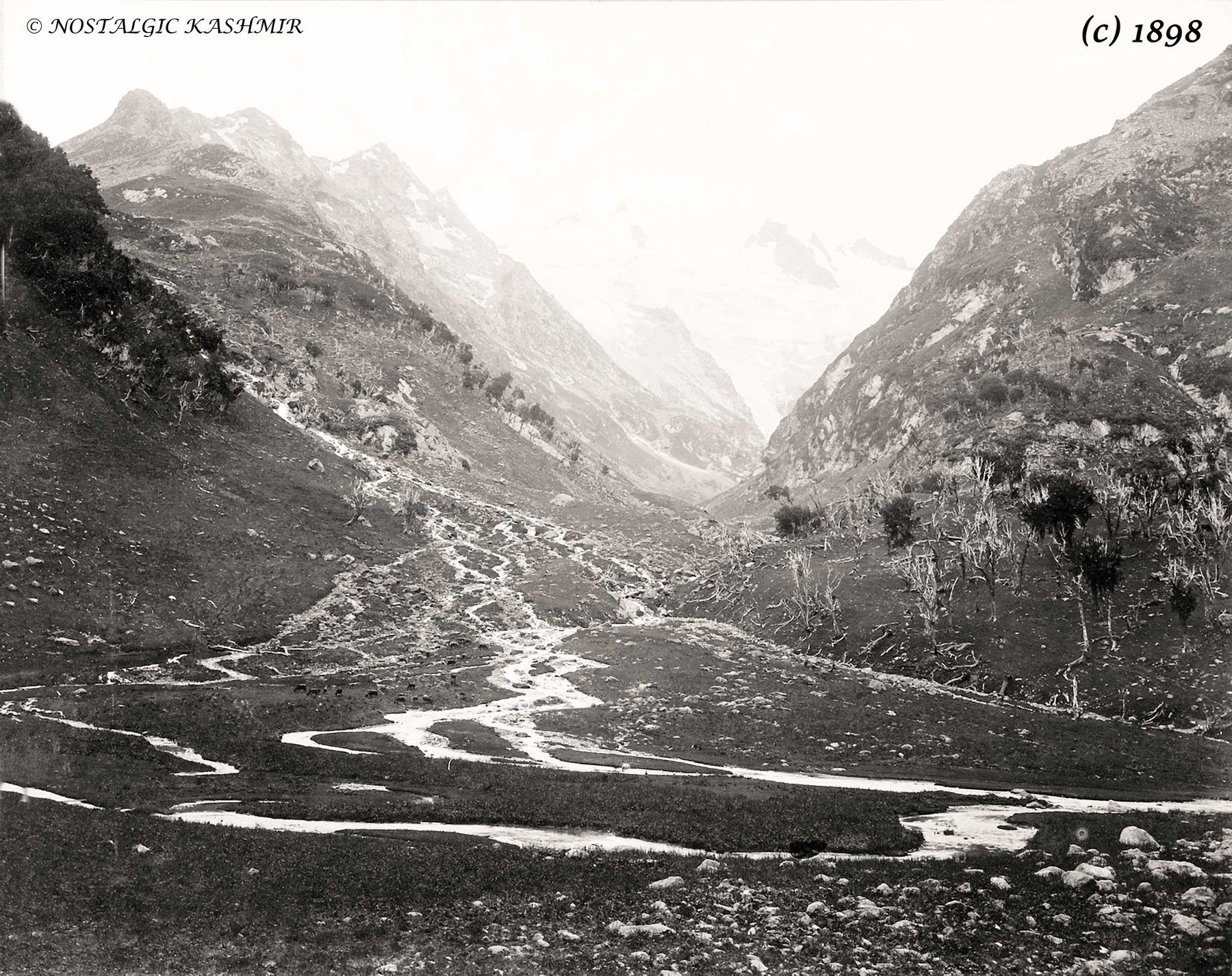
Sheshnag Stream at Zojibal with Koh-i-Nur Mountains (17000 ft ASL) in the background
Sheshnag
Another group of Sadhus at Sheshnag Camp
Sangam
A Royal Palaquin carrying a female member of the Royal family towards the Holy Cave from Sangam
Panchtarni
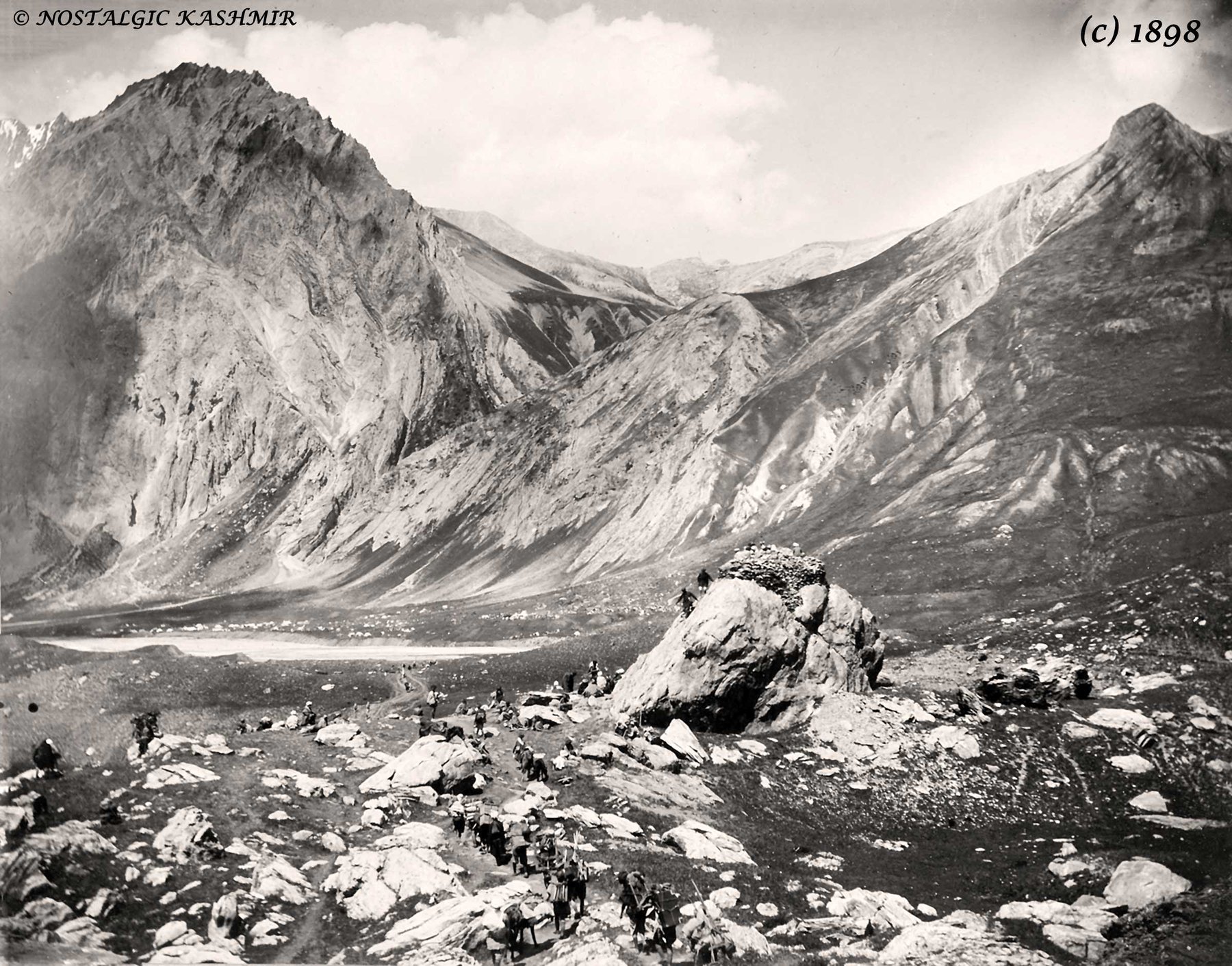
Yatris ascending Nagpal near Panchtarani Ghat known as Bairagi Ghat or Barou Bal on way to Amarnath cave
Panchtarni
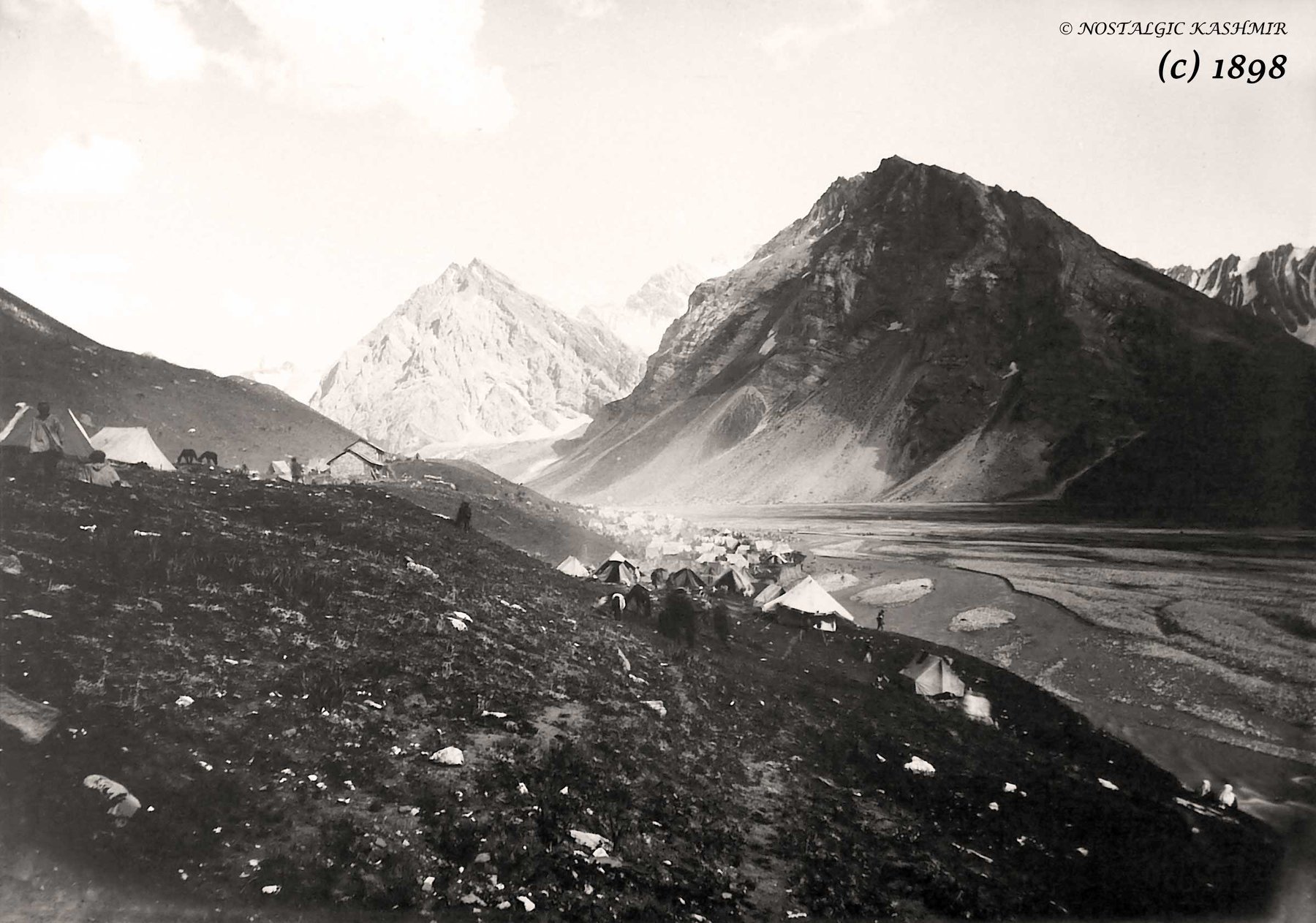
The Yatra Camp at Panchtarni
Panchtarni
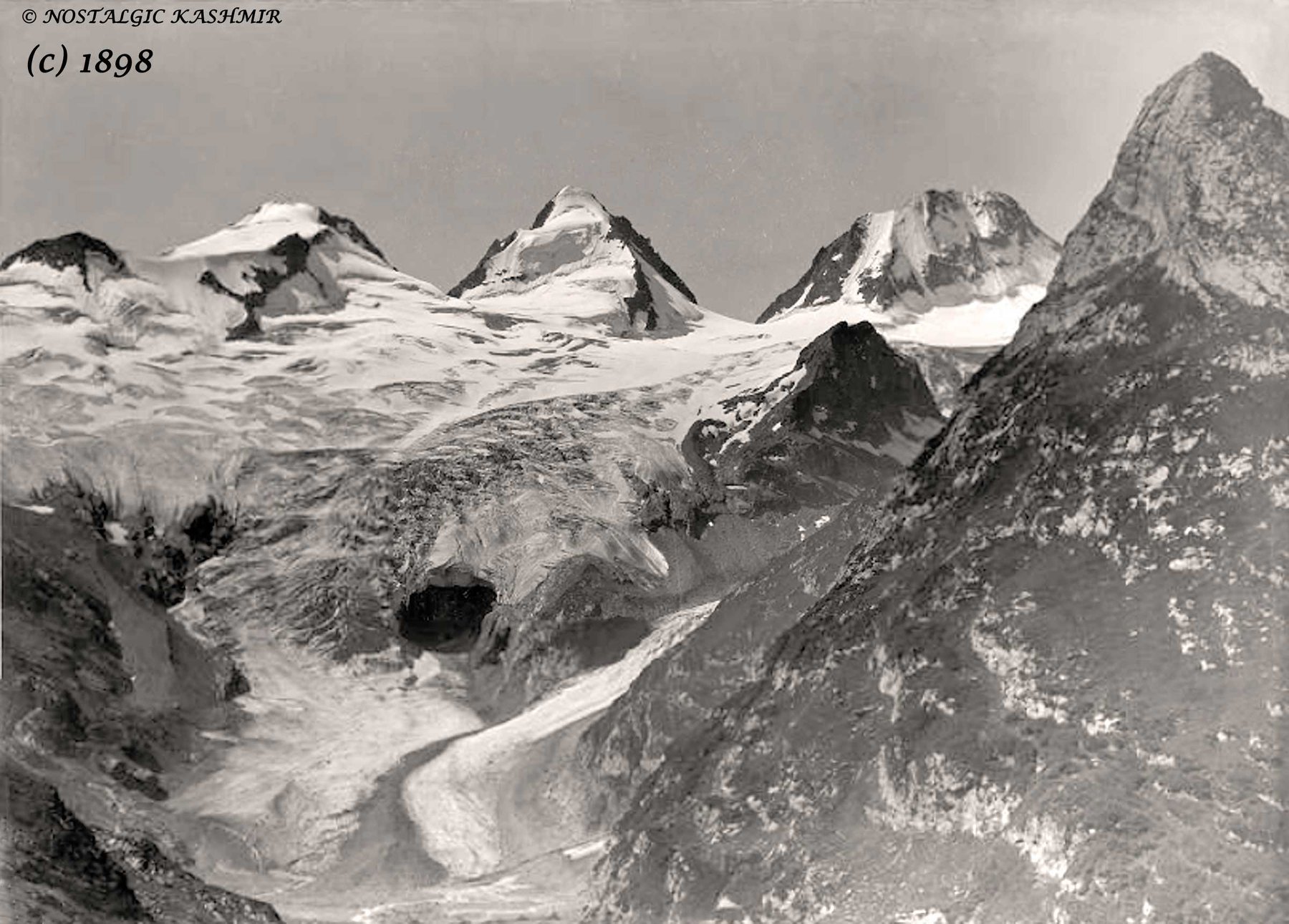
A panoramic view of the Panchtarni Peaks & Glacier
Pics Courtesy Nostalgic Kashmir and Showkat Rashid Wani Jinaab.
Kiki’s Blog
Stories from the Himalayas
Featured Posts
A holiday in Kashmir involves much travelling around by car from Srinagar (not only the capital but the base of most visitors), a shikara ride, walking around markets and the Old City – a heritage site in its own right. That’s all very well, but it is convenient to know where you can grab a bite, preferably in the area where you are seeing the sights.
Most People while visiting Ladakh just visit the same old Places, popular Tourist places and ones popularized by Bollywood and Influencers on Social Media. As a result a few Places bear the brunt of the Tourist footfalls which has serious Environmental and Social Impact.
I have always subscribed to the Philosophy that instead of sending 100 people to 5 places send 20 people to 25 places. Ecologically viable Tourism starts by spreading the load of the Tourists. And here is a list of Ten Things that I would recommend to do in Ladakh. And please remember that Ladakh is a large Region and most of it is rather unknown for most people. Ive added a Note on the Mountain Geography of Ladakh for easier understanding. You can also read my Ladakh Travel Guide for General Information.
So I have compiled a list of Ten Things that I would do in Ladakh, keeping in view all my Visits and Readings on Ladakh. They are in no particular order and each One is a Unique experience in its own.
The Kaobal Gali stands at an Elevation of 4167 metres (app 13600 ft) on the main Great Himalayan Range has traditionally connected the Tulail and Gurez Valleys with the Mushkoh Valley in the Drass Region. Interestingly people on both sides of the Pass are Shina and speak Shina language just like their fellow Dardic Shina people in Gilgit. This is a peculiarity as usually when you cross a Pass on the Great Himalayan Range the Culture Language and People change.
Five years ago the Galwan Valley was in the News for the wrong reasons after a deadly clash between the Indian and Chinese Armies in the Valley located in Ladakh lead to many deaths on the contentious Border between the two countries in wake of continued Chinese intrusions into Indian territory.
This area along the Shyok River, of which the Galwan Nallah or the Galwan River which forms the Galwan Valley has been off limits to Civilians since long but now the Indian Government has decided to open up the area for Civilians and we were amongst the First Civilians to venture into this beautifully desolate part of the Eastern Karakorams in Ladakh. Earlier Civilians could only venture upto the Village of Shyok from where the Shyok River takes a U turn and flows in a Northerly direction.