
The Ganden Sumtseling Tibetan Monastery in Yunnan
The Ganden Sumtsenling Monastery, also known as Sungtseling and Guihuasi is a Tibetan Buddhist monastery situated 5 kilometres (3.1 mi) from the city of Zhongdian at elevation 3,380 metres (11,090 ft) in Yunnan province, China. Built in 1679, the monastery is the largest Tibetan Buddhist monastery in Yunnan province and is sometimes referred to as the Little Potala Palace.

The Ganden Sumtseling Tibetan Monastery
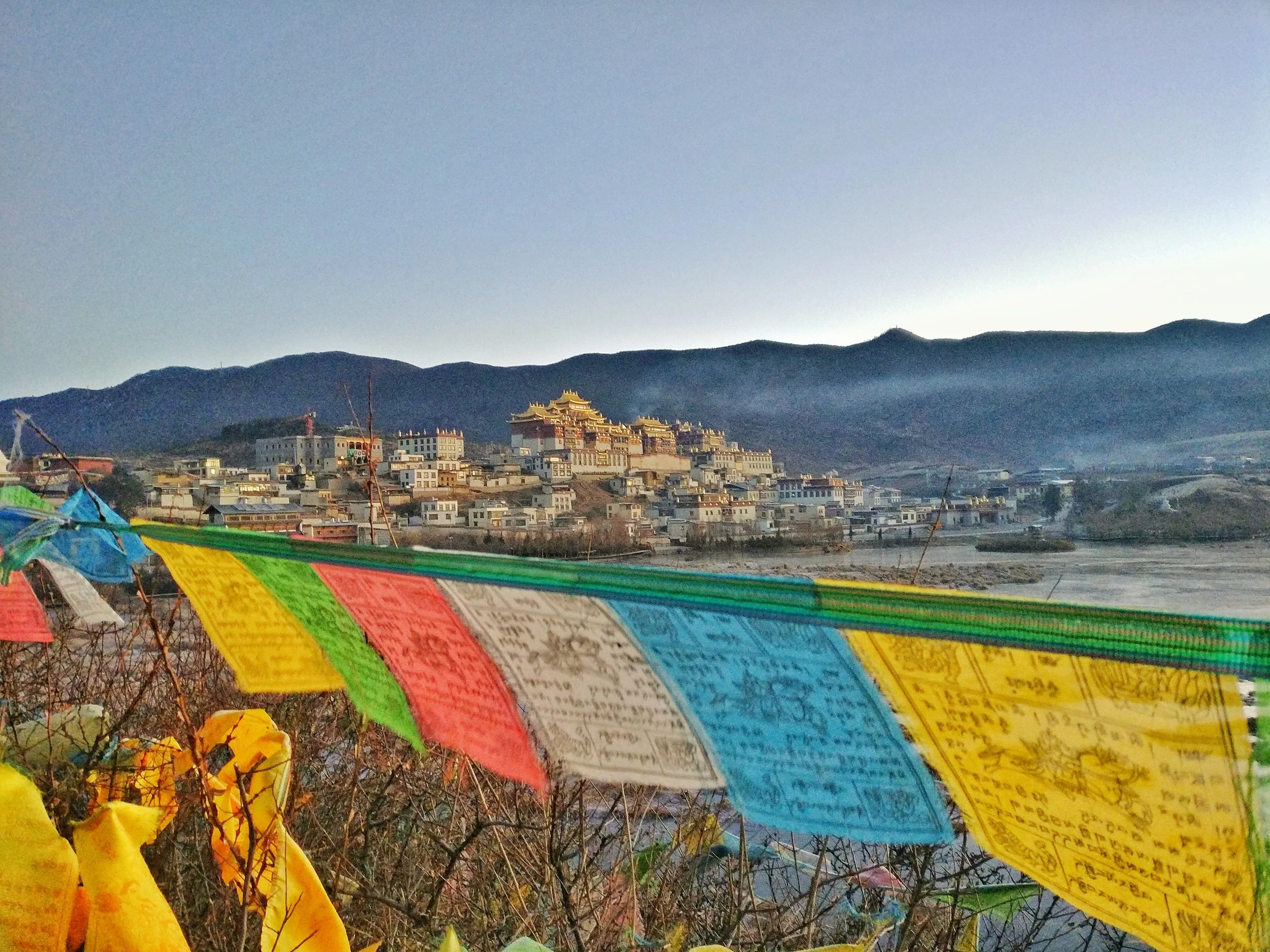
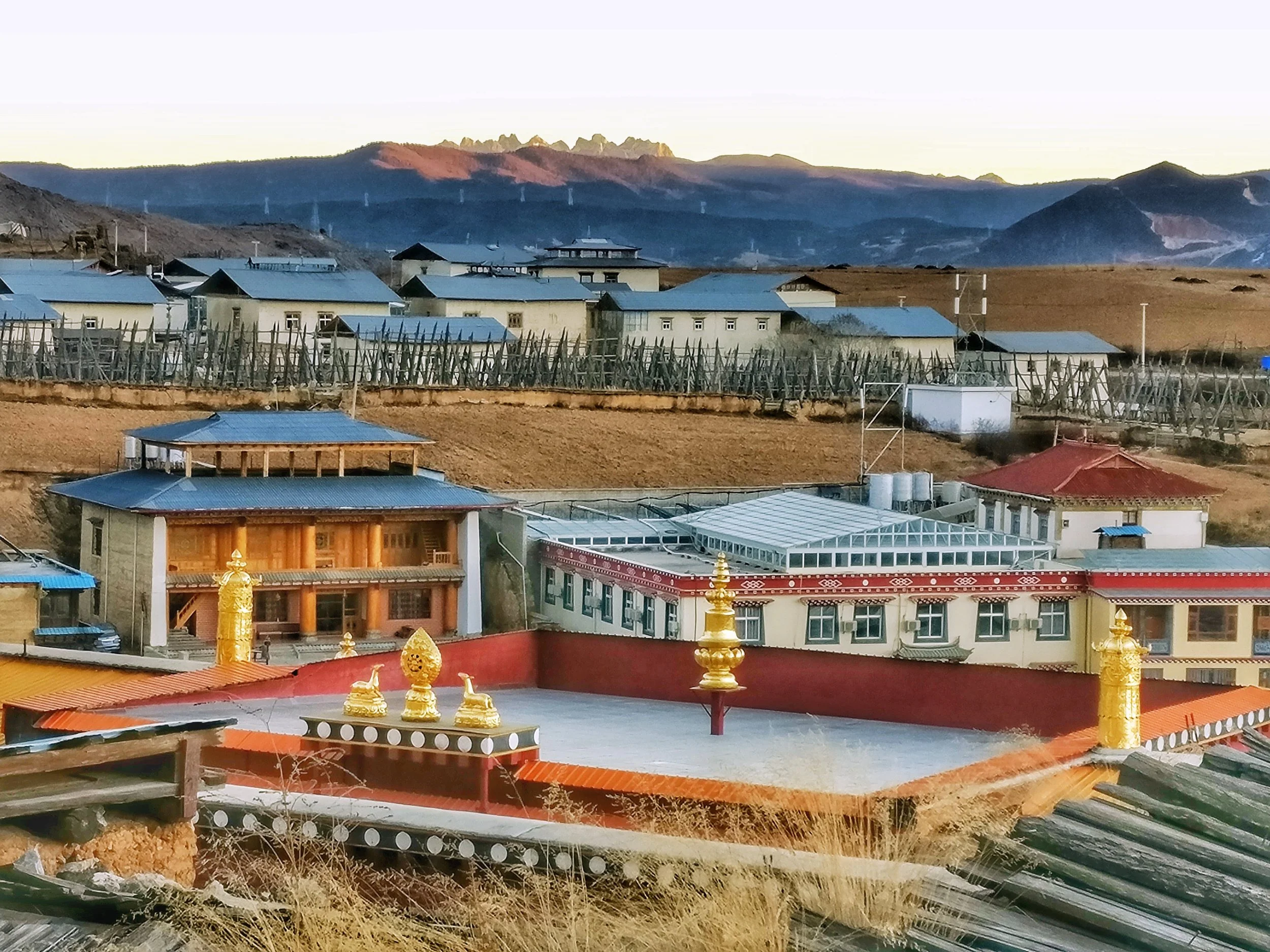
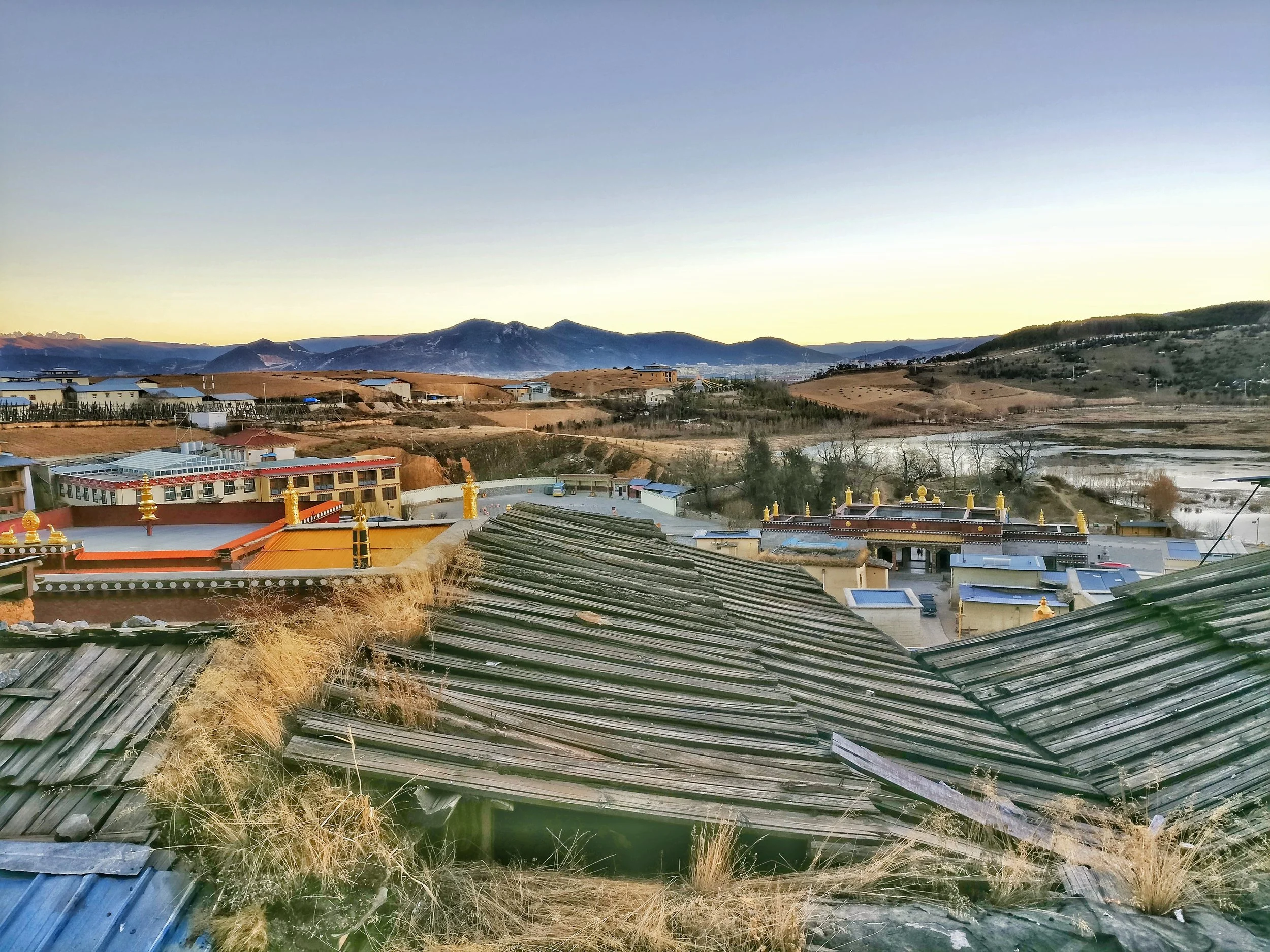
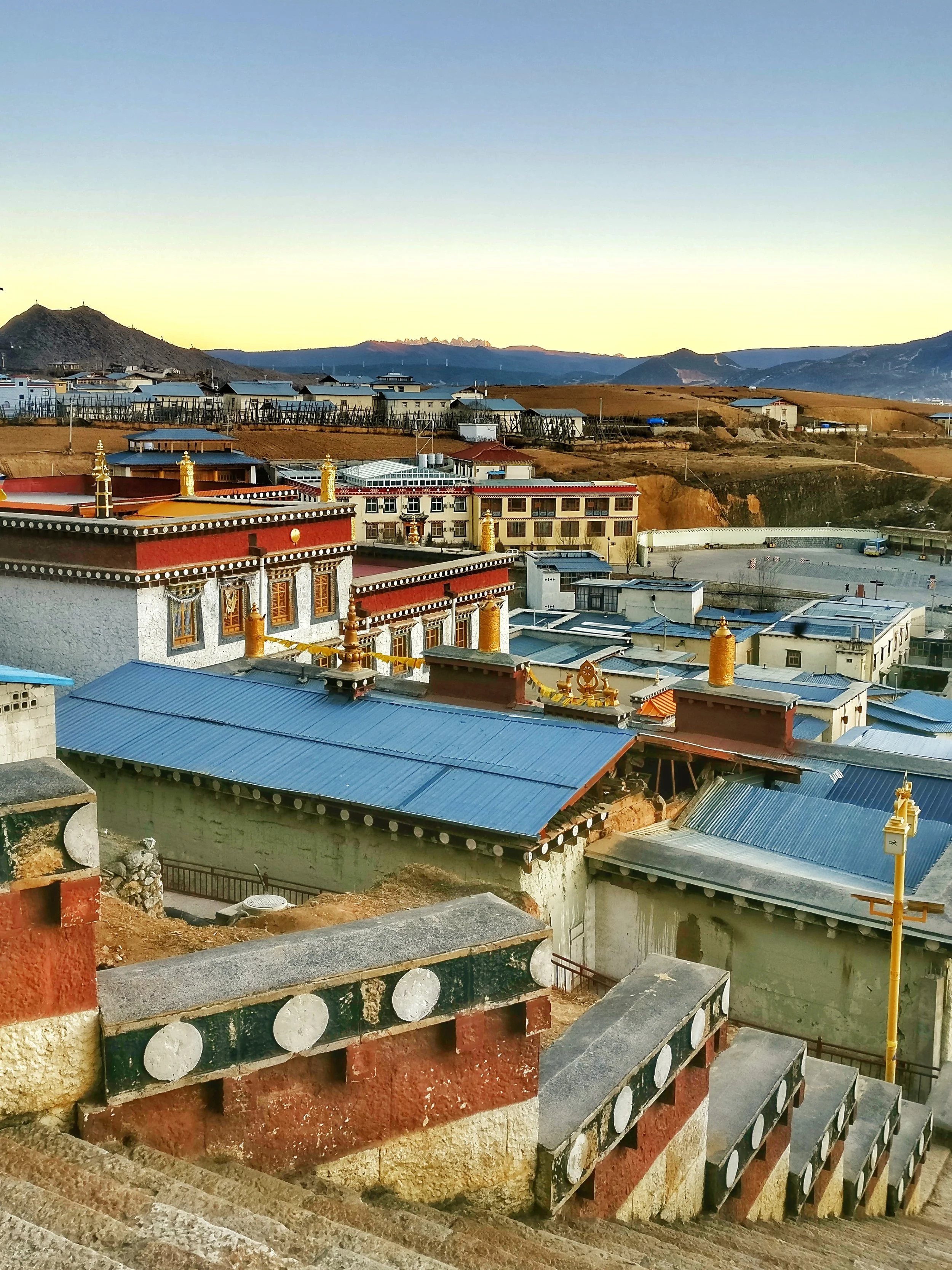
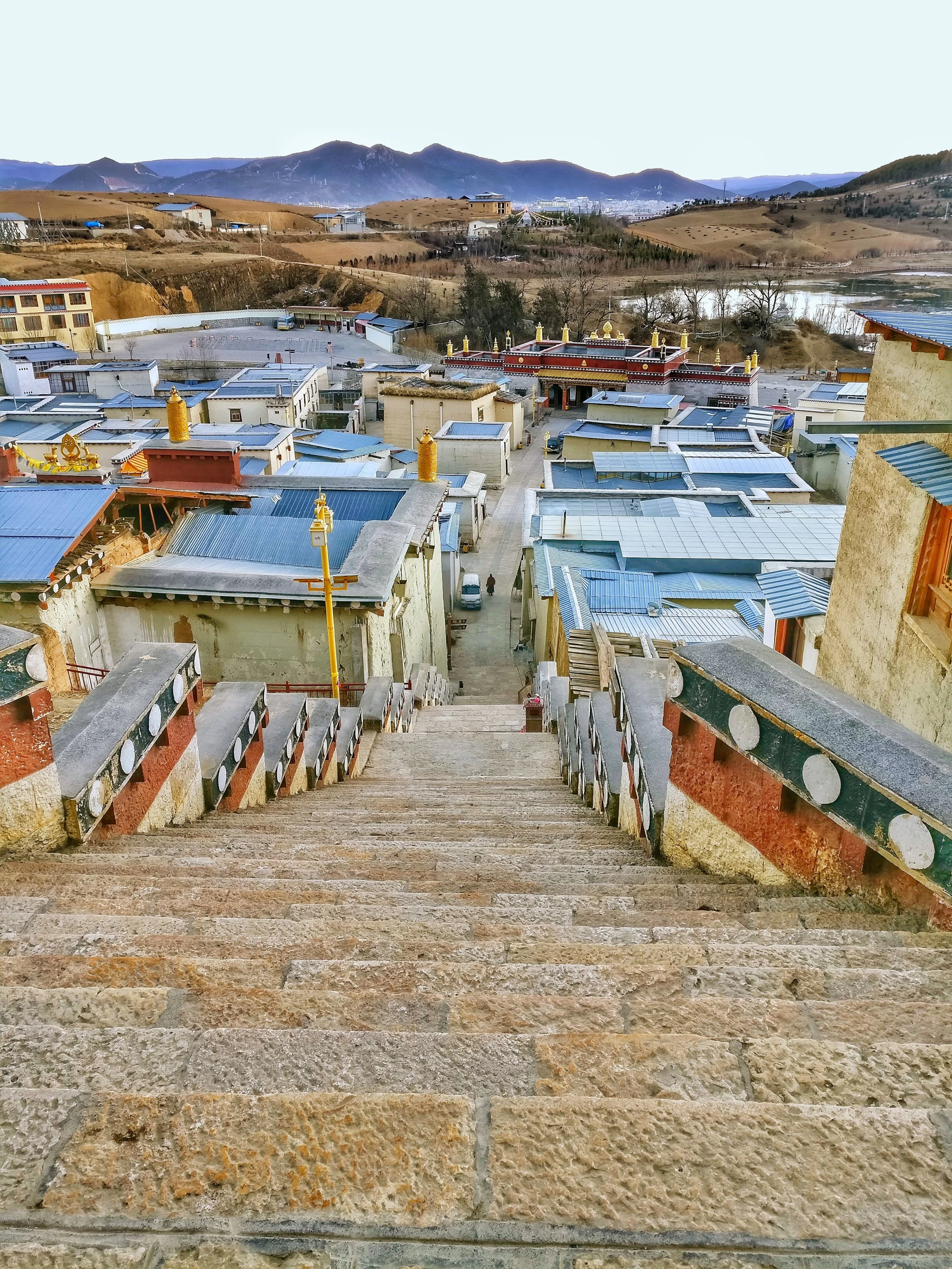
The Ganden Sumtseling Tibetan Monastery in all its glory reflecting the first rays of the sun in the morning. The Lake reflected is glory in its unfrozen part. This is truly Shangrila. One of the largest Tibetan Monasteries it is also called the Little Potala Palace.
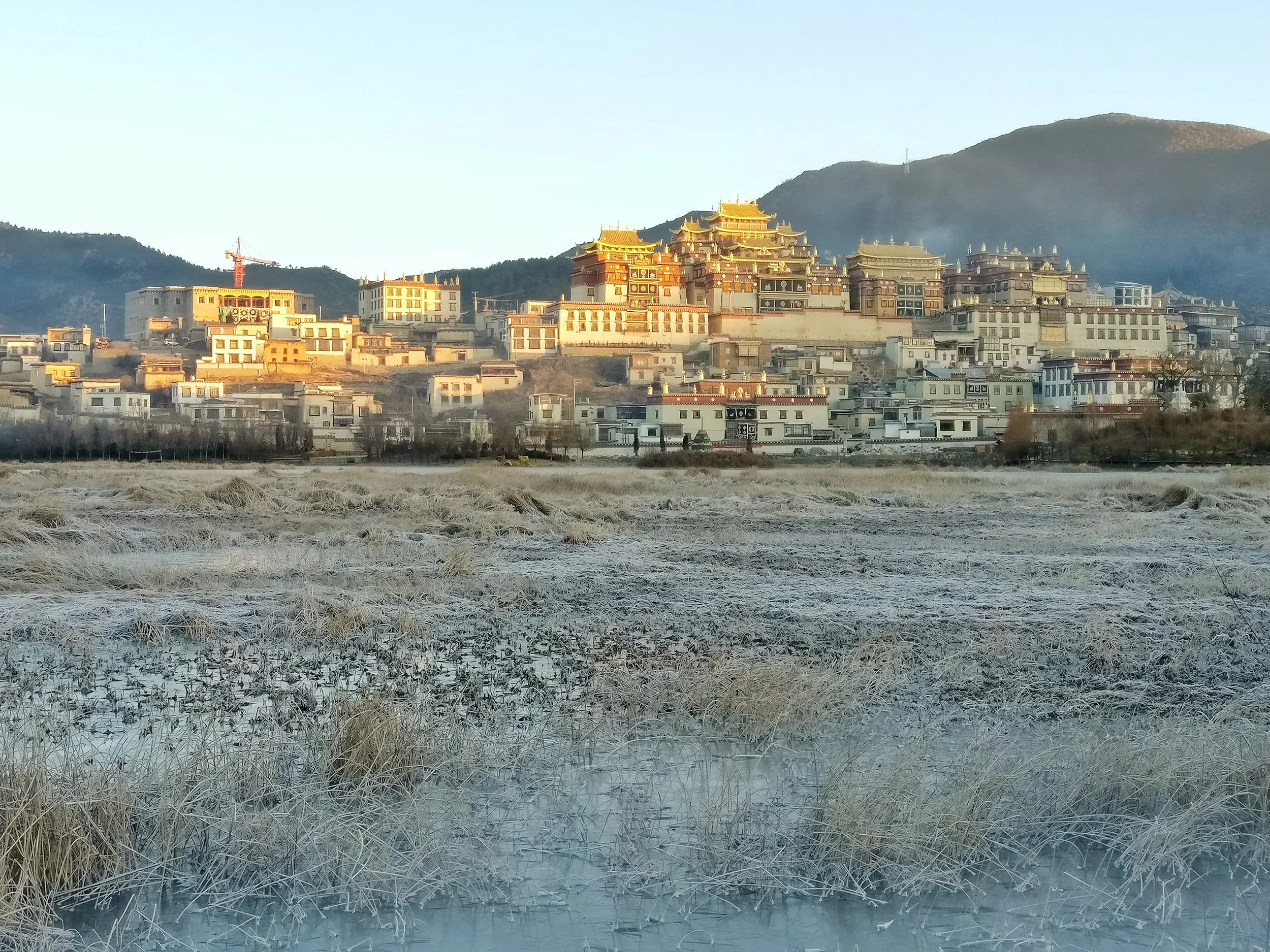
At an altitude of almost 3400 m it stands at the banks of the Lamuyang Tso in North Western Yunnan in a region which used to be historically a part of the Kham region of Tibet.
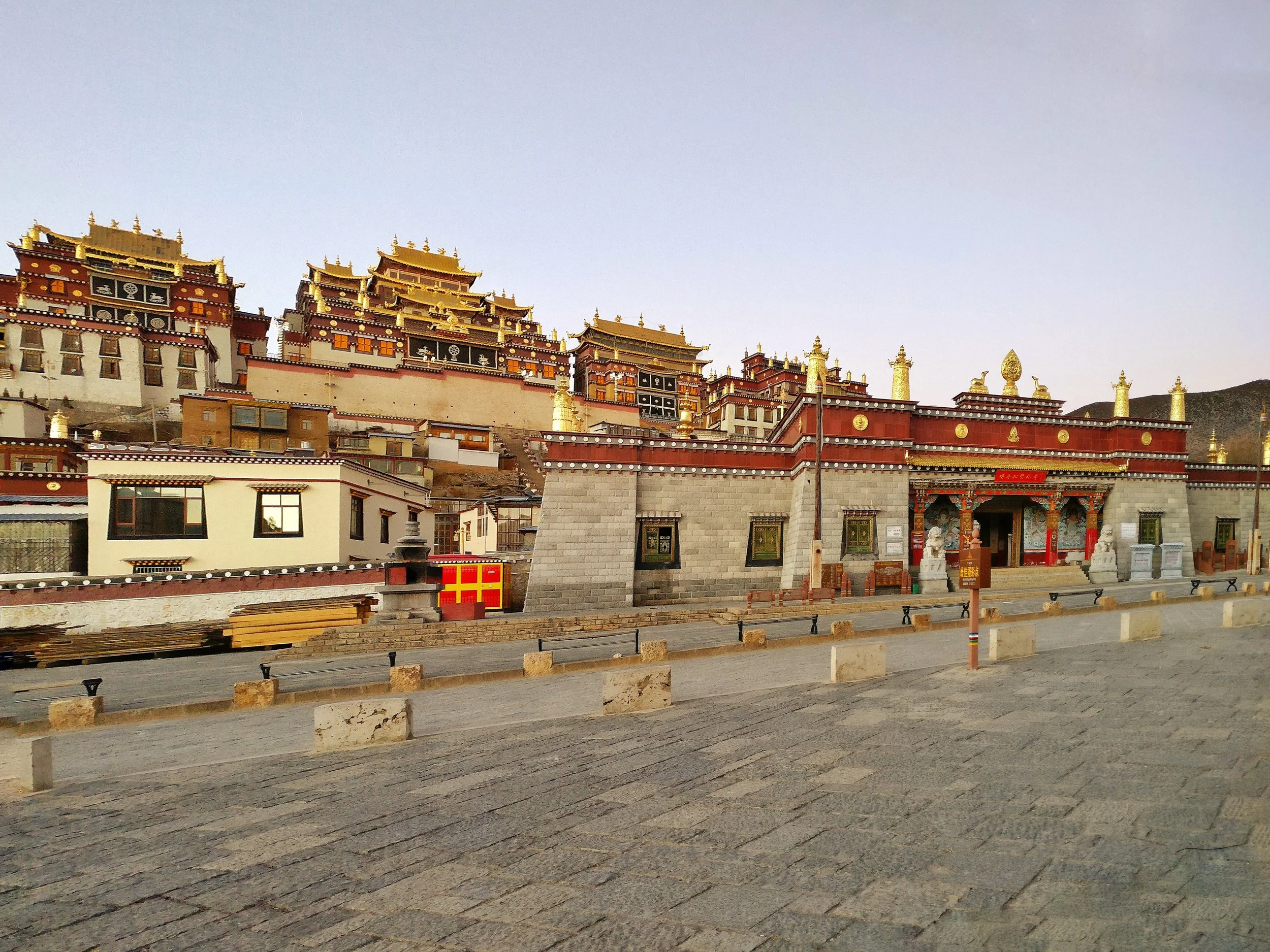
In January early morning the Lake was semi frozen and I guess the temperature was around minus 10 and the sun was just rising. The bird life of the Lake was just waking up and stir around.
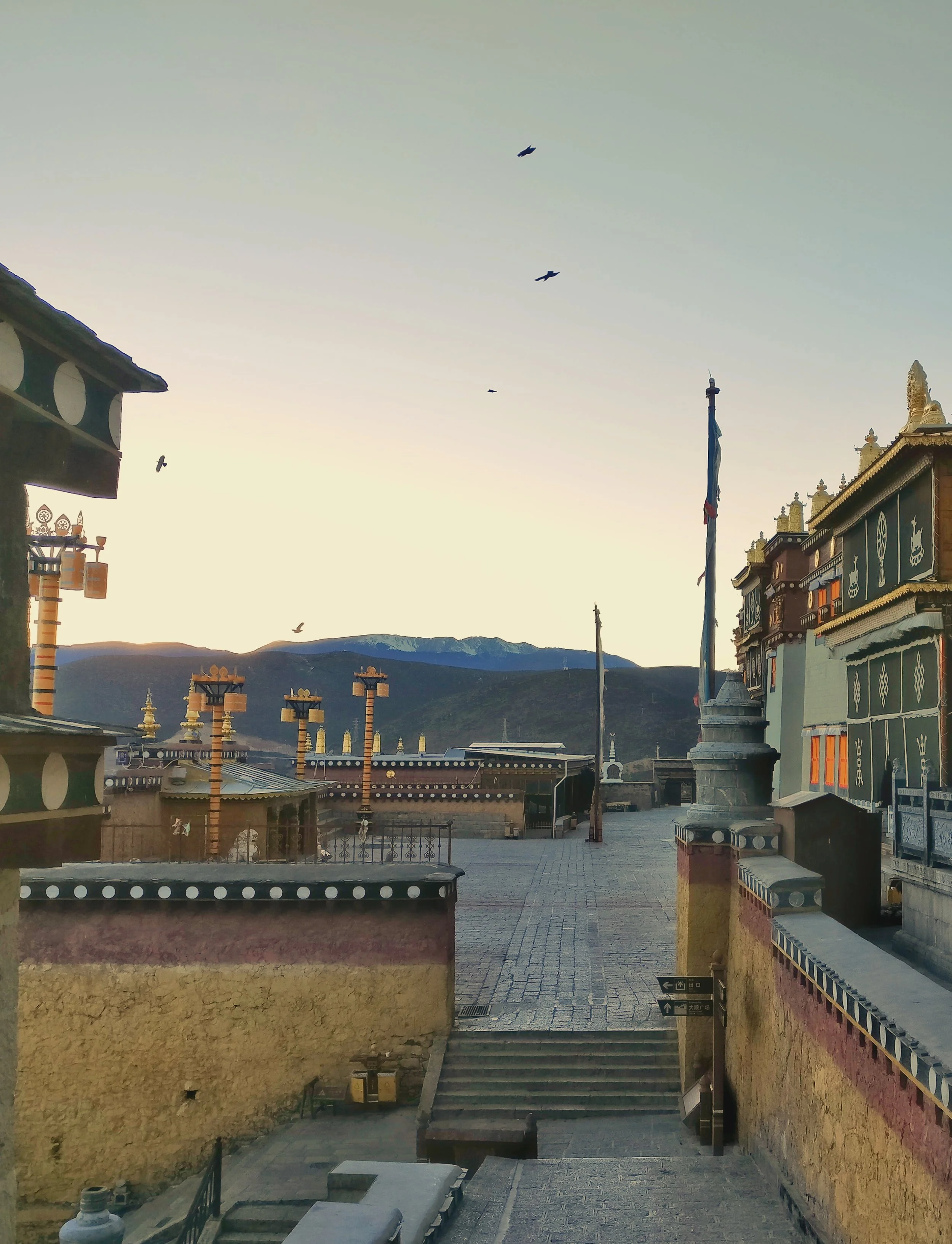
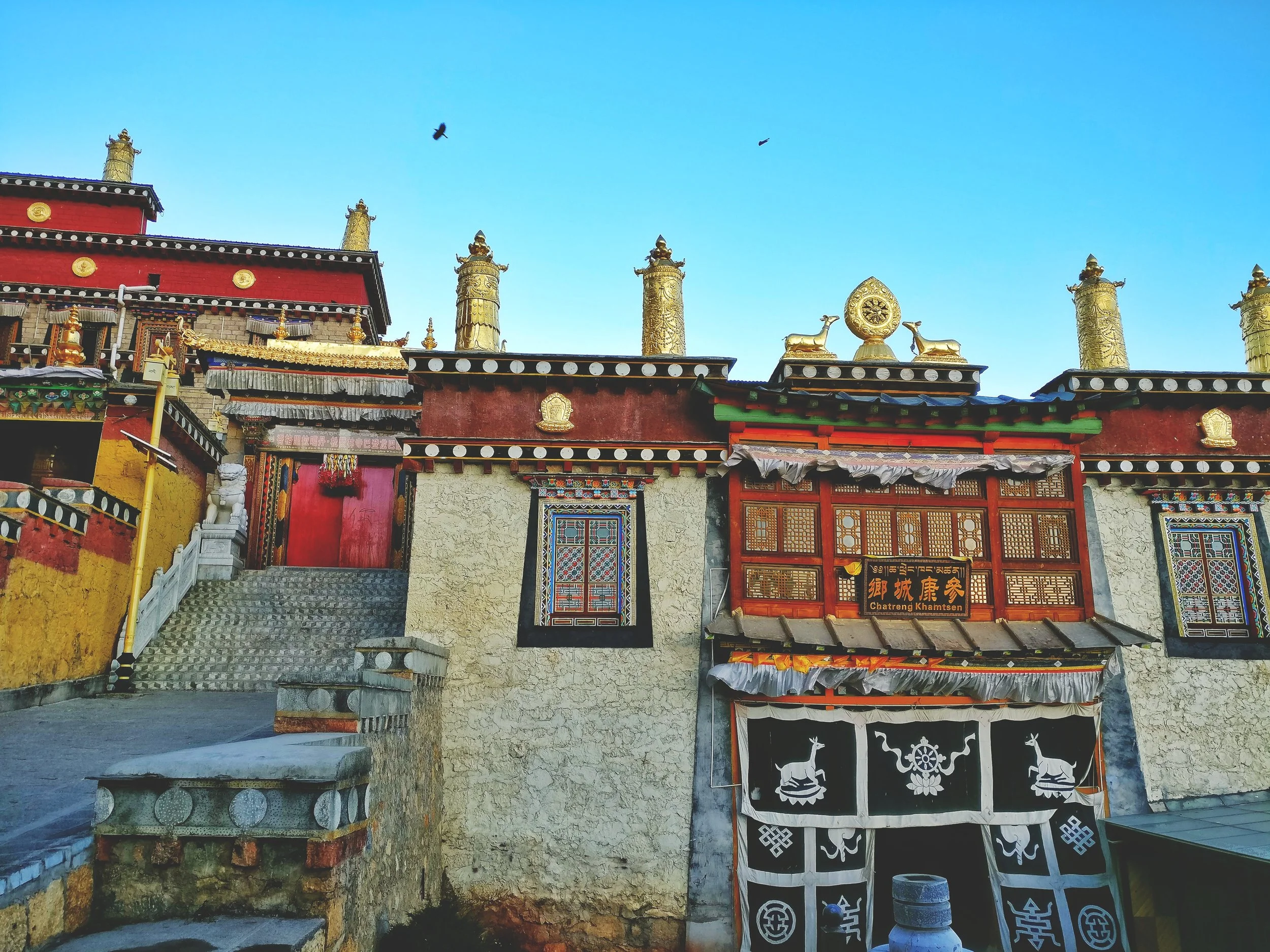
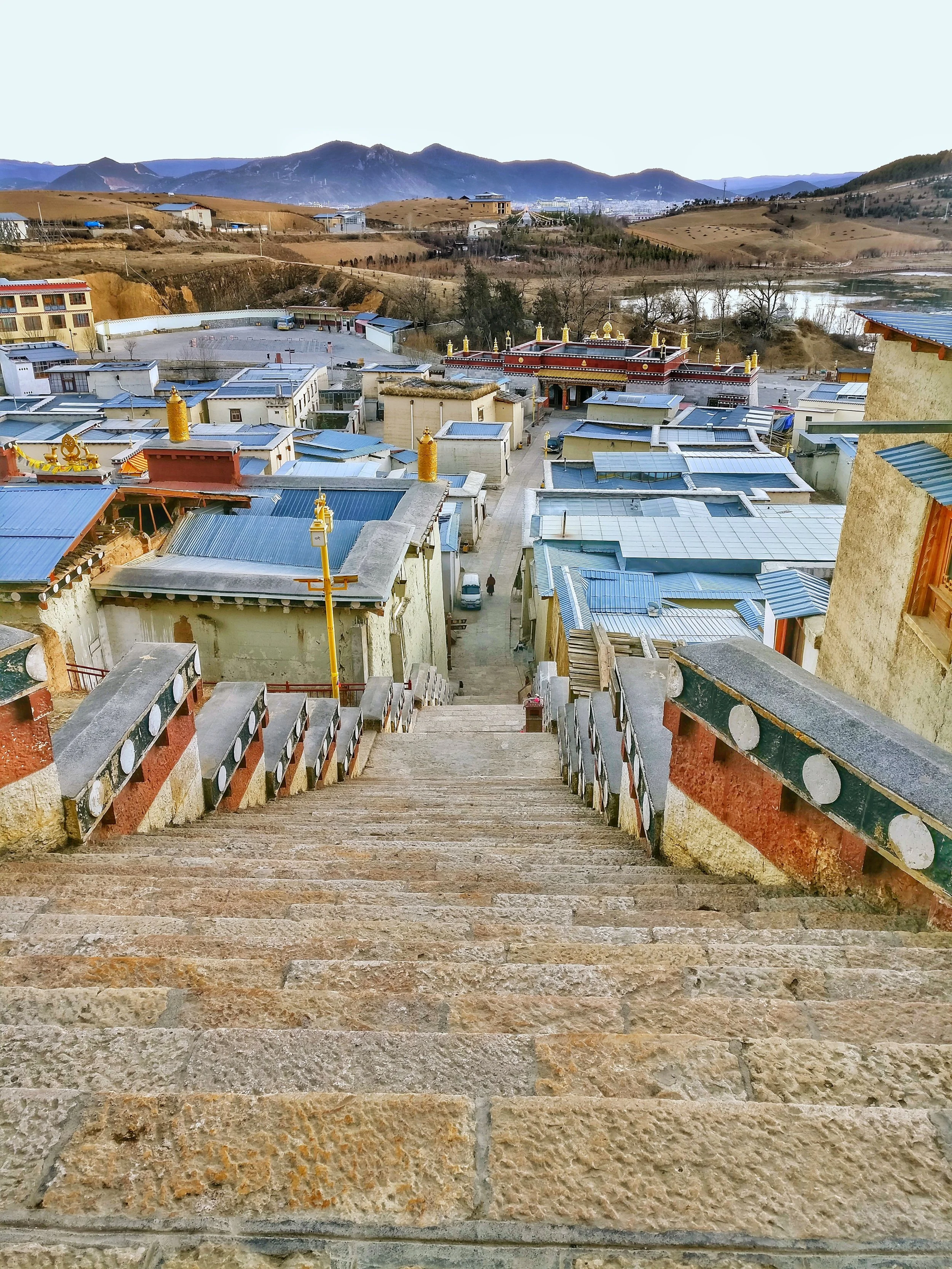
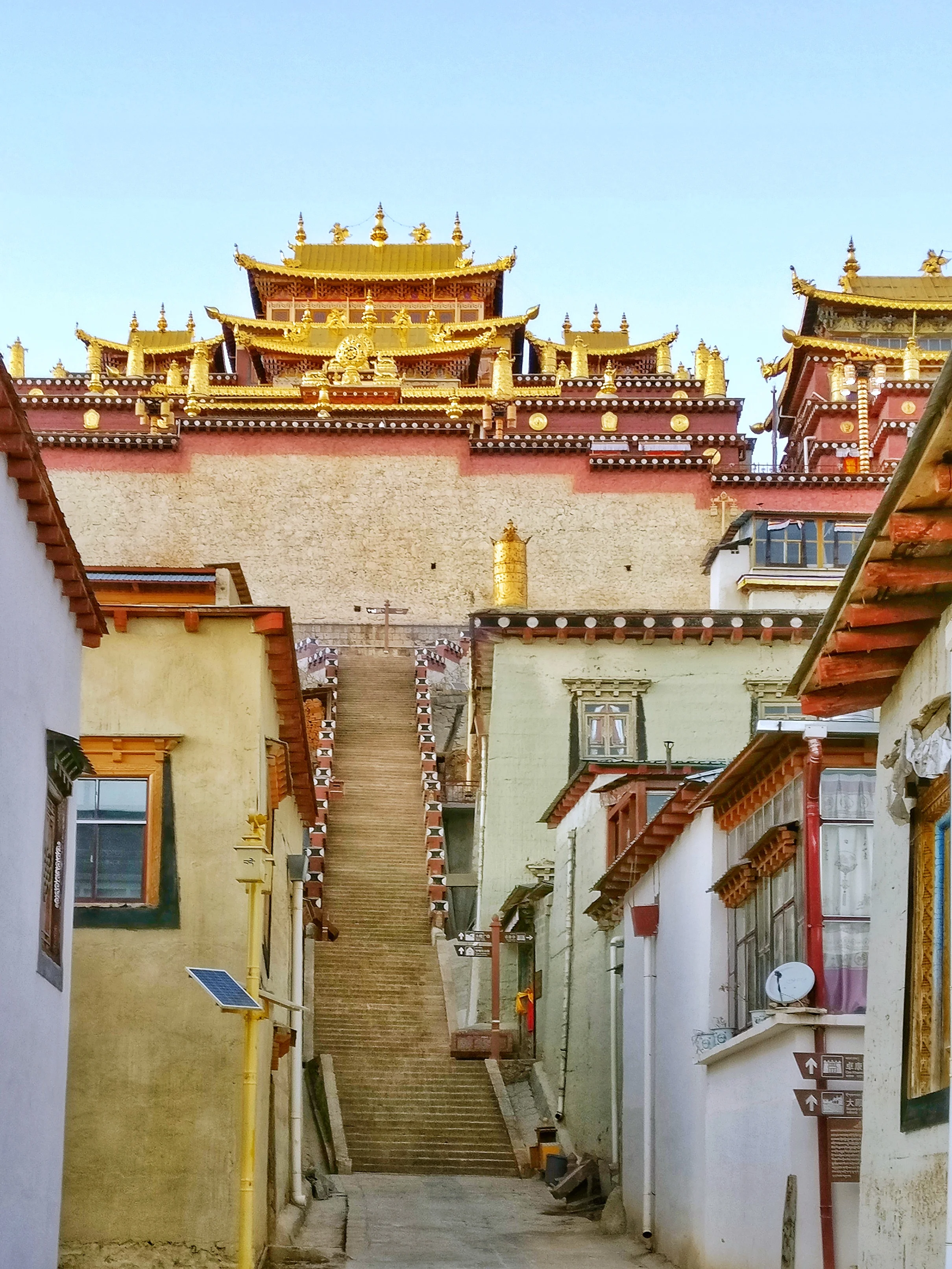
The first rays of the sun reflecting off the Gilded domes of the Monastery was indeed a sight to behold.
Originally built by the fifth Dalai Lama more than 500 years ago. Destroyed by the Communists in 1959. Rebuilt again in the 1980s.
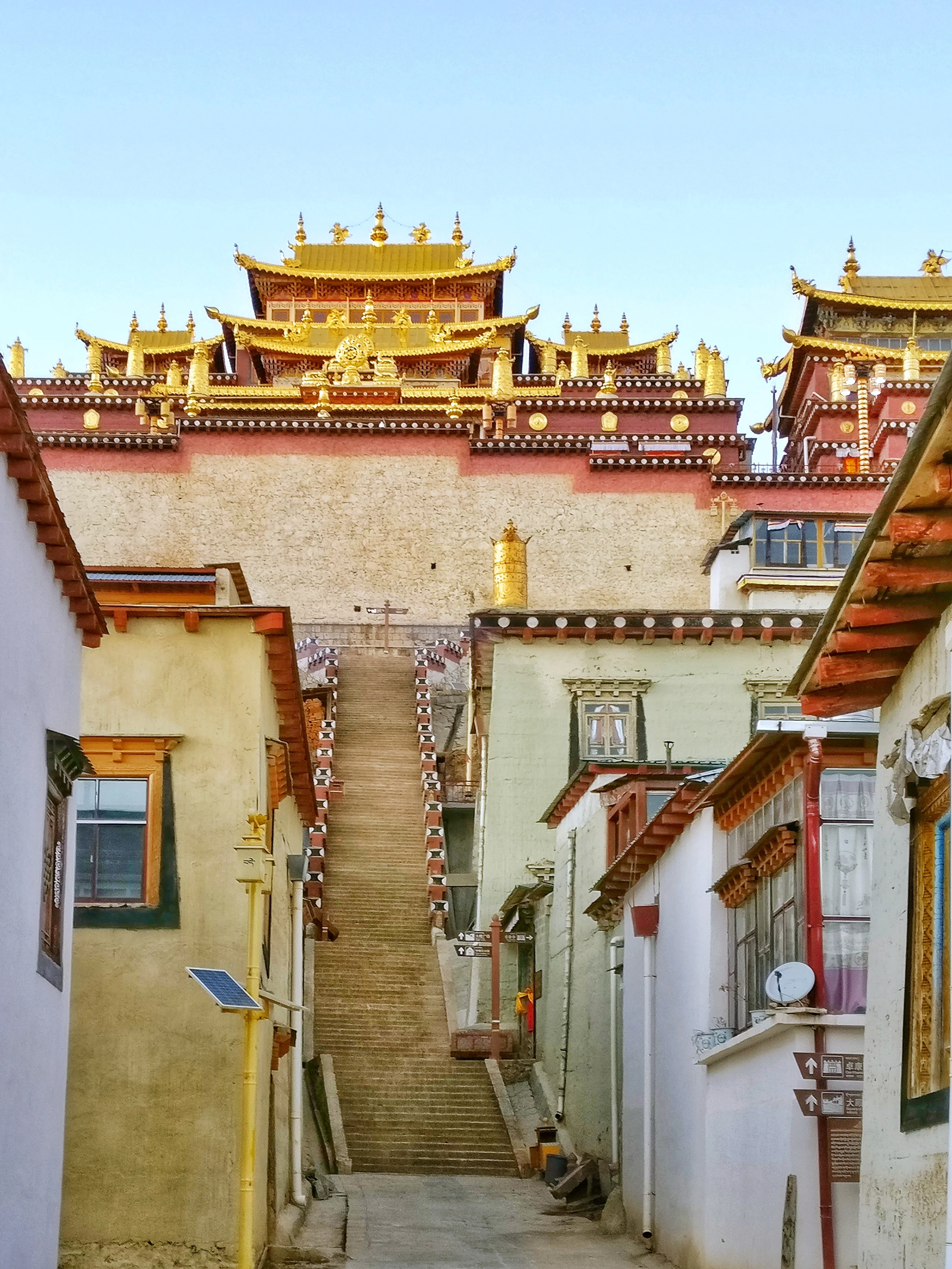
A true marvel of Tibetan Architecture with its enormous size and gilded domes.
Srinagar Old Town : Walkhrough
A walk around the old part of Srinagar and across the many Monuments and places of Worship spread around the Old Town including the Khanqah-e-Moula, Pathar Masjid, Tomb of Zainulabidin’s Mother, Chatti Padshahi Gurudwara, Sharika Temple and the Hazratbal Shrine.

Srinagar Old Town : A Walk Through
Today was a Diwali day well spent as early in the morning I decided to walk my home town especially the area called "Downtown" where all the troubles usually are.
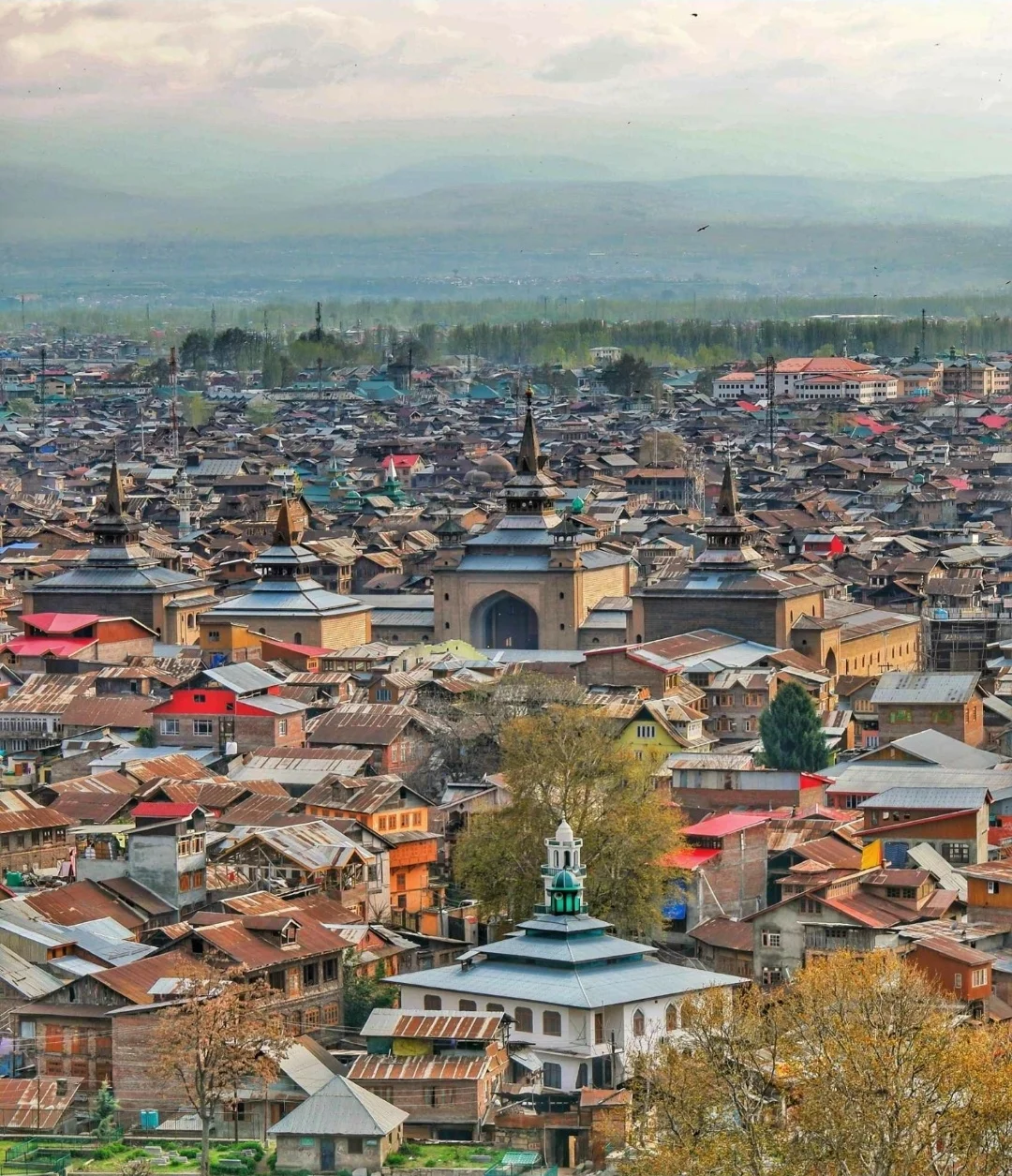
Jama Masjid
Hopped onto an auto and went straight to the beautiful wooden Dargah called the Khanqah e Moula. Located in Zainakadal it's a Mosque and Shrine of Mir Sayyid Ali Hamadani. Built in 1395 AD its one of the oldest Mosques in the Valley. The pic below features this Mosque with the Hari Parbat Fort in the back ground.
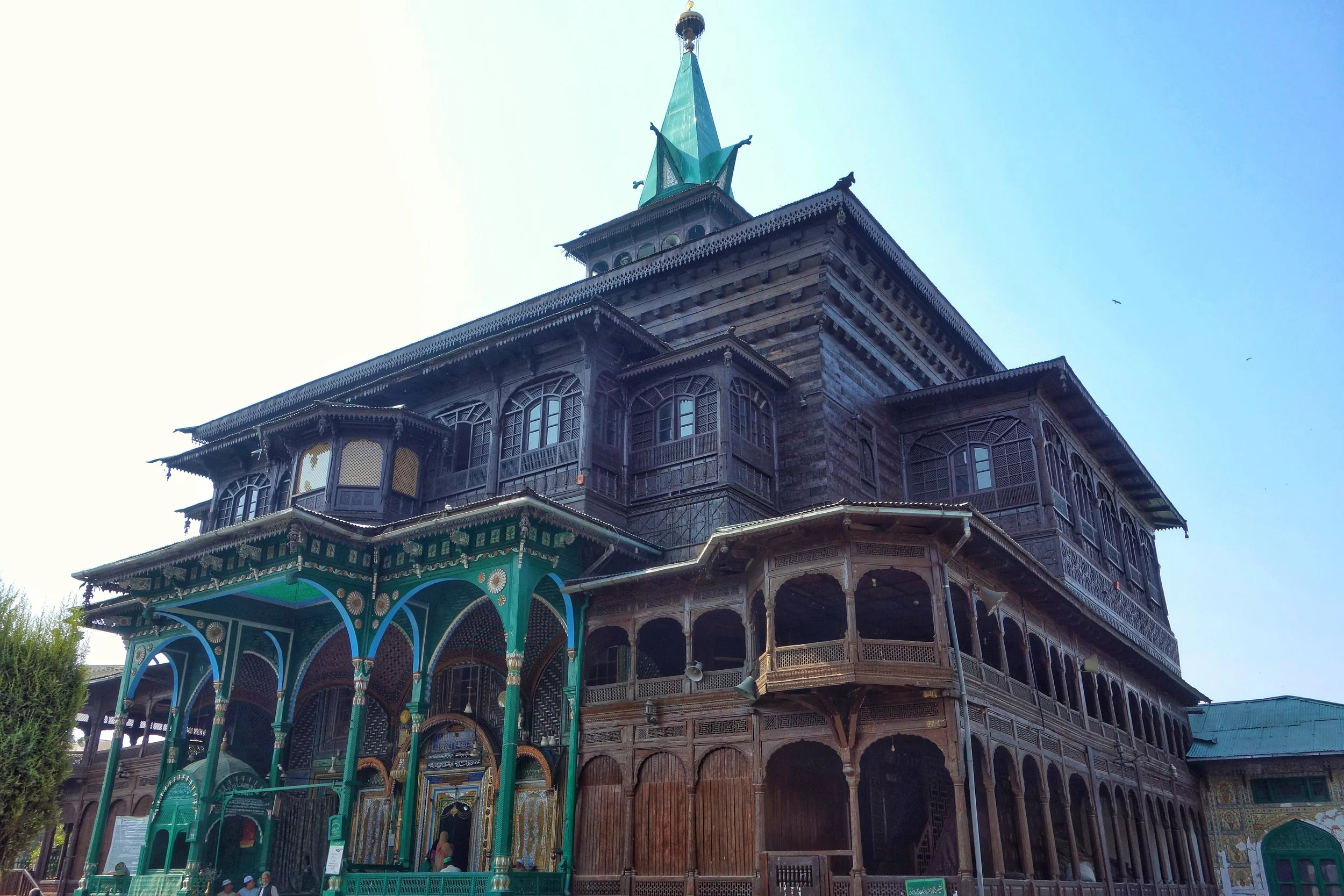
The Khanqah E Moula
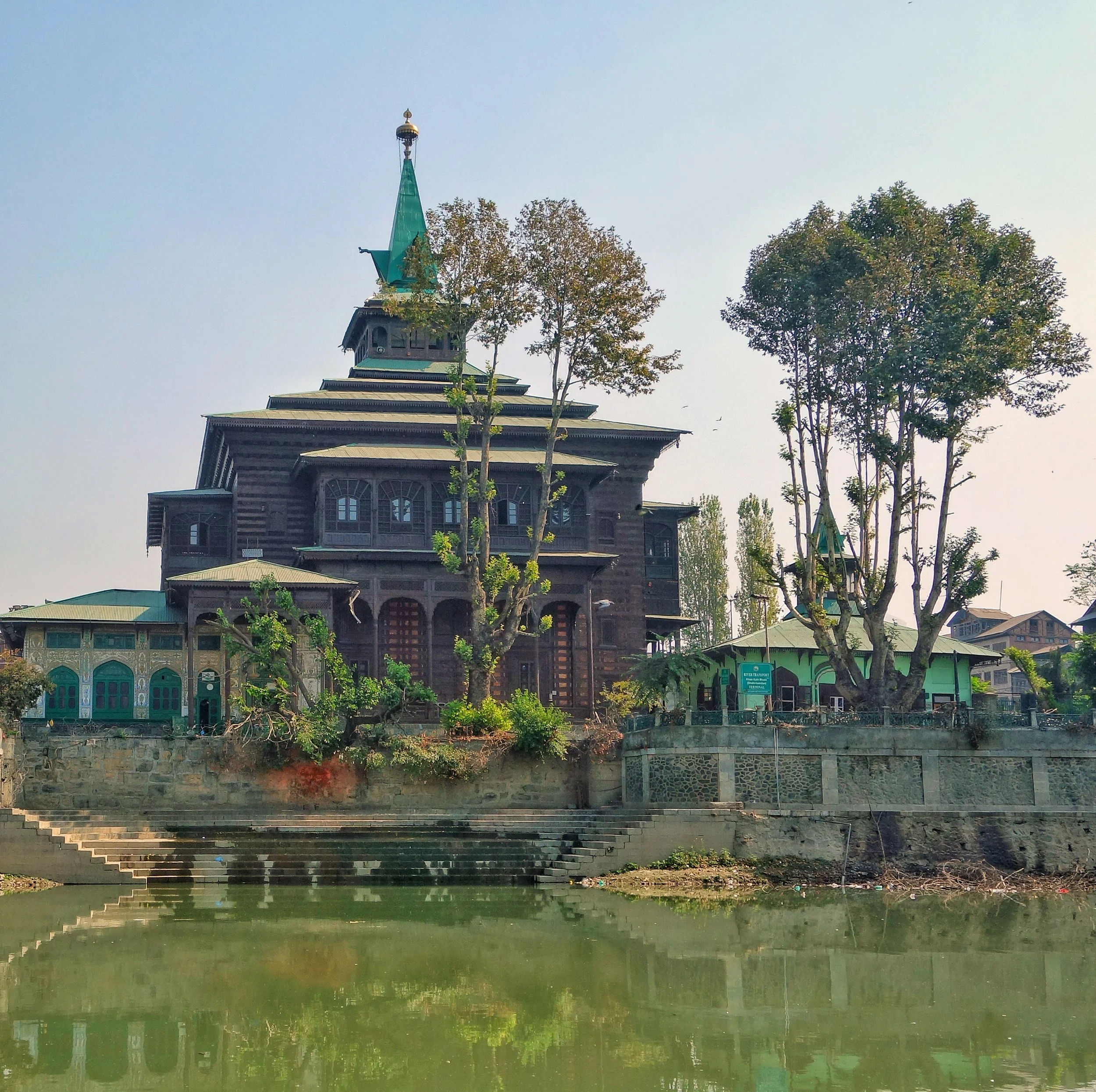
The Khanqahemoula
After that I walked across the Bohrikadal Bridge and visited the Pathar Masjid in Nowhatta. It's a Mughal Era stone Mosque opposite the Khanqah on the opposite back of the Jehlum. It was built around the 1620's.
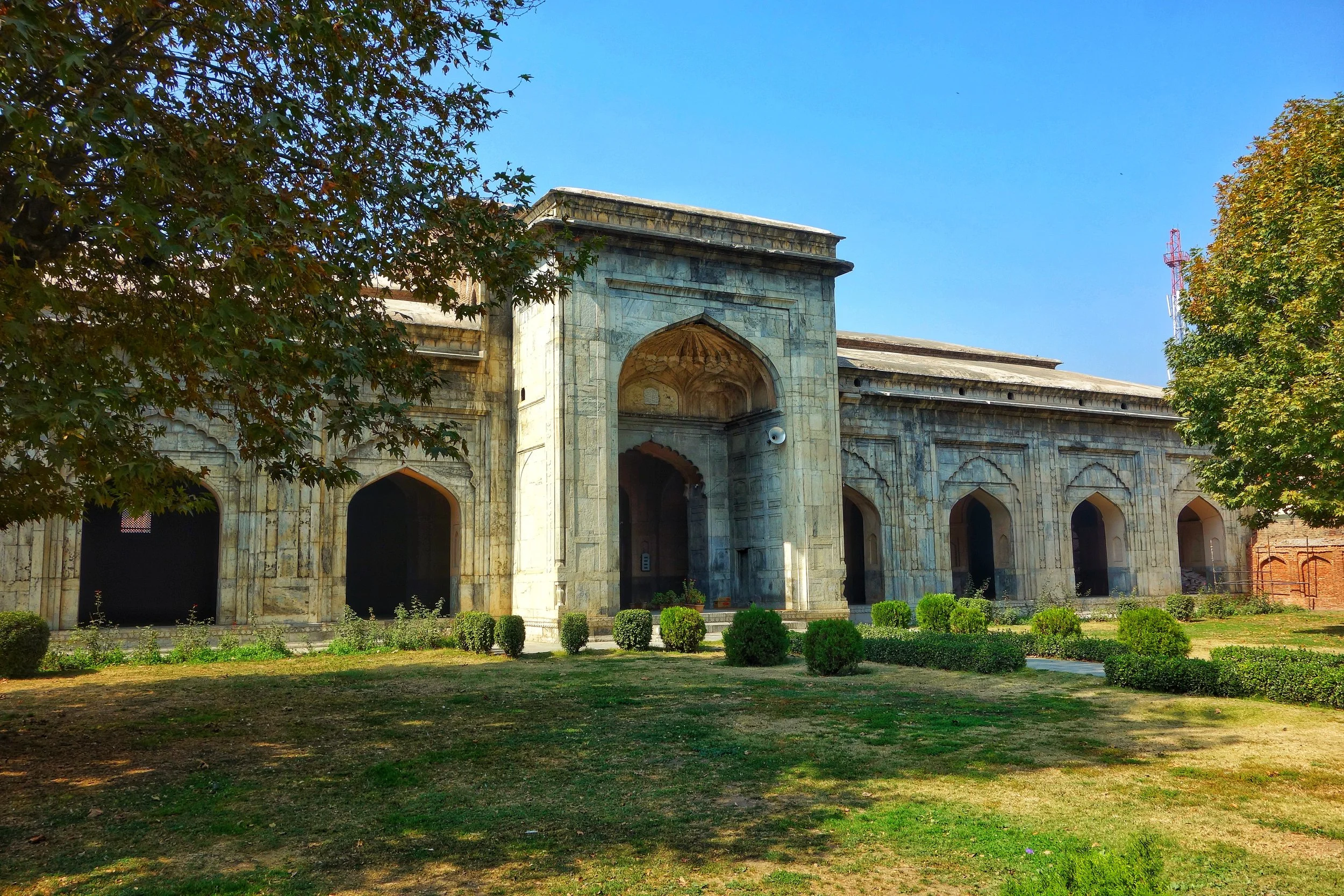
Pathar Masjid
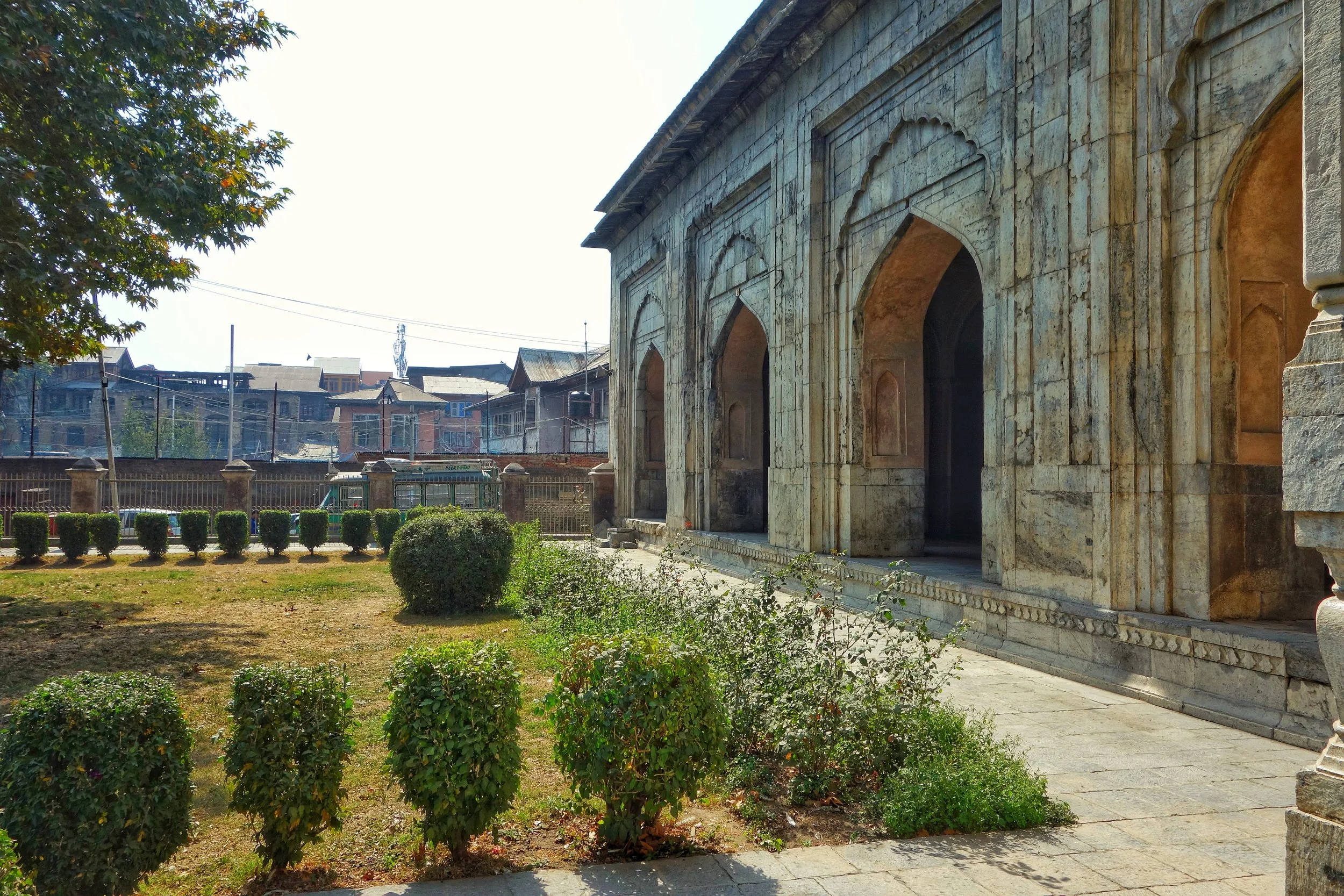
Another pic of the Pathar masjid
Then I walked to the Budshah Tomb in Zainakadal. This is the final resting place of the mother of Sultan Zain ul Abidin a renowned Sultan of Kashmir. This was built in 1430.
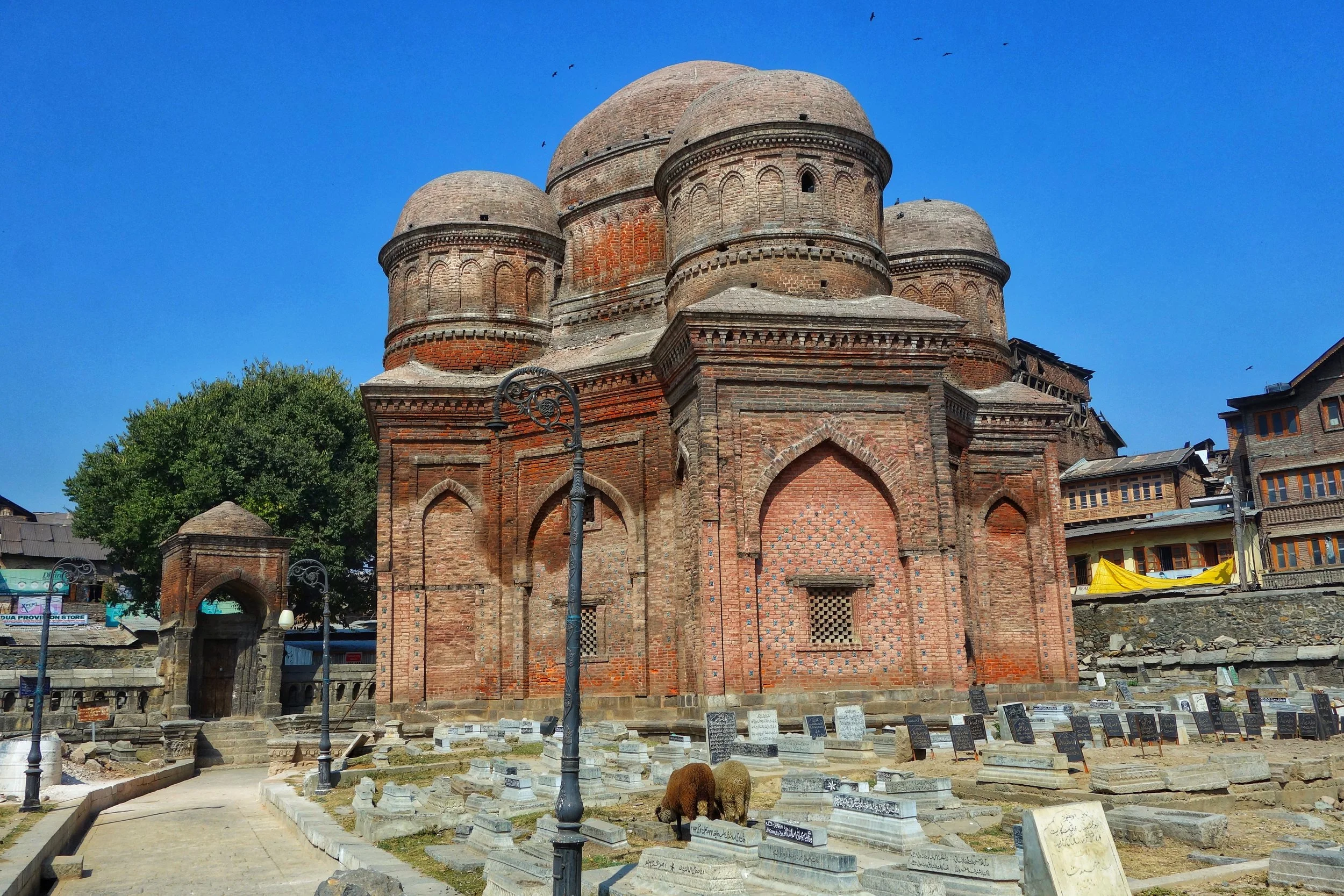
The Tomb of Sultan Zainul Abidin's Mother
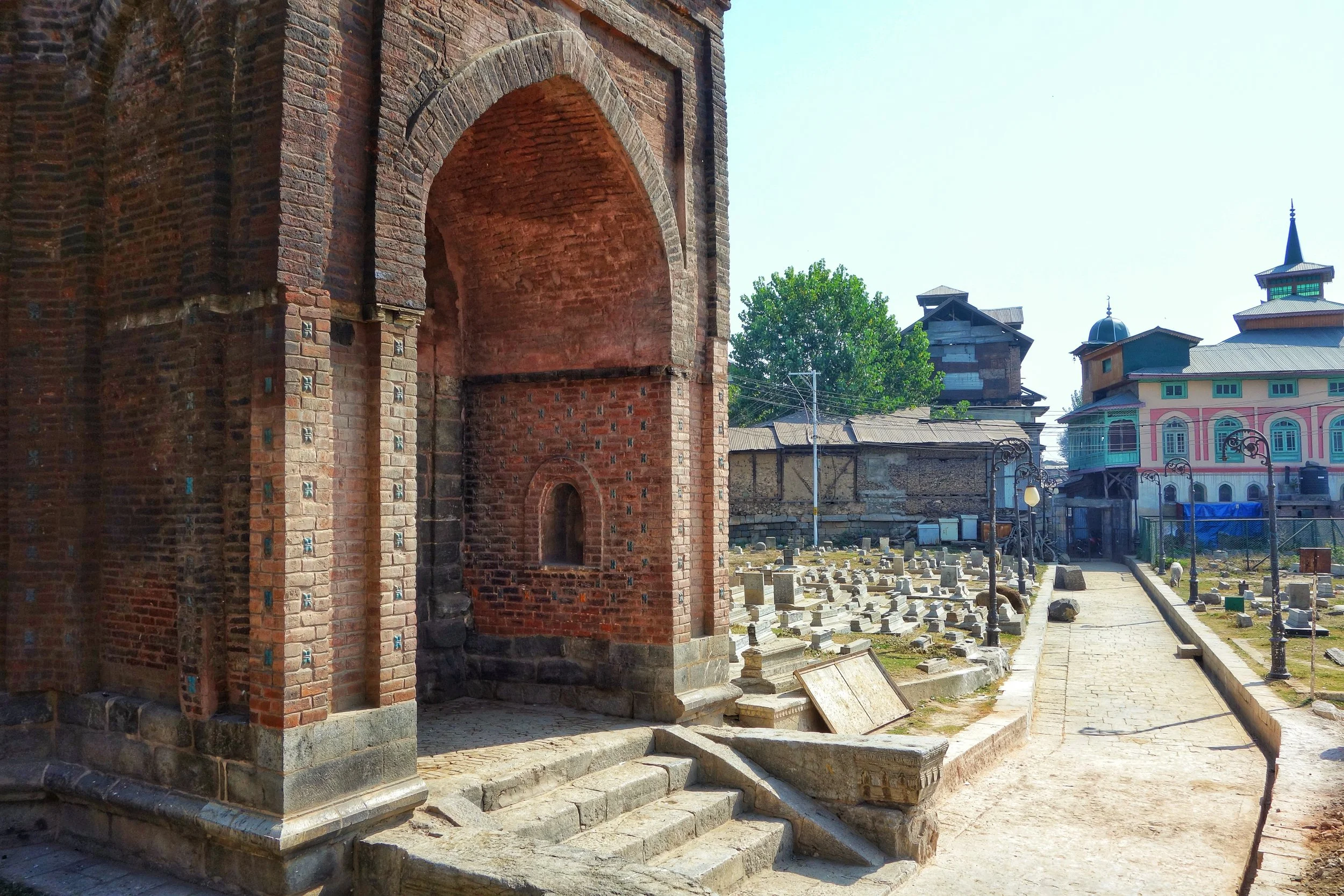
The Tomb of Zainaul Abidin's Mother
Then I again hopped into an auto and went to pay my obeisance at the Chatti Padshahi Gurudwara. The Gurudwara is associated with the Sixth Guru, Guru Hargobind. It is situated just outside the main gate of the Hari Parbat Fort, the Kathi Darwaza. Was offered Tea and had a cup. Someone invited me to the Langar but I had to move on.
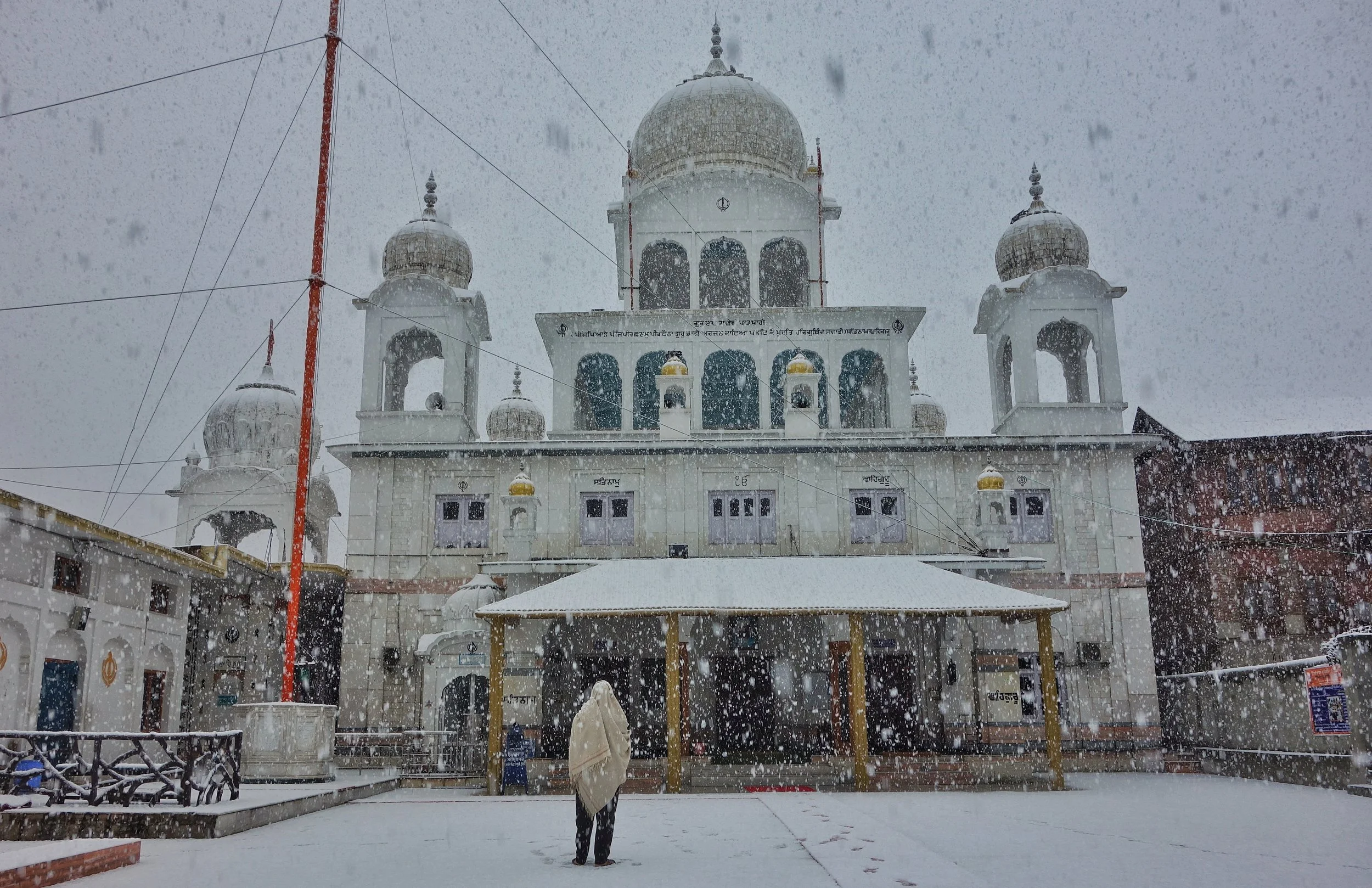
The Chatti Padshahi Gurudwara during a Snowfall
Walked into the Kathi Darwaza there on and went to Badamwari on my way to the Sharika Devi Temple, which unfortunately was locked. The Temple is dedicated to Shakti who is worshipped as Jagadamba Sharika Bhagwati or simply Sharika Devi. She is considered the presiding Diety (isht Devi) of Srinagar.
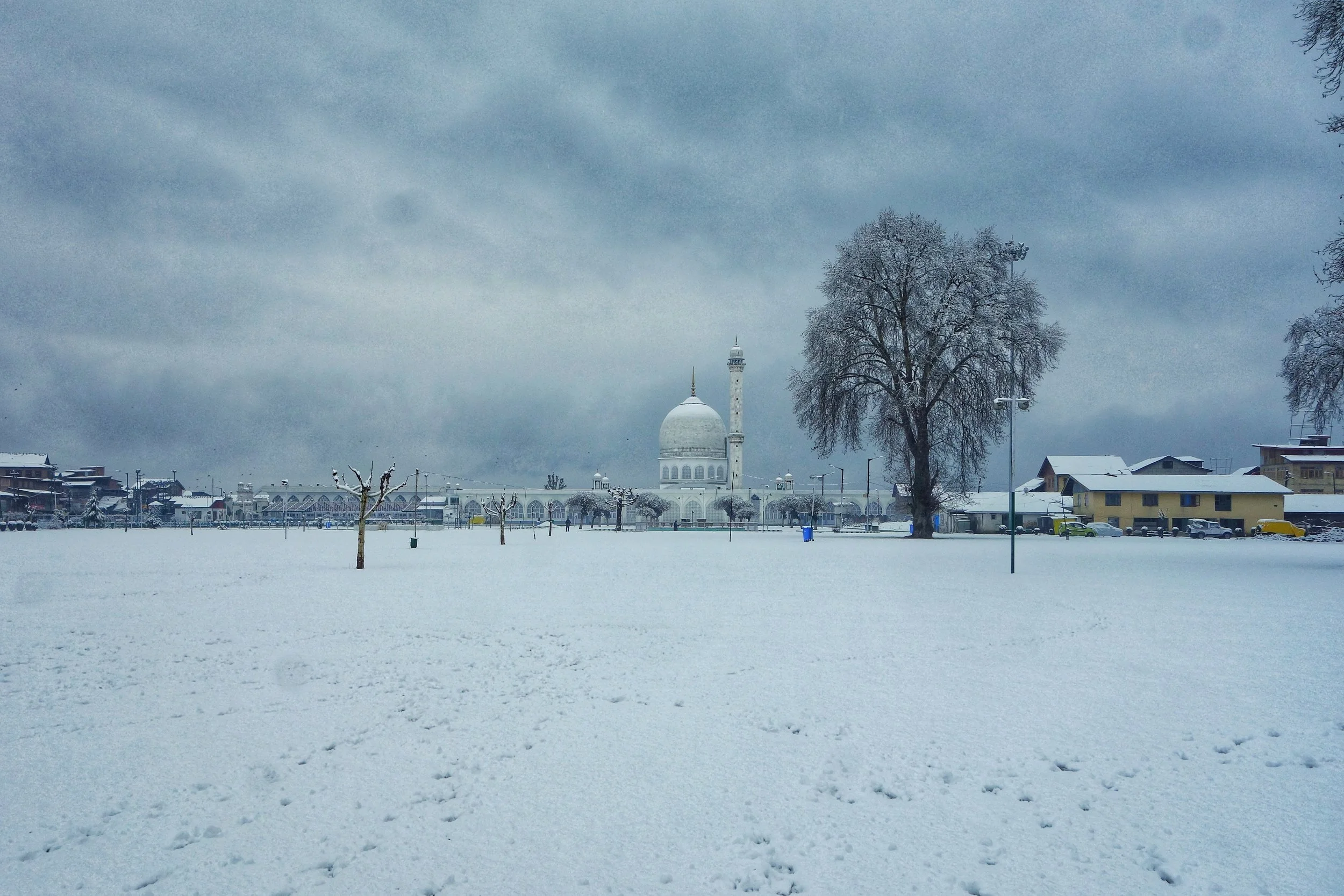
The Hazratbal Shrine after a Snowfall
And again took an auto to round off the tour with a visit to the Holiest Mosque and Shrine in Kashmir, the Hazratbal Dargah. The Mosque houses a holy relic of the Prophet Mohammed (PBUH). The Shrine was built around the 1630's. The best part is the Pigeons who fly around there're. A beautiful place nonetheless.
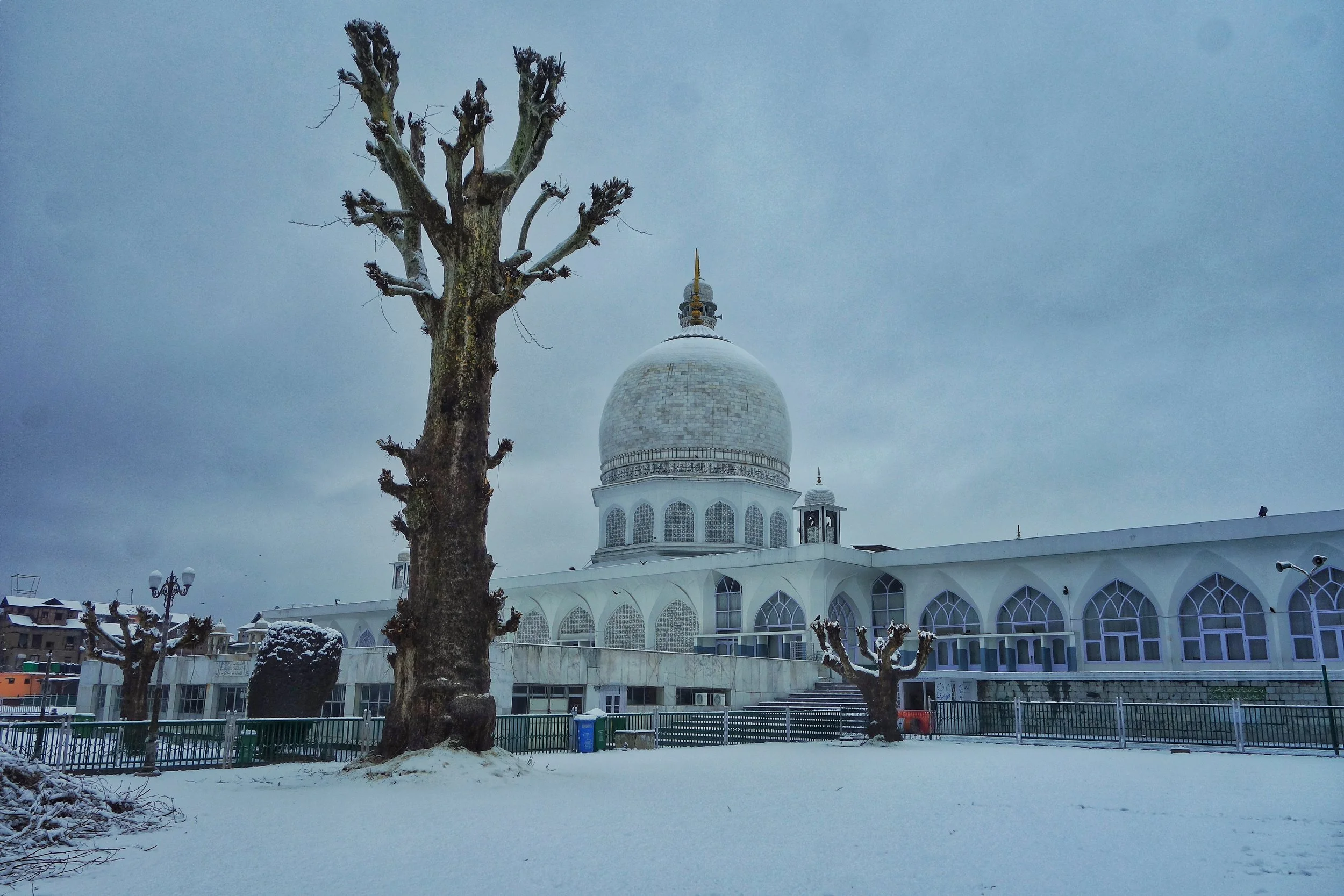
The Hazratbal Dargah
So that's how Diwali day of an atheist was spent. Visiting Holy Places and requesting all Gods to let peace and harmony prevail.
Happy Diwali Everyone.
Pic from today. Taken from Zainakadal Bridge, showing the Khanqah with the green conical Roof and the Hari Parbat in the back ground.
Kiki’s Blog
Stories from the Himalayas
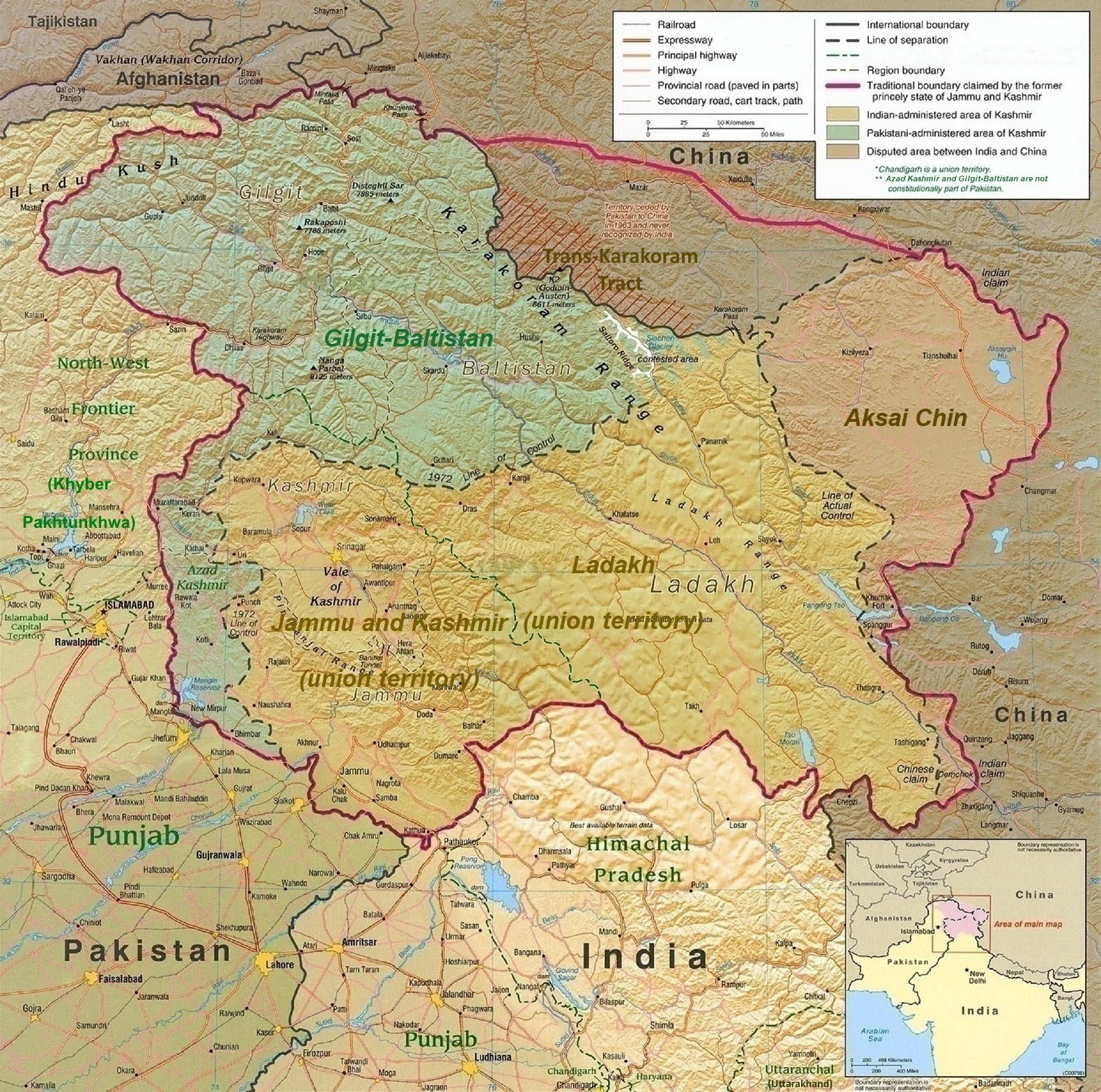
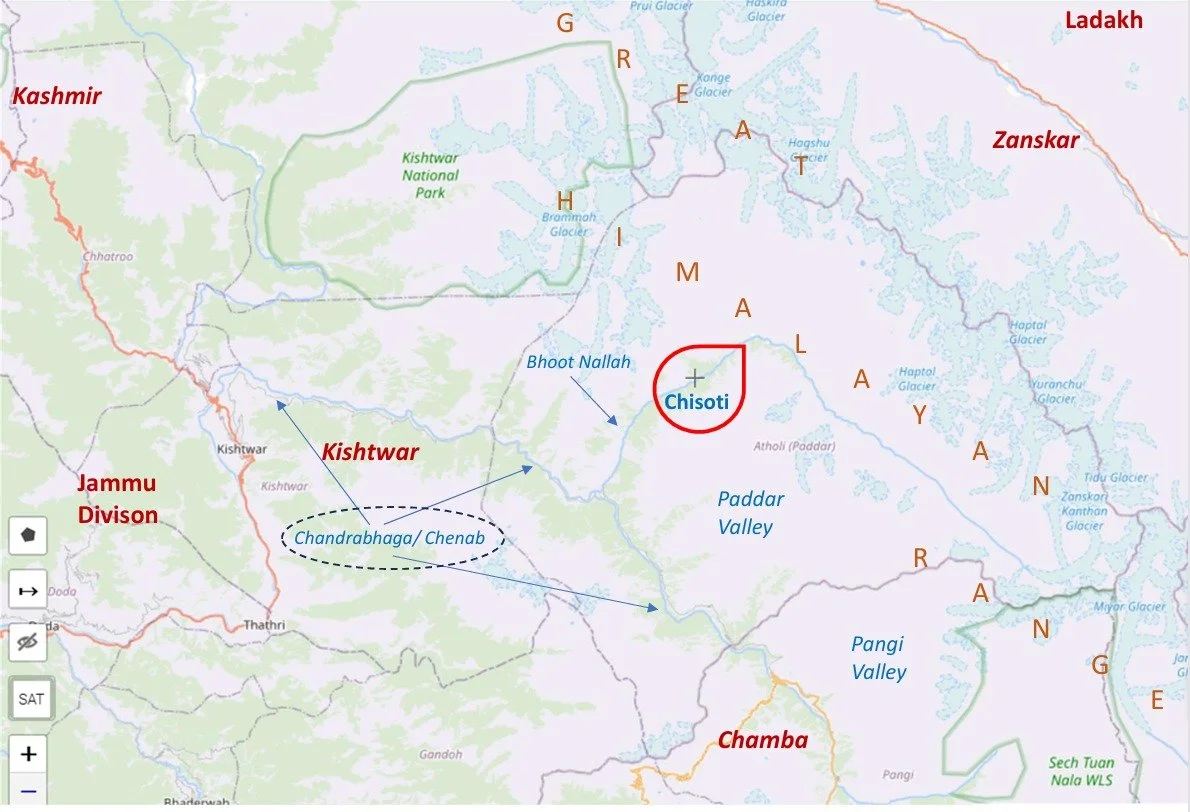



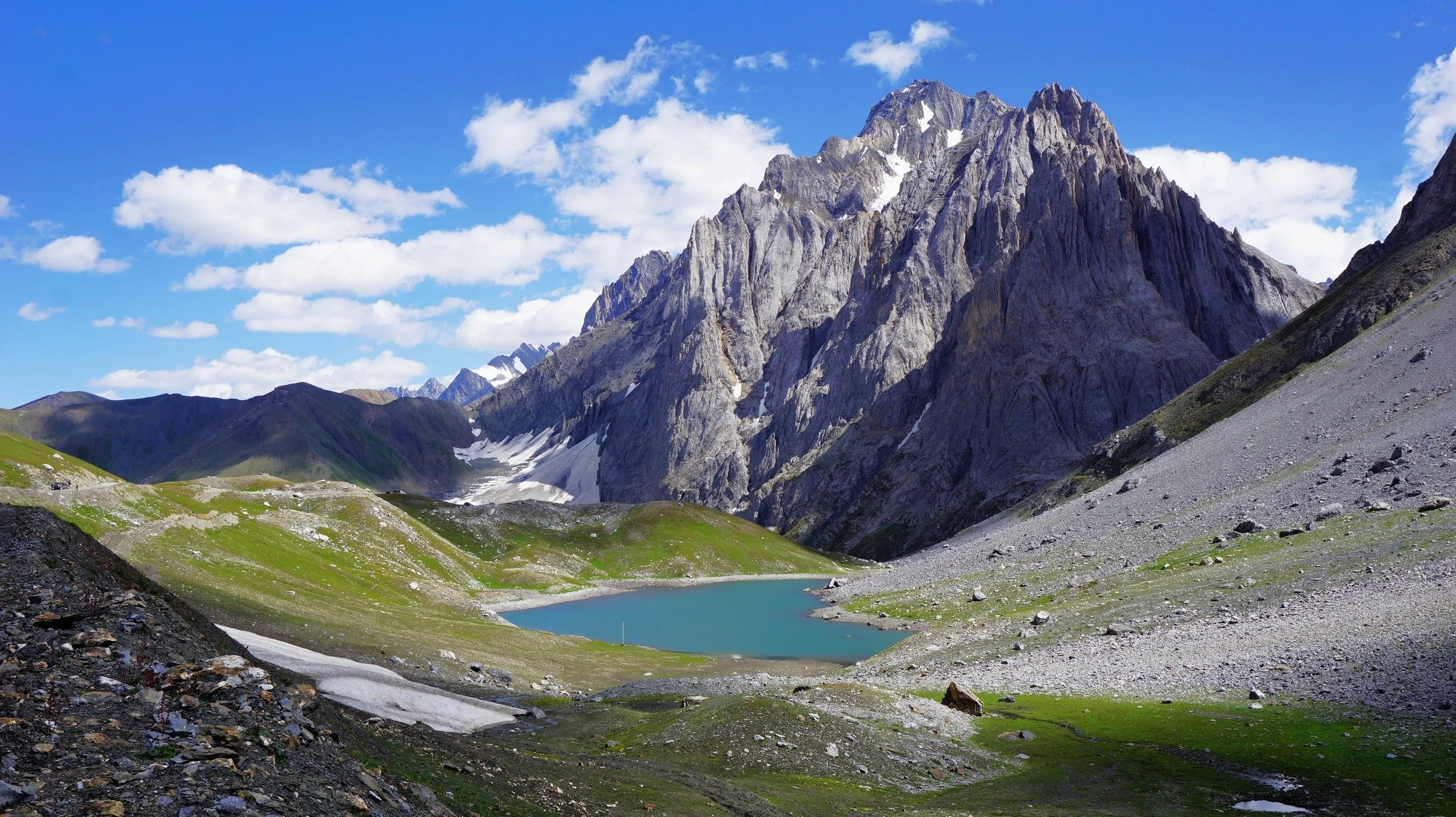
Five years ago the Galwan Valley was in the News for the wrong reasons after a deadly clash between the Indian and Chinese Armies in the Valley located in Ladakh lead to many deaths on the contentious Border between the two countries in wake of continued Chinese intrusions into Indian territory.
This area along the Shyok River, of which the Galwan Nallah or the Galwan River which forms the Galwan Valley has been off limits to Civilians since long but now the Indian Government has decided to open up the area for Civilians and we were amongst the First Civilians to venture into this beautifully desolate part of the Eastern Karakorams in Ladakh. Earlier Civilians could only venture upto the Village of Shyok from where the Shyok River takes a U turn and flows in a Northerly direction.