
When Two Great Gamers Met in High Asia
When two of the great Great Gamers from each side, Younghusband from the British Empire and Grombchevsky from Tsarist Russia met on the high Mountain wilderness on the other side of the Himalayas.
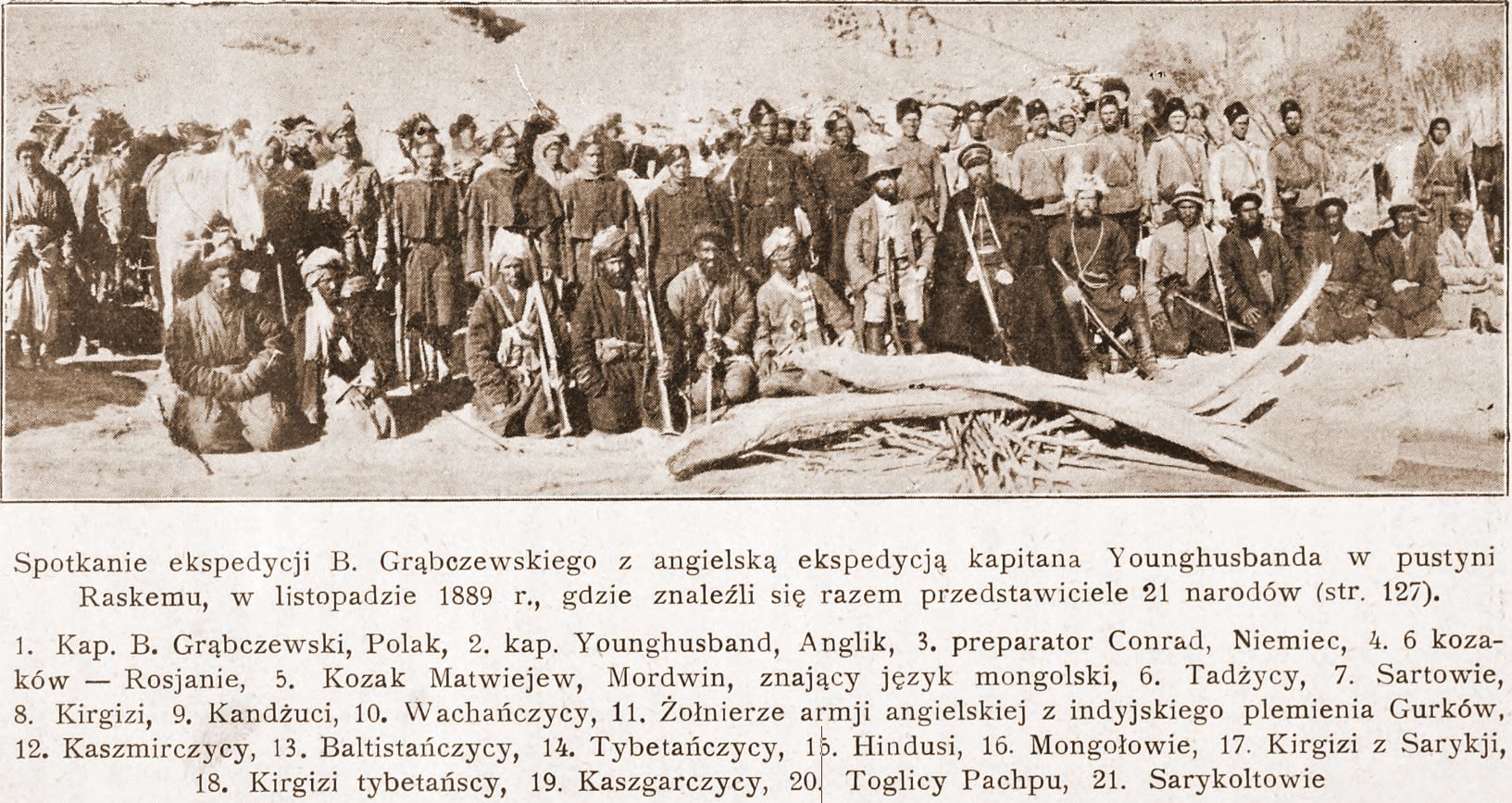
When Younghusband met Grombchevsky
When the Two Great Gamers Met in High Asia
The Great Game was game of intrigue and one upmanship played between the two Greatest Empires of that time, the British Empire and the Tsarist Russian Empire that was played in the most of the Nineteenth Century. At stake for the British was the Jewel in the Crown, the Indian sub-continent while for the Tsarist Russia it was their Empire in Central Asia. Both these Empires met somewhere in high Asia in the midst of the Mountains of the Great Himalayan System.
The British had constant nightmares of Cossacks riding over the great Mountains and making a dent in their Indian holdings. The fact that Tsarist Russia overran most of Central Asia during this time and that a body of Cossacks now sat on top of the Wakhan not very far from the Kashmir territories did not make things comfortable for them either. The Great Game was played in a region stretching from Persia to Afghanistan over to India and Tibet and the whole of Central Asia.

Sir Francis Younghusband
There have been many Western Explorers who went on different assignments in these Mountains but one of the key reasons was always to find out more about the Politics and the Geography of the regions which were not under the Control of the Empire. The frontiers of the Punjab Empire of Maharaja Ranjit Singh were a key target as they bordered the wilds of Afghanistan as it slowly gave way to Central Asia. Also of great interest to them were the Routes that were traditionally taken from Kashmir via Ladakh into Central Asia. The Cossacks had a reputation and the British wanted to have the information on all the possible Routes that the Cossacks would take in case they decided to lay their claim on the Jewel in the Crown.

Younghusband's Route from Peking to Kashmir over the Mustagh Pass
One of the great players of the Great Game from the English side was the well know Gentleman, Sir Lt. Col. Francis Edward Younghusband. He was born at Murree and joined the Military in the footsteps of his father and elder brother. His first achievement was to make a Journey through Manchuria and China mainland and onto the Takla Makan into the Tarim Basin and from there onto the fabled Central Asian Khanate cities of Kashgar and Yarkand and from there over the Pamirs and the Karakorams over the Mustagh Pass into Kashmir and finally into British territory. He led several other expeditions into the Mountains and he led the British invasion of Tibet in 1903. He has been widely accepted as a great Explorer and Soldier. More on him and his Expeditions in a later Post.
On the Tsarist Russian side also there was no dearth of Men who were no less. One of the most accomplished players from their side was Bronislav Grombchevsky, an Officer in the Russian Imperial Army of ethnic Polish descent. He led many expeditions into Kashgaria as the region of the Tarim Basin in the late 1800s. This Region was of great interest to the three Empires which met in the vicinity, the third one being the Chinese Empire. The region of Kashkagia was a Khanate ruled by the insolent Ulugh Beg, who tried to balance the influences of all these three Great powers in his own tyrannical way. Among his missions were an expedition along the Gilgit River with his Cossacks which led to alarm bells ringing in the British Empire and were one of the reasons for the Hunza Chitral missions of the British Army to subjugate the errant local Rulers and which eventually ended in Gilgit being taken on lease from Maharaja of Jammu and Kashmir and the creation of Gilgit Agency.
One of the most interesting Event that took place between these two contemporary Giants of the Great Game took place in 1889. Captain Younghusband, as he was at that time was despatched with a small detachment of Gurkha soldiers to explore unknown regions of Northern Ladakh where the trade between Ladakh and Yarkand had been disrupted by Hunzai raiders. While on this mission Capt.Younghusband’s detachment was camping somewhere along the wilds of the Yarkand River. As it so happened Grombchevsky and his detachment of Cossacks were Camping somewhere in the vicinity as well. Two great European officers of competing Empires (the largest in the World at that time and the most powerful as well) were camped close to each other in High Asia, an unknown Mountainous wilderness where India met Central Asia. Of course they had to meet as these Officers were also Gentlemen.

Bronislav Grombchevsky
Bronislav Grombchevsky sent an invitation to Capt. Younghusband to come over to his Camp for dinner. Capt. Younghusband accepted the offer. So the Capt with his Gurkha escort went over to meet his Russian counterpart. It is said they sat late into the night having a Gentlemanly discussion on the current situation and the Great Game intrigues. Apparently over copious amounts of Vodka served by the Russians Capt.Younghusband candidly asked Grombchevsky about any Russian plan to invade India through these mountains. Not really sure what Grombchevsky had to say on this but he made a point by telling his Cossacks to put on a display of their legendary Horsemanship in front of the British Captain who is said to have been suitably impressed. After the Cossacks were through with their performance Captain Younghusband told his Gurkhas to put on a Rifle drill for his Russian hosts. The Drill along with the Gurkhas brandishing their Khukris to the cry of “Jai Maha Kali, Ayo Gorkhali” are said to have impressed Grombchevsky even more as it was quite unlike anything he and the Cossacks had ever seen before. The Captain made his point and he made it well.
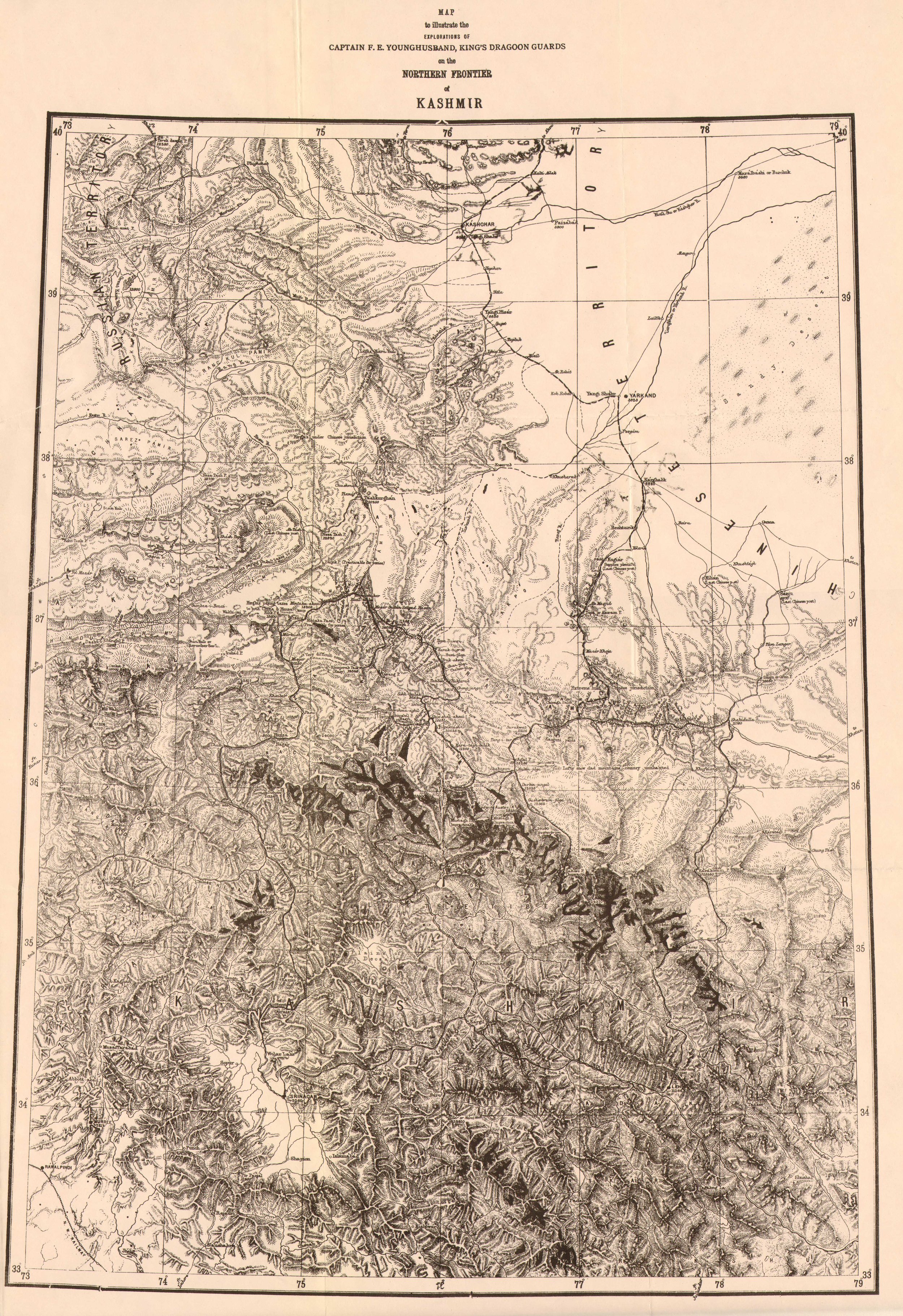
The Northern Frontier of Kashmir by Francis Younghusband 1880
The night over both parties parted, Capt Younghusband carried on with his explorations in the Karakorams while Grombchevsky continued on his way towards Tibet.
The Russian invasion of India through High Asia over the Mountains never happened and the Great Game became a fascinating chapter in History.
Of that famous meeting between the two European Officers in High Asia with their Cossacks and Gurkhas still exists and I m posting that here. Interestingly the pic is from Russian sources and besides the Officers and Soldiers from each side it mentions the ethnicity of the people who were a part of the respective retinues are mentioned. We find Tajiks, Sartowie (?), Kirghiz, Kunduzi, Wakhani, Kashmiri, Baltistani, Tibetan, Hindu (Indian ?), Mongol, Saraiki, Kirghiz Tibetan, Kashgari, Togily Pachpu (?) and Saraikoli mentioned.
In the pic we see Capt Younghusband in the center left wearing a hat with his Gurkhas behind and other members of his party on his left. On the right is Grombchevsky with his Cossacks behind him and other staff on the right sitting on the Ground.
Pic from November 1889. Somewhere in the Raksam Valley on the Yarkand River.
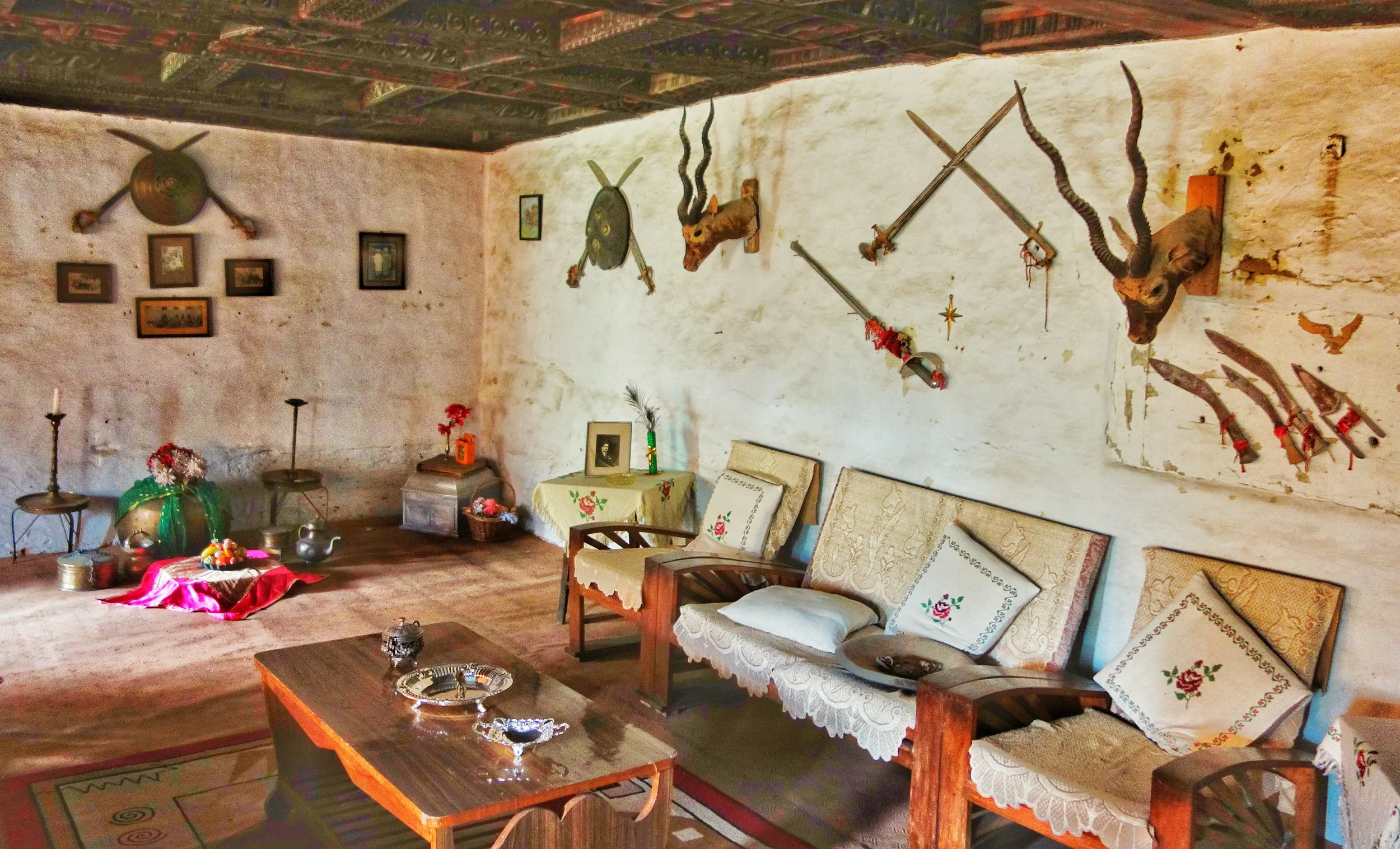
The Khukris of Kotkhai Palace
The Story of how the Gurkhas once met on the battlefield and how they came close to fighting the British together but alas its a tale of missed chances. And how the Gurkhas Kingdom once stretched all the way from the present day Nepal to Kangra valley.

The Khukris of the Kotkhai Fort
As they say every pic tells a story.
This pic was clicked in the Diwan E Khas of the Fort Palace of the Rana Sahib of Kotkhai. I had earlier posted another pic from the same place.
Like any Royal places of audience it had the customary display of weapons of war and trophies of hunts. There were Shields, Swords, Matchlocks, Bows, Kataars and most intruigingly Khukris. And this opened the Pandora Box of the time when the Gurkhas were in control of this area along with Garhwal and Kumaon and which eventually brought them into conflict with the British.

The Gurkha war machine after over running Garhwal and Kumaon and certain parts of Himachal laid a siege on one of the most important Forts of the Lower Himalayas, the Fort of Kangra in 1806. Led by General Amar Singh Thapa, also referred to as Kazi, the Gurkhas were simply unstoppable. The House of Gurkha, inspired by the Great Prithvi Narayan Shah were expanding their Empire like never before and led by Generals like the Kazi, who was the Military Commander of the Gurkha armies to the west of the Sutlej they were on a roll. Soon they over came the defenders of the Fort and the Kangra Fort was now in the hands of the Gurkhas. As per a report of a British Officer Captain C.P Kennedy in 1824 after Kangra the next target for the Gurkhas was Kashmir, which at that time was under the Afghans.
Except that another equally powerful entity had its eyes on the Kangra Fort, the Hill States and Kashmir and beyond. This was Maharaja Ranjit Singh and his equally warlike Army of the Khalsa ie the Confederacy of the Sikhs. After the fall of the Fort the ruler of Kangra, Raja Sansar Chand Katoch approached Maharaja Ranjit Singh asking for his help in evicting the Gurkhas. It has to be noted that the Sikh and the Katoch armies had also fought against each other as Maharaja Ranjit Singh had set his eyes on the Himalayas as mentioned earlier and they were not really the best of friends. But for now the best recourse available to the Hill Raja was to seek the help of Maharaja Ranjit Singh. The Kangra Raja offered the Sikhs the Fort for the long term if they could make the Gurkhas leave.
Maharaja Ranjit Singh was not only a great military genius and organiser of the Sikh armies, he also had great sagicity and foresight. He knew exactly what it would entail taking on the Gurkhas, they had a reputation for all the right reasons. And he knew that the biggest victors in an all out clash between the Sikhs and the Gurkhas would be the British as both these forces would be greatly weakened if they got into a war. And he did what he thought would be in everyone’s best interest. Of course his own interest and the interest of his statecraft was paramount.
Ludwig Stiller writes in his epic book “The Rise of the House of Gorkha” that Maharaja Ranjit Singh sent a letter to General Amar Singh Thapa in August 1809 asking him to peacefully give up the Kangra Fort and vacate the whole area to the Sikhs and in return he offered Gurkhas military help, whenever they came into conflict with the British, which was clearly inevitable. Just to push his point in, being the Great Military Genius he was, he had cut off the supply lines of the Gurkhas and had the Fort surrounded. The Kazi offered money to Maharaja Ranjit Singh in order to withdraw but it was Kangra the Maharaja wanted and not money. That was when the Letter was sent.
General Amar Singh Thapa was incensed when he read the letter and even imprisoned the messenger. The reason for this was that he was aware that the Maharaja and the British had signed the Treaty of Amritsar in 1809 in which it was agreed that the Maharaja would keep to the other side of Satluj and not interfere with the British dominions and protectrates below it. It was however set him free to do whatever to the North and the West of the Sutlej. The Kazi found it hypocritical that the Maharaja would sign a Treaty with the British on one hand and offer help to the Gurkhas against them on the other hand. This is how the greatest Empires were built but I assume the Kazi was more of a military man. The Kazi refused the offer.
Maharaja Ranjit Singh had no other option except the Military one now as a conflict with the Gurkhas could not be avoided. The Gurkhas had spurned his offer. There ensued a short War, called the Sikh Gurkha war, both sides fought tooth and nail but the Gurkhas had a disavantage as their supply trains were cut. The Gurkhas lost in the end and as a result of which the Gurkhas were evicted from the Kangra Fort and all the territories there of. Maharaja Ranjit Singh now sat firmly in command of the Kangra Fort and surrounding Hill States braced up for the Gurkha retaliation. And later of course Maharaja Ranjit Singh conquered Kashmir as well from the Afghans.
So the Gurkhas lost the Kangra Fort and eventually they had to fight the British in 1815 and they had to fight them alone. Maybe theyshould have taken Ranjit Singh’s offer and the course of history would have been different. Alas. But lets rewind again.
Coming back to 1809, after their eviction the Gurkhas tried to take Nalagarh as it was beyond Maharaj Ranjit Singh’s reach due to the terms of the Treaty Of Amritsar and at the same time they captured the Fort at Subathu (it still serves as a Gurkha Regimental Center)and the went onto conquer the other Shimla Hil States like Theog, Keonthal, Balsan, Jubbal Kotkhai and Rampur Bushahr. The KotkhaiFort was also now under the control of the Gurkhas and now a clearer picture of the mystery of the Khukris at the Diwan e Khas emerges.
On a broader front the Gurkhas were now, with all their conquests were now heading for a collision with the British. The powerful Nepalese Prime Minister, Bhim Sen Thapa knew war was coming. Bhim Sen Thapa was also a great tactican and it was apparent to himthat the greatest weakness of the British was that they could not stand up to a combined force of a confideracy of the local powers. He sent emissaries to various princely states, amongst them the Marathas of Gwalior. The Scindia had admiration for the Gorkhali courage that they had displayed in standing upto the British. But in order to form an alliance he set one condition. He would only join in an alliance if the most dominant local power in North West India ie good old Maharaja Ranjit Singh would also join the alliance. The clock had turned a full circle in 5 years.
It was now Amar Singh Thapa’s turn to send a missive to Maharaja Ranjit Singh, which offered the Sher-e-Punjab, “a division of the Gangetic plains from Delhi to Calcutta between the Sikhs, the Gurkhas and the Marathas” and also appealed to Maharaja Ranjit Singhto throw out the British in the name of Hinduism. Prime Minister Bhim Sen Thapa had made his move and had also thrown in an emotive religious angle into it. He knew this game. He knew it well.
I still wonder what the Sher-e-Punjab would have made of all this. And I am sure he must have considered it very seriously. He could think keeping all emotions, including religious ones aside. His armies consisted of Sikhs, Muslims, Hindus, Europeans and even Gurkha and Rohilla soldiers. After givng it much thought, I assume, he decided to lay low and not get himself imbroiled in this affair. He had made his offer long back and it was refused. Now it was payback time. At the same time he mobilised his Army of the Sutlej to “take advantage of any situation that may arise” out of the coming clash between the British and the Gurkhas.
The First Anglo Gurkha war finally broke out in October 1814. The British attacked on the Western and Eastern front, in an area from the Sutlej to the Kosi. In the eastern front the charge through the Terai towards the Kathmandu Valley was led by Maj Gen Marley and Maj Gen Wood and the western front was led by Maj Gen Gillespie and Col Ochterlony. Facing them were the Nepalese Army columns led by none other than our old friend, the Kazi, General Amar Singh Thapa.
On the Himachal Hill States front, when the British and the Gurkhas crossed swords the local Hill Rajas supported the British, as they were promised their Kingdoms/ Riyasats/ Thakurais back. That the British afterwards reneged on their promises is another story. All the Kings of the region however now use the title Rana, though I am not sure if its significance or if it had anything to do with the Gurkhas. However I am pretty sure they all have collections of Khukris.
I leave the details of the Anglo Gurkha War for you to read up on but at the end the Treaty of Sagauli was signed and the Gurkhas lost all their dominions in Garhwal, Kumaon, Himachal Pradesh as well as Sikkim and Darjeeling. The borders of Nepal as it stands today were defined by this Treaty.
I cant help but wonder what would have been different had the Kazi accepted the Sher-E-Punjabs offer or vice versa 5 years later.
The British eventually overcame the Sikhs as well almost 10 years after the Sher passed away. Having faced the Gurkhas and Sikhs in war the British had a great sense of admiration for their sheer courage and tenacity. No wonder both the Gurkhas and Sikhs were recruited as soldiers and boy did they prove themselves in all the Wars they fought for the British.
The Political History of the Himalayas is indeed as intriuging as the Himalayas themselves.
PS : Some of the Forts that the Gurkhas built still exist in Himachal Pradesh like the Dhar Mountain Fort, the Malaon Fort, Bansar Fort, Subathu Fortand Parwanoo Fort. Maybe this tale will inspire some of you guys to go take a look at these old dilapidated structures take some pics and post around here.
Kiki’s Blog
Stories from the Himalayas
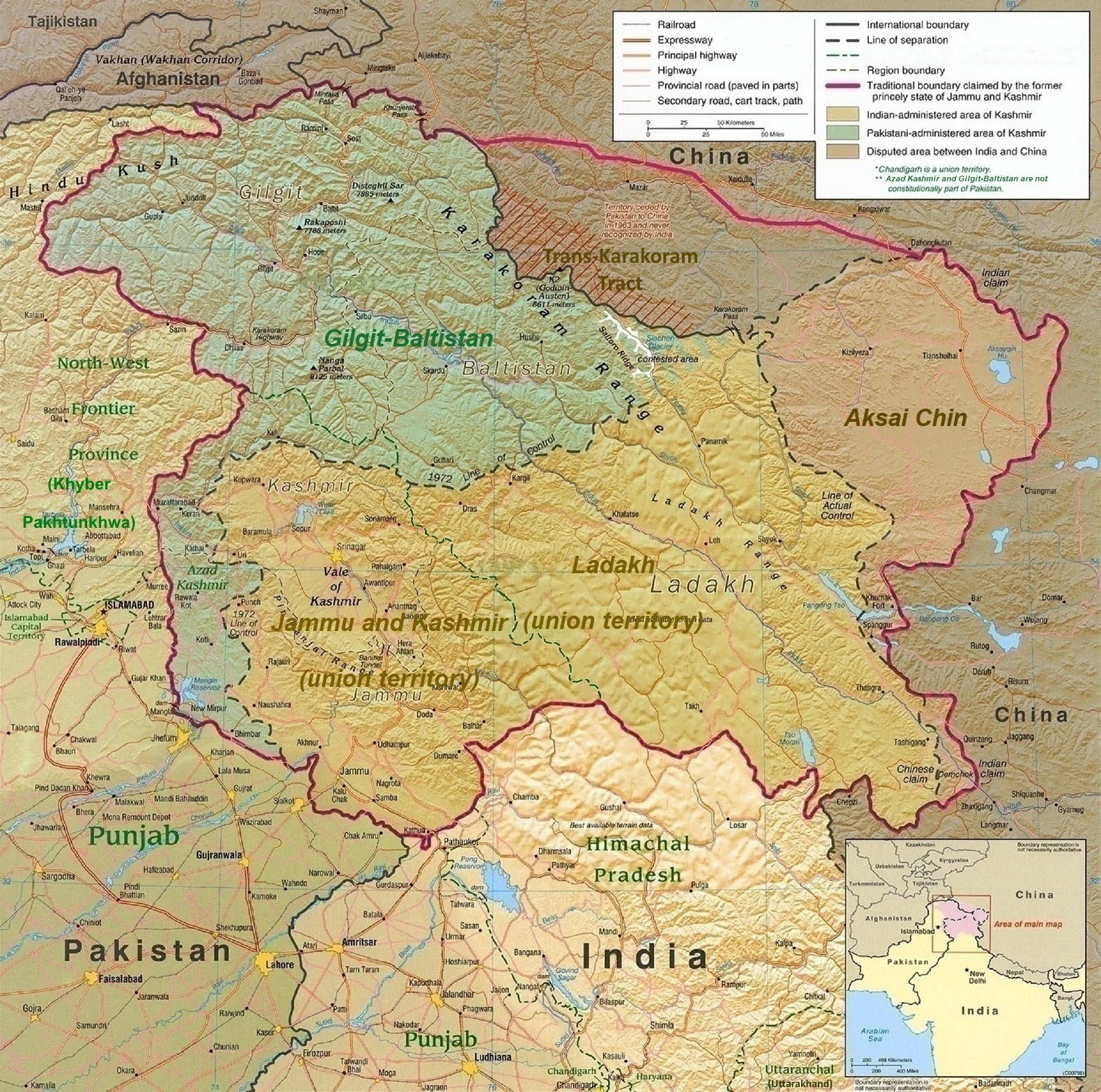



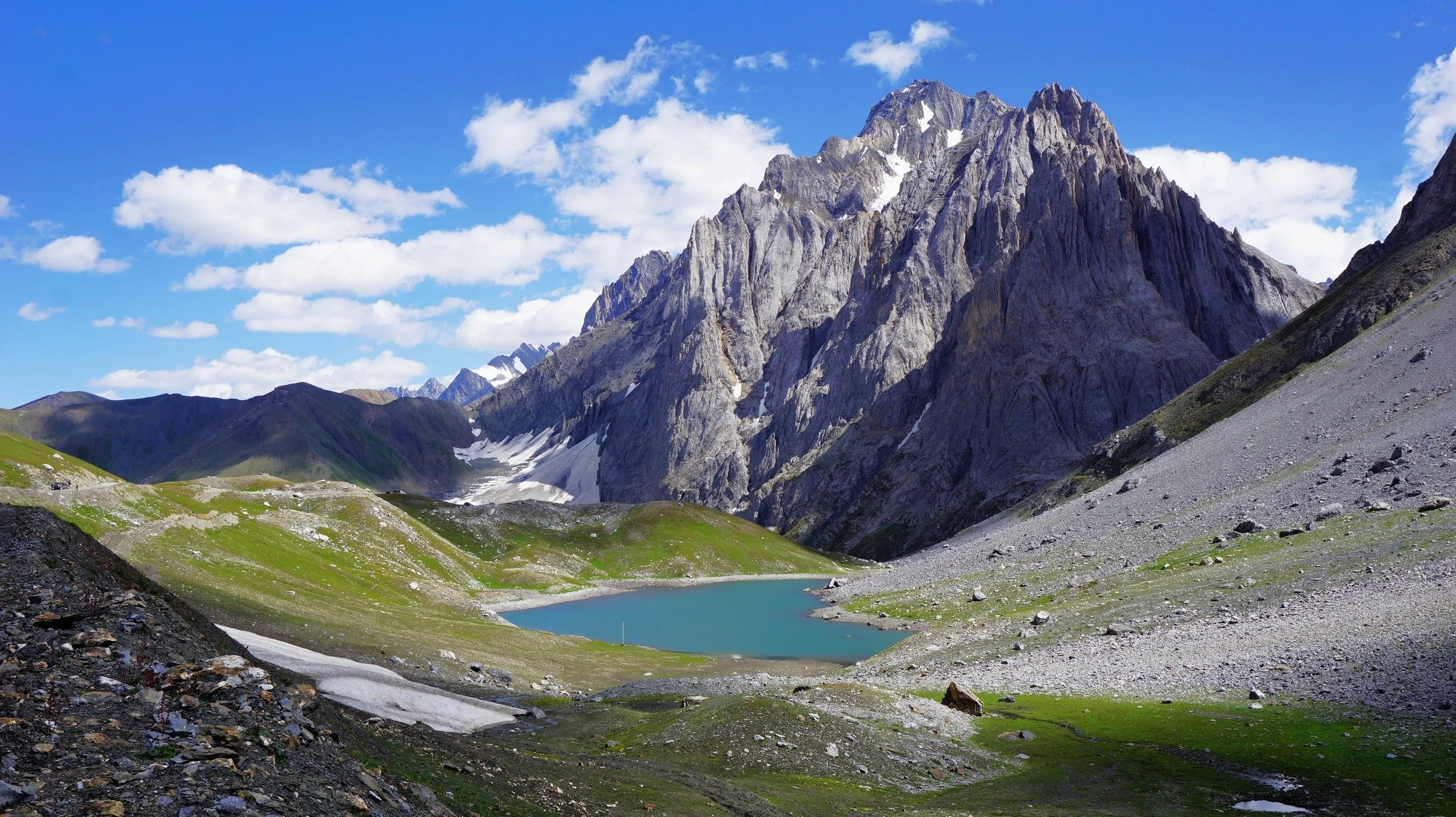
Five years ago the Galwan Valley was in the News for the wrong reasons after a deadly clash between the Indian and Chinese Armies in the Valley located in Ladakh lead to many deaths on the contentious Border between the two countries in wake of continued Chinese intrusions into Indian territory.
This area along the Shyok River, of which the Galwan Nallah or the Galwan River which forms the Galwan Valley has been off limits to Civilians since long but now the Indian Government has decided to open up the area for Civilians and we were amongst the First Civilians to venture into this beautifully desolate part of the Eastern Karakorams in Ladakh. Earlier Civilians could only venture upto the Village of Shyok from where the Shyok River takes a U turn and flows in a Northerly direction.