Cart 0
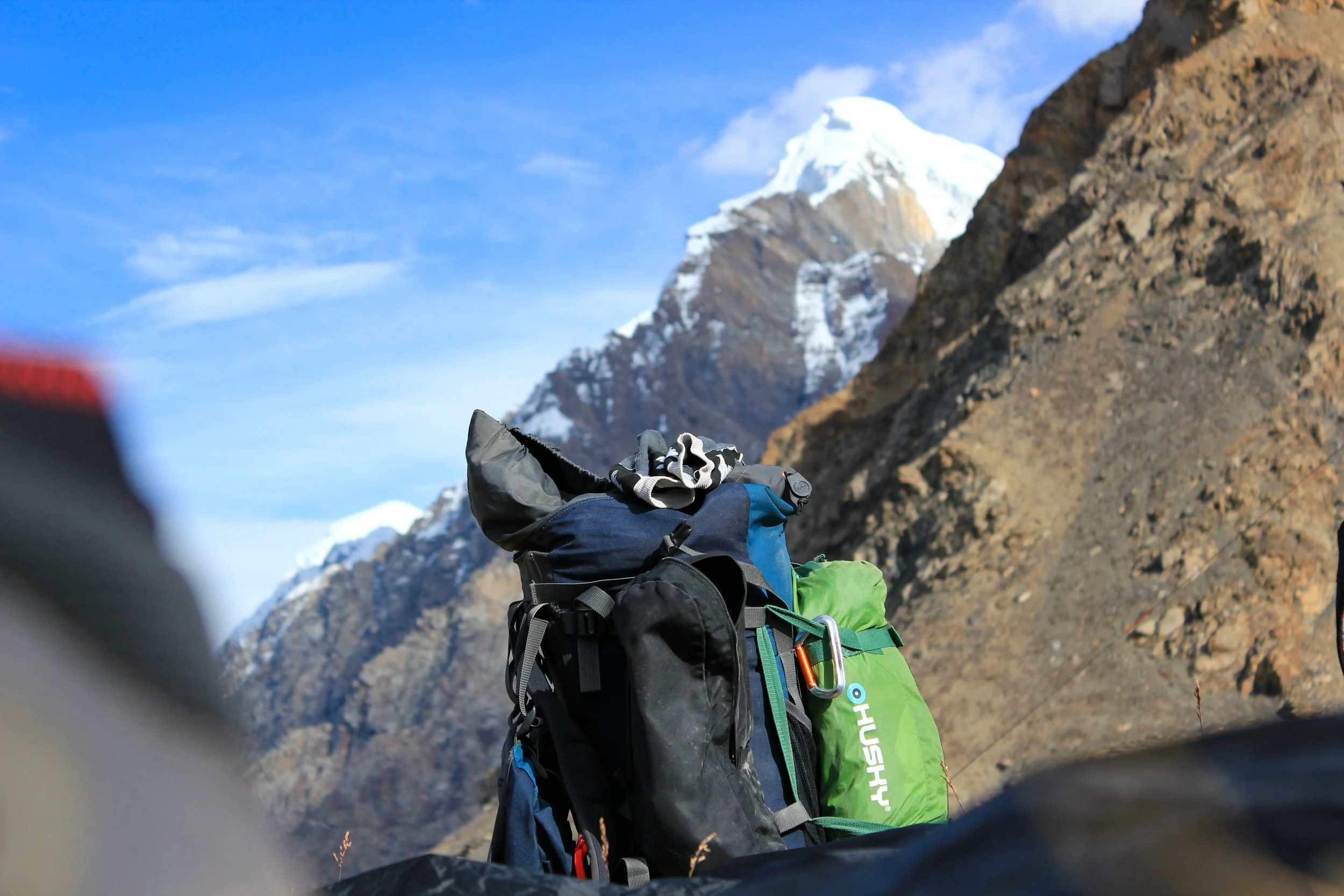
frantisek-duris-471413-unsplash.jpg

How to Pack a Rucksack 

1. Decide What to Take

  • Try and limit yourself to the essentials.

  •  As a rule you should not exceed 15KG, the lighter the better!

 2. Lay Out Your Kit

  • Laying out everything you want to pack will help you decide what’s important and what can be left behind.

 3. Organise Your Kit Into Groups

  • Different bags will help you to separate similar items and keep your kit dry.

  •  How you organize your clothing is up to you. You can use one bag for underwear and one for tops and trousers, or arrange the bags by outfit

  •  Rolling your clothing items tightly can help you maximize space.

 4. Pack Heavy Items First

  • Make sure the weight in your pack is distributed evenly.

  •  Heavy items such as tentsstoves and water should be placed towards the bottom of the bag against your back.

  •  Check that any items placed towards the back are not sticking out as these will dig into your back.

 5. Pack Medium Weight Items Second

  • Medium weight items such as sleeping bags and bulkier clothing can be placed towards the bottom of the bag.

  •  Bigger bags often have a separate compartment at the bottom for storing your sleeping bag. This compartment is also useful for spare shoes.

 6. Pack Light Items at the Top

  • Lighter items such as gloves, hats, torches and maps should be stored towards the outside of the pack or at the top.

  •  Items you need quick access to such as first aid kits, snacks and waterproofs should also be placed near the top or in side pockets.

 7. Pack the Pockets

  • When packing items in the pockets, consider weight distribution. You don’t want too much weight on one side as this will throw you off balance.

 8. Attach Items to the Outside

  • If you’re taking a sleeping mat and it doesn’t fit inside your rucksack, you can attach this to the outside. Ideally, you should strap the mat vertically to the pack as this will minimize damage should you put your bag down.

  •  Avoid attaching anything you cannot afford to get wet, damaged or lost to the outside of your rucksack.


frantisek-duris-471413-unsplash.jpg
stil-564521-unsplash.jpg

 To Carry List

  • Approximately 50 - 60 Ltrs personal rucksack/ Duffel bag

  • Approximately 20 ltrs Haversack sack to carry essentials (like water bottle, rain protection, electrol powder, medicines, torch, Sun glasses, Wind-proof cheater, camera and accessories etc)

  • Plate, spoon, fork, mug , lunch box / Tiffin box

  • Personal sleeping bag  (We can provide on request)

  • Sleeping bag liner .

  • Inflatable Pillow .

  • Carry mattress for camping (We can provide on request)

  • 2 Pairs of clothing (polyester and cotton shirts/T-shirts, Trekking pants)

  • Undergarments.

  • Full sleeve sweater/ fleece jacket .

  • Warm Jacket preferably Down filled Jacket

  • Wind-proof cheater

  • Woolen Cap / Hat

  • Strong walking/ trekking ankle length boots with hard rubber soles (preferably Goretex Shoes with Vibram sole )

  • A pair of Gaiters .

  • A pair of Trekking Poles .

  • Floaters/ sandals with back strap

  • Adequate number of socks keeping in view the duration of the trek ( Minimum 3 to 4 pairs )

  • Hand Gloves .

  • Water Bottle.

  • Poly bags 10 kgs x 5 nos for packing things for rain protection

  • Torch / Head Lamp(with extra cells)

  • Personal Rain protection  - Rain Coat , Water proof sheet / poncho .

  • Dark UV protected  Sun glasses

  • Buffs ( 2 )

  • Plastic cord (for packing)

  • Toilet kit ( Including Tooth paste , Tooth Brush , Soap , Cold Cream , Sun Screen (UV protected) , Vaseline , Hand Sanitizer , Anti Fungal Foot Powder , Toilet paper , Wet wipes, Towel  , etc )

  • Writing Material  ( Pen , NoteBook etc )

  • Emergency Food ( Protein bars , Biscuits , Dry fruits etc )

  • Camera with extra batteries .

  • First Aid Kit ( Including Small knife , Antiseptic – Dettol/ Savlon, Cotton, Bandages , Medical Adhesive tape , Scissors, Tweezers, Thermometer, Sterile adhesive bandages in assorted sizes 2 & 4-inch sterile gauze pads , 2 & 3-inch sterile roller bandages, Blades, Band-Aids,  Thread, Needle, Safety pins, Buttons, Rubber bands, Burn gel & dressings , Latex Gloves, Asprin , PCM, Personal medication as desired , etc )


stil-564521-unsplash.jpg
antonio-molinari-415190-unsplash.jpg

Mountain Manners

Walking Manners

  • Don’t walk too fast to carry the weight (of a rucksack) from one camp to another; you are here to enjoy the scenic beauty of the mountains.

  • Walk with a steady pace, set rhythm of your strides with your breathing. If you want to hurry a little, increase stride and not the pace.

  • While walking, keep your foot in full contact with the ground and not just the toes.

  • Do not swing your arms widely.

  • On steep slopes, bend forward to take the weight on the back.

  • Be careful while walking on pine needles, wet grass, wet roots, which are slippery. Frozen water on the slopes, rocky patches and stones on the banks of the rivers and streams should be negotiated carefully.

  • Avoid loose stones.

  • Avoid crossing and overtaking on narrow paths. Don’t block the path while resting.

  • Halts should be utilized not only to relax but also to readjust the loads, tie shoes etc. halts should not be frequent. Too many halts destroy the rhythm of a walk, make you more tired and waste time.

  • During heavy rain or storm, find a shelter- a cave, a projected rock, a dhaba or a hut. But don’t stop if its raining lightly.

  • On your route, you may encounter flocks of sheep or bulls pr mules crossing your path or even vehicles. On such case, keep to the mountain side and not the side and not the side facing the valley.

  • Never drink too much water, it might give you cramps.

  • Consume liquids as much as you can, (tea, coffee, lemon juice, soups etc.) instead of drinking water.

dino-reichmuth-123637-unsplash.jpg

  Camp Code of Conduct

  • Do not go into tent with shoes.

  • Do not throw waster papers, wrappers on other rubbish around or near the camp. Throw it in the waste-pits.

  • Do not burn candles in the tents.

  • Do not make noise and disturb others in nights.

  • Wash your mugs and plates immediately after your meals.

  • Do not pollute the water of the streams and the rivers as it is used by people downstream for their daily needs.

  • Do not walk over crops, fell trees and spoil new plantations.

  • Do not spoil local monuments, temples, and caves. Respect local customs and social systems.

  • Do not litter any wrappers or spoil the trails in any way. In case you find any wrappers, plastic bags or any thing left by trekkers on the way, please carry the same with the same with you for deposit at the base camp.


antonio-molinari-415190-unsplash.jpg
IMG_20170116_120314-01.jpeg

Acute Mountain Sickness and Acclimatization

Acute Mountain sickness , sometimes called Altitude sickness normally becomes noticeable at altitudes in excess of 8,000ft and spares no one. Altitude sickness is a group of symptoms that can strike if you walk or climb to a higher elevation, or altitude, too quickly . The pressure of the air that surrounds you is called barometric pressure. When you go to higher altitudes, this pressure drops and there is less oxygen available . If you live in a place that’s located at a moderately high altitude, you get used to the air pressure. But if you travel to a place at a higher altitude than you’re used to, your body will need time to adjust to the change in pressure. Any time you go above 8,000 feet, you can be at risk for altitude sickness.

Types : There are three kinds of altitude sickness

  1. Acute Mountain Sickness (AMS) is the mildest form and it’s very common. The symptoms can feel like a hangover dizziness, headache, muscle aches, nausea.

  2. High Altitude Pulmonary Edema (HAPE) is a buildup of fluid in the lungs that can be very dangerous and even life threatening.

  3. High Altitude Cerebral Edema (HACE) is the most severe form of altitude sickness and happens when there’s fluid in the brain. It’s life threatening and you need to seek medical attention right away.

Symptoms : You might have

  • Headache

  • Dizziness

  • Nausea

  • Vomiting

  • Fatigue and loss of energy

  • Shortness of breath

  • Problems with sleep

  • Loss of appetite

Symptoms usually come on within 12 to 24 hours of reaching a higher elevation and then get better within a day or two as your body adjusts to the change in altitude.

If you have a more moderate case of altitude sickness, your symptoms might feel more intense and not improve with over-the-counter medications . Instead of feeling better as time goes on, you’ll start to feel worse. You’ll have more shortness of breath and fatigue. You may also have:

  • Loss of coordination and trouble walking

  • A severe headache that doesn’t get better with medication

  • A tightening in your chest

If you develop a severe form of altitude sickness like HAPE or HACE, you might have:

  • Confusion

  • Shortness of breath even at rest

  • Inability to walk

  • A cough that produces a white or pink frothy substance

  • Coma

Who Gets it ?

Anyone can develop altitude sickness, no matter how fit, young, or healthy they are -- even Olympic athletes can get it. In fact, being physically active at a high elevation makes you more likely to get it.

Your chance of getting altitude sickness depends on a few other things: how quickly you move to a higher elevation, how high you go up, the altitude where you sleep, and other factors.

Your risk also depends on where you live and the altitude there, your age (young people are more likely to get it), and whether you’ve had altitude sickness before.

Having certain illnesses like diabetes or lung disease doesn’t automatically make you more likely to develop altitude sickness. But your genes could play a role in your body’s ability to handle higher elevations

How to Manage the Sickness :

The Golden rule is don’t go too high too fast. Take things at a leisurely pace in the mountains for trekking is not a forced route march and with this basic rule adhered to, altitude sickness should not be a problem. You’ll want to climb to higher altitudes gradually. Going slowly helps your lungs get more air through deeper breaths and allows more of your red blood cells to carry oxygen to different parts of your body. Above 3000m, the daily net elevation gain should be no more than 500m. Drink plenty of fluids at altitude as the air is extremely dry – the rule of thumb is that unless your pee is clear, you are not drinking enough.

The only effective cure for Mountain Sickness is descent. Anyone showing serious signs of the illness should be taken downhill immediately, regardless of the time of day or night, preferably by porter or pack animal. Recovery is usually dramatic, often after a descent of only a few hundred vertical meters.

Bombarded by medical advices and horror stories, trekkers  too often develop altitude paranoia. The fact is that just about everyone who treks over 4000m experiences some mild symptoms of mountain sickness but serious cases are very rare and the simple cure, descent, almost always brings immediate recovery.

In addition to being physically fit, trekkers should also be prepared to adopt a mental flexibility during the trip.

Basic Guidelines for Acclimatization :

  • Start your journey below 10,000 feet. If you have to fly or drive somewhere that’s higher up, stop at one destination that’s lower for at least a full day before going any higher.

  • If you walk, hike, or climb over 10,000 feet, only go up an additional 1,000 feet per day. For every 3,000 feet you climb, rest at least a day at that height.

  • “Climb high and sleep low”: If you have to climb over 1,000 feet in a day, make sure you come back down to a lower altitude to sleep.

  • Drink 2-3 litres  of fluids every day and make sure about 70% of your calories are coming from carbohydrates .

  • Don’t use tobacco, alcohol , or other medications, such as sleeping pills.

  • Know how to identify the first signs of altitude sickness. Immediately move to a lower elevation if you start to develop these symptoms.


IMG_20170116_120314-01.jpeg
toomas-tartes-1409263-unsplash.jpg

 How to be a responsible towards Nature !

If you are outdoor person, it is expected of you to be someone who respects nature, you will probably always looking for ways that you can help reduce your impact on the environment when hiking , trekking and camping in the alpine regions . Here are some important and creative ways that you can help preserve the natural aesthetics  of our natural heritage making it a fun and memorable experience.

1. Don’t make  your own path through wild areas, stick you the beaten trek path.

 2. Use designated campsites and please don’t establish undisturbed wildlife areas in secluded or private  spots.

3. Leave no trace (LNT) : What you bring along , you take it back. One of the major principals of responsible camping is simply that you should leave no trace and that you should not leave anything behind or take anything with you when you go. Leave the place better than you found. Take only pictures and leave no footprints

4. Do not cut trees, damage plants; pluck flowers, herbs around the site for any purposes.

5. Keep water sources clean : By keeping local water sources clean , we make sure to minimize our impact on the nature . Do not use any detergents, soaps, or toothpastes within 100 feet of a water source.

6. Do not go for defecation in open, use designated toilet tents or in case not available dig a Cat pit.

7 . Wildlife: It is wonderful to appreciate the beauty of wild animals from afar but do not tread upon their territory or try and engage with them.

8. Conserve water: while washing the dishes, filling up a personal water bottle, or boiling water for meals, there are always ways that you can help save water! Scrape food off the plates entirely before washing them, filling up the sink  etc you can dramatically decrease the amount of water you use day to day.

9. Bury all Biodegradable waste -  It is not acceptable to simply cover up toilet waste with vegetation or rocks. Use a shovel to dig a hole for burying the waste . And bring back all Non Biodegradable wastes to the road head for proper disposal , including  Tampons and sanitary pads as they are non biodegradable and if buried  animals will dig them out .

10. Take care of your tents: never smoke inside the tents as they are made of nylon which is highly inflammable. DO not damage your tent with blades and scissors


toomas-tartes-1409263-unsplash.jpg