Cart 0

The Village of Hundarman on the LOC

The Old Hundarman Village

The Old Hundarman Village

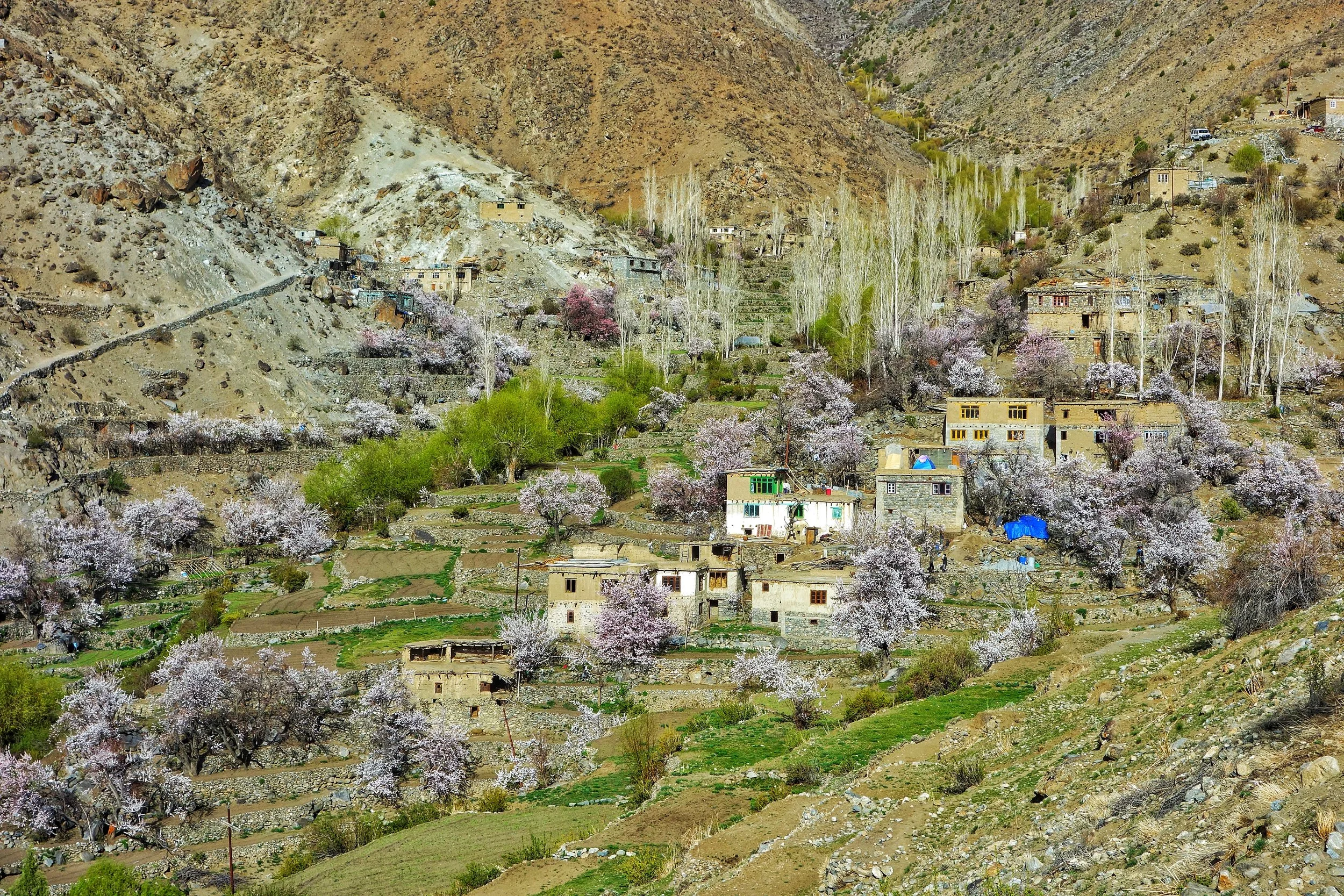
The Old Hundurman Village as it looks today. 

Hundarman on the LOC

Ladakh offers many gems set in the Trans Himalayan landscape. One such place while travelling to Ladakh is the Village called Hundarman. Set in a sharp mountain gully 11km from Kargil, the tumbledown ghost village of Hundarman is a remarkable sight. Rocky crags tower above, a steeply raked arc of stone-walled terraces sits below and virtually all of the low-ceilinged homes are stacked on top of one another, forming a fascinating core that has been (somewhat) preserved as a unique time capsule. This Village was till 1971 under Pakistani control but came under Indian Control after the 1971 War.

Contact for more details : travelthehimalayas@gmail.com / +91 9871292288

The onsite Museum on site also includes exhibits from the daily lives of the Village residents from the Time when they were under Pakistani control as well as from the recent times. It takes you on a Journey back in time.

A guided visit is recommended, as it gets you into two museum rooms displaying aged utensils, touching personal mementos of former residents and projectiles that hit the village in the various Indo-Pakistan wars. En route there's the curiosity of passing through the minefield area that once formed the Indo-Pakistan border. And at a lonely tea shack (Km 7), binoculars are rented for better glimpses of the current Line of Control at the ruined village of Brolma. Interestingly Brolma was neighboring Village which too is now abandoned but its still under Pakistani control.

Here is a brief glimpse of the Items on display in the old Houses now converted into two Galleries : 

While some of Hundarman's former population now live in Pakistan, the upper village 1km beyond is still populated and is a fascinating place to wander as well

From Lonely Planet

We offer you a new Hundarman /  Suru Experience :

Day 01 : Arrive at Kargil. Visit the Hardas Apricot Valley and the Munshi Aziz Bhat Museum. Roam the Kargil Bazaar. Overnight at the Hotel with a Bomb Shelter, the Kargil

Day 02 : After Breakfast move towards Hundarman along the Shingo River. View the old Route from Kargil to Skardu which hast been in use since 1948. View across the LOC and see abandoned Village on the Other side. After reaching Hundarman check into the Homestay on the LOC. After Lunch go down and visit the small Museum set up there by the locals of the Village. Roam around the abandoned Village. In the evening hear stories of the Past as we sit around a bonfire. Night stay at the Homestay on the LOC Hundarman

Day 03 : After Breakfast we say good bye to our Village Hundarman and move towards Kargil. We move into the Suru Valley and see the Mosque at Trespone. Further we see Buddhist Relic sites on the way to Sankoo. We move beyond Sankoo and go to Panikhar and see the massive Nun Kun Peaks, the highest Himalayan Peaks in the Indian controlled Himalayas in the state of Jammu and Kashmir.  Have a round of Archery with the locals. Return by evening toKargil and stay at The Kargil

Day 04 : Departure for Srinagar / Leh as per schedule.

And an image which speaks for itself and it tells you that you are indeed very close to somewhere on the Line of Control

hundarman-lineof control
DSC01119-01.jpeg

The Suru Valley in Ladakh is sandwiched between the Zanskar Range and the Great Himalayan Range. It is drained by the Suru River which is a tributary of the Indus River. The town of Kargil lies at the head of the Suru Valley.

The town of Kargil at the head of the Suru Valley

The town of Kargil at the head of the Suru Valley

A beautiful Mosque at Trespone.

A beautiful Mosque at Trespone.

The magnificent Peaks of the Great Himalayas.

The magnificent Peaks of the Great Himalayas.

The open Valley before the Village of Sankoo.

The open Valley before the Village of Sankoo.

The mighty Nun Peak.

The mighty Nun Peak.

The Village of Panikhar

The Village of Panikhar

Majestically flows the Suru

Majestically flows the Suru


The Mushkoh Valley is a valley in Ladakh, India. Considered to be glaciated and unsuitable for human habitation, it came into prominence in 1999 during the Kargil conflict when Pakistan infiltrated troops across the Line of Control. The Mushkoh valley is the limit of at the western extremity of Ladakh, west of which lies the northern reaches of the Kashmir valley.

The famous Tiger Hill

The famous Tiger Hill

The Tourist Guest House in Drass

The Tourist Guest House in Drass

A view of the Drass Valley from the Road to Umba La

A view of the Drass Valley from the Road to Umba La

A Mosque in Drass

A Mosque in Drass

Approaching the Mushkoh Valley

Approaching the Mushkoh Valley

The Village of Mushkoh

The Village of Mushkoh

The Mushkoh Nallah

The Mushkoh Nallah